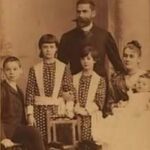
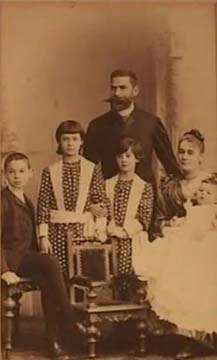
Klaus Hinrichsen: Grandfather Ernst
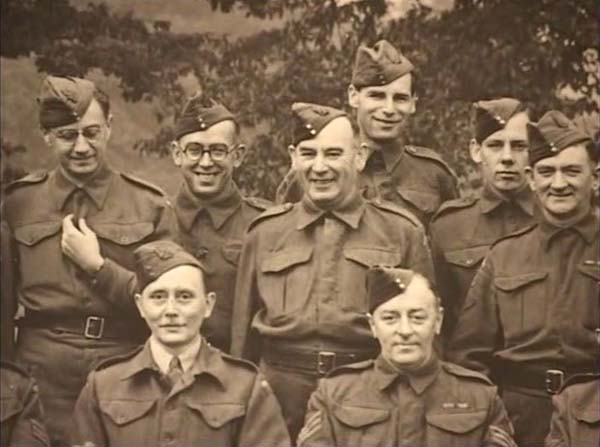
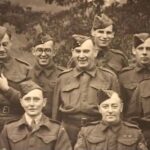
Klaus Hinrichsen: King's Own Royal Rifles Home Guard, Parliament Hill (Klaus back row)
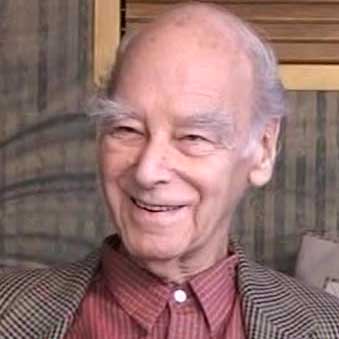
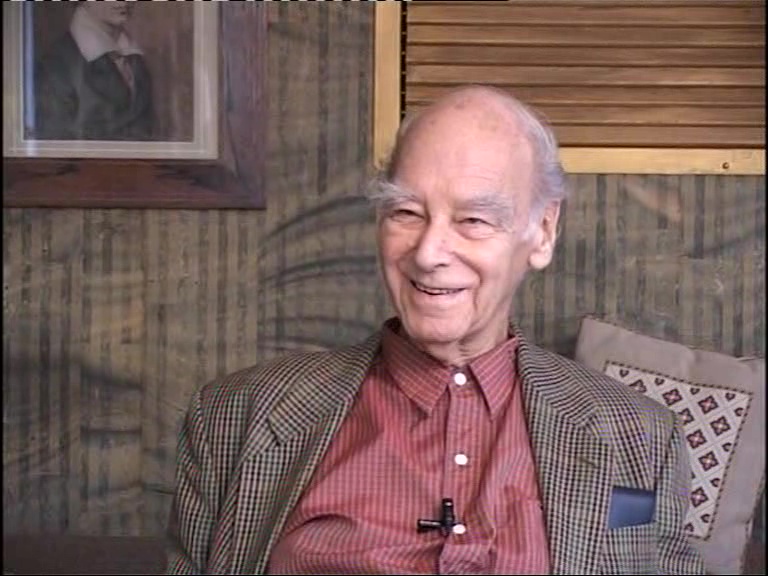
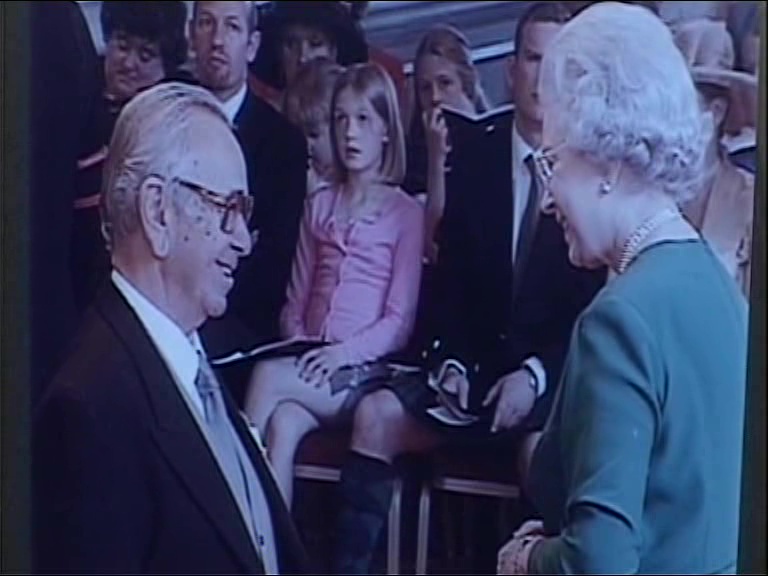
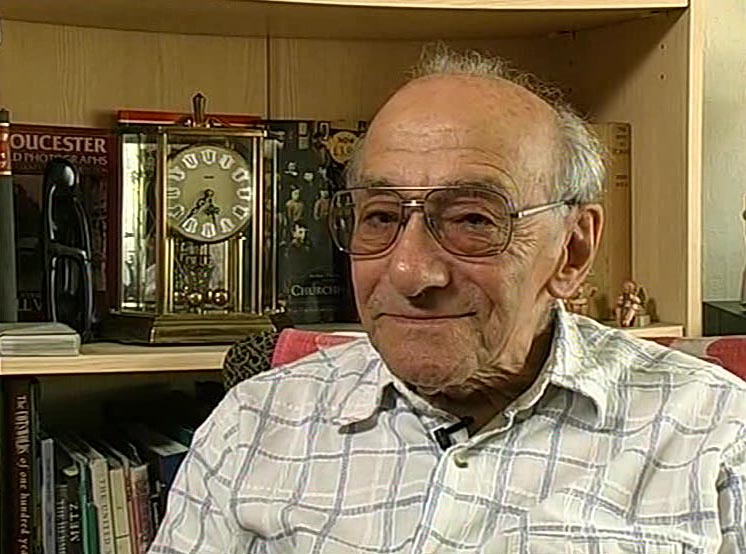
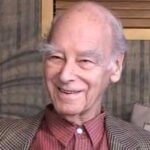
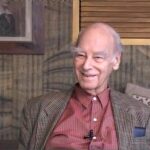
Klaus Hinrichsen: November 2003
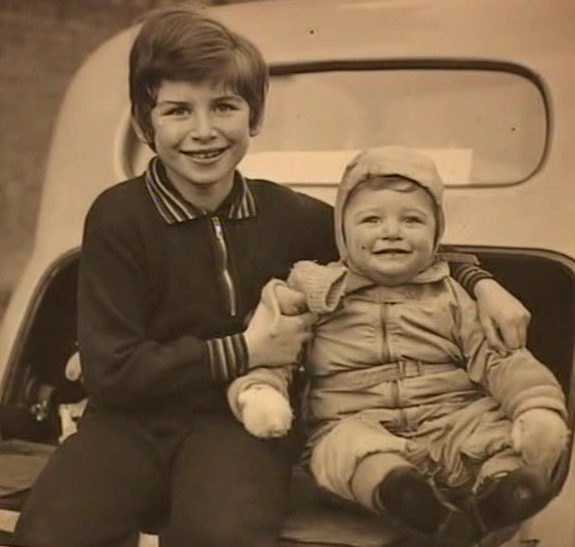
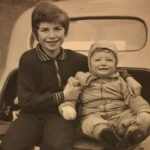
Klaus Hinrichsen: Daughter and son sitting on KH's first car
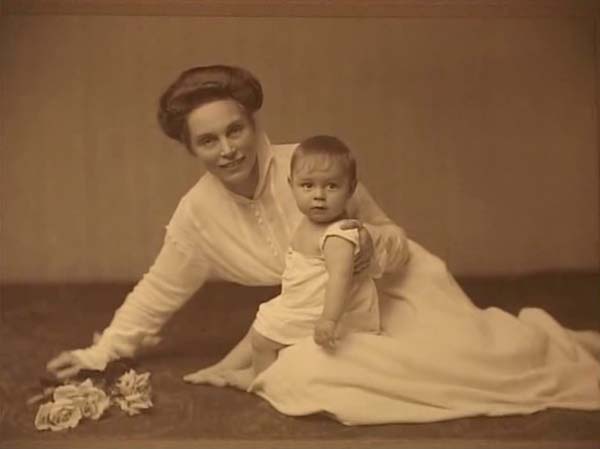
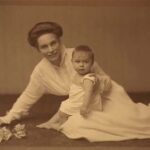
Klaus Hinrichsen: Mother Ida
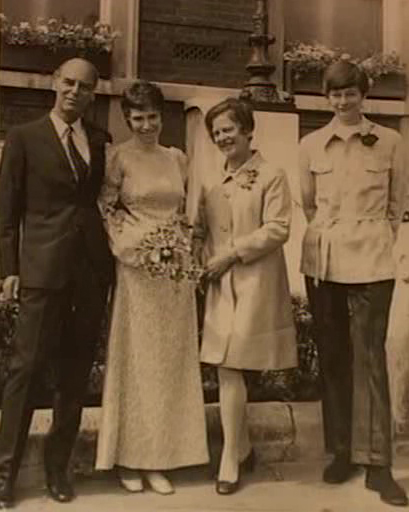
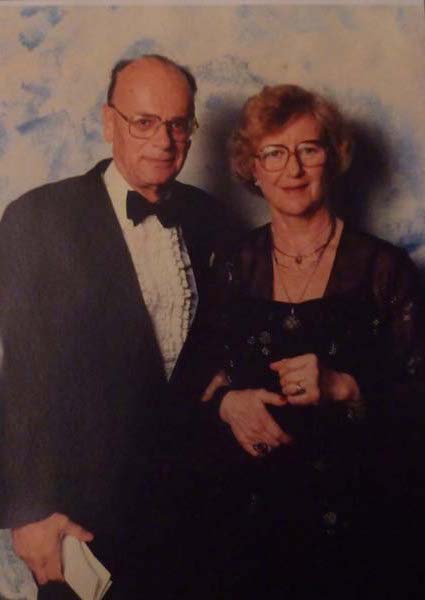
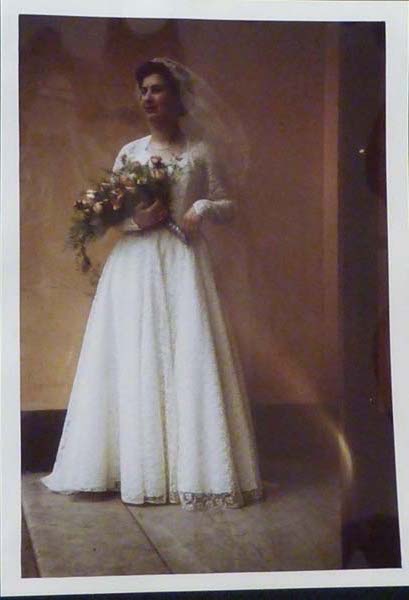
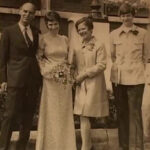
Klaus Hinrichsen: Daughter's wedding
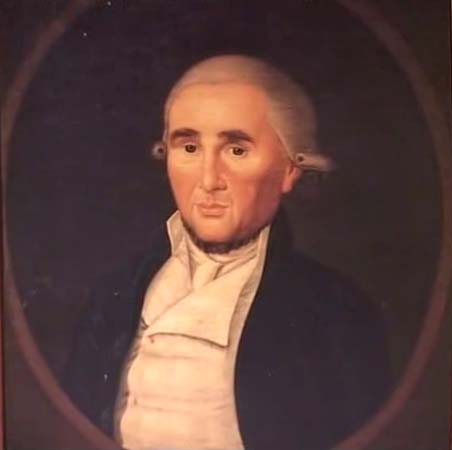
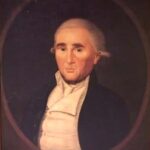
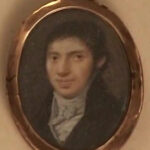
Klaus Hinrichsen: Reuben Samson Hinrichsen, Hamburg, 1800. ". It’s actually by quite a well-known portrait painter, who mostly worked from Hamburg and what he did is - he came already with a ready-made figure painting and only painted the head and he did a lot of Jewish portraits in round about 1800."
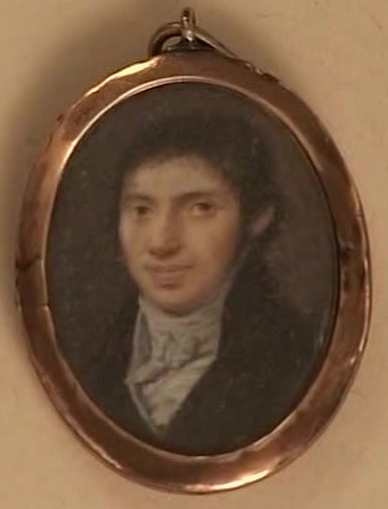
Klaus Hinrichsen: Ancestor Michel Henriques, born in Glückstadt ca 1680, also known as Michel Hoffaktor, Michel Tabakspinner, Michel Glückstadt or Michel Portuguese. The back of the portrait contains a hair sample & some diamond splinters arranged in an H for Hinrichsen.
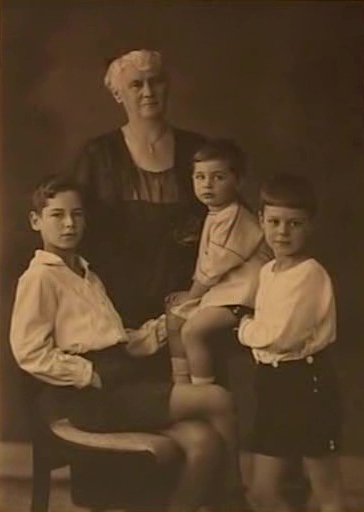
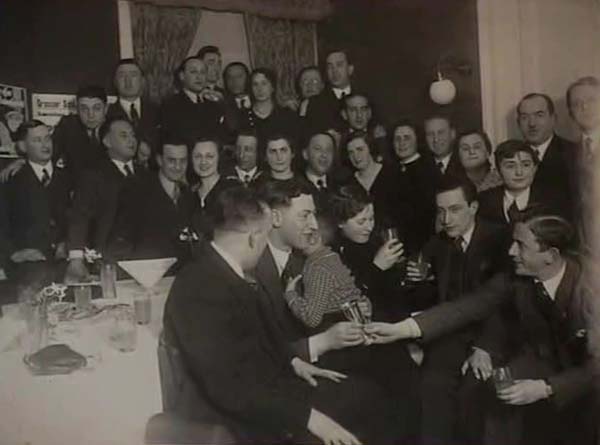
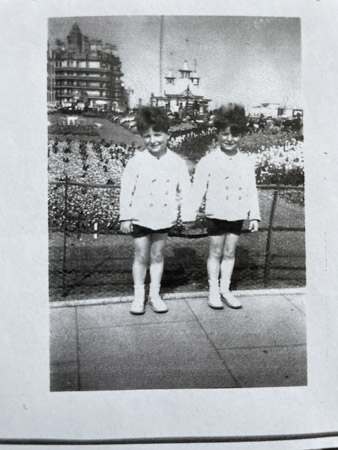
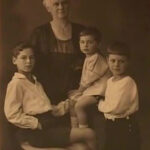
Klaus Hinrichsen: paternal grandmother; KH on the left with brothers
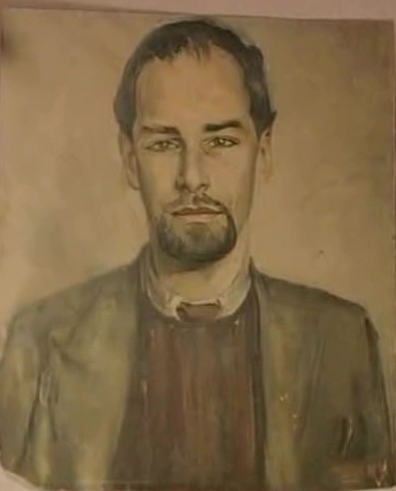
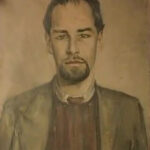
Klaus Hinrichsen: "Somewhat idealised”, painted by Kurt Schwitters, in Hutchinson internment camp, Douglas, Isle of Man, early 1941.
Klaus Hinrichsen
Klaus Hinrichsen’s family were from North Germany
Born: 1912
Place of Birth: Lubeck
Arrived in Britain: 01/06/2026
Interview Number: 43 (S)
Experiences: British Internment - Isle of Man , Unaided Emigration
Interview Summary
Klaus Hinrichsen’s family were from North Germany. On his father’s side the family dates back to the arrival of Jews from Portugal (Henriquez) in the 17th century. On the mother’s side, the family was solidly North German. Hinrichsen’s family was thoroughly assimilated L?beck patrician. His father attended the same school as Thomas Mann.
Klaus was born in 1912, the oldest of four children. He was educated at Katharineum, L?beck. He had no experience of antisemitism. He studied at four universities and was able to complete his doctorate in Art History at Hamburg under the Nazi regime, but unfortunately had no prospect of obtaining a job in that field. He emigrated to Great Britain in 1939 to avoid military service. He was interned in 1940. He has detailed and very interesting memories of refugee artists on Isle of Man, especially Kurt Schwitters, Ernst Blensdorf and Erich Kahn. He married a Jewish refugee from Germany. His family (one daughter, one son) are now totally unreligious and very assimilated in British life. He set up Millgate Chemicals, supplying animal by-products for the pharmaceutical industry. He as written and lectured widely on artists in internment and is now an authority in the field. His parents survived the war unscathed thanks to friendly connections in L?beck.
Place of Birth
The windows were painted blue & the bulbs painted red. Some boffin had worked out that blue & red would be perfect blackout so we didn’t need any curtains. During the day we were sitting in an aquarium, at night in a brothel. Within minutes people started scratching the red paint off the bulbs, so there was no blackout whatsoever. And murder outside with the Manx population, who didn’t like it at all. We were already greeted with newspaper headlines: ‘The Huns steal our landladies’ houses!’. We were neither Huns nor was it our intention to steal anybody’s houses whatsoever. But these houses had all been relatively cheap boarding houses, they prided themselves to be continental, which means you didn’t have to be married to sign in. Well-equipped kitchens. It must have been the same boffin, who worked out that 3 people can sleep very well in 2 double beds. This being Germans, the first great battle was that somebody said, ‘I was an Officer in the German army. I cannot possibly share a bed with a Private’! All the Germans kept their titles, you were Herr Professor or Herr Doktor, you were Herr Kommerzienrat, this went on & on. Everybody was wearing hats, it was incredibly formal. Up to the bitter end I don’t think anyone ever called me Klaus - I was Herr Doktor Hinrichsen. Ja!
First of all there was (Kurt) Schwitters- He arrived in Hutchinson and Richard Friedenthal, recognised him, and because I was in charge of the artists, he called me over and he said, ‘That is the notorious Kurt Schwitters’ and I knew of him, because of the degenerate art exhibition, …his abstracts, collages, were deliberately hung like this and they were in the section ‘Total Verrückt’. (‘Completely Insane’) And there’s a photo of Hitler standing in front of them, grinning inanely at this particular picture.
Then came the internment- They came, very early in the morning... In a Black Maria, to collect a German solicitor who was on the list. Anyway, so the landlady said, ‘But you took him yesterday’, so the policeman said, ‘Haven’t you got anybody else?’, so she said, ‘Yes, we have Mr. Hinrichsen’, so off I went.
Professor of Art History Wilhelm Pinder, … was Hitler’s advisor on art. He was a brilliant lecturer, he was a brilliant man, but he rewrote the history of German art. Everything was German. And that of course went on in Hamburg later- The libraries were cleared, every book which had Jewish authors, there were book-burnings. And that was in ’33. The university was a shambles because all the time you had to listen to speeches and you had to parade around. But of the art historians, there were really no Nazis. We visited Berlin and chairman of the students of Art History, appeared and he was wearing an SS uniform, and we thought he was going to a fancy-dress party.
One morning Kurt Schwitters arrived in Hutchinson and Richard Friedenthal, the editor of the Knaurs, the Knaur Lexikon, he recognised him, and because I was in charge of the artists, he called me over and he said, ‘That is the notorious Kurt Schwitters’ and I knew of him, because of the degenerate art exhibition, there was…his abstracts, collages, were deliberately hung like this and they were in the section ‘Total Verrückt’. And there’s a photo of Hitler standing in front of them, grinning inanely at this particular picture. That picture has disappeared, as a matter of fact, that doesn’t exist. But Schwitters had then, you know he wasn’t Jewish or anything, he wasn’t political or anything, and he had always gone to Norway over summer for some months, so he went to Norway and stayed, after the degenerate art exhibition, together with his son. And his wife stayed on in Germany, in Hanover, and came occasionally, his mother too, to visit him and then his permit had expired, resident, in Holland, in Norway, and he after quite some extraordinary experiences on his travels, he travelled with two white mice always in his pocket, and the Norwegian partisans caught him and said that he was a Nazi spreading bacterial warfare (laughs) – these two white mice. And then he declaimed one of his poems, he said it’s so mad, it can’t have been him. But he was detained in northern Norway in a school, the school had a workshop. There were various others, Ernst Blensdorf, who was a sculptor, who came also to Hutchinson, and they thought one of them was a German Nazi spy – he didn’t talk and so – and suddenly, Schwitters was in the workshop and this man was there too and he killed himself, committed suicide with a chainsaw. Now that is really a very nasty way to kill yourself. In two halves or God knows what, and this French poet, who was here, he says Schwitters’ whole aspect of life was changed by this experience. I’m not sure this is true, but in any case it’s not a very nice experience, with a chainsaw. Anyway, they arrived then, he arrived then in Hutchinson and I showed him around and then he talked about the many interesting faces and about the landscape and I said, ‘Look, he’s a Dadaist, you know, what’s going on?’ and then very soon he said – he was a very good business man as a matter of fact – he found very eminent people, Rudolf Olden for instance, and painted their portraits free of charge and did an exhibition, and of course all the minor mortals wanted to be painted by him as well. So, contrary to all other artists, who said, if they did your portrait, ‘Look try to give me something else’ or something like it, he had a range of charges – five pounds, head and shoulders and hands; four pounds, head and shoulders, arms but no hands and three pounds, head and shoulders only. My portrait is head and shoulders only, but three pounds at the time was an awful lot of money and five pounds was really like a couple of hundred pounds nowadays. I didn’t pay for mine, because I had an office in the camp administrative building and I let him have it occasionally over lunch, so that he could do some portraits there and one day I came back from lunch and on my desk, amongst all my papers, stood a naked man and he was – completely blue legs and a very red face where he was standing next to the electric fire and in the corner Schwitters was sitting painting him in red and in blue. And I said, ‘Look, Schwitters, that I really can’t have, you know. I don’t like people standing naked in the middle of all my papers’. So he said, ‘I’ll paint your portrait’. This way I got my portrait.
REFUGEE VOICES is the AJR’s groundbreaking Holocaust testimony collection of filmed interviews with Jewish survivors and refugees from Nazi Europe who rebuilt their lives in Great Britain.
The copyright of personal photos and documents on the site is held by each interviewee and may not be reproduced without their permission. Please contact the AJR if you would like to use any of the images and documents.