The development of oral history in the UK is clearly linked to the development of Alltagsgeschichte and “history from below” which attempted to give voice to marginalised groups, to “give history back to the people in their own words” (Thompson 2000: 308). At the end of the seventies and beginning of the eighties some oral historians challenged the pure “recovery” and “gathering” focus of oral history and asserted that “memory” should be moved to the centre stage of analysis and not only remain the method of oral history (Frisch 1990: 188). These methodological developments suggested that the purpose of the Refugee Voices interviews needed to be two-fold:
a) To gather evidence of historical experiences not widely recorded (of the emigration and settlement of German-speaking refugees in the UK in general and specific experiences in particular, for example women as domestic servants, accounts of internment, refugees as POWs in Germany etc.); and b) to enable an individual to narrate his/her life story and reflect on his/her experiences.
Keeping in mind the aim of historical reconstruction on the one hand and the creation of narrative memory on the other, the nature of the interview questions was of crucial importance. The questions needed to be open, not suggestive, and descriptive (“Could you please describe …?”, “What was it like …?”, “How do you remember …?”). Many of the interviews start with the question “Can you tell us about your family background?” The answers can vary from one minute to five minutes, from talking about the history of the family to immediately talking about Hitler and the experience of emigration. The interviewers were also instructed to accept silences as part of the interview. The interviews vary in length from one to six hours, the average interview lasts for two to three hours. All the interviews are life story interviews, covering the interviewees’ lives from childhood to today. We created guidelines for interviewers and camera operators in order to be as consistent as possible.
The project had three principal interviewers, Anthony Grenville and Bea Lewkowicz in the South and Rosalyn Lifshin in the North of England. The first interview took place in January 2003 with Elena Lederman, who had survived the war in hiding in Brussels, and our last interview was conducted in March 2007 in the Wiener Library with Professor John Grenville, who had come to the UK on a Kindertransport from Berlin (an edited version of the interview has been published in the Leo Baeck Yearbook 2011 (Lewkowicz 2011)).
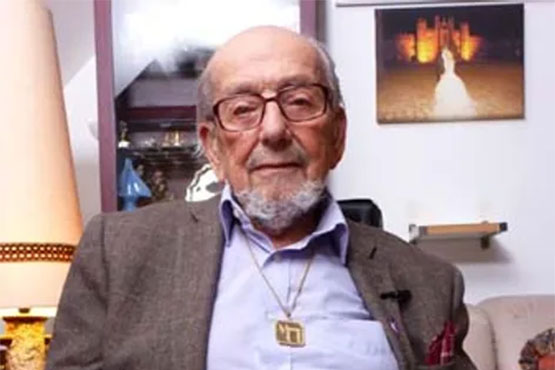
We decided to film a “head and shoulder” shot throughout the interview but to zoom out at the end of the interview in order to get a sense of the interviewee’s space. Our aim was not to change the shot during an interview, thereby not giving more or less visual importance to certain parts or sequences of the interview. The aesthetics of the video testimony image is a quite interesting topic and I think in future we will see research about the varied choices made by different video oral history projects, looking at the different impacts these choices make on the viewer and user of testimonies.
The advantage of video testimony, as suggested by James Young, is that unlike literary testimony (which is edited), silences are part of the image and unlike audio interviews, gestures, movements, and expressions provide an additional layer of interpretation (Young 1988: 161). Inspired by other video history projects, such as the Fortunoff Video Archive of Yale University (4,300 interviews), the USC Shoah Foundation, (52,000 interviews), and the Voice/Vision Holocaust Survivors Oral History Archive at the University of Michigan-Dearborn (300 interviews), Refugee Voices is the first dedicated video archive of life histories by refugees from Germany and Austria in the UK. It was decided very early on in the project that all interviews needed to be fully transcribed in order to provide the best access possible for researchers to the raw material of the interviews.
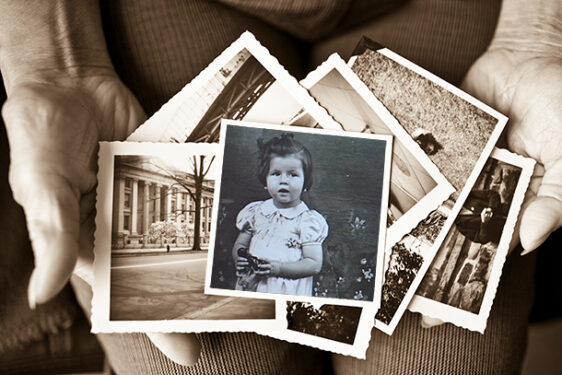
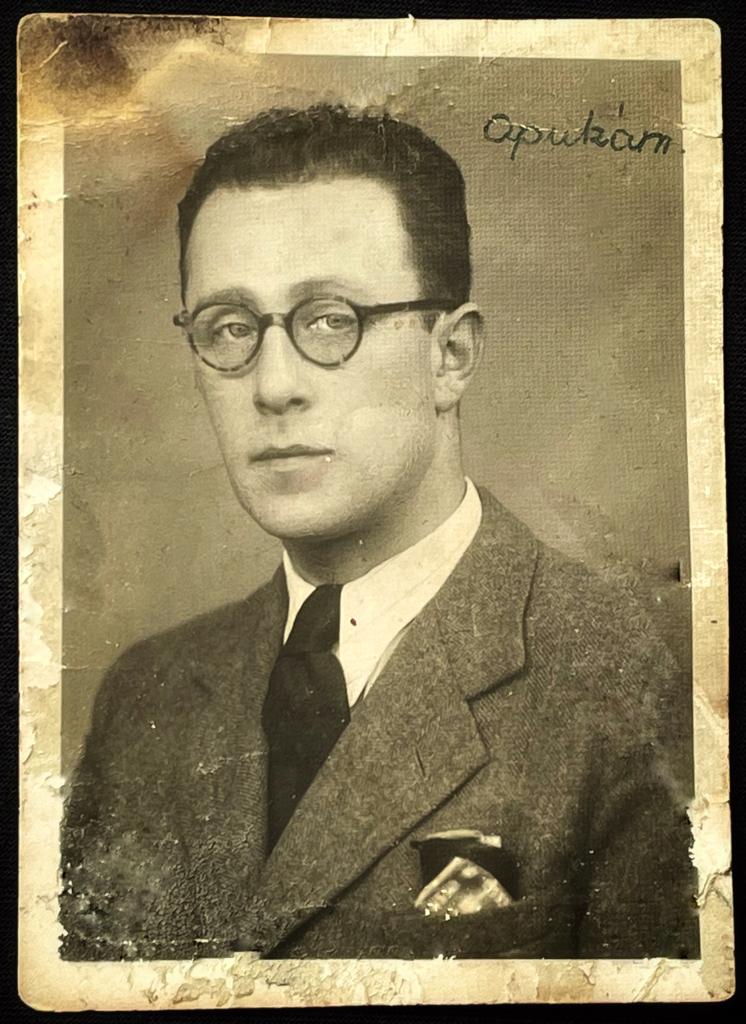
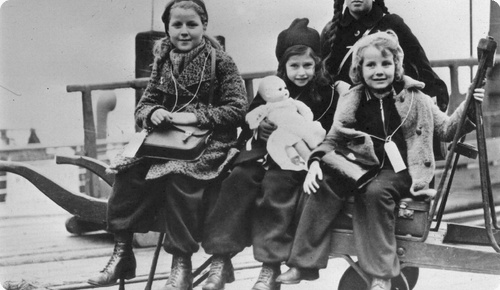
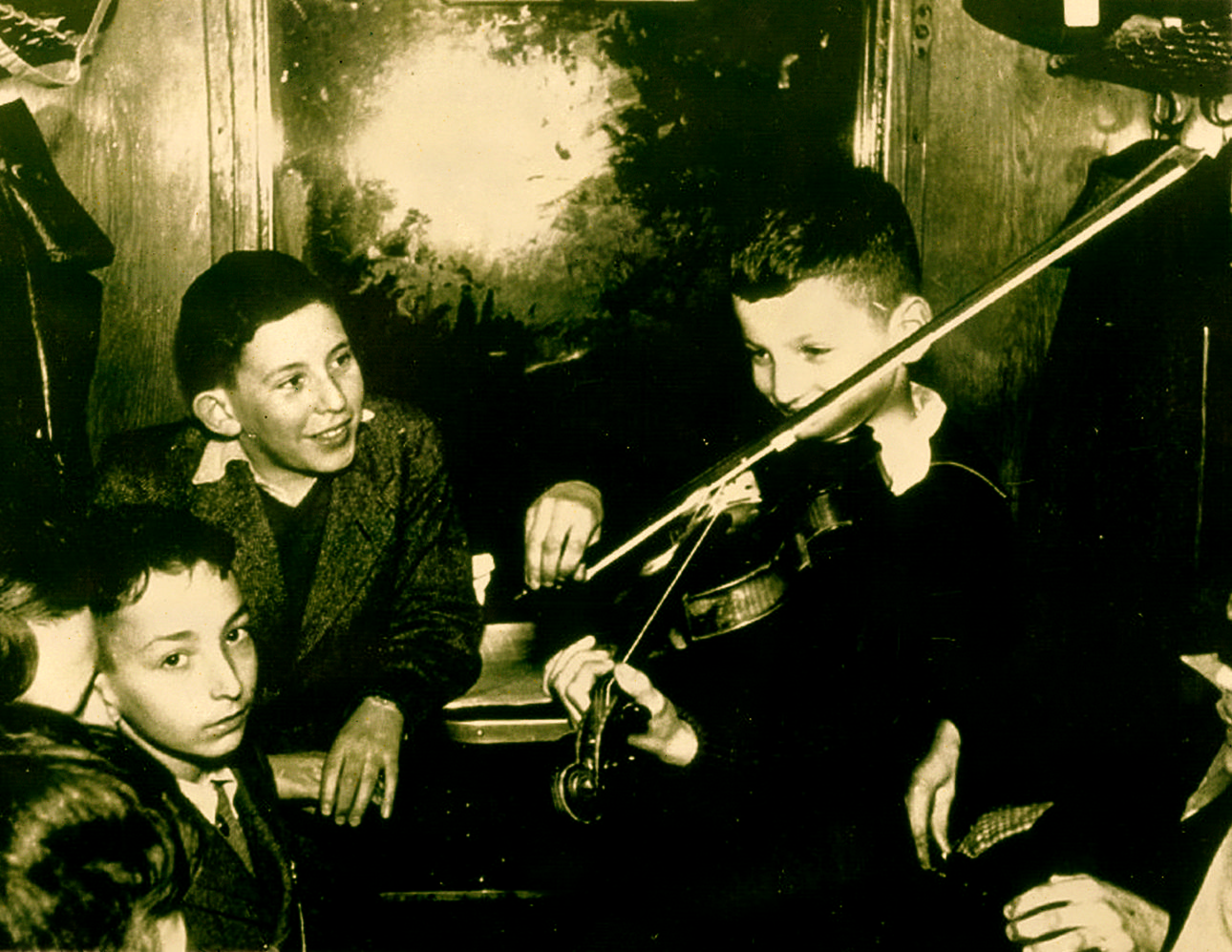
The time code in the transcripts makes it possible for a researcher to locate specific passages within an interview in a short amount of time. They can easily locate information relevant to any number of specific areas of interest, for example “Kindertransportees”, “domestic servants”, “internment on the Isle of Man”, or relating to interviewees from specific locations. Each interview is also accompanied by still shots of photographs of family members and friends, of places of importance for the interviewee and of other items and documents of special importance in the interviewee’s life. Refugee Voices is therefore both an archive of video testimonies but also of private photographs and documents.
One should note here that while transcriptions are very useful in terms of access to the material, they should not be treated as a primary source. Due to the nature of the many languages involved (German, English, Yiddish, Hebrew etc.) and the sheer volume of transcripts, mistakes in transforming the spoken words to written words are unavoidable, despite our editorial efforts. One interviewee was very upset that the transcript cited Wroclaw and not Inowrozlaw as the birth place of his father. Although we were able to correct this mistake at the time, we are aware that other mistakes might only be found once researchers are working on and using the interviews.