
Stories from Our Holocaust Testimony Archives

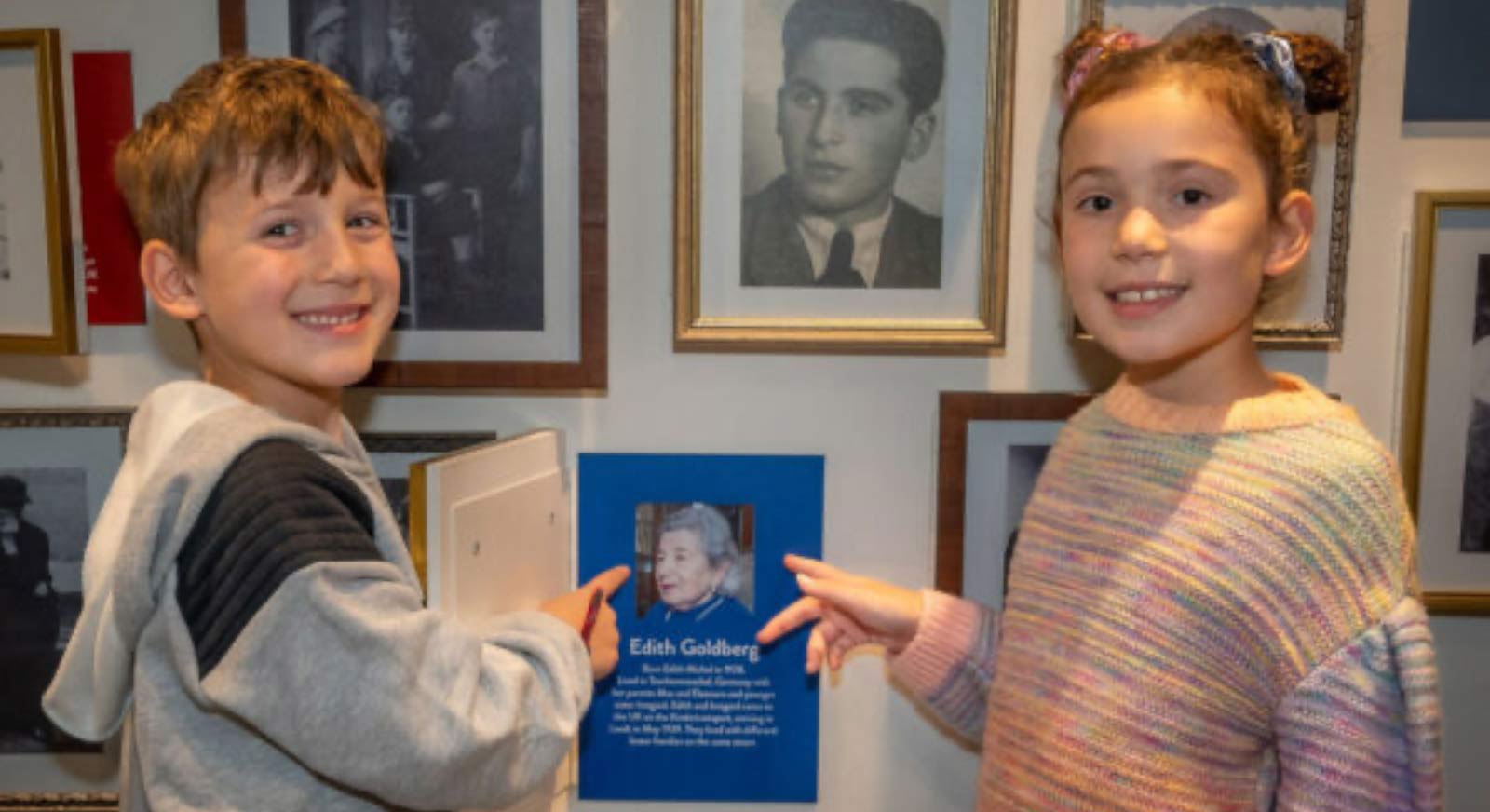
Drawing on powerful material from AJR Refugee Voices and AJR My Story, the below exhibition highlights personal testimonies, photographs and documents from Jewish refugees who fled Nazi persecution and rebuilt their lives in Britain. The exhibition theme will change throughout the year, offering fresh perspectives from our unique testimony archive.

The Kindertransport

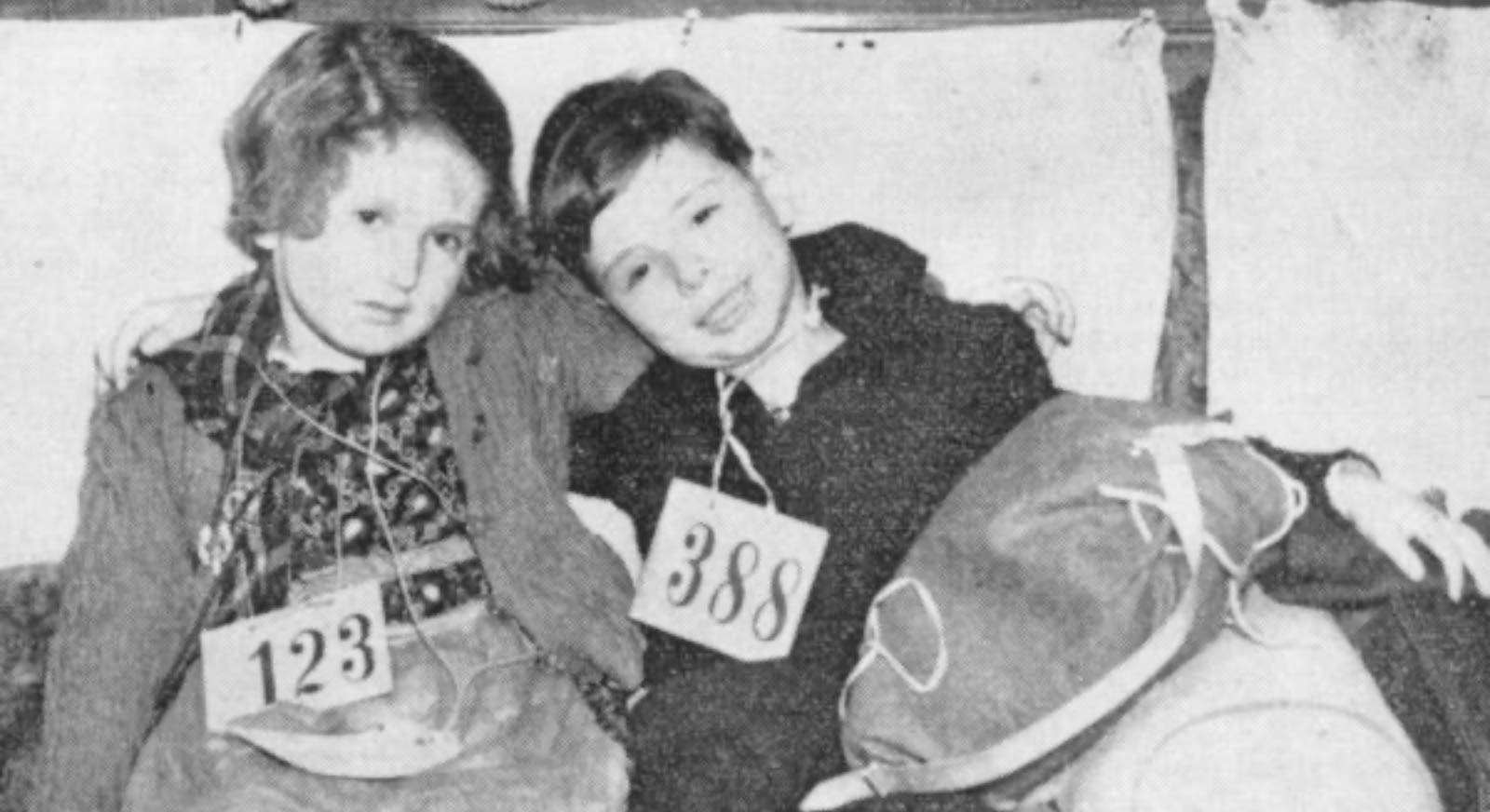
This collection illuminates the experiences of children rescued by the Kindertransport. The Kindertransport was a rescue effort between 1938 and 1939 that brought around 10,000 mostly Jewish children from Nazi-controlled territories to safety in Britain after the rise of Nazi persecution.

27

Members over 100 years of age

+300

Holocaust testimony videos

4

Visits from the King to the AJR

1,857

AJR Members of whom +600 are 1st generation, of which 30 are over 100 years old

+£8m

Directly allocated to members for homecare and other support services

69,599

Minutes of face-to-face volunteer support in the last 12 months

Upcoming Events

Latest News

12 May 2026

Discoveries beyond the Kindertransport lists: The journeys on the ferries

Dr Amy Williams, AJR’s Kindertransport-Scholar-In-Residence   When Jeremy

10 May 2026

A revised National Curriculum is a golden opportunity for Holocaust education

Alex Maws, Head of Education and Heritage, The

10 May 2026

Interview with actress and Holocaust survivor Ruth Posner

By Dr Bea Lewkowicz OBE, Director, AJR Refugee

“It was very little food we were just happy to get anything we could get”

Holocaust survivor, Mala Tribich joins chef Falmer to create an Apple Strudel. As they bake together, Mala shares memories, stories of resilience, and the importance of preserving Holocaust testimony for future generations. A powerful conversation woven through a traditional recipe, reminding us how food can connect us to history, heritage, and one another.

...

710 61
The Memorial to the Martyrs of Deportation stands outside the former Drancy Internment Camp, located just north of Paris. As the main transit point for French Jews between 1941 and 1944, more than 63,000 people were imprisoned here before being deported to Nazi concentration and extermination camps, primarily Auschwitz-Birkenau.

The powerful sculpture by Holocaust survivor Shlomo Selinger, alongside the preserved railway tracks, serves as a solemn monument to those who suffered and the thousands who never returned.

Their stories and memories live on. We remember them.

...

46 3
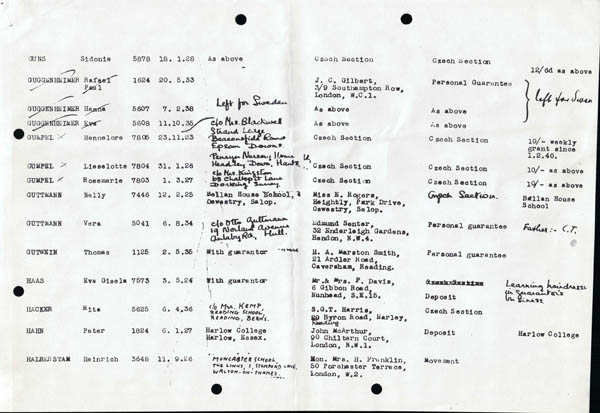
Rescue was rarely a swift process. It was a labyrinth of paperwork, medical checks and agonising delays, all documented in the archives of the era.

Two letters from late 1938 regarding Otto Lichtenstein reveal the frantic logistics of the Kindertransport. To secure a place, Otto’s family had to coordinate photos and medical records with committees in Berlin, only to face a heart-wrenching delay that pushed his departure to mid-December.

These records highlight the immense effort and the many ‘what ifs’ that defined the mission. They remind us that behind every successful rescue was a complex web of hope and a desperate race against time.

...

81 2
‘This man helped me come to England’

Ruth Posner, a Holocaust survivor born in Warsaw in 1929 , details the moment her Jewish identity was finally revealed to a British officer who helped her reach England.

...

313 2
This week marked National Volunteers Week, an essential time to both highlight the vital work of volunteers and express our deepest gratitude.

At AJR, our volunteering landscape is evolving as our cohort ages, meaning our volunteers increasingly provide comfort and connection not just to isolated individuals, but to their families as well.

We recently hosted a celebration at JW3 to thank our dedicated team and present the Carol Hart MBE Award in memory of our volunteer department’s founder.

Thank you to everyone who gives their time to strengthen our community.

...

23 1
Located just north of Paris, Drancy was the main transit camp used for the deportation of French Jews during the Holocaust. Between 1941 and 1944, approximately 63,000 men, women and children were interned here before being sent to Nazi concentration and extermination camps, primarily Auschwitz-Birkenau.

Today, the museum stands directly opposite the Cité de la Muette housing complex, the very buildings used as the camp, serving as a powerful place of remembrance, education and solemn reflection.

Through its permanent exhibition, archival documents and photographs, the museum ensures that the memory of all those sent to Drancy Internment Camp are never forgotten.

...

105 3
“If my parents had not been persuaded to leave those three days earlier, we would have been stuck in Germany... and probably would have ended up in a concentration camp and murdered.”

Holocaust survivor Peter Summerfield BEM shares his harrowing memory of escaping Berlin with his family just four days before the outbreak of World War II in August 1939.

At just six years old, Peter describes the sudden transition of moving to England, knowing no English, having no family or friends and the overwhelming feeling of a rushed escape.

...

347 6
“I thought this was the end and they’re going to kill us all.”

Ruth Posner, a Holocaust survivor born in Warsaw in 1929 , recalls the sheer panic of an American bombing raid while being held as a prisoner of war in Germany.

...

301 6