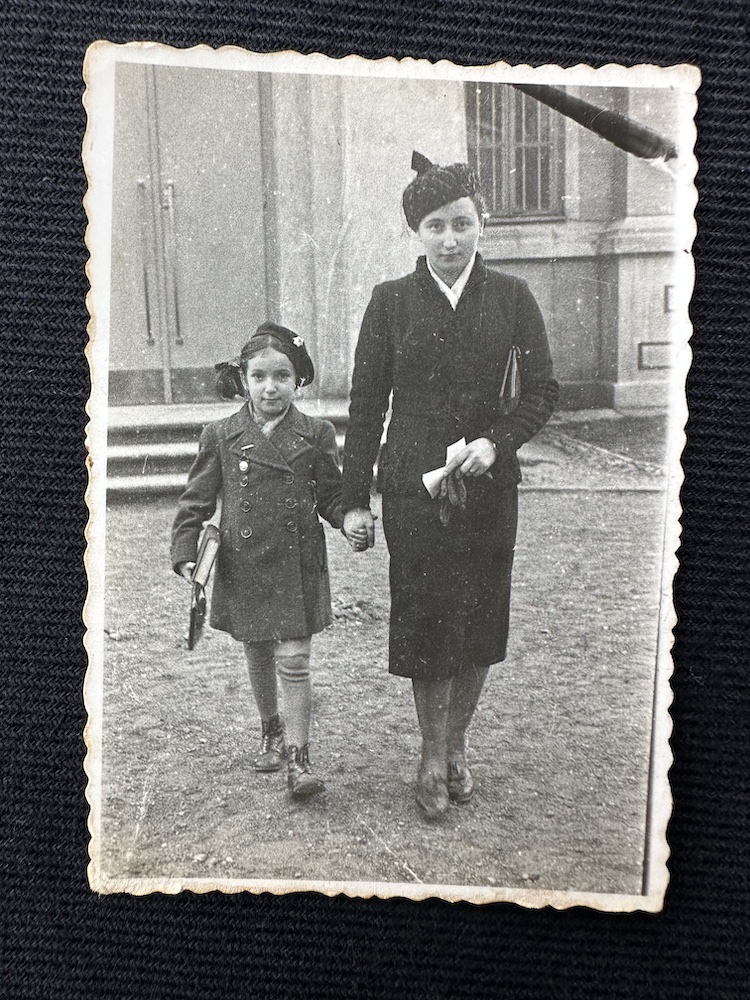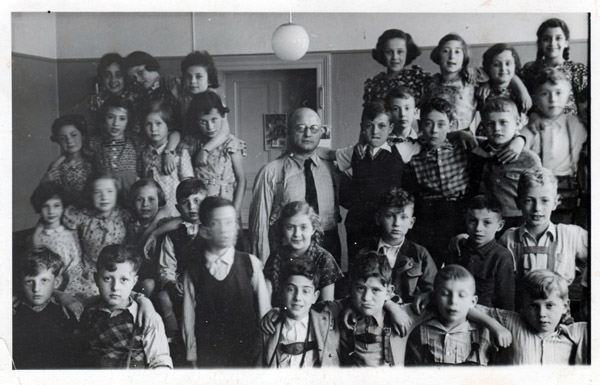
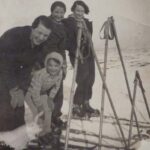
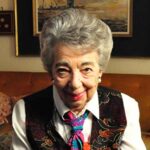
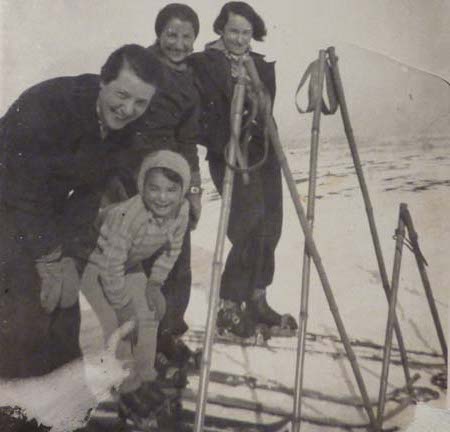
Lili Pohlmann: Skiing with mother and two of her close friends from Kraków
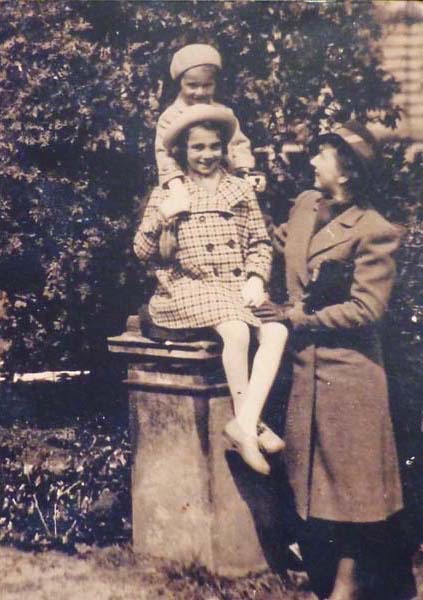
Lili Pohlmann: With mother and younger brother

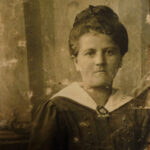
Lili Pohlmann: Grandmother
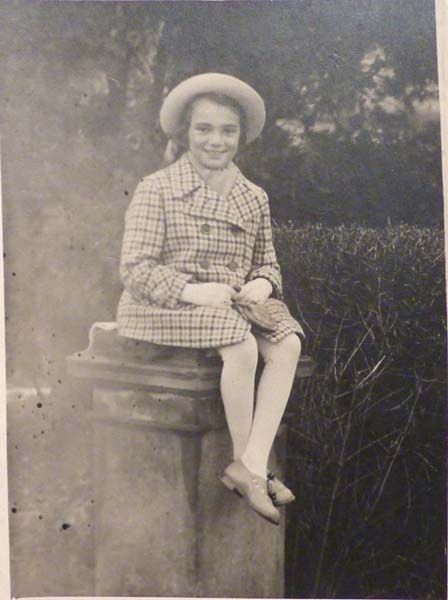
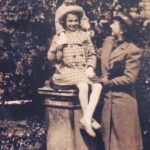
Lili Pohlmann: In a park in Kraków during Passover / Pessach
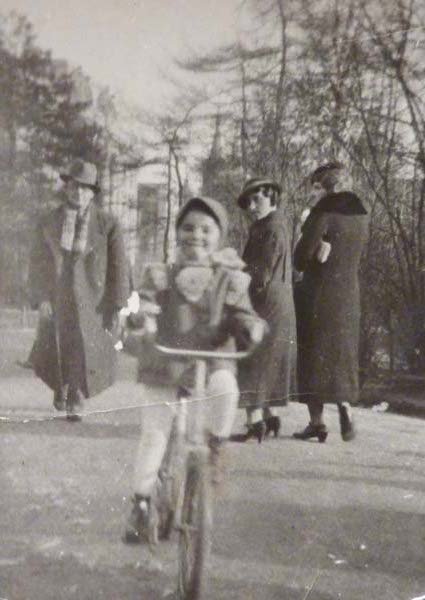
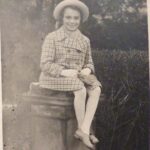
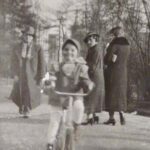
Lili Pohlmann: At age 4 or 5
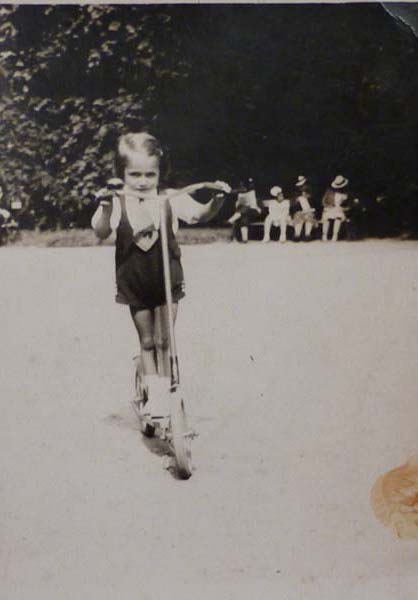
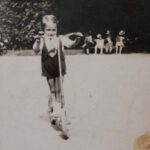
Lili Pohlmann: Little brother Uriel on LP's scooter at the age of 3. Kraków
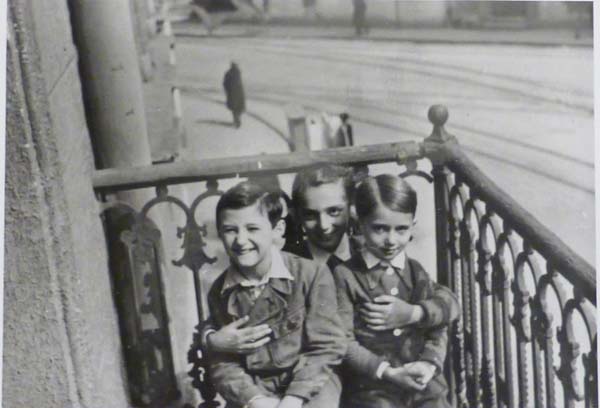
Lili Pohlmann: With brother Uriel and his close friend Wodya Neuberger
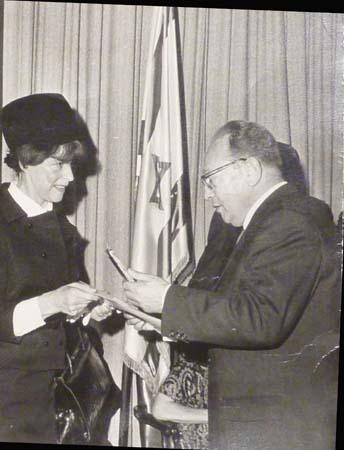
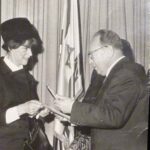
Lili Pohlmann: Frau Irmgard Wieth receiving the medal of Righteous Among the Nations at the Israeli Embassy or Consulate in New York. 1966.
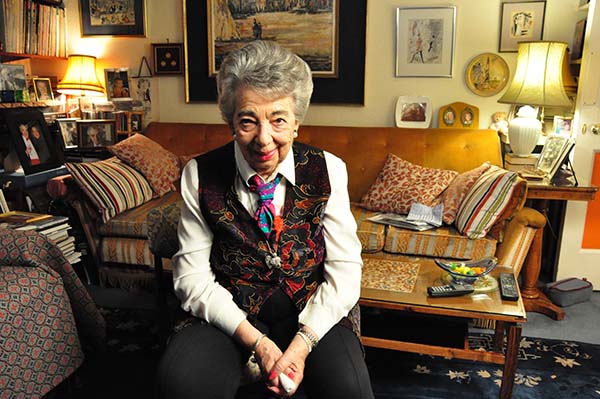
Lili Pohlmann: November 2016
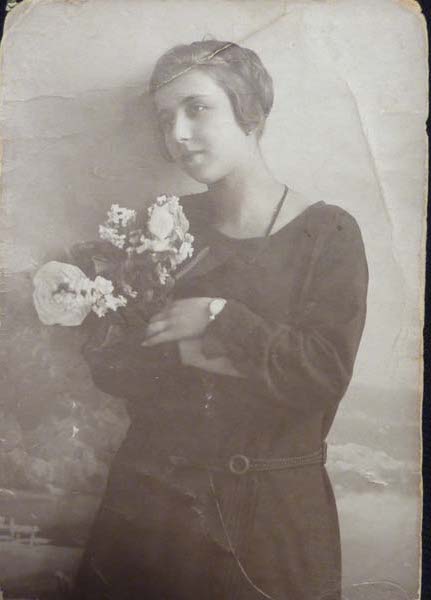
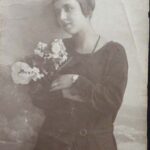
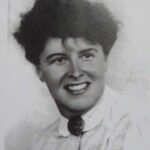
Lili Pohlmann: Mother at age 18
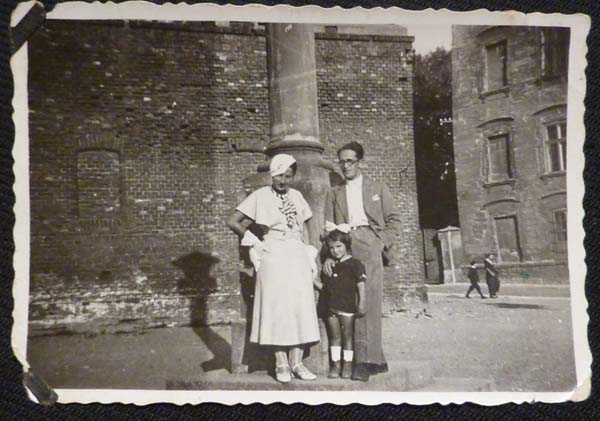
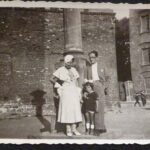
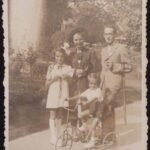
Lili Pohlmann: At age 3 with her mother and father
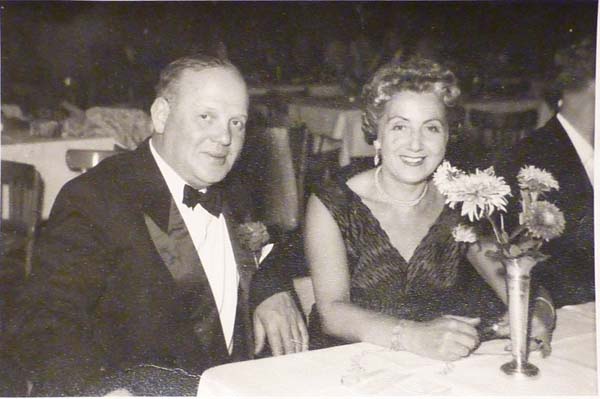
Lili Pohlmann: Mother and stepfather
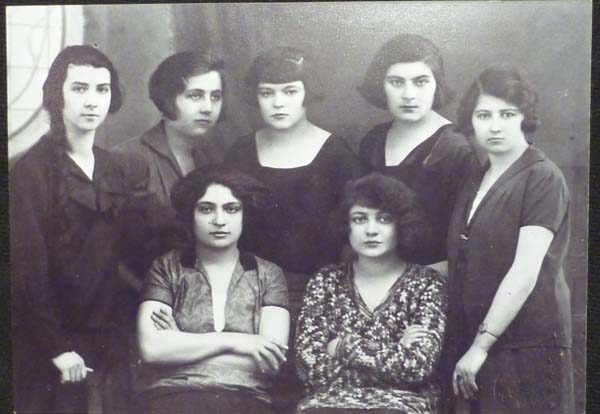
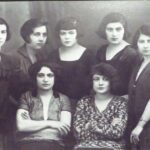
Lili Pohlmann: Mother with her friends at the ORT school
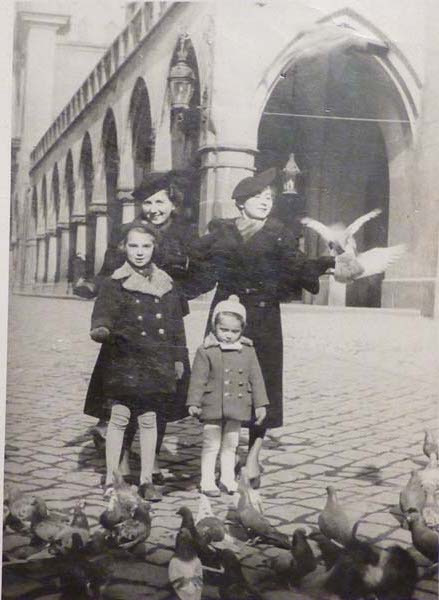
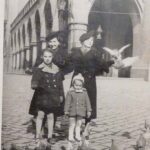
Lili Pohlmann: Feeding the pigeons in Rynek Square with her mother
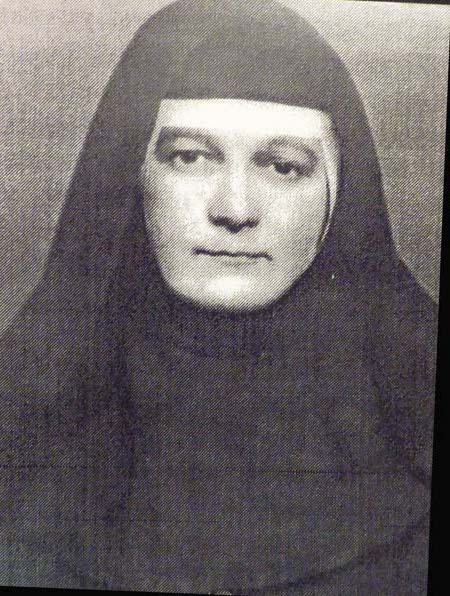
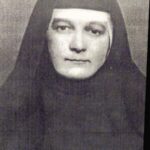
Lili Pohlmann: Sister Yosifa whose birth name was Olena Witer
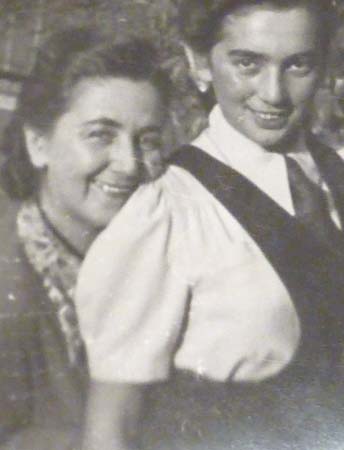
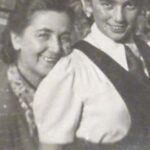
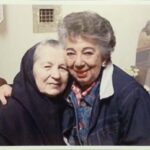
Lili Pohlmann: With mother
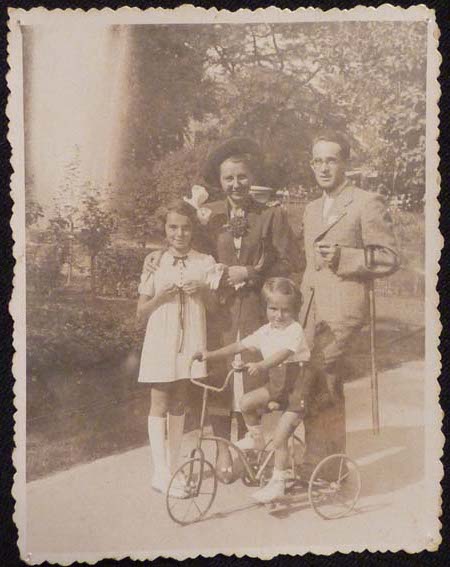
Lili Pohlmann: With mother
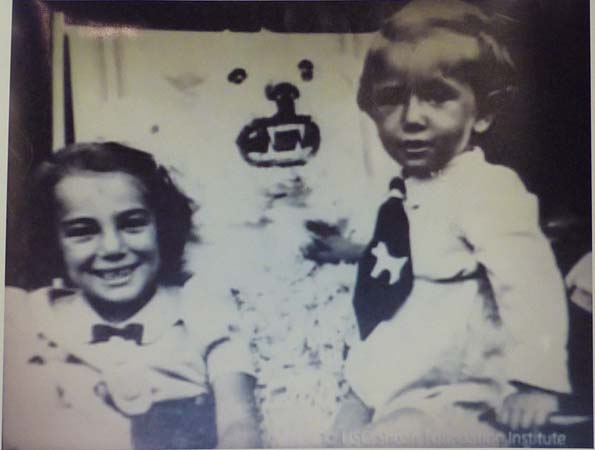
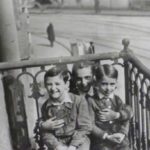
Lili Pohlmann: With brother Uriel on the balcony of their flat in Krakow
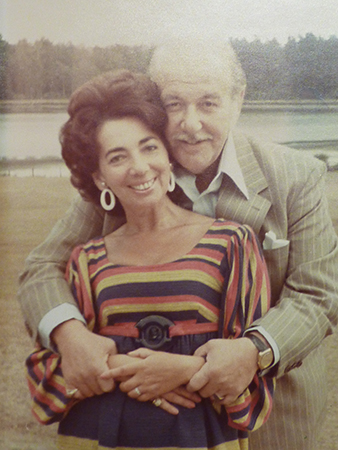
Lili Pohlmann: With husband Eric Pohlmann the actor
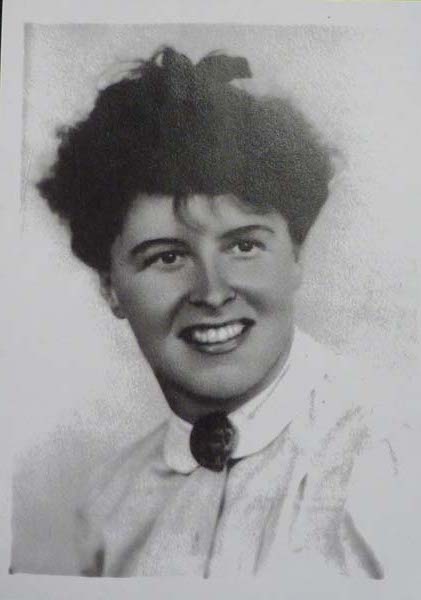
Lili Pohlmann: Frau Irmgard Wieth
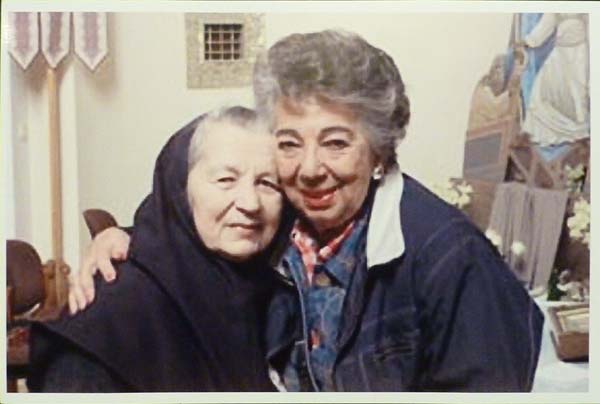
Lili Pohlmann: With Sister Chryzanitiya in the convent in Lvov, ca2010. "And this is the Sister Chrysantia who was at the convent as a young novice where we were, my mother and I in hiding. And she remembered us. And I was in touch with her until she died."
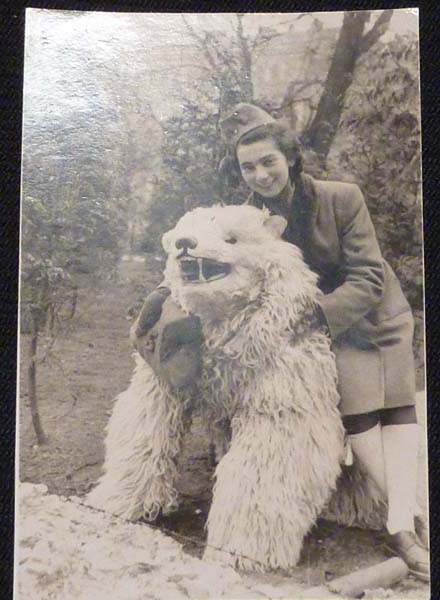
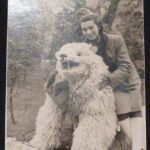
Lili Pohlmann: On Planty in Kraków
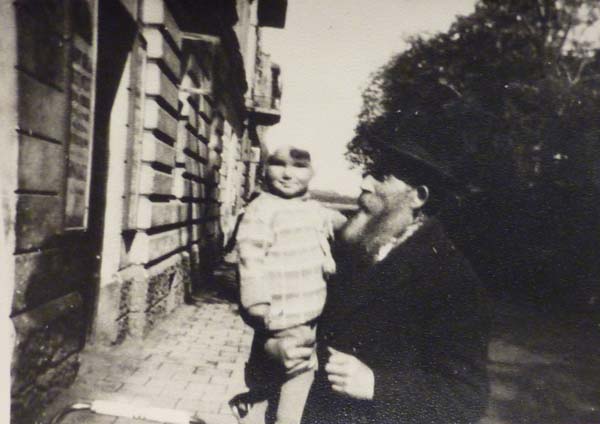
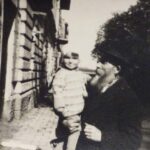
Lili Pohlmann: With her grandfather at age 2
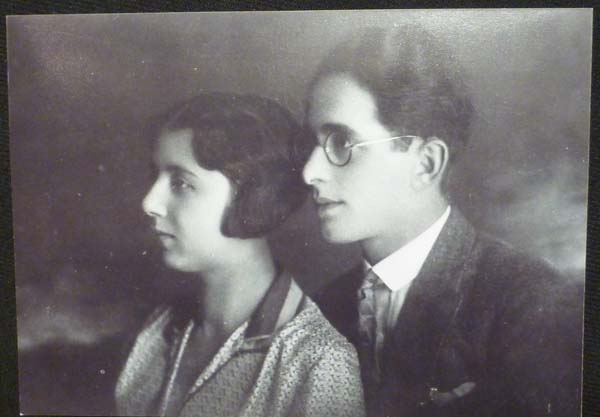
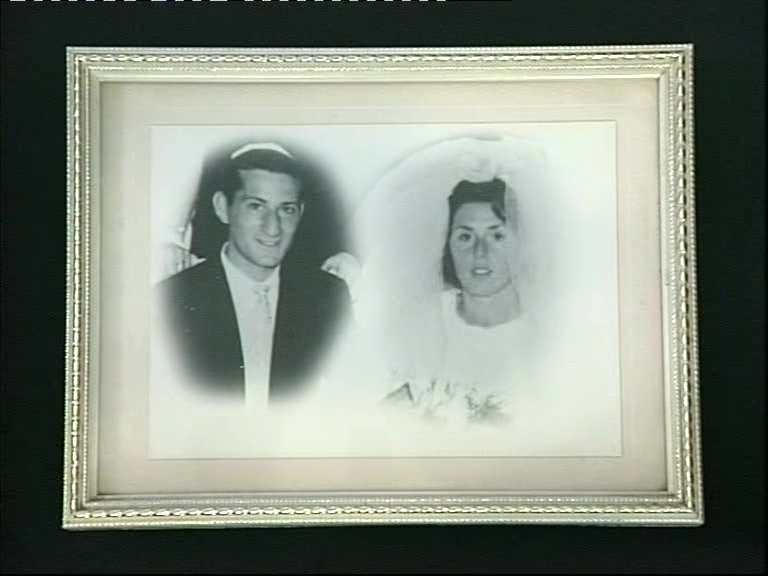
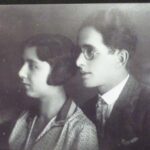
Lili Pohlmann: Parents' engagement photo
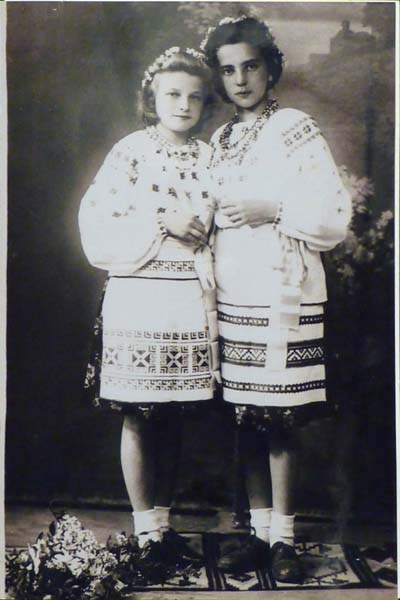
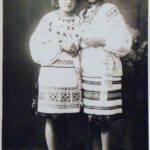
Lili Pohlmann: With another Jewish girl wearing Ukrainian dress in the Ukrainian convent where they were both hiding. Lilli's blouse was made by her mother but embroidered by the Mother Superior. LvIv, 1944
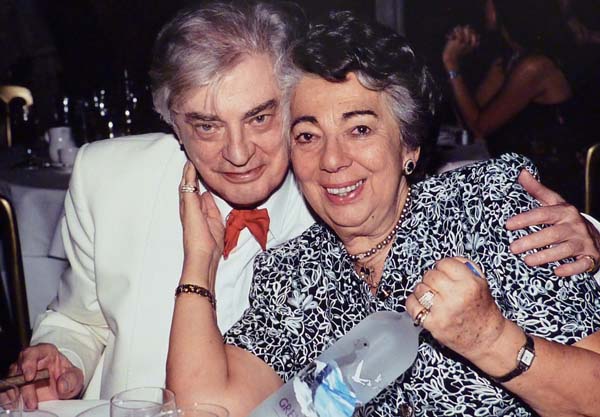
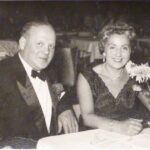
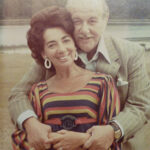
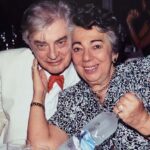
Lili Pohlmann: With second husband Peter at an event to celebrate the James Bond film, Stoke Poges, date unknown. "He was a well-known literary agent among whose authors was Ian Fleming. And he was known as Mr. Bond because of that. He- What can I say? There you are, you can see – a happy picture."
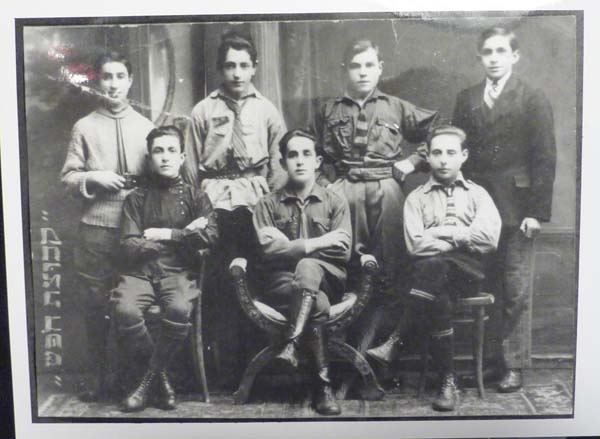
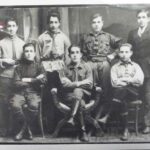
Lili Pohlmann: Father leading a group on a Hakhsharah (preparation training for emigration to Israel and life on a Kibbutz)
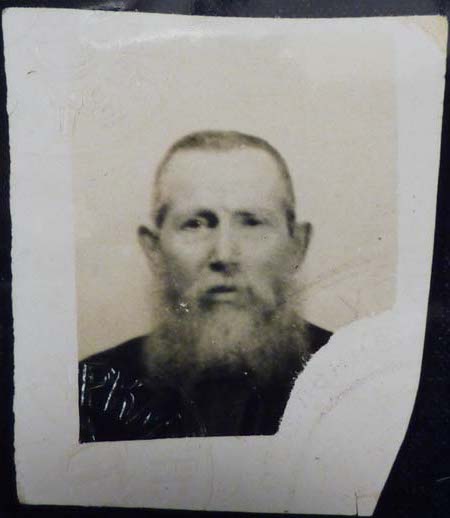
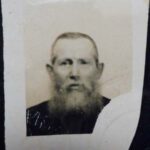
Lili Pohlmann: Grandfather Aba Bruek
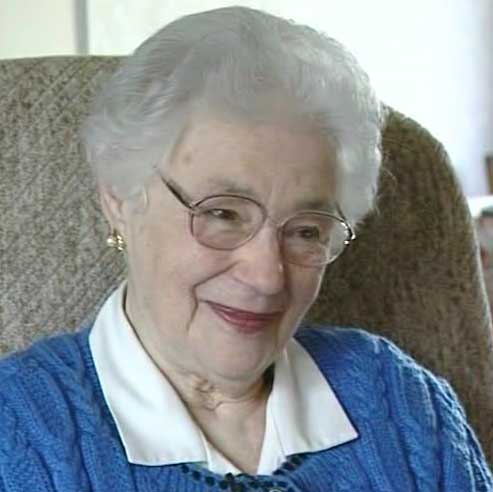
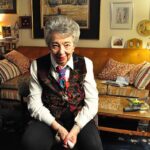
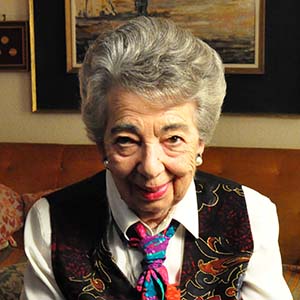
Lili Pohlmann
Lili Pohlmann was born Lili Stern 1930 in Lvov, where her maternal grandparents lived
Born: 1930
Place of Birth: Lviv
Arrived in Britain: 06/06/2025
Interview Number: RV195
Experiences: Brought to UK by Rabbi Schonfeld: postwar , In Hiding – Poland , Lvov Ghetto , Saved by a Righteous Among The Nations
Interview Summary
Lili Pohlmann was born Lili Stern 1930 in Lvov, where her maternal grandparents lived. Her parents wanted to emigrate to Palestine, but due to a problem with his knee, Lili’s father Filip Stern could not do agricultural work and became a bank manager in Krakow. Her mother Cecylia Stern, trained by the ORT, was an excellent dress designer. Lili has happy childhood memories of spending time in the main park in Krakow with her younger brother Uriel, riding scooters, climbing trees and eating freshly baked bread and sausages with her father. She first attended a Jewish Kindergarden and then a Catholic Primary school. Lili recalls glorious skiing holidays in Zakopane and regularly visiting her grandparents in Lvov, especially over Passover.
When the war started, Lili’s mother took her children to Lvov while her husband enrolled to fight in the Polish Army. After the hostilities, Lili recalls her father joining them in Lvov, so traumatised from post-traumatic stress that he was practically unrecognisable.
Lili’s family were confined to the Lvov Ghetto. Only Lili and her mother survived. Their lives were saved thanks to the exceptional courage and humanity of two remarkable non-Jews. Irmgard Wieth was a German a civil servant attached to the Nazi occupying forces in Lvov who sheltered Lili and her mother. Orthodox Archbishop Andrey Count Sheptytsky, who arranged for Lili and her mother to hide in a convent, was Ukrainian.
On 29th March 1946 Lili arrived in London in the first of the three transports of Jewish children brought over from Poland by British Rabbi Dr Solomon Schonfeld, whose inexhaustible efforts to rescue the remnants of those children who survived gave them a new life and freedom in the UK. A year later Lili was joined in the UK by her mother. They were the only two survivors of an extended family of over 300.
Throughout her life Lili has dedicated herself to building bridges between the Polish – Jewish communities. Her passion for forgiveness and gratitude to the people who both persecuted and saved her, has made her a much sought after speaker, from schools to embassies. In 2007, her tireless work earned her one of Poland’s highest accolades, The Commander’s Cross of Polonia Restituta, awarded for extraordinary and distinguished service.
Place of Birth
The train was overflowing. People on the roof. The last train to Lviv. War was in the air. Nobody talked about anything else. But. Nobody expected it to be that close. No suitcase. Nothing. My father said 'I’m coming in a few days'. He got home, call-up papers were waiting for him. Called up to the military. The train stopped in every village, everywhere, people, more people, hanging on, one holding another. Unbelievable, the sight. The soldiers were lying on the platform, next to another, like sardines, sleeping. When we arrived we didn’t know how to get off the train. Because at 5am the Germans had bombed the city & the station: these soldiers; I saw them, it was horrible. That stuck in my mind very much. Within a few days the Soviet forces occupied. There was a pact. In October suddenly my father appeared, looking like a wild, wild creature. A long black beard & eyes. We didn’t know who it was. Barefoot. They disbanded the army, he walked to Lviv, had to shed uniform. He was in very bad shape. Traumatic, absolutely. At night he was shouting, screaming in his dreams. He was almost paralysed, out of sheer nerves. He had to be hospitalised. They were treating the actual pain he had with bags of hot sand. With hot sand. Imagine that. When he got a bit better he had to work, of course. He couldn't say his profession. Because the Russians did not like what they called ‘the bourgeois’. Not that we were capitalists, but, in their eyes, that’s what it was! He got a job as a cabinetmaker in some institution. "Lviv was the sort of capital of the refugees. They started saying 'It’s a wonderful thing, we can go back!' It was 1940. Posters all over town that you can register, if they want to go back to their families. My father said, 'Don’t do that. It’s a trick.' But they registered. My father didn't. One nice night they were all taken, to Kazakhstan, to Siberia. Some were shot. We stayed behind. I wish we'd have been taken. Who knows? Because these people, on the whole, they survived & we… Then the Germans came & you know what happened. That’s how it was.
And that’s how they [her father and brother]- that’s how… their lives went. And he, this German officer [her father was working for] was going with her all over looking for them. As if the earth opened. Nowhere to be found. They were nowhere to be found! So, until today, we tried through the Red Cross. We tried through everyone. We don’t know whether… they were taken to Belzec [present-day Poland] because that particular selection, everybody - Belzec. So the trains were going all the time to Belz... Whether they were taken to Belzec… or whether they were shot somewhere- either way. Apparently, apparently… people said, neighbours said that the Gestapo who was standing on the courtyard there, wanted to take the boy away. Wanted the boy to, to, to run, to go. But he didn’t want to leave my father. He didn’t want to. So he stayed with him. He was six years of age.
I can tell you a lot about Doctor Schonfeld. Not a little bit. He was marvellous. He was wonderful. He was glorious. He was all the things that you can put. All the wonderful adjectives to one man. That’s all he was. Plus being incredibly clever and incredibly brave. ... You want me to smile? Tell me Rabbi Schonfeld, then I smile. Yeah. He was marvellous. He was- to us, he was a god. A god came and took us out. And he really did. He did the most amazing things in order to get those children out. Because it was certainly not easy, to say the least. But apart from anything else- apart from where to get the money for it. Apart from arranging all the- all the things that go with it. All the bureaucracy that goes with it. But, he had to get the children out from convents. He had to get the children out from non-Jewish families who were… hiding them, protecting them. Looking after them. And very often these children became like their own family. When they came and they were very little, they almost forgot who they were.
And there we were [in the flat of a German lady, Irmgard Wieth]. I didn’t understand or speak a word of German at the time. My mother did. Very- she was very fluent in German. And so there we were. And she started- she had to share her… rations. Because we had nothing to eat. She was going to work and come back at six o’clock or so in the evening. And we had to sit and not move… the whole day long. Not- no toilet, nothing. Sit there, because… this was the house which was completely requisitioned for high SS Gestapo. That’s all. Plus… one family which was the- who was the head of the Ukrainian police. And he was immediately underneath us. Immediately. So we mustn’t move because everybody knew that
..the mother superior [Mother Iosefa] took us in. Very lovely. And she said to my mother, “You will stay with me.” She spoke- spoke Polish to her. My mother could not learn one word of Ukrainian. She spoke German, she spoke English- some, she spoke some French. Ukrainian she could not: impossible. She couldn't learn it. It was like a psychological- you know. “And you Lili, you’ll be Lydia, Litka…” and so on. “You will stay…” and there was the orphanage just with the- attached to it. And that’s how it was. And we stayed there until the Russians came again in 1944. And we felt, I mean, I felt quite safe there
They had an arrangement with my father, my mother and he, that every time he finishes work… at six o’clock he will on the other side of the street be passing by that house with the- with the boy. So she can see them, that they’re all right. That’s how it was. Every day she would be at the keyhole and… they would pass by. But on one day they didn’t. So there she was waiting. Nothing happened. And then… like sent from I don’t know. Like… purposely sent. Two women come and stand in front of the shutters. And one says to the other, “From my house- From our house, they took - two.” “Oh really? Who did they take?” “You know, they took that Mr. Stern with this lovely boy of his.” And we were standing and hearing it. And the other woman said, “Who did you say? Who did you say they took?” Cause she couldn't believe it. They were two care- caretakers. One was from this house where we were and the other one was from the house where we lived. So she repeated. So, the women who- whose shop it was, one of the women fainted. The other one screamed out. And we, my mother and I… we were like…like. I, I can’t tell you… pillars of- pillars of salt. Like… Not a tear. Not a word, nothing. We were just… stones.
A Ukrainian policeman was our caretaker. He rather fancied my father’s watch–always. He said: “I love this watch of yours.' On a number of occasions my mother said: 'Give him that watch. Give it to him.' And [my father] said: 'No. It’s a present from you.' It was a very special watch. A black face & it lit up at night. [The policeman] liked that watch & [my father] wouldn’t give it to him. Then he would come & say: 'Your radio is so good. I like this radio.' Will I give him that? No.' So [the policeman] brought the Gestapo. When my mother next saw him he wore my father’s watch & the radio was playing loudly in his… thing. She had the courage to go in there. To ask what happened, can you believe it? He was standing dressed in my father’s shirt & my father’s trousers with his back to the door. My mother thought it was my father, from afar, standing with the watch, every- everything. Top to bottom. And that’s how they- That’s how… their lives went.
my mother… suffered all life long afterwards. All life long. And to her, it was a constant thing. “My little boy, my little Ulrich [Uriel], my little boy-” when she saw a child that age. And he would have been now sixty or fifty or what- “My little boy.” You know. Until her last breath she spoke about her little boy.
My mother did a dirndl for me. I looked like a German child despite the fact that I was dark. I had no documents, no papers, nothing. I decided I would take his photograph. I put the money under the photograph. I went straight in, I wanted this, this, this & this very quickly. I'd say 'I’m in a hurry.' They immediately dropped everything else. [Sometimes] I would hear comments “Look at her. She’s a German, you think she’s a Jew?” If this came, at that moment I would take this out, open up the photograph, take out the money very slowly & they could see what I have here. That was my document. That was my document.
And I thought- “Whatever happens. If they shoot me, they shoot me. What can I do? What can I do?” I walked. And I come to a soldier standing guard. He doesn't see me. I walk past. The other one on the other side. Now I passed him. Now he’s going to shoot me from the back. I was convinced that he is going- one or the other is going to shoot me from the back. But they didn’t! Nothing! They didn’t see me. Isn’t that amazing?
When we came on the plane and I saw Krakow underneath, you know… I started crying. I started crying uncontrollably. It was- it was something which- not that I wanted to, no, it was something absolutely… I, I can’t explain it. And when I got out of the plane, I could not stop crying. I could not- they were waiting with flowers, with this. I couldn’t stop crying. And the husband thought that they were- or they thought that they were going to do some- something nice for me, so they- to take us to the hotel via the street where I lived before the war. And the house- we were to pass the house. It was awful, because I could not stop crying. And I’m not a crying person. Really not. But I couldn’t stop
I felt terribly guilty in these surroundings. The warmth, the clean. I had food to eat. I could wash. I had warm water. I could bathe. I mean all these things that people forgot what it’s like in that ghetto. The horror.
He managed everything. He managed absolutely everything that he undertook to do. He’s- He was just like- really like something- a maverick! A maverick. You know when he came he invented this uniform for himself. Now, what an idea is that? That alone, you have to- I don’t know a thing but I don’t know, a year, and you wouldn’t come up by an idea like this. But he did. He invented a uniform that looked like an English officer. Looked like it. It wasn’t, of course, but- Why did he do that? Because he came to the conclusion- He thought, and thought, and thought about it and he decided that if he goes dressed in civilian clothes he is, well… as a rabbi… he may not survive to begin with. And if he does, nobody would even listen to him. But the Poles love a uniform. The Poles love the military, uniform…yeah. So, he decided he’s going to have a uniform. And he invented this magnificent uniform. And his cap had Jewish insignias on it but nobody would look. Nobody knew. Nobody realised. And when he put that on, nobody would say, “No.” Nobody could or did say, “No” when he entered. It was like he was- blond with a blond little beard. Not a big one. But the most magnificent blue eyes you ever saw, that when he looked at you, you thought the whole world is in you. Cause the way he looked at a person. And so, when me came, wherever he came, like Jesus Christ. And he managed to do all what he did! And he hired this Swedish boat, and he transported us on this boat and was going with us for seven days in March. It wasn’t very nice. A lot of children they were very ill. The sea was not very- very calm. And he was marvellous. He was teaching these children to sing. Because he couldn’t communicate- They couldn’t communicate with him. I was doing interpreting for him, because I spoke German… and understood a little bit of English. Nothing to, to, to talk about or to converse in. And I- And he spoke some German and Yiddish and so I managed to translate, to interpret between the children and him. So I was around him all the time practically. And was I happy to be around him all the time. In March 1946 we were sailing. And he was doing everything to have the children’s interest. I mean, you know, you had all sorts of children. You had children that were frightened. You had children who never wanted to speak. You had children- We had one boy who was a bandit. He was truly… dangerous. He had a knife, and if you touched him, you could instantly, cause he was in the woods… that’s how he saved himself. And he was about ten years old, eleven. He was dangerous. Absolutely dangerous. That- That sort of assortment he had! So he decided that he’s going to… to put a blackboard of some sort, right? - and teach the children to sing. Now. What was he teaching us? Not religious songs. Not Hebrew songs. Not Yiddish songs, but English songs. Songs- I mean, for instance…’Rule Britannia’. He would teach us Rule Britannia and explain what it is- He would teach us ‘Daisy, Daisy’ – the little songs like this. He would teach us a song about Abraham who had a thousand wives, he would say, oh, and sing it! He sang it! And that was the reason why he missed his early breakfast train. He kissed them all goodbye. Things like this he taught these children. You would never in a million years know this was a rabbi. And yet an ultra-Orthodox one. Because it was the means to the end. He was going to save the children no matter how and no matter what. He was eating with us. I won’t say- maybe he didn’t eat the meat, I don’t know. But what did we have on a boat in early 1946, a tiny Swedish boat? They wouldn’t have had kosher food, I can’t imagine. So, he had to eat. And he was sitting with us, eating with us. Singing with us. Teaching us all sorts of wonderful things. And so for me Doctor Schonfeld: God.
REFUGEE VOICES is the AJR’s groundbreaking Holocaust testimony collection of filmed interviews with Jewish survivors and refugees from Nazi Europe who rebuilt their lives in Great Britain.
The copyright of personal photos and documents on the site is held by each interviewee and may not be reproduced without their permission. Please contact the AJR if you would like to use any of the images and documents.