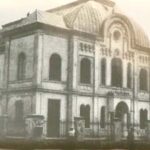
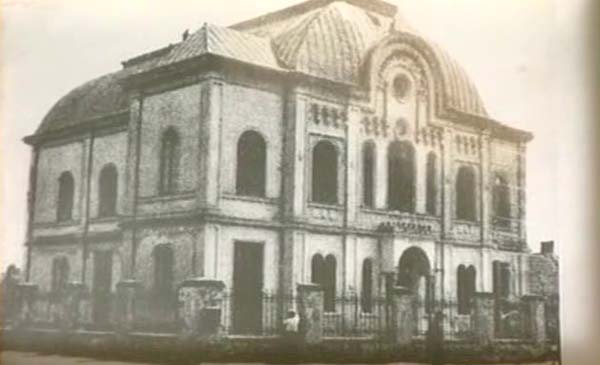
Ibolya Ginsburg: Tokai synagogue. "Where we lived where my father was a cantor and behind the synagogue was another yard where we lived
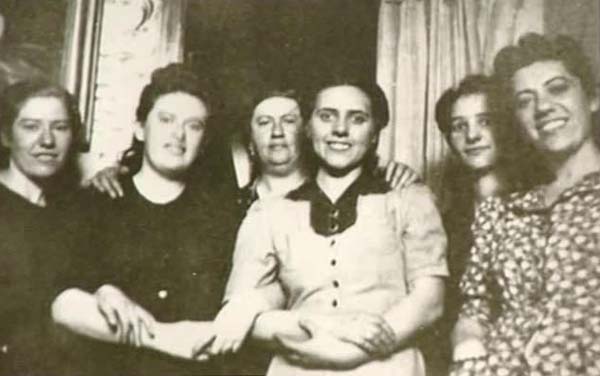
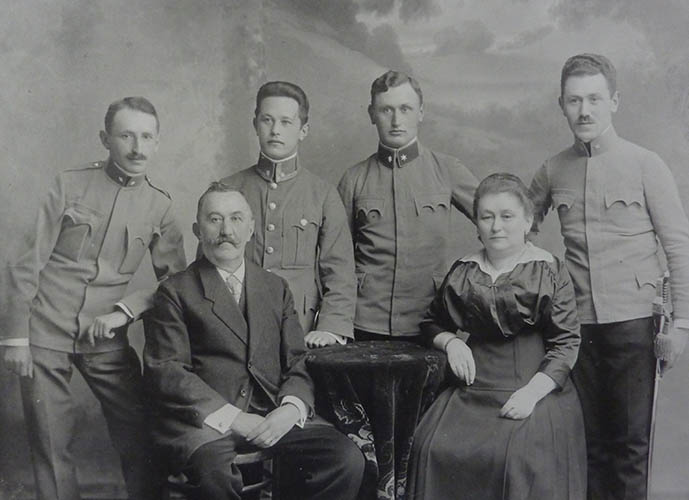
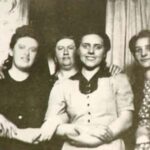
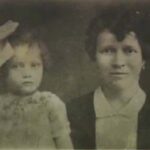
Ibolya Ginsburg: Grandmother with daughters
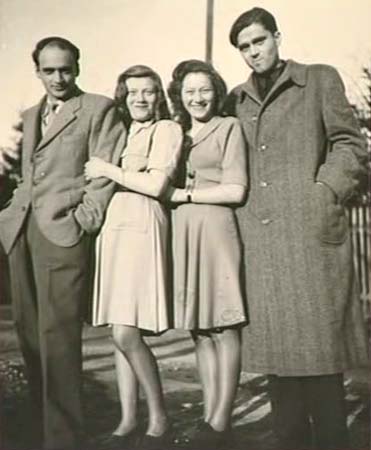
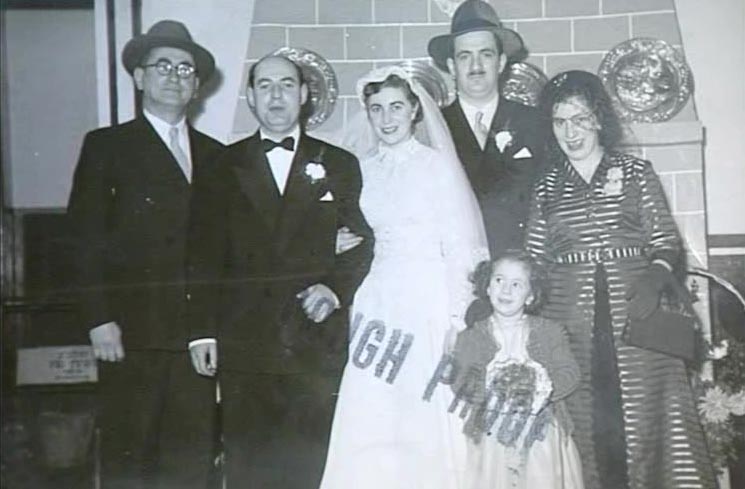
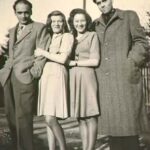
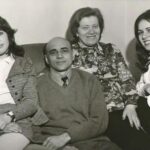
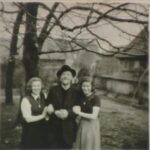
Ibolya Ginsburg: Just before leaving Munich for the UK, (l-r) husband Wald, IG, sister Judith and a friend called Loss, Munich, 1948
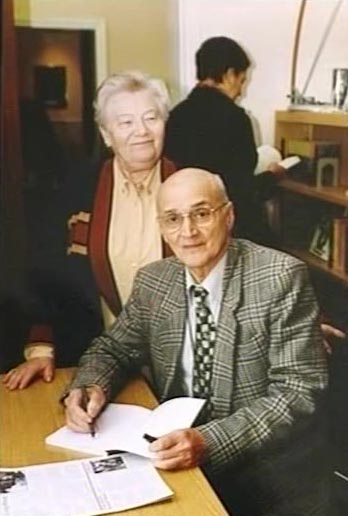
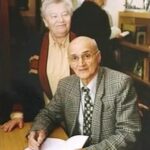
Ibolya Ginsburg: With husband Wald when his story was pubished
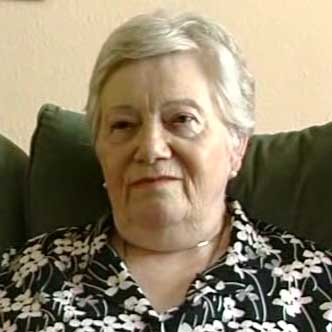
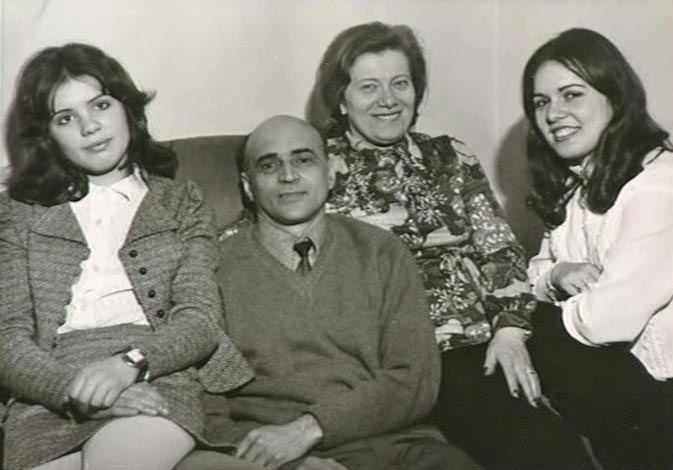
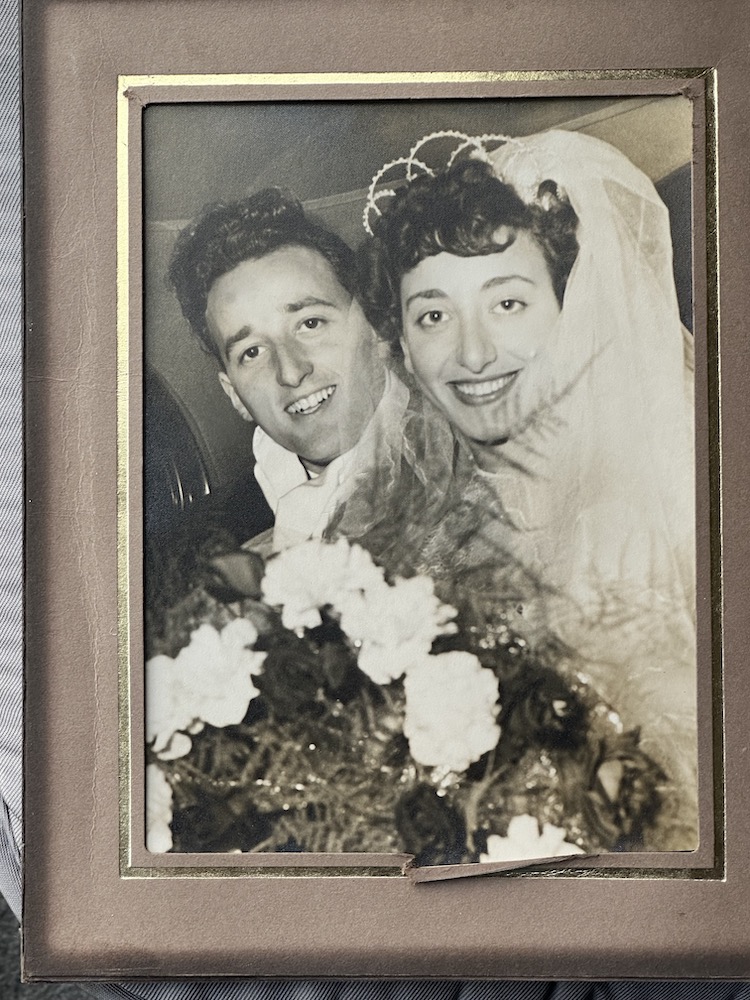
Ibolya Ginsburg: With husband Wald and their family
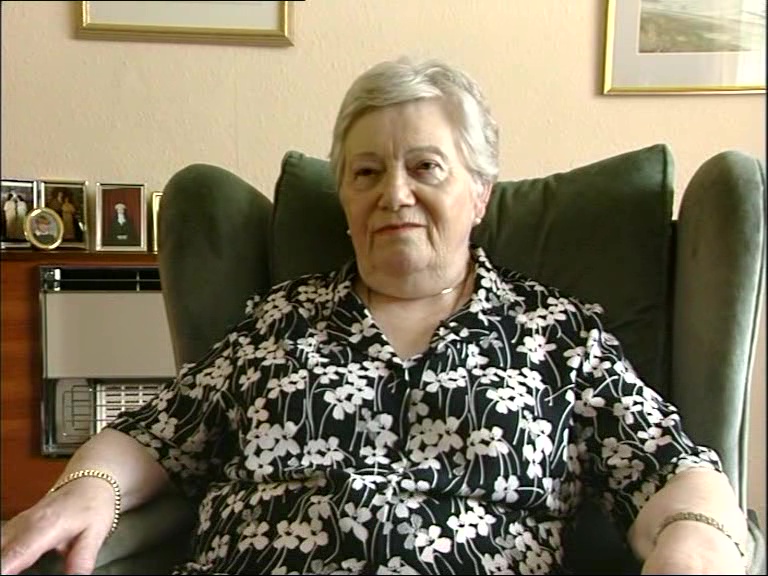
Ibolya Ginsburg: June 2004
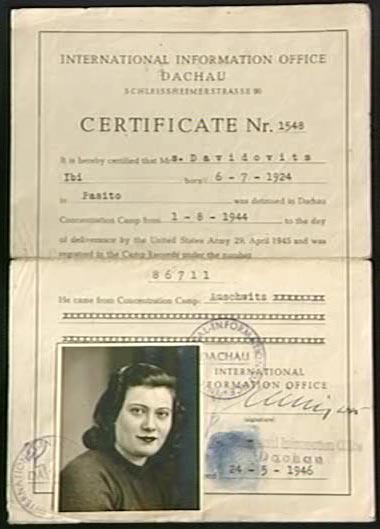
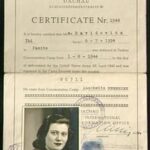
Ibolya Ginsburg: Certificate from Dachau confirming IG had been in the concentration camp, 1946. "there is my number, my prisoner number on that"
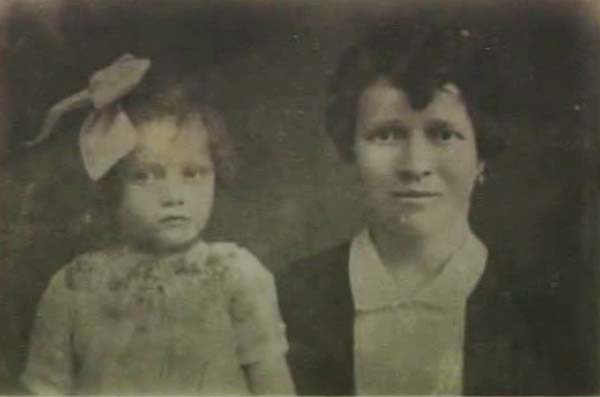
Ibolya Ginsburg: With mother Emily Davidovitch nee Katz
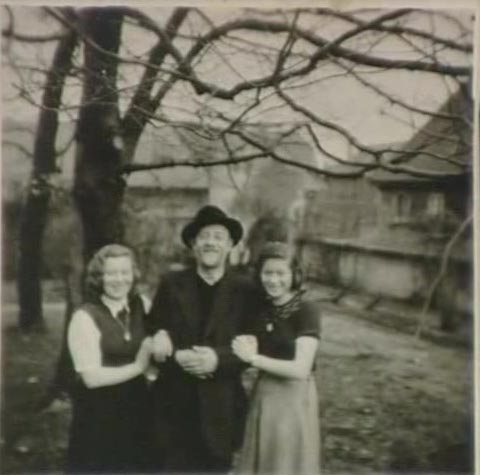
Ibolya Ginsburg: On the left
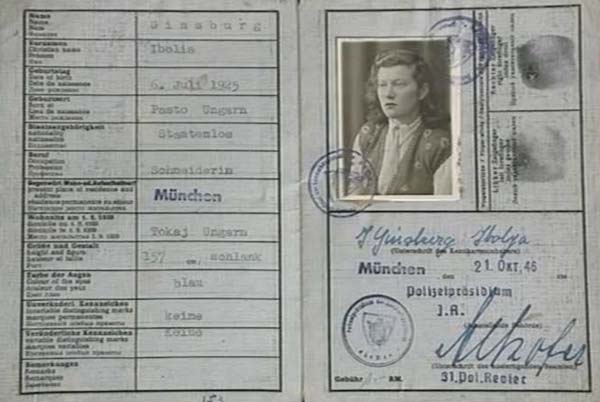
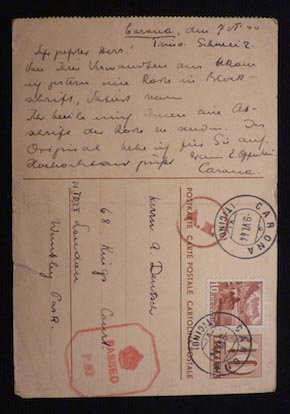
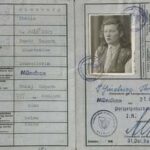
Ibolya Ginsburg: German ID card
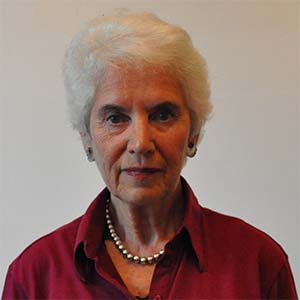
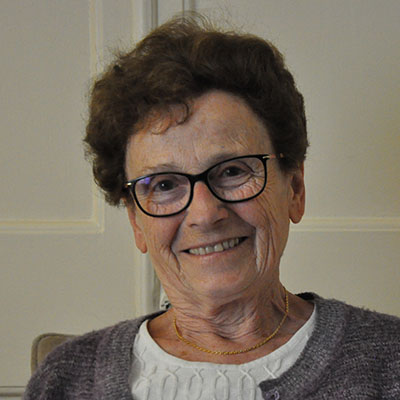
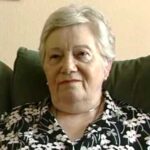
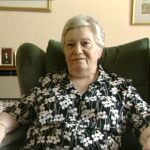
Ibolya Ginsburg
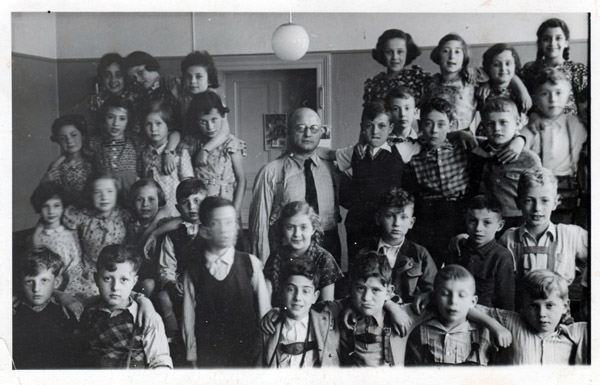
They had a live-in maid and Ibolya attended the Jewish School and had extra Hebrew lessons in the afternoon
Born: 1924
Place of Birth: Paszto
Arrived in Britain: 01/10/1948
Interview Number: 63 (N)
Experiences: Auschwitz , Concentration Camp Survivor , Sátoraljaújhely Ghetto , Slave Labourer
Interview Summary
They had a live-in maid and Ibolya attended the Jewish School and had extra Hebrew lessons in the afternoon. After leaving school she became apprenticed to a dressmaker for two years and worked with her aunt for a year. She made friends with the non-Jewish neighbourhood children but noticed a change in them when they started school and learnt that the Jews killed Christ. Nevertheless life continued normally until the German occupation of Hungary in March 1944. They were forced to move into the ghetto of Satoraljaujhely for about 3 weeks. They stayed with relations living in a room of their house. There was plenty of food and a Jewish Committee maintained organization. In April just before Shavuos they were gathered and put into cattle trucks for a 3-day journey. They took clothing and food and there were buckets in the truck for sanitary needs. They arrived in Auschwitz. Ibolya and her sister were split from the rest of the family. They were disinfected and given a thin dress and sent to the gypsy camp. There they discovered what had happened to the rest of the family. They stayed for about 3 months, waiting to be sent out to work and participating in interminable roll calls. Then they were put on cattle trucks in July and sent to Kaufering, to a satellite camp of Dachau for 2-3 weeks, where they helped build barracks. Then they were sent to another camp, Lager 4. There were 400 women and many men, mainly Lithuanian, who were building underground bunkers for the firm Moll. Kirsch was in charge. He could beat a man to death, yet he had a wife and 4 daughters. Ibolya could speak Yiddish and was therefore given special privileges. She helped in the kitchen with her sister. As the allies neared they were taken to a Russian POW camp near Munich, where she helped to keep the hospital block clean. She also did this in Ottilien near Munich. Then they were taken on a 4-5 day march in circles around Munich until they were liberated on 1 May 1945. She continued to help in the hospital now run by the allies and met and nursed Waldemar, who she married in 1946 in Weiden. Her father survived and she arranged a marriage for him and he and his wife went to live in Israel. Ibolya became a housewife in Munich and on 16 October 1948 she and Waldemar came to Yorkshire, England where Waldemar had relations.
Ibolya Ginsburg (nee Davidovitch) was born in Paszto, Hungary in 1924. Her mother came from a very religious family from Torna St Jakab, her father from a religious family in Miskolc. His father had come from a non-religious family and had become religious. Ibolya’s great grandfather was a professional soldier but her grandfather did not want to follow this and his father bought him a farm. He married, had a son and his wife died. He remarried her sister and had more children. His wife came from a very religious family. He became a cantor/Schochet/Sopher and led a very orthodox life. His son, Ibolya’s father, followed suit and became a cantor etc. They both had wonderful voices. Ibolya’s family lived in Paszto until c1929 and then they moved to Tokaj. They lived in the shul compound where her father worked as the main cantor. Also in the compound was the Jewish School, the Mikveh, Beis Hamedrash.
Place of Birth
And on the third morning I woke up in the dark, and what woke me up? The train stopped and it was quiet. I lay there and I realised that we must have arrived somewhere [Auschwitz] because it was very quiet and we could hear the soldiers going about and it got a bit lighter and a bit lighter and as I sat there, my father was opposite me, and the light came down, now he still had a beard, he had cut a little bit but he still had a beard, and as it got lighter I kept looking, there was something different about my father. I looked again, I can't see, and as it got lighter, he had a white streak, he got grey overnight. Now after he survived, we survived, and we started talking and I told to him “Do you remember that last night that you got white?” He said, “Did I?” I mean there were no mirrors or anything. And I said, “Yes.” And then when he turned the other side, just the two streaks, he got white. He said, “I will tell you why, when they took the water, the buckets down, there was an old German”, and my father’s German was fluent, not Yiddish, German, and he said to the man, “Tell me. Where are they taking us? What is going to happen to us?” And father said, he looked at me, and he told me. So he sat there the whole night knowing what is going to happen to us and he got grey.
They took us to the showers. 100s of women in various stages of undress. The German soldiers stood around. So off came our nice warm winter coats, clothes, everything. I looked at the soldiers, they were joking with one another, they never even thought that we were women. It was the first realisation: when you see that they don’t look at you as women. We went into the next room where they cut your hair off, it all happens fast. You must have heard it before; in the next room they took the rest of the body hair off & into the showers. They gave us this soap that wouldn’t lather, it smelt. They made those in Auschwitz from human fat. But of course we didn’t know any of this. You go under the shower, the shower was warm, it felt very good. As I stood there I nearly passed out, I thought, “Dear G-d, I have lost Judith.” I had just promised my mother that I would take care of her. Where is she? I had a feeling I was going. Everything went dark. I kept shouting: 'Judith, Judith, where are you?' & she touched me: “I am here.” She was standing next to me. I said: “Where?” All I could hear was this sound coming out. I looked at her, she had no hair on. I said: “Don’t ever leave me.” She said “You don’t have to worry. I could see blood on the floor, rivulets of water, red. It was a huge big room & I thought, “Dear Lord, they are killing us here. What is all this blood?” Not far in front of me there was this woman menstruating, there was no sanitary towel, nothing, just like animals. They started shouting 'Raus, Raus, Out, Out'. We went out. I was very cold. The last day of April, it was winter, there was no hair on you, nothing, they didn’t give you towels or underwear, just these grey clothes, a hole to put your head through, a slit for your arms. That is how they did it. It took them less than an hour to reduce us to a non-person.
I got up and I said, “What is going on?” And somebody said, “Just quickly look out.” And we looked out and all the SS were standing in roll call. And we were standing in there and watching and when the roll call was over, our old man, he was an old Lithuanian, he came in and he said, “Well girls, we are going to leave you here, the Americans are in Wolfratshausen, they are going to take you over, ’bye ’bye, all the best.” And the Germans marched out, and we were left. Well, the Russians, instead of going to open the gate, and they went, and the first thing they went, they went straight across the road to the beautiful villas where the SS used to live, and they went in and broke up the most beautiful pianos and chandeliers and it looked a mess. And we were sitting there waiting for the Americans, meanwhile we were hungry, so Rochelle, we decided, “Come on let’s go and get some food from somewhere.” They said, “Where are you going?” We said, “We are just going somewhere, to the villages, for some food.” So we went, her and I. There isn’t a soul anywhere. And as we were going out from the camp we had to go through a little wood, and we found all the SS uniforms, these soldiers had in their rucksacks their civil clothes and when they left us they changed and disappeared, so the wood was a very small sort of a thing, and we went across and there was a farm here, and we said “Let’s go here”, and everywhere the white flags were out, flying, so we knocked at the door, and somebody came to the window, an old lady, and then the husband, and they saw two women, so they opened the door and we told them that we were sorry to disturb them but would they have something to eat because we were awfully hungry, and she said, she was very scared that some man was behind us, so they pulled us in and said, “Come inside”, and they said well we haven’t got much but whatever we have we will give you. And we went in and we sat down and they asked us where we are from, what we are doing here, and we said “We are prisoners”, and they said “What kind of prisoners?” And I said, “We are Jews.” And one looked at the other, you know some of them knew that the Jews disappeared and there weren’t Jews all over in places like that, maybe they had no idea, and I turned round and I had the red cross on my coat, and they brought us a big bowl of potato salad. And we sat down to this and we ate, and they just looked at us, and I said, “That could we take some of this because she has got two sisters and I have got a sister.” So, she brought some bread out and she brought some potatoes out and we put it in our bags and we said thank you very much and we went. We went to the next place, and we got some more potatoes, and by the time we both had a bulging potato and we said, “Come on, let’s go back.” And as we were going we saw forty soldiers marching, and as I look at them, they were Hungarians, I recognised their uniform and their things … I said to Rochelle, “Look who is here?” in Hungarian. And this chap stopped and he said, “Hungarians?” I said, “Yes, what are you doing here?” says I. He said, “Well we went home for a holiday, we had a month off, and when we came back we knew that it was over so they didn’t want to go out to the front, so they came to this village and the villagers kept them hidden.” Forty of them. I said, “Where are you going now?” Well I went to Wolfratshausen to tell the Americans that we are here, and they said we are to go back to our village and they will come to see to us. So I said, “Where are the Americans?” And as I was saying that there was this jeep going round and there was this American star on it. Well, we started running into the camp, and by the time we got there were two big tanks there, and the inmates were on the tank and they were giving chocolates and all sorts, but never mind, Brocha and I had about 210 potatoes so we had what to eat, and we were free. That is how it happened. Unbelievable. How did you feel? Oh, you felt euphoric. I mean to begin with, you really felt euphoric. It took a couple of days until you realised what had happened, and as the days went past you saw that there were very few of us alive and communities and families were wiped up, wiped out, and it didn’t feel very good, one got depressed and guilty, why me … why did I survive and why didn’t so and so survive. Altogether it was a strange existence, it didn’t happen over night.
And as I said, there were citizens that we knew they were anti-Semitic but nothing really strange happened, but by 1943 we had to give up all silver. There were orders, we had to give up all silver, all furs, carpets, everything, and they came systematically, and the police always said, we get orders, and we have to do that. And I do believe, that some of them, they had no idea, no idea. And one day I went into, I had a boyfriend, and I went up to their house, and her, she was sitting by the fire, and she was chopping up her Persian lamb coat into little bits and putting it in the fire, because she knew that they were going to take it, and they took away everything, even poor people had their silver candle sticks or things like that, so all those things went, and the fur collars or whatever you had, that went.
And we were free [liberated from Kaufering concentration camp]. That is how it happened. Unbelievable. Oh, you felt euphoric. I mean to begin with, you really felt euphoric. It took a couple of days until you realised what had happened, and as the days went past you saw that there were very few of us alive, and it didn’t feel very good. Altogether it was a strange existence. It didn’t happen overnight.
REFUGEE VOICES is the AJR’s groundbreaking Holocaust testimony collection of filmed interviews with Jewish survivors and refugees from Nazi Europe who rebuilt their lives in Great Britain.
The copyright of personal photos and documents on the site is held by each interviewee and may not be reproduced without their permission. Please contact the AJR if you would like to use any of the images and documents.