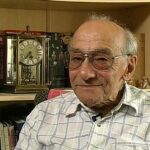
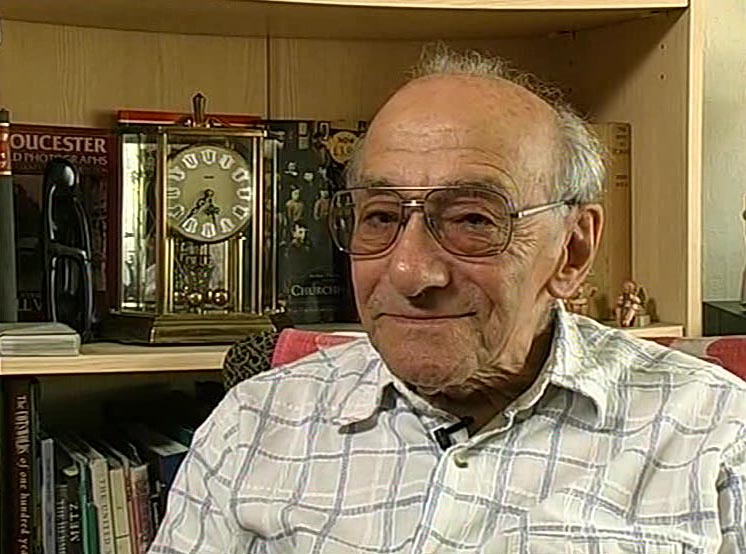
Herbert Layton: August 2004
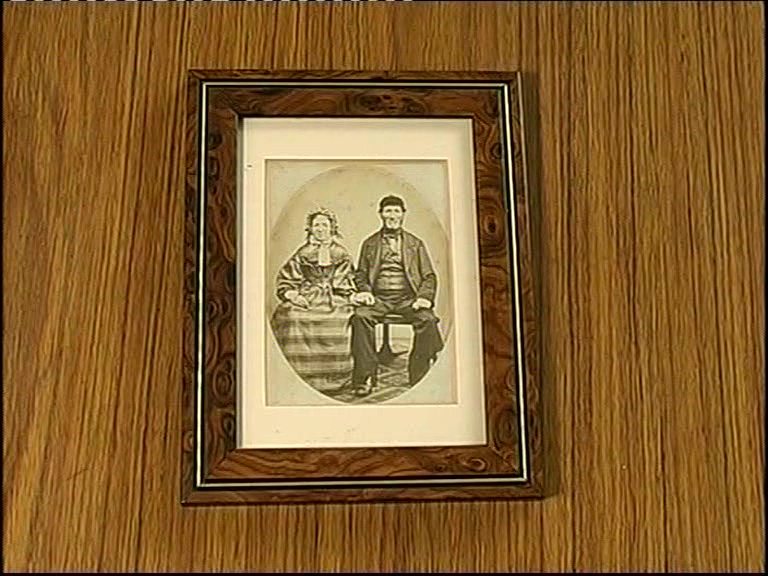
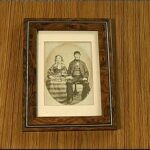
Herbert Layton: Photograph of Abraham and Magdalena Koppel ca. mid 19th century
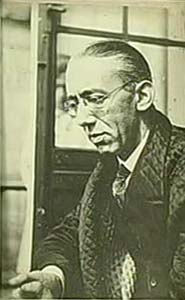
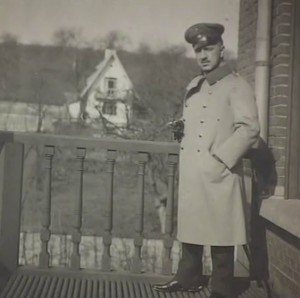
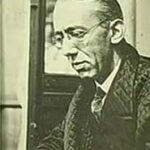
Herbert Layton: Father
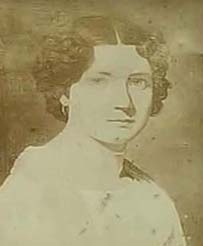
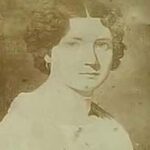
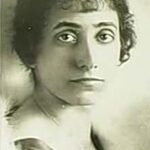
Herbert Layton: Frederiecke Kalm
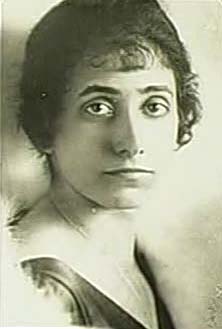
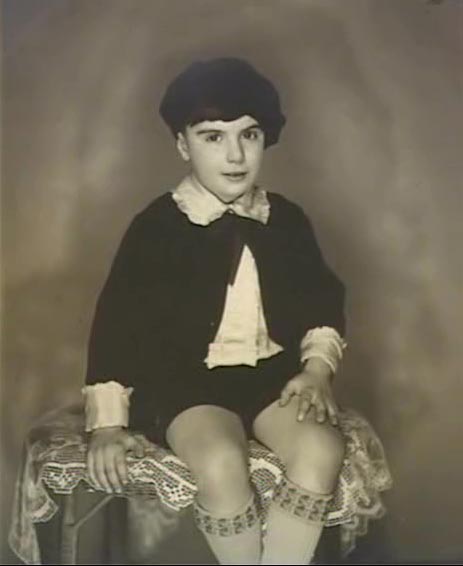
Herbert Layton: Mother
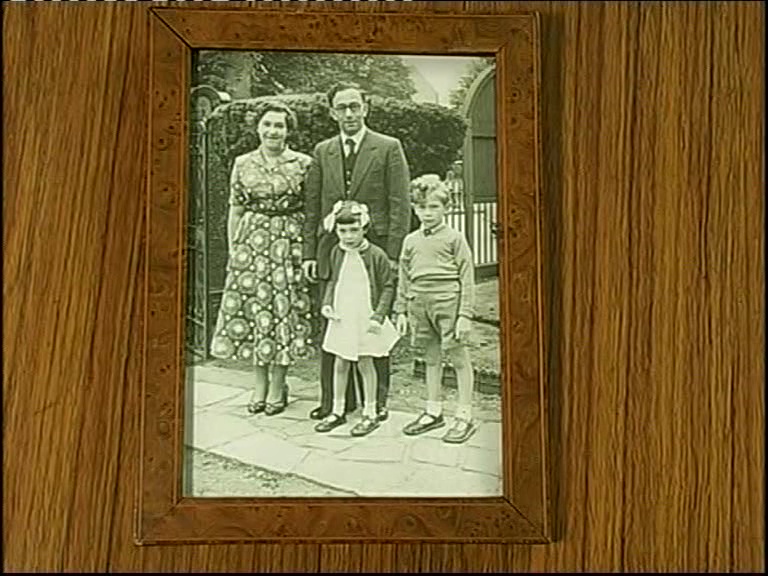
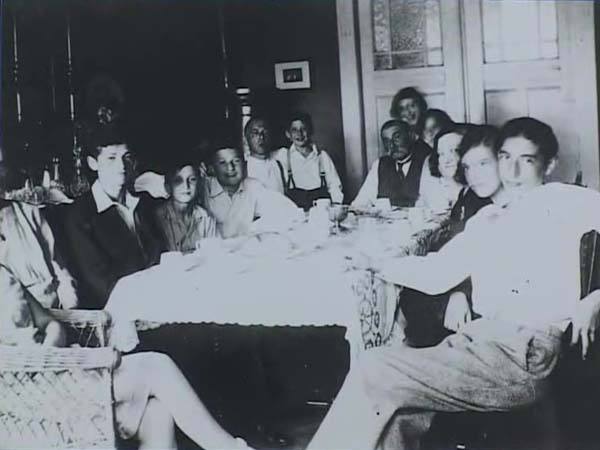
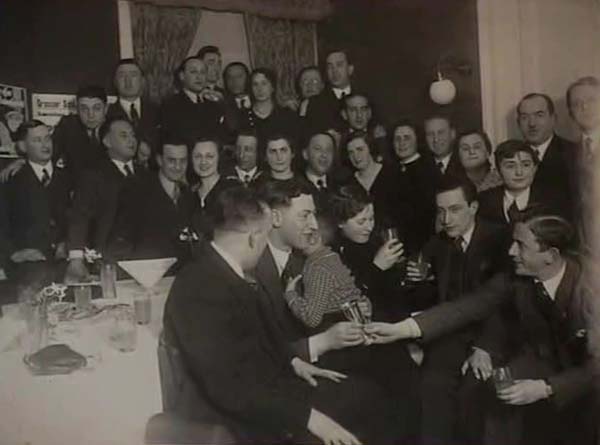
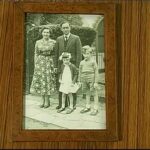
Herbert Layton: Family shot
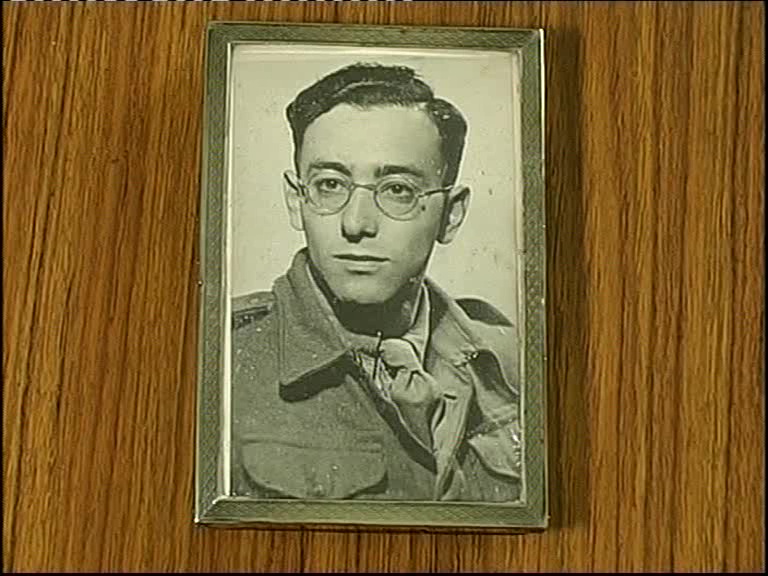
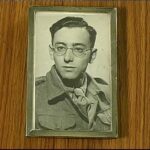
Herbert Layton: Photo of HL taken in Athens while still in the army
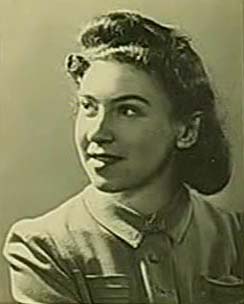
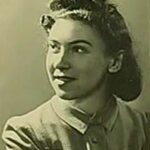
Herbert Layton: Wife
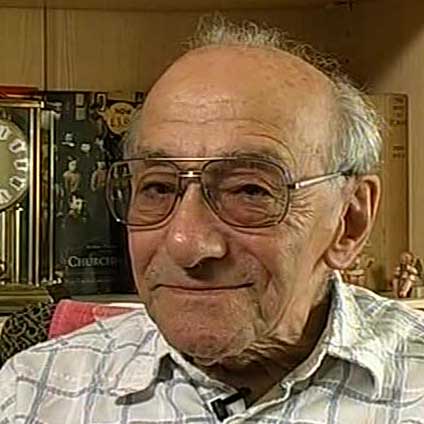
Herbert Layton
Herbert Layton’s father ran a fashion business in Hamburg
Born: 1919
Place of Birth: Hamburg
Arrived in Britain: 27/08/1939
Interview Number: 70 (N)
Experiences: British / Canadian Internment , British Internment - Isle of Man , British Military , Pioneer Corps , Pre-WW2 Concentration Camp Prisoner
Interview Summary
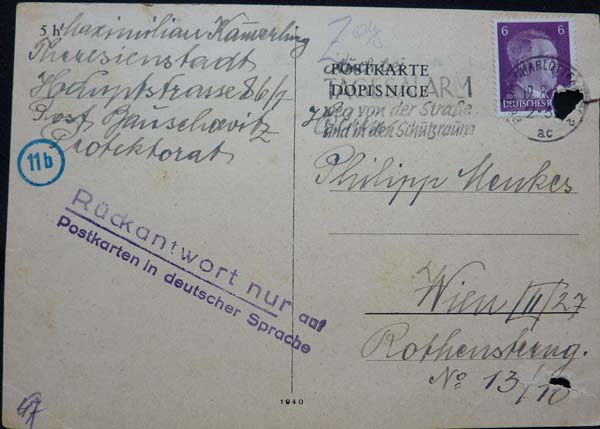
Herbert Layton’s father ran a fashion business in Hamburg. His father & Herbert were both in Sachsenhausen for a few months. Herbert came to UK alone on 27.8.1939. He was engaged in agricultural labour. He was interned in Canada and the Isle of Man after which he signed up for the Pioneer Corps. Later he was in the Reconnaissance Corps, 8th Army and Landforces, Greece. His parents were sent to Theresienstadt and died in Auschwitz. Herbert married a Jewish woman, Rosa Phillips, during war. He became a Labour councillor in Gloucester. He ran an outdoors and circus entertainment business.
Place of Birth
[In] 1938, Goebbels had banned swing, in fact I have a book here about the Hamburg swing youth, who in 1941 because they still listened to Ben Swing - records smuggled into Germany from Denmark, and I had some - were sent to concentration camps. Swing, according to Goebbels, was Jewish Black jazz, whatever that is, and I became extremely fond of the tune which was called ‘Boo hoo, boo hoo you’ve got me crying for you’; and I went wild for that tune, and it was banned and I got the record smuggled in from Denmark which was not very far away, and I always played it on this canoe, on my little wind-up; and I bought some chrome letters, that high, BOO-HOO, with a hyphen, and I put it on both sides of the canoe. And the boat man was in the SA and he realised what I was doing, where I kept the boat, you see, kept begging me to take it off. What he was worried about was not the SA beating me up, he was worried about them beating him up and dragging him off to the Gestapo. I refused to take it off and they were still there in 1939 when I had to sell it.
One day I was called into the office and the Camp Commandant said that if I would sign a form to say that I would be out of the country in six months, I would be released, but if I wasn’t out of the country within six months I would be back in the concentration camp. Well, of course I signed, you would have to be stupid not to. Oh, excuse me. So I was given my clothing back, and everything I had in my pocket, down to the last halfpenny and my cigarette case - young men used to carry cigarette cases in those days. And because we were by then fairly hard up, I smoked my cigarettes half at a time, and it was there, on the– I mean, you know they’d logged it, as the police do when they arrest somebody, you know, “Three Marks and 25 pence, one pen, one pencil, one tie pin, whatever, one cigarette case, three ½ cigarettes”. It said so there on the paper, and I had to check that there were three ½ cigarettes there and sign for them. But I was given a railway warrant to get me home. I went to Berlin where we had cousins and spent the night with them. Of course, everybody would know where you had been because your hair was totally shorn off, and I hate wearing hats, so I didn’t. And my cousins put me on the train to Hamburg the next day. Happy family reunion and that was that.
I said 'Sir, I want to be put on overseas draft.' 'Why?' I said 'Look, I joined this army to get a gun in my hand to have a crack at the blooming Hun. I don’t want to hang about here till the ruddy war is over.'
I talked to people who had knowledge of some things that I thought might be useful and I learned how to get a temperature and I learned how to fake illness and there was camp hospital - the one thing the Germans were frightened of, of course, was typhus. There was no medicine, you went into hospital and you either got better or you died. But there was some Jewish doctors who had charge of you and one or two Jewish nurses. So after three or four weeks I got myself into hospital, which gave me a bit of a rest, to take breath and gather your strength, and of course the temperature was gone in two or three days’ time and I think from the fourth day I managed to put the thermometer in a cup of hot something when nobody was looking. You had to be careful with that sort of thing because the beatings were fearful. I mean they really were, if you survived a beating you really were made of hard material, so you exercised a little bit of caution, but after five days/six days it was obvious I was no longer ill. I went back to the old routine, as you might say.
You were called out to parade on what was called the Appellplatz, to be counted, as soon as it was light. Largely unwashed because 600 people had five or ten minutes to share about 20 taps. So you had to do your ablutions in that time then you paraded and they counted you, and they counted you again and again and again till they got the numbers right and then you were marched off to work. To work meant you were– had in the meantime been given World War 1 soldiers’ uniforms with a sort of button-down jacket, but you had to wear it back to front and they had a sort of tail, and you held the tail up like that, I don’t know if the camera can take this on board, but it is in front of me anyway, and another prisoner would put a large boulder in it and you ran up the hill and dropped it and ran down the hill to get another, you ran up the hill with that. There was of course another trooper who started at the top of the hill and ran down the hill and ran up the hill without one. And so it was an everlasting chain, and that went on till lunchtime, when we were given 20 minutes and a little bit of watery soup and then we did it till dark. And then you fell in and you were marched back into camp and then you were counted again. That could take an hour, it could take two hours, and then eventually you got your evening meal which was more watery soup and a large chunk of very dry bread and you went to sleep and the next day that was it, day in, day out, day in, day out, time after time after time.
I'm an awful gambler. When you left the country you had to submit to the Gestapo a list of things you were taking with you. You weren't allowed to take new things. They sent a Gestapo agent to supervise the packing. I roped in my girlfriend. Now I had an enormous stroke of fortune. My parents had to give up their flat, were given 1 room in a Jewish old people’s home. This was the start of creating ghettos. So I went to live with my uncle. He had a 7 room flat. My girlfriend lived with her mother in the flat above, upstairs. They were kicked out by the landlord, so mother & daughter also got a room with my uncle so, hey presto, I lived in the same flat as my girlfriend. Oh God, we could only pray that they went out as often as they possibly would. We had a wonderful time of it. Anyway, I drilled her that when the Gestapo aide came to supervise the packing she was there to distract him. 'Oh, would you like a coffee mister', & he would, & his back was turned & she in fact lured him out the room for a moment, out went the old coat & in went the new coat covered with a couple of old shirts. Looking back it was totally stupid, had he turned back a moment too soon I'd have finished up in a concentration camp, I wouldn’t be here today. But that’s me, I take chances. So I brought my own stamp collection & that certainly wasn’t quite kosher. His back was turned taking a sip of coffee & in went my stamp collection. Mind you, I have an idea he wasn’t all that bothered, he was doing a job, that was his living. I got away with blue murder. She went to New York eventually. We lost touch. Inevitable. One of the reasons we went at it demented was because we knew it was probably coming to an end soon. That somebody was going to split us up: a concentration camp, immigration, sudden death. Whatever. Her name was Vera. I think I’d like to leave it at that. I came here, we exchanged letters, then I was interned, then I joined the army. I think we still wrote once or twice. Then of course the army keeps moving you on. We eventually lost touch. I would quite like to know what happened to her but I don’t & to track somebody down years later in New York would have been impossible. Let sleeping ghosts lie, I think.
REFUGEE VOICES is the AJR’s groundbreaking Holocaust testimony collection of filmed interviews with Jewish survivors and refugees from Nazi Europe who rebuilt their lives in Great Britain.
The copyright of personal photos and documents on the site is held by each interviewee and may not be reproduced without their permission. Please contact the AJR if you would like to use any of the images and documents.