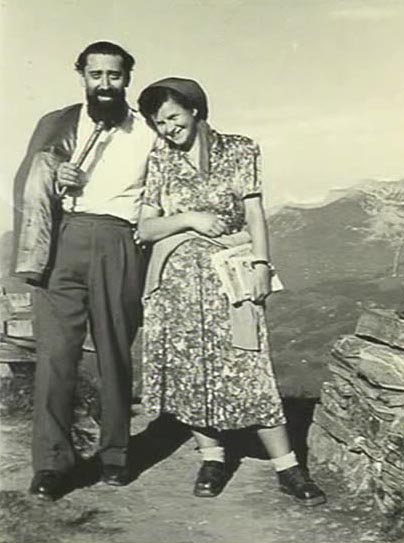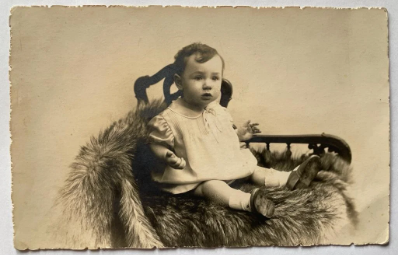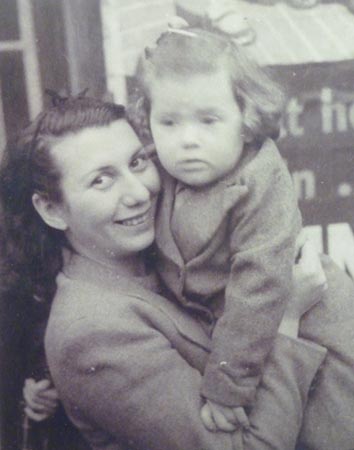
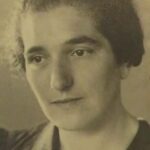
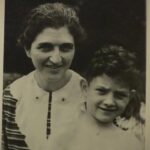
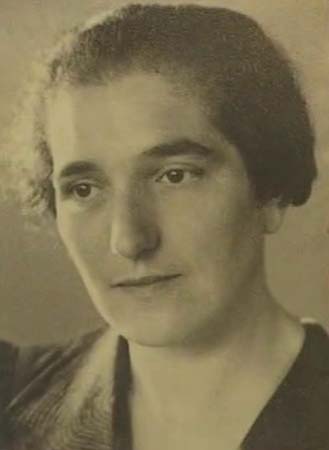
Mirjam Finkelstein: Mother Margarethe
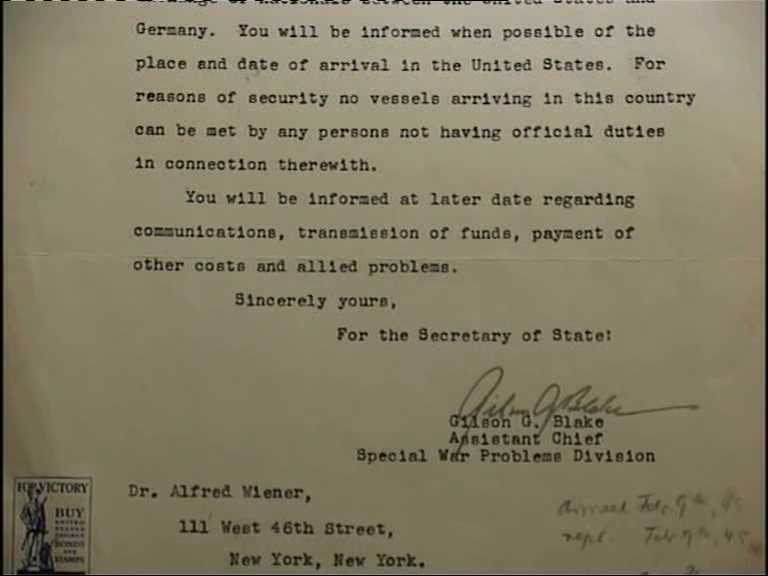
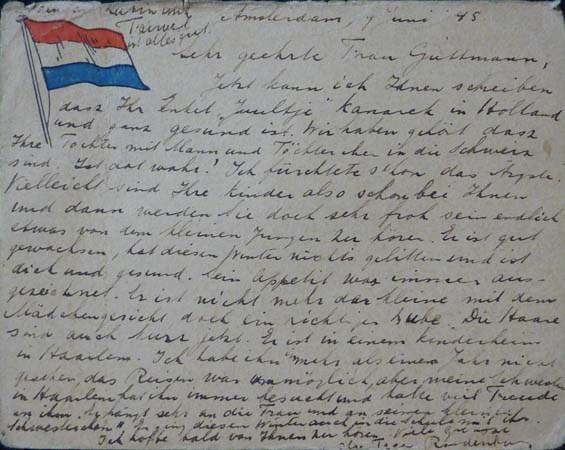
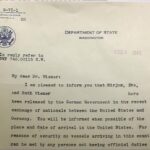
Mirjam Finkelstein: Part 2 of a letter dated February 6th 1945
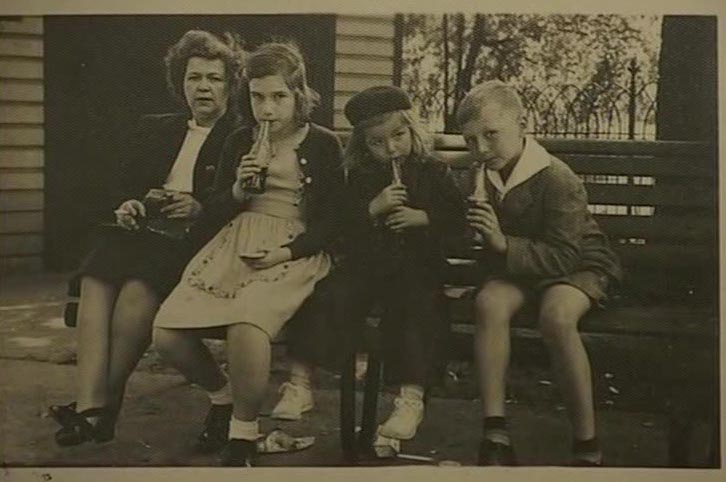
Mirjam Finkelstein: Philadelphia Zoo
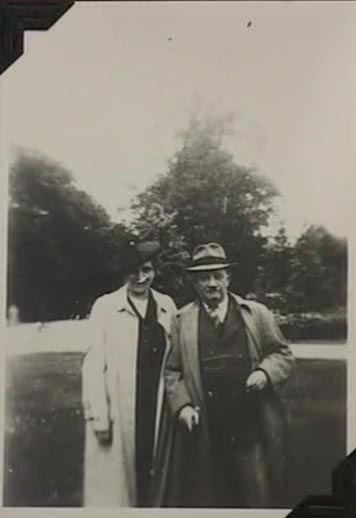
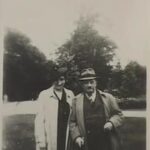
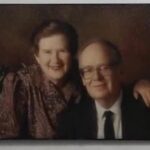
Mirjam Finkelstein: Parents
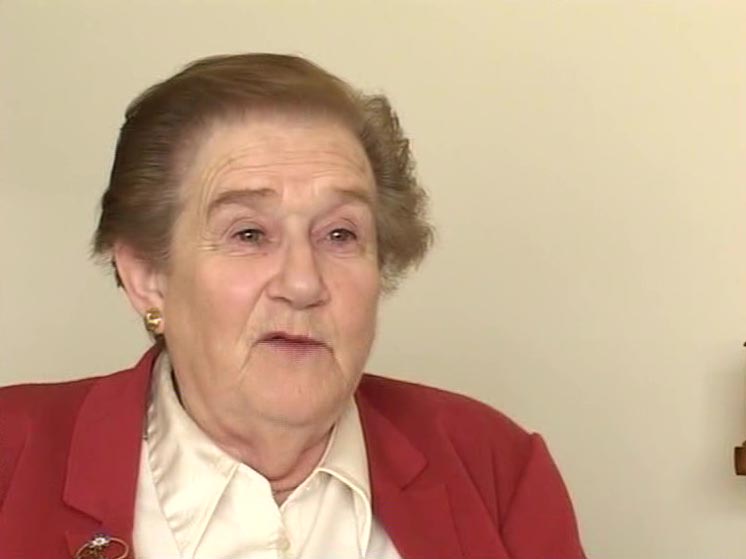
Mirjam Finkelstein: November 2006
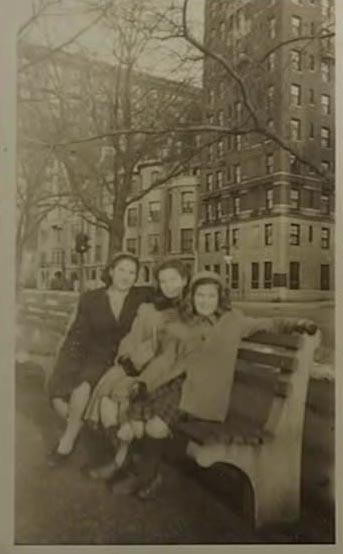
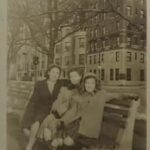
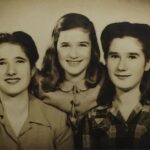
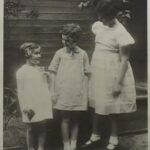
Mirjam Finkelstein: With sisters
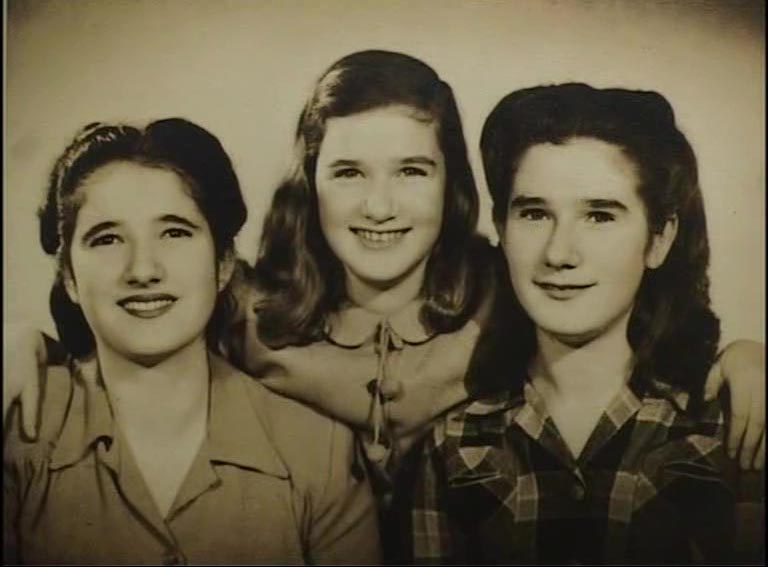
Mirjam Finkelstein: With sisters
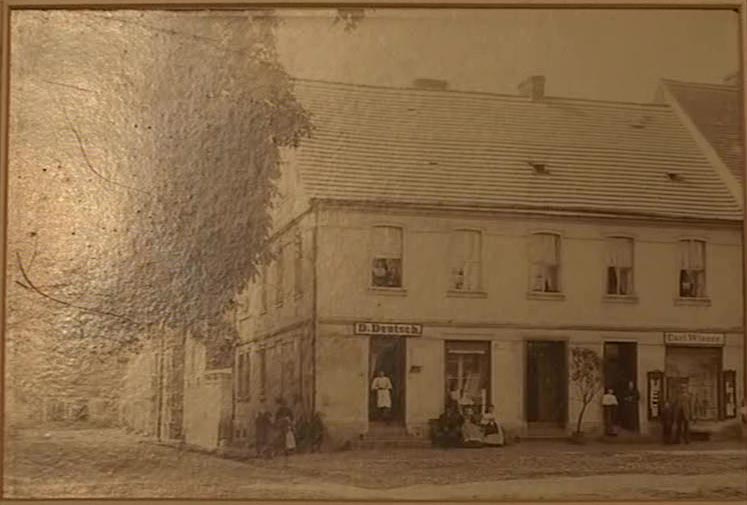
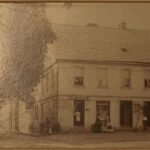
Mirjam Finkelstein: Her father's home
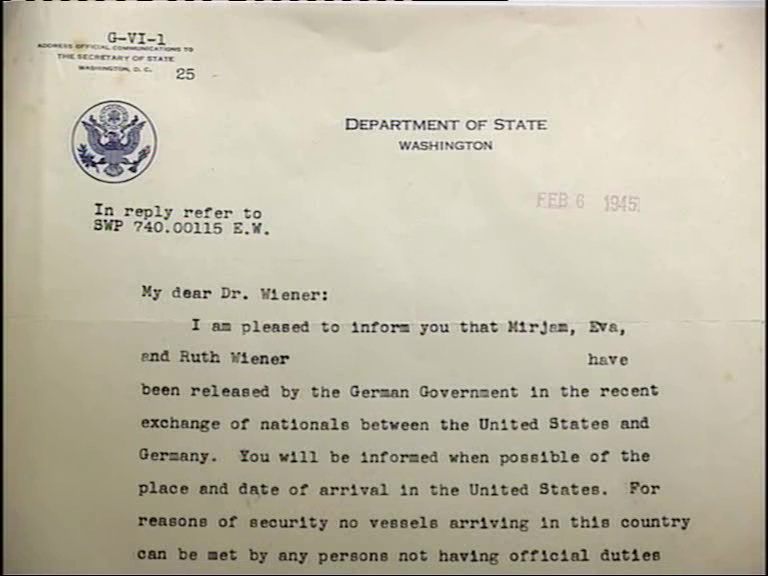
Mirjam Finkelstein: Part 1 of a letter dated February 6th 1945
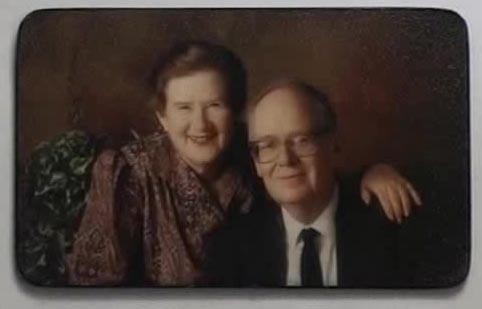
Mirjam Finkelstein: With husband
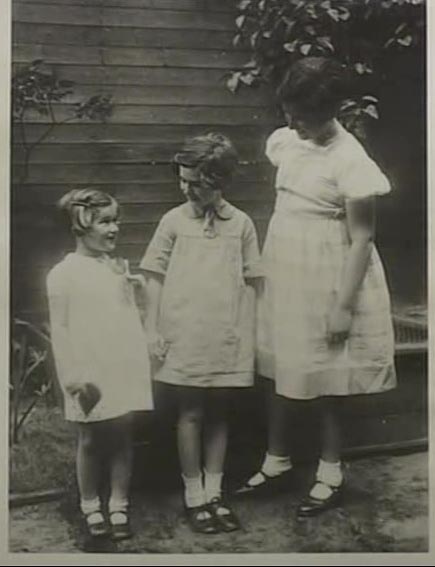
Mirjam Finkelstein: "Holland in 1938 on the 10th of June. It’s my 5th birthday
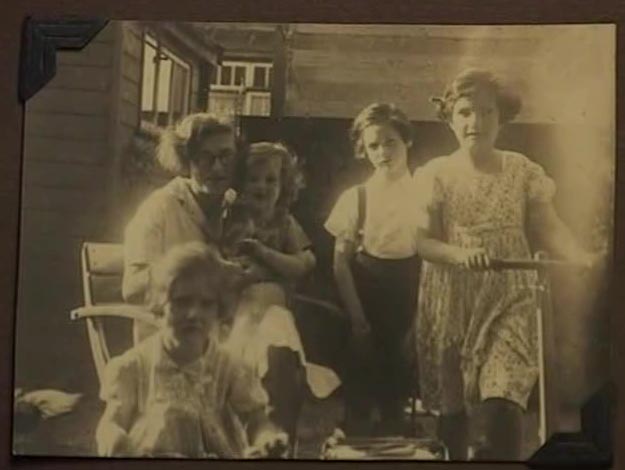
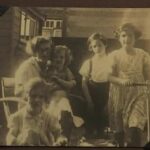
Mirjam Finkelstein: With sisters and mother’s help
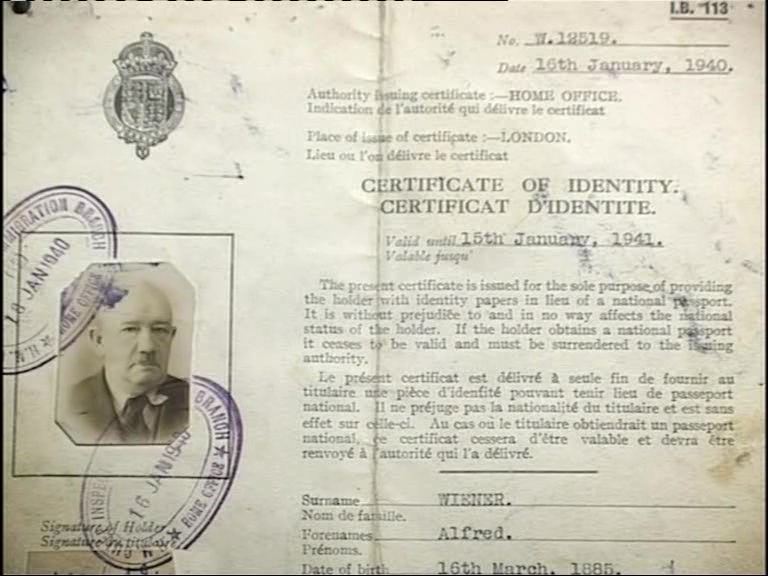
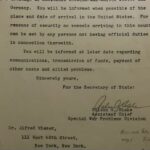
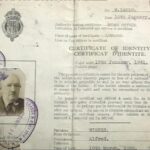
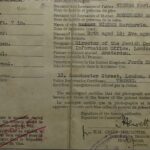
Mirjam Finkelstein: Father Alfred Wiener's identity certificate
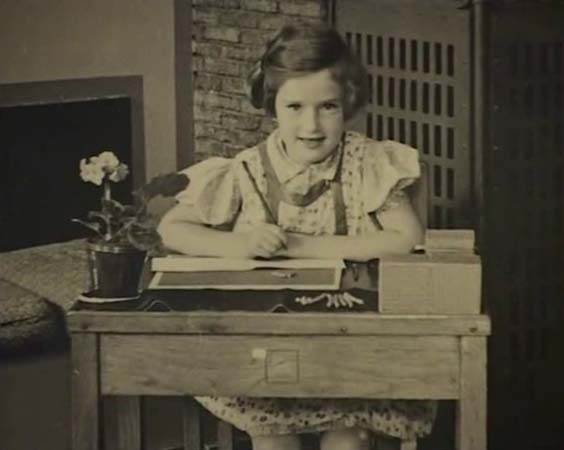
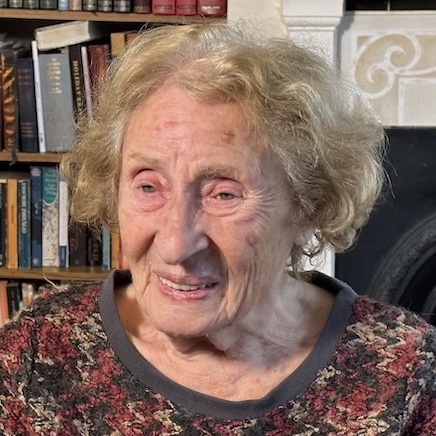
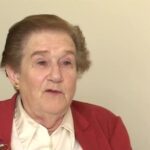
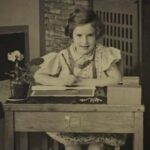
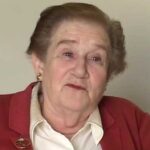
Mirjam Finkelstein: Mirjam Finkelstein
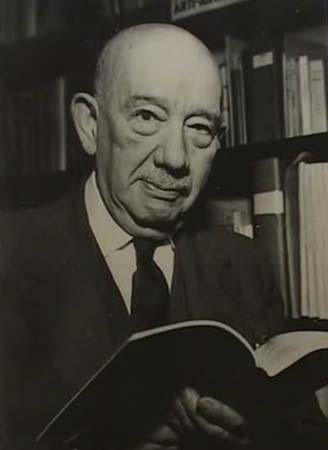
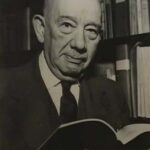
Mirjam Finkelstein: Father Alfred Wiener at the Wiener Library, 1953
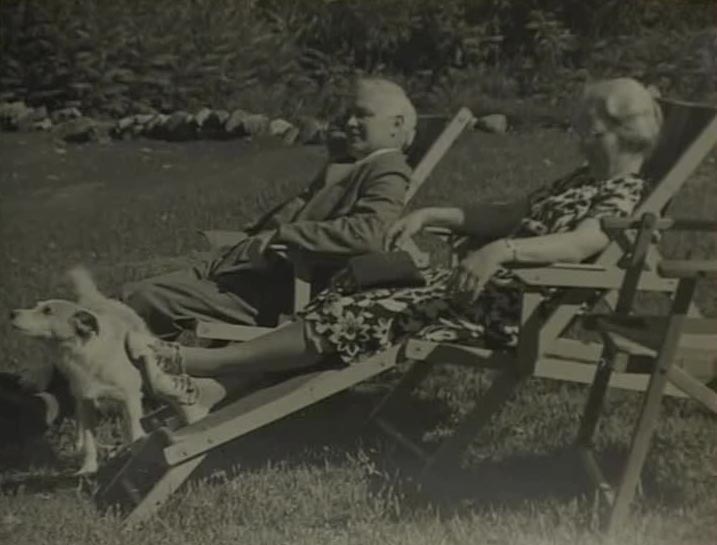
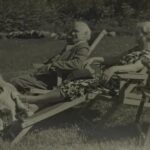
Mirjam Finkelstein: Mr and Mrs Moody
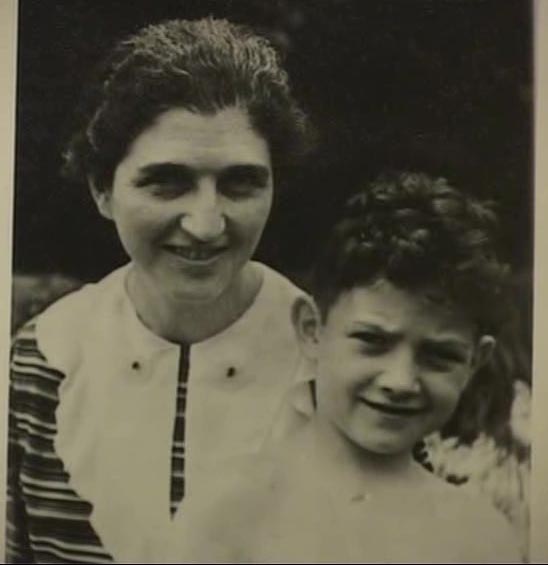
Mirjam Finkelstein: Aunt
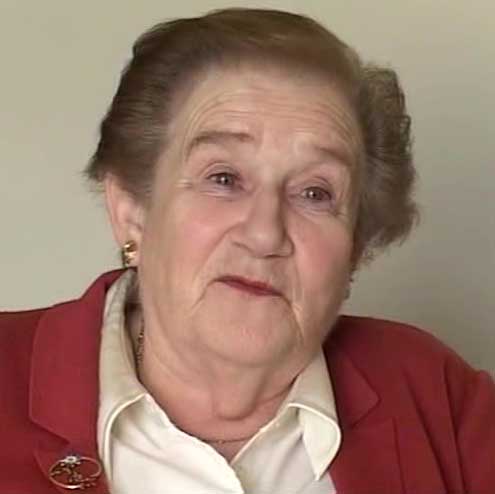
Mirjam Finkelstein: November 2006
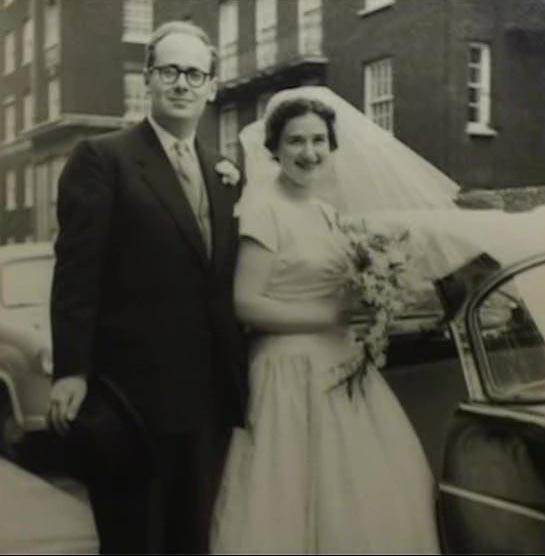
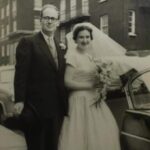
Mirjam Finkelstein: Wedding
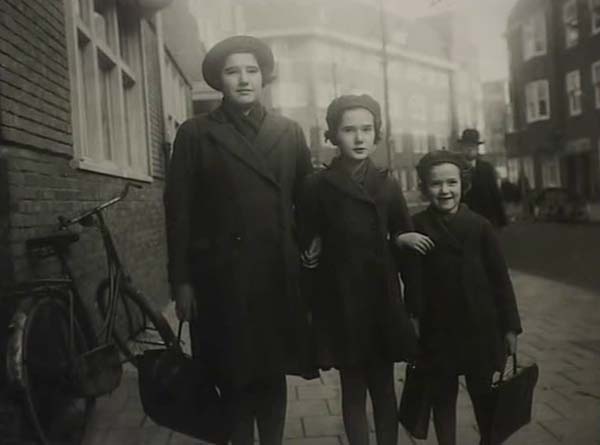
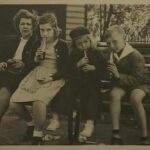
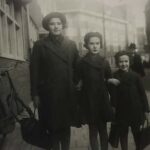
Mirjam Finkelstein: Mirjam and her sisters
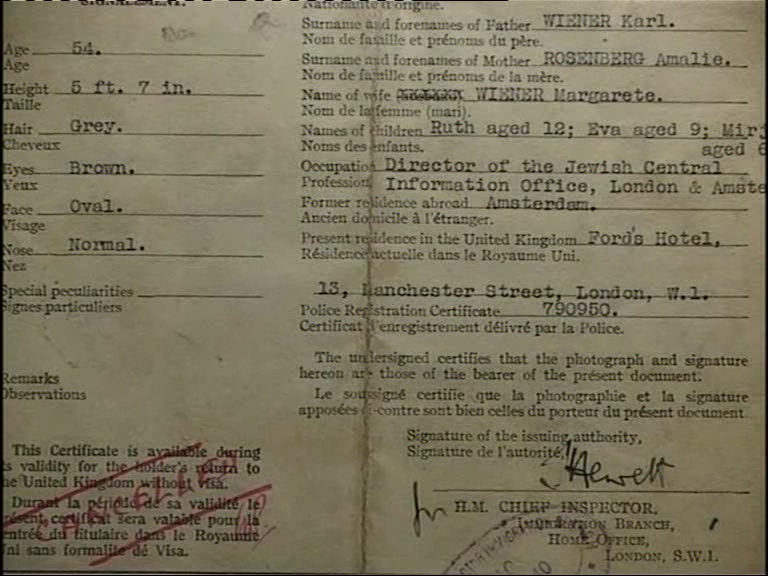
Mirjam Finkelstein: Father Alfred Wiener's identity certificate
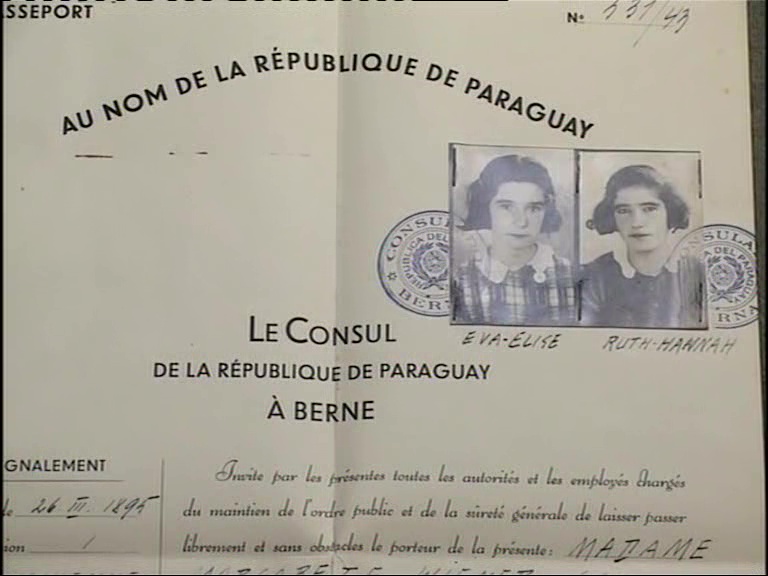
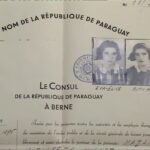
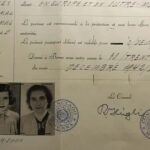
Mirjam Finkelstein: Paraguayan passport
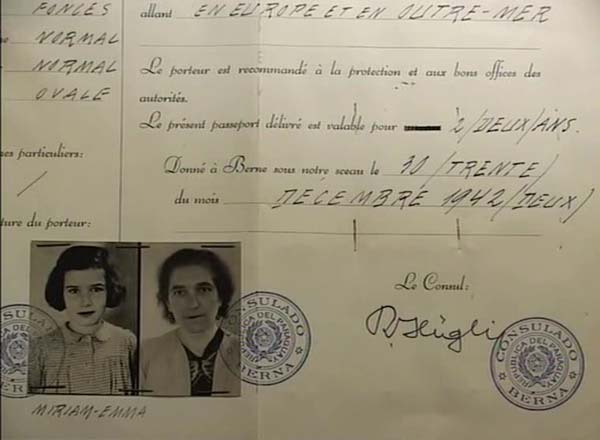
Mirjam Finkelstein: Mirjam's Paraguayan passport
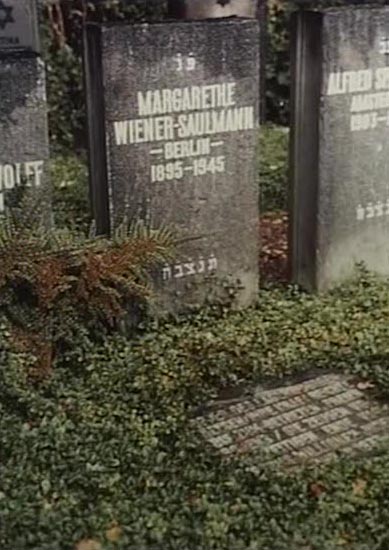
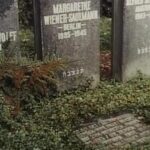
Mirjam Finkelstein: Mother’s gravestone
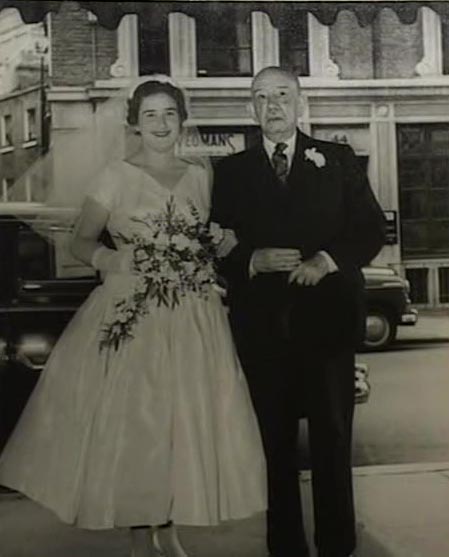
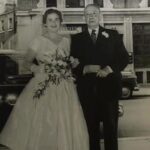
Mirjam Finkelstein: With father on wedding day
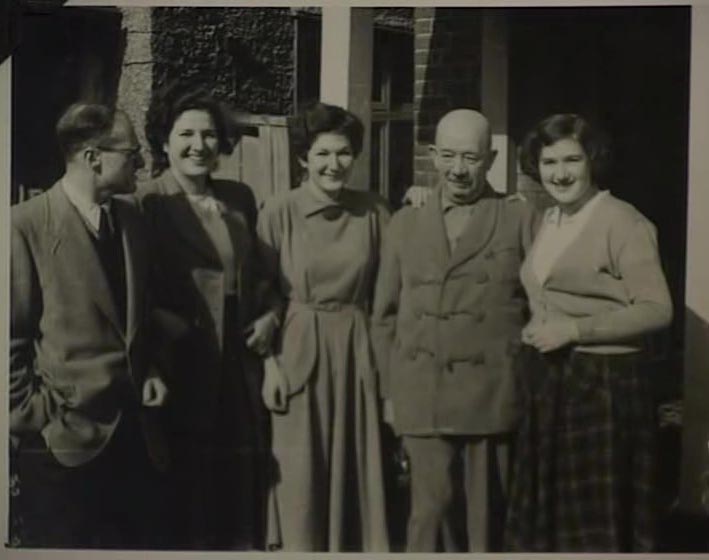
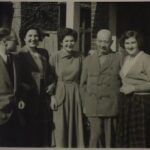
Mirjam Finkelstein: With her sister Ruth and brother-in-law with their other sister and father
Mirjam Finkelstein
Mirjam Finkelstein was born in Berlin in 1933
Born: 1933
Place of Birth: Berlin
Arrived in Britain: 01/01/1947
Interview Number: 136 (S)
Experiences: Concentration Camp Child Survivor , Concentration Camp Survivor , Early Pre War Emigration to Holland , Emigration to US
Interview Summary
Mirjam Finkelstein was born in Berlin in 1933. She is the daughter of Margarethe and Dr Alfred Wiener, the founder of the Wiener Library. Dr Wiener and his family fled Germany in 1933 and settled in Amsterdam. While Alfred Wiener was in the U.S.A, Mirjam, her two sisters, Eva and Ruth, and her mother were deported to Westerbork and then to Bergen-Belsen. In early 1945 she was moved from Bergen-Belsen to Switzerland. Between 1945 and 1947 Mirjam lived in the U.S.A. and then returned with her father to the UK, where she finished her schooling at the Paddington and Maida Vale School for Girls. There she studied Maths, Chemistry, and Physics and became a Maths teacher. Mirjam Finkelstein has three children and lives in London.
Place of Birth
In 1939 my father decided that it was not really on neutral soil, such a library. And so he decided to take the library to… England… financed by the BBC and Foreign Office then. It was very useful to them. They didn’t like it to be called something with ‘Jewish’ in it because … perhaps the information wouldn’t be taken as seriously. So it was called the ‘Wiener Library’.
Young people over 16 were called up for labour camp. That is why the Franks, who were part of our community, went into hiding. Margo, the older one, whom [sister] Ruth knew better actually - she didn’t know Anne so well - was 16. She was just that bit older and was called up for labour camp... That’s when they hid because young people who went to… very few of them ever came back.
I think on the whole people were very concentrated on themselves. You know, in order to survive you’ve actually got to sort of look inward as it were. Though people did help each other, but it was very difficult, very difficult. Certainly among us I can’t remember any difficulties with other people or anything like that. The only thing I remember from Westerbork when my mother hung laundry out on a string or something and it disappeared. It did happen there – it happens. And she pinned a notice to the line and said: ‘I know who took this and they will be reported if this isn’t returned.’ And lo and behold the next morning it was back again, the laundry. So, you know these sorts of things did happen. But, on the whole, people seemed to live in…within their communities in harmony with each other as much as possible. But helping each other was of course very difficult. No one had very much to help, you know.
There was some sort of stove in the barracks but it really gave off very little heat. I suppose they used wood for fuel but it gave off very little heat. So cold and hunger. Fear, I suppose… but I think by that time one sort of…it became for a child part of, sort of, what life was, you know. I can’t remember actually questioning it. Funny isn’t it? One would think one would question: ‘Why is this suddenly happening?’ I think perhaps children don’t - just take what’s happening to them or they just take it. But I suspect that my mother gave us food of hers. I thank goodness I cannot remember that, but I suspect she did because she needed it more than us, in a way. We didn’t grow in that time you know. Children just stop growing if you don’t feed them.
We were in Amsterdam in Johann Van Eyck Straat where my father’s library - the Jewish Central Information Office - all the material, was. So we really lived on top of the shop. I think my father had been agitating against the regime, and started to collect anti-Semitic material… He believed in sort of condemning people from what they had written. He couldn’t possibly stay any length of time in Germany with these things. So that is how he came to move to Holland; he chose Holland because it had been neutral in the First World War. Many people were lulled into this sense of security.
And they came some time in the early morning. They came up to our flat. Raus! They counted us. My mother pleaded with them and showed them our father’s war medals and so on. That counted for absolutely nothing.
I was 10 years old, old enough to know that what was happening. I suppose the fact again of being away from home, taken away, very worried adults, a sort of a melee of people around me and so on was probably more than I could really cope with. Though on the whole I was quite a reasonably good child but I do remember that. But eventually I settled down to it and I remember when I had this spell in hospital, I…you know that was quite exciting I suppose again. And I was together with Eva which helped. But certainly we realised – I realised - this was…this was serious. There was, something happening beyond, even beyond the adults’ control. Perhaps that’s what starts children off when they feel the adults are not in control. Yes.
The worst of Westerbork was a) the crowding and b) of course the transports [to Auschwitz]. Everything was focused on these transports. I have got a pitiful little letter that my aunt wrote to my mother, or to us, just before they left, you know, full of hope, you know: ‘We will see each other again’ and so on. She must have known.
REFUGEE VOICES is the AJR’s groundbreaking Holocaust testimony collection of filmed interviews with Jewish survivors and refugees from Nazi Europe who rebuilt their lives in Great Britain.
The copyright of personal photos and documents on the site is held by each interviewee and may not be reproduced without their permission. Please contact the AJR if you would like to use any of the images and documents.