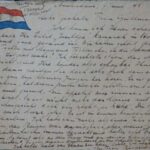
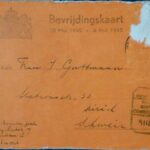
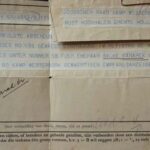
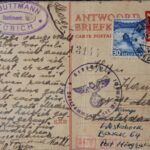
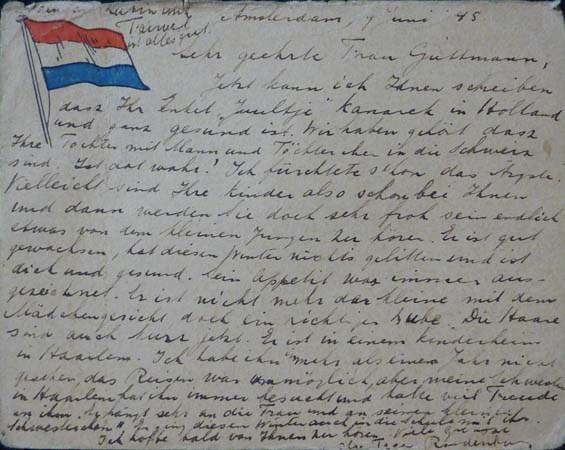
Lady Zahava Kohn: "Now this is a card sent by the lady of the resistance to my grandparents in Switzerland to let them know that Holland has been liberated and that their grandchild
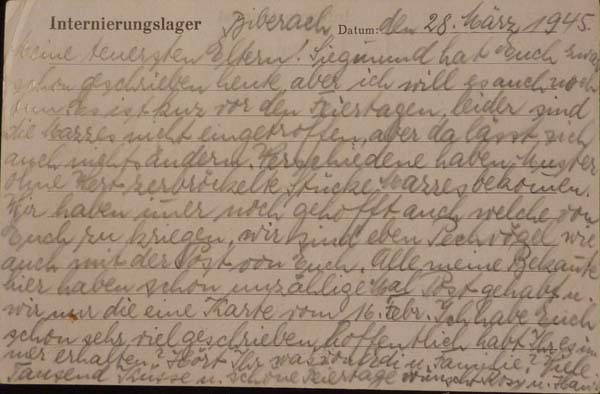
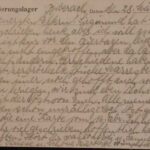
Lady Zahava Kohn: "A card my mother had to write to her parents to Switzerland
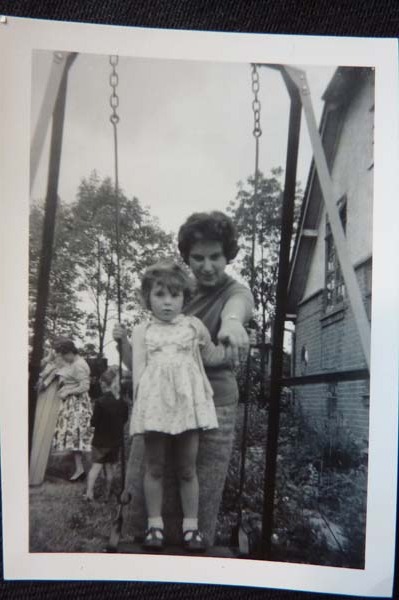
Lady Zahava Kohn: "1960 when I was working as a nursery teacher"
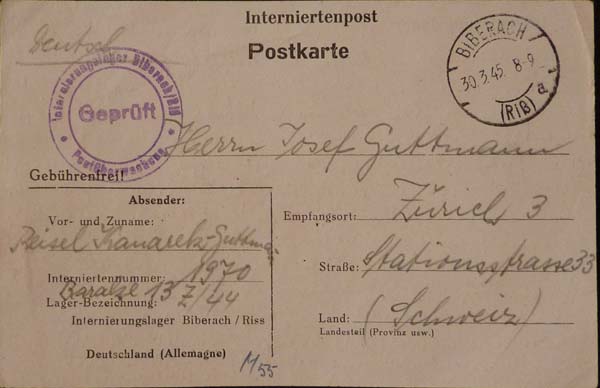
Lady Zahava Kohn: "Now this is a card my mother had to write to her parents to Switzerland"
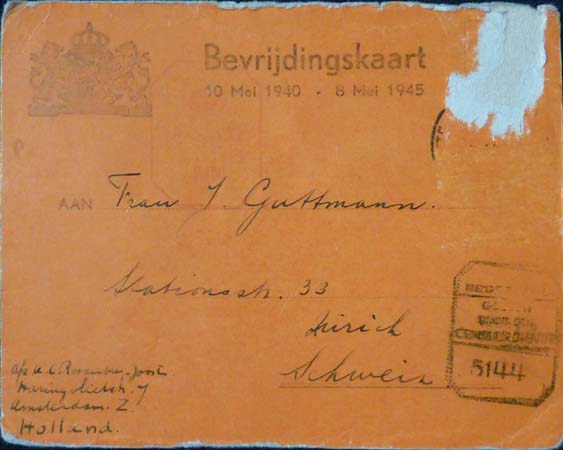
Lady Zahava Kohn: liberation card
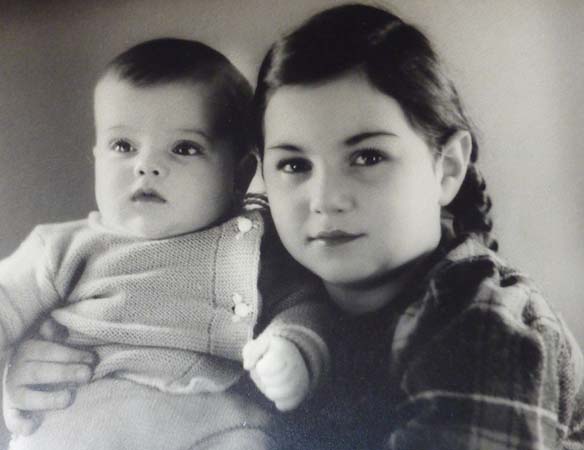
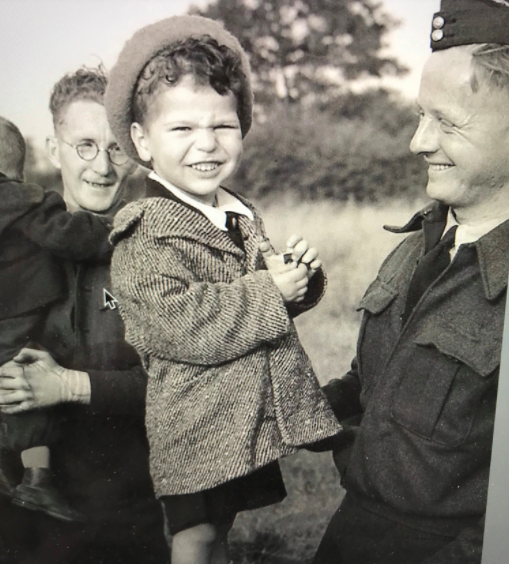
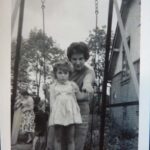
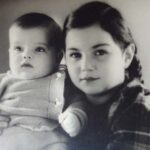
Lady Zahava Kohn: With her baby brother
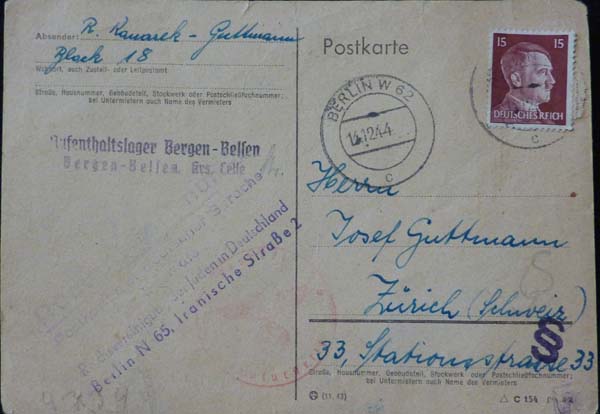
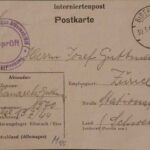
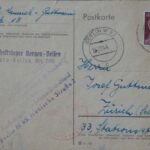
Lady Zahava Kohn: Postcard from Bergen Belsen to the grandfather in Zurich
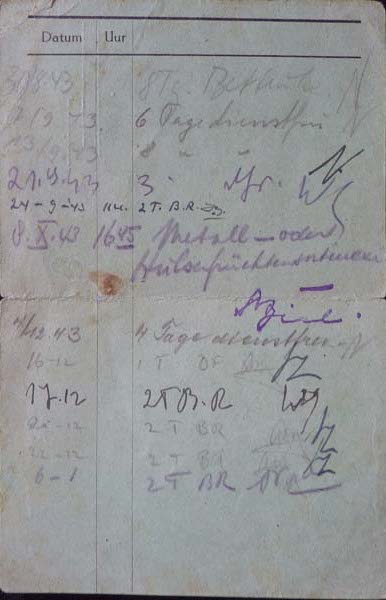
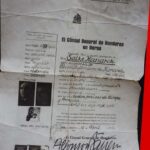
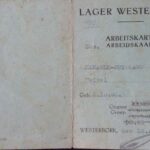
Lady Zahava Kohn: Westerbork ID
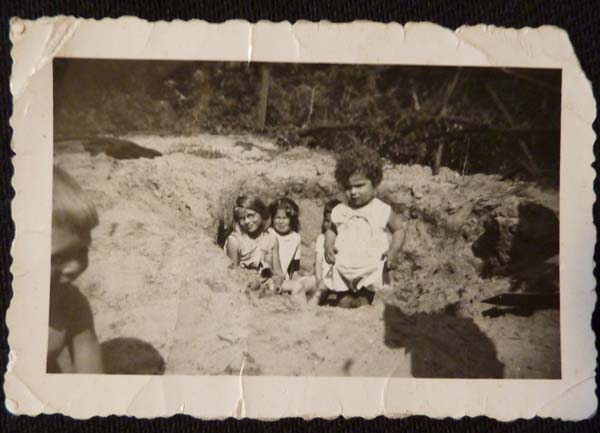
LZK
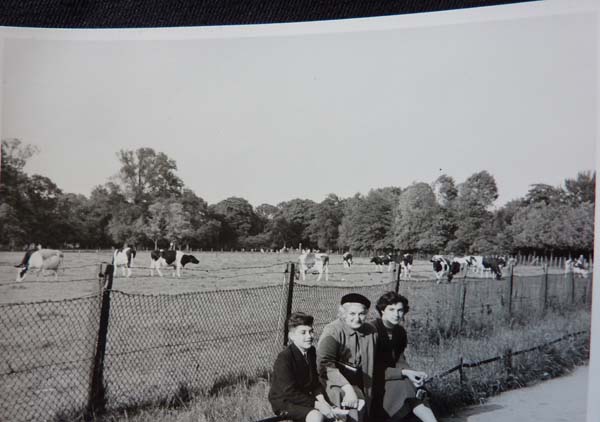
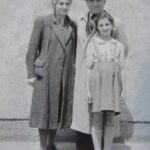
Lady Zahava Kohn: With her mother and brother
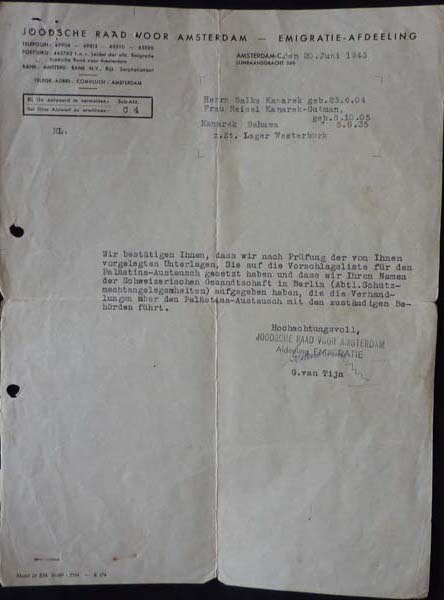
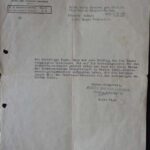
Lady Zahava Kohn: "Now this is a letter sent by the Jewish Council in Amsterdam to my parents to let them know that they were going to be exchanged for other people."
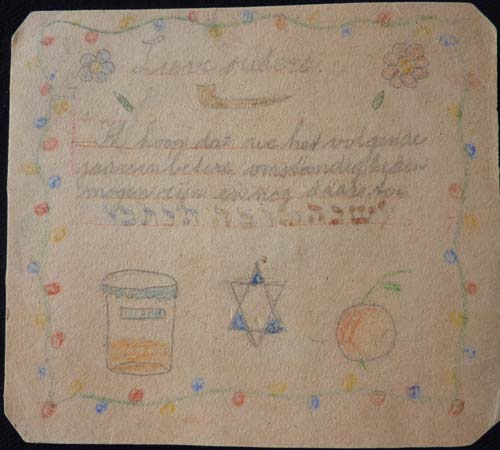
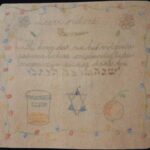
Lady Zahava Kohn: Rosh Hashana card
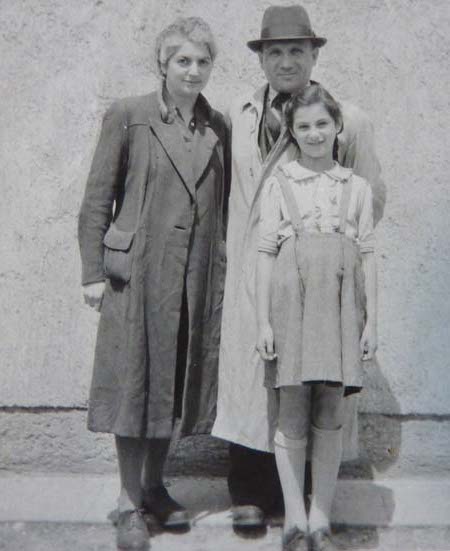
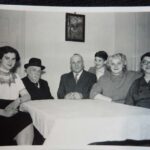
Lady Zahava Kohn: With her parents after release from Bergen Belsen after the war.
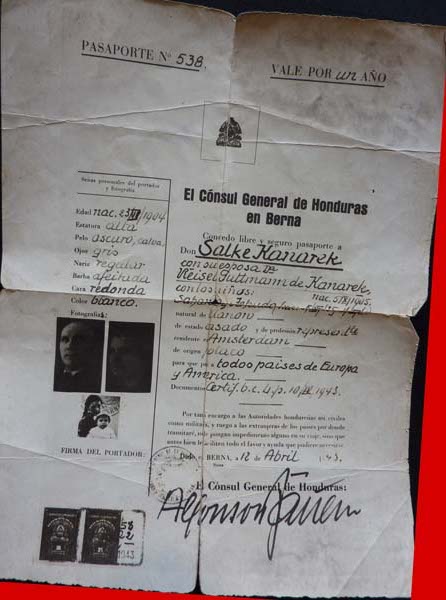
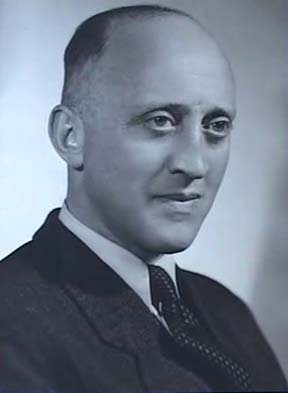
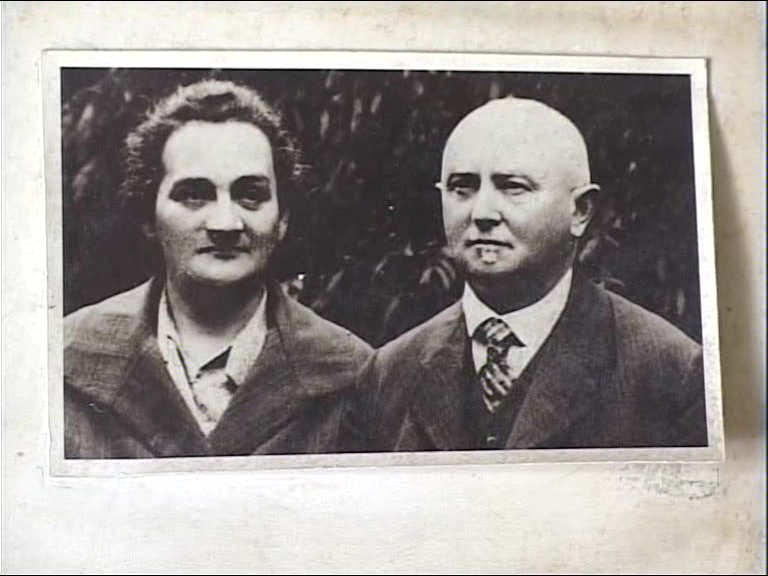
Lady Zahava Kohn: "Photo of my father
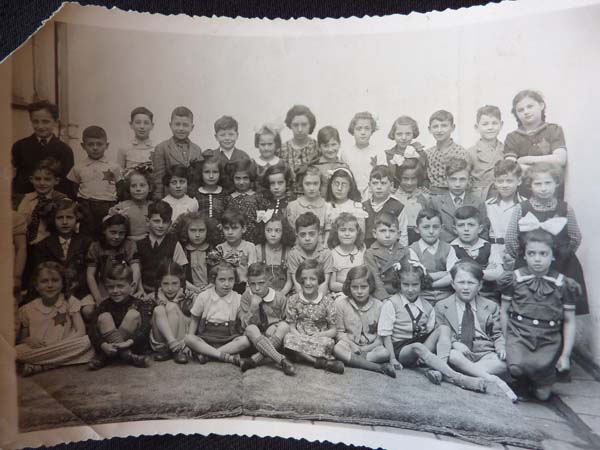
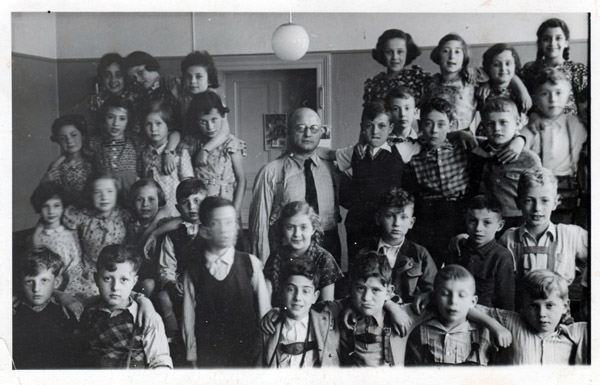
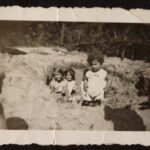
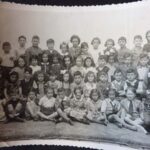
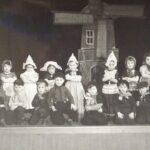
Lady Zahava Kohn: Primary school in Amsterdam
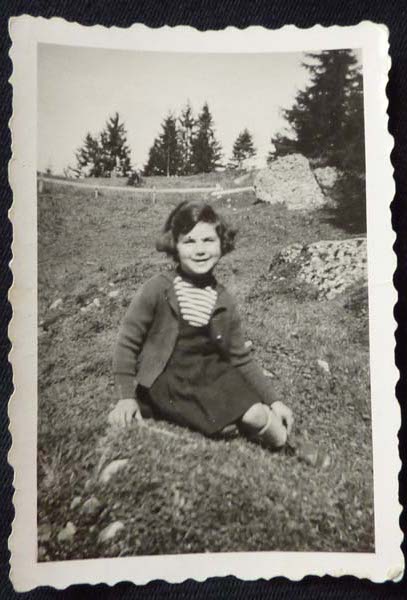
Lady Zahava Kohn: In Switzerland (Lucernce) after the war to recover from Bergen Belsen
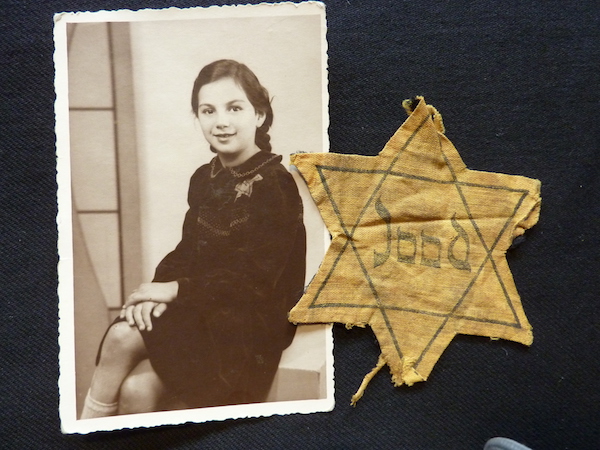
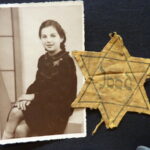
Lady Zahava Kohn: "Now this is a picture of me with my yellow star on a party dress and a yellow star next to it and written in Dutch
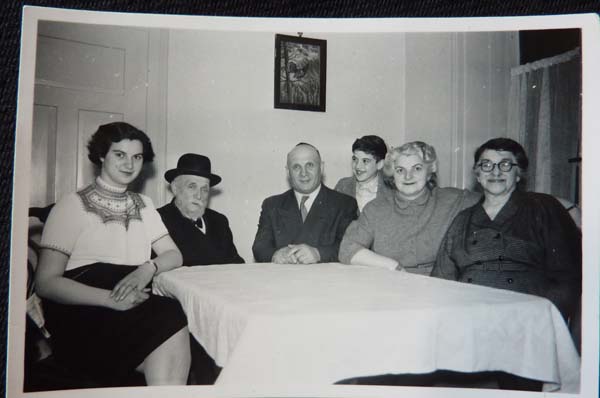
Lady Zahava Kohn: 1953 in Zurich
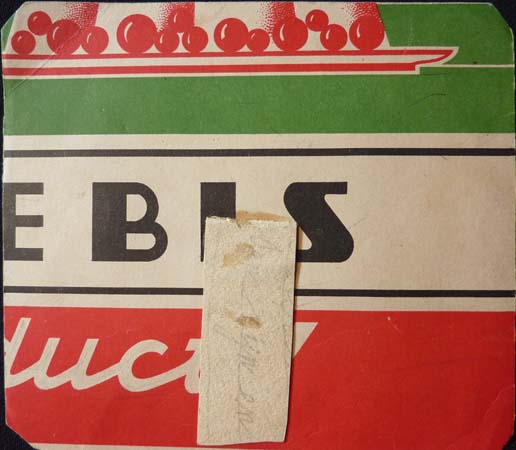
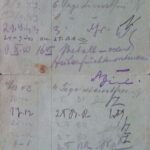
Lady Zahava Kohn: Back of the card ZK wrote for her parents
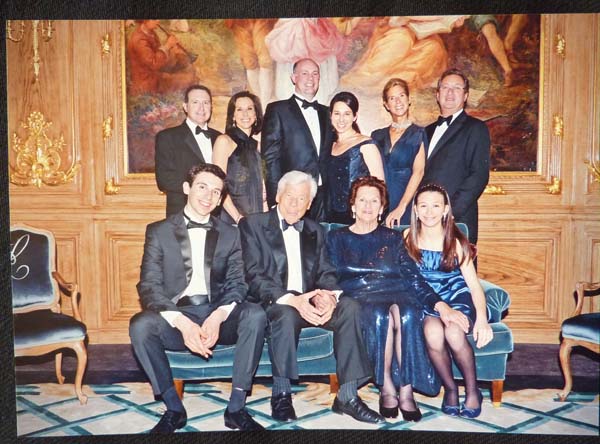
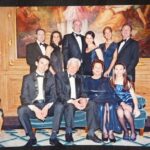
Lady Zahava Kohn: 50th wedding anniversary with her husband Sir Ralph Kohn
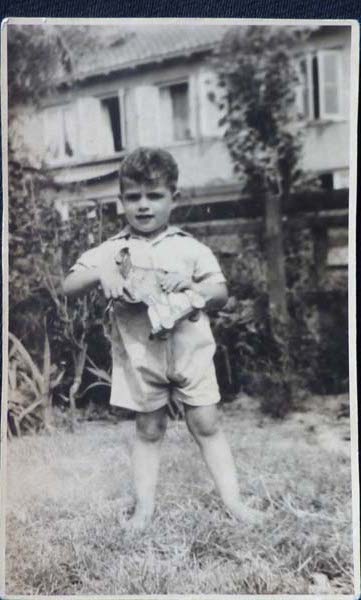
Lady Zahava Kohn: Brother Jehudi
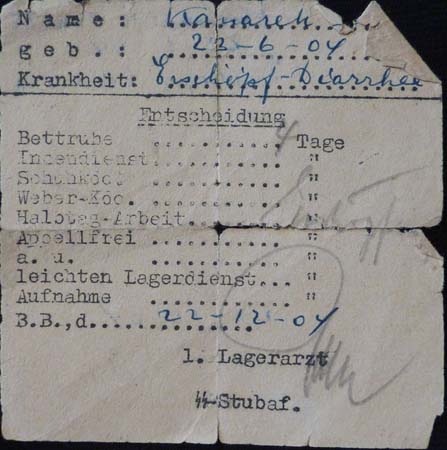
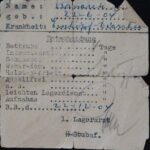
Lady Zahava Kohn: "Bergen-Belsen - probably just an exemption for my father that he didn't have to go to work that particular day because he was very ill."
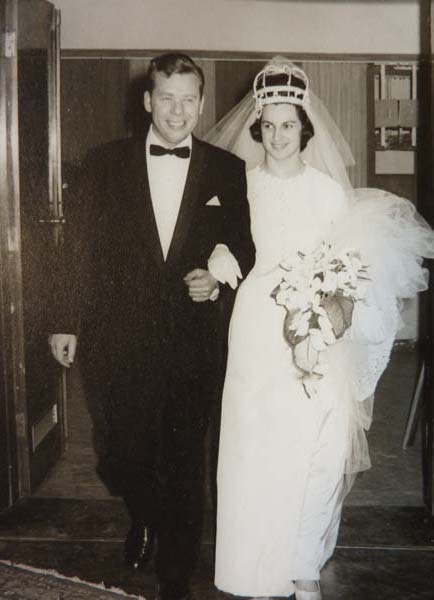
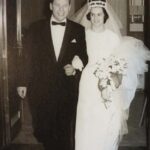
Lady Zahava Kohn: Wedding day with husband Ralph
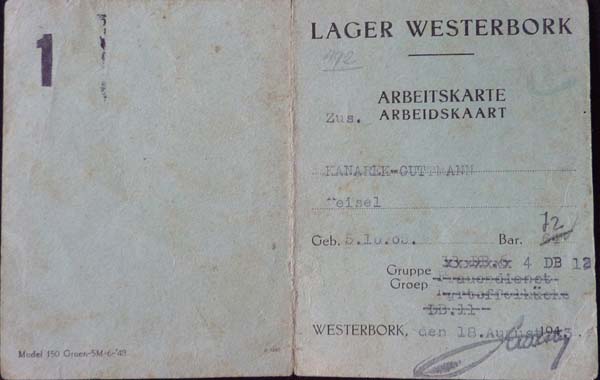
Lady Zahava Kohn: Westerbork ID
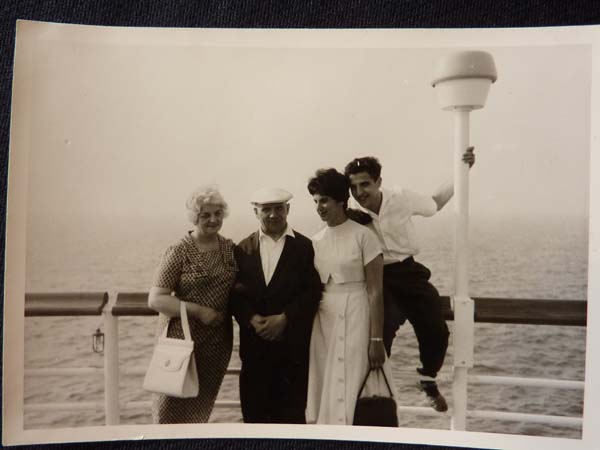
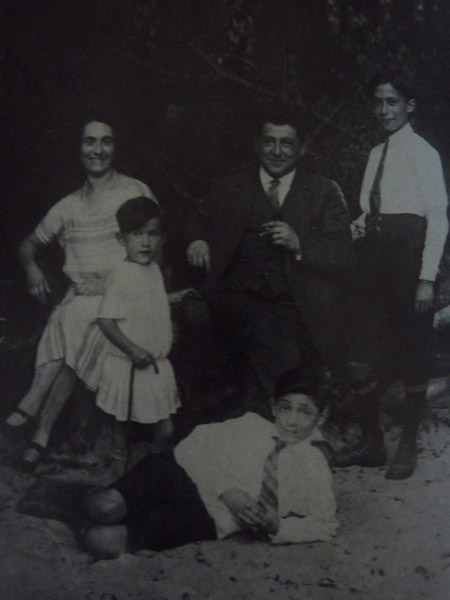
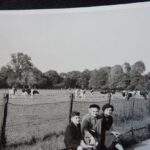
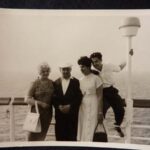
Lady Zahava Kohn: "This is a photo of my parents and my brother and me in Scheveningen seaside resort in Holland
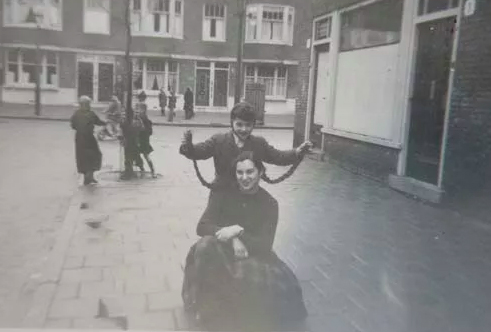
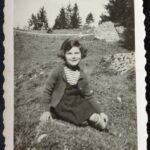
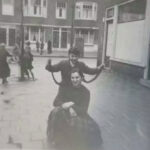
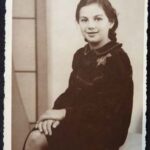
Lady Zahava Kohn: With her plaits
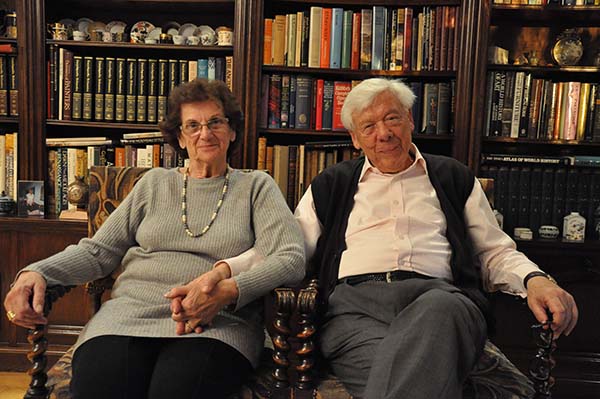
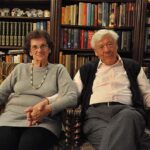
Lady Zahava Kohn: With her husband Sir Ralph Kohn in 2016
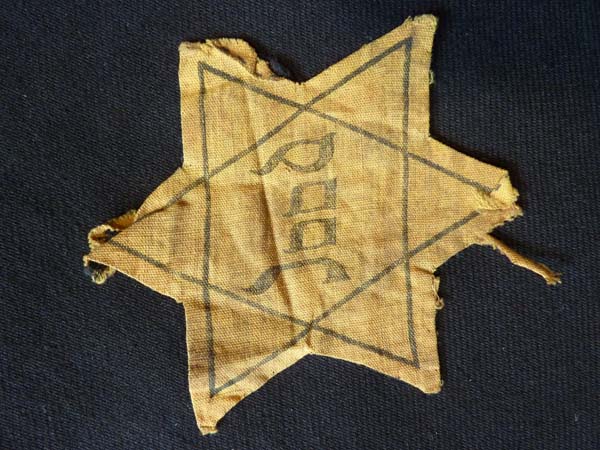
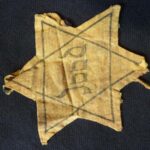
Lady Zahava Kohn: Yellow star
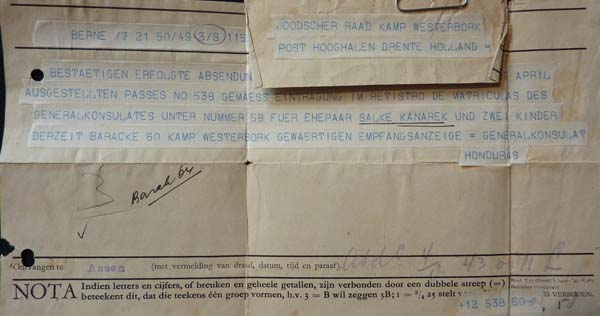
Lady Zahava Kohn: Westerbork telegram
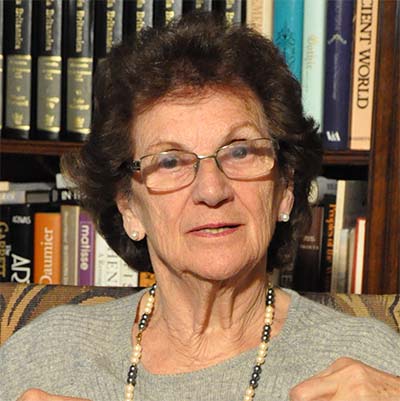
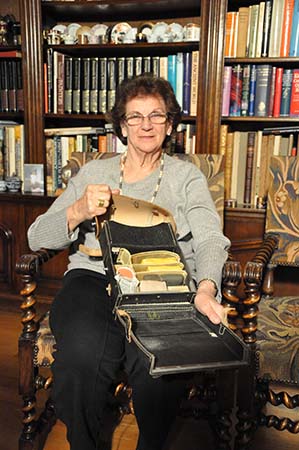
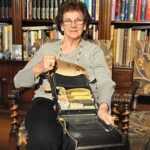
Lady Zahava Kohn: Medical kit
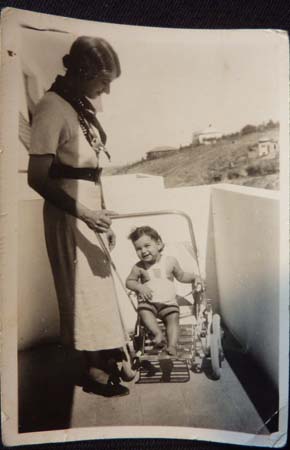
Lady Zahava Kohn: With her mother in Ramat Gan
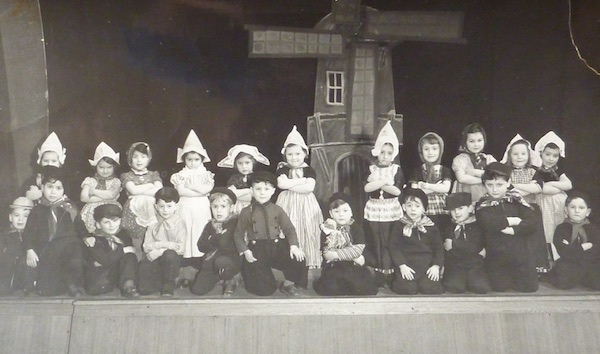
Lady Zahava Kohn: Nursery school in Amsterdam
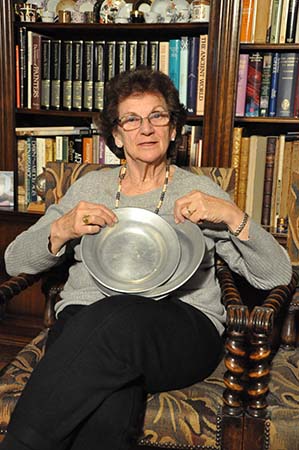
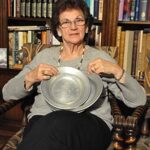
Lady Zahava Kohn: Bowls ZK
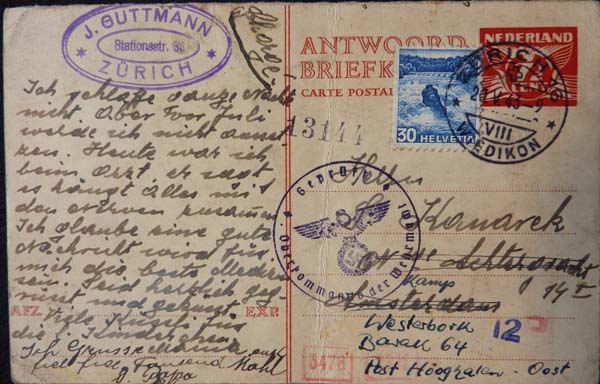
Lady Zahava Kohn: Postcard readdressed to Westerbork
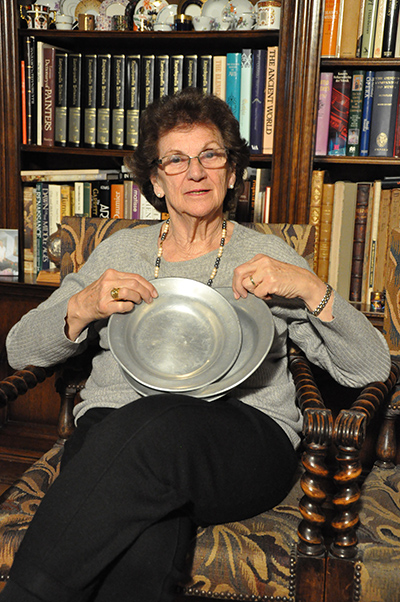
Lady Zahava Kohn: Dishes used in Bergen-Belsen
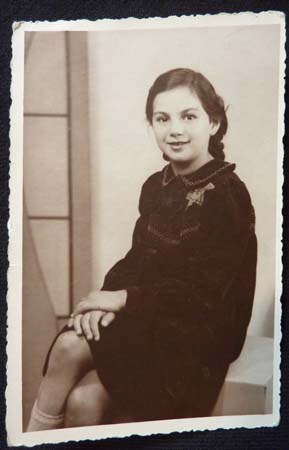
Lady Zahava Kohn: With the yellow star on a party dress
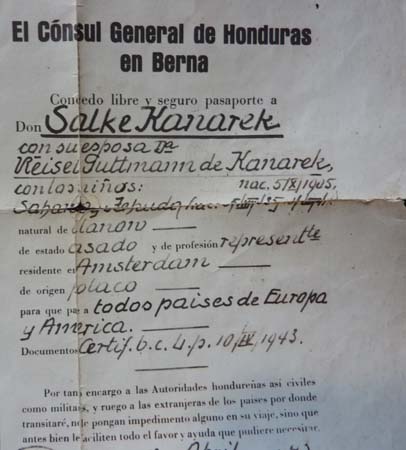
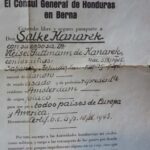
Lady Zahava Kohn: "papers we got for Honduras instead of a passport
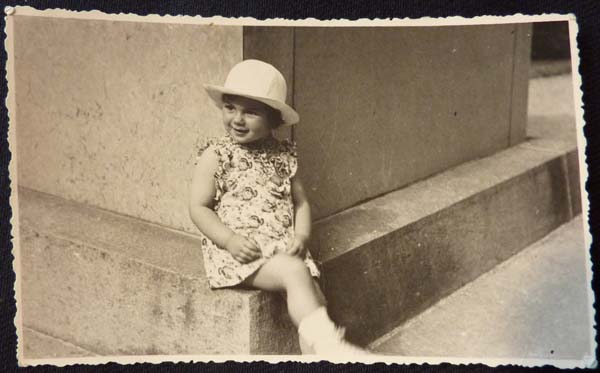
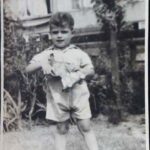
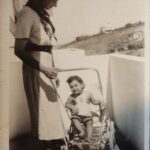
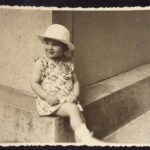
Lady Zahava Kohn: As a two year old in Israel ca. 1937
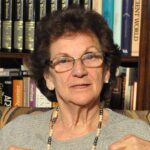
Lady Zahava Kohn
Zahava’s father, Salke Kanarek, came from Dusseldorf and her mother came from Zurich, both from religious familes
Born: 1935
Place of Birth: Ramat Gan
Arrived in Britain: 06/06/2025
Interview Number: RV169
Experiences: Concentration Camp Child Survivor , Concentration Camp Survivor
Interview Summary
Zahava’s father, Salke Kanarek, came from Dusseldorf and her mother came from Zurich, both from religious familes. They got married in Frankurt in 1932 and settled in Amsterdam, waiting for their papers to leave for Palestine. In 1935 they emigrated to Palestine. Zahava’s mother was in the late stage of pregnancy. Zahava was born on the 5th of August 1935 in Ramat Gan. It was not easy for her parents to get used to the conditions in Palestine and her father had to do manual work for a construction company. Due to her mother’s health, the family decided to come back to Europe in April 1937, where they settled again in Amsterdam. Zahava describes her happy childhood in Amsterdam, where she went to Jewish Kindergarten and her parents shielded her from the political situation and their worries. In 1943 the family was deported to Westerbork, leaving Zahava’s 16 month-old brother behind with a woman in the Dutch resistance
Because Zahava had been born in the British Mandate of Paestine, the family had a bit of protection. After four months in Westerbork, the family was taken off a train leaving to Auschwitz at the very last minute. After another five months, they were sent to Bergen-Belsen.
In Bergen-Belsen, Zahava stayed together with her mother and she describes the harsh conditions, hunger and illnesses. At the end of January 1945 Zahava and her family were ‘exchanged’ and sent to Switzerland. Zahava suffered ill health and needed a extensive rehabilitation. The family was reunited with her brother and settled in Amsterdam. In the early sixties Zahava came to the UK and Rabbi Schonfeld offered her work as a nursery teacher. In March 1963 she married Dr Ralph Kohn (the late Sir Ralph Kohn), a pharmacologist and has lived in London ever since. She has three daughters and five grandchildren.
With her daughter Hephzibah Rudofsky, Zahava created the programme ‘Surviving the Holocaust’, which they have presented to many schools across the UK and Germany. At the end of the interview, Zahava and Hephzibah share their thoughts about their joint Holocaust education project.
Place of Birth
they [ her parents] had contact with somebody who was a …a non-Jewish lady who was working for the Resistance. And she was the lady who was instrumental in finding a place for my brother [who was a baby] to be hidden. And also he was very blond, blue-eyed, so they thought that would be very much easier than with me, being very dark- haired and dark-eyed. So they didn’t even think about me being hidden. But he was then sent to people out of Amsterdam. And…. I was told that whoever was going to ask me what had happened to my brother- because the people who knew my parents, they wouldn’t have asked. They knew what has happened. But people who didn’t know them I had to say that we had lost him somewhere on the way. And it was mainly after, when we went to Westerbork, really.
Having suffered from asthma a bit, and the sheer thought of having somebody so close to me, on the middle bunk or the bottom bunk. I just couldn’t face it. So my mother made every effort that we would get [a top bunk bed]- Not that it made much difference because the roof on the barrack was so close on top of us. But for me, not having a person above us, made me feel that it was safer. And… and I also- That I’ve got still a memory of. That, you know we had a beam which separated the bunk next - next to us, from, from ours. And there was a lady who was suffering very badly from typhus. And I don’t remember whom she was sharing the bunk with. But she had put, because there was no proper facilities- There were no proper facilities in the barracks. You had to go outside to a loo. And so she had put a tin pot, which many people had done then, on the beam which separated her bunk from ours. And during the night, she was so weak she couldn’t control herself. And it was full of… I can’t- just- I can’t even say the stuff… that she knocked it over, off the beam, and it came over on me. And my mother was in a terrible, terrible state because she was worried, as she was suffering from typhus, that I would catch it and that she would have to cut off my plaits. And- Because, that for her was still something very important...
In spite of all the terrible things that had happened. My mother’s sister having been killed and…but still they [her parents] were looking ahead and trying. And many of their friends hadn’t survived but still they were looking ahead. And I think also mainly to us as children, to give us a positive kind of feeling that we shouldn’t worry about all the things that we had passed.
And there [Stockholm, where Zahava's little brother stayed with the mother's cousin], which was fantastic how my mother managed that, because she was still weak, and having lost a sister in any case. And- But she wouldn’t give in. And so every day she wanted to go as soon as possible back to Amsterdam to be with my father, and that we should have a family. And so every day she organised for the three of us [mother, Zahava and the little brother]… walking together. Because he didn’t want to know from my mother. He had a mother in Holland, mother in Stockholm, now comes another one who calls herself his mother! So she started organising these walking trips and going to places, the three of us going together. And then she bought him a big balloon and he was very excited. He was a very young child. At that time, he was about six…six? Ja, six-and-a-half. And he was very upset. The balloon shrunk and became smaller and smaller. So my mother said, “You know what? Daddy in Amsterdam, he will be able to blow the balloon up for you and that it gets bigger again.” After that he didn’t want to wait; he wanted to go back the next day to Amsterdam. But in any case, we went back as soon as possible, and started …family life again.
Every Monday night, all the cattle carts came… to the station. And there were always about two or three normal carriages. And I was suffering slightly of asthma. And I said to my mother or both my parents, “Can we please go a bit early?” - when I heard that we were going on the train, which, before then we had been told all the time, no transport for us. So I said, “Can we go a little bit early the next morning that we get a seat on one of the normal carriages?” - not knowing that that was for the SS. So my mother had to explain that to me, that we couldn’t go on one of those carriages. And literally the last minute before going on to that cattle cart- My parents had tried to organise that we were going with friends of theirs in the same cattle cart, because they were so taken aback that we were going to go- be sent to Auschwitz. And somebody said, “This is family Kanarek.” And the chap came to my parents and said, “I wish I had a message like this for more people, as I’ve got for you. You’ve been taken off this transport.” And my parents just couldn’t believe it. And literally, had he come a minute later, we would have been on one of the cattle carts. Nobody would have known where. And that would have been it!
Well we got in the morning [in Bergen-Belsen] a crust of… stale… bread. And this had to last until the evening. And and some liquid which they called coffee. Coloured- A coloured substance. And then in the evening, they gave something which they called a kind of soup or vegetables with turnips and water. And that was the eve- dinner. And that didn’t even always arrive, and, because sometimes there were bombings or so going on so they left that… out of …our hands.
And I came to visit her [her mother] in Herzliya, into this Dutch nursing home. And… just on that day, in the morning, she had passed away when I got there. So I was terribly, terribly upset of course. Because the day before I would have still seen her. But it was too late arriving, so I couldn’t. And I didn’t realise, or they didn’t realise, how ill she was. And so then I came back to the home, and to start sorting things out because they wanted to take over her room and so forth. And I could have just chucked everything away, because the clothes or anything didn’t mean anything to me I mean to keep. I didn’t have any…And I started emptying her cupboard, and found at the back of a cupboard, that small bag. …I can’t call it a suitcase. It was more like a soft bag. And I could have just chucked it! And I don’t know what made me open it and look what was inside. And when I opened it and saw some of the things which I hadn’t seen before, I couldn’t believe it! And then I started really looking at the things and...Oh, all the fragments. All the letters. Any kind of documentation which she had over the war years whether it was from Holland, from Westerbork, Bergen-Belsen. Whatever she had been given or had to do, signed. I mean it’s in my book! All these things were in there. The yellow star.
We could still get certain parcels sent. And that I also remember, because the lady who had taken care of my… brother, she still sent parcels to us. And somebody…That’s right; my father had asked one of his …people he had worked with from the company he represented, whether he could send some…a lice comb. Because I had got in the meantime, because you know, the hygiene was very difficult. So my mother was very worried that they had to cut off my hair, so they asked for lice comb. And that arrived with some, with a bag of beans. And in the bag of beans… was a little photo of my brother. A tiny, tiny photo. And one had to actually sift through that bag of beans. Until today I can’t un- But she must have thought there is a reason; they know we have got no cooking facilities why does she send us beans? And until she found that little photo of my brother. That he was alive…
REFUGEE VOICES is the AJR’s groundbreaking Holocaust testimony collection of filmed interviews with Jewish survivors and refugees from Nazi Europe who rebuilt their lives in Great Britain.
The copyright of personal photos and documents on the site is held by each interviewee and may not be reproduced without their permission. Please contact the AJR if you would like to use any of the images and documents.