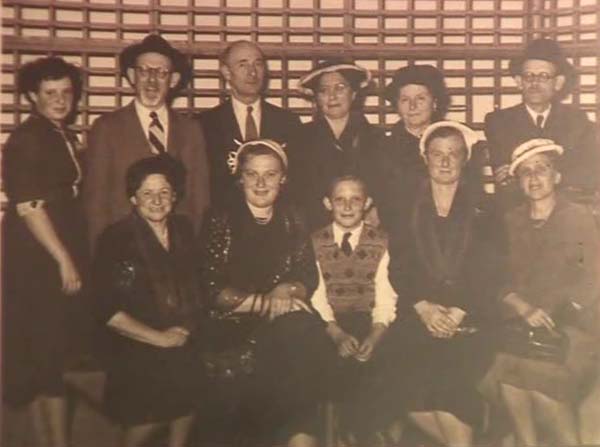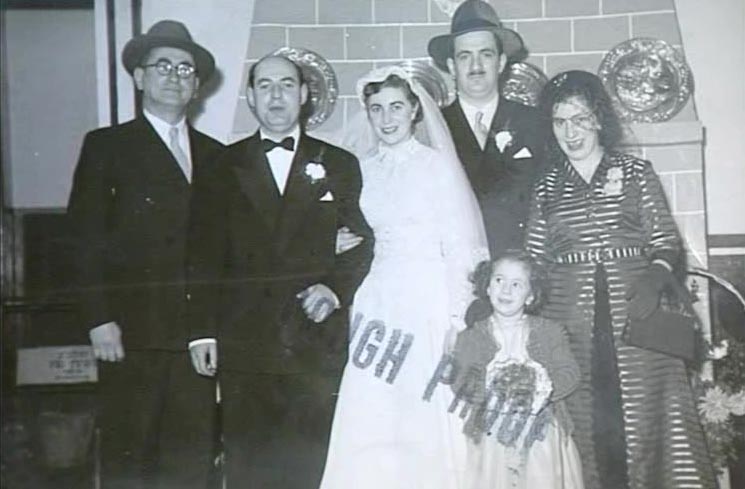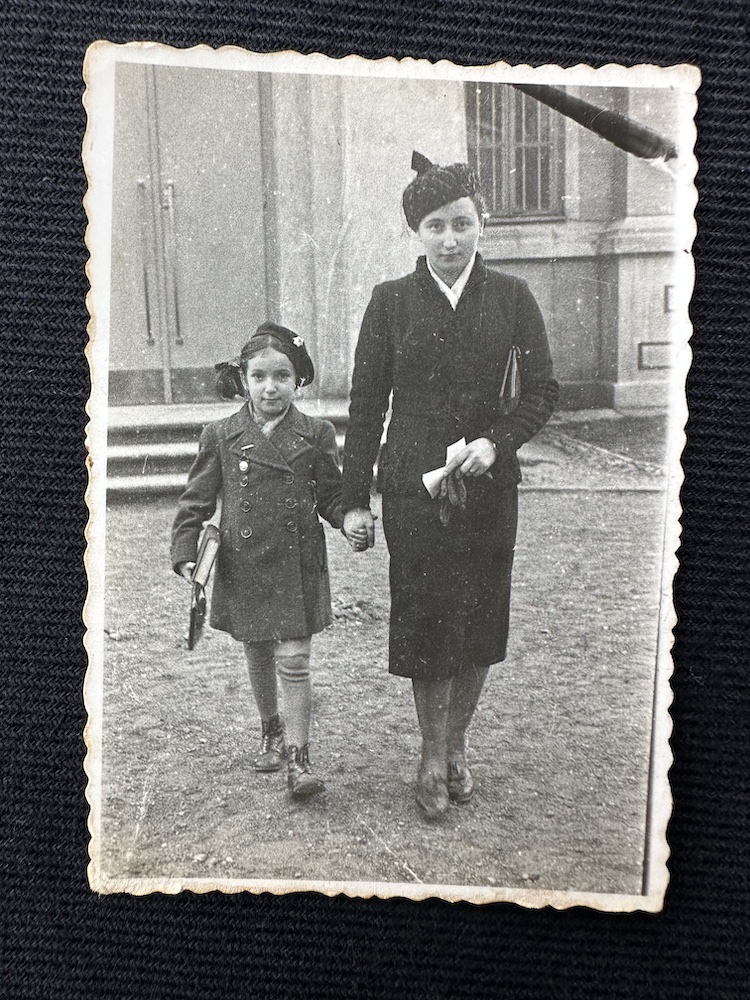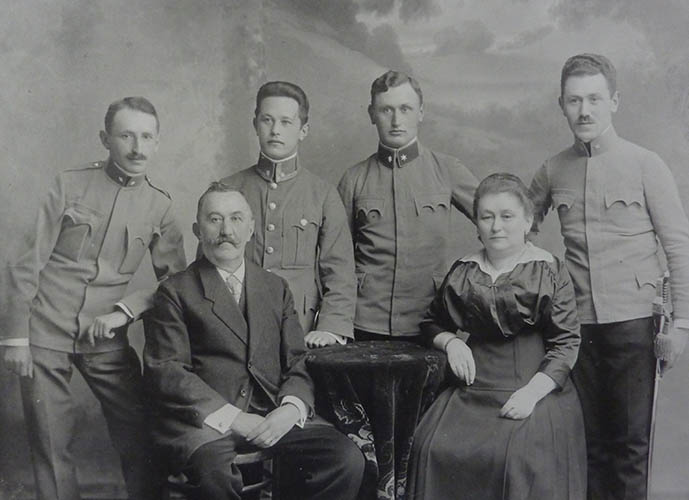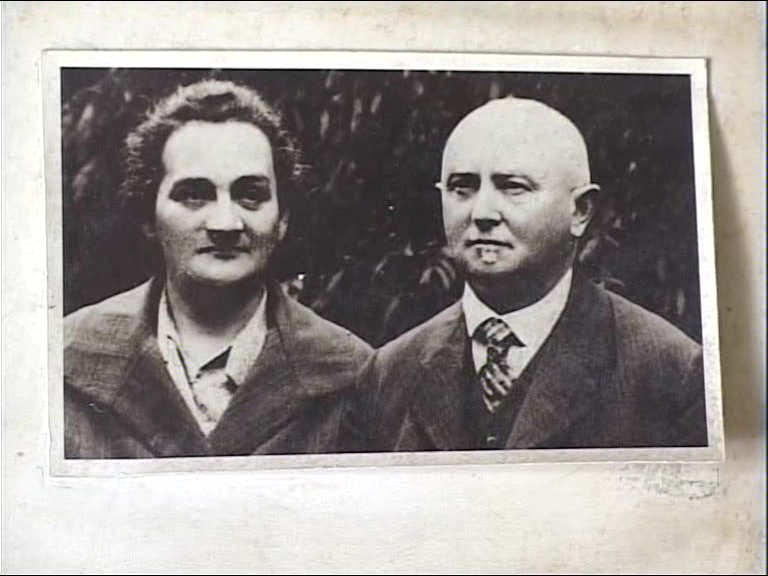
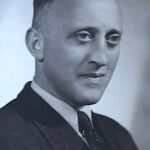
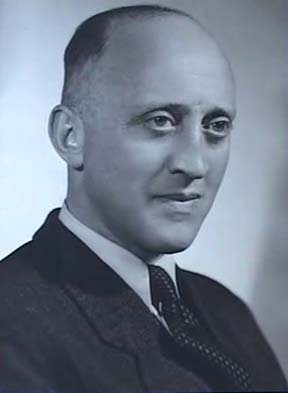
Natalia Karp: Joseph Karpf
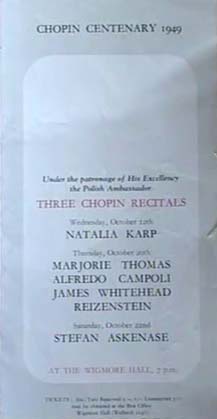
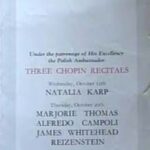
Natalia Karp: Chopin centenary recital programme, 1949
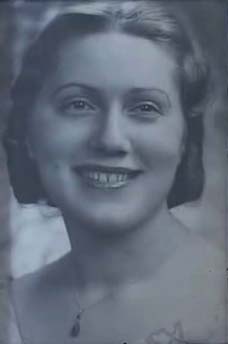
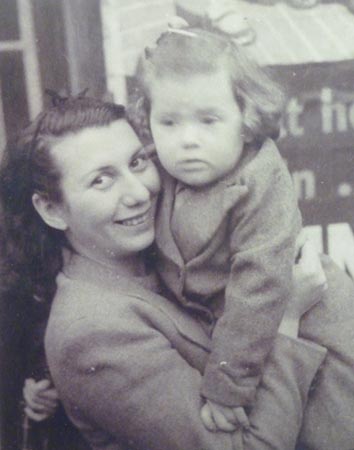
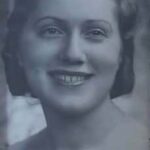
Natalia Karp: Helena
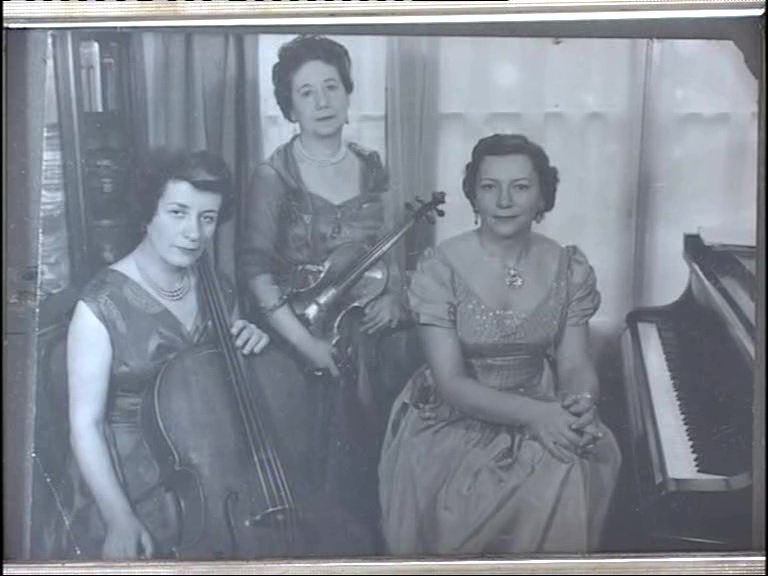
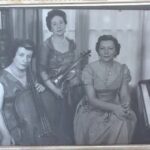
Natalia Karp: London Alpha Trio
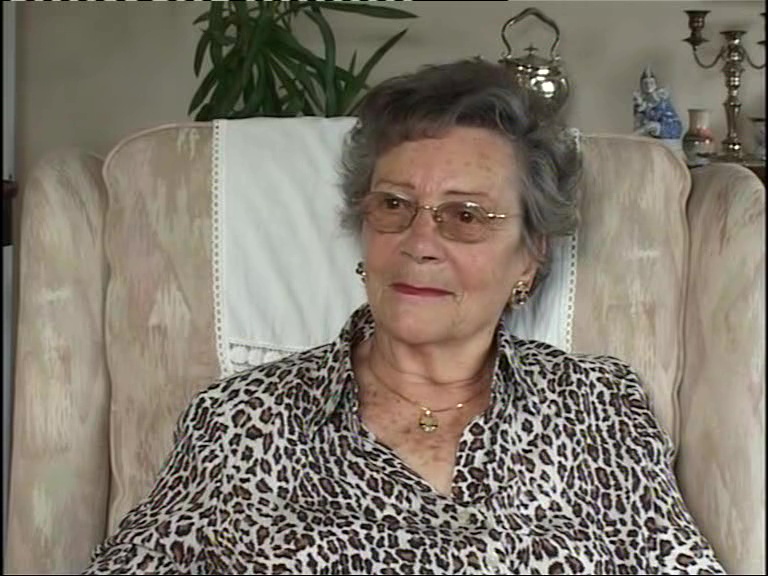
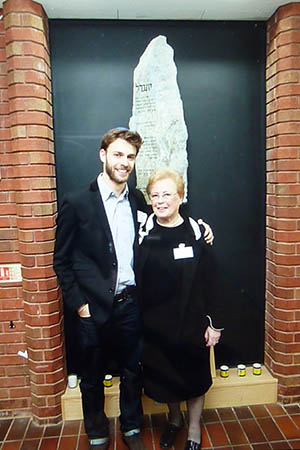
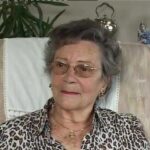
Natalia Karp: July 2003
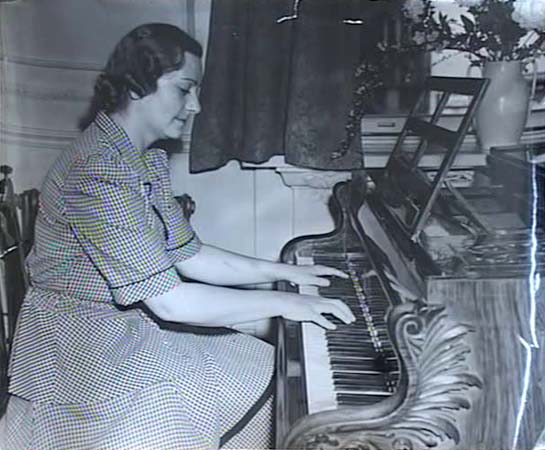
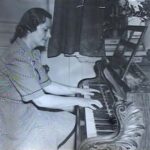
Natalia Karp: Playing at Chopin's address, Eaton Place, London, 1949
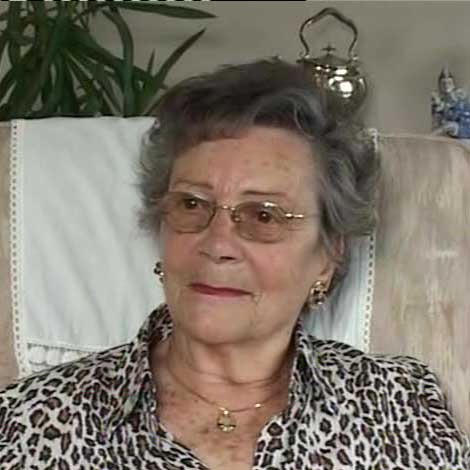
Natalia Karp
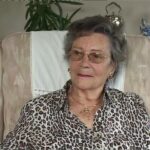
Natalia Karp was born in Kraków, Poland, in 1911 as Natalia Weissman, into the family of a wealthy industrialist
Born: 1911
Place of Birth: Kraków
Arrived in Britain: 28/04/1945
Interview Number: 30 (S)
Experiences: Auschwitz , Concentration Camp Survivor , Slave Labourer
Interview Summary
Natalia Karp was born in Kraków, Poland, in 1911 as Natalia Weissman, into the family of a wealthy industrialist. She was a child prodigy as a pianist; she performed her first public concert aged nine. She was sent aged 18 to Berlin to study with Artur Schnabel, and has favourable memories of Berlin, where antisemitism was negligible compared to Kraków. Her father owned property in Berlin, and her mother died in hospital there while undergoing treatment. She returned to Poland before the rise of the Nazis, continued studying piano. Her teachers including the brother-in-law of Arthur Rubinstein, but caring for her younger siblings and then marriage to her first husband, a fellow pianist, restricted her career.
Her husband was killed at the very start of the war, her younger brother disappeared in Soviet captivity. She and her sister went first to Tarnow, where they were held in the ghetto, then to Warsaw at the time of the uprising, when they were disguised as Poles but were handed over to the Germans by Polish police. After a period in prison in Zakopane, they were sent to Plaszów, where they only survived because Natalia played for the camp commandant, Amon Goeth.
They were sent to Auschwitz, but after six weeks were sent on to work in a textile factory in the Sudetenland, where they were liberated by the Russians in 1945.
She returned to Kraków, where she met her second husband, and came with him to London when he was sent to work at the Polish Embassy. Invited by the embassy to play on the hundredth anniversary of Chopin’s death, she played on the piano that Chopin had played on his last appearance in London. When her husband was recalled to Poland, they decided to seek asylum in Britain. They lived in Hampstead. She was very successful as a pianist with many concerts, for the BBC, at the Proms, the Wigmore Hall and the South Bank. She has two daughters.
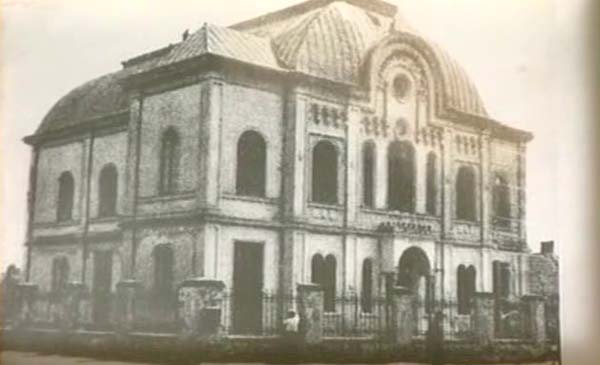
Place of Birth
I said to my friend… ‘Look, I was a concert pianist. When the war will be over and when the Germans will go and it’s quietened, we will go look for a piano, and I will play to you’. So she said, ‘Fine’. And the next day, on the 7th, there was still shooting. On the 8th, it was quiet, so, ‘Let’s go to the village’. We go to the village. Deserted of course, they all escaped, the Sudeten Deutscher. But we found a villa that was a doctor’s villa and when we came in there was an upright piano there on the ground floor. And I sat down at the piano and my fingers were stiff, I couldn’t play. That was on the 8th of May ‘45. And on the 17th of March ‘46, I played the Tchaikovsky Concerto with the Philharmonic Orchestra in Krakow, relayed on all the radio stations of Poland. How could I do it? After not playing so long. So she thought, ‘My goodness, she was a concert pianist, and she can’t play a piece, nothing’. Alright, but we worked together afterwards in the same orphanage in Zakopane, and there was a piano and I started practising.
Ach, that was an incredible experience. Because we were liberated by the Russians… On the 6th of May, 1945. The Germans, who were beating us, who were humiliating us, called us and said, ‘We are damned to announce to you that we lost the war and that you are free’. And they fled. And we are free. And we stood there, 300 women, and we started crying. Free? Where to go? And we could hear shooting. The front was 2 kilometres away, we had no food, but there was a train full of food for the Germans not far away, and some of them smuggled themselves around there to get something, something to eat. But I said, ‘Don’t do it, you will get very ill, because you were starving for such a long time’. And many people died and were very sick. But I was very careful with my sister and my friends, with whom we were. A few friends together, we kept like this, my aunt, and my other friend, who lived here in East Sheen, also her picture is here. So, a woman, a blonde, beautiful woman on a white horse, in General’s uniform, came into the camp, and saw us and she started crying, a Russian woman. She said, ‘You are the first camp where we meet you alive’.
And they locked us up in a bunker and from there we were going on the hill next day to be shot. And we were five women brought in. So the Kapos learned about it, that we were brought in on that day, and they knew that I was a concert pianist. And they knew that Amon Göth [Plaszów commandant], this murderer, which is from where Schindler took and had with him the whole business to let the people go, that he loved music. So the Kapo came to him and said, ‘Fünf Frauen eingeliefert’ [Five women delivered] ‘Von draussen’, from outside, brought in. He said, ‘Was sind sie?’ [What are they?] ‘Eine ist Klaviervirtuosin.’ [One is a professional pianist (virtuoso)] ‘Ach, na, sie soll heute abend zu meiner Geburtstagsparty kommen und spielen’- ‘She should come tonight to my birthday party and play’. So they took me out to the hairdresser to have my hair done and I had still my clothes on, because in the ghetto I could wear my clothes… and I was terribly frightened. First of all, I hadn’t played for so many years. It was the 9th of December ‘43. Why do I remember the date? Because all the people in the camps afterwards, and the Kapos, used to laugh. They said, ‘She was born again on the 9th of December ‘43’. Because, after I played-. When I came there, there were all the officers in white, and Amon Göth in a white jacket with all his medals here, and then his big dogs, which he called ‘Mensch’, and us he called dog, ‘Hund’, and I was so frightened, but the fright made me play. And I played Chopin’s Posthumous Nocturne. And first he said to me ‘Du’, ‘Du, Sarah’ [Yes yes Sarah]. But, when I played the Nocturne, and before - he had his mistress, he had a mistress, if you remember from the film or from the book - and she said, ‘Sei doch nett zu ihr’ [Be nice to her!]. So, when I played the Nocturne, he said, ‘Das Sie spielen können, gestehe ich zu. Sie soll leben’ [I must admit that you can play the piano. She may live]. And I did not remember that I said, ‘Nicht ohne meine Schwester’ [Not without my sister.]. But, about ten years ago, I was in Switzerland, in Zurzach, it’s a spa, and we were going with my friend, who lives here, already back to England, and she said, ‘I’m going, still before the taxi comes, I’m going for a walk’. And she came after twenty minutes and she said, ‘You know there were two women sitting on a bench. And I started talking to them, and I told them with whom we are here’. And they said to her, ‘Oh, we know her, we were in Plaszów in the same camp’ - two women from Israel in Switzerland - ‘Oh, we know her, we were in the same camp as she was. And when Amon Göth said to her, ‘Sie soll leben’ [She may live], she said, ‘Nicht ohne meine Schwester’ [Not without my sister.].’ That’s how I learnt about it. And then he said to me, ‘Und jetzt gehen Sie in die Küche. Meine jüdische Köchin wird Ihnen zum Essen geben’ [And don’t go into the kitchen. My Jewish cook will give you food]. So I went, and she packed another lot for my sister that I took with me, because we didn’t eat the whole day. Anyhow, that was - ‘Sie sind frei. Frei ins Lager zu gehen’ [You are free. Free to go into the camp - freedom] - that was the ‘Freiheit’ [freedom]. And, of course, on a bunk somewhere, ah, many times, midnight, twelve, at midnight: ‘Natalia Hubler hier?’ Hubler was my first name. ‘Ja’. ‘Der Kommandant will Sie heran wieder’, um 12 Uhr nachts [The Commandant wants to see you again at 12 midnight]. I had to dress and go there again. And who was there? Brothers Rosener, they were very famous, the two, in this film they showed that the Roseners played, one played the violin, the other one played the accordion. Yes. And they were playing, and I never played light - I could play light music but I had to improvise. They were playing Brahms, Hungarian Dances and all that, and I improvised with them. That’s how it happened. And that’s what it is, and from there we wanted to escape again, in Plaszów.
I tell you we were non-stop, in Płazów and Auschwitz, everywhere, terrified of the selections. And I always, with my sister, survived. It was incredible. That was fate. I sometimes think of it, I think how can one survive such a thing and live a normal life and enjoy life, which I do. I do. I want to live longer and enjoy life. I enjoy playing the piano and giving concerts. I enjoy-. I went the other day to a lovely film, a French film, ‘Etre et Avoir’, and I enjoyed it, and I love the theatre and good books, and nice friends.
I was four-and-a-half when my parents had a piano left by tenants who evacuated during the First World War. My parents didn’t leave; they had a comfortable home in Krakow… and there was somewhere to put the piano. And so I started when I was four, and straight away, with both hands. I found my own harmonies to play, and I was whistling, and I was singing, and I put a tambourine on my leg.
REFUGEE VOICES is the AJR’s groundbreaking Holocaust testimony collection of filmed interviews with Jewish survivors and refugees from Nazi Europe who rebuilt their lives in Great Britain.
The copyright of personal photos and documents on the site is held by each interviewee and may not be reproduced without their permission. Please contact the AJR if you would like to use any of the images and documents.