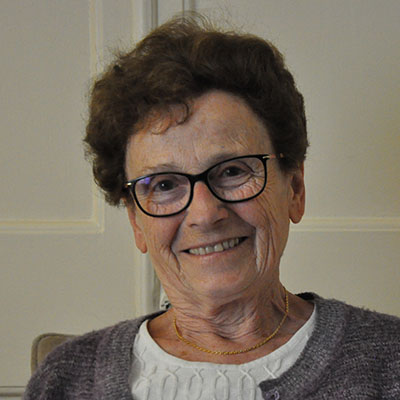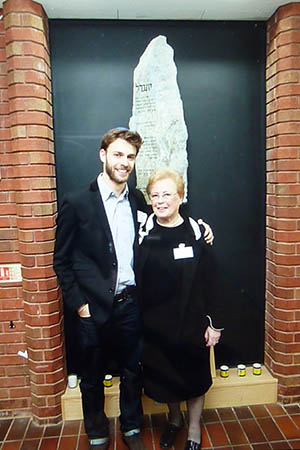
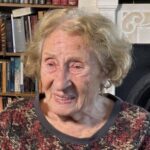
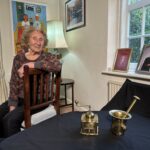
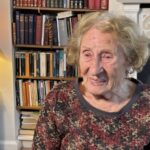
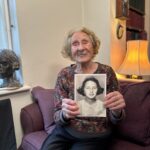
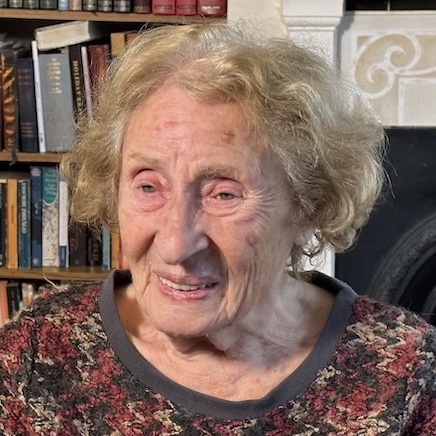
Susan Pollack OBE: 2023
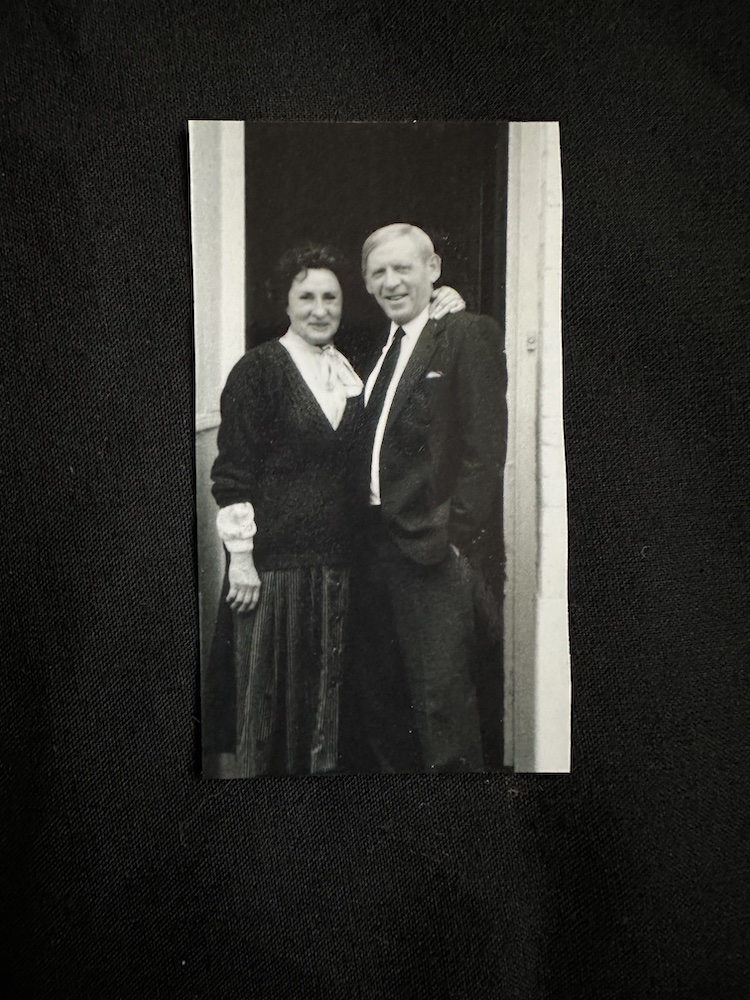
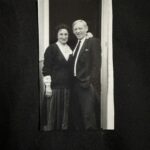
Susan Pollack OBE: With her husband Abraham Pollack
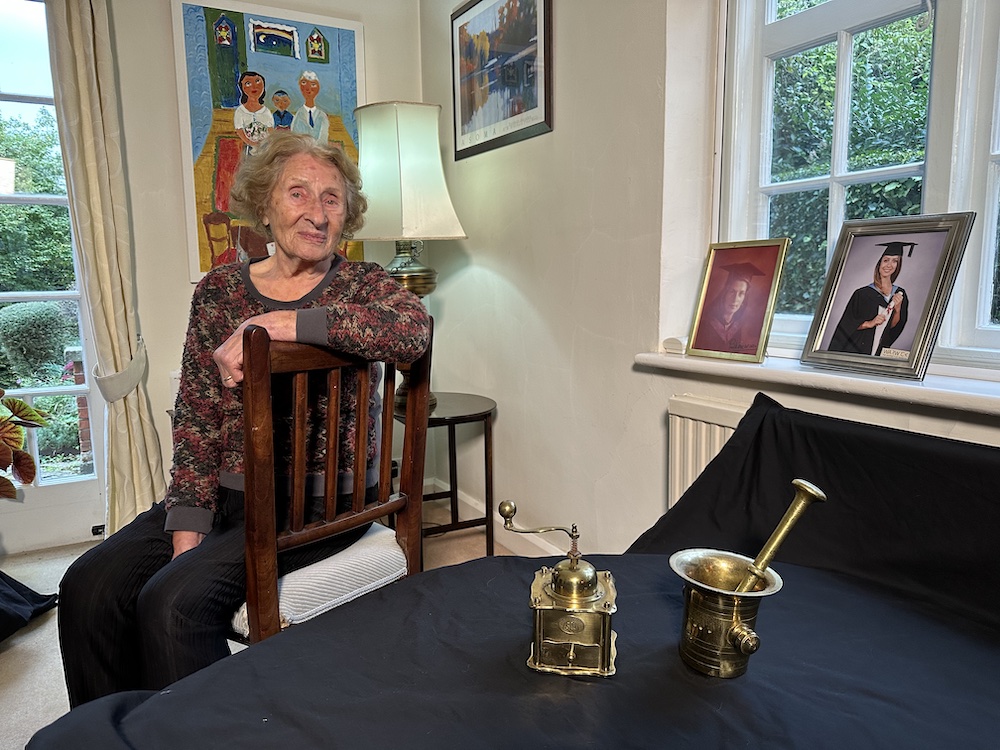
Susan Pollack OBE: 2023
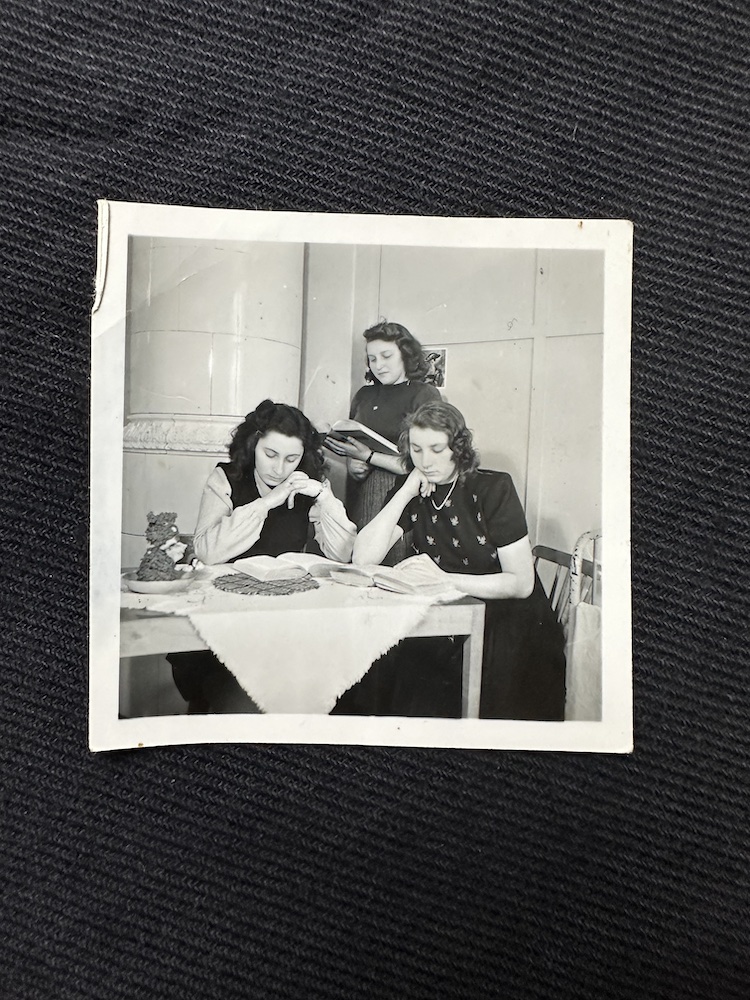
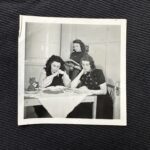
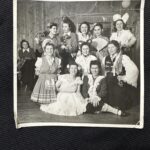
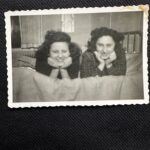
Susan Pollack OBE: With friends during convalescence in Sweden
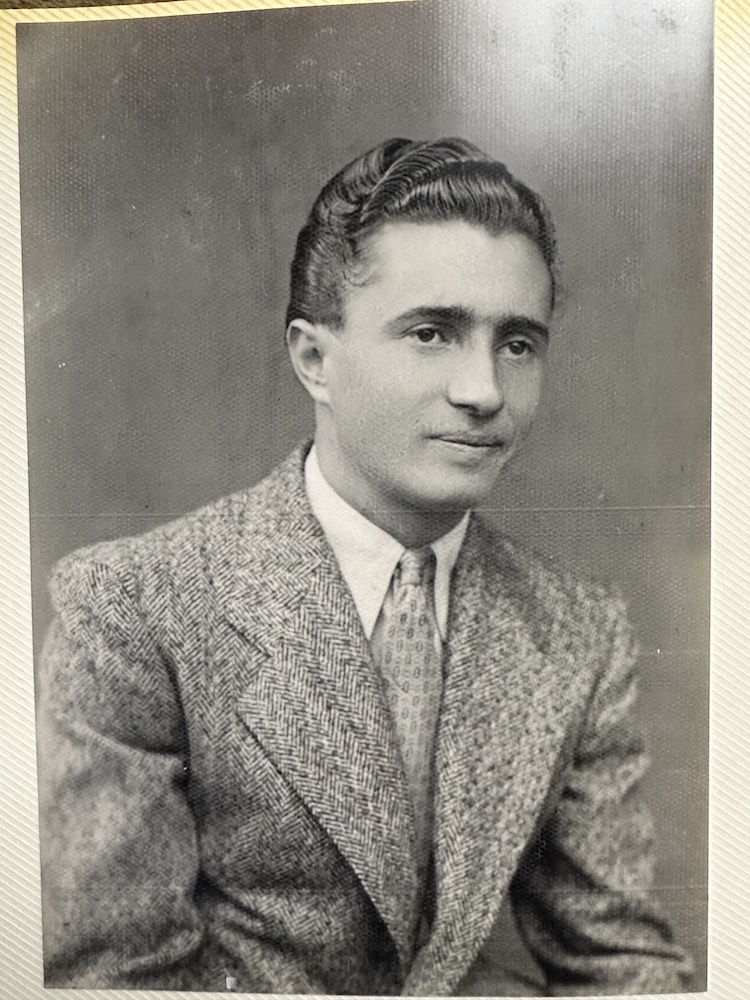
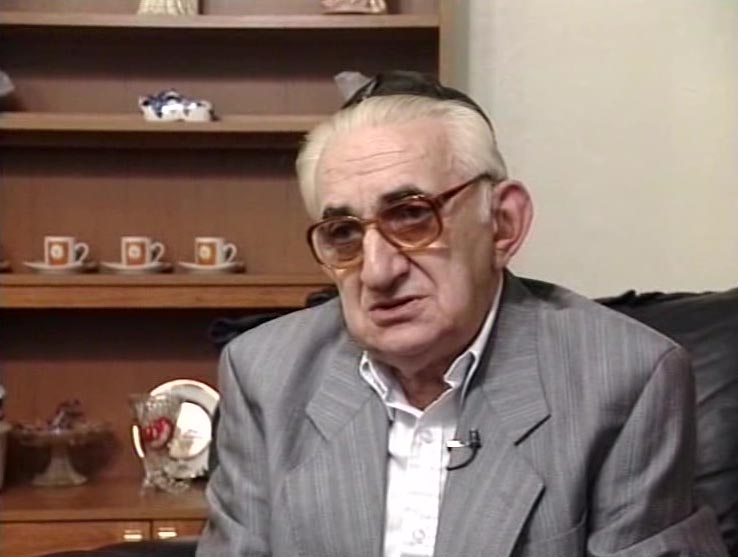
Susan Pollack OBE: Brother Laszlo Blau
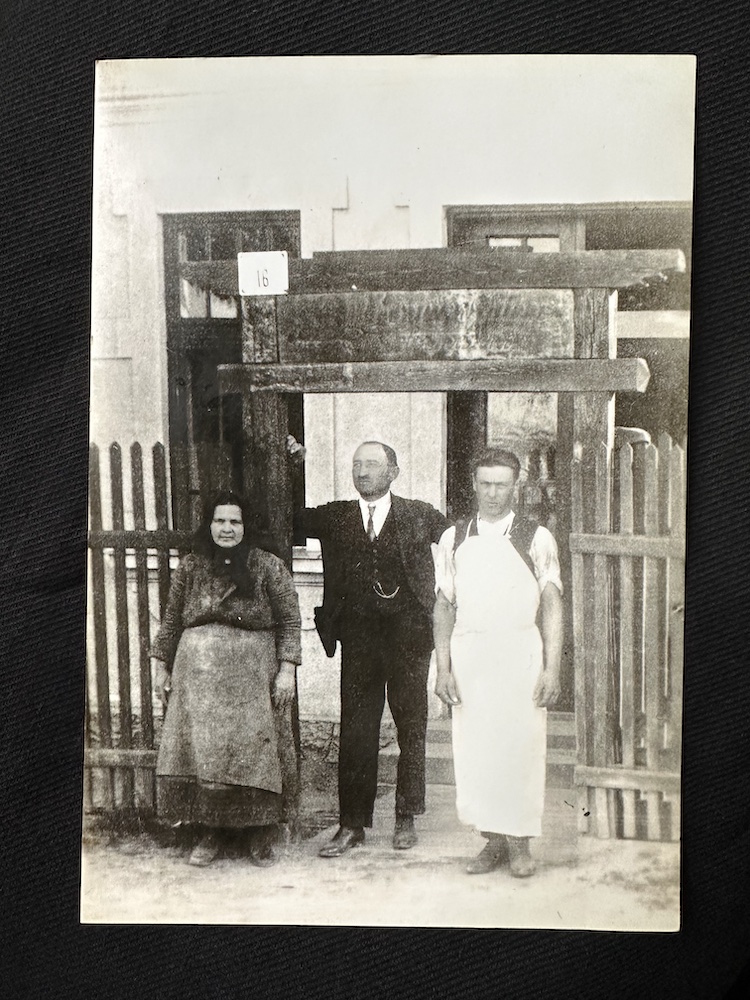
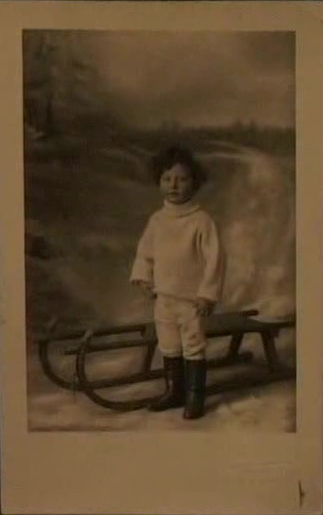
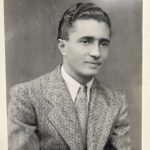
Susan Pollack OBE: Susan's only surviving family photo: her father Ernö Blau
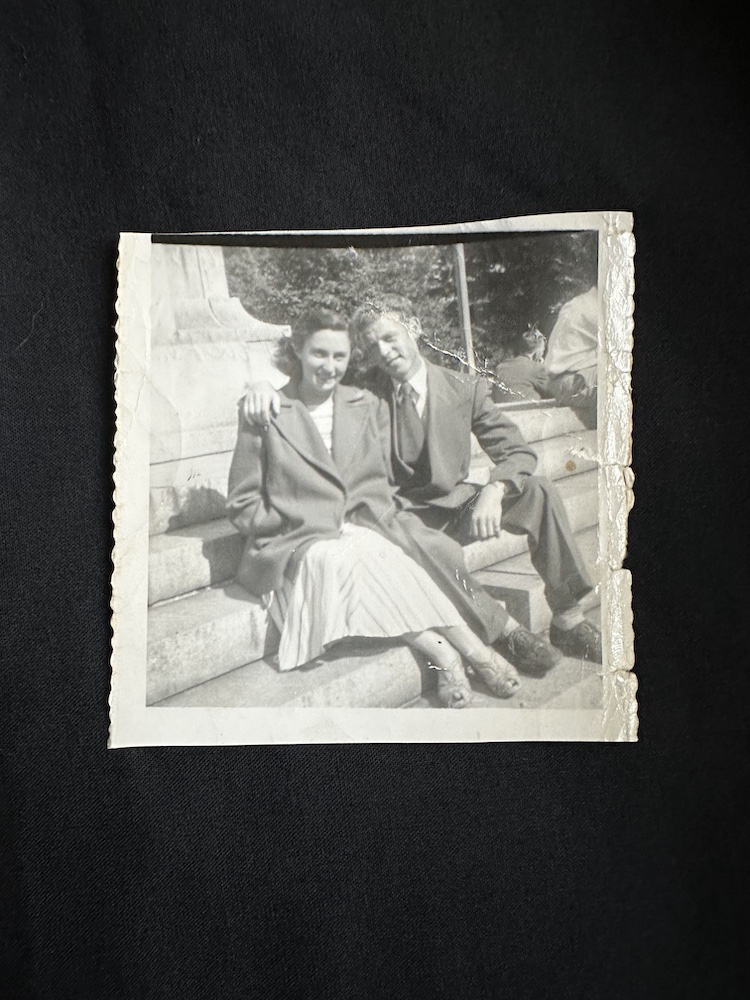
Susan Pollack OBE: Engagement photo with future husband Abraham Pollack in Canada
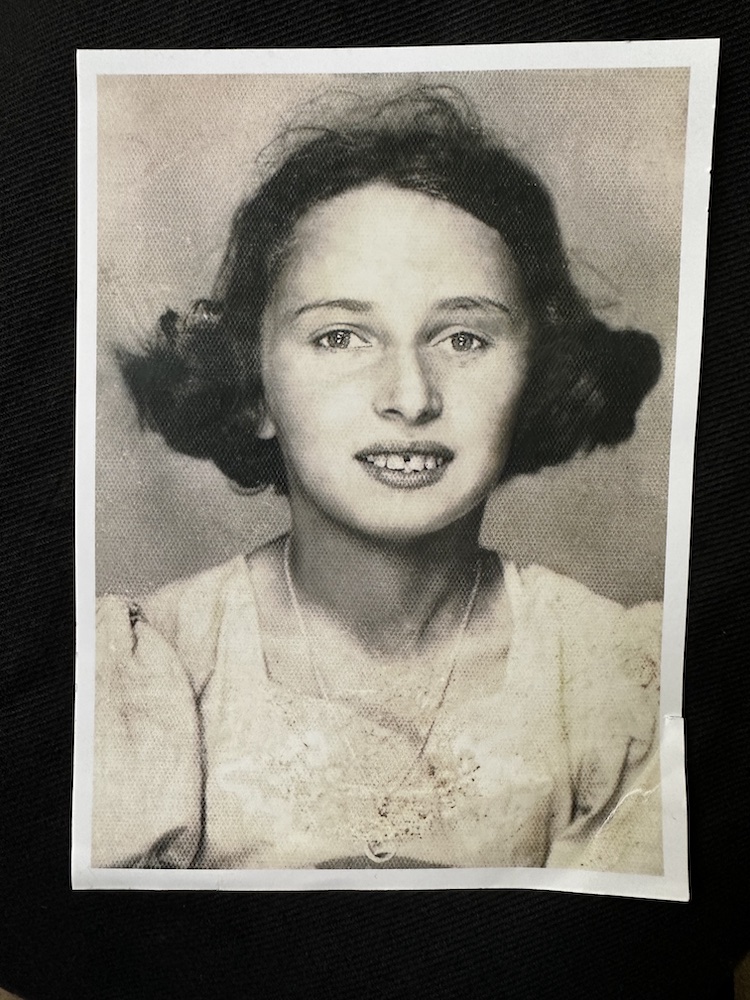
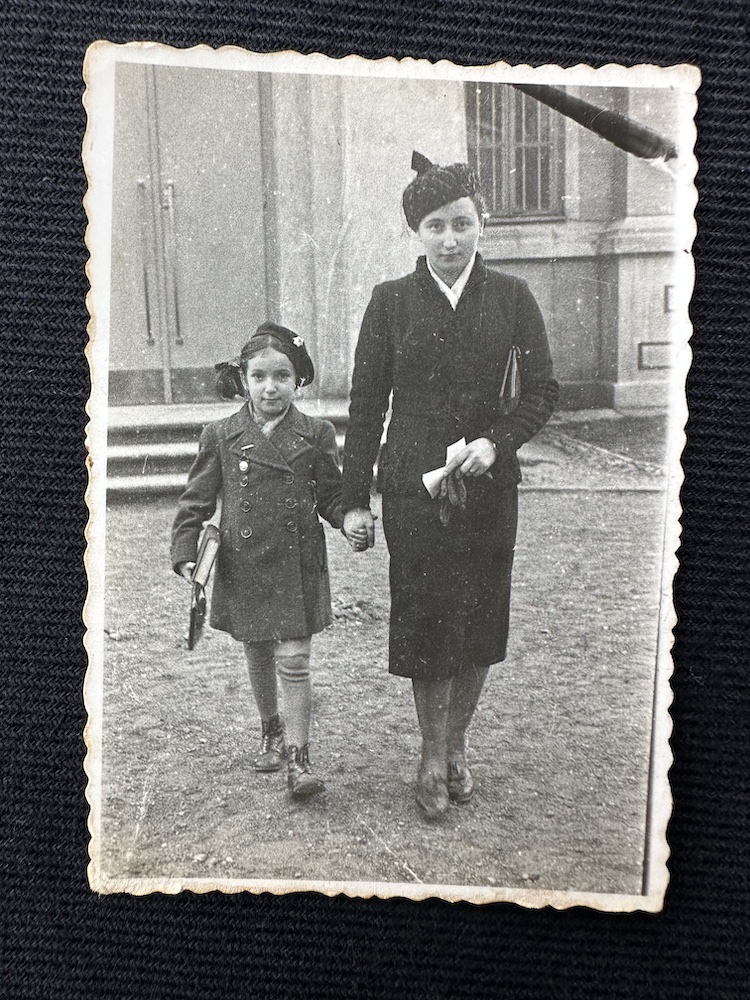
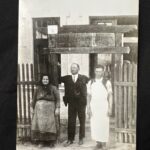
Susan Pollack OBE: Hungary
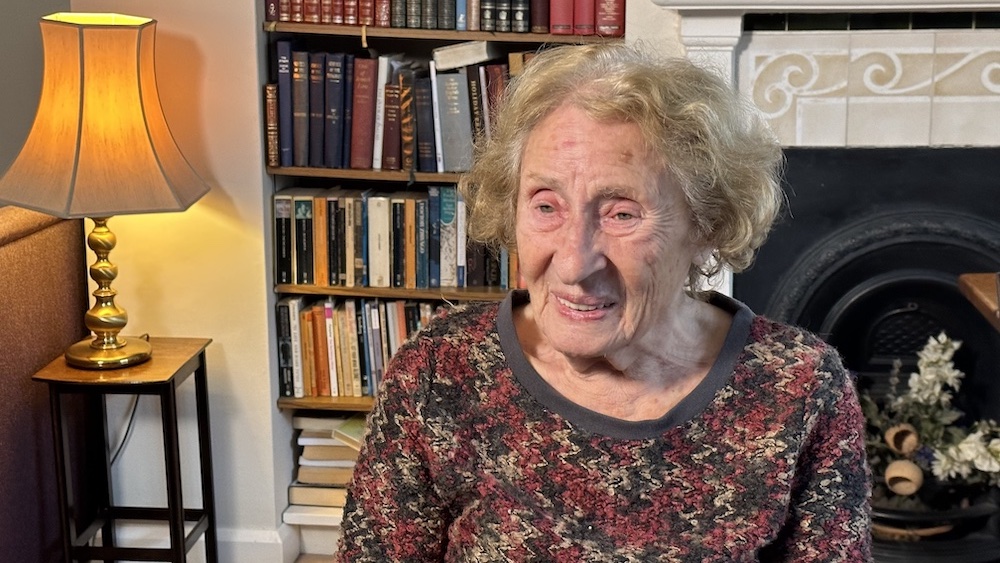
Susan Pollack OBE: 2023
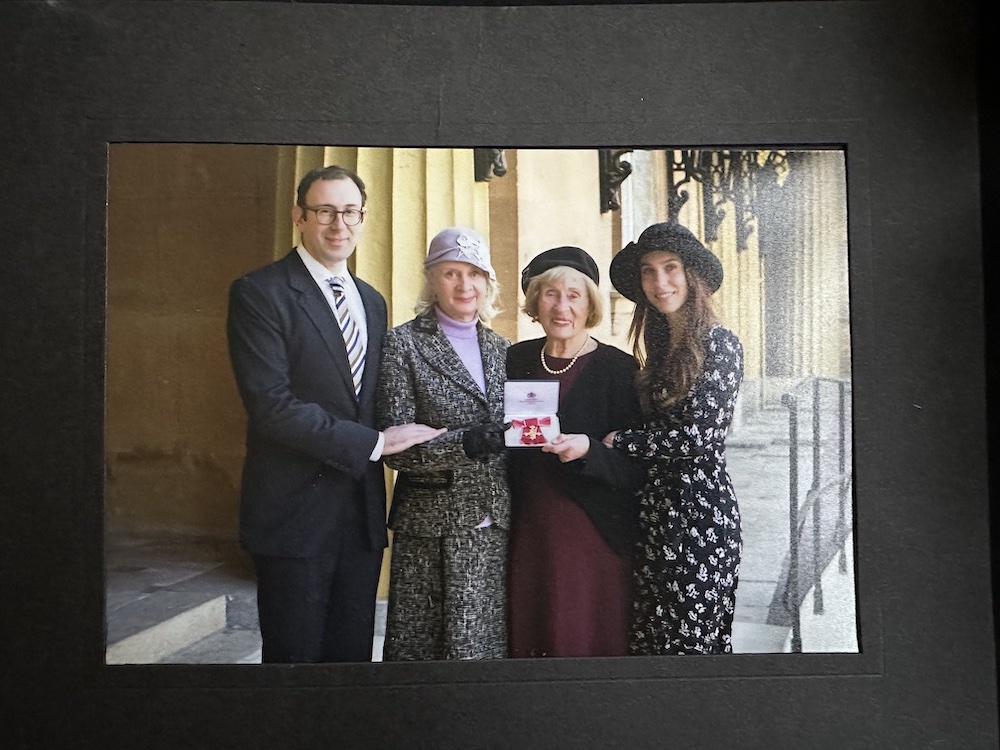
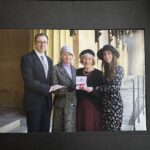
Susan Pollack OBE: Receiving her OBE
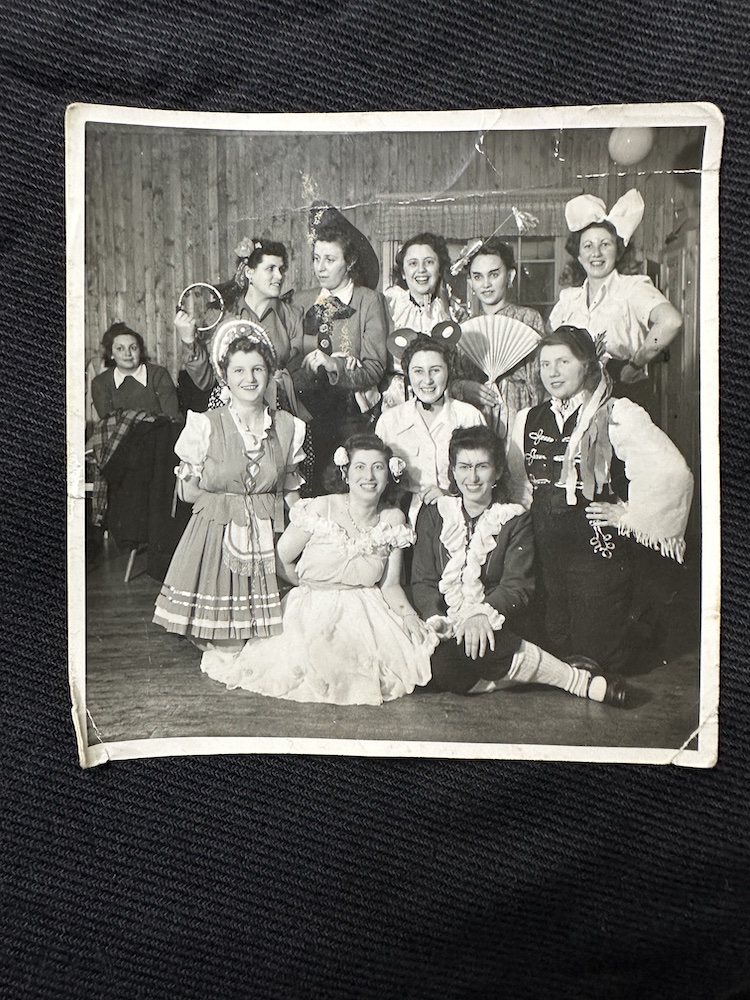
Susan Pollack OBE: A party during convalescence in Sweden
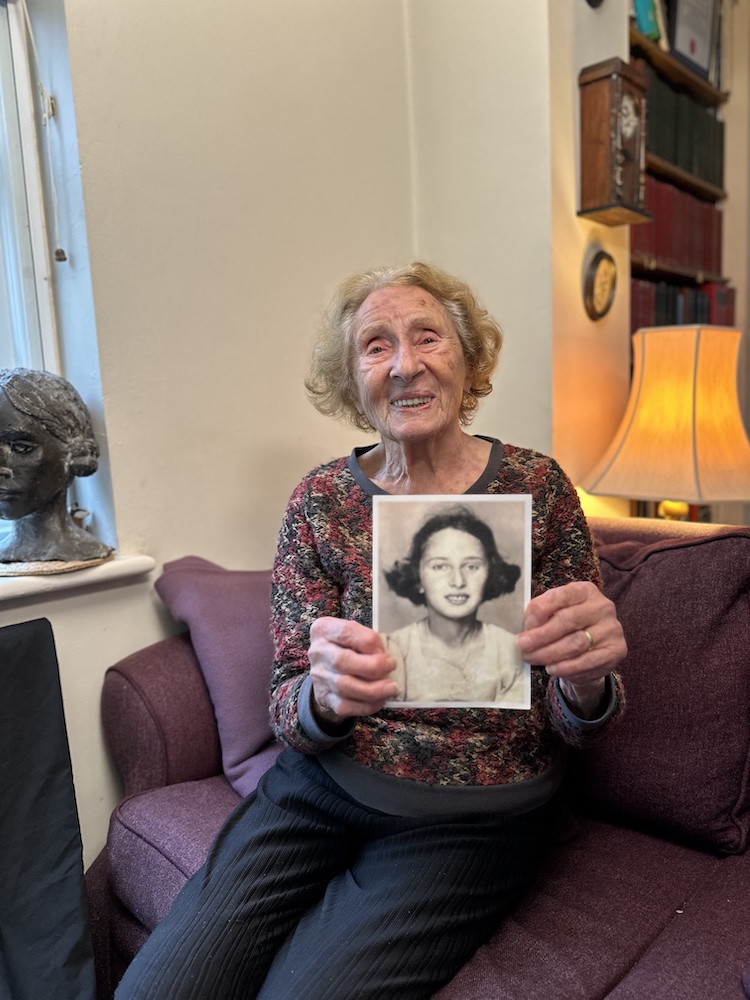
Susan Pollack OBE: 2023
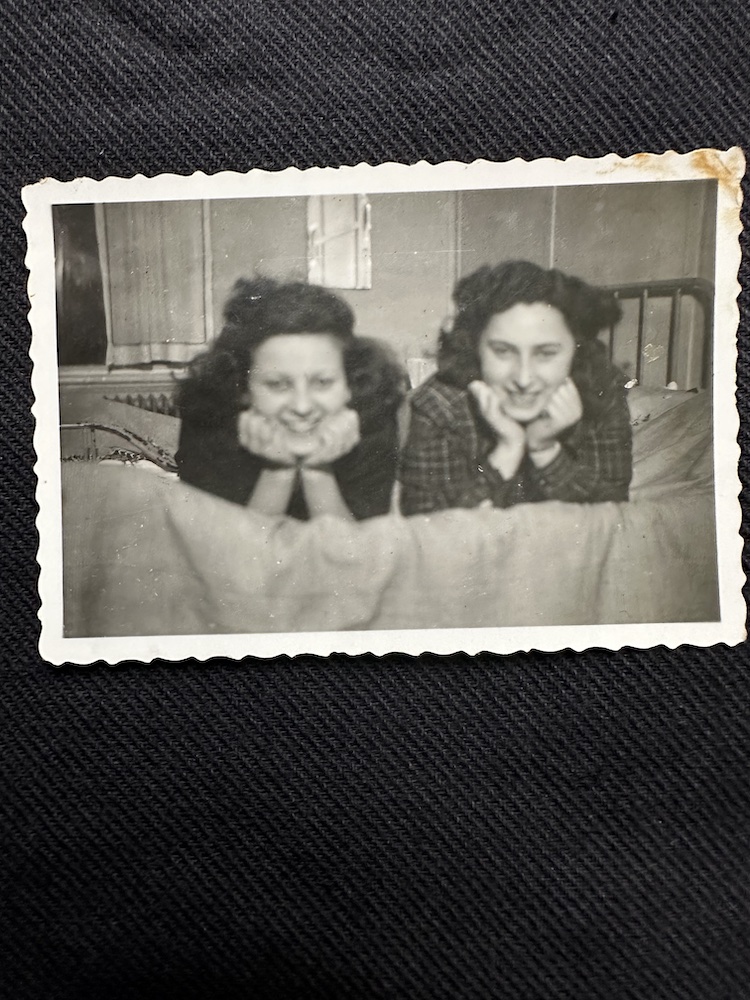
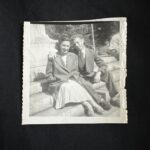
Susan Pollack OBE: With a friend during convalescence in Sweden
Susan Pollack OBE
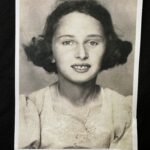
Susan was born Zsuzsanna Blau in September 1930 in Felsőgöd, Hungary
Born: 1930
Place of Birth: Felsögöd
Arrived in Britain: 06/06/1963
Experiences: Auschwitz , Concentration Camp Child Survivor , Concentration Camp Survivor , Slave Labourer , Vác Ghetto
Interview Summary
Susan was born Zsuzsanna Blau in September 1930 in Felsőgöd, Hungary. She had one brother, Laci, and lived with her mother and father. She also had a large extended family who she regularly spent time with.
Following the outbreak of the Second World War, antisemitism in Susan’s home town became more visible, Susan had to attend a Jewish school in Vac. Physical attacks on Jews also became more common, and Laci was badly beaten on several occasions. The situation deteriorated further following the German invasion of Hungary in March 1944. Jews had to wear a yellow Star of David to identify them. Eventually a letter was issued by the council for all Jewish fathers to attend a meeting to discuss the welfare of their families. Susan’s father was among those men who went to the meeting, but when they arrived, they were herded into waiting lorries and taken to a concentration camp. Susan never saw her father again and still is not sure whether he died in the camp or was deported elsewhere.
Under the supervision of SS officer Adolf Eichmann, the Nazis and their Hungarian collaborators organised the deportation of Hungarian Jews: within less than two months from mid-May 1944, almost all Jews were deported, mostly to Auschwitz-Birkenau. When Susan and her family were ordered to leave their home, they still hoped that they would be allowed to resettle elsewhere. Susan took a portable sewing machine with her. Susan, Laci and their mother were all sent to a ghetto in Vác and from there to an internment camp. In late May 1944, Susan and her family were sent by cattle truck to Auschwitz-Birkenau.
Men and women were separated immediately, and Susan was also then separated from her mother who was sent to join a group of elderly prisoners. She soon learned that her mother had been sent directly to the gas chambers. Susan was selected to work, and remained in the camp before being sent to Guben in Germany to work as a slave labourer in an armaments factory. With the Allies advancing, the prisoners were forced on a death march to Bergen-Belsen. On 15th April 1945 Susan was liberated by the British army. After she was hospitalised for tuberculosis, typhoid and severe malnutrition, she was sent to Sweden to recover.
After liberation, Susan found that Laci was the only member of her family to have survived: more than 50 of Susan’s relatives had been killed during the Holocaust. Laci continued to live in their parents’ house, although Susan wasn’t able to return to Hungary to visit him for 20 years after the end of the war. He suffered with mental health problems caused by his experience at the camp until his death.
After the war, Susan lived in Sweden before moving to Canada, where she met and married a fellow survivor, Abraham Pollack.
Susan has three children and six grandchildren. She now lives in London and regularly shares her testimony in schools across the country.
Key words: Hungary. Felsőgöd. Vac. Blau. Pollack. Auschwitz. Bergen-Belsen. Schweden. [Ribingerlund??]. Toronto. Canada. OBE. Holocaust education.
Place of Birth
We were not human beings anymore. We were reduced to being animals - maybe more. That’s how it was. We were just – no feelings. No awareness of me. We didn’t exist anymore. When you’re under such inner fear, even the fear goes somehow. When hope disappears, you don’t ask God, because where is God? And just, it was the end of life, the end of life that you can’t – there is no way out.
I heard shouting when finally the liberation came. But it didn’t mean anything to me anymore. It didn’t mean anything. Those who were strong, perhaps they could reasonably perhaps work it out. Ah, we’re free. I crawled out, I crawled out. On the green, in the field I wanted to die there. I feel a pair of hands gently picking me up, placing me in a warm place. A miracle. A British soldier. I got on my feet. I said, ‘What put that goodness into your heart that you could actually…? You made yourself vulnerable for us.’
REFUGEE VOICES is the AJR’s groundbreaking Holocaust testimony collection of filmed interviews with Jewish survivors and refugees from Nazi Europe who rebuilt their lives in Great Britain.
The copyright of personal photos and documents on the site is held by each interviewee and may not be reproduced without their permission. Please contact the AJR if you would like to use any of the images and documents.