


Albert Lester
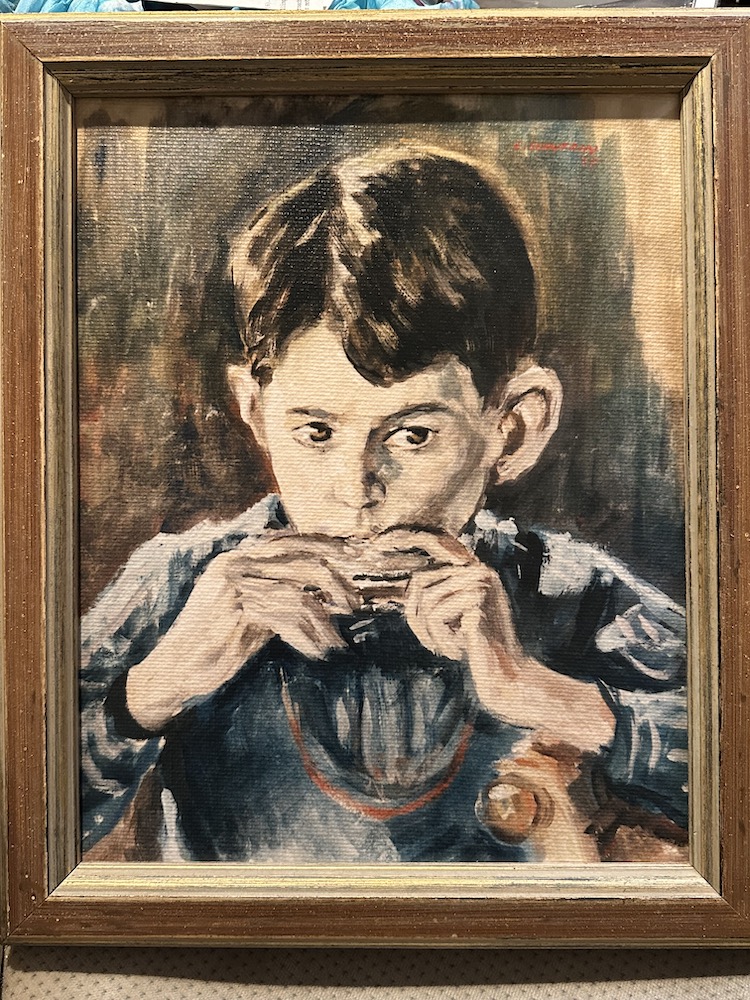
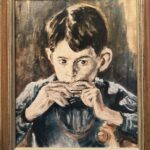
AL: Reproduction of a painting of AL as a little boy by Ludwig Schwerin. He remembers the painter coming to their house and having to sit still for hours.
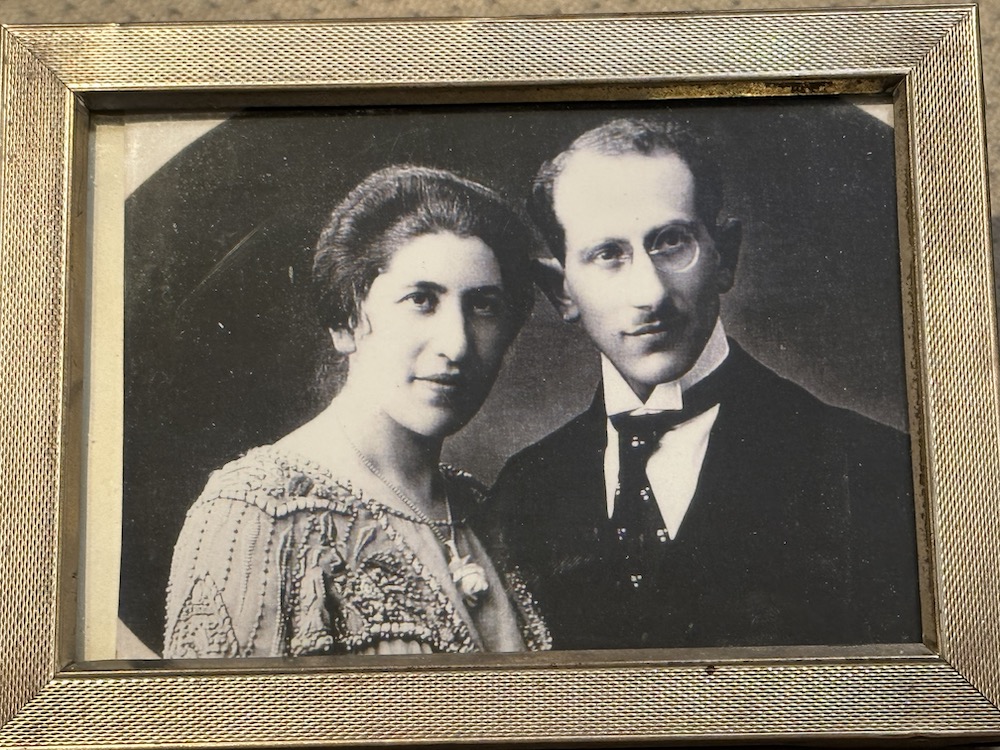
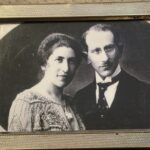
AL: Parents Herbert and Susi Levy
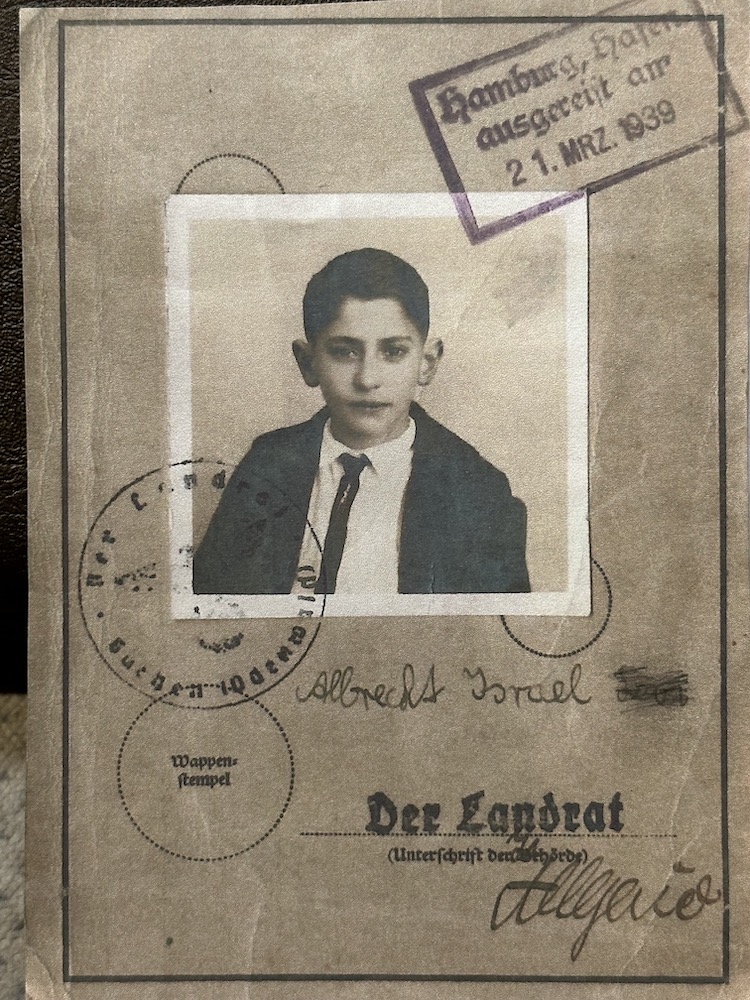
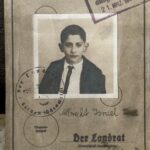
AL: Child ID in lieu of a passport (as he was too young)
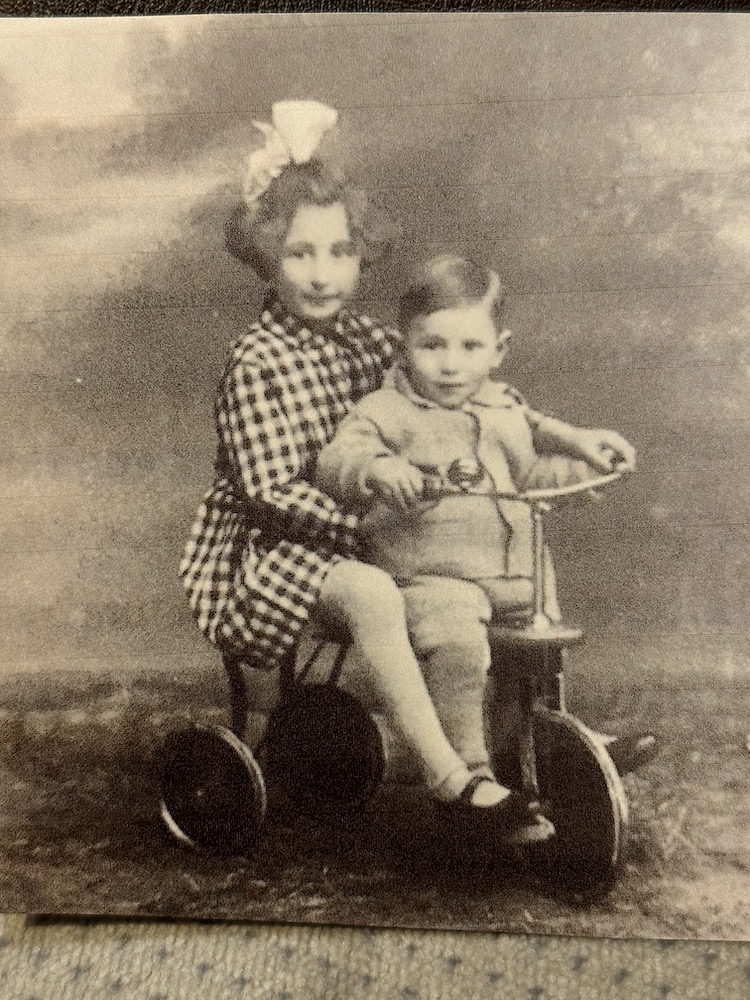
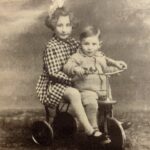
AL: With his sister Hella on a tricycle
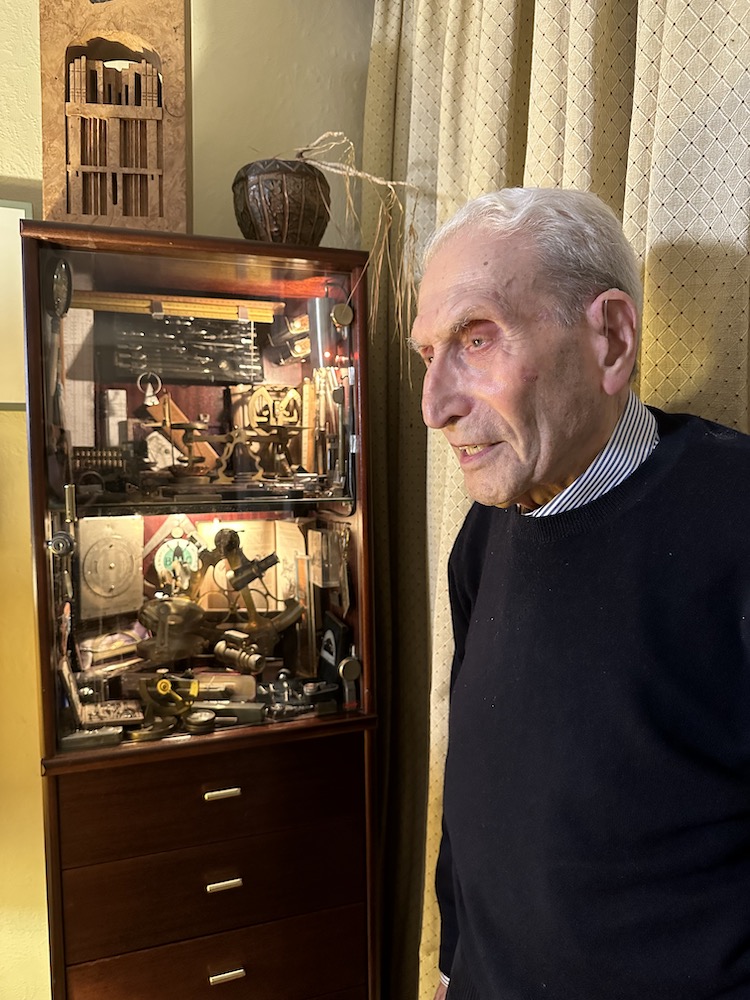
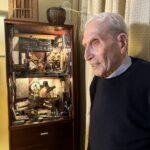
AL: "instruments he used when he worked as an engineer”

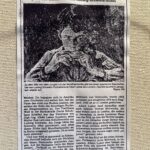
AL: Newspaper article covering the fascinating story of the painting by Ludwig Schwerin of a boy with a harmonica who is Albert Lester.

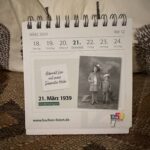
AL: Calendar for 2024 which is an anniversary edition to celebrate the 1250 year anniversary of Buchen. Calendar week 12 shows former Buchen citizens Albert and his sister Hella who left on a Kindertransport 21 March 1939
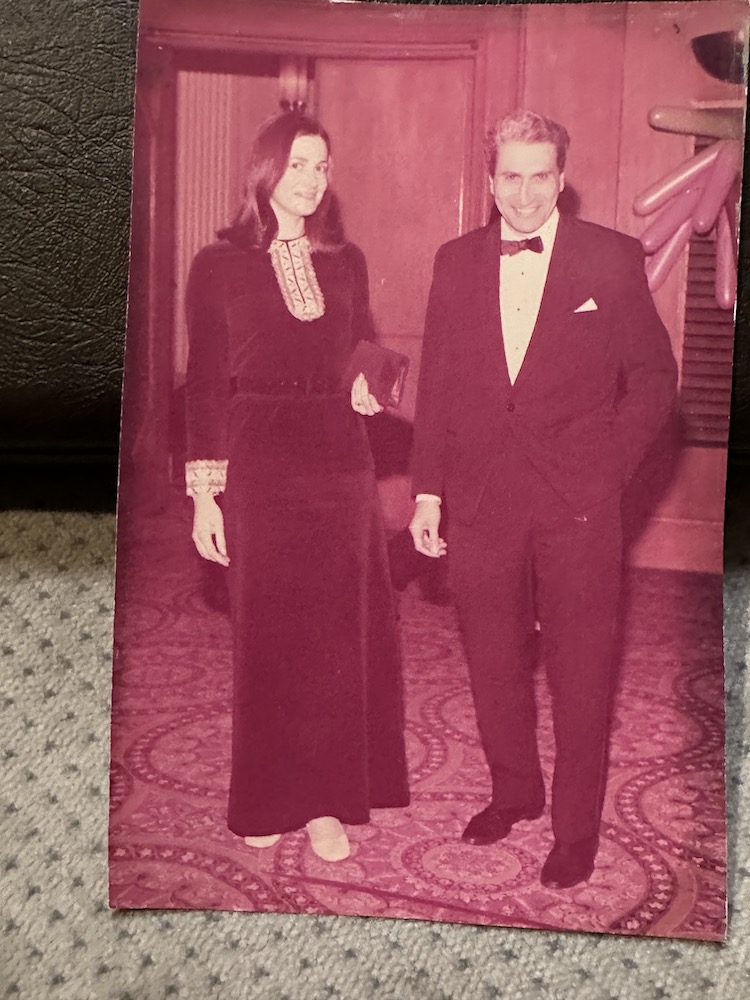
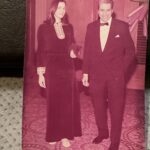
AL: At a ball in London organised by his firm with his wife Barbara
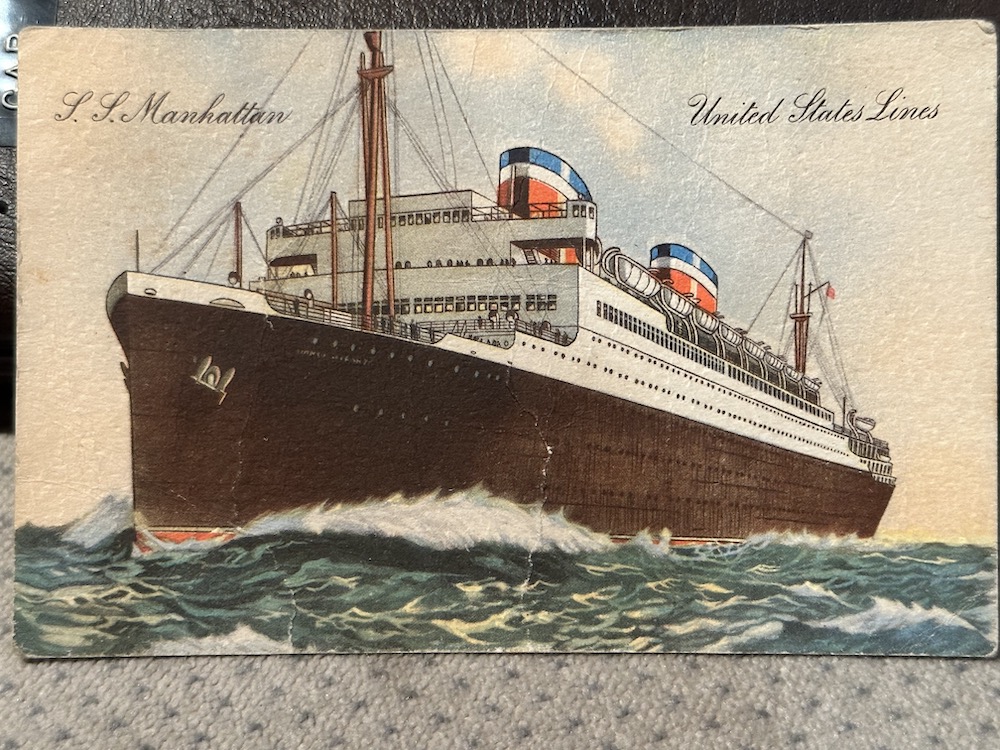
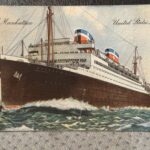
AL: S.S. Manhattan
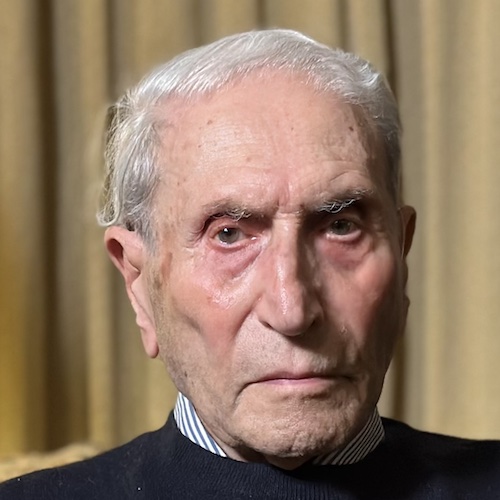
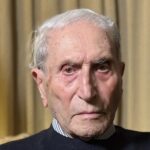
AL: 2024
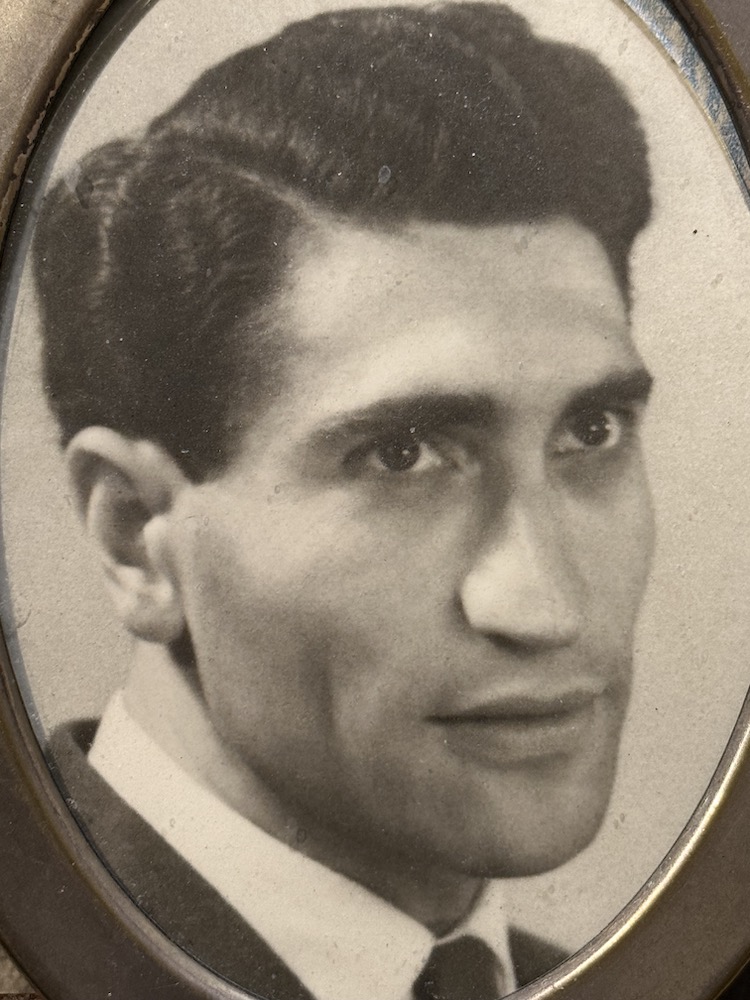
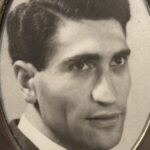
AL: Enlarged passport photo ca. 1960
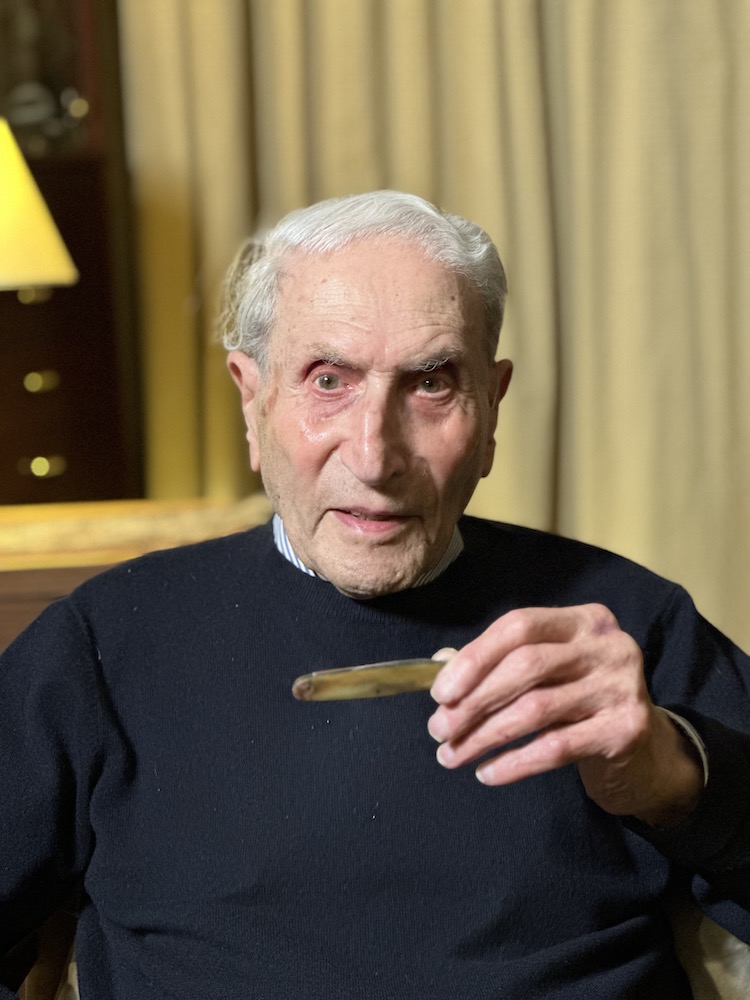
AL: “AL holding the pen knife he clutched the day he was chased out of his school in Esslingen 11 years old and hiding in the woods. “I clutched it for courage and kept it ever since”.
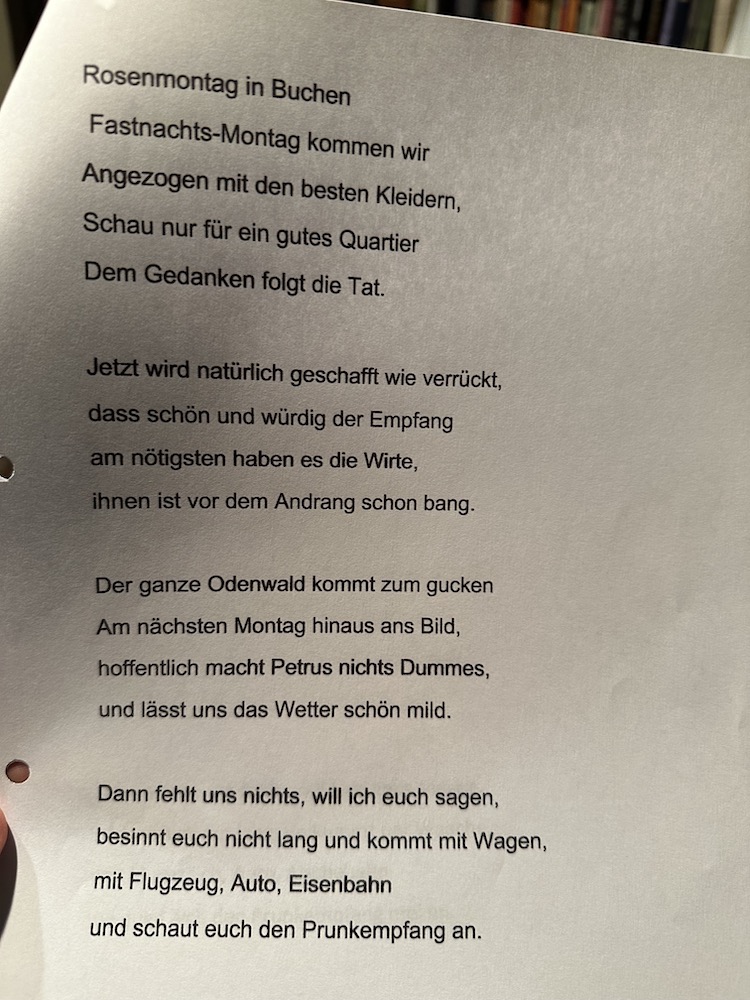
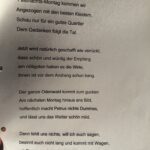
AL: Carneval "poem" written by his mother Susi Levy in Buchen 1928 which he reads in his video testimony in Buchener vernacular
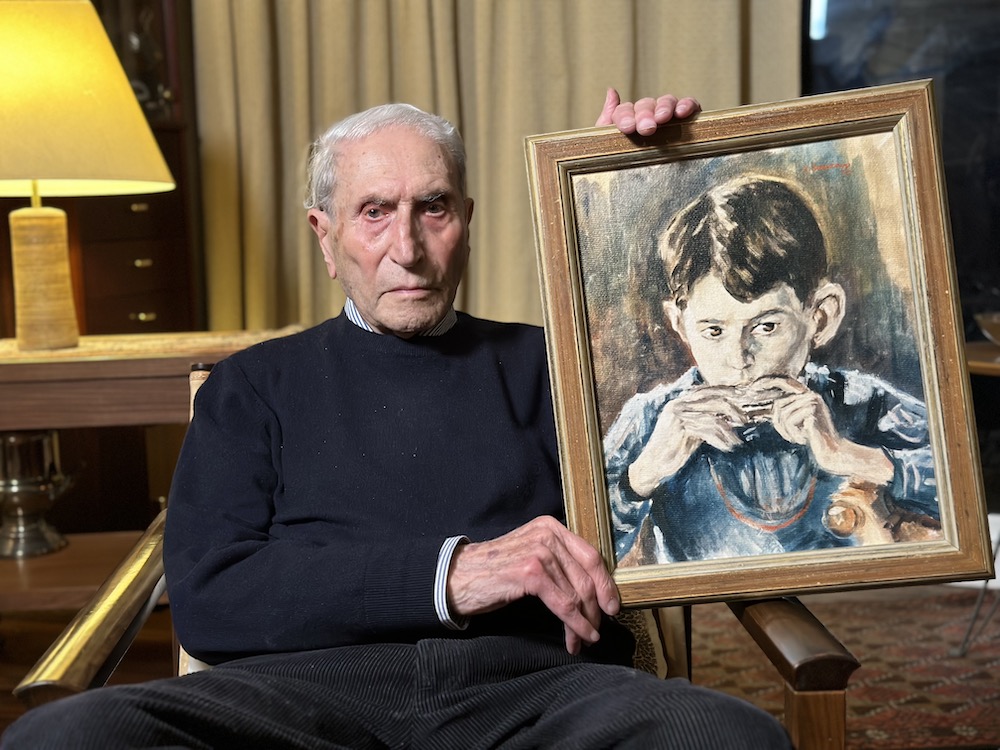
AL: 2024 holding a painting by Ludwig Schwerin showing him as a five year old playing the harmonica
Albert Lester
Born: 1927
Place of Birth: Buchen (Odenwald)
Arrived in Britain: 01/03/1939
Interview Summary
Date of interview: 23/01/2024
Albert Lester was born Albrecht Levi in Buchen (Odenwald, Germany) in 1927. He was the second child to Herbert Levi and Susi née Wolf. His parents owned a shop on the High Street selling clothes and shoes. Buchen had about 15 Jewish families and a synagogue where cantor Wertheimer taught the children Hebrew on Sundays. Albert’s family was fully integrated, Albert’s mother wrote poems in the Buchen vernacular and his father – a WW1 veteran – was a member of the Red Cross. Albert remembers playing with children in the street until he was sent to the Jewish school in Esslingen as a boarder. He describes how the school was attacked by a mob on Kristallnacht and he hid with other children in the woods. His father had been sent to Dachau concentration camp from which his mother got him released after having arranged a visa for Rhodesia.
Albert left Germany on a Kindertransport on 21 March 1939. His mother Susie was able to follow his father to Rhodesia. Albert travelled from Hamburg to England on the SS Manhattan. The Refugee Children’s Movement organised for him to be taken to Woodside in High Wycombe where he stayed with other refugee boys until moving to a lady in Stokenchurch and attending the technical school in High Wycombe. After finishing school, he started training as a draughtsman with a design office in Swiss Cottage while also waiting to get a passage to Rhodesia to be reunited with his parents. Albert lived there for six years, got a South African engineering diploma and then returned to England in 1952 to obtain a higher engineering qualification.
He worked in numerous companies and over the course of his career was involved in many challenging engineering projects. He also specialised in network analysis and published books about it and project management. Albert met his German wife Barbara who taught German literature at UCL and Royal Holloway. They had two sons. When one of them studied medicine in Heidelberg, he by chance made the acquaintance of the son of the mayor of Buchen. He was organising an exhibition with paintings by Ludwig Schwerin for whom Albert had posed as a young boy: “Boy with a harmonica”. Therefore, Albert went to the opening of the exhibition in Buchen and he has also been back to speak at a school in Buchen about his experiences.
Key words: Levi. Buchen. Odenwald. Buchen Carnival. Wolf. Rhodesia. Stokenchurch. Woodside Hostel. High Wycombe. Hella Levi. Maud Jellinek. Ludwig Schwerin. Esslingen Jewish School. Kristallnacht. Exodus x3. Kindertransport. Hamburg. SS Manhattan. IMechE. ISTructE. ICE.
Place of Birth
My first memory of antisemitism was when I was about six. I got some roller skates for my birthday and two of my friends were pulling me with string on my roller skates. They were pulling and I was rolling along in the street and a man came along and he shouted at them and said, you know, why are you pulling this Jew boy? Why are you becoming a minion to this Jew boy? And they were absolutely flabbergasted. Anyway, they dropped the rope and I went back home alone and told my mother and she comforted me. And then of course, it was 1933, I was six, and then it became worse and worse and especially after 1935 after the Nuremburg laws and then of course you had SA men in front of the shop, ‘Kauft nicht bei Juden’, don't buy it with the Jews, and of course the shop went down. And we had a lot of trade with the farmers in the area and they still bought but the locals were afraid to come in. They were too frightened.
First memory of antisemitism