
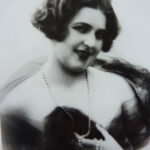
Edith Jayne MBE
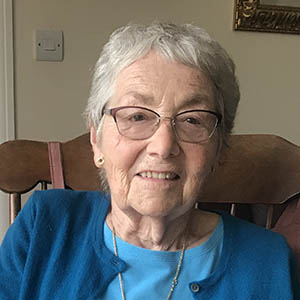
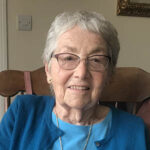
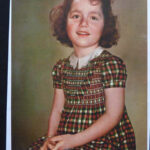
EJ: June 2019
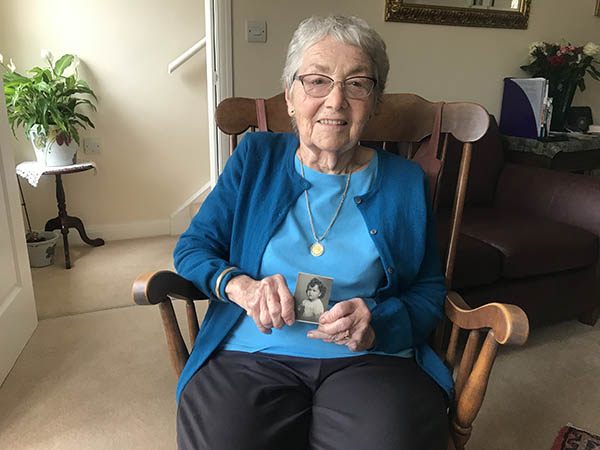
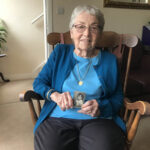
EJ: 2019
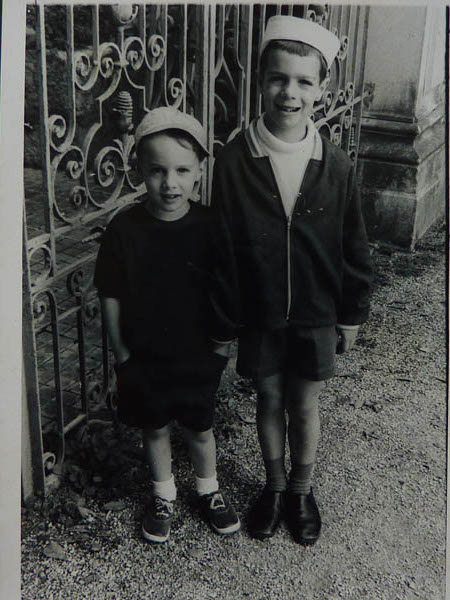
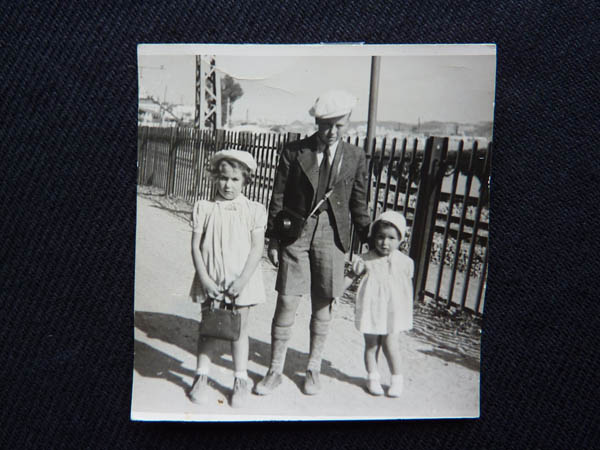
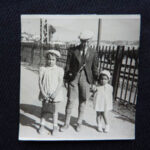
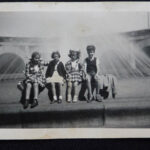
EJ: With cousin Paul and sister Lisa in Portugal
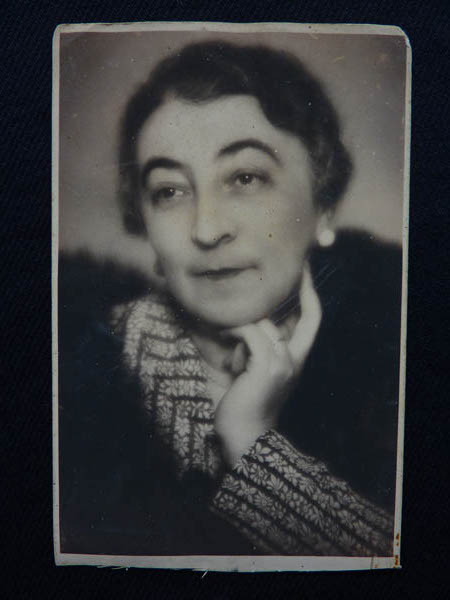
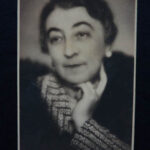
EJ: Paternal grandmother Omi). She emigrated with the family to Portugal and later to the USA.
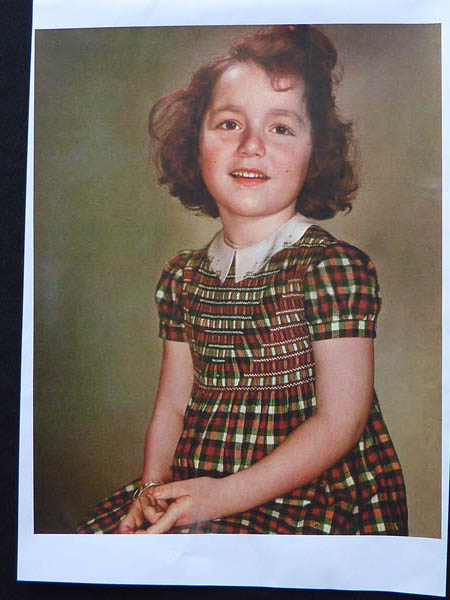
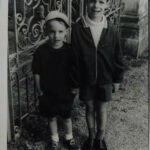
EJ: "New York Times photographer saw us walking on Broadway and took photographs of my sister and I...[he] recognised the clothes as being continental and therefore that we will likely to be refugees and started talking to my parents... New York Times Sunday magazine" section"
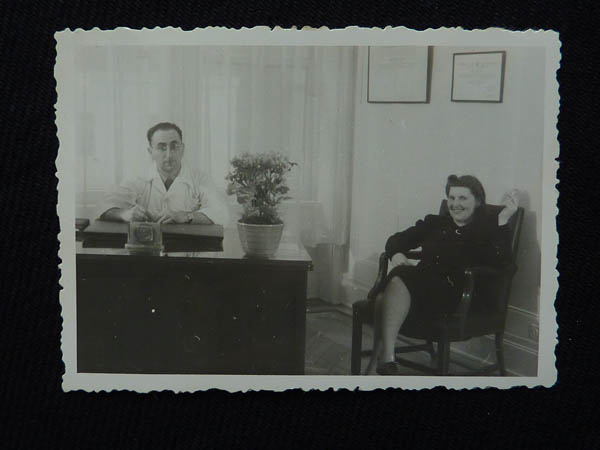
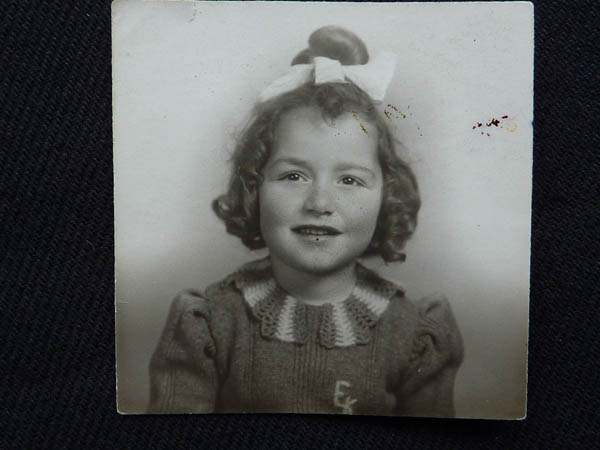
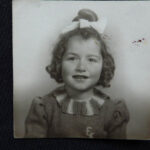
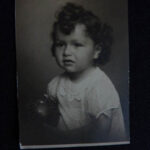
EJ: Passport photo for immigration to the USA
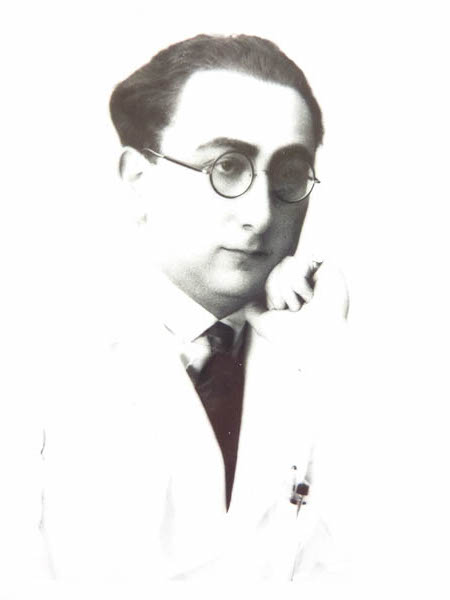
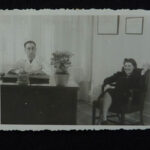
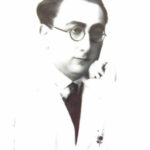
EJ: Father
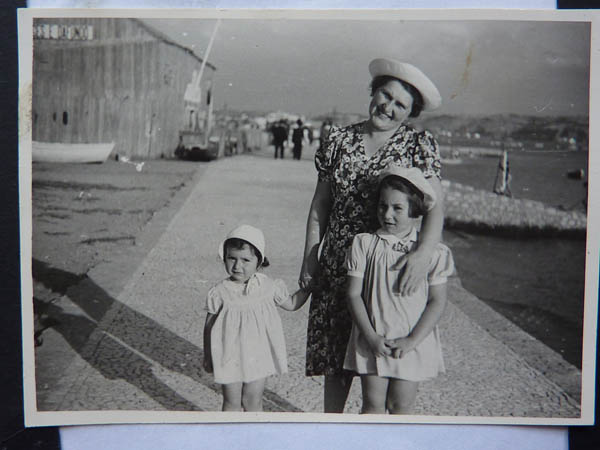
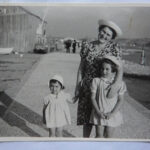
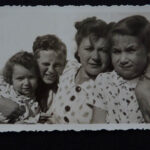
EJ: With mother and sister in Portugal ca. 1941
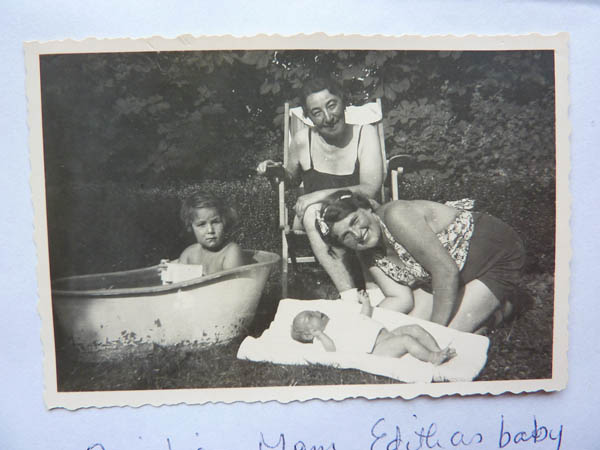
EJ: Sister Lisa in the bathtub
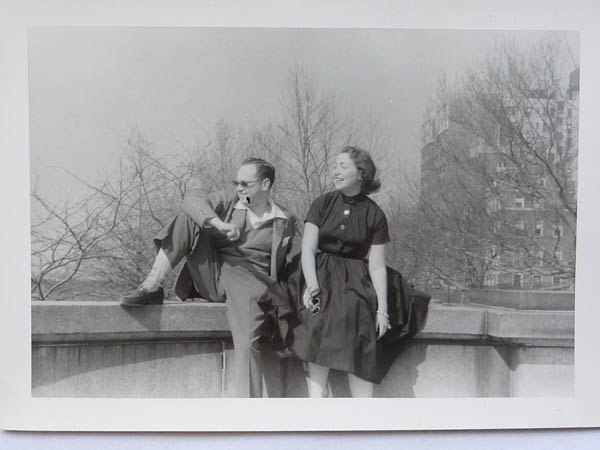
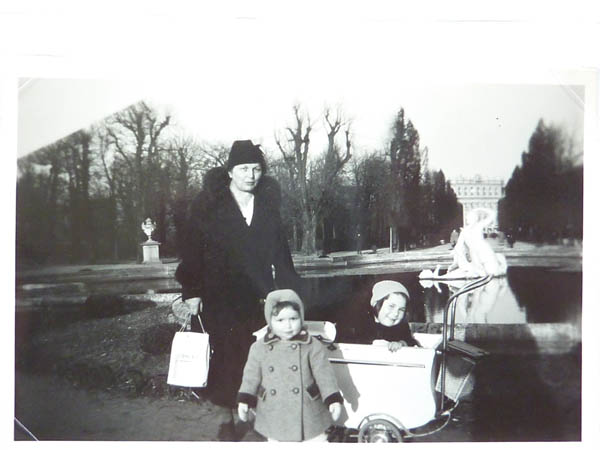
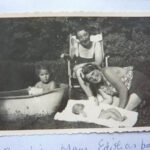
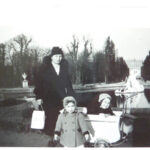
EJ: This is Malkig who is my mother's stepmother. In the baby carriage is actually my sister. And the little one outside is me. " Schönbrunn ca. 1937
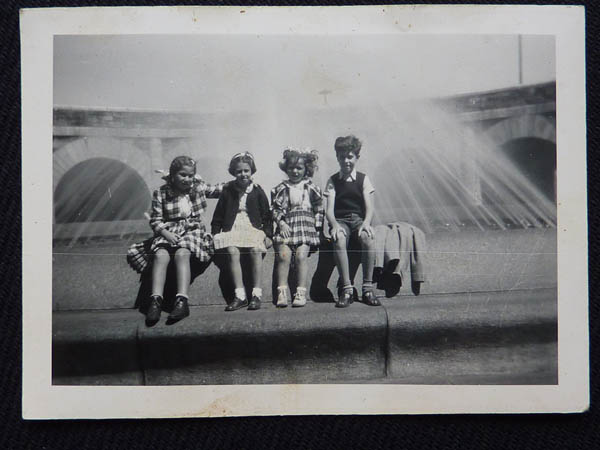
EJ: "Riverside Park in
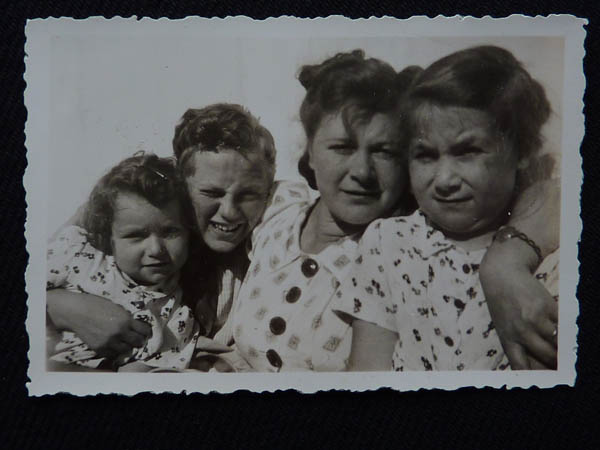
EJ: With cousin Paul
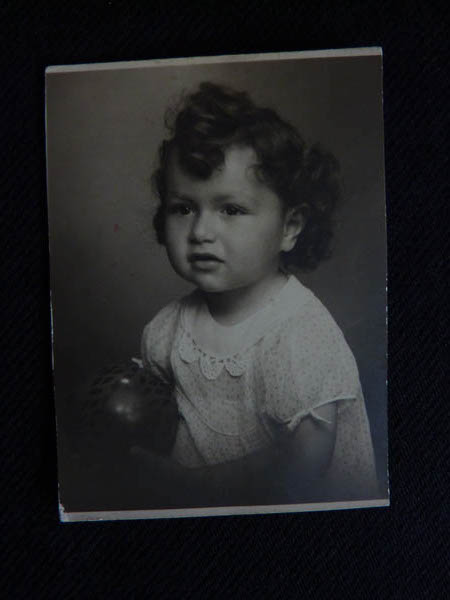
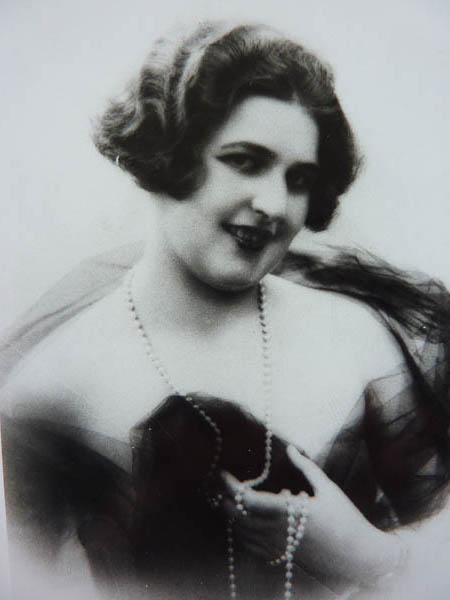
EJ: Mother Maria Elisabeth Rixner Kurcz (Mitzi)
Edith Jayne MBE
Born: 1936
Place of Birth: Vienna
Arrived in Britain: 01/03/1967
Interview Number: RV241
Interview Summary
Date of interview: 25/06/2019
Edith Jayne was born in 1936 in Vienna. Her father was Jewish and his name was Rudolf Kurcz, a doctor, and her mother was Catholic, her name was Maria Rixner. She had a sister, Lisa, who was four years older than her. They lived in a specially designed flat for a doctor (surgery and family accommodation) in a new social housing development in Hitzing. Edith has no memories of Vienna.
The family had to leave the flat one day after the Anschluss, as her father lost his job. They all received affidavits from a relative in the USA but because her father was deemed Hungarian he did not receive a visa for the US. As her mother had a brother in Lisbon, the family decided to leave Austria with a views of going to Portugal They travelled to France where they stayed for six weeks until they received papers (her uncle had sponsored them) for Lisbon. They stayed with the uncle and his family and her father started to work for HIAS, helping emigrants and refugees who had found themselves in Lisbon. Her sister was sent to a German speaking Catholic school and the family continued to speak German. Edith’s grandmother (her father’s mother) joined them in Portugal.
In 1941, the American consul wanted to help the family and gave the father a visa which was meant for somebody in later years. The family sailed to New York in May 1941 on the SS Siboni. When they arrived in New York, the family shared a studio apartment in the Upper West Side. There were many refugees and other emigrants in the area. Edith’s father had to re-sit his medical exams and her mother started to work in a sweets factory. Edith started going to Primary school in Manhattan, which she very much enjoyed. Once the USA had entered the war, the family refrained from speaking German. Her father opened his GP surgery in a ground floor apartment on West End Avenue, where they also lived. Edith went to University and while she was interested in becoming a lawyer, she decided that a teaching career would be more compatible with family commitments (as she had met her husband at university and they eloped). When he offered a job in Belgium, they re-located and moved to Brussels.
Her time in Brussels brought the former trauma of dislocation (new place, no support, and foreign language) to the fore and Edith told her husband that she could not stay in Brussels. The family moved to London, which suited Edith. She started to work in Teacher training at various universities and also lectured in psychology. Edith has been very involved with the Quakers and today lives in New Earswick, York, in a residential housing community with a strong Quaker connection. Edith thinks that her emigration left its mark. She is grateful to America for providing her with a good education but is also very happy to have found a home in the UK. She has become involved with her own story as a result of the Hunter College Holocaust Survivors initiative and is now an active speaker for HET.