
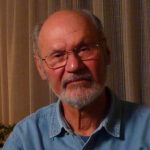
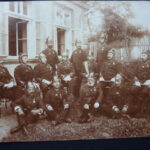
Gabor Otvos
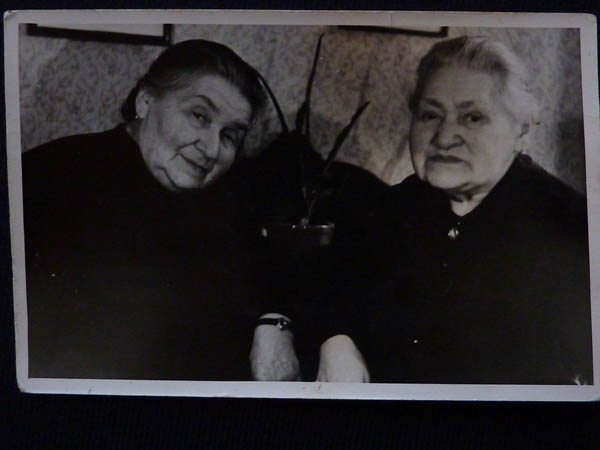
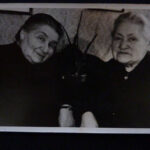
GO: "My maternal great -aunt and my beloved Manyi left)
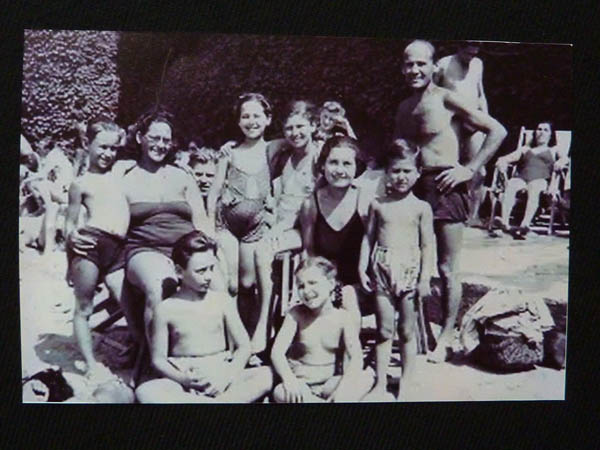
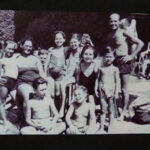
GO: With the paternal family in the Szechenyi baths
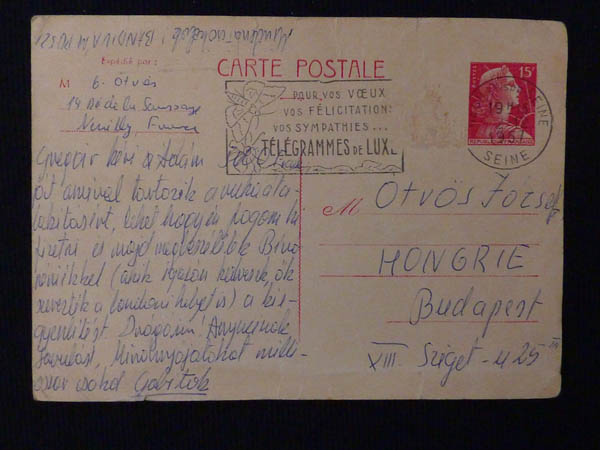
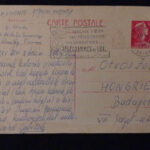
GO: "One of the many postcards I sent from Paris to my parents
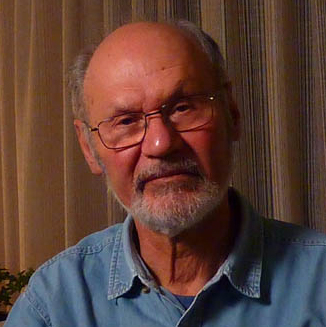
GO: December 2019
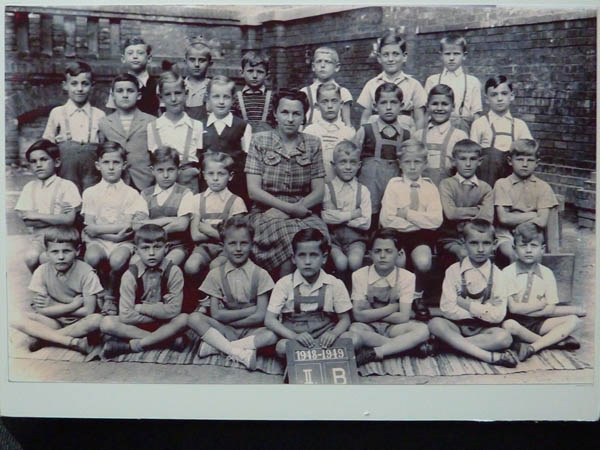
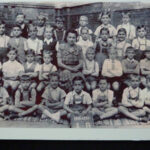
GO: Sziget Street primary school
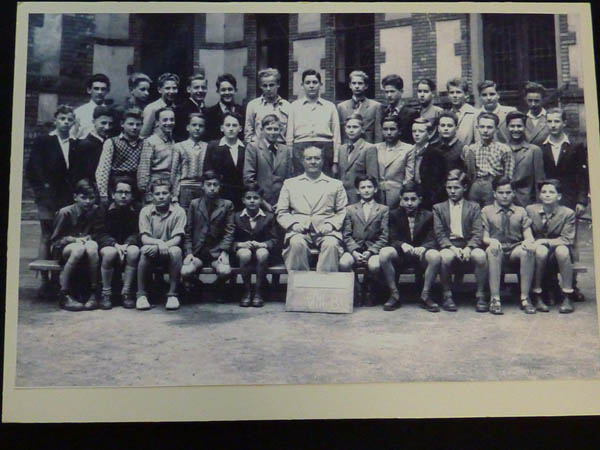
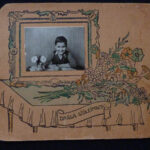
GO: End of school photo in the Sziget Street Primary School
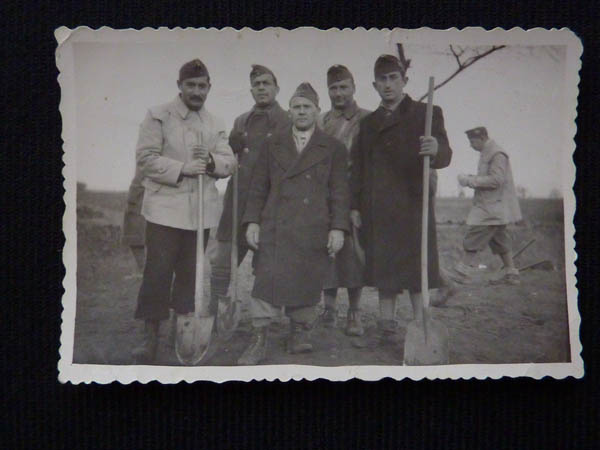
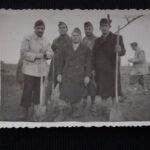
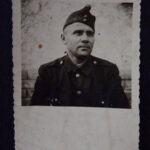
GO: Father in the forced labour camp on the Russian front/ Ukraine
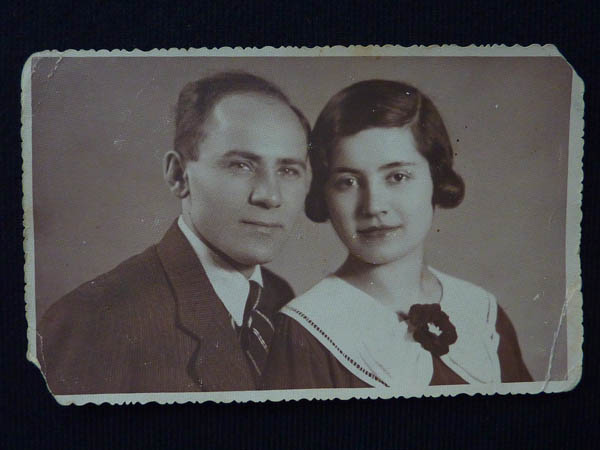
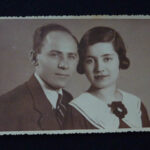
GO: Parents
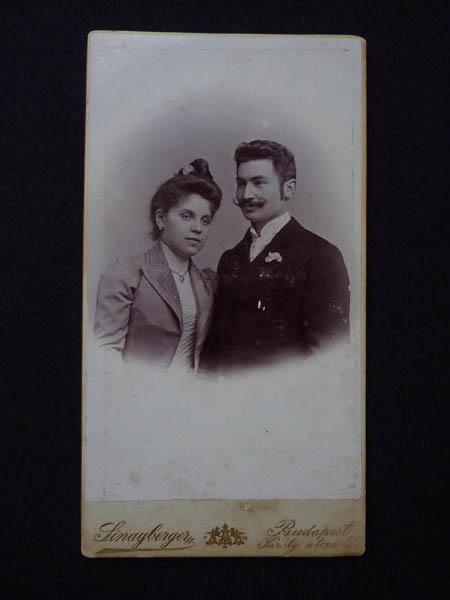
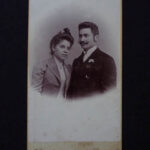
GO: Maternal grandparents
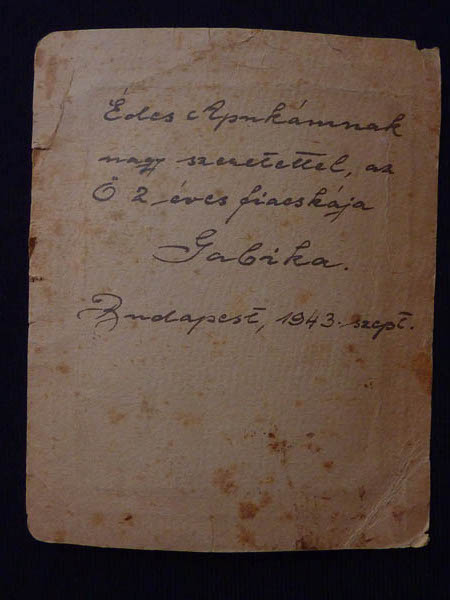
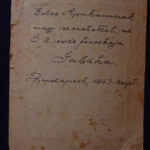
GO: "On the reverse of the photograph
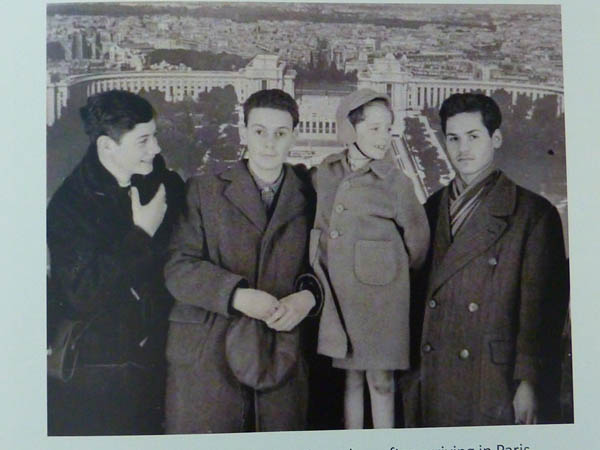
GO: "December 1956
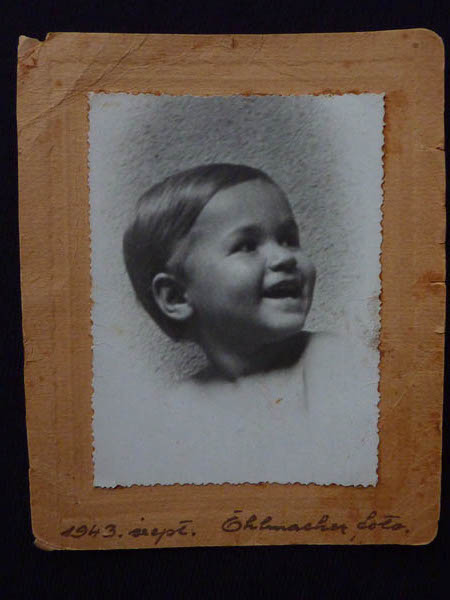
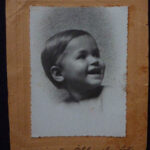
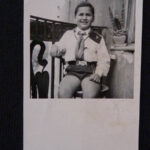
GO: It's me
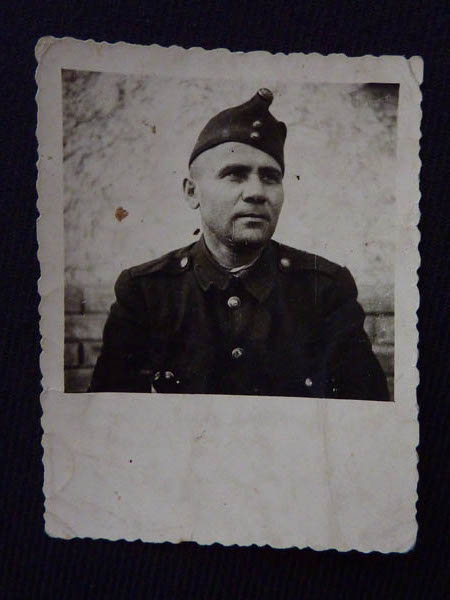
GO: Father in the uniform of the forced labour camp on the Russian front/ Ukraine
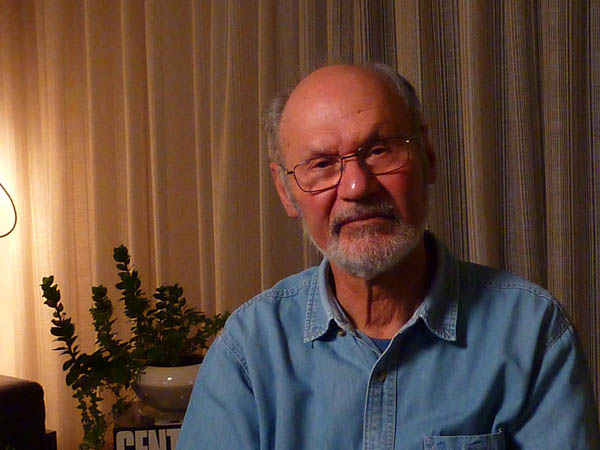
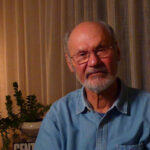
GO: December 2019
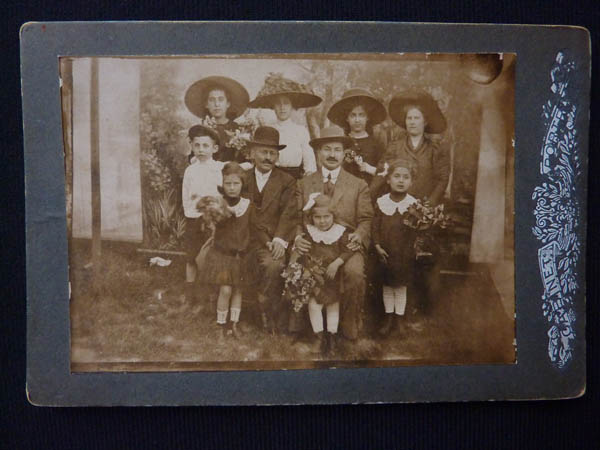
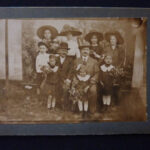
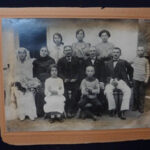
GO: "This is the Berger family in about 1909. In the middle
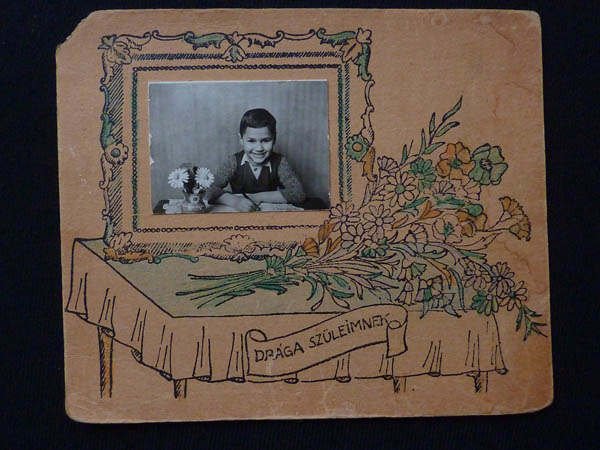
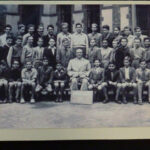
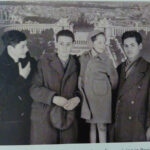
GO: A school photo in 1948.
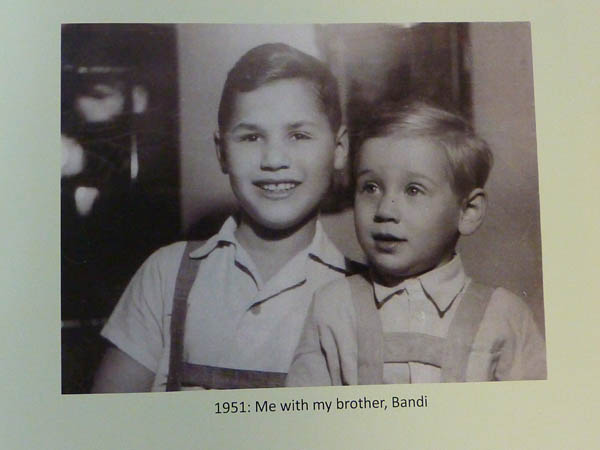
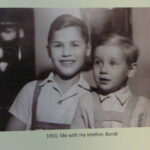
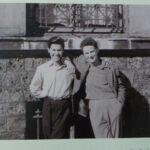
GO: With brother Bandi
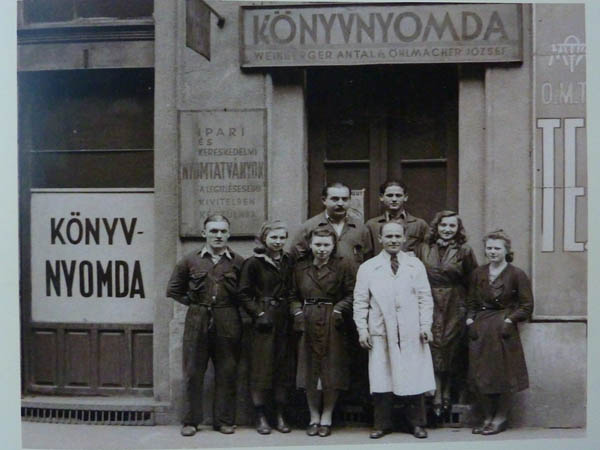
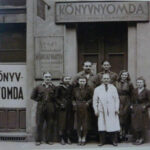
GO: Father's printing business in Budapest
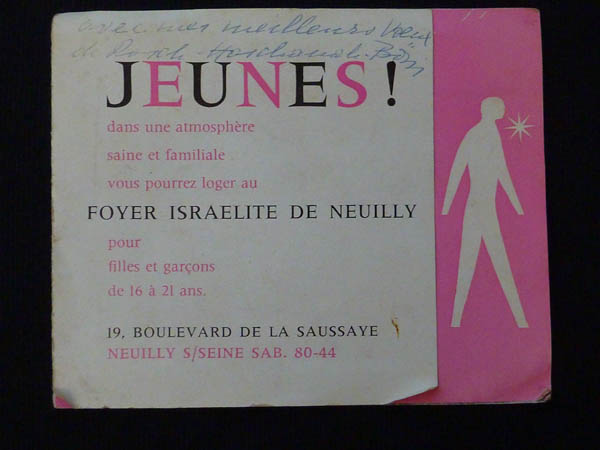
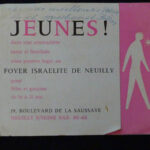
GO: Brochure of the Jewish youth hostel in Neuilly
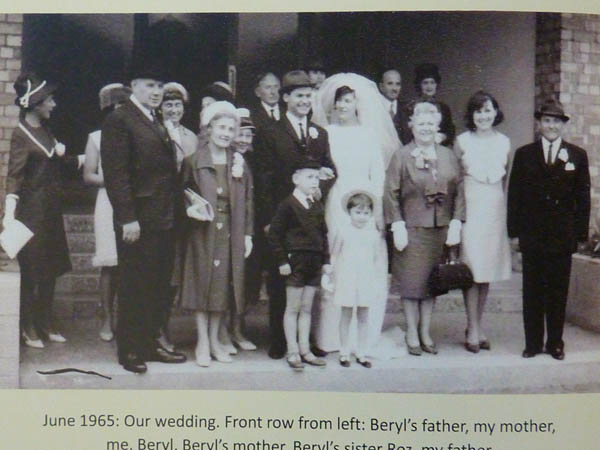
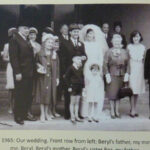
GO: Wedding day in June 1965
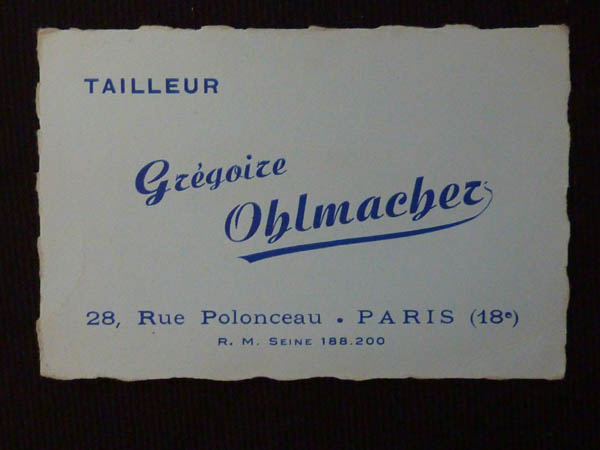
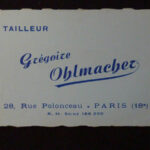
GO: "Business card of my father's distant cousin
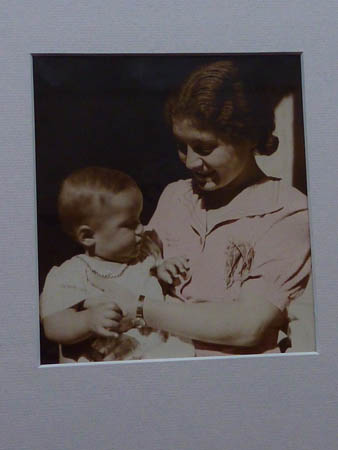
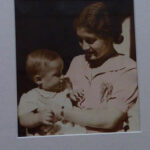
GO: With his mother in Budapest
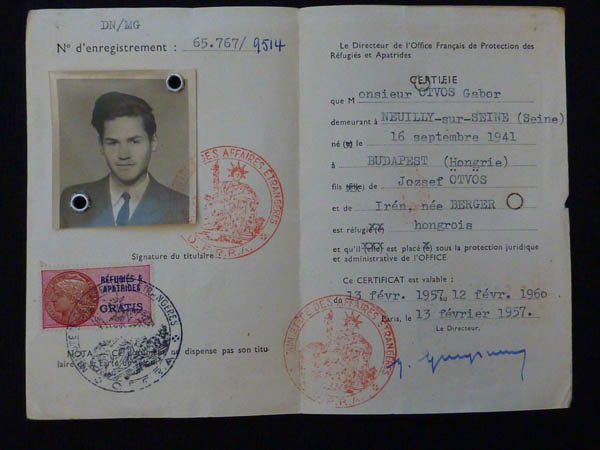
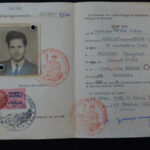
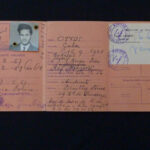
GO: Refugee certificate in Paris
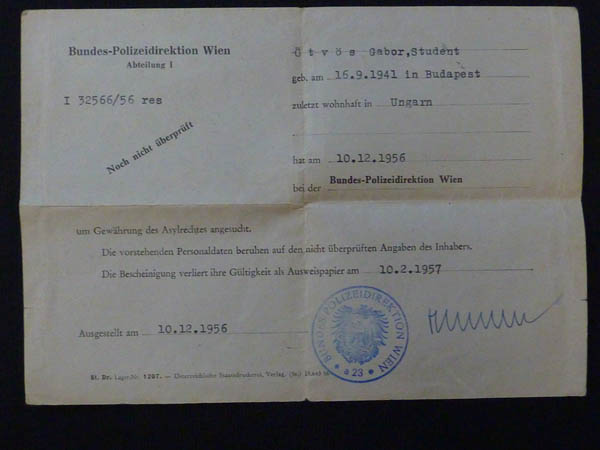
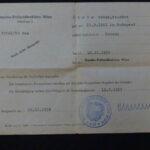
GO: Temporary residence permit issued in Vienna
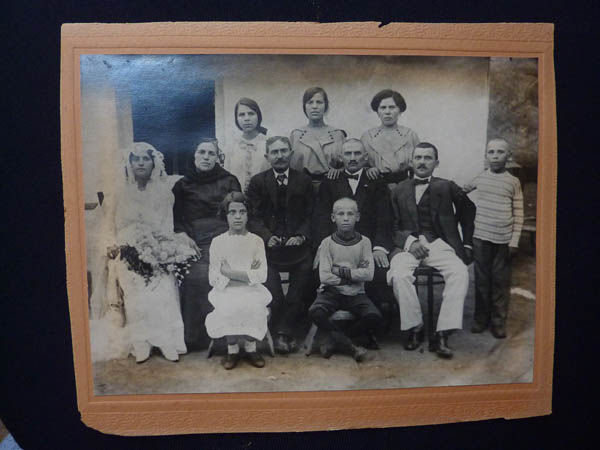
GO: This is the Öhlmacher family (Hungary) in 1911. Middle row
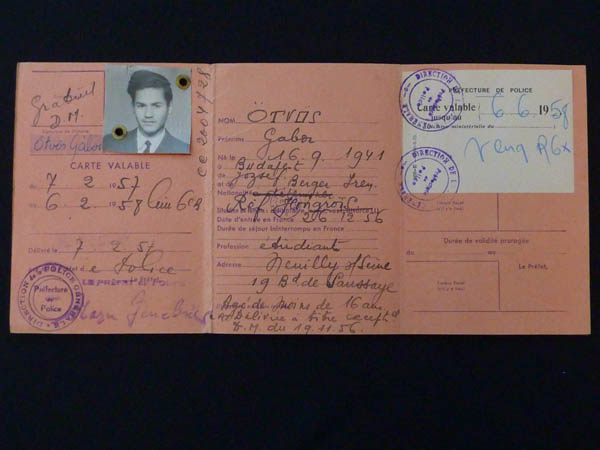
GO: Temporary residence permit in Paris
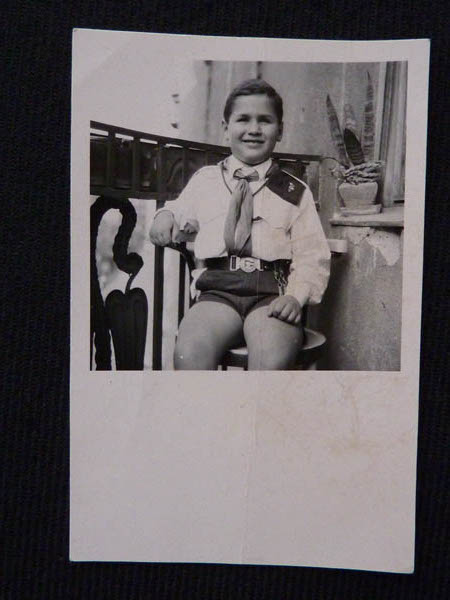
GO: "On the balcony of our flat
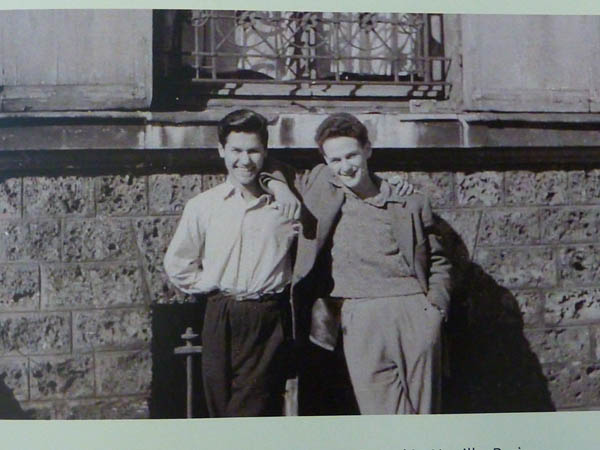
GO: "Spring 1957
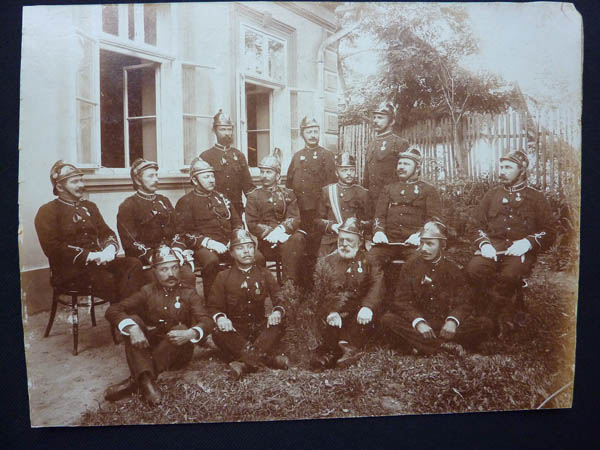
GO: "This is the Berettyoujfalu volunteer fire brigade. In the middle row
Gabor Otvos
Born: 1941
Place of Birth: Budapest
Arrived in Britain: 01/06/1958
Interview Summary
Date of interview: 12/12/2019
Gabor Otvos was born in 1941 in Budapest. His parents were Jozsef Otvos (born, Jozsef Ӧhlmacher, changed name in 1949) and Irene Berger. His father was born in Berrettyoujfalu (Hungary) and had a printing business and his mother was a bookkeeper.
Gabor has very few wartime memories but remembers the sound of bombardments. In 1942 his father was taken to Forced Labour to the front in Ukraine. His mother suffered from depression and a great-aunt of Gabor took care of him. He and his mother had to move to a ‘Yellow Star House’ after the German Army entered Hungary. His father managed to escape from Forced Labour and collected his mother and him to move to a different area of Budapest (Baross Utca). With Christian papers, pretending to be refugees from the East. The remaining family in Berrettyouifalu were deported and killed in the Holocaust while most other family members in Budapest survived the war.
After the war, Gabor’s father re-opened his printing business and Gabor attended the Jewish Primary school. His brother Endre, later Andrew, was born in 1949. When the communists came to power, the business was nationalised and the Jewish school was closed. Gabor then attended the primary school in Sziget Utca and Gymnasium until 1956, when he escaped Hungary. Together with his friend, the two 15 year olds, with a group of other people, walked across the border on the 9th of December 1956 and arrived in the Austrian village of Waldorf, from where they were brought to Vienna. After two weeks, Gabor and his friend arrived in Paris, where his friend had relatives and he had a cousin. They were put in a Jewish Hostel, where Gabor experienced for the first time ‘Jewish life’, like Friday night services. He learnt French and adapted to live in France, writing home often. In January 1958 his parents managed to get papers and also emigrated. As they could not get permanent visas for France, they came to the UK, where they had other family members and a guarantor.
In June 1958, finishing the school year in France, Gabor joined his parents and brother in Southend –on- Sea, where they had settled. He finished his schooling at the Lycée Francais in London (Kensington) and went to Manchester University to study architecture. He met his future wife Beryl at Manchester University and they eventually moved to Pinner, where Gabor joined Harrow Council, and they raised two sons.
Gabor feels at home in Pinner but states that his experiences as a refugee have created a void which cannot be filled. Although he wouldn’t want to live in Hungary he has a passion for the Hungarian language and its poetry which he isn’t able to share. Until recently he only considered his parents Holocaust survivors but now understands that although he was a young child, he is also a Holocaust survivor and that the war experiences have affected his later life.
Additional Comments:
At the end of the interview, Gabor reads a Hungarian poem “Nem Tudhatom” by Miklos Radnoti.
Key words: Berrettyoujfalu. Budapest. Child Survivor. Escape 1956. Jewish Hostel Paris. Paris. London. Southend-on-Sea. Architect. Manchester University. Öhlmacher. Otvos. Berger.
Place of Birth
We had a very hard journey across the border. The Russians along the border had instructions to shoot, but I remember I had no fear. I walked for miles. Adams's mother arranged for a guide who eventually abandoned us. We travelled in mining wagons. Adam & I carried an old lady at some point across the fields. The guide eventually abandoned us about 3am. He said 'Go that way'. So we did & got lost. We saw 3 lights & we had to decide which way to go. We went 1 way, as we got nearer, I noticed the chainlink fence was a different design from what I knew in Hungary. It was a good sign. We entered the village & it was an Austrian village. People were very friendly.
Hard escape
My parents were making plans to come out, but my mother was in 2 minds. She had serious depression, electric shock treatment. And I knew about this in Paris. I was in this youth hostel. I didn't know if I would ever see them again. I remember one day, I couldn't quite remember the colour of my mother's eyes & I panicked. That was a very difficult period. I was learning French.
Mother's depression
We had a very emotional reunion at the Gare de l'Est in Paris. I went to meet them & saw 3 figures coming off the platform. My parents in black coats, my brother who was 9, in a grey coat with a little hat covering his ears. And then, you know, we just held each other. Yes.
Reunion with family in 1958
Antisemitism was beginning to show itself in Hungary. Adam asked me if I wanted to go with him. I liked the idea. I said 'Yes'. My father thought 'Yes, it's a good idea'. My mother was neutral. The morning I left, we kissed each other, she was still in bed. Then she turned towards the wall. I think she was quite numb & then it hit her later on.