
Gyorgy Pauk
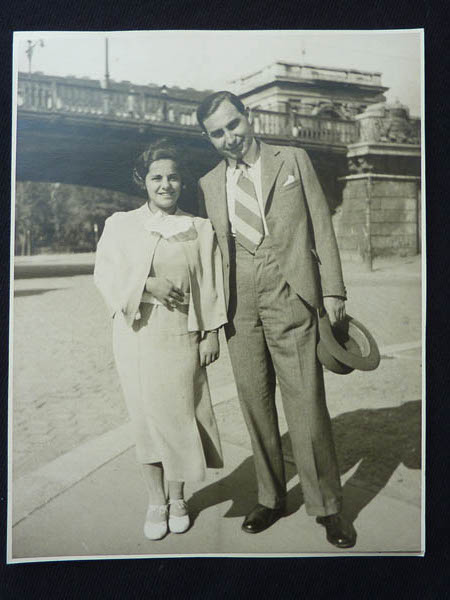
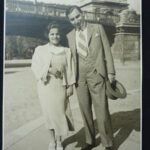
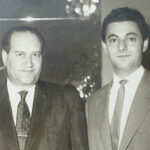
GP: This is my parents
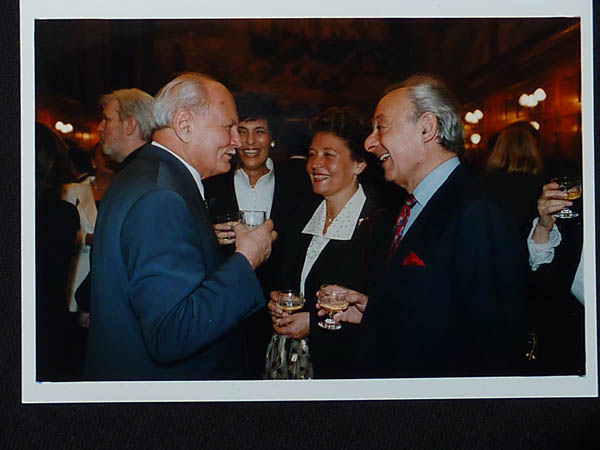
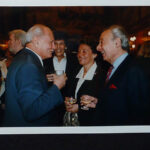
GP: This is the- I- I was given the medal Cross of Hungarian Republic by the President of the country
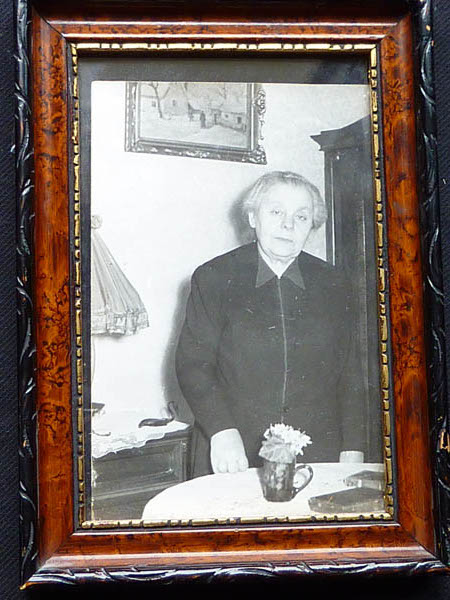
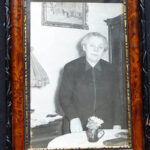
GP: This is my grandmother Malvina Lusztig
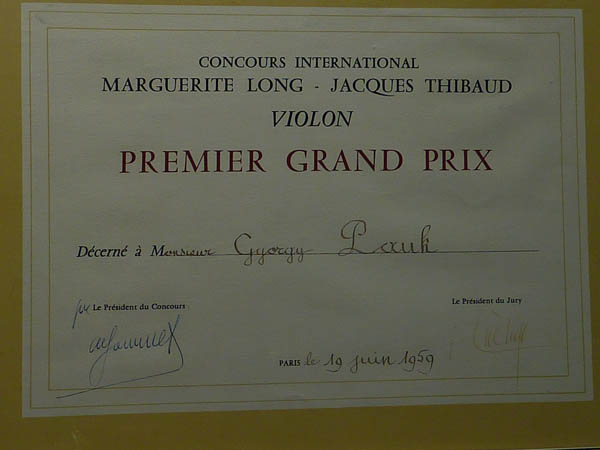
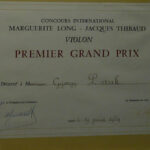
GP: This is my diploma after winning the Jacques Thibaud Competition in 1959 in Paris. Yeah.
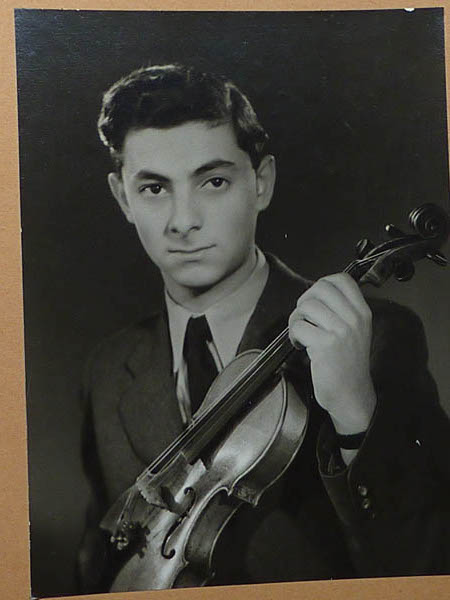
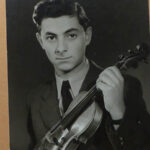
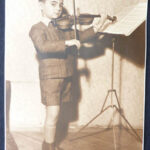
GP: This is me around age seventeen. Showing off with my violin and a little bit official dress- dressed like before a concert. [Where?] Budapest.
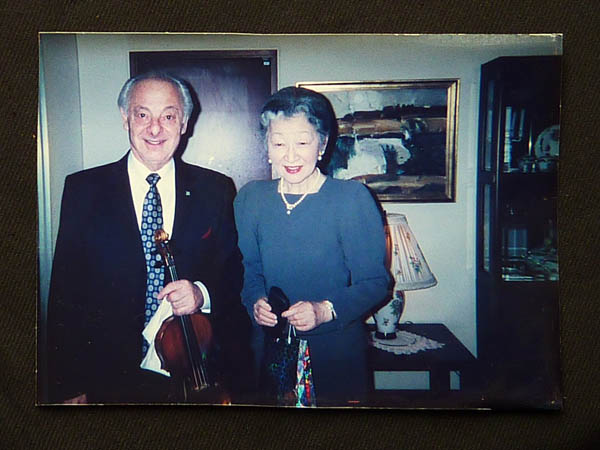
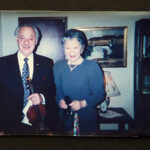
GP: This is with the Empress of Japan
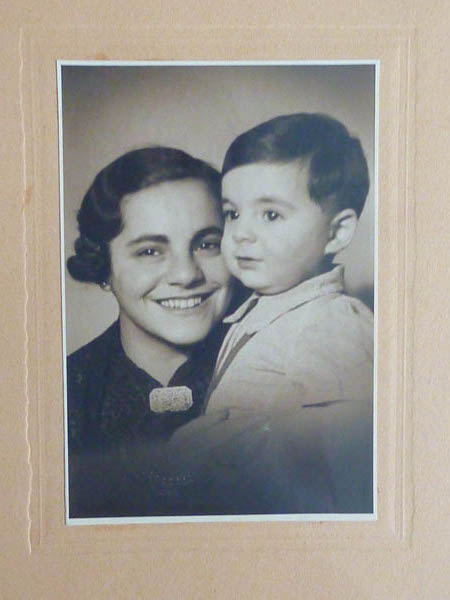
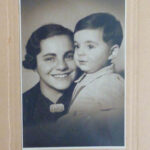
GP: Myself with my mother around 1938
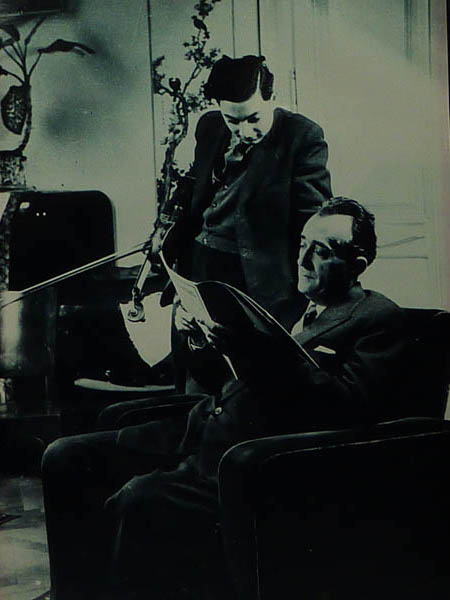
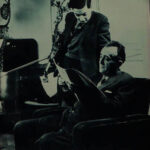
GP: With my teacher
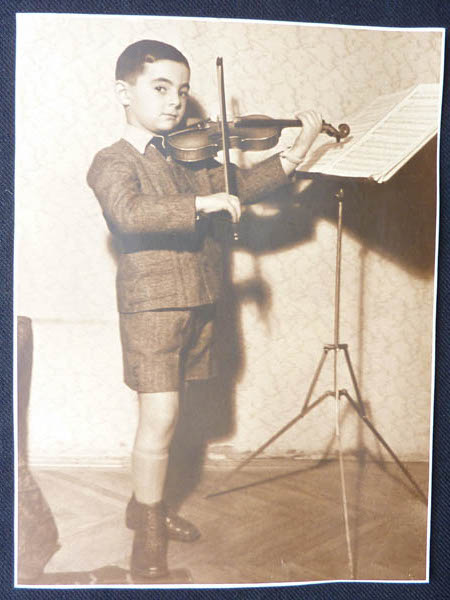
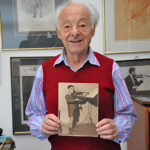
GP: This is me with a violin aged about seven. This is the photo which I show to my pupils to the students
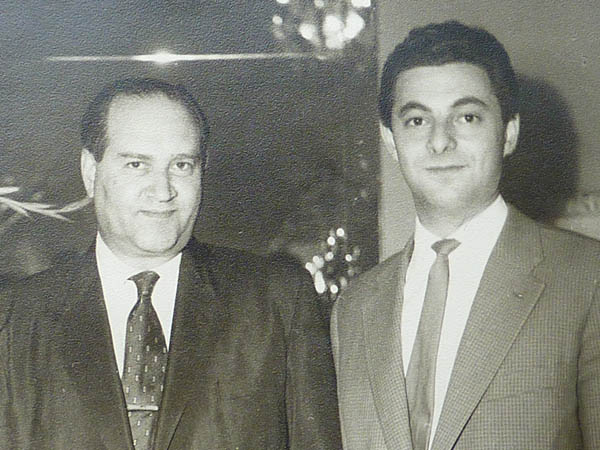
GP: After winning the Jacques Thibaud Competition in 1959
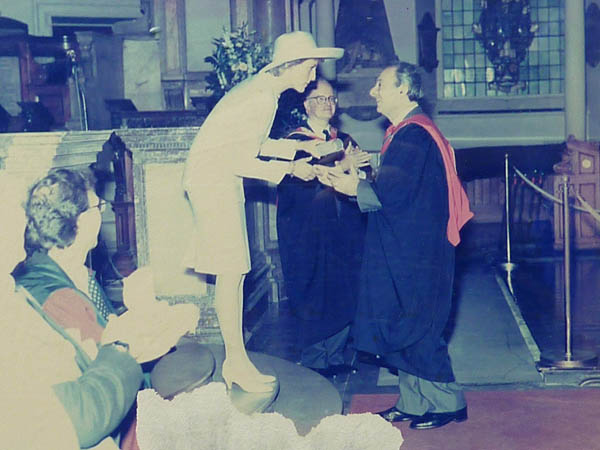
GP: This is with Princess Diana after receiving Honorary Royal Academy of Music Award in 1990.

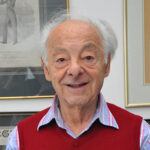
GP: June 2019
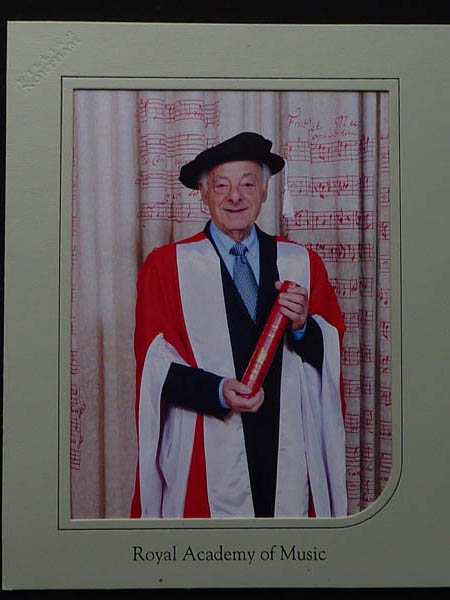
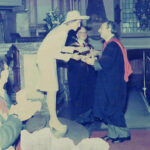
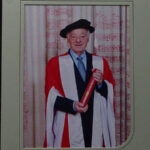
GP: This picture is after receiving the Honorary- the Doctorate from the University of London in 2016.
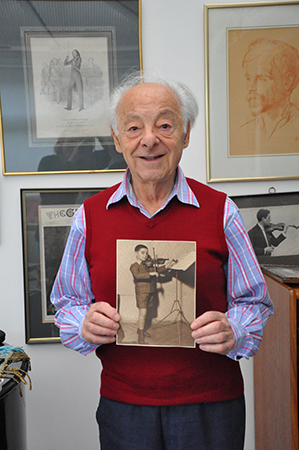
GP: 2019
Gyorgy Pauk
Born: 1936
Place of Birth: Budapest
Arrived in Britain: 01/09/1961
Interview Number: RV236
Interview Summary
Date of interview: 10/06/2019
György Pauk was born in Budapest in 1936 to a pianist mother who was aware of his musical talent very early and started him with violin lessons at a young age. He has few memories of his father, a business man born in Kethely near Lake Balaton, who was taken to a labour camp (Hatarszög) and died there in 1944. György remembers March 1944 clearly when they had to move to a Jewish house with his grandmother. They shared a flat with many people and it was cold, food was scarce and often they had to find shelter in the cellar from German bombing. In October the Hungarian Nyilas came to the apartment and took all young women away- among them his mother, who he never saw again. However, his grandmother, aunt, cousin and György managed to escape at first but were later brought to the ghetto where they survived until the liberation by the Russians.
György was raised by his grandmother and continued his musical education at the Franz Liszt Academy of Music promoted by his teacher Ede Zathureczky who discovered early that György was destined for a soloist career. He started to play in and win competitions -even outside the Eastern bloc. In spring 1958 he decided not return to Budapest from a concert in Paris – with a heavy heart as he didn’t know if he would see his grandmother and other family again. From Paris he moved to Holland where a friend had told him to apply for the position of concert master in the Brabants Orchestra in s’Hertogenbosch. This is also where he met his later wife Susanna who he married in summer 1959. Through a former teacher he had the opportunity to play for Yehudi Menuhin in 1956 and the contact was continued in Holland. Menuhin inspired and supported the move to London in 1961.
From there his international career began with concert tours in Australia and the United States. Although he went back earlier to Hungary with his wife and two children to visit his family his first concert in Hungary was in 1973 – an emotional event as he played where he started as a young student. György identifies as a Hungarian-born British violinist whose Jewish identity is vital. Although he talked about his past with his wife and children it took longer to do so with a wider circle but it transformed him and gave him a new sense of confidence. He retired from performing after his 71stbirthday but teaches at the Royal Academy students from all over the world. His autobiography was published in Hungarian and is in the process of being translated to English. His message is to “learn from your mistakes and admit it. It is not easy, but try to learn from it and try to be a better person.”