
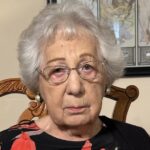
Helen Aronson
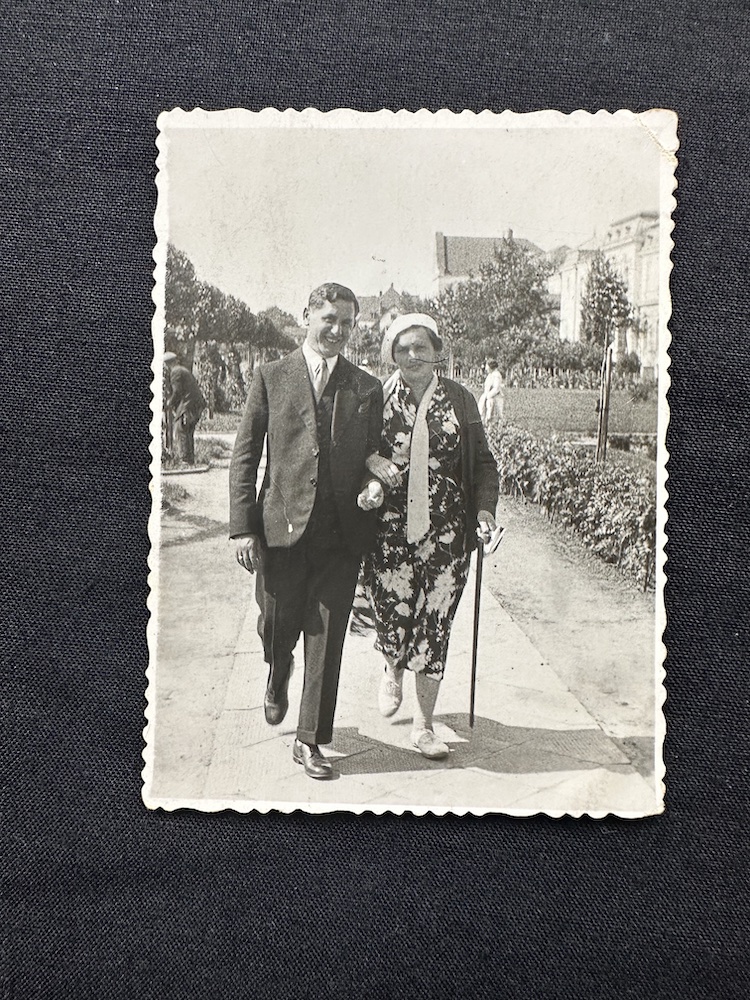
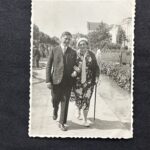
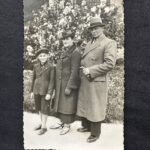
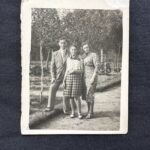
HA: Parents in Ciechocinek
HA:
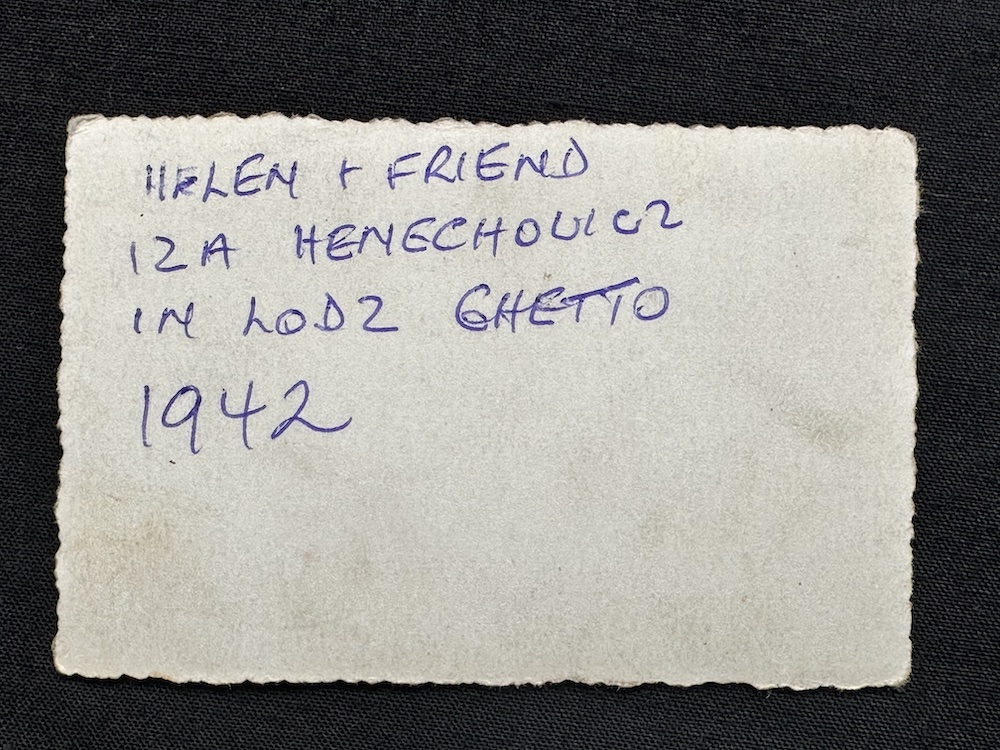
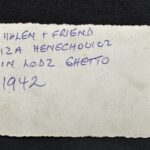
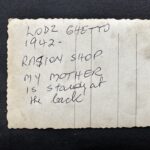
HA: Back of the photo with Iza Henechovicz
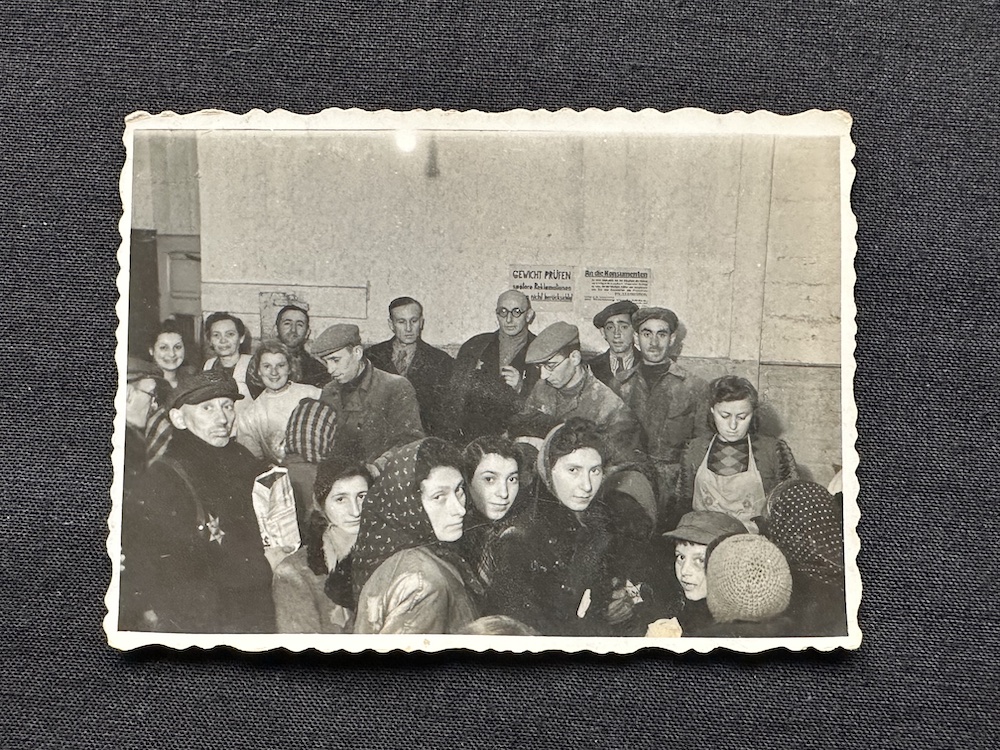
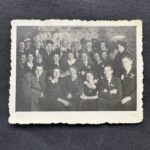
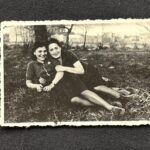
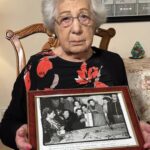
HA: This photo was taken by Henryk Ross who as the chief photographer in the ghetto. And my mother is in it
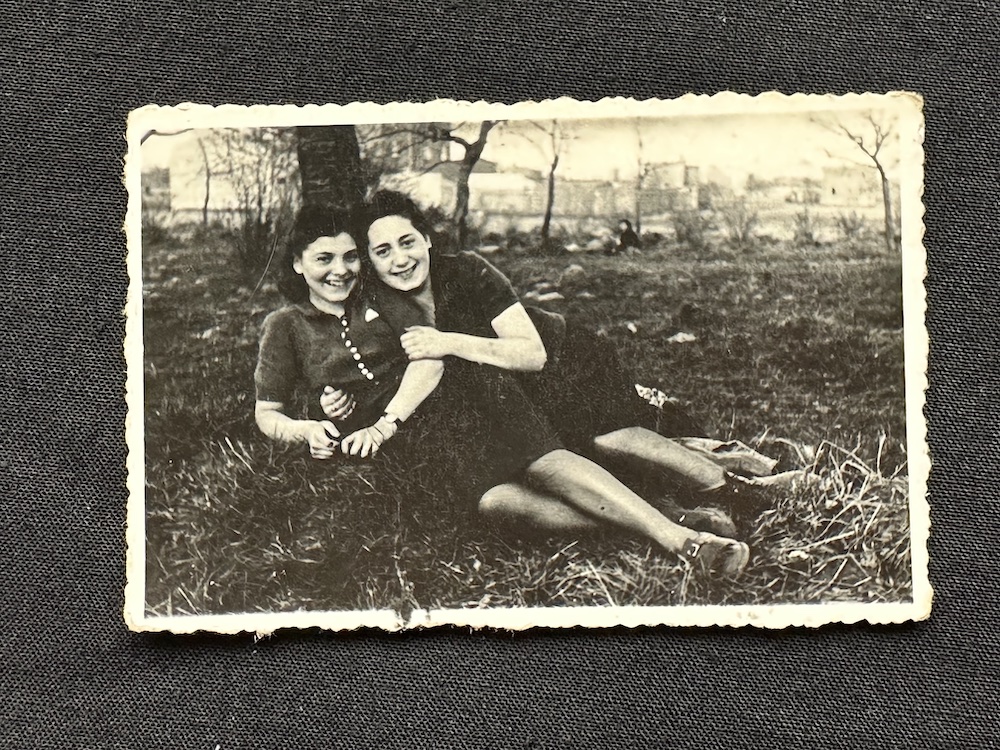
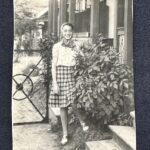
HA: Helen with her friend Iza Henechovicz in Lodz Ghetto
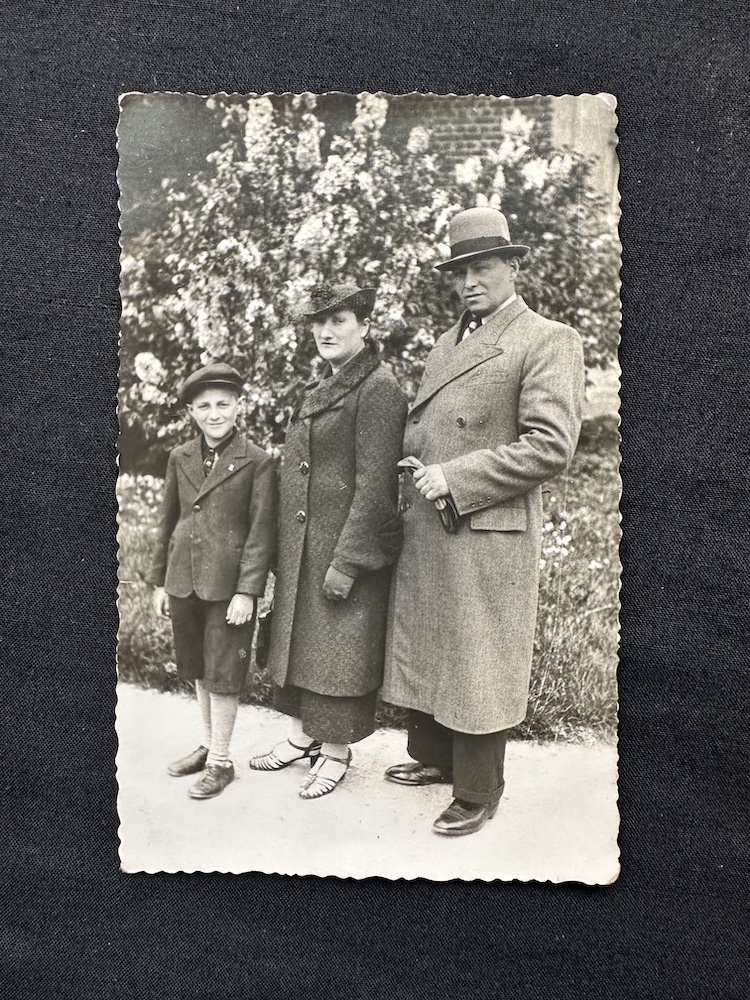
HA: "This is my uncle Idu
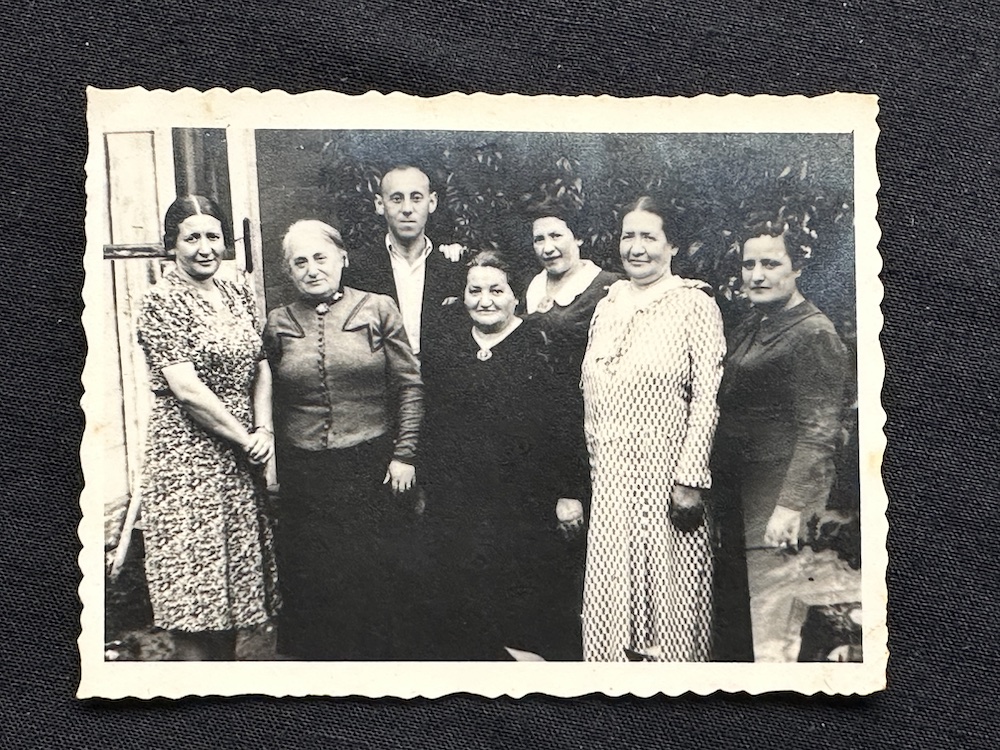
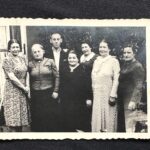
HA: Four paternal aunts "who were very educated and emancipated ladies. They were teachers
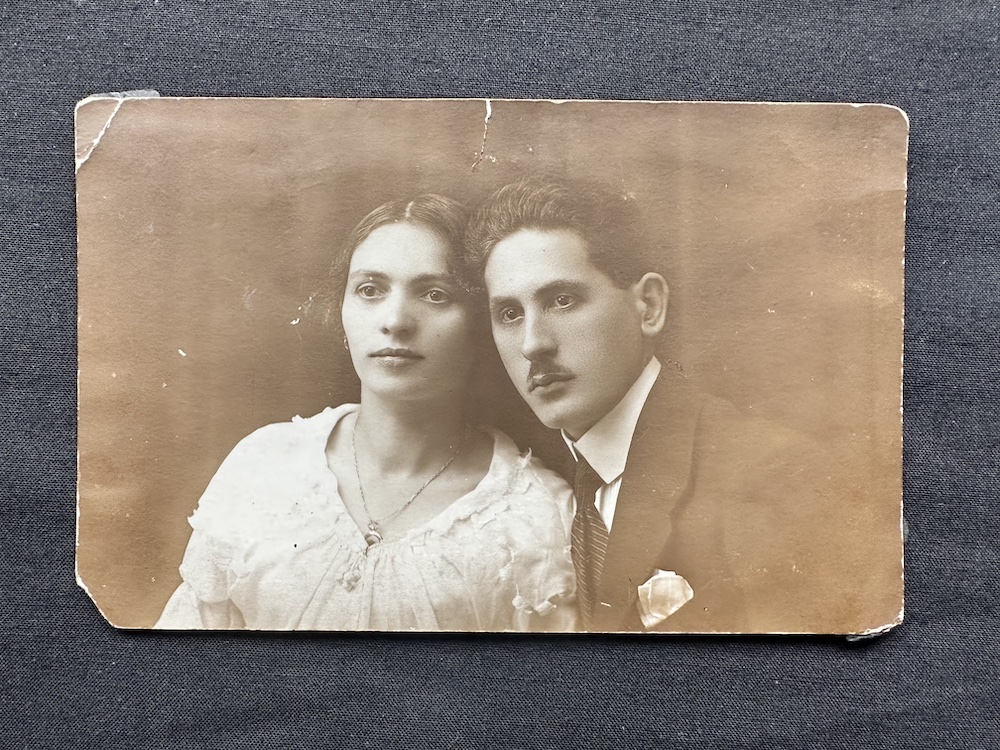
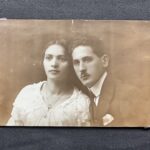
HA: Parents' engagement photo
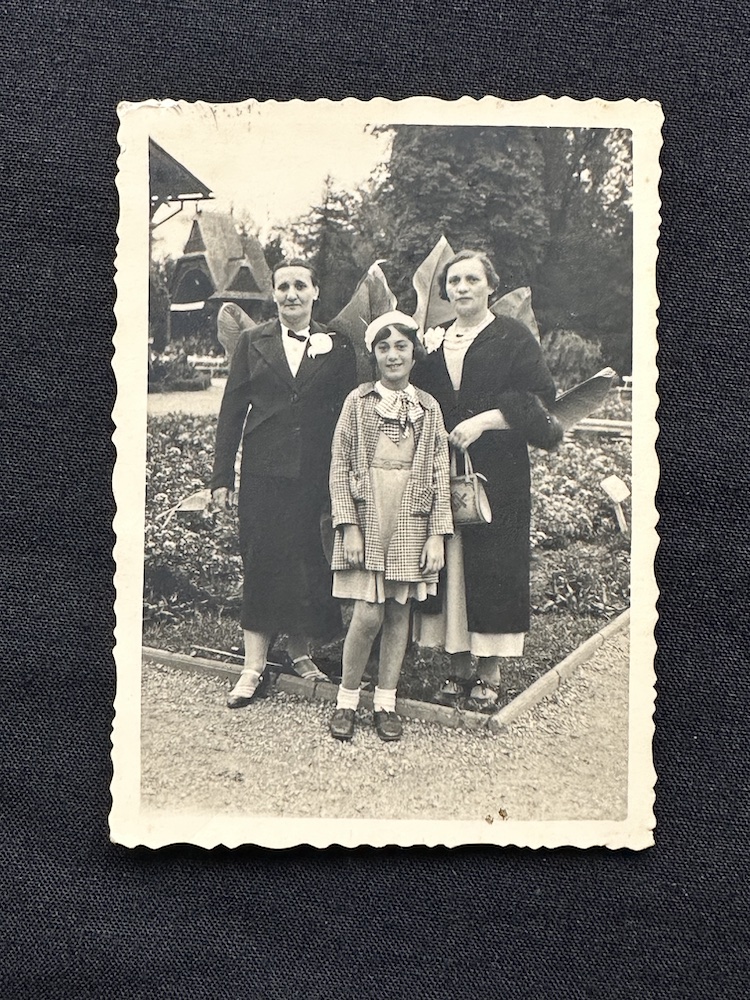
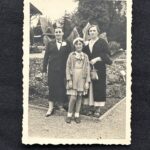
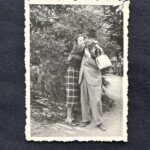
HA: "Ciechocinek together with a cousin of mine and my mother and myself and I suppose it was the last holiday we had before the war broke out."
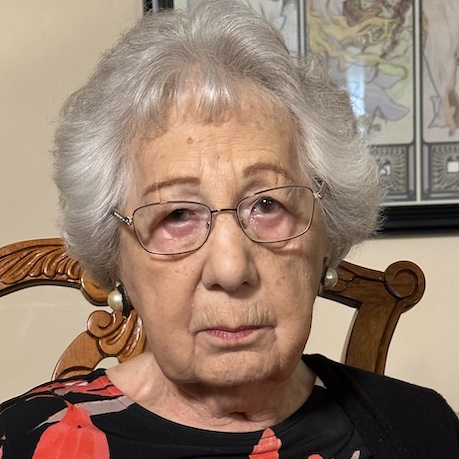
HA: 2024
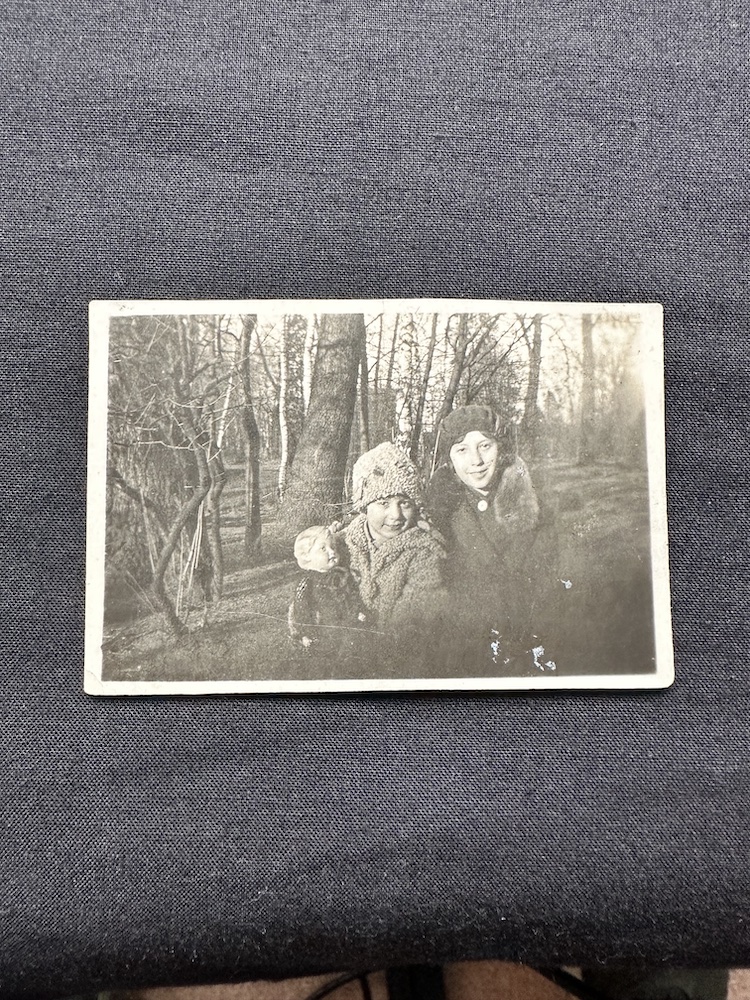
HA: In Pabianice before the war with her sisster in her school uniform And Helen with favourite doll.
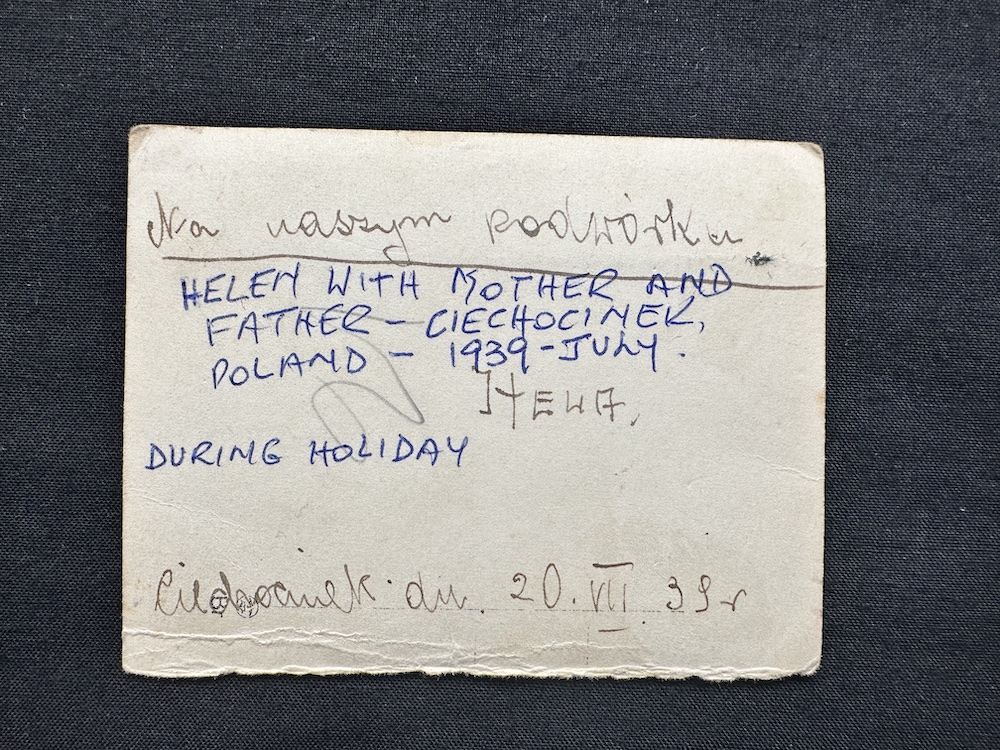
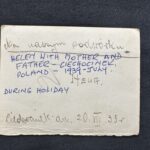
HA: Back of the photo "1939 in Ciechocinek and our last holiday together."
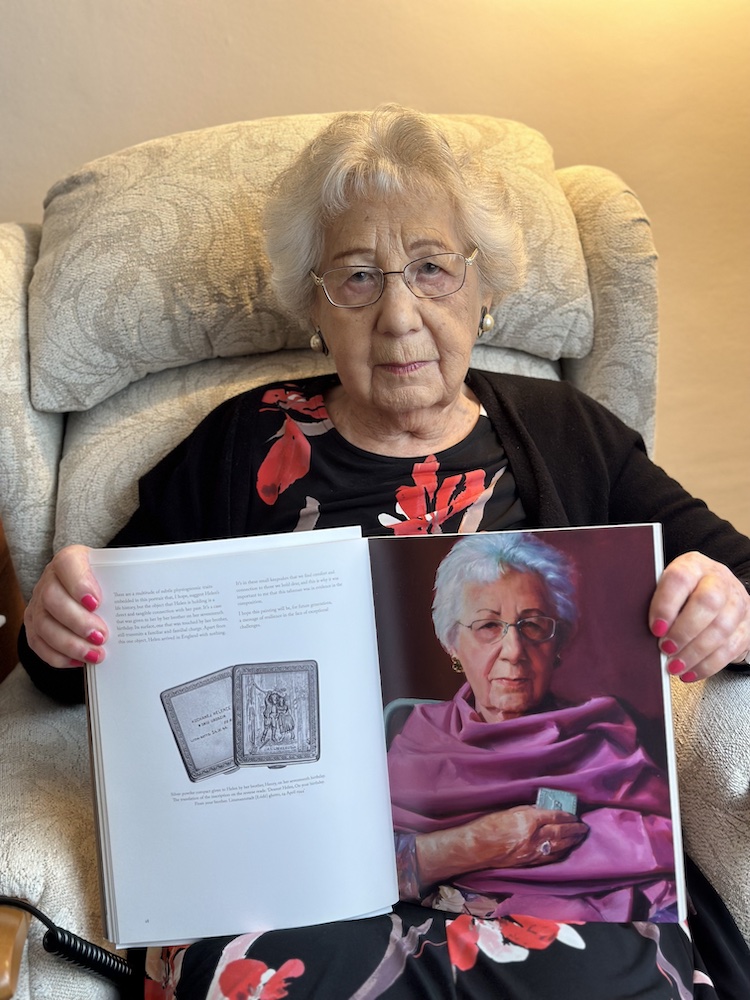
HA: 2024
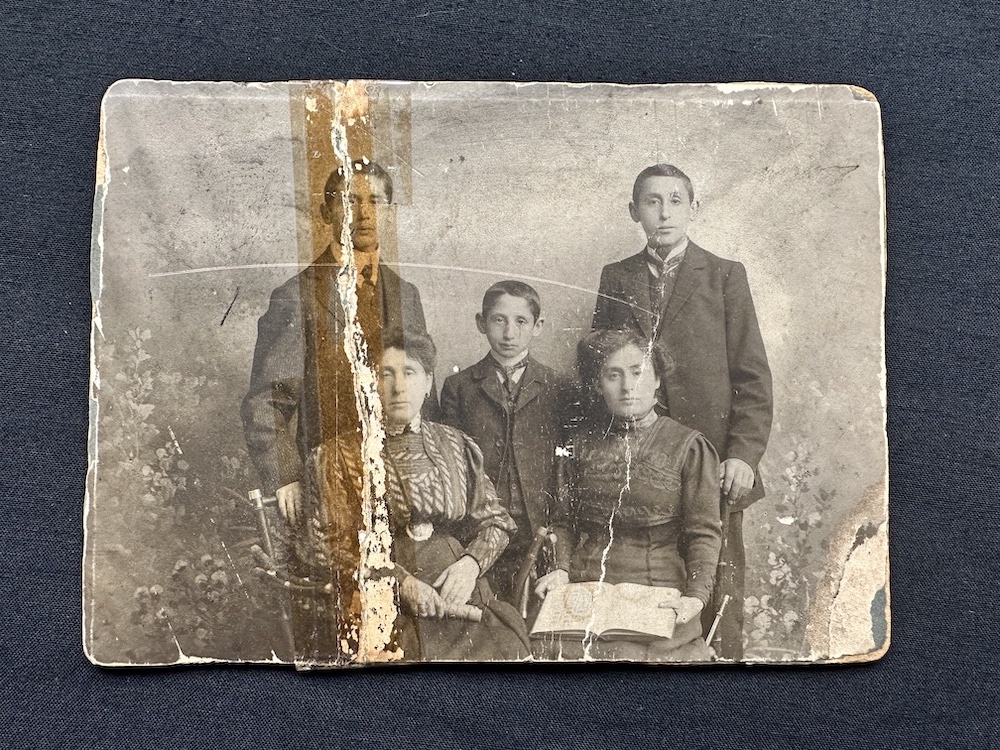
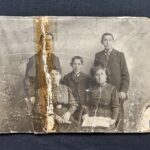
HA: Her father Mordechai Chmura with his sisters and brothers
HA: 2024
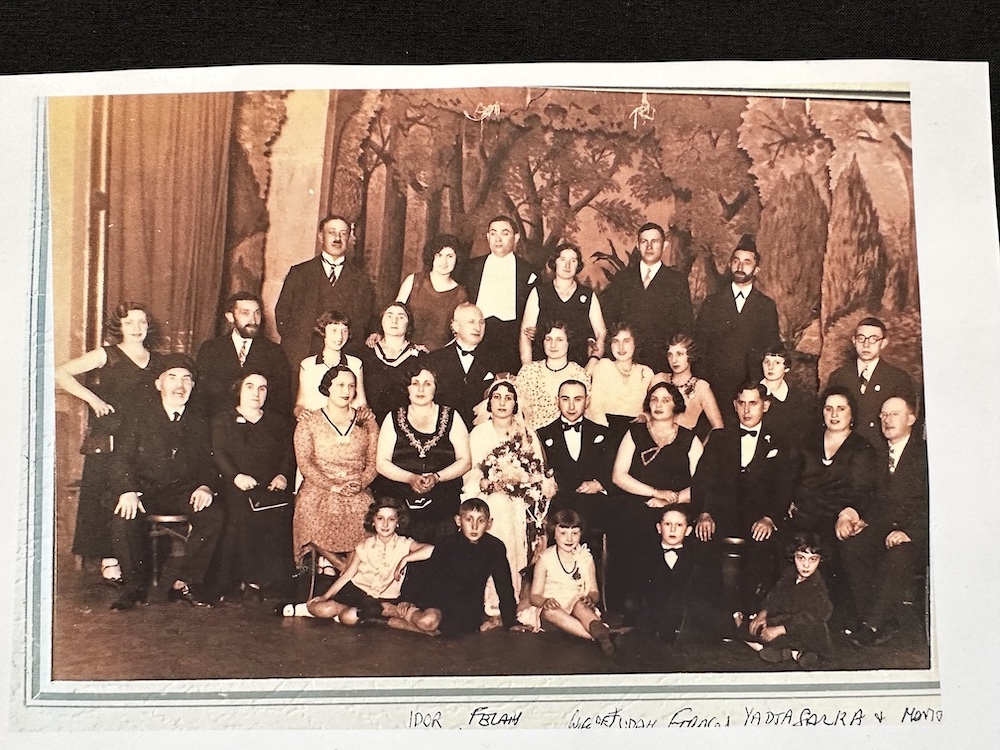
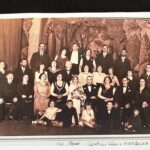
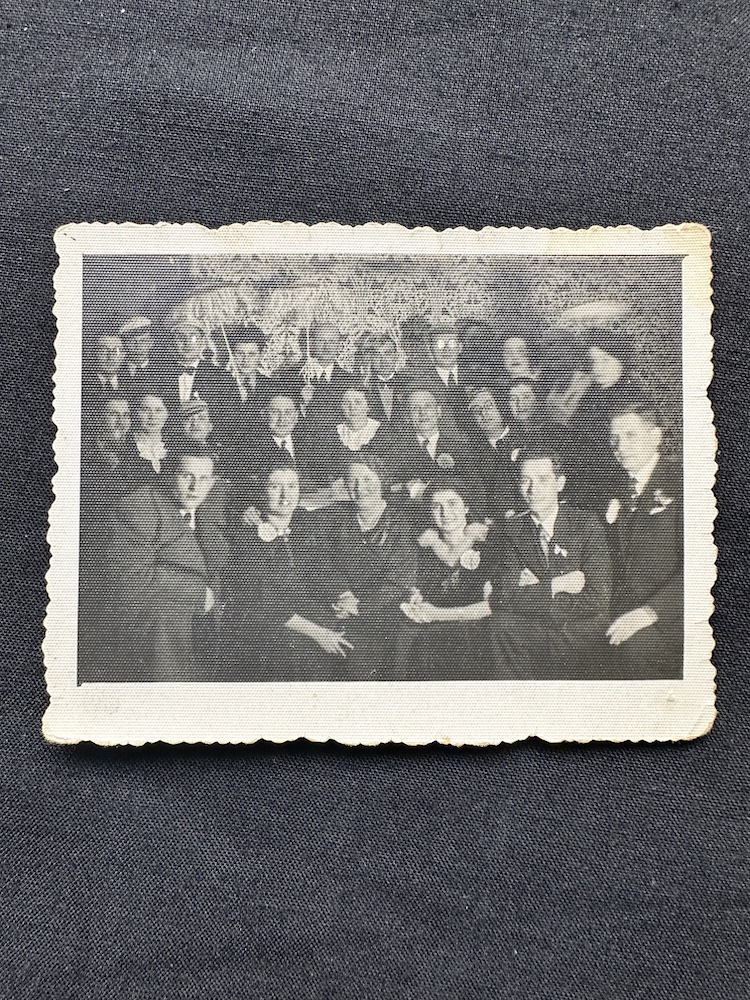
HA: "Aunt Fella's wedding in Łódź and most of the family is there. And on the floor is myself (far right)
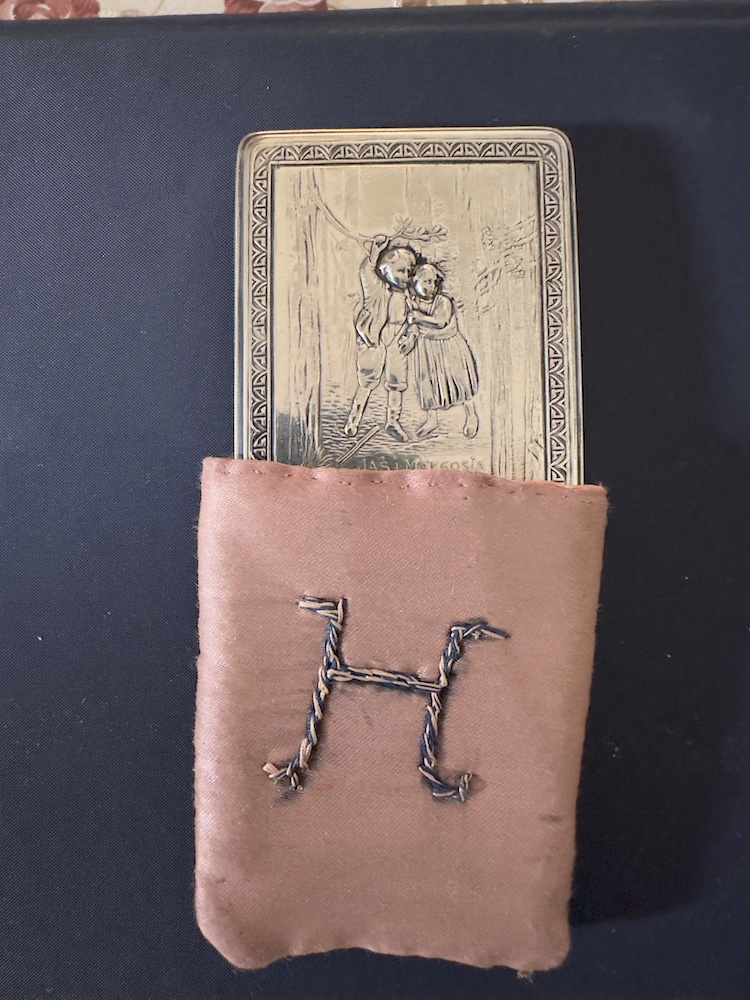
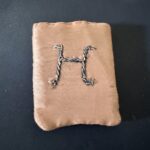
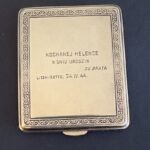
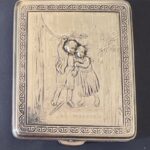
HA: Powder compact
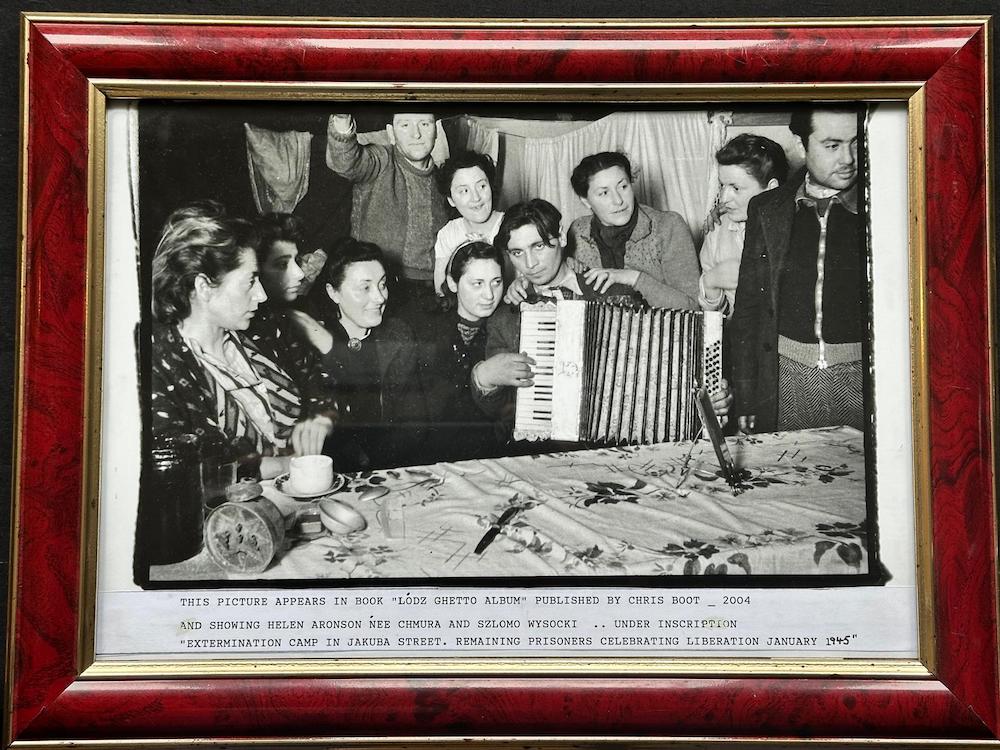
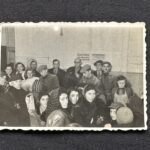
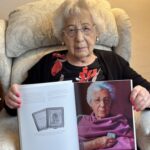
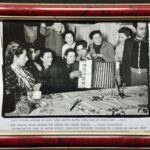
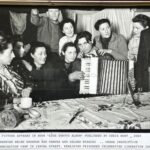
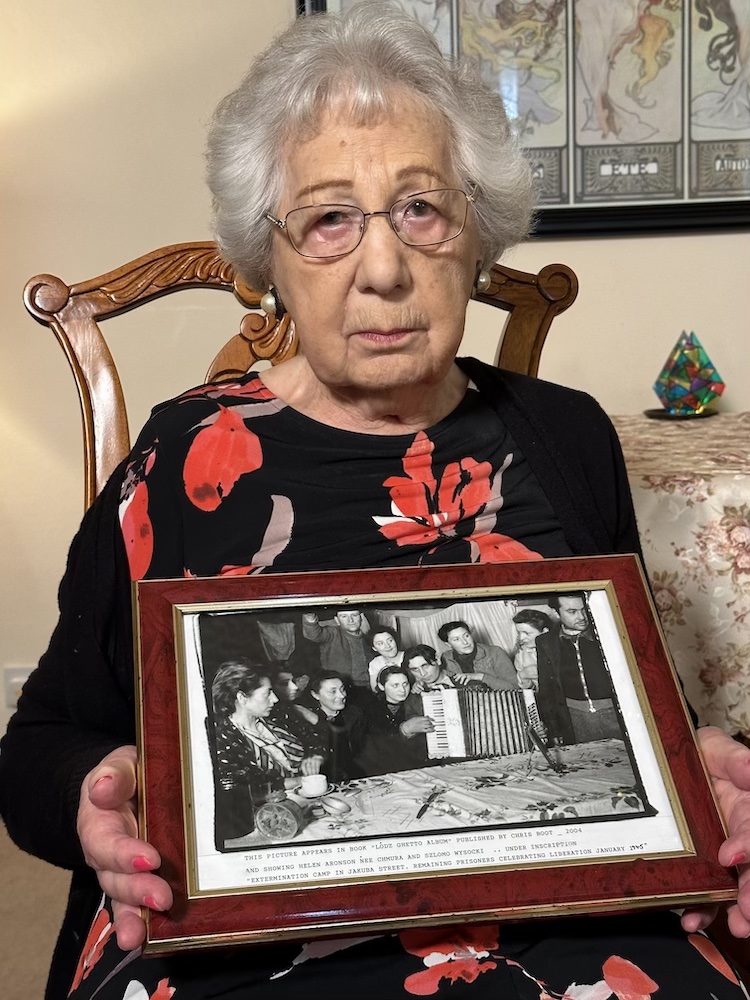
HA: Lodz Ghetto survivors in the book "Lodz Ghetto Album by Chris Boot 2004)
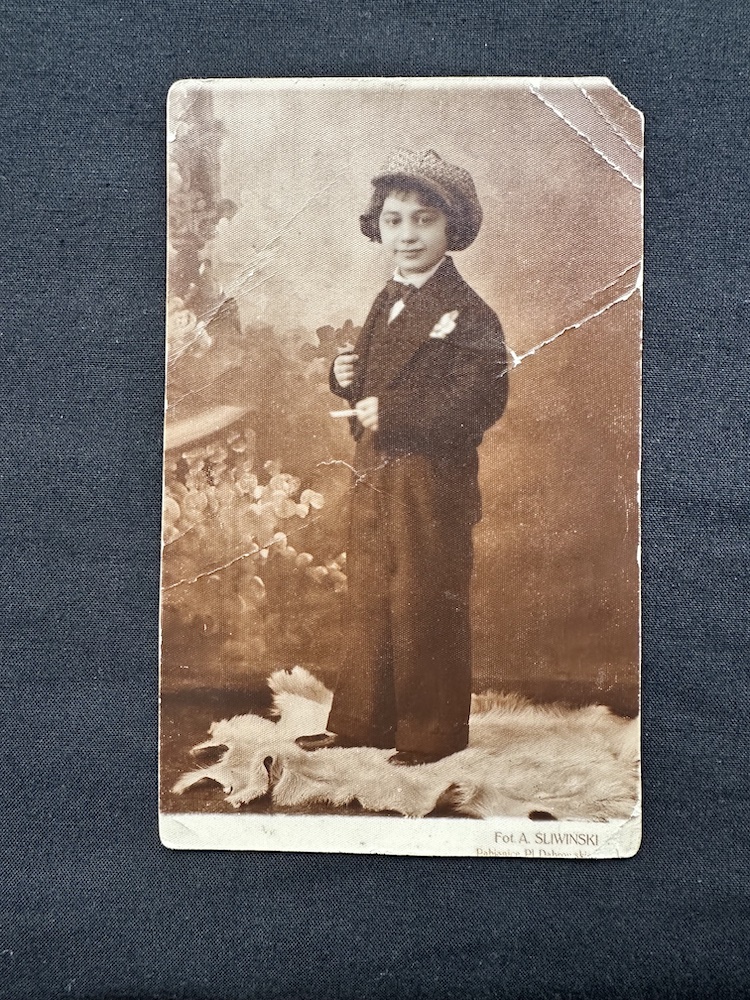
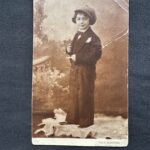
HA: Helen aged 7 in Poland
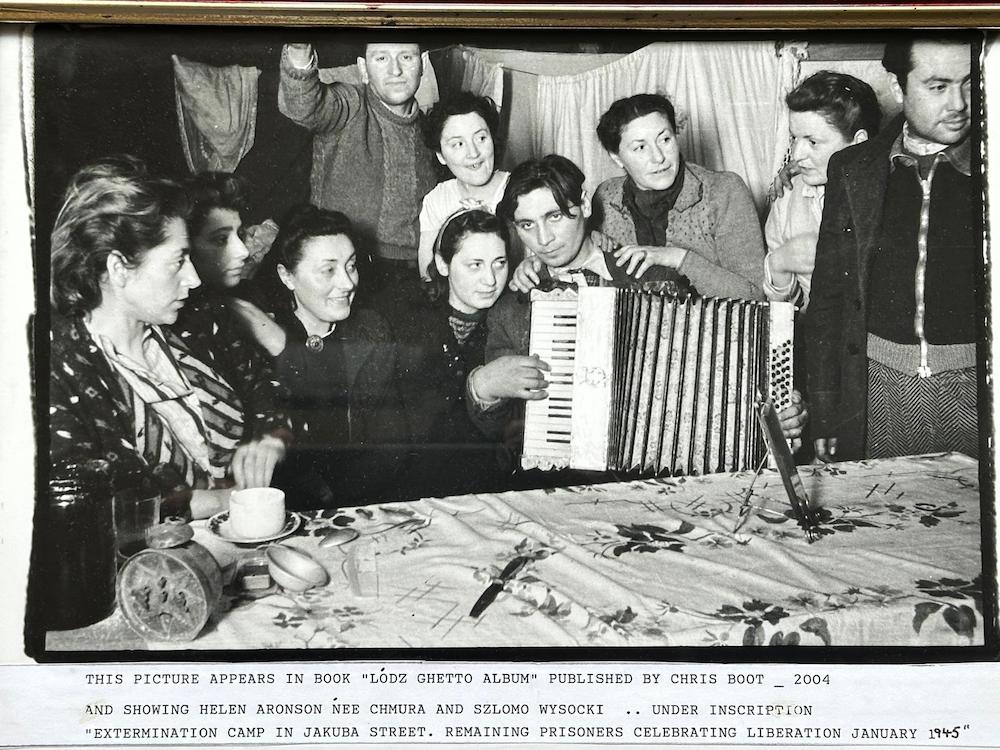
HA: Lodz Ghetto survivors in the book "Lodz Ghetto Album by Chris Boot 2004)
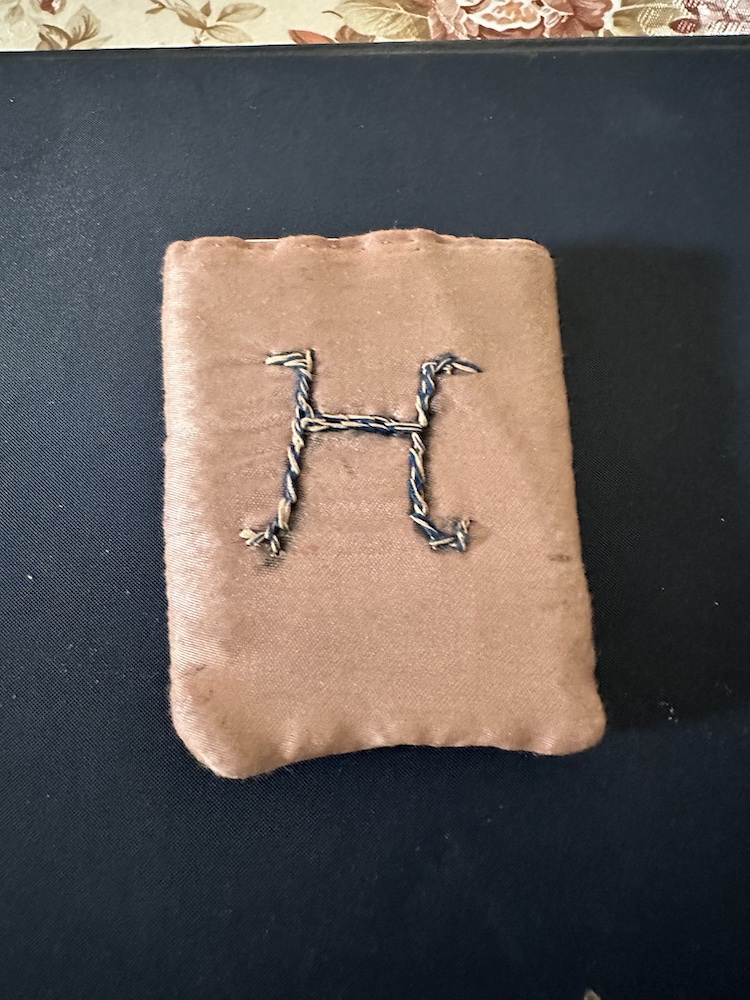
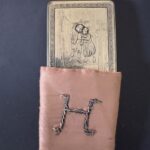
HA: Case for her powder compact
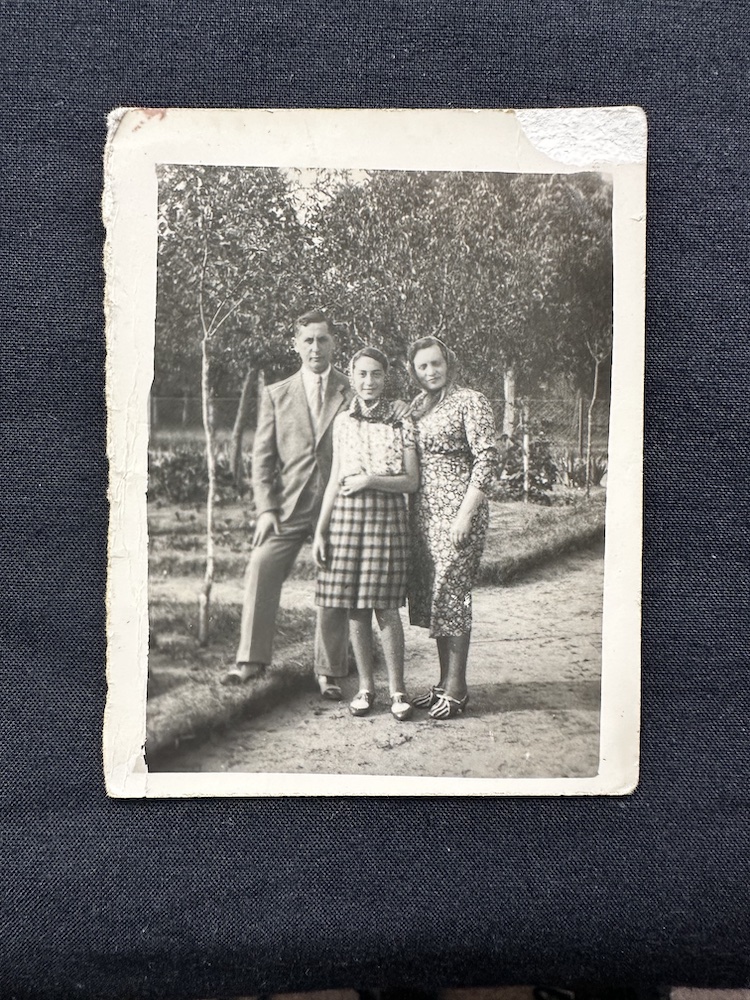
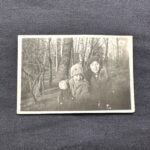
HA: "This picture was taken 1939
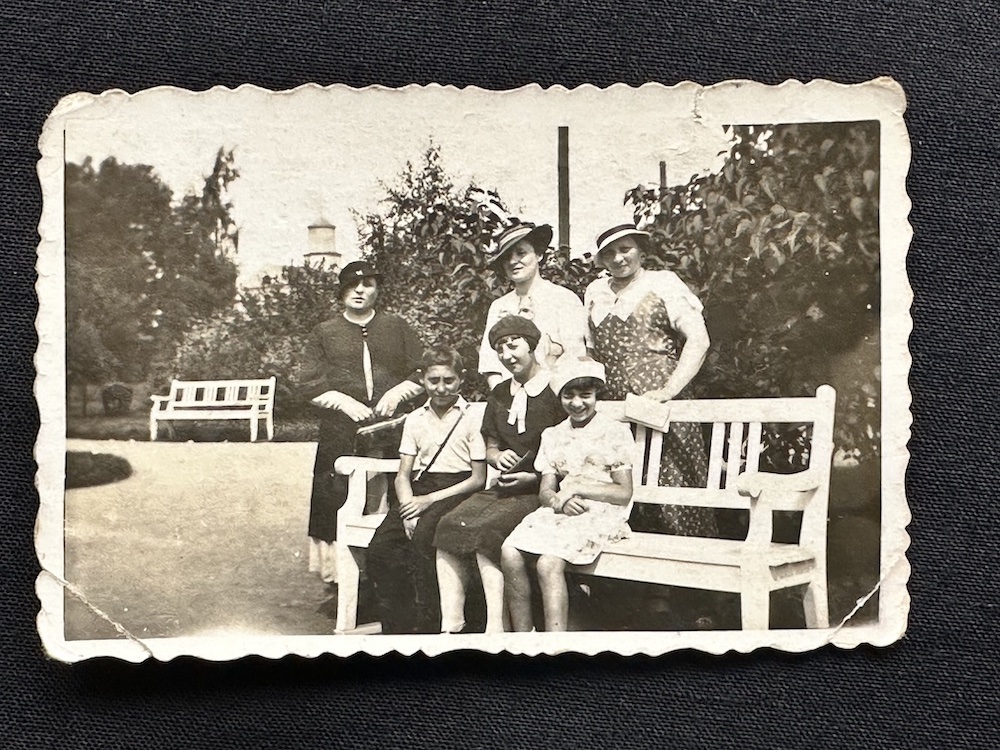
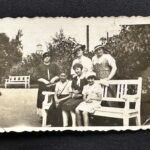
HA: With members of the extended family in a park in Pabianice
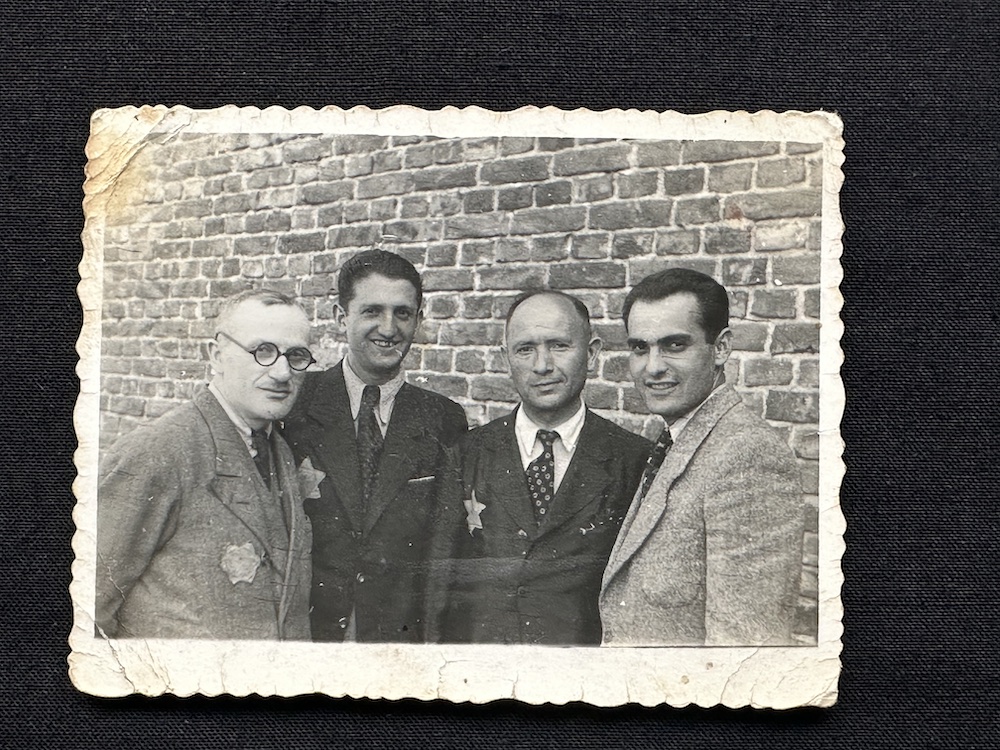
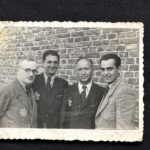
HA: "These four people were actually manufacturers before the war of confectionery and sweets."
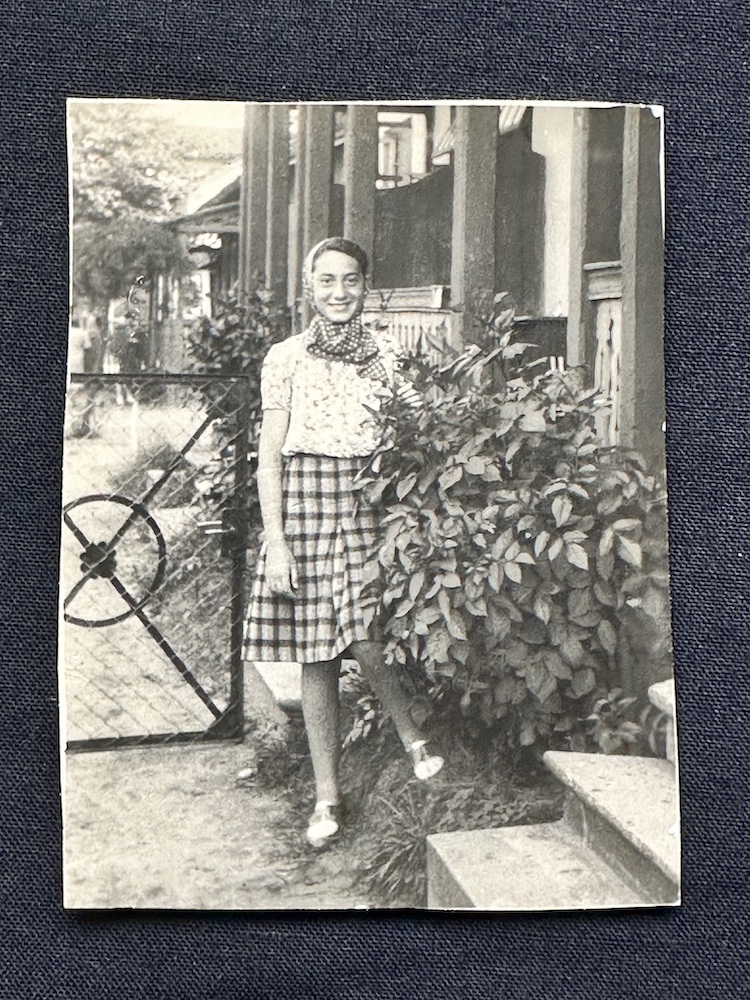
HA: Helen during a holiday in Ciechocinek
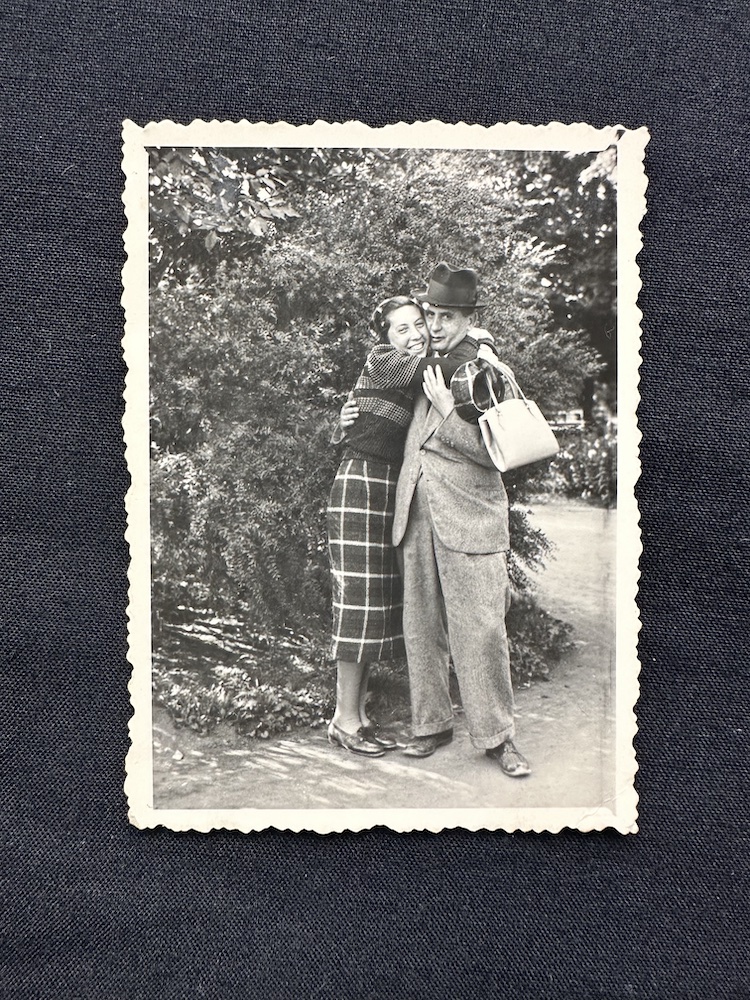
HA: "it’s my father and my sister before she went to Palestine to agronomical school [1937]. And this is the time when they said goodbye to each other
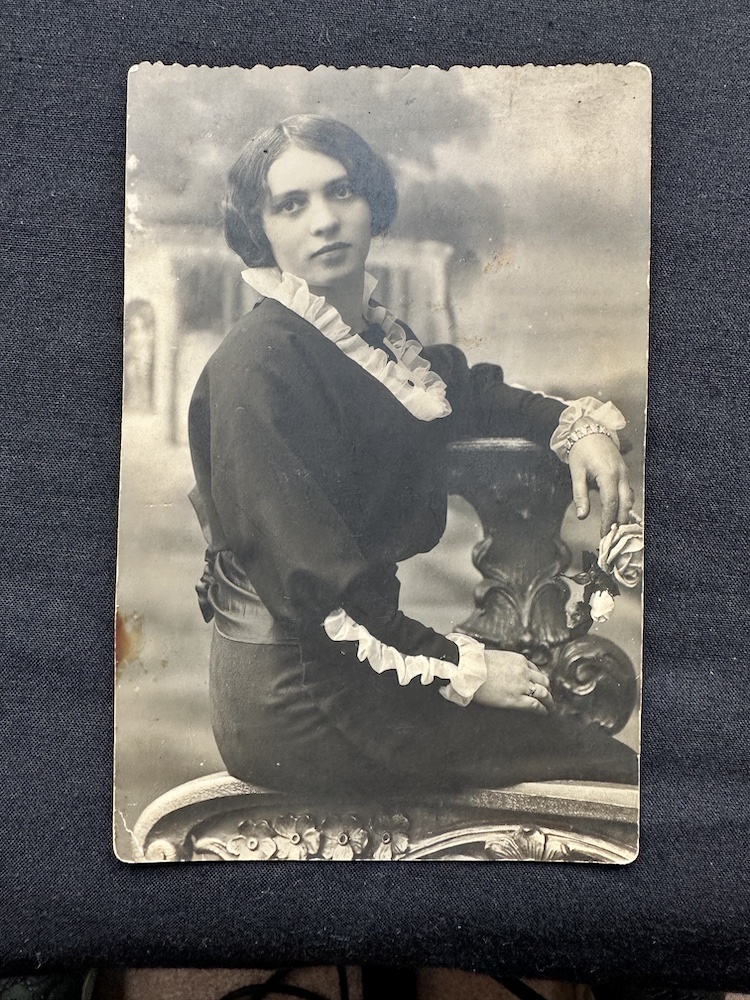
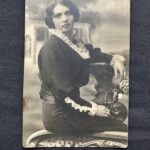
HA: Her mother
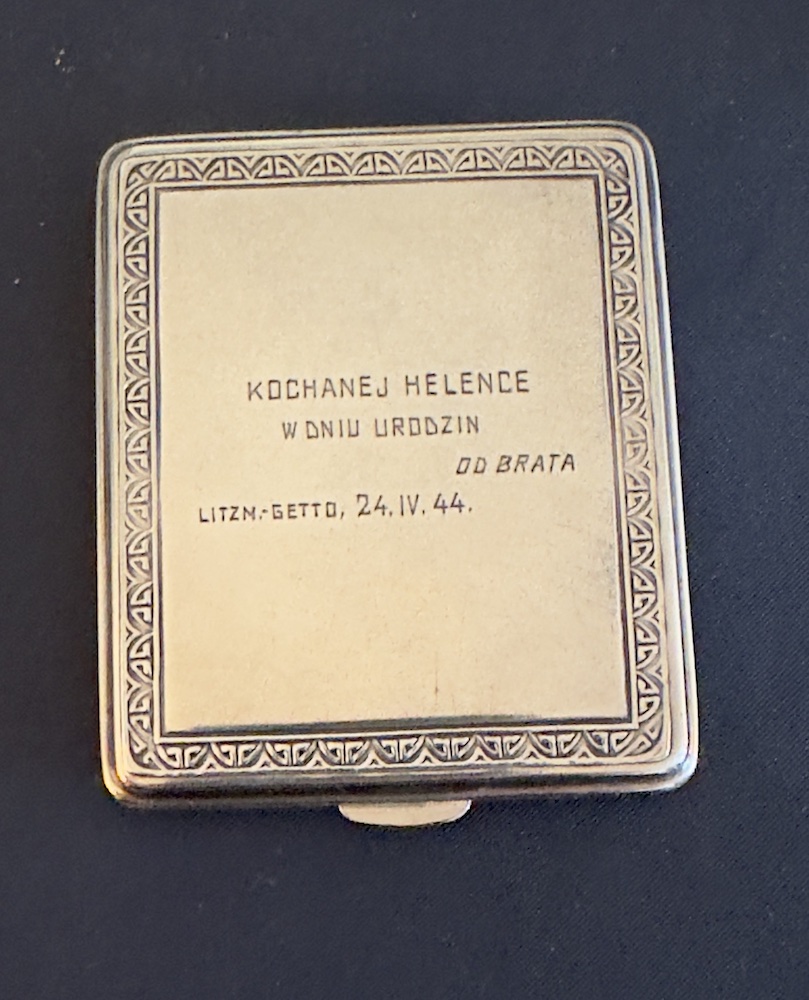
HA: Back of the powder compact: "the inscription is in Polish
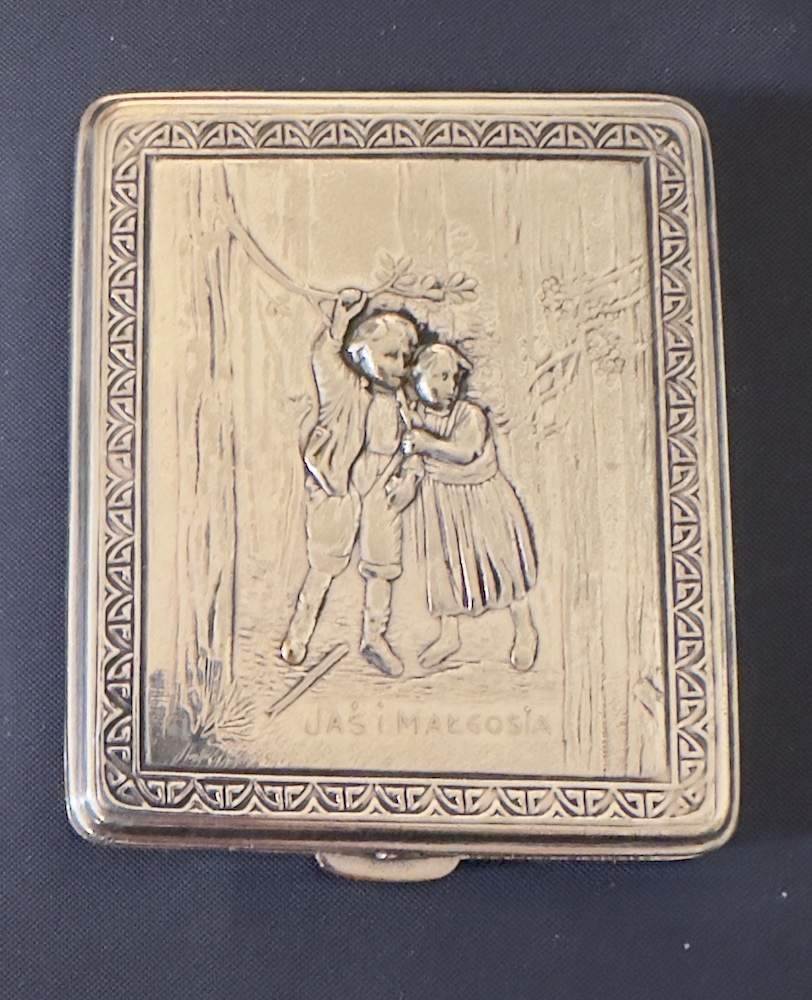
HA:"My most prized possession in my life. It’s a powder compact which was given to me by my brother
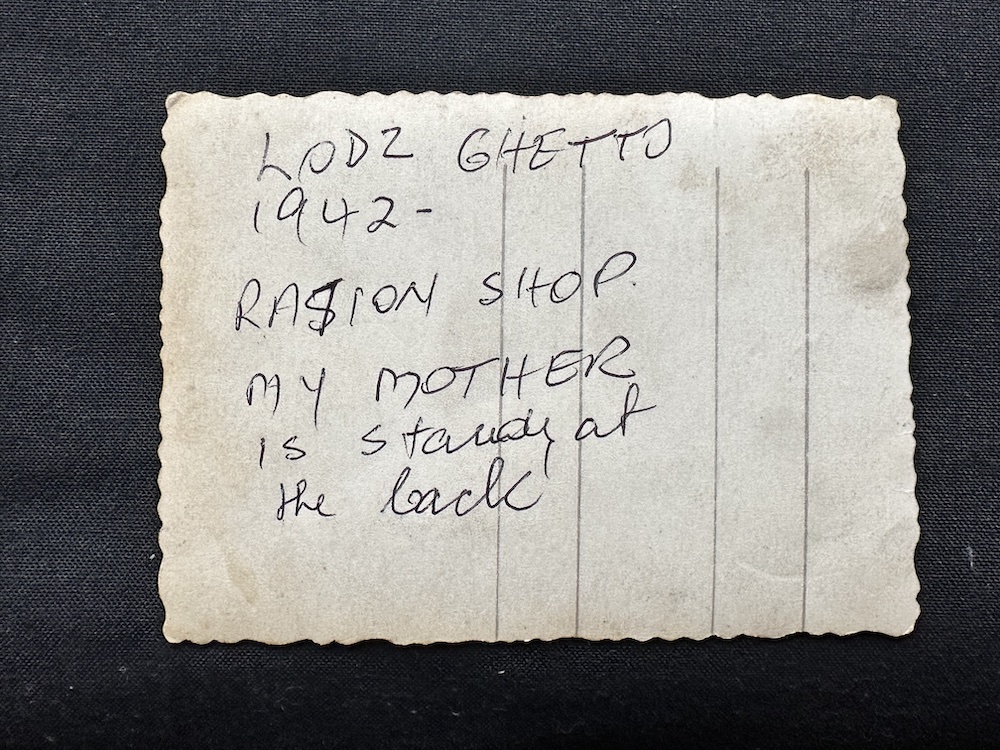
HA: Back of the photo of the shop in Lodz Ghetto with Helen's mother
Helen Aronson
Born: 1927
Place of Birth: Pabianice
Arrived in Britain: 01/09/1946
Interview Summary
Date of interview: 24/07/2024
Helen Aronson was born Helen Chmura in April 1927 in Pabianice, Poland. She remembers a happy childhood with her siblings Marilla and Henry. Her father Mordechai Chmura, an accountant in a silk factory, was the chairman of the Zionist movement, her mother Frania née Katz was at home with the children.
Her sister emigrated to Palestine in 1937, but the rest of the family remained in Poland. Shortly after World War Two started, Pabianice was invaded by the Nazis. Helen was 12 years old and recalls the burning of synagogues and suddenly having to wear a yellow star.
In February 1940, Helen and her family were forced to leave their home and move into Pabianice’s ghetto, a small, overcrowded area of the city designed to keep Jews separate from non-Jews. Life was difficult in the ghetto, with terrible conditions and severe restrictions. They lived this way until May 1942, when the Pabianice ghetto was ‘liquidated’. Helen and her family were told to assemble for medical examinations at a local football stadium. Along with everyone else from the ghetto, they were separated into groups depending on who was deemed fit to work. She remembers people around her were crying and shouting. Helen was holding on tightly to her brother and my mother, and they were categorised as able to work, but separated from her father. At some point in the early hours, trains arrived and they were shoved into them. Helen, her mother and brother were taken to Łódź Ghetto where living conditions were dire. But her father knew Chaim Rumkowski, the head of the Jewish Council of Elders in the Łódź Ghetto, who helped them with accommodation and ration cards. He also found Helen work in an orphanage and later in a factory making sweets.
Her brother developed typhoid and Helen visited him to bring him food. Suddenly, the Germans decided to evacuate the hospital while he was there and he hid in a chimney for hours. Helen also cleaned the offices of German officials such as Hans Biebow, the chief of German Nazi administration of the Łódź Ghetto. By May 1944, Łódź was the last remaining ghetto in Poland, when the Nazis decided to deport all but couple of hundred Jews in Łódź to extermination camps to be murdered. Helen, her mother and Henry were not deported, as they part of a group which was supposed to “clean up the ghetto”. They sorted the belongings of the deportees and piled them up in the streets for the German lorries to pick them up. They knew that the Germans planned to kill the remaining Jews before their retreat from Łódź.
So, one day in January 1945, after hearing about the advance of the Russian army on a radio, Helen, her family and others hid in an underground room in an abandoned building with what little food they had. One day they heard noise above. Her mother who spoke Russian, realised that they could come out of their hiding and that the war was over for them because the Red Army had come to liberate them.
Helen and her family didn’t know what had happened to Helen’s father, Mordechai, until after the war, when they discovered he had volunteered to accompany a group of young children separated from their parents in Pabianice. He and the children he comforted were loaded into lorries and driven to Chełmno, where they were murdered.
After the war, Helen and her family couldn’t go back to live in Pabianice. Their house was burnt down and all the people they had known were dead or gone. So, Helen decided to follow her uncle’s invitation to come to London. Her mother left for Israel to live with her oldest daughter in a kibbutz. Henry, Helen’s brother emigrated to Australia. Settling into life in England was difficult, and learning English was a struggle. Then she met her husband and they got married in 1946 and their first daughter Ann was born. George worked for the Ministry of Defence and Helen had various administrative roles until George’s work, on meteorological Stations in West Africa, took them to Nigeria. As a member of the Jewish community there, she met Golda Meir, then Israeli Foreign Minister, on a state visit. Back in London, her second daughter Monika was born. Life went on and she never spoke about her past as it was difficult for people to understand, and lots of people didn’t believe it.
Helen began to share her story with schools and local groups after she recorded testimony with the USC Shoah Foundation in the mid-nineties. Since then, she has dedicated her time to her community, volunteering at a local charity shop and sharing her testimony across the UK.
Keywords: Chmura. Katz. Pabianice. Poland. Pabianice Ghetto. Lodz Ghetto. Chaim Rumkowski. Hans Biebow. Liberation. Henryk Ross. London. Lagos. Nigeria. Golda Meir. Mo’ezet Ha-Po’a lot. Israel. Kibbutz Usha.