



Jack Cynamon
JC: 2024
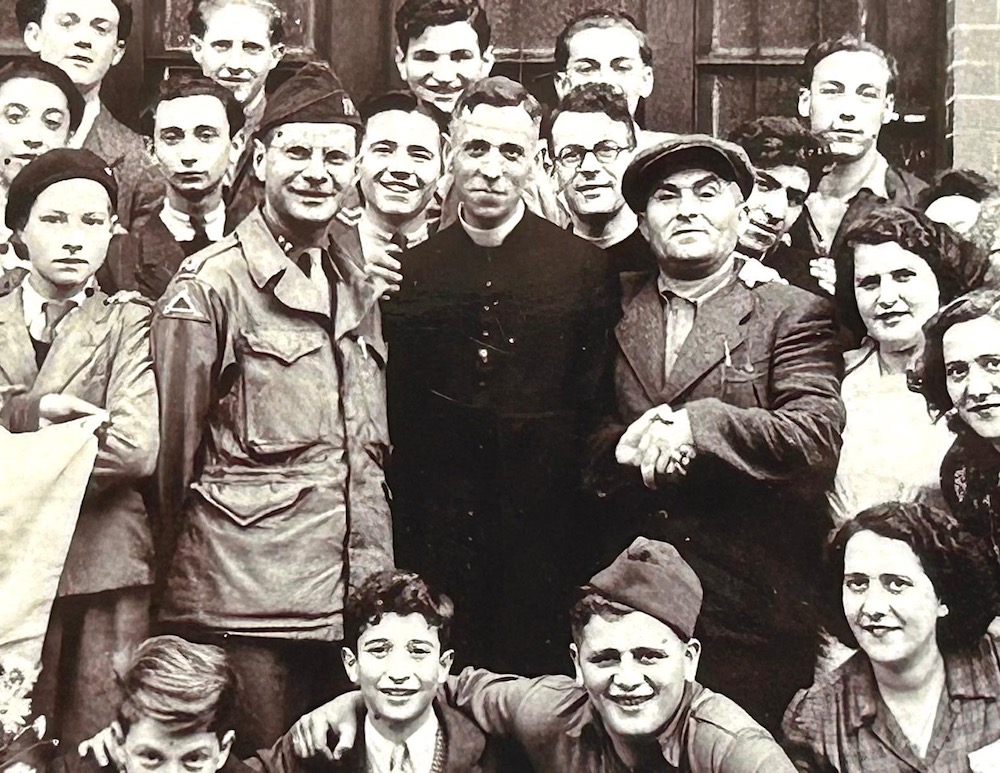
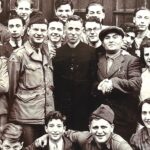
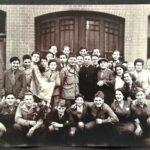
JC: "This is a photograph of Father André with many of the children that he rescued in 1945. Unfortunately
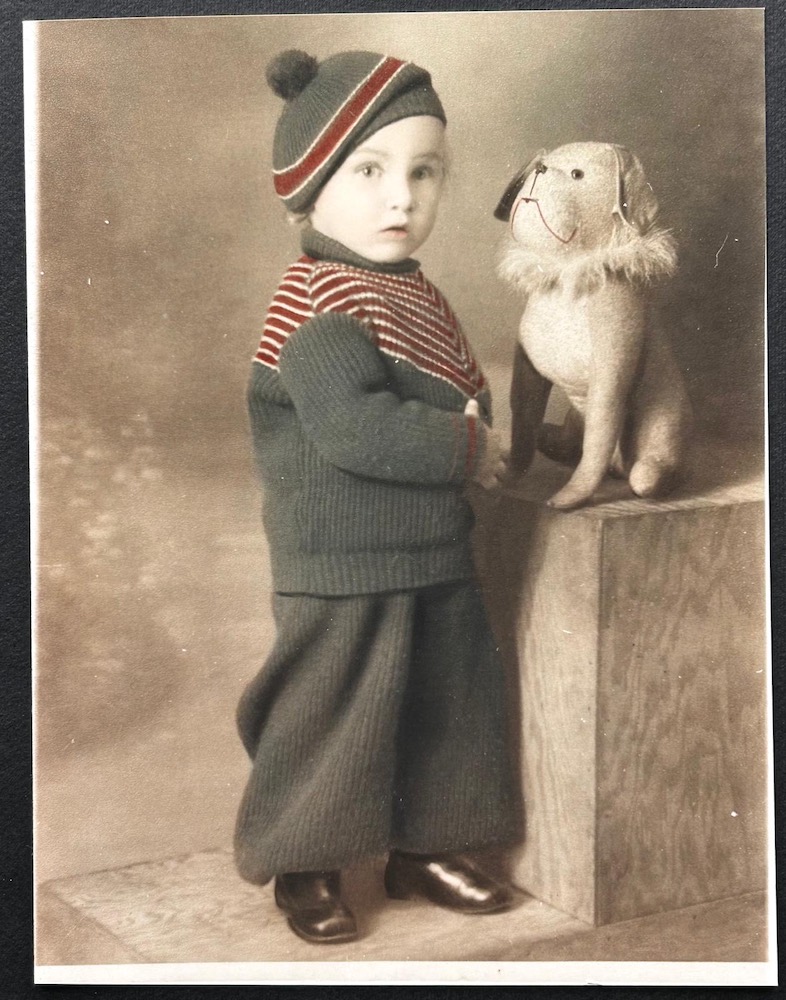
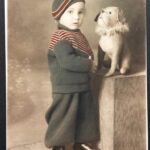
JC: Jack as a two-year-old in Belgium in 1936
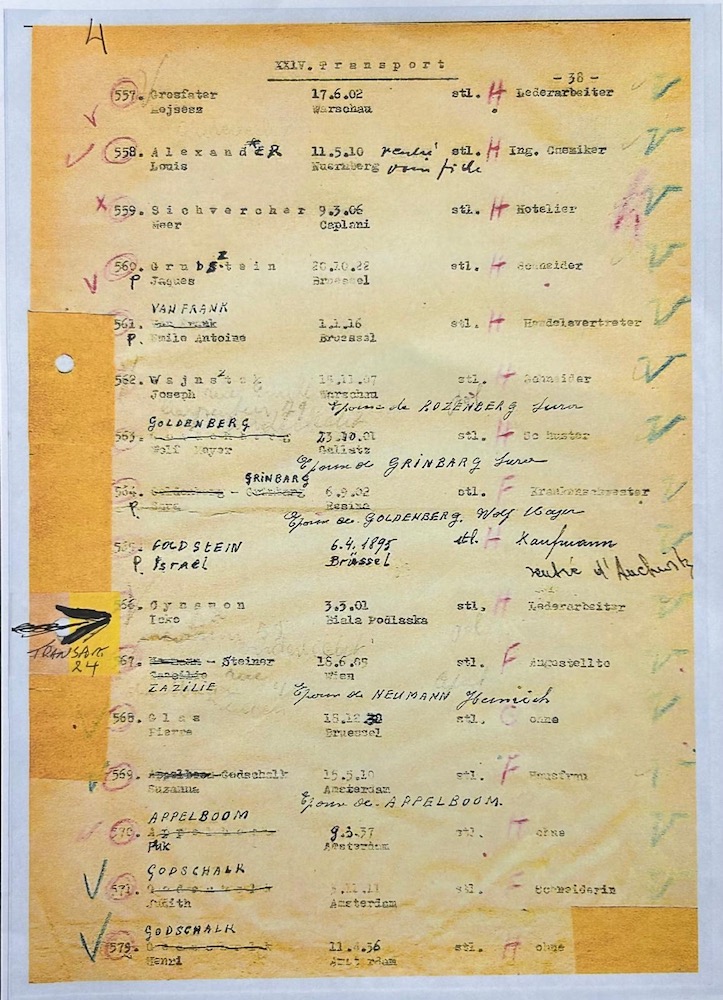
JC:This is Convoy 24
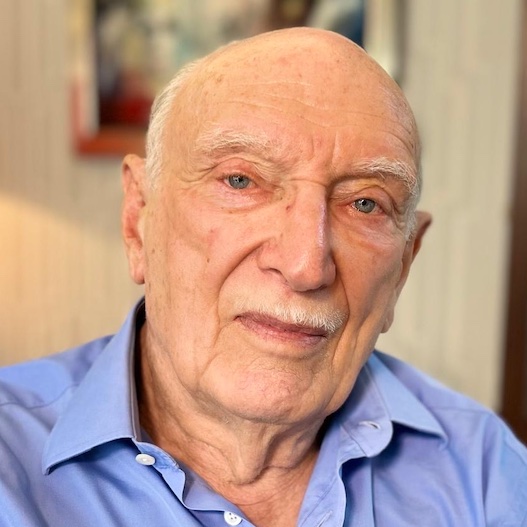
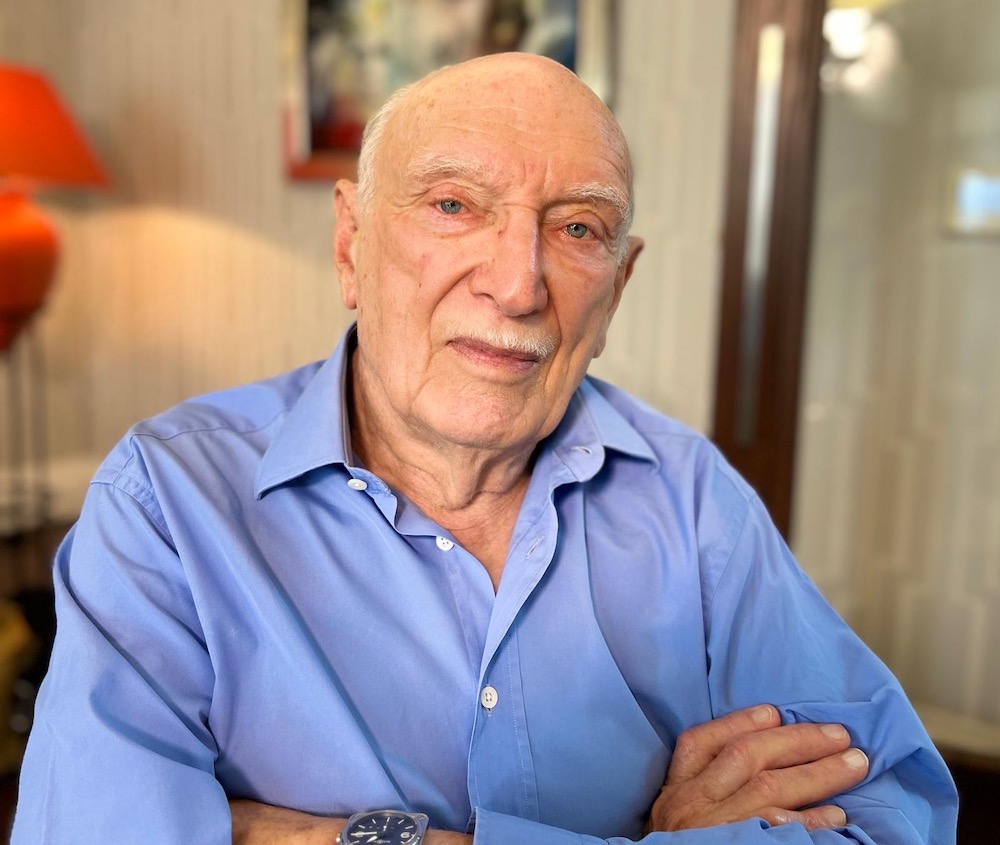
JC: 2024

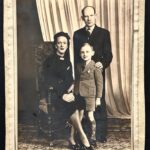
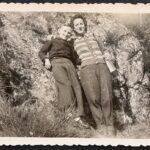
JC: With his parents in Belgium in 1939
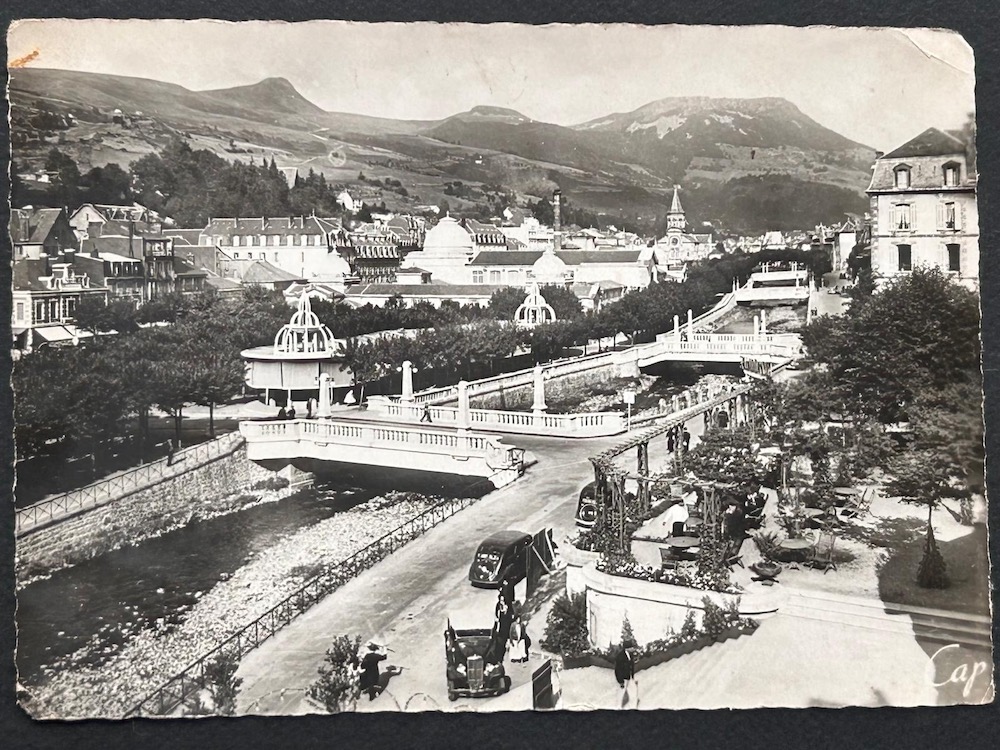
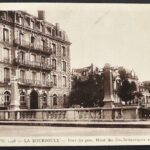
JC: La Bourboule in the Massif Central
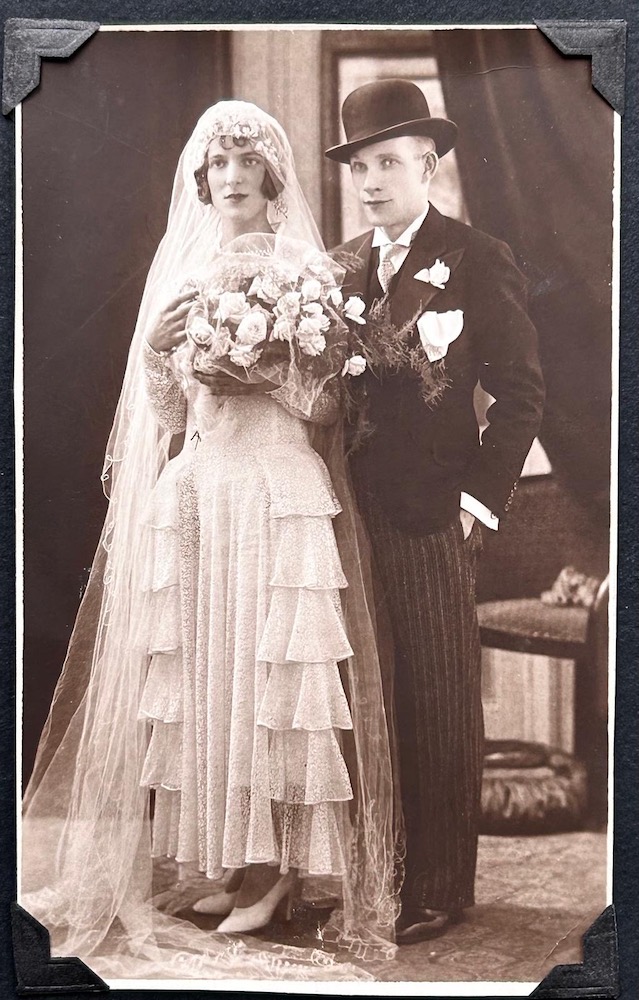
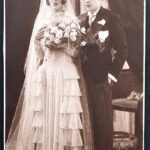
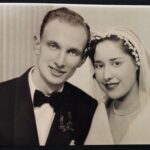
JC: Parents's wedding in 1930 in Belgium
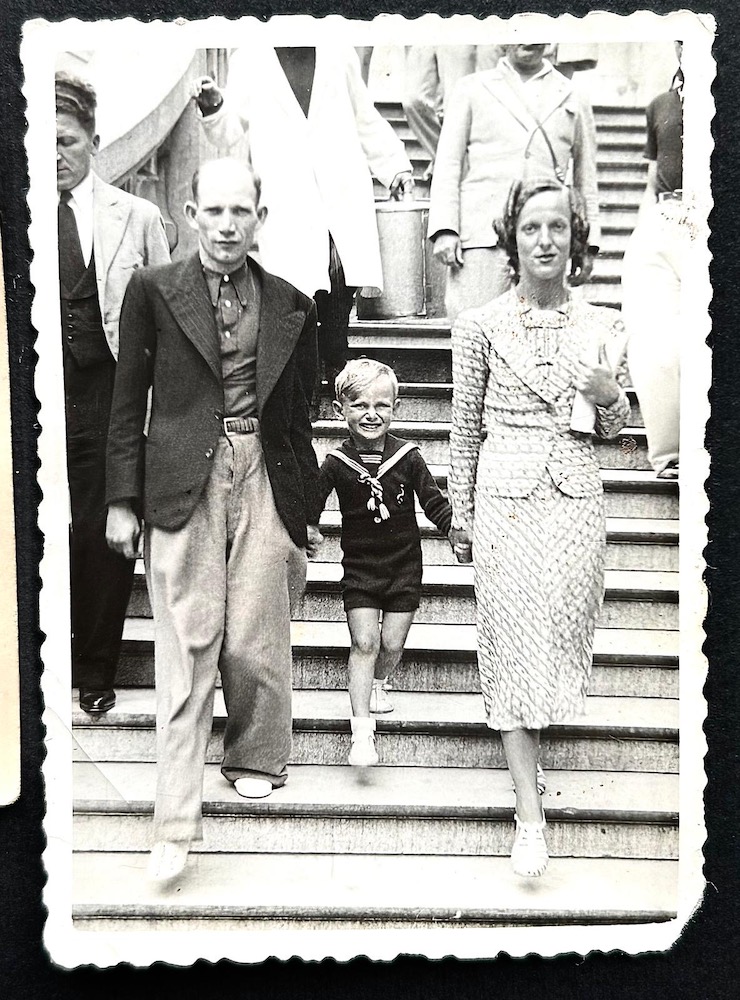
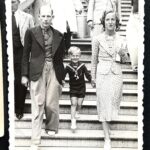
JC: Jack with his parents in Blankenberge

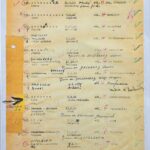
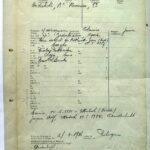
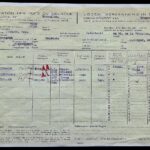
JC: "This is a document where my father

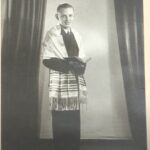
JC: Bar mitzvah in England
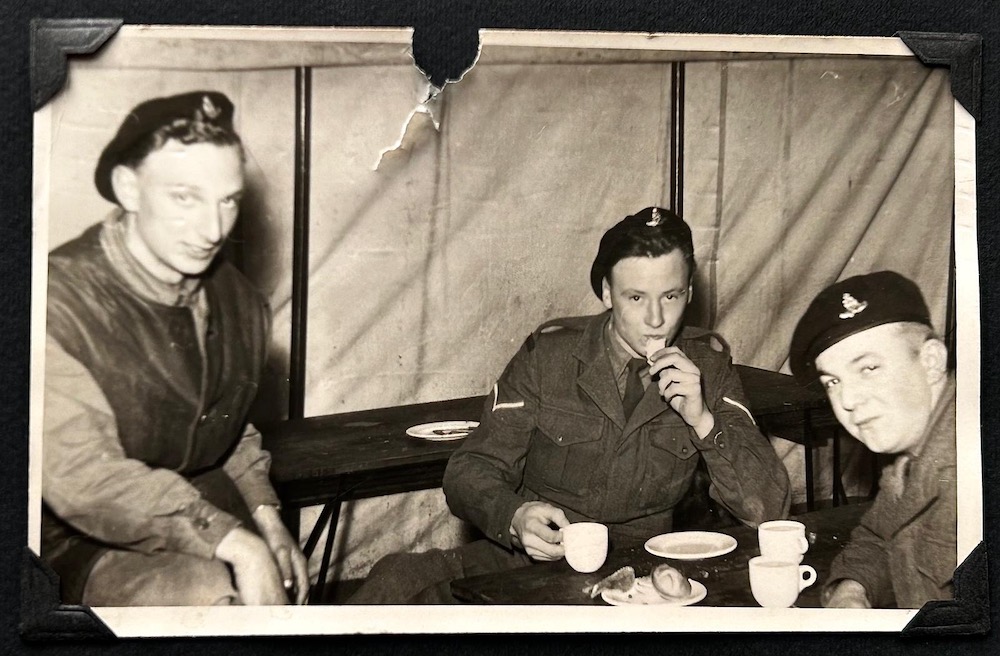
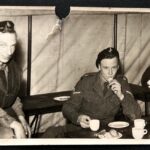
JC: With his buddies from the Royal Artillery at Saighton Camp in Chester

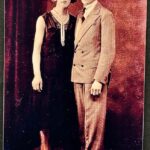
JC: Parents in Belgium in the 1930s
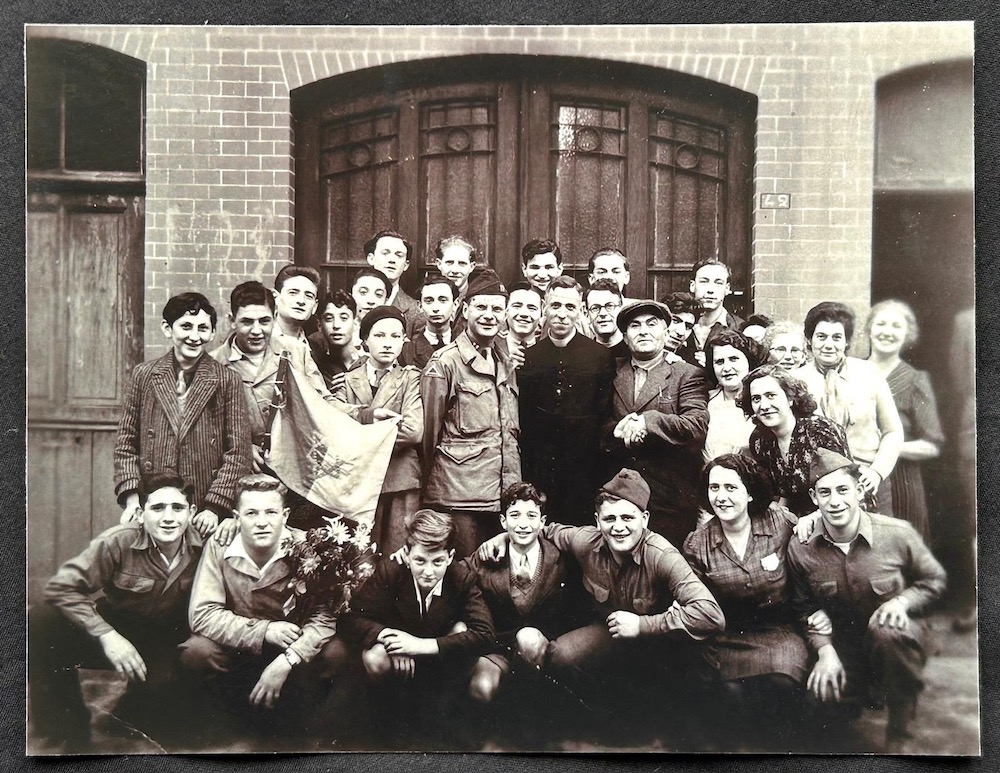
JC: "This is a photograph of Father André with many of the children that he rescued in 1945. Unfortunately
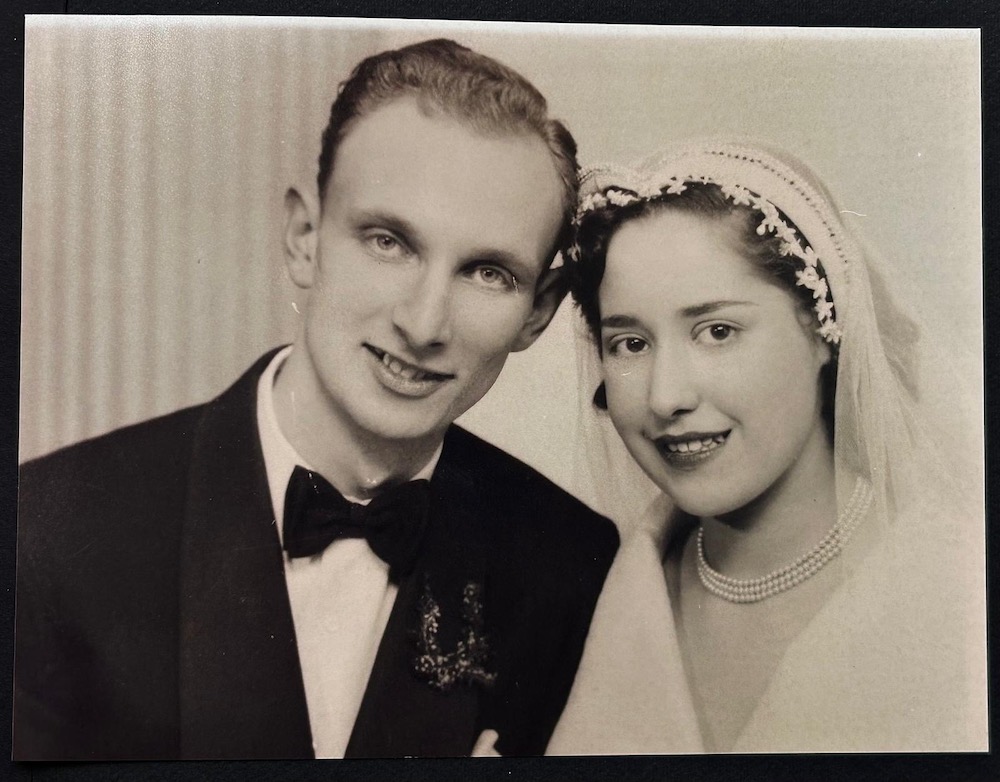
JC: "3rd of March 1955
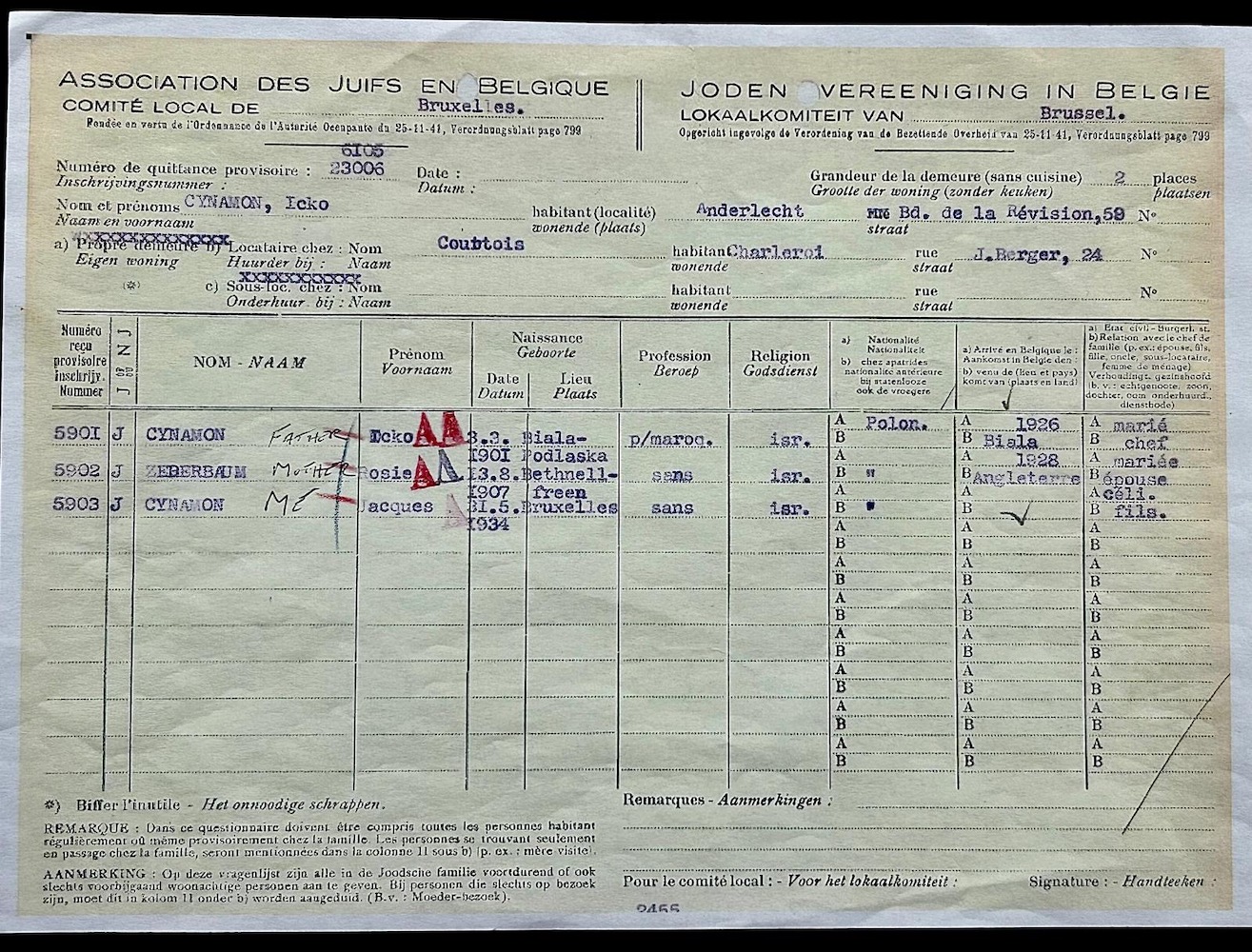
JC: "This is another registrar [ph] where we have to go to the town hall and register as Jews
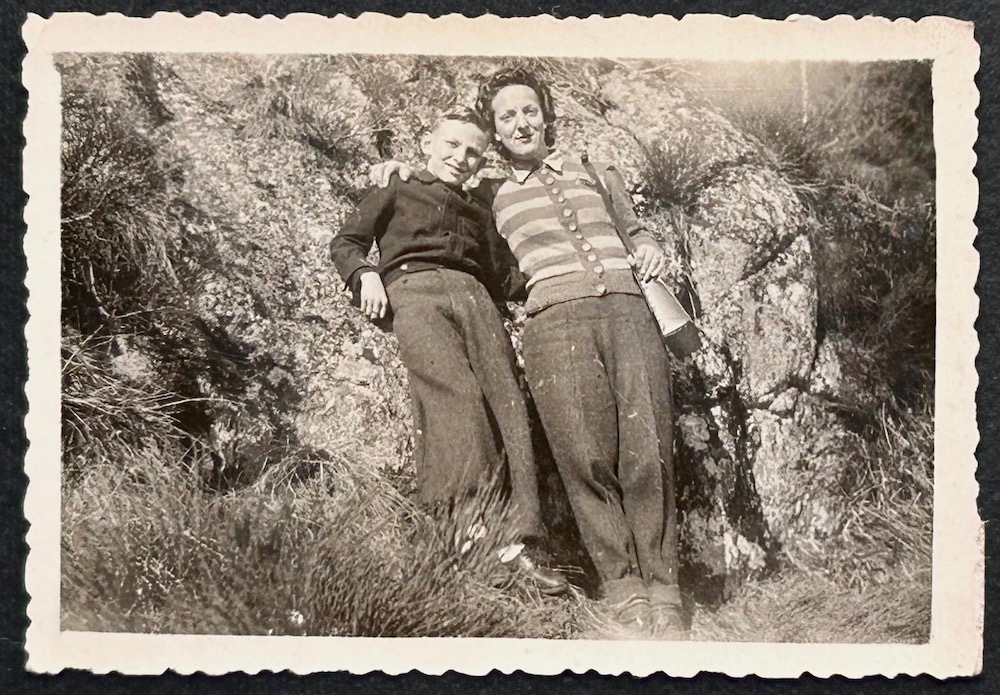
JC: Reunited in La Bourboule in 1945
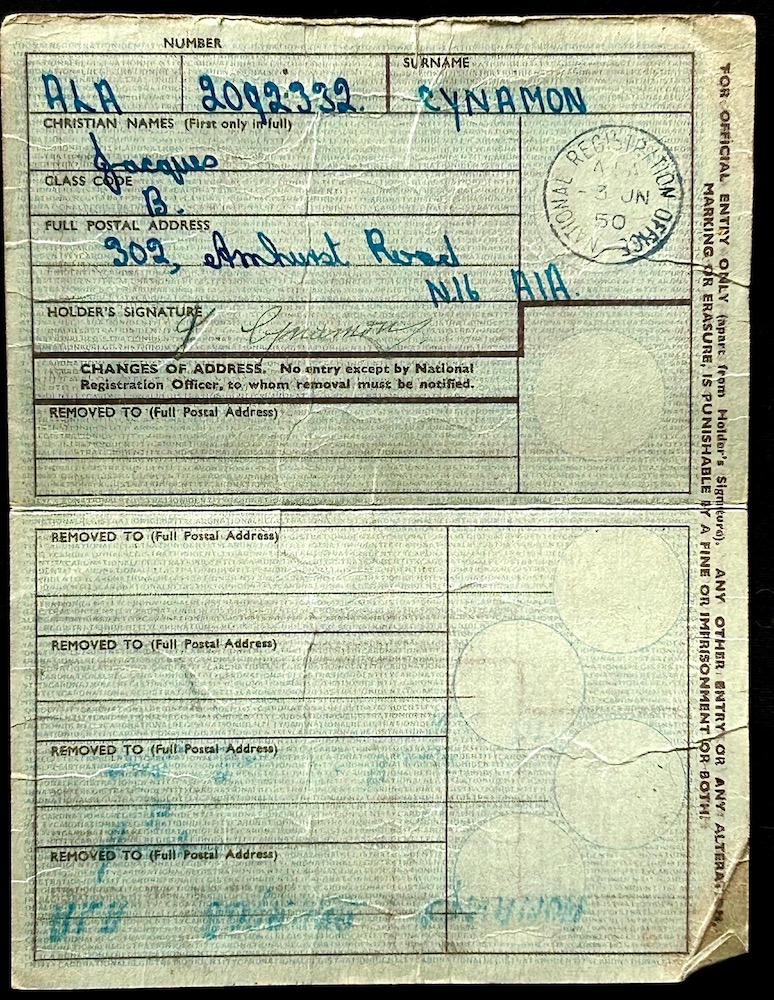
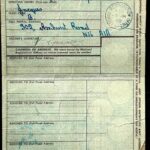
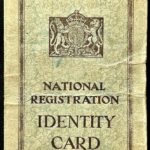
JC: "My identity card
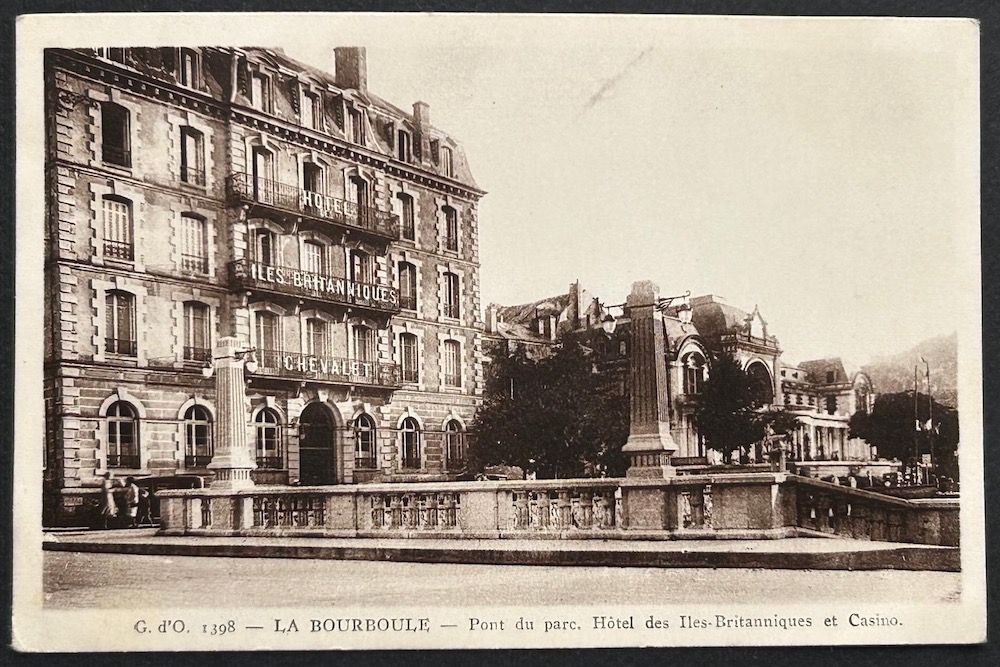
JC: Hotel des Iles Britanniques in La Bourboule where his mother was interned with other British and US citizens

JC: "This is my identity card issued to me under the name of Jacques Cynamon in 1945 when I came into the country on the 2nd of August 1945. "

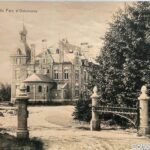
JC: "This must be around 1943. It’s obviously one of the places where I was hidden with many other children." Une entrée du Parc d’Ostemerée.
Jack Cynamon
Born: 1934
Place of Birth: Brussels
Arrived in Britain: 01/08/1945
Interview Summary
Date of interview: 12/07/2024
Jack Cynamon was born Jacques Cynamon on May 31, 1934 in Brussels Belgium. His father, Icko (1901) was originally from Poland (Biela Podlaska) and had emigrated to Belgium because he didn’t want to enlist in the Russian army. Apparently Russian authorities cut off his thumb when he refused to join up. Jacques’ mother, Rosie Zederbaum was from London and she and her parents had come over to Belgium for health reasons. Jack’s early life in Brussels was unremarkable, his father had a leather goods business and his mother was a milliner. They lived in a house in the centre of Brussels.
Jack’s earliest memory is the German parachutes coming down from the planes in May 1940 and the shooting. Once war started in 1940, the family tried to escape on one of the last trains out of Belgium. They were part of the ‘Grande Exode’. For days they travelled on a train and wherever they stopped people gave food and drink. They ended up in the Pyrenees in France. They returned to Belgium because life seemed to be going on as normal at the beginning of the German occupation of Belgium.
As time went on, anti Jewish legislation went from bad to worse and the family tried unsuccessfully to escape to Spain and Switzerland, but were betrayed at the border and both times had to return to Brussels. In 1942 they decided to go into hiding with the help of the Comite de Defence Juif and one of Icko’s former employees. The family were initially all together in a loft, but it was decided that it was too dangerous to contain an 8 year old boy. Jack remembers the last time he was with his father, walking hand in hand and being handed over to a priest, Father Joseph Andre, who was actively rescuing hundreds of Jewish children. Jack was taken to a convent with other boys and enjoyed life as a choir boy. He has positive memories of his time there. He was in Namur and Serville. He took on the last name of the employee of his father and became Jacques Cnudde.
His parents continued life in hiding together for two years until 1944, when they were found during a house to house search in the street they were hiding. Icko was sent to Mechelen/Maline transit camp and taken from there on the last transport to Auschwitz (1944) where he was murdered. Because Rosie was British she was handed over to the Red Cross and sent to La Bourboule, (Massif Central in France) and stayed in a requisitioned hotel with other nationalities, looked after by the Red Cross. Jack was still in Belgium and had to be evacuated back to Brussels when the Battle of the Bulge was raging.
As soon as France was liberated Rosie made her way back to Brussels, and found Jack, who didn’t remember her and wanted to stay in the convent.They returned to La Bourboule, where Jack had a wonderful time, the location and care was fantastic. From there they went to London via Newhaven and lived first with Rosie’s parents and then found simple lodgings in Stoke Newington.
Although the family were not practising Jews, a promise made to Icko, who was religious, meant that Jack had his bar mitzvah. Jack went to a local mixed secondary school, and after finishing school worked in the leather goods trade went into the army for 2 years and became a salesman before striking out on his own with a partner. Jack’s relationship with his mother was difficult, though he was a dutiful son. Rosie remarried but Jack and her second husband clashed and this impacted the relationship further.
He met and married Norma in 1955 and together they had two children, Debbie and Paul. Debbie sadly died aged 35, of Leukaemia. They have three grandchildren and 1 great-grandchild.
It took Jack 60 years to face his past, he has very little recollections and went on a fact finding mission because another survivor he knew pointed him towards a hidden child convention taking place in the Netherlands. That is where he enquired and found out more about who hid him and what happened to him. Jack lost 13 members of his Belgium family during the Holocaust. During the interview his wife Norma was present, in the background, Jack says she has been his rock and is very supportive. Jack speaks in schools as a Holocaust educator and has a prepared talk, which he reads out at the end of the interview.
Keywords: Belgium/Brussels, Spain, Switzerland, Comite de Defense Juif, hiding, Joseph Andre, convents, Namur, Seville, La Bourboule, Mechelen/Maline transit camp, Battle of the Bulge, London, Stoke Newington, Barnet
Place of Birth
in '42 things started to get really tough. We all had to start wearing a Star of David. We were registered as Jews. My mother & father decided to try & escape. First they tried to get to Spain. hey found a guide, he took them all but at the border he decided to take their money & leave them. Then we came back to Belgium, & then they tried again. They tried a second time to escape to Switzerland & again the guide took their money & left them at the border. "Then things in Belgium became really desperate. They decided to start going to a hiding place. The only way they had currency, my mother had small diamonds & a specially made shoe. She hid the diamonds in the heel of this specially made shoe. Then they went into hiding. "The person that looked after them was a guy by the name of Cnudde. He worked for my father & was able to bring food & the like. He hid them in an attic, I’m not sure where. I was in that attic as well. Then they realised that they could not keep me in an attic. I was 8. I was too – I wanted to run & do things & do what boys do. So one day I remember walking along & we came along to a church & my father said goodbye to me & they left me with a priest, & that was the very last time I saw my father.
Going into hiding in Brussels
My first recollection is aeroplanes in the sky in Brussels. One morning the sky was full of aeroplanes. There must have been 60. We didn't know what to do.
First Memory