
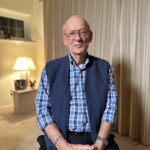
Jacques Weisser BEM
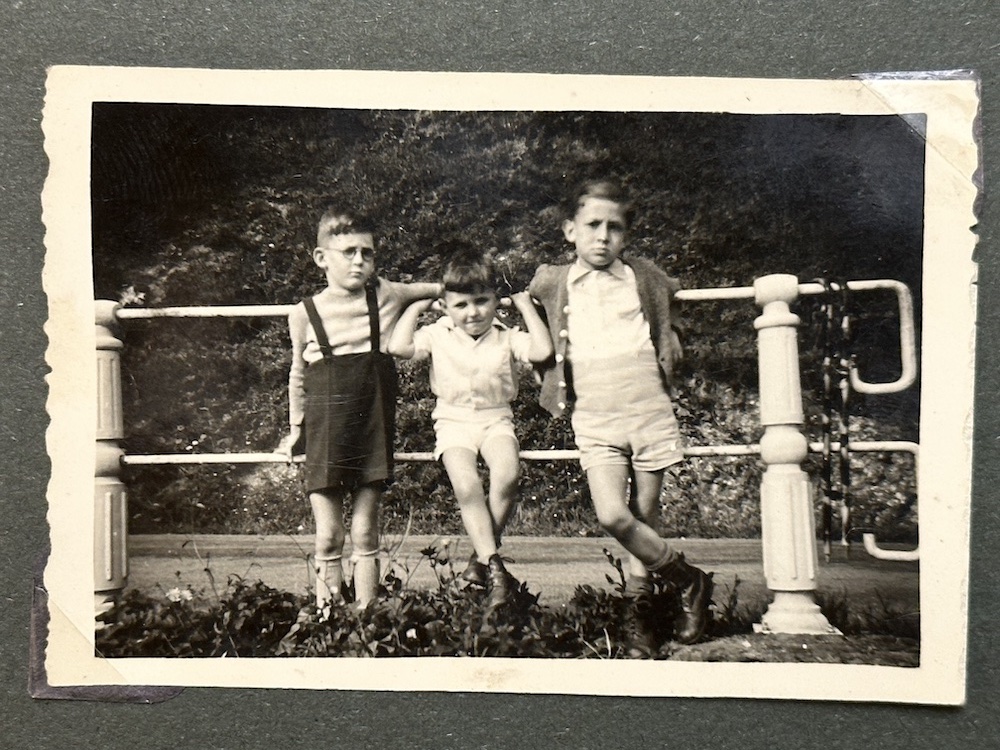
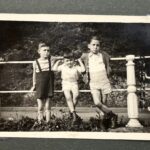
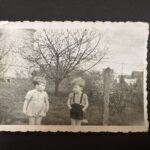
JW: T"aken post-war and it shows my stepbrother
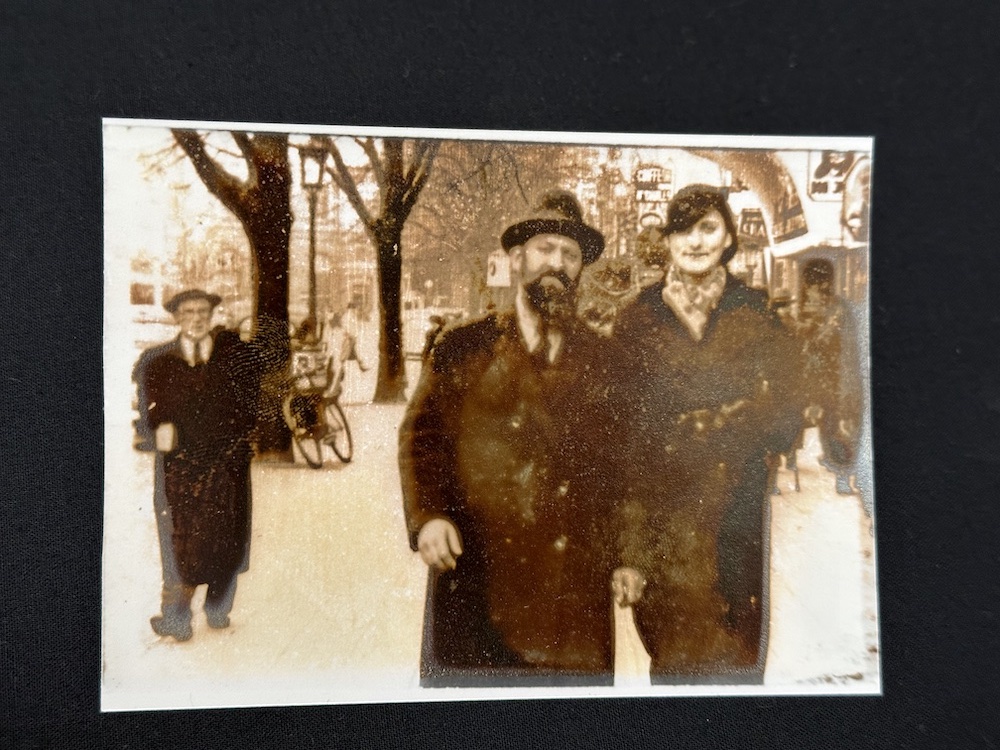
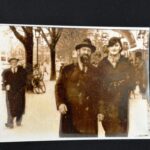
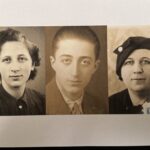
JW: Grandfather Mordechai Weisser with his daughter Hella in Antwerp who both perished in the Holocaust
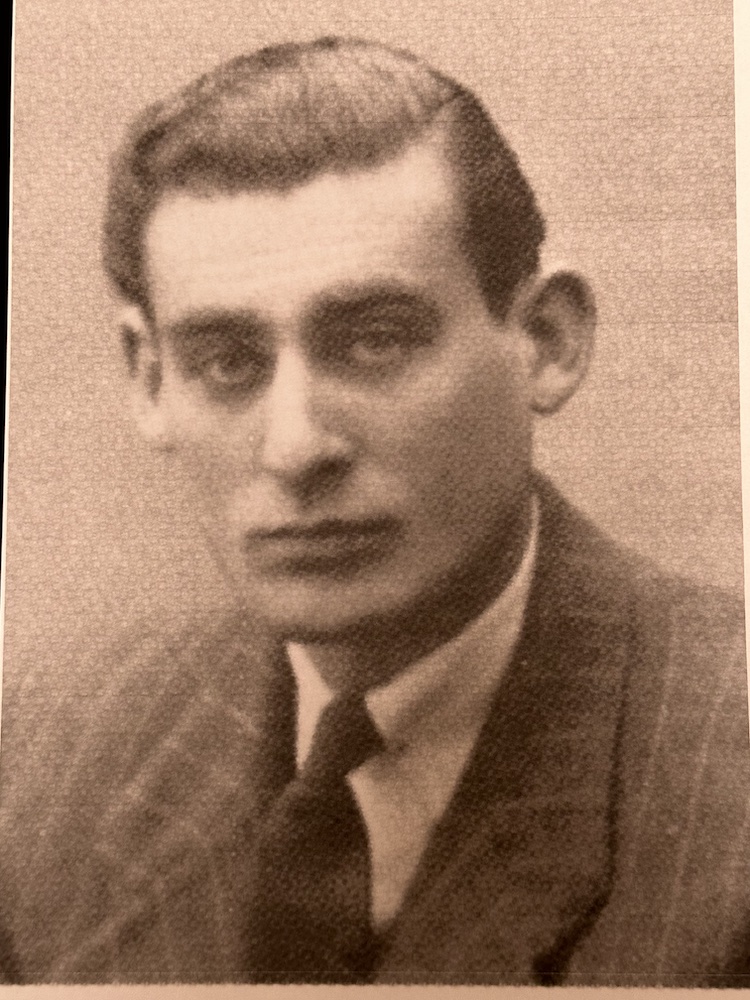
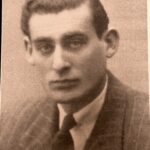
JW: Father
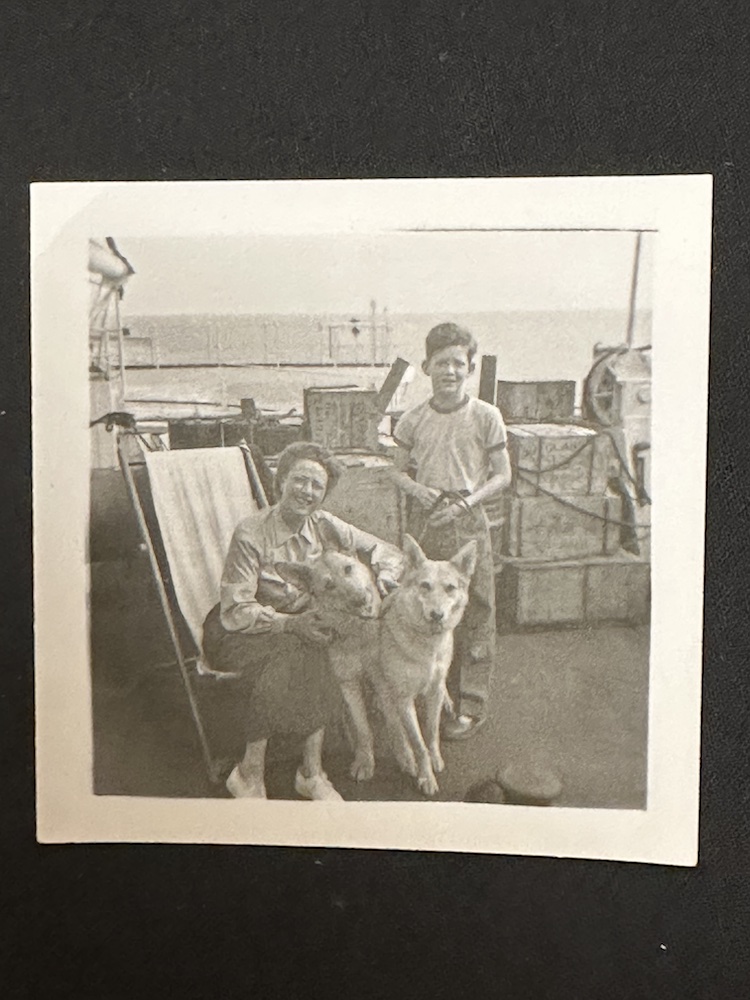
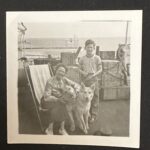
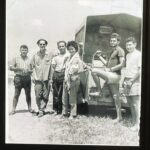
JW: "On the Edinburgh Castle on our way to Cape Town and then Southern Rhodesia with my Auntie Paula in the deckchair and our two Alsatians
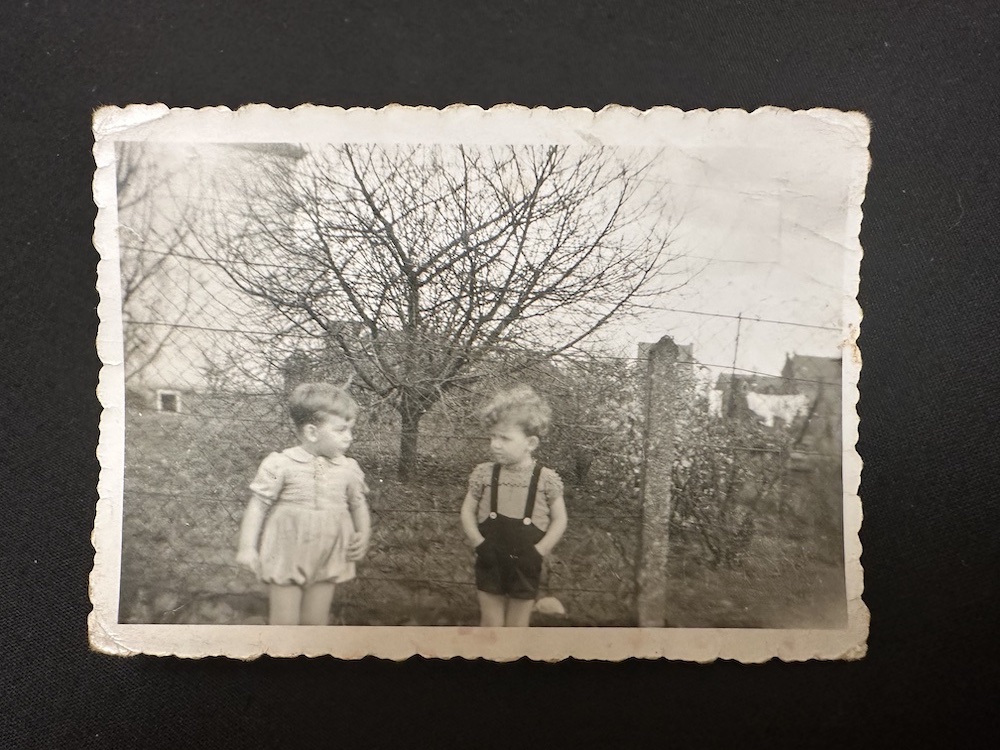
JW: "With Bill
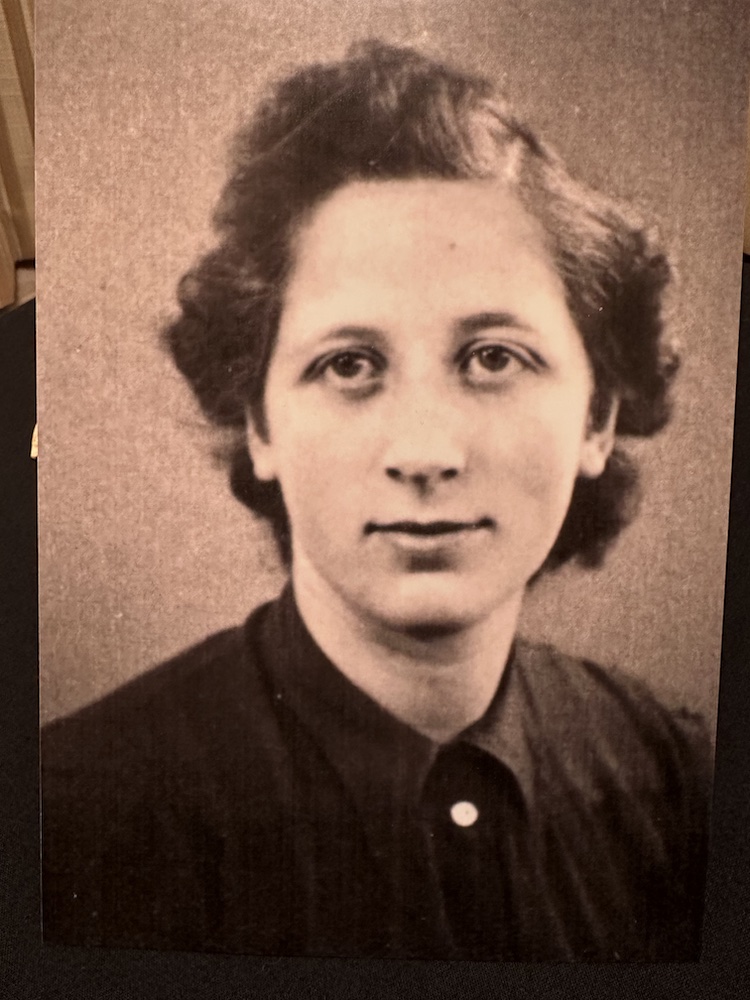
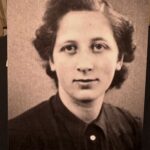
JW: Marthe Weisser
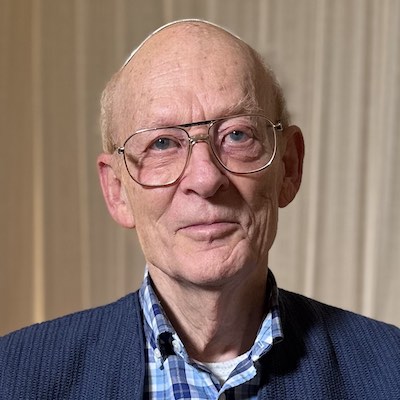
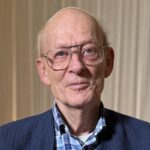
JW: 2023
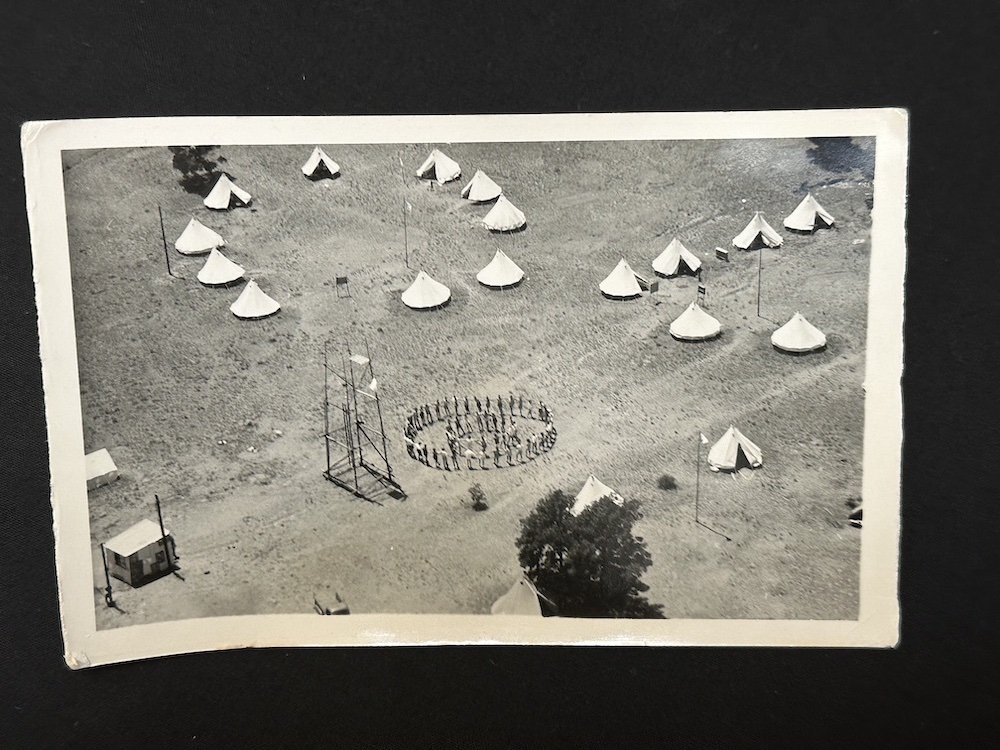
JW: "East London
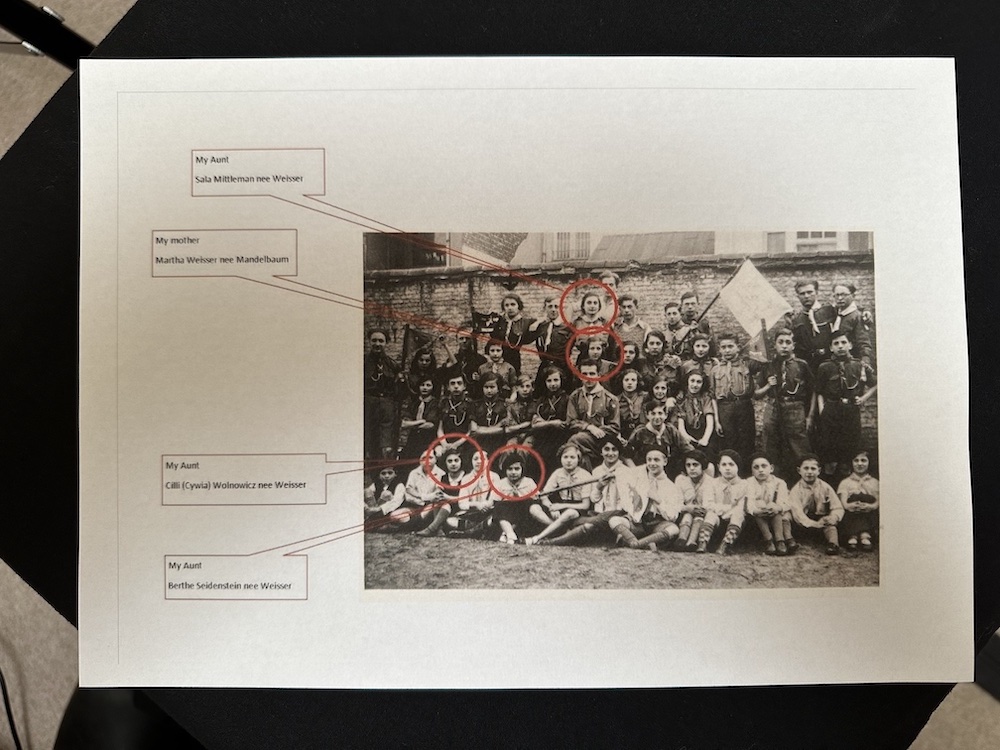
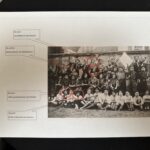
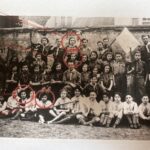
JW: HaNoar HaTzioni Antwerp: circled in the top row Aunt Sala Mittleman née Weisser
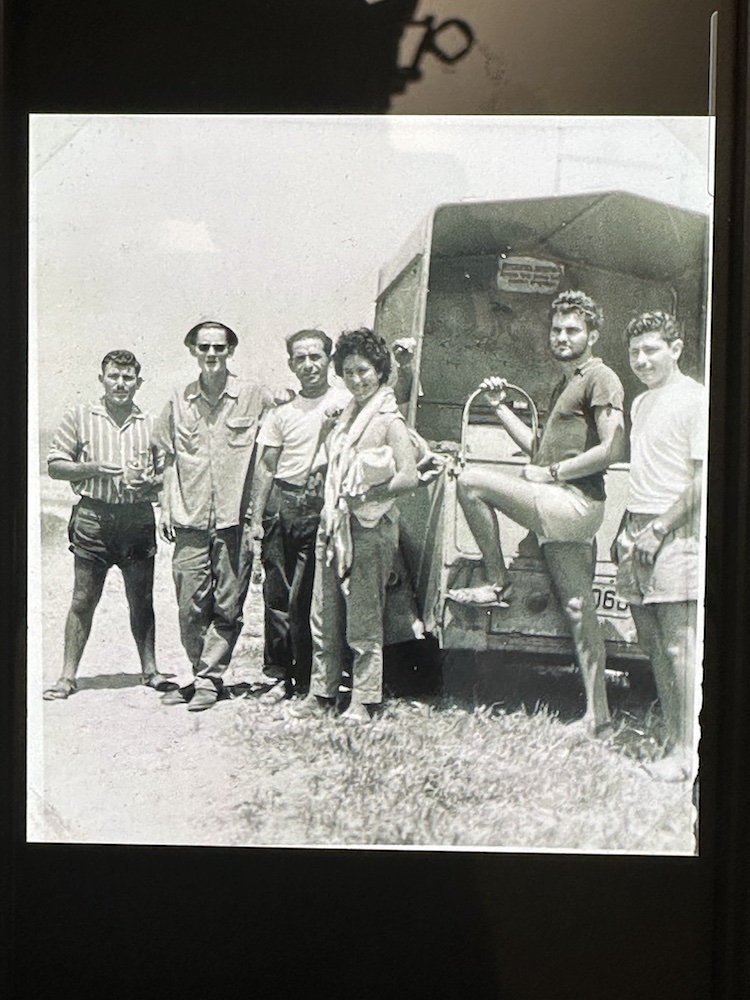
JW: Israel
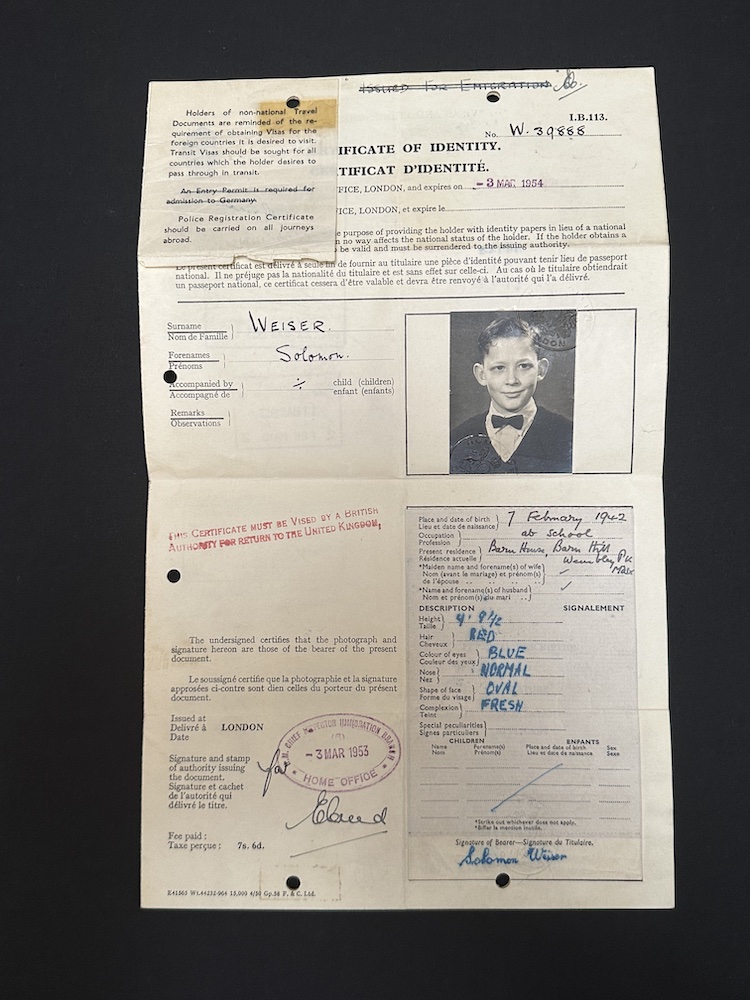
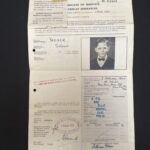
JW: Certificate of identity issued in England in order to travel to Southern Rhodesia via South Africa
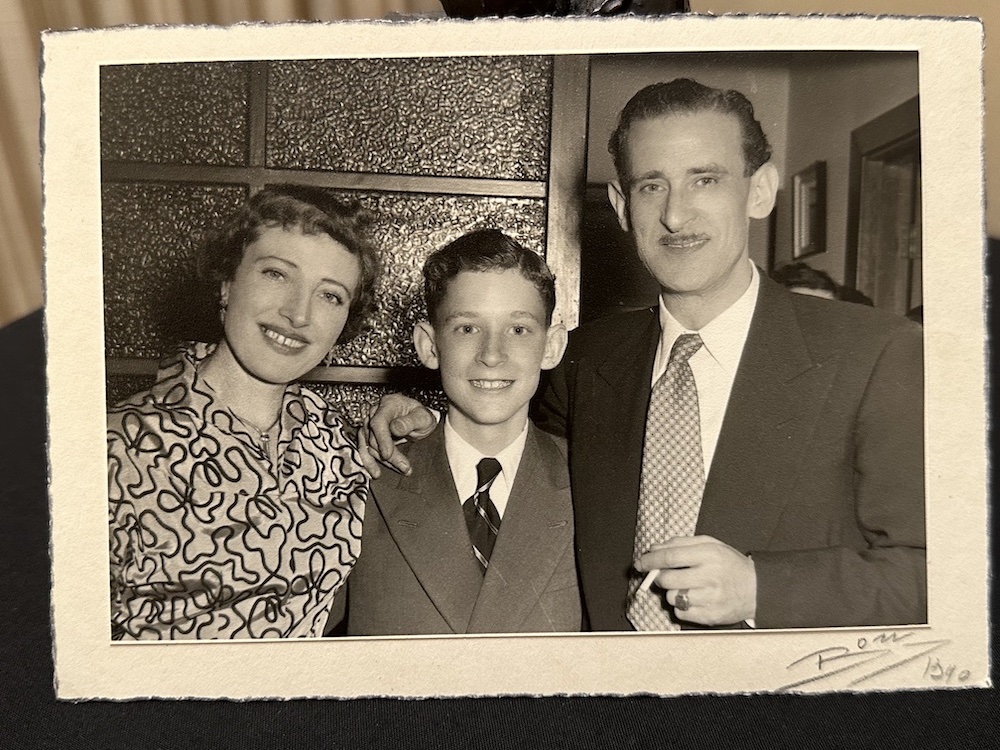
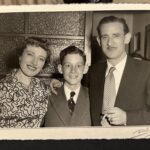
JW: 1955 at Jacques' bar mitzvah with Auntie Paula and Uncle Joseph
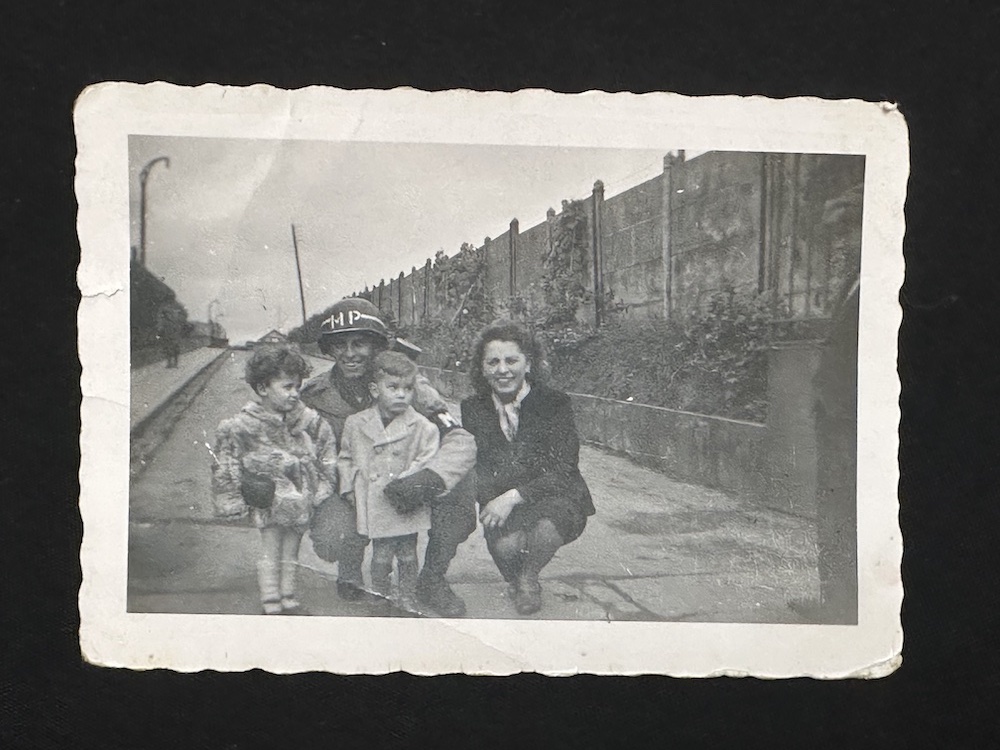
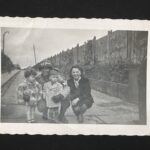
JW: "After liberation
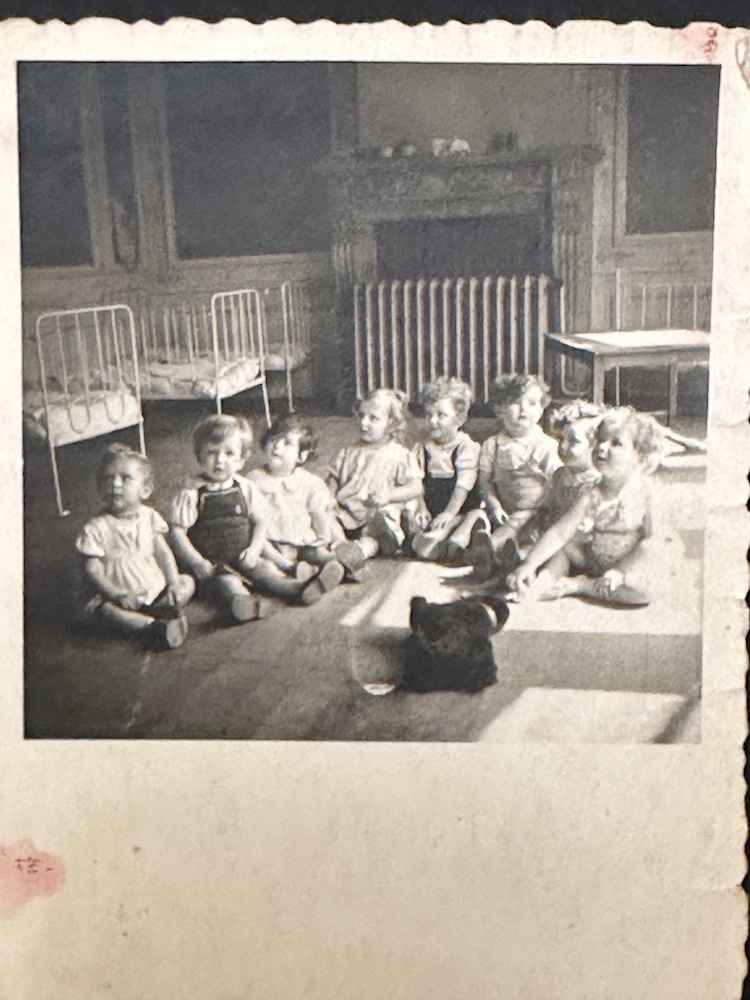
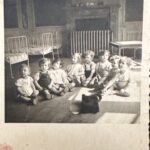
JW: Group of children at the pouponnière of Baron de Castro in Etterbeek in Brussels
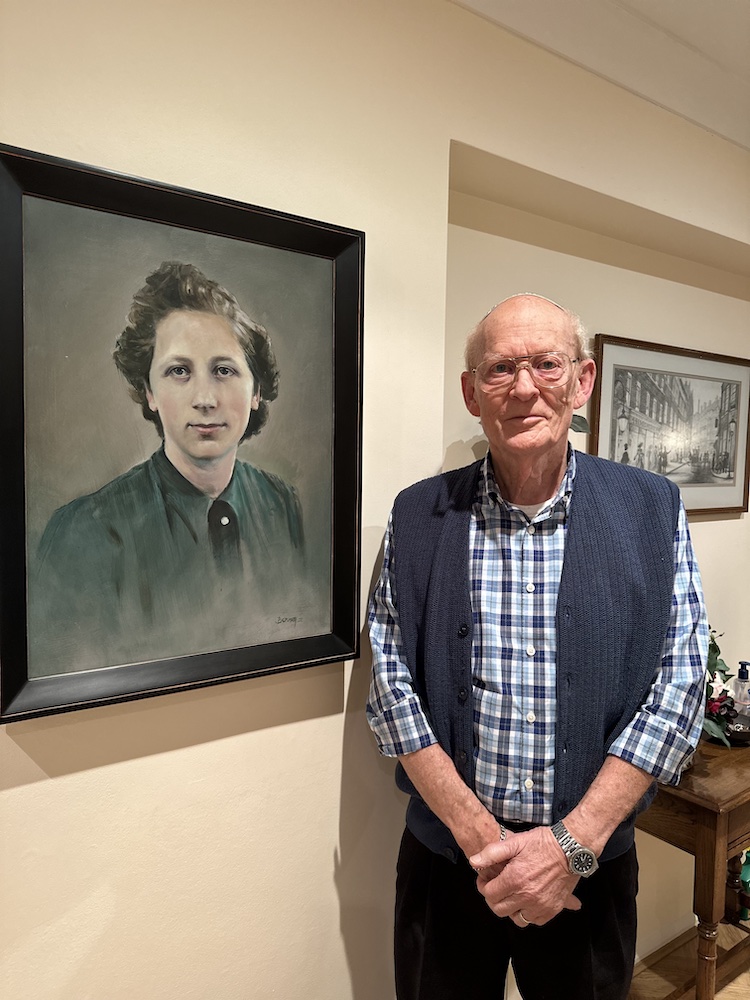
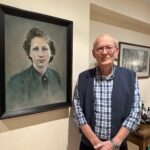
JW: Standing next to a painting of his mother which copies a photo taken of her in Mechelen transit camp
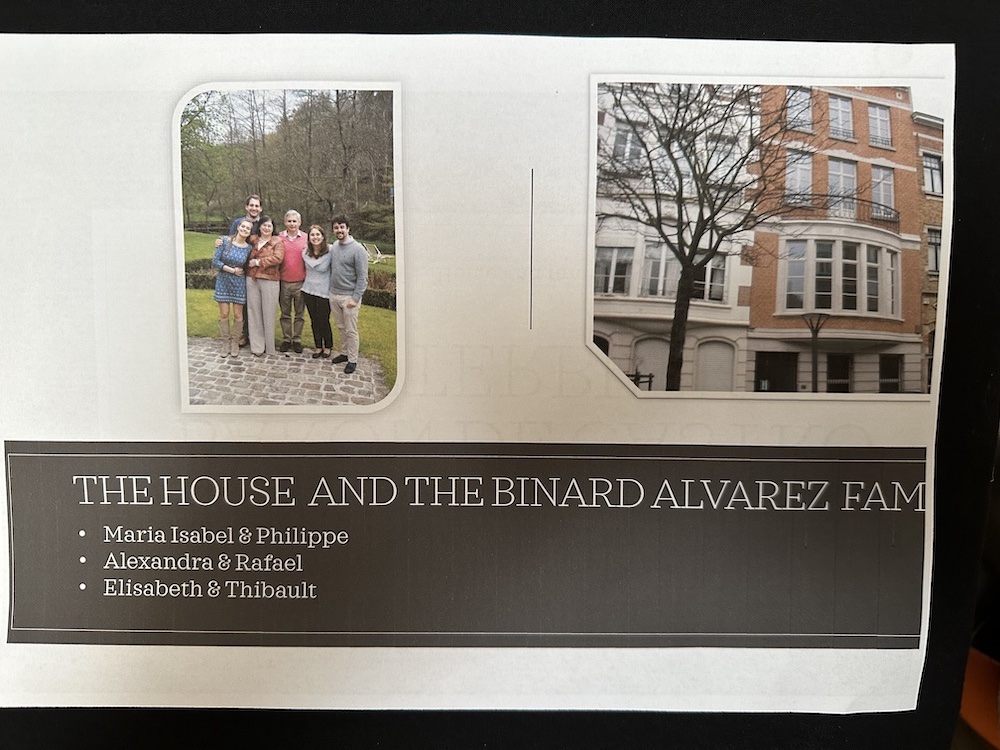
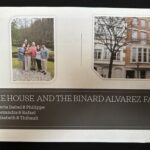
JW: "Cover of a booklet which was put together by Maria Isabel and Philippe Binard Alvarez
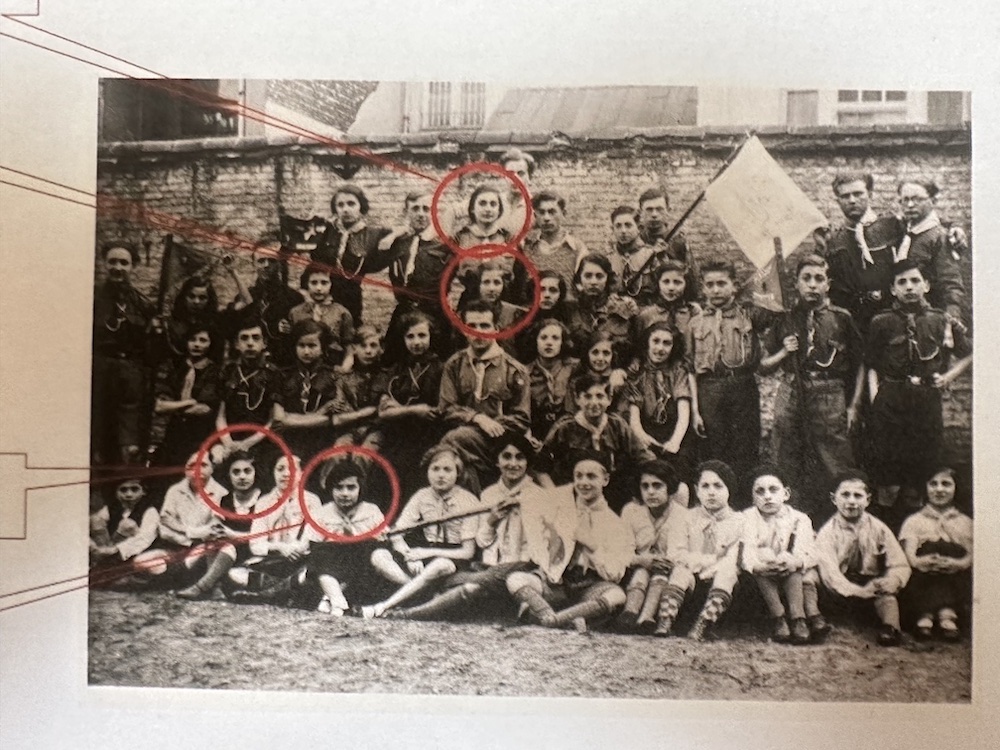
JW: HaNoar HaTzioni Antwerp
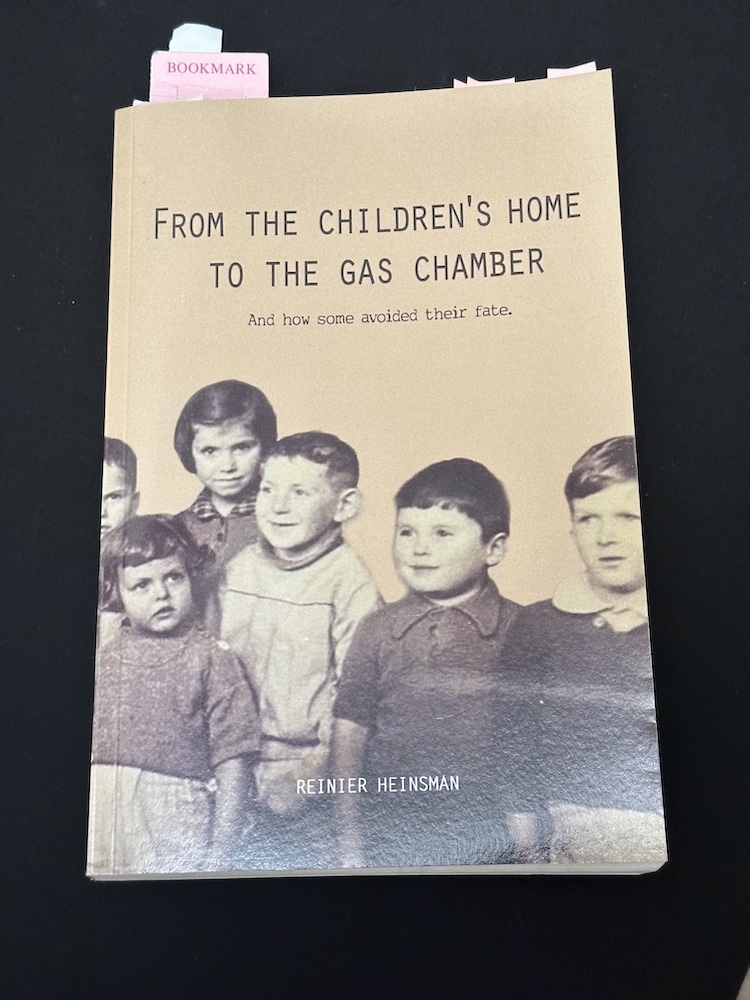
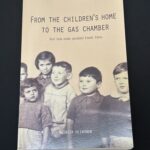
JW: Book cover of the book written by Reinier Heinsman
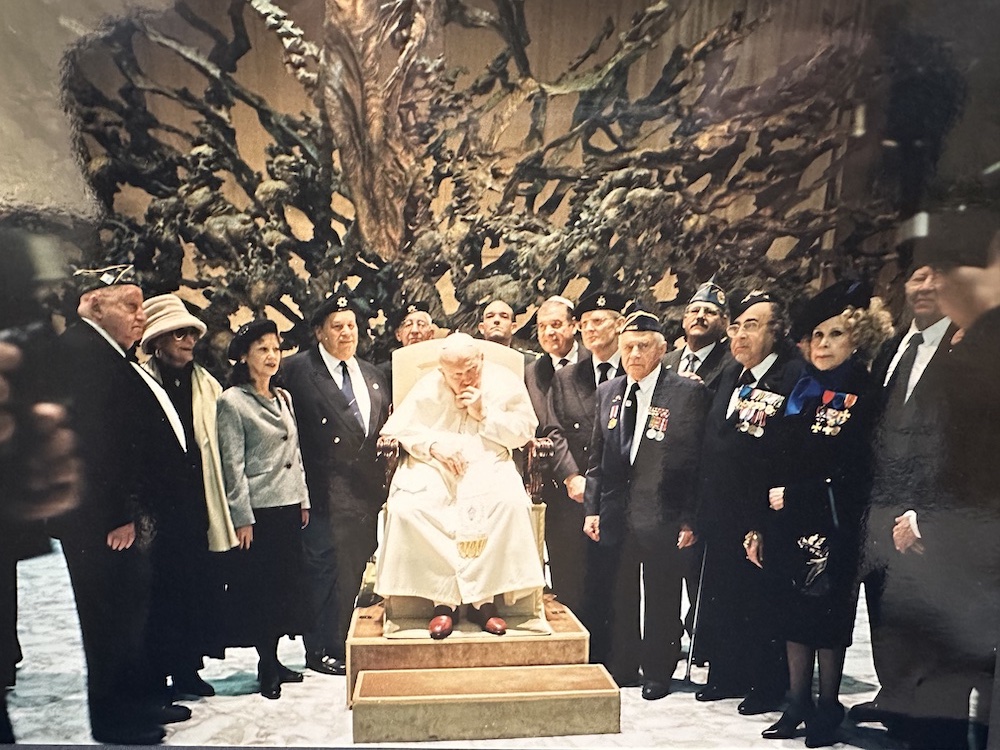
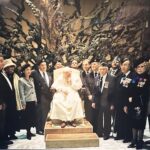
JW: "19th of November 2003 with the International Council of Jewish War Veterans audience with the Pope
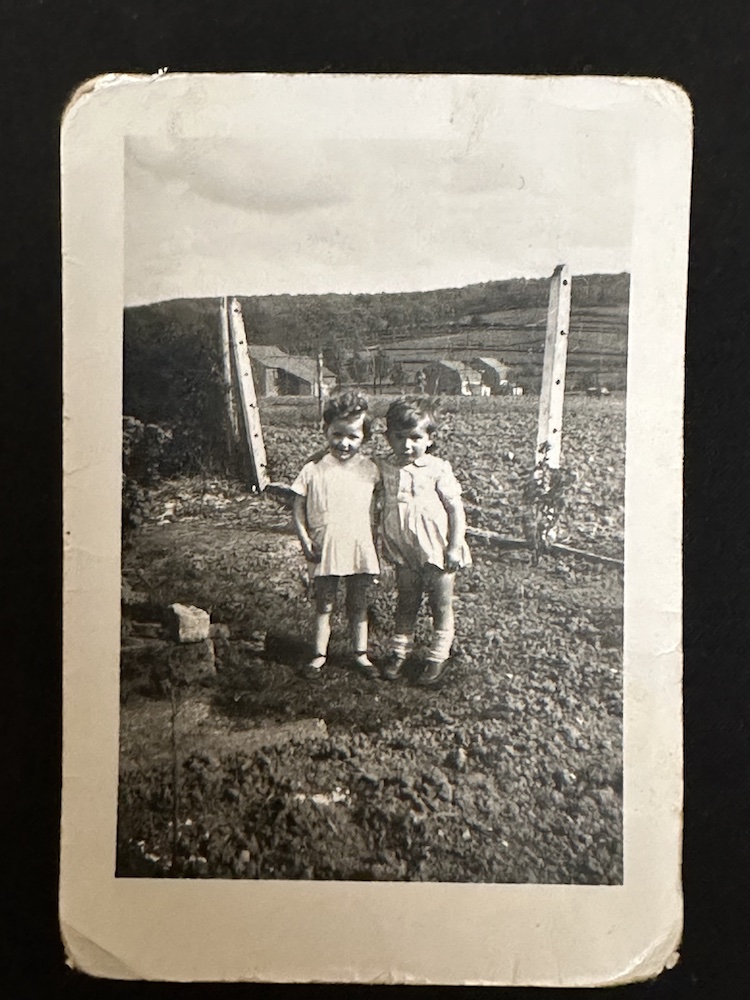
JW: "Probably in the Ardennes with Bill
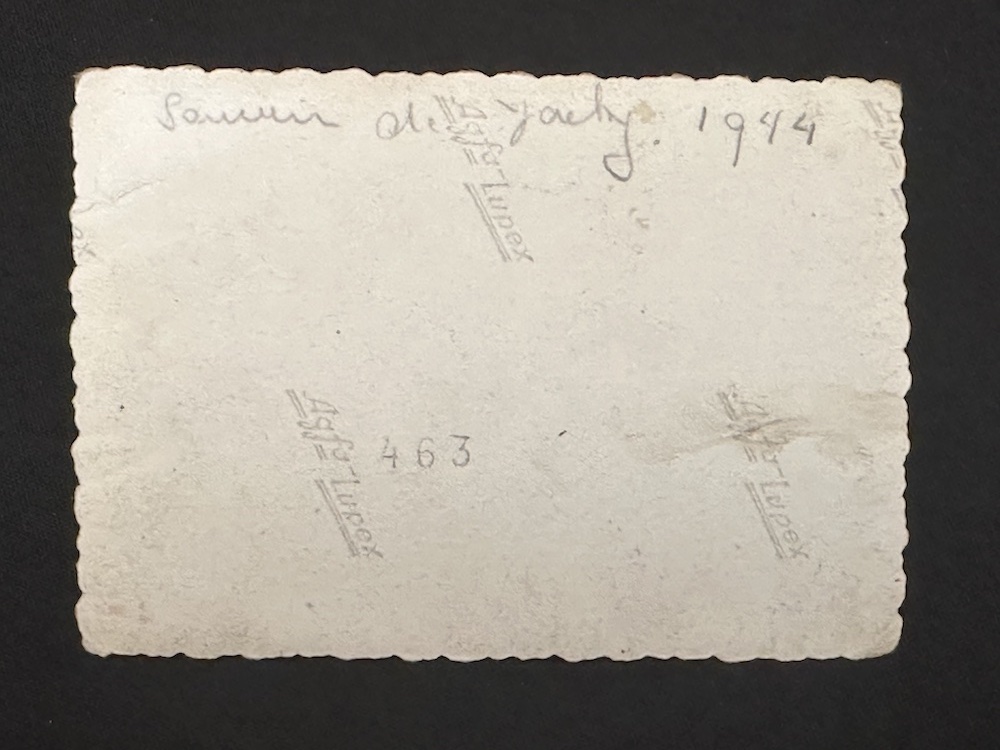
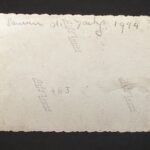
JW: "Souvenir de Jacqui translated as souvenir of Jacques
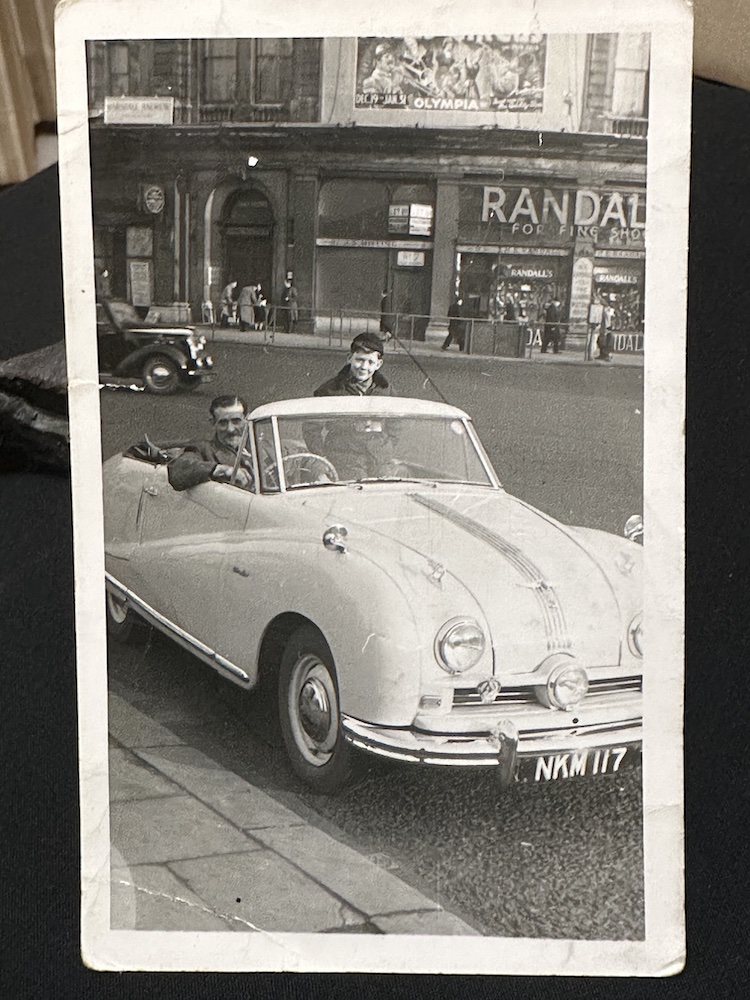
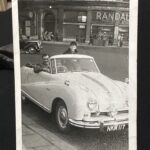
JW: "My Uncle Joseph. I’m standing up on the seat of the car
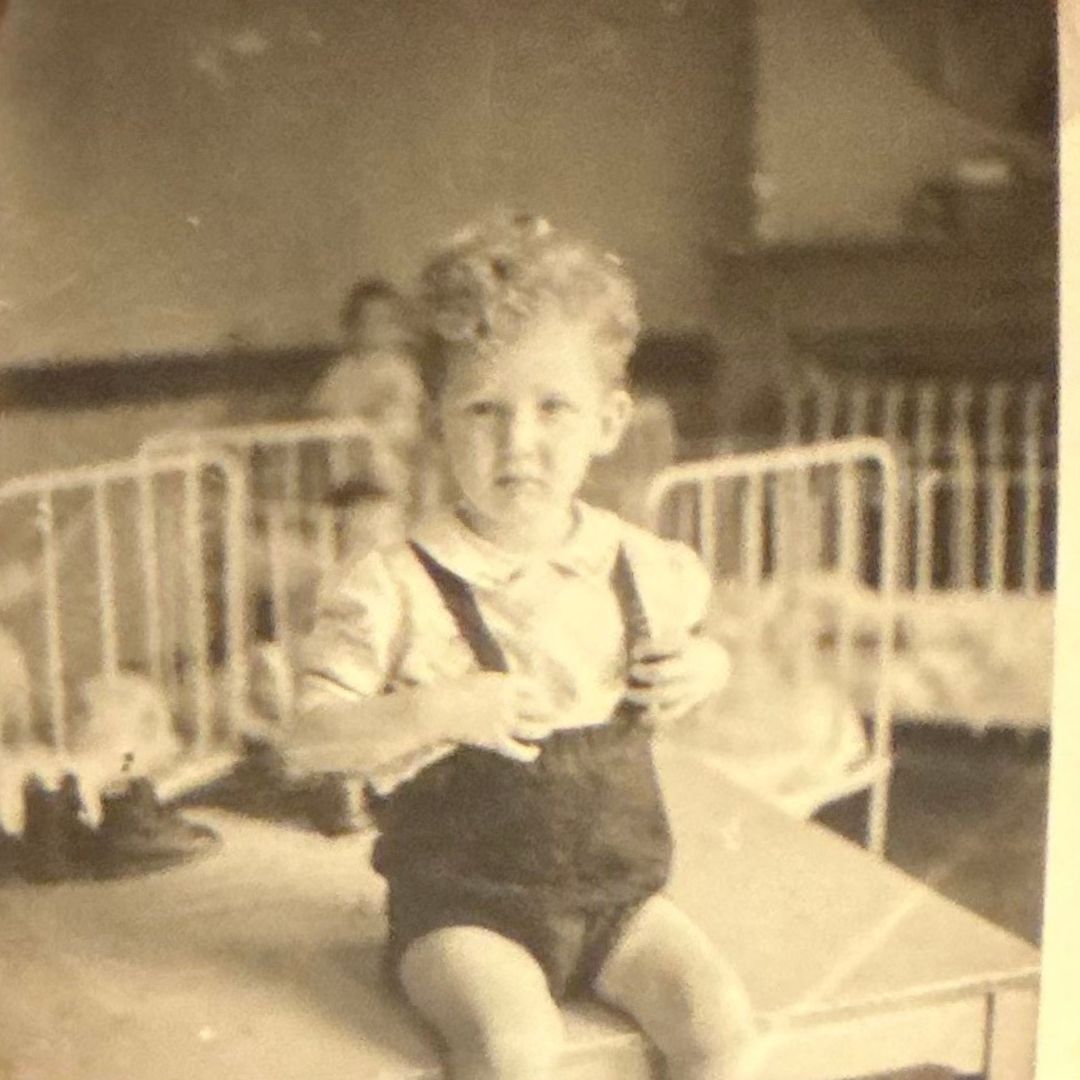
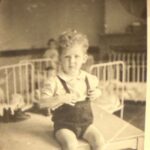
JW: At the pouponnière of Baron de Castro in Etterbeek in Brussels
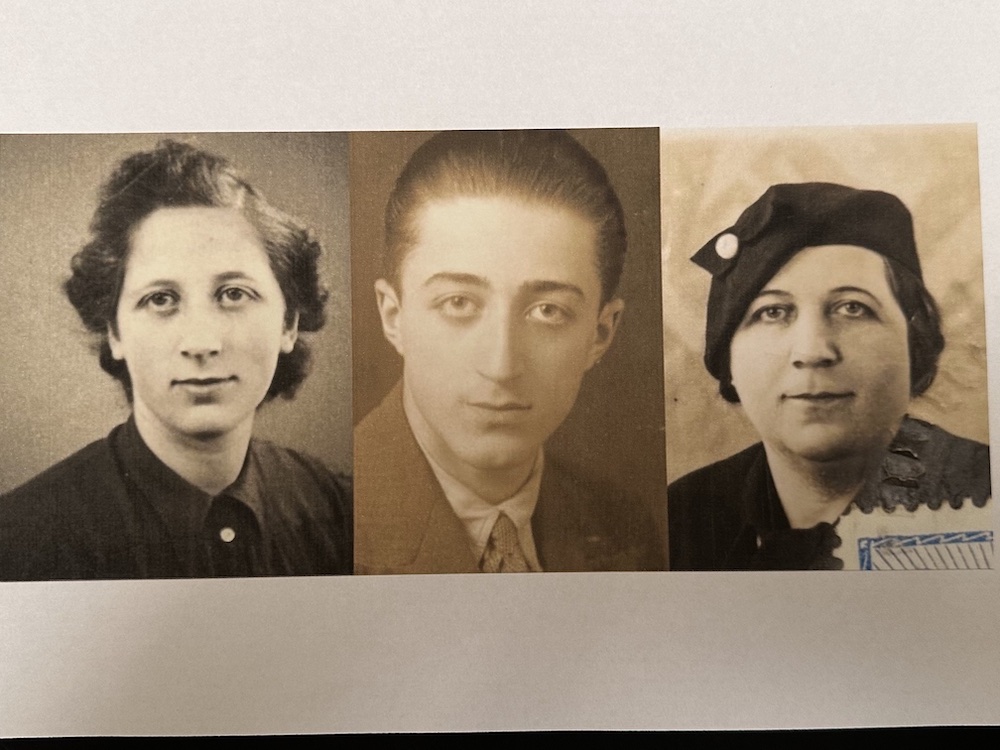
JW: On the left his mother Marthe
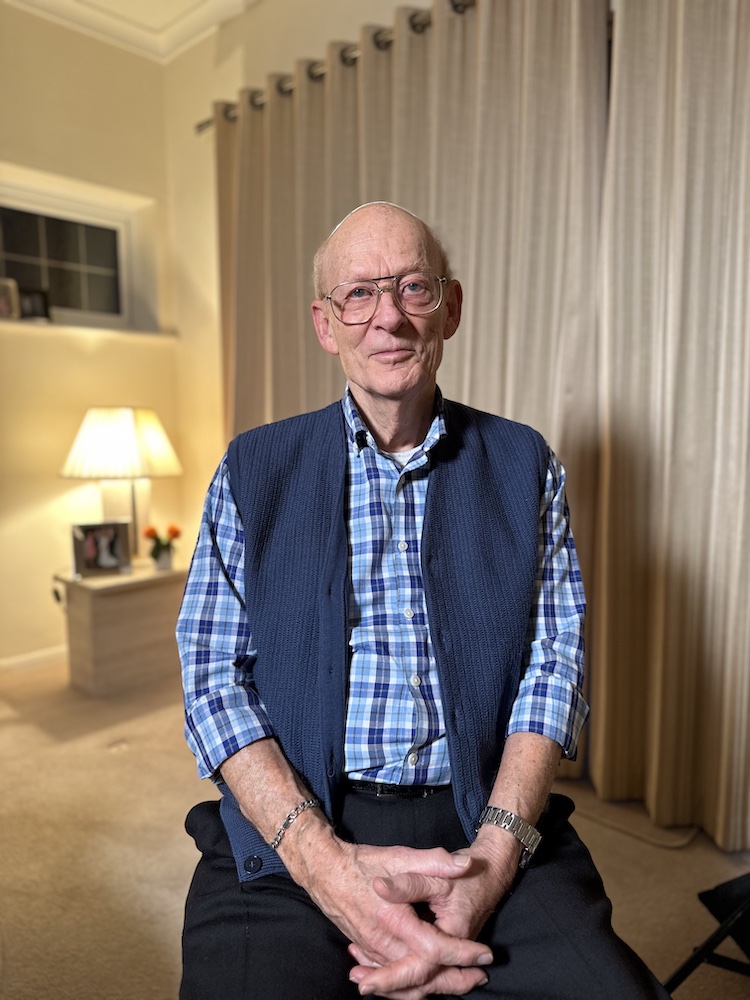
JW: 2023
Jacques Weisser BEM
Born: 1942
Place of Birth: Antwerp
Arrived in Britain: 06/06/2025
Interview Summary
Date of interview: 04/12/2023
Jacques Weisser, born February 1942 in Antwerp, was the second child of Martha Mandelbaum and Jacob “Kuba” Weisser. When the Germans occupied Belgium, his parents fled to the south of France where his sister Lea died of meningitis in a hospital in Mâcon in 1941.
For some reason his parents returned to Belgium where Jacques was born. He does not know details about his mother or his own early life. His father who survived the Holocaust did not talk much to Jacques about it. His father was sent as a slave labourer for “Organisation Todt” to build the Atlantic Wall. His mother Martha was sent to Malines (Flemish: Mechelen) in September 1942 and from there to Auschwitz. Years later Jacques got a rare photo of her that most likely was taken in Malines.
Jacques suspects that an unknown individual—maybe a neighbour – brought Jacques to Meisjeshuis children’s home after his mother’s deportation. An agreement with between Belgian officials and the Gestapo meant that Jewish orphans under the age of five were exempt from deportation. In late 1942 Jacques and other young children were taken to the Sint Erasmus hospital to be hidden there. After hiding there for about 18 months, Jacques and another boy – Bernhard Baron, who will feature later in Jacques’ testimony – were found by the Gestapo and sent to an orphanage called Baron de Castro in Brussels. It seems that in August 1944 when it was clear that Germany would eventually lose the war, the Nazis decided to send the last orphans to Mechelen transit camp. The Belgian resistance prevented that by taking the children to hiding places and Jacques was hidden in the Ardennes where his father found him after having survived several camps, slave labour and a death march.
Jacques lived with his father and his step-siblings, until he joined his uncle and aunt in Wembley in 1951 for health reasons. They emigrated to Rhodesia and he spent the rest of his school years there. In 1959 he went on Aliyah with Betar. He started training with the Tadmore Hotel to become a hotel receptionist and worked in this field subsequently where he met many interesting people and which suited his outgoing personality. In 1967 he met his future wife Judy and they moved to Radlett in Hertfordshire and Jacques started a career in retail property. When he retired, he volunteered for and moved up to executive director of the Association of Jewish Ex-Servicemen and Women for many years. He is also a UK trustee of Yad Vashem.
In 2021 a Dutch law student, Reinier Heinsman, as part of his research found files and photos showing children in the Meisjeshuis orphanage in Antwerp. He made it his mission to find and reunite them more than 75 later and compile their accounts into a book. Unrelated to him Maria Isabel Alvarez Cuartero who bought the house where the Baron de Castro nursery had been situated, began research into the Shoah in Belgium and started contacting the children who were in this orphanage.
And this is how Jacques and Bill Frankenstein – née Bernard Baron- found each other again after being orphans together almost 80 years ago in the Meisjeshuis. They first met on zoom and with other former orphans until their reunion was captured on TV.
Bill and Jacques consider it their legacy to tell their story -the truth about the Holocaust – for future generations.
Key words:
Antwerp. Weisser. Mandelbaum. Malines. Mechelen. Meisjeshuis. Baron de Castro nursery. Saint-Raphael. Maria Isabel Alvarez Cuartero. Reinier Heinsman. Salisbury and Bulawayo,Rhodesia. “Polar First” fur shop in Salisbury. Betar. Gar’in beit. Amatziah. Tadmore Hotel. Galei Kinneret in Tiberias. AJEX. BEM. Bill Frankenstein.
Place of Birth
Many years later I found the lady who was involved in hiding in me in the Ardennes. I found her name, Mme Wittamer. I managed to make an appointment to see her but she never turned up. I subsequently learnt that she’d married & never told her husband that she’d hidden a child during the war. My father says that when he found me she didn't want to give me up. A lot of them didn't. She wanted to keep this child. He never talked about her either, which again I found subsequently difficult to understand because it was the last step, if you like, in the life story of being alive. The Resistance put me with her in the Ardennes. And, for whatever reason, no information of any kind from any of the family, apart from the fact that they may have met her once. Not from my father, not from my stepmother, not from anybody. That in a way hurts because that would have been [sighs]—it would have been good. To close the circle I suppose. I only know her first name because there is a card that was found. Her name was Wittamer. For many years I had photos of me, I knew it was me but where they came from, where they were taken, I had no idea. One of them gives my name. On the back of one of the photos: 'souvenir de Jacqui'. Who wrote it, no idea. There's so many different layers—the puzzle, you know, trying to find the bits & pieces, it’s complicated, complex.
The puzzle
I should've delved more into it, asking questions. But most of the time after the war I wasn't with my father. When I was he never wanted to about it. 'It was what it was, we survived, we made a life for ourselves'. That's what he'd say.
Asking the questions