
John Hajdu MBE
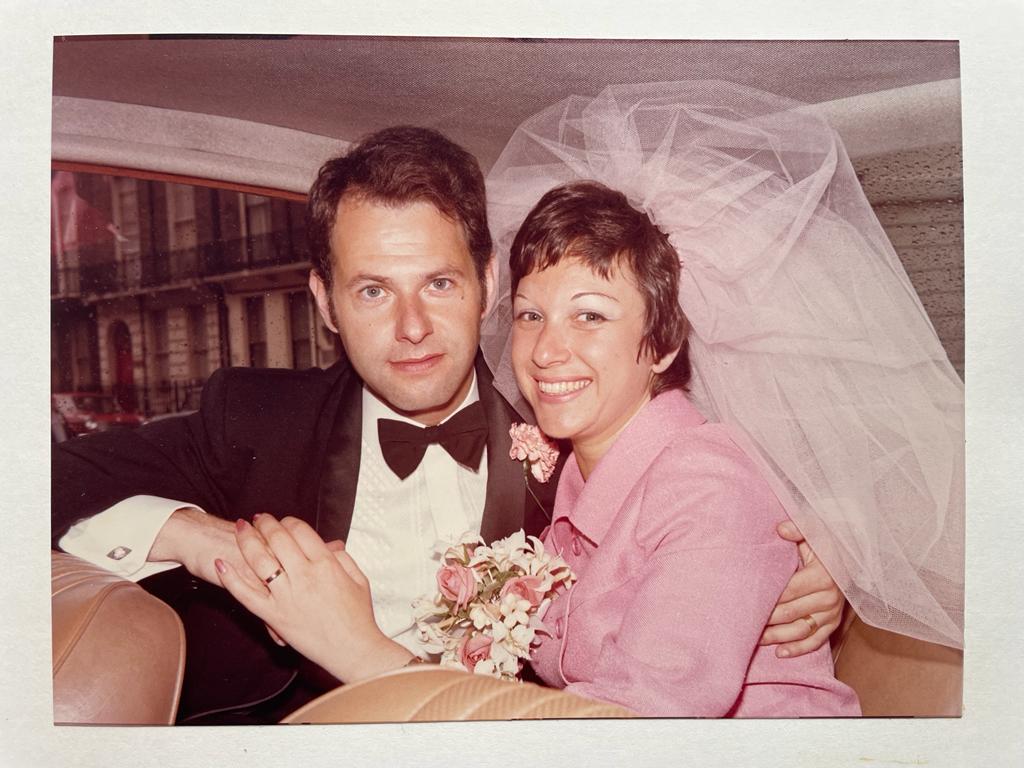
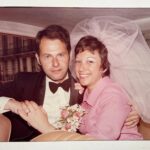
JH: John with his wife Maureen on their wedding day
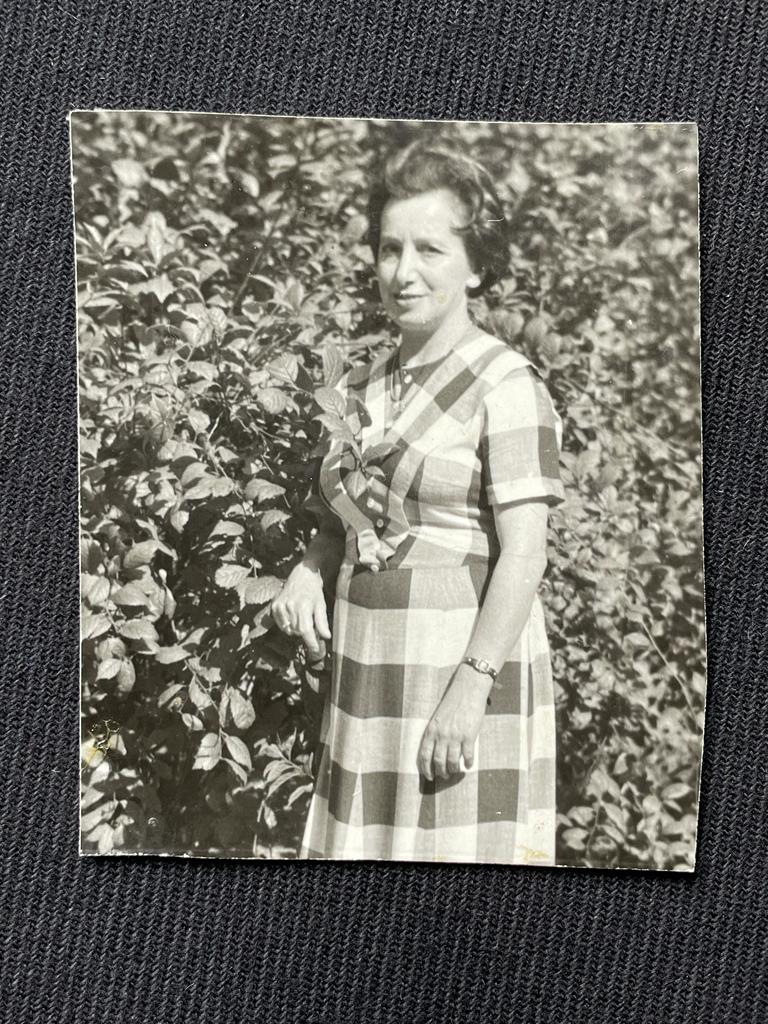
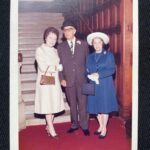
JH: Aunt
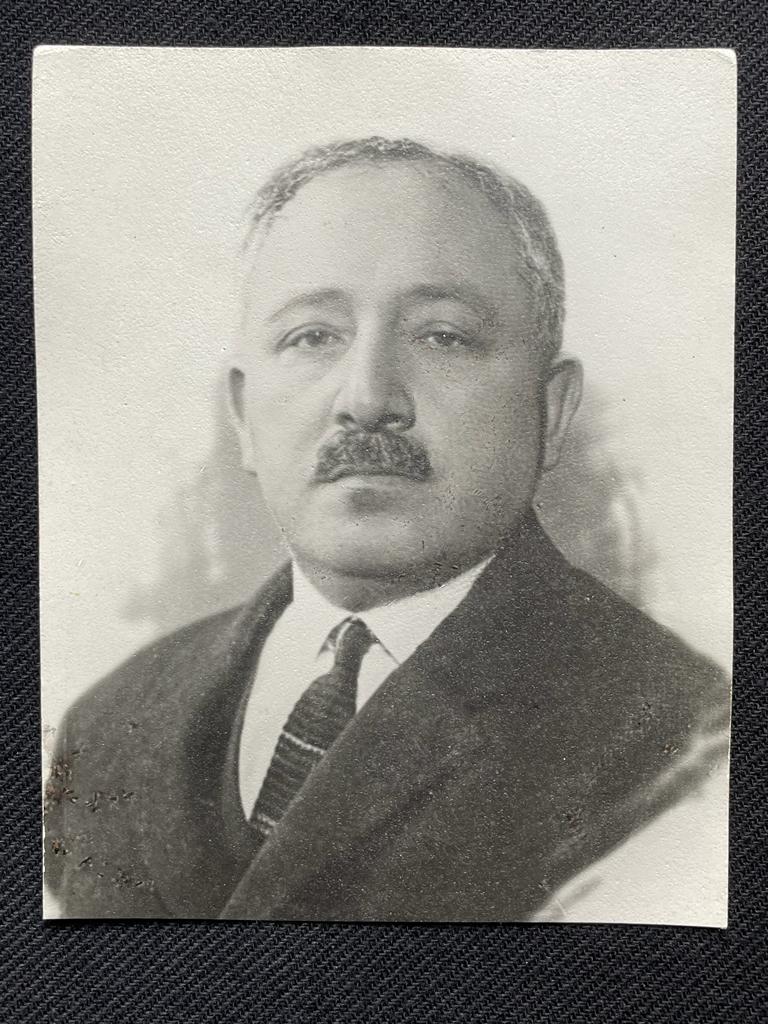
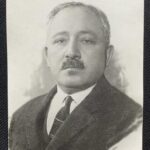
JH: Grandfather Bernat Freund who changed his surname to Farago
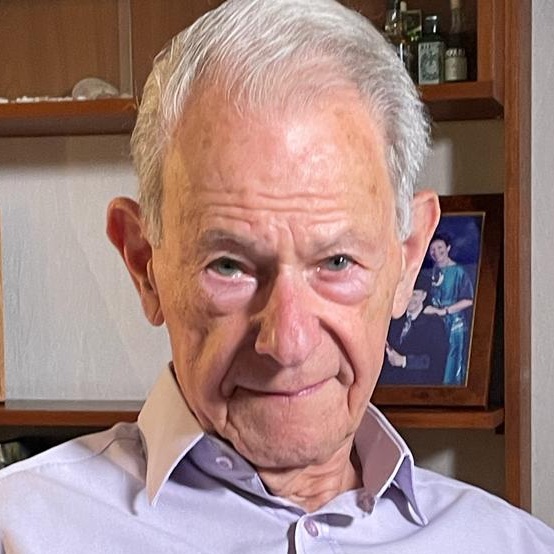
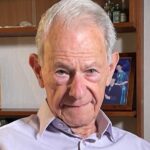
JH: 2023
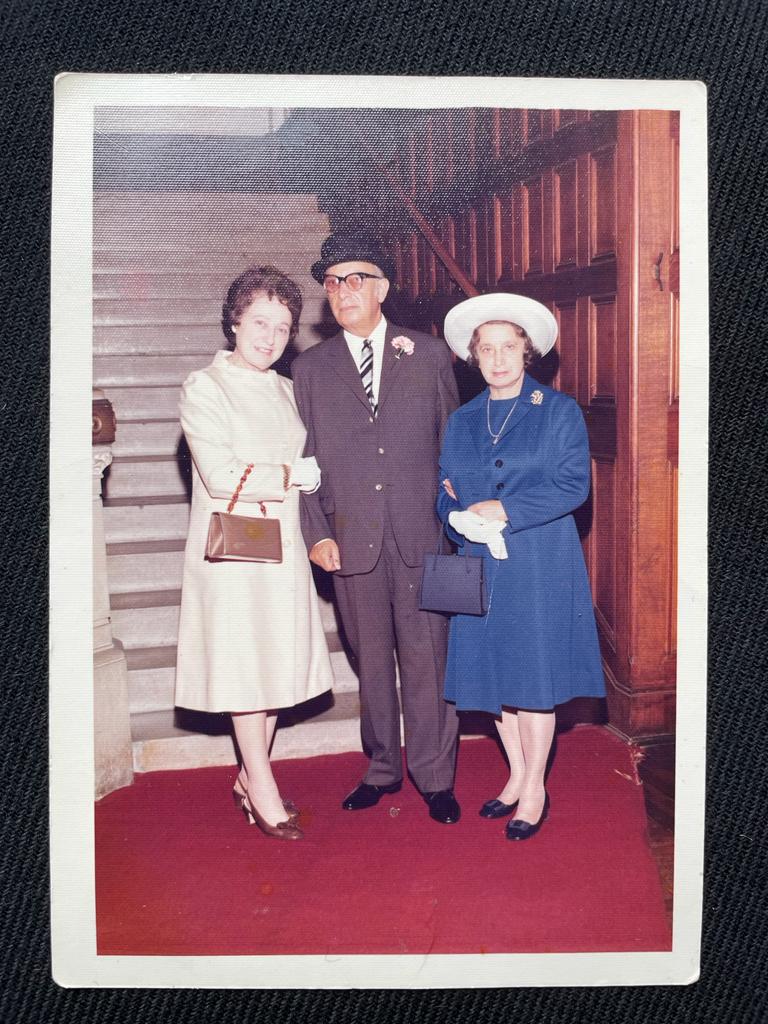
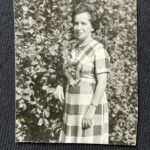
JH: photo of John's mother
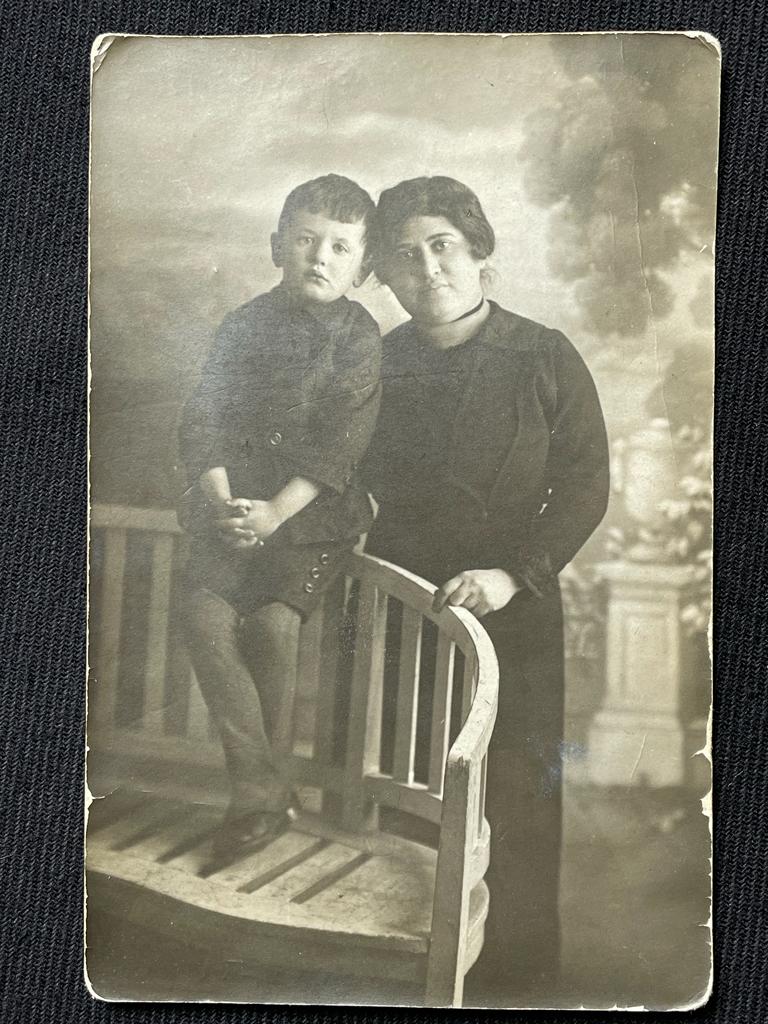
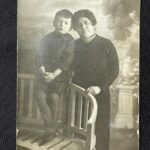
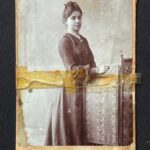
JH: Grandmother
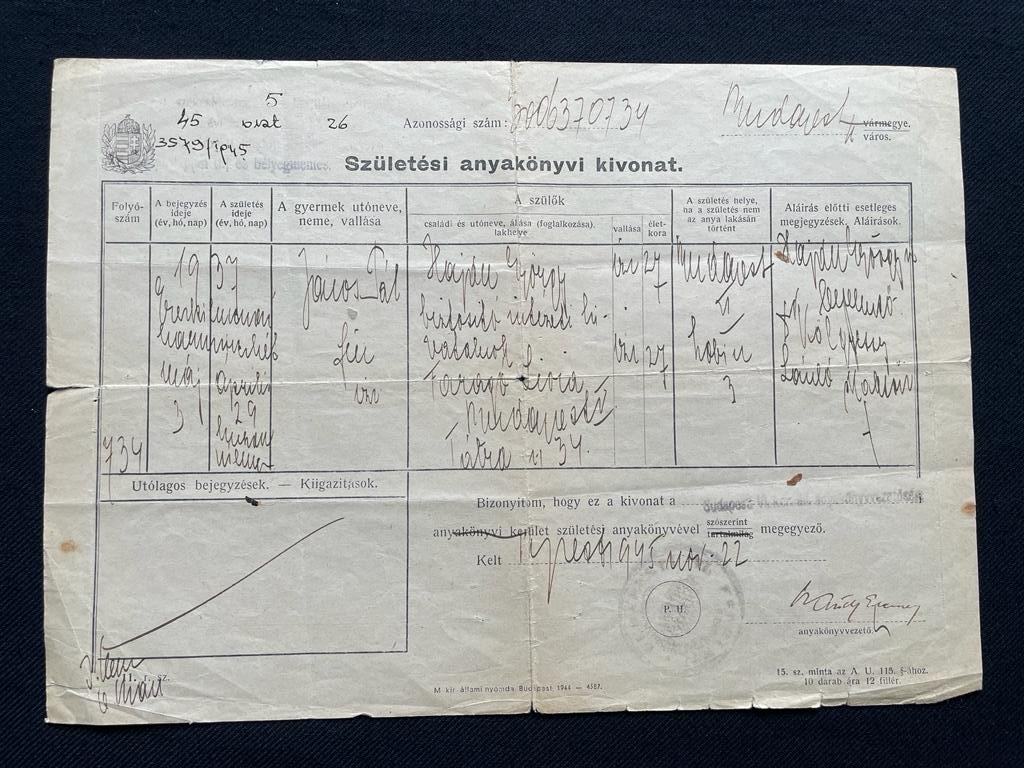
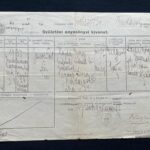
JH: Birth certificate
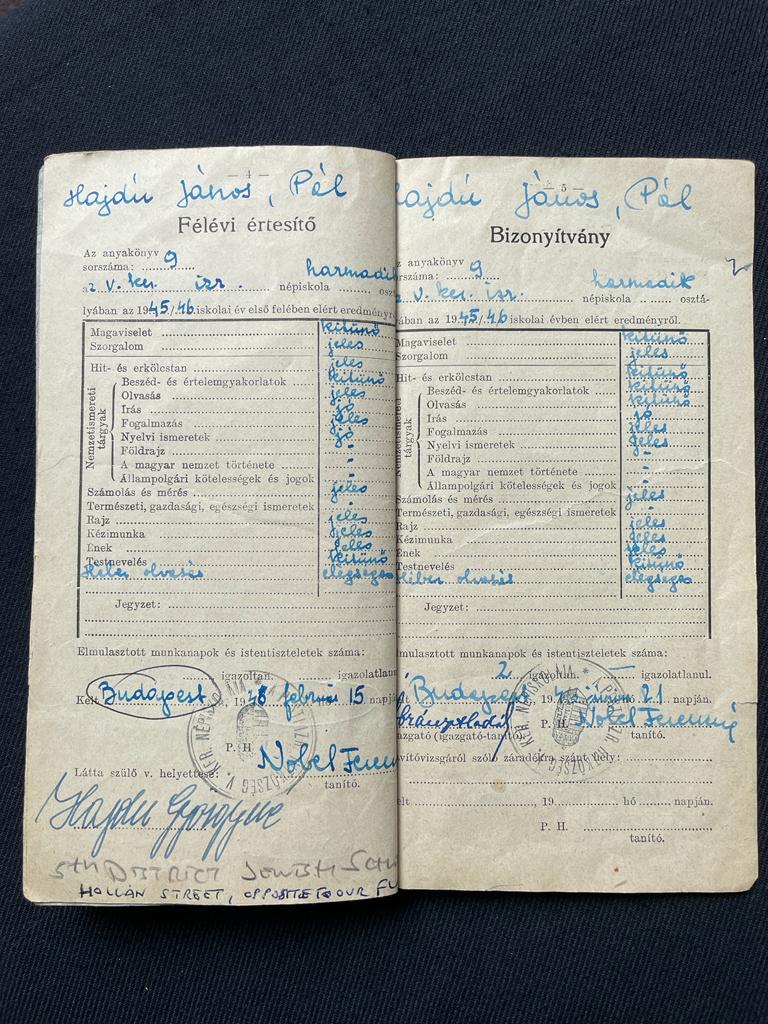
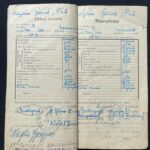
JH: School report from the Jewish school
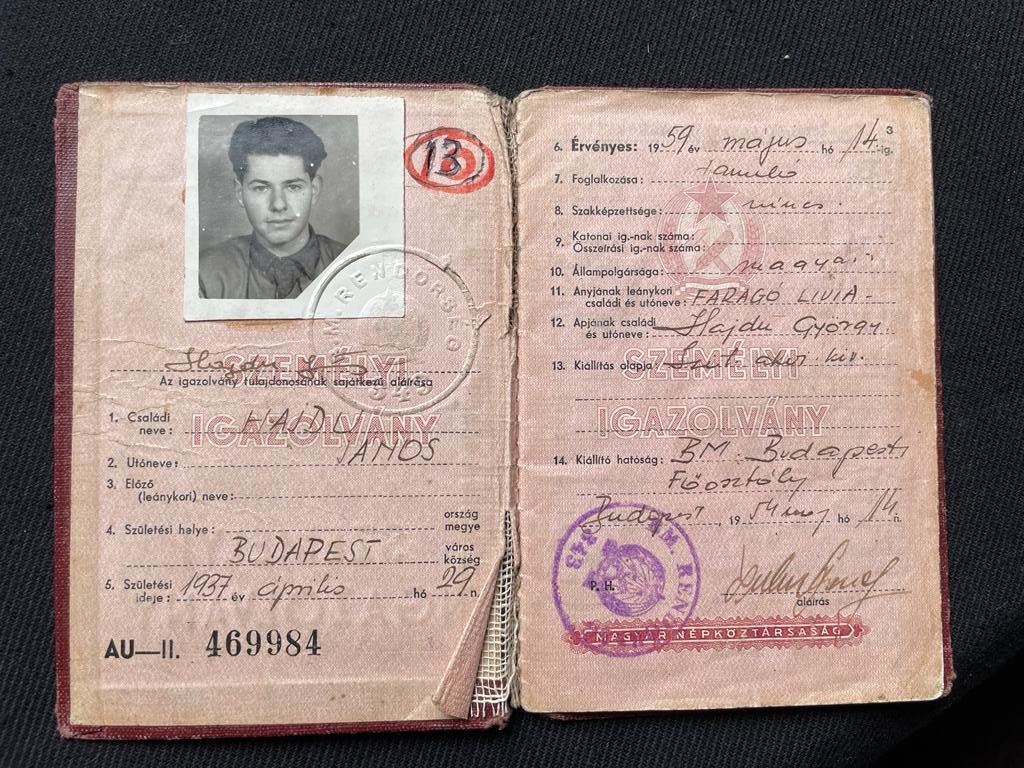
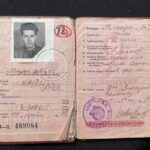
JH: "This is my identity card from Communist Hungary issued in 1956"
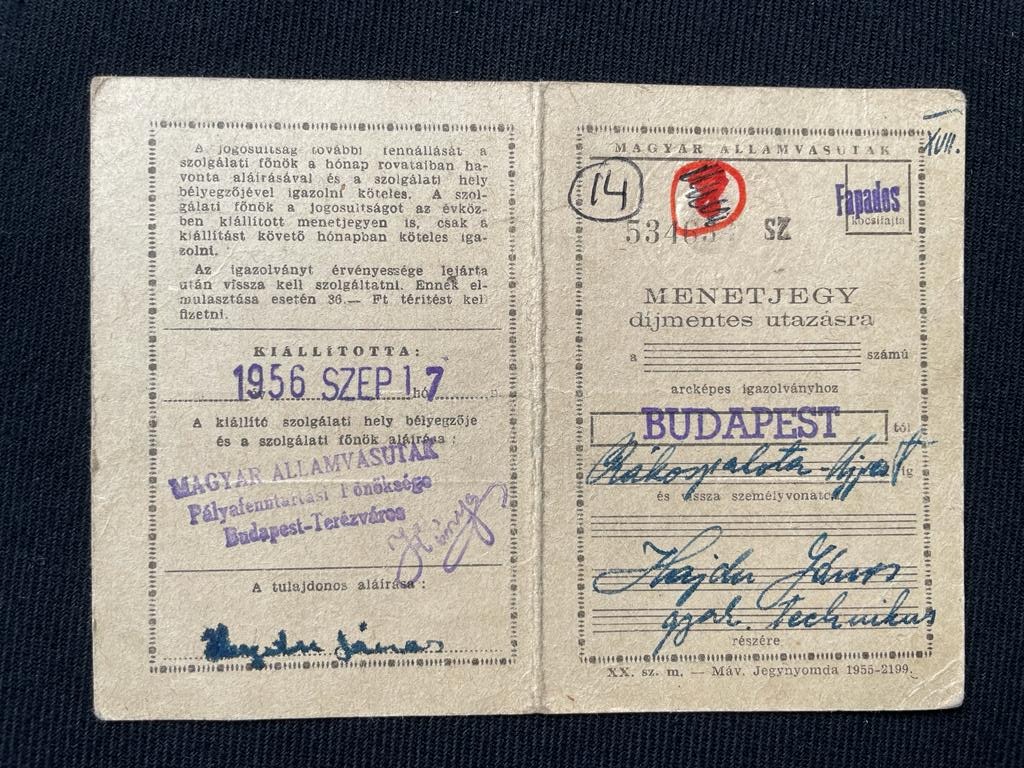
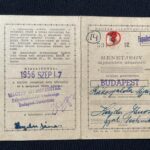
JH: "This is the Hungarian rail pass issued to me by the Hungarian Railways for whom I was working and which helped me to escape in 1956
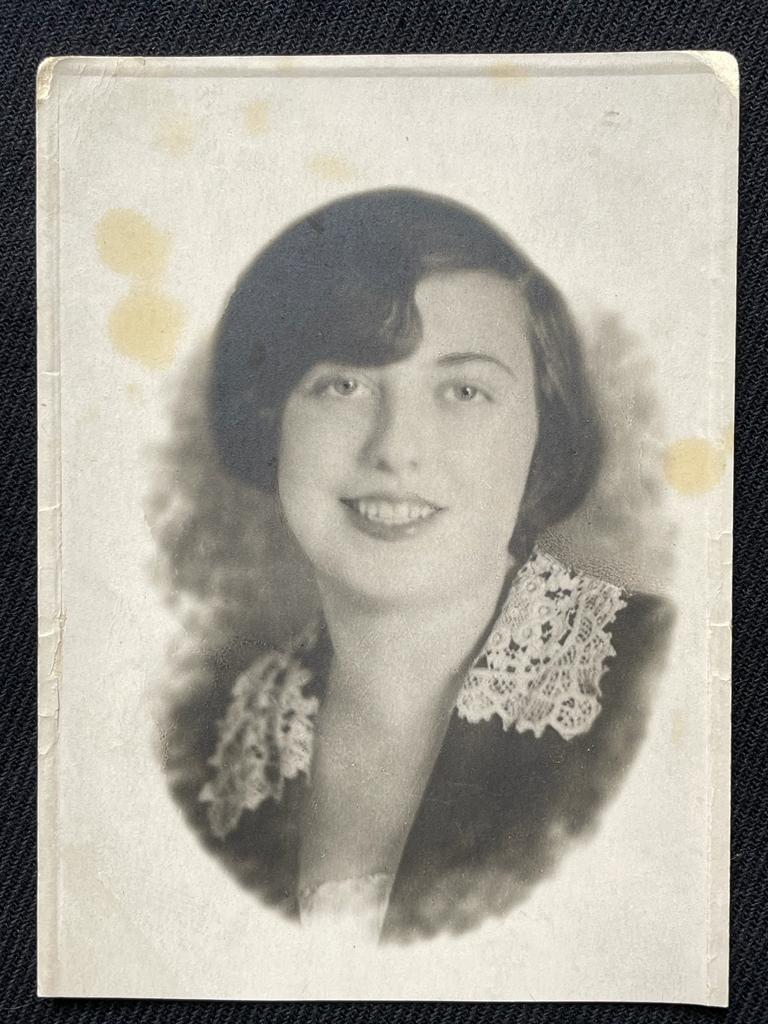
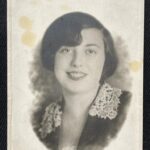
JH: Mother ca. 1930.
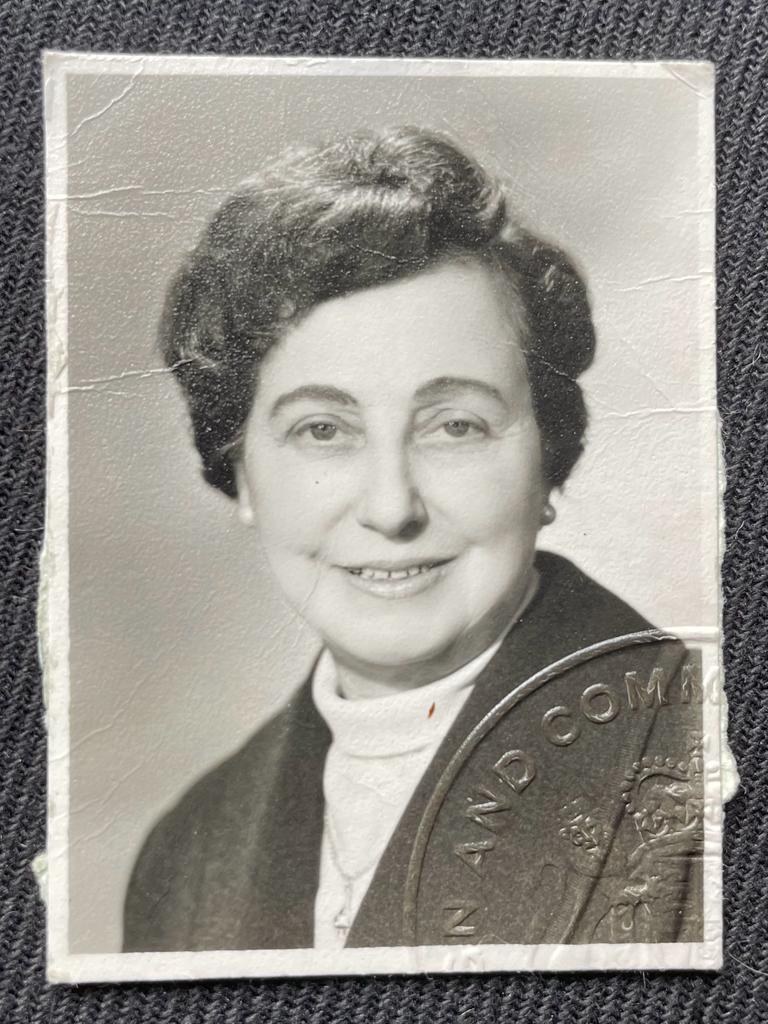
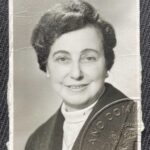
JH:Mother
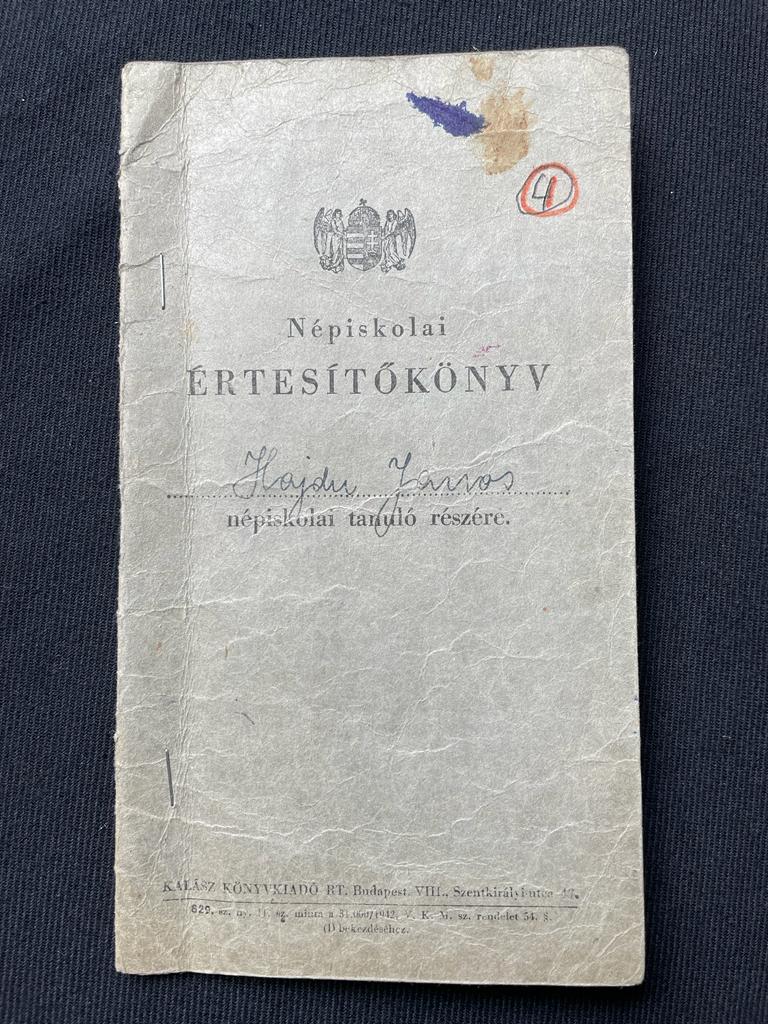
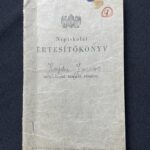
JH: Front cover of school report from the Jewish school 1946
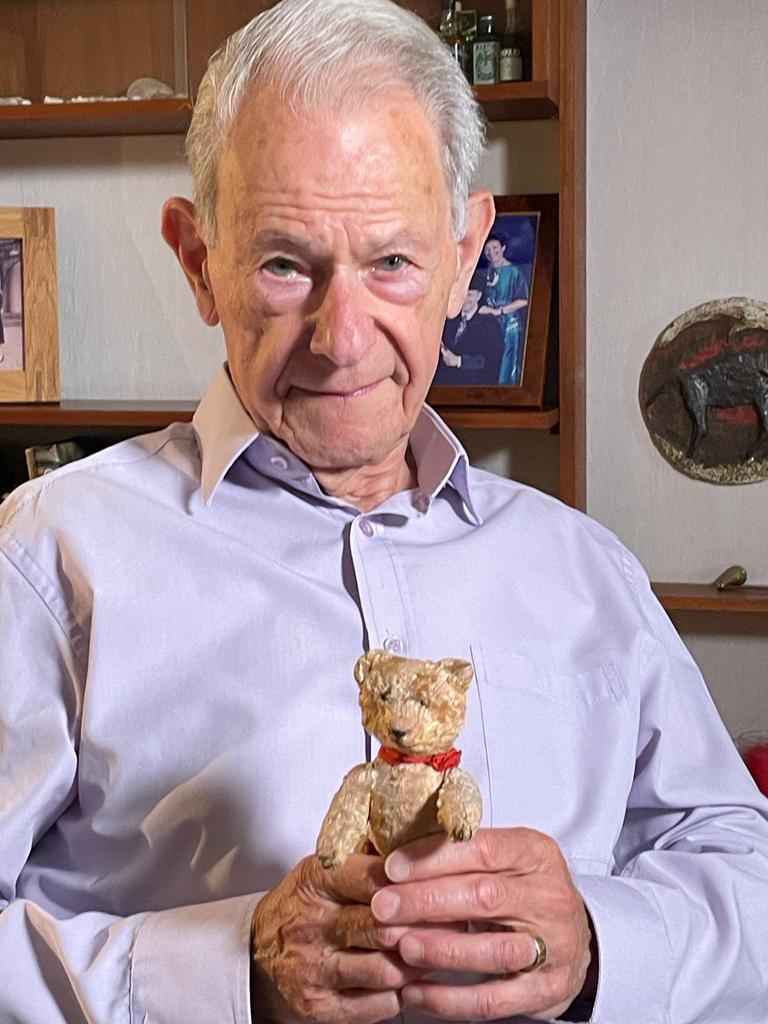
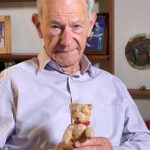
JH: 2023
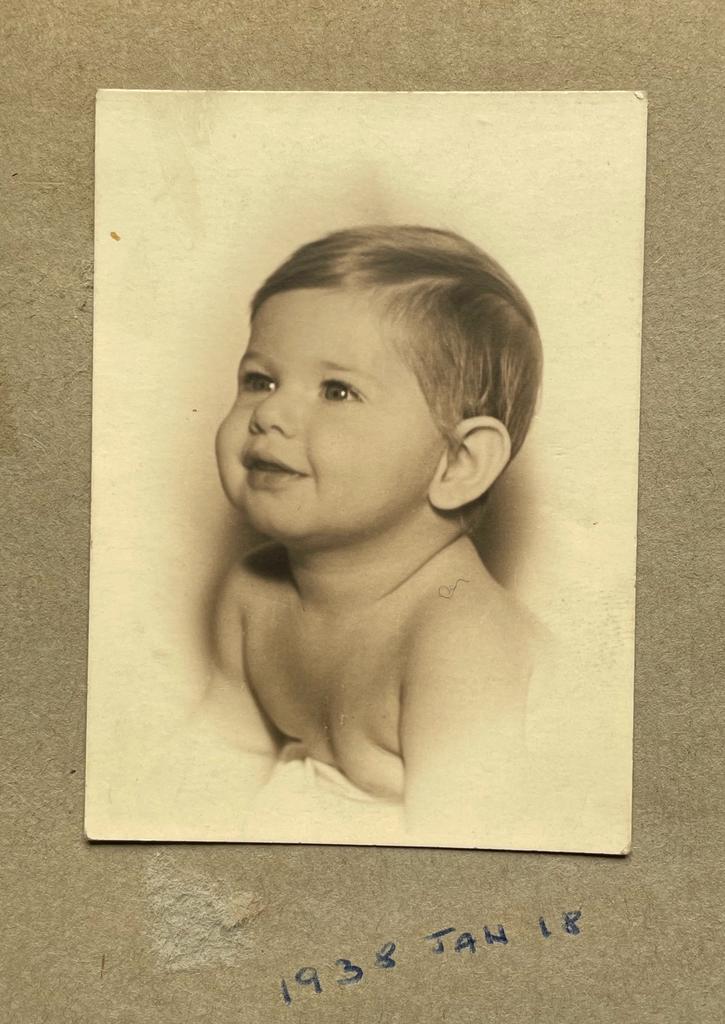
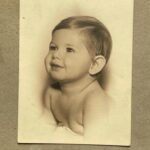
JH: Aged one
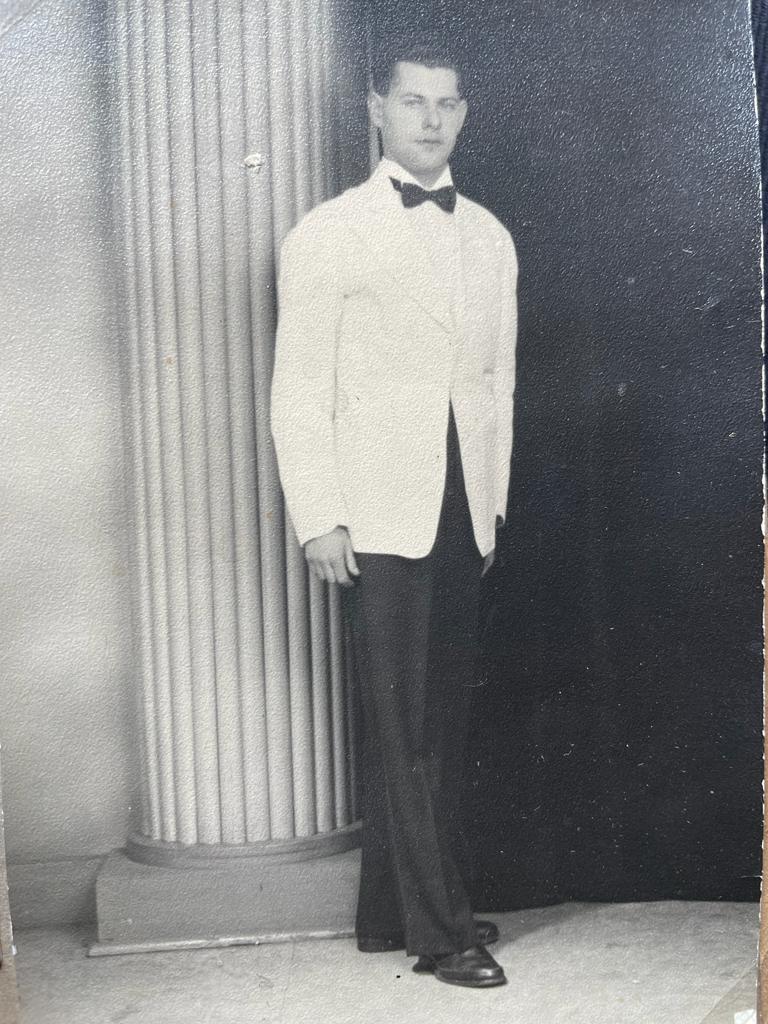
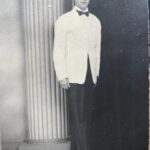
JH: "in a waiter’s uniform when I started working in the hotel and catering business."
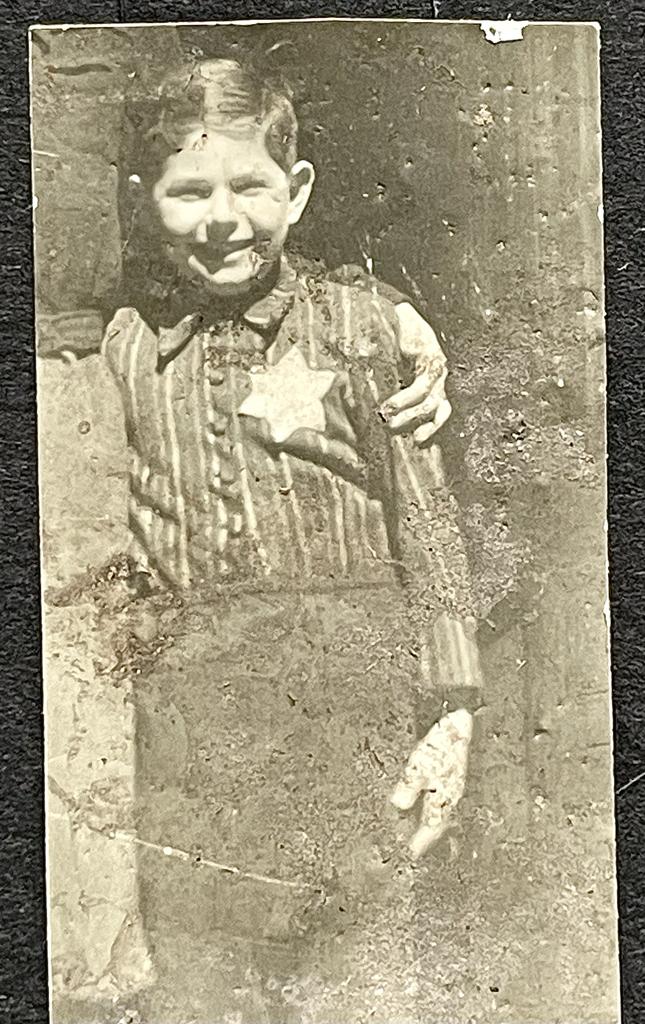
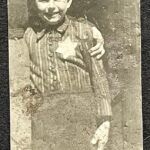
JH: At the age of six
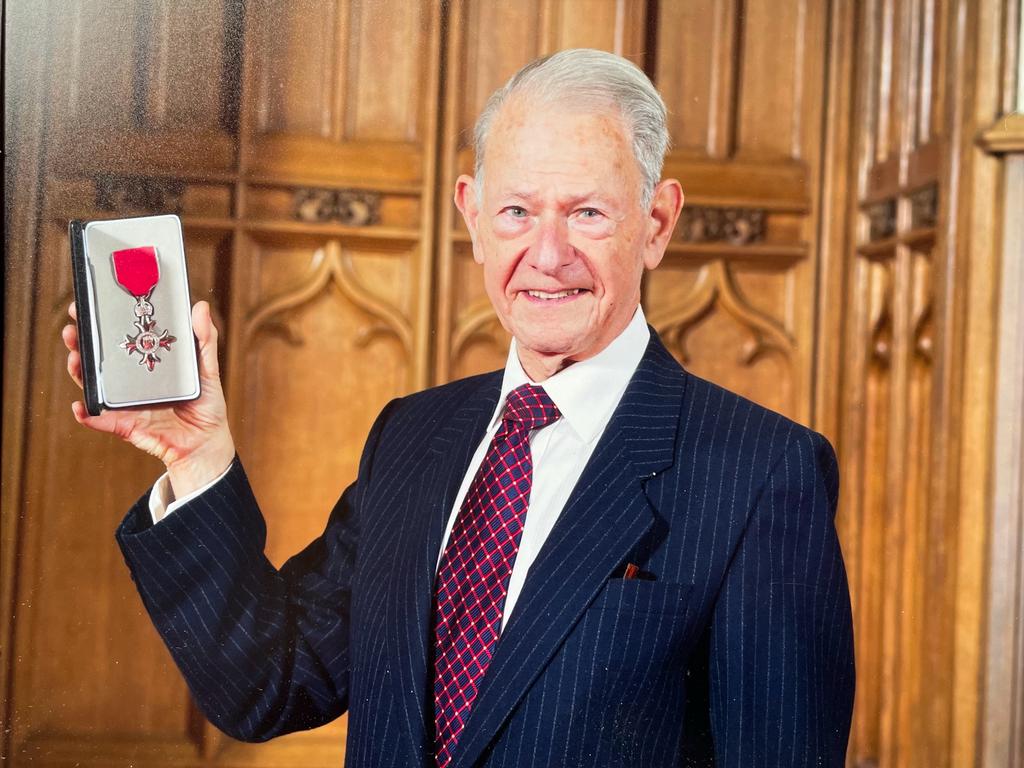
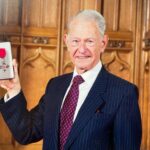
JH: "I was awarded the MBE in the late Queen’s New Year’s Honours List"
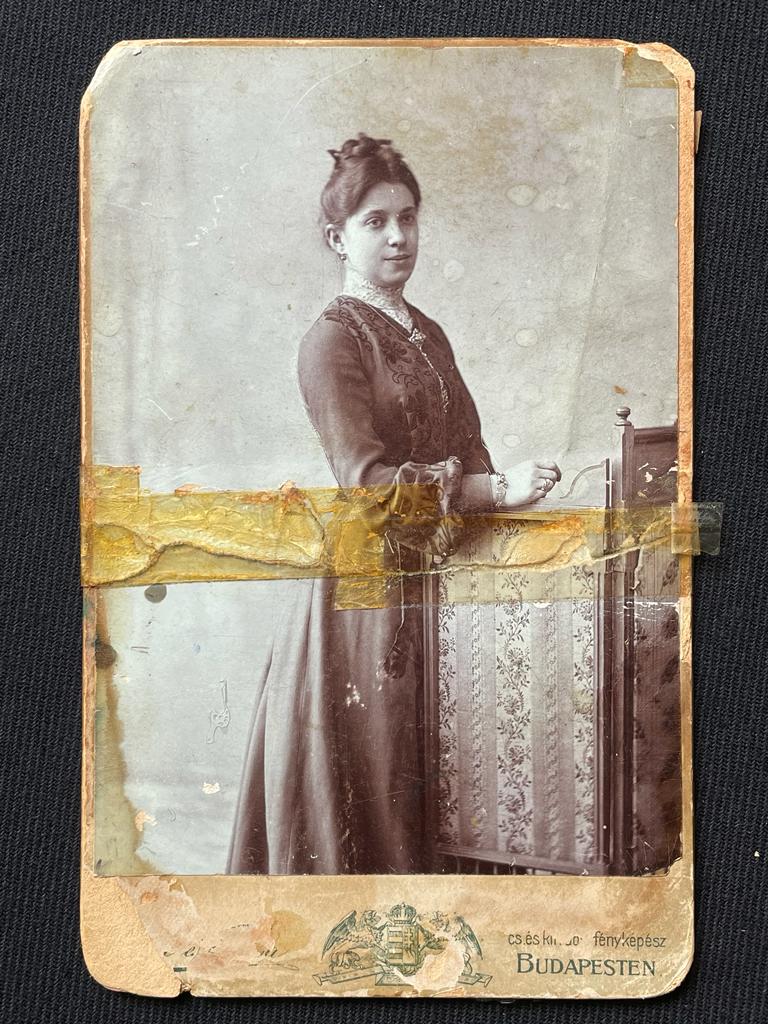
JH: Grandmother
John Hajdu MBE
Born: 1937
Place of Birth: Budapest
Arrived in Britain: 06/02/1957
Interview Summary
Date of interview: 12/07/2023
John Hajdu MBE was born in Budapest in April 1937 as the only child to parents Livia née Farago and György Hajdu. They were a well-to-do middle-class Jewish family with a rich cultural life and Jewish and non-Jewish friends. His mother was a bookkeeper and his father a director in the insurance business. John states that he was too young and protected to remember when circumstances for the Jewish population changed. But he remembers going with his mother to visit and bring food to his father in the labour camp where he was incarcerated in 1943. His father managed to escape and flee to Romania. John moved with his mother to a ‘yellow star house’ from where she was taken in a raid by the Arrow Cross to Mauthausen concentration camp.
John’s aunt, Ibi Farago, managed to hide with him with a non-Jewish neighbour during the raid and then later in an abandoned flat until they had no choice but to move into the Budapest ghetto. After the liberation of Budapest, his aunt took John to Oradea, Romania where they reunited with John’s father and uncle Reszö. His mother survived Mauthausen and came back to Budapest and from there to Romania. His father in the meantime, had started a new relationship. John’s mother took John back to Budapest where they started a new life.
As they were considered middle-class, John and his mother suffered discrimination in postwar Hungary and John could not attend grammar school nor university. He was however allowed to attend the Railway Technical College. After the Hungarian Revolution of 1956, John saw no future for himself in Hungary. He decided with a friend and his mother to leave Hungary via a dangerous border crossing to Austria. There they decided to emigrate to London where they were supported by the Hungarian Jewish Refugee Committee.
John started working his way up in the hotel business where he finally became international director of sales. He met his wife—the daughter of Jewish refugees from Berlin—in a local Jewish group in Golders Green. They have two children. John has written his memoir “Life in two countries”. He is an active Holocaust educator for the Holocaust Educational Trust and The Holocaust Memorial Day Trust and received an MBE in 2020.
Key words:
Budapest. Budapest Ghetto. Yellow star house. Oradea/ Nagyvárad, Romania. Freund/ Farago. Hajdu. Hungarian Revolution of 1956. Railway Technical College, Budapest. Solbad Hall, Austria. Cannock Chase, Staffordshire. Hungarian Jewish Refugee Committee. Fuchs/Foulkes. The Foulkes Foundation. “Life in Two Countries”.