
Marianne Summerfield BEM
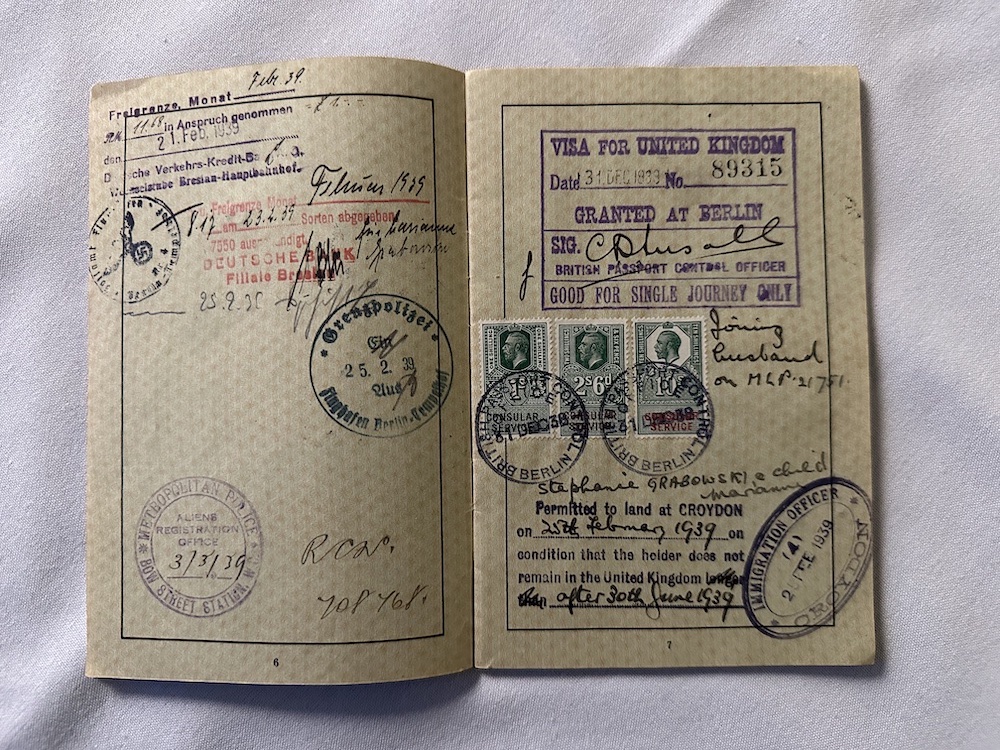
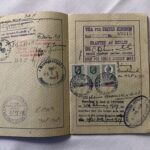
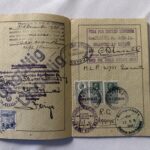
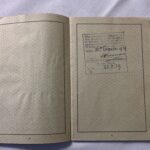
MS: Inside of her mother's passport - visa for her and Marianne
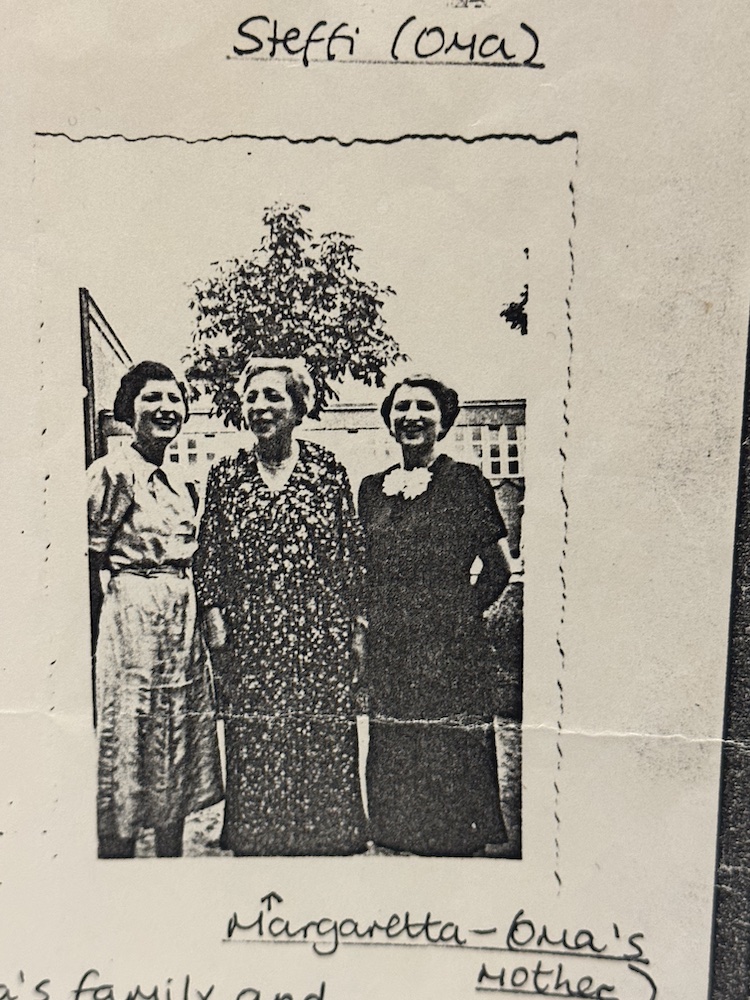
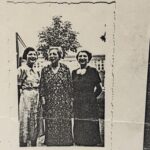
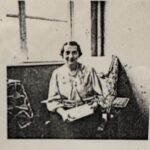
MS: Maternal grandmother Margarete
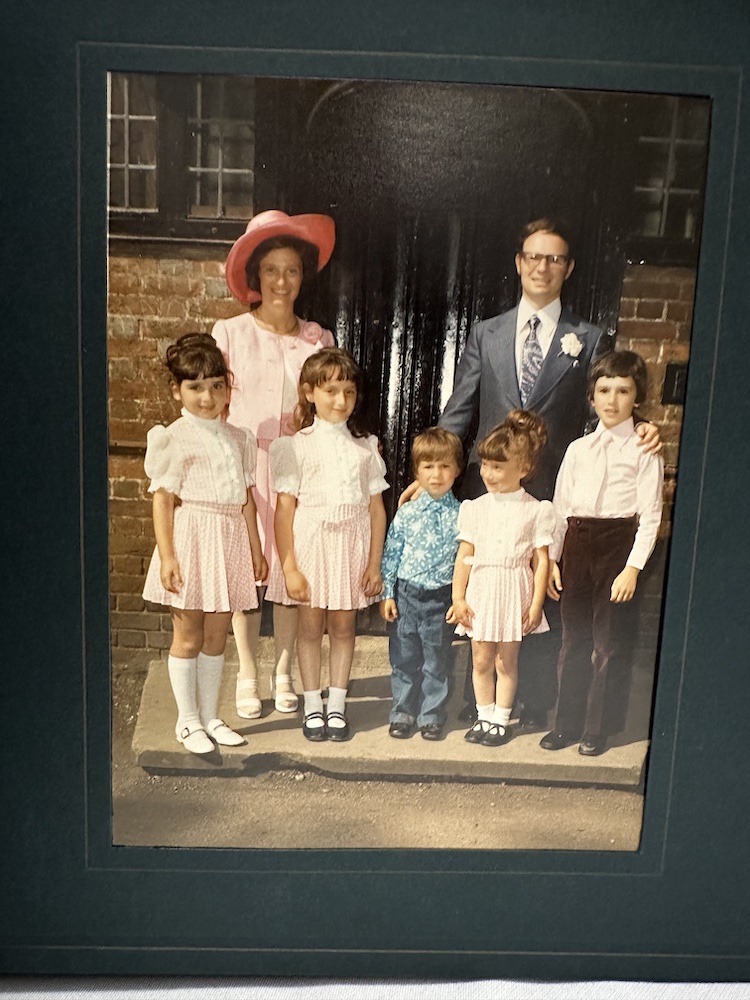
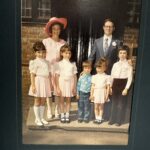
MS: Wedding day with Peter Summerfield in Belsize Square Synagogue with all five children
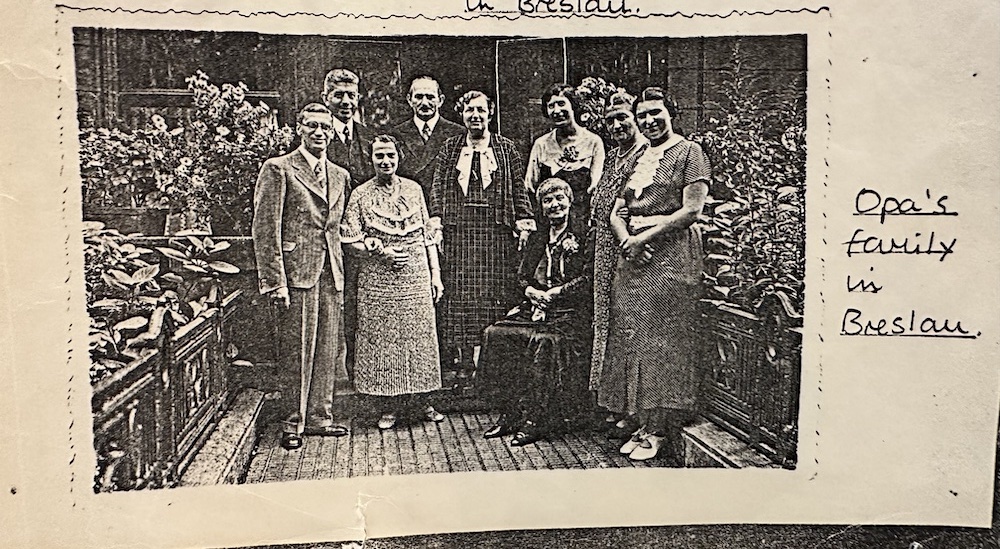
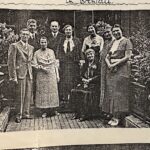
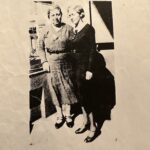
MS: Family photo with Marianne's parents and paternal grandmother in Breslau

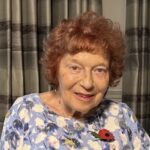
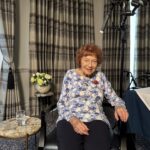
MS: 2023
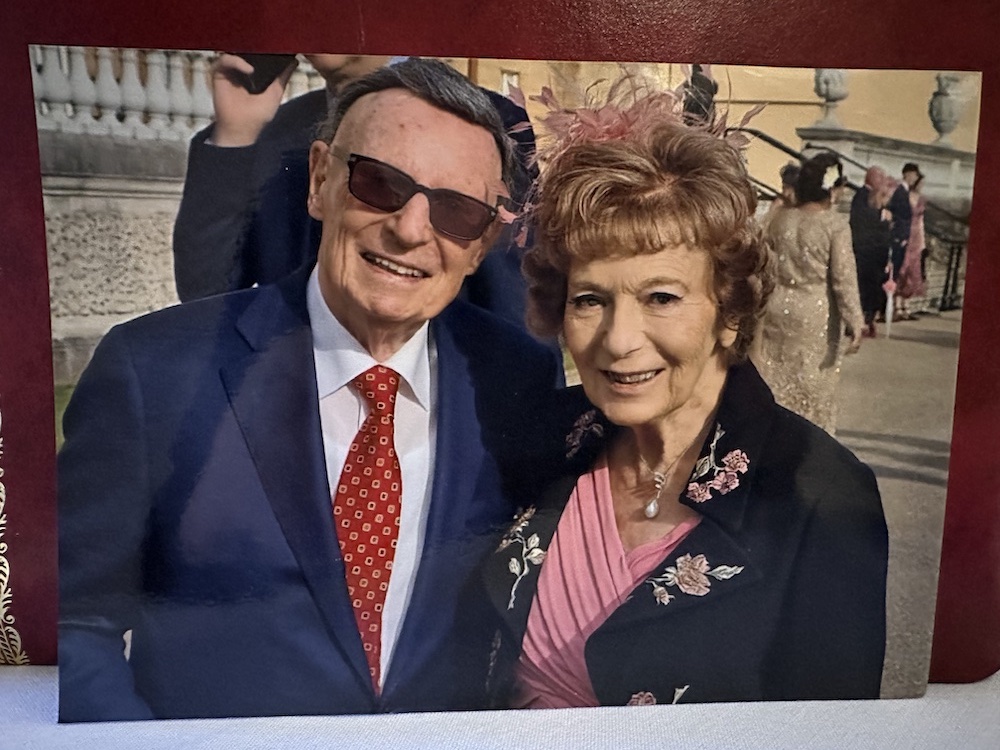
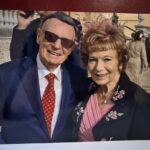
MS: In the garden of Buckingham Palace with their BEM medals
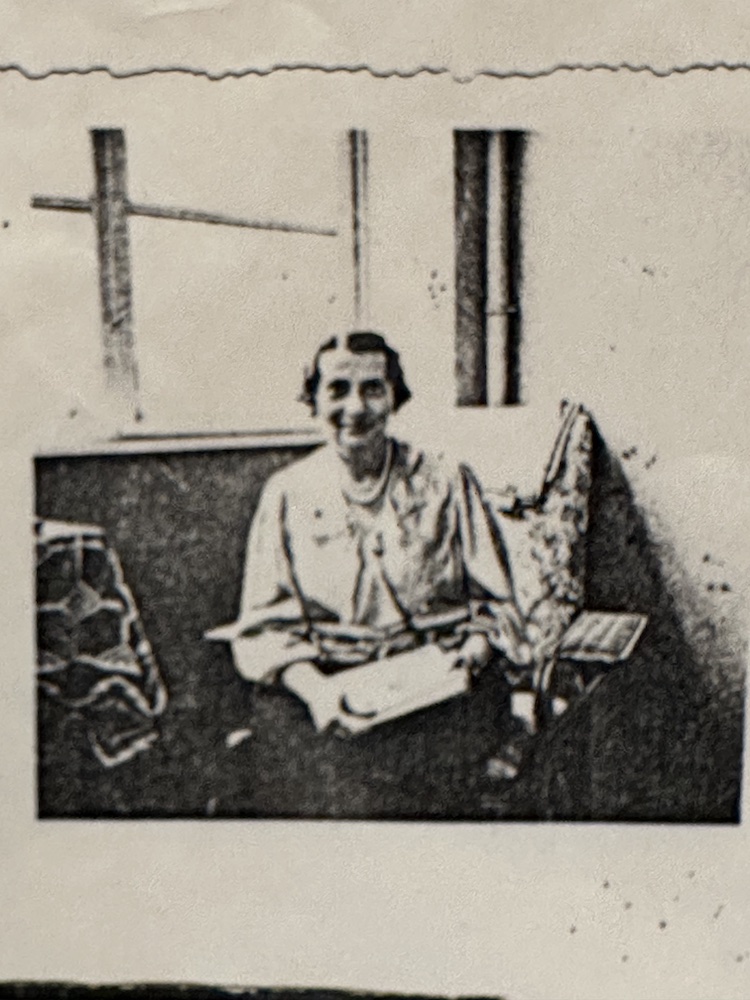
MS: Paternal grandmother Anna in Breslau
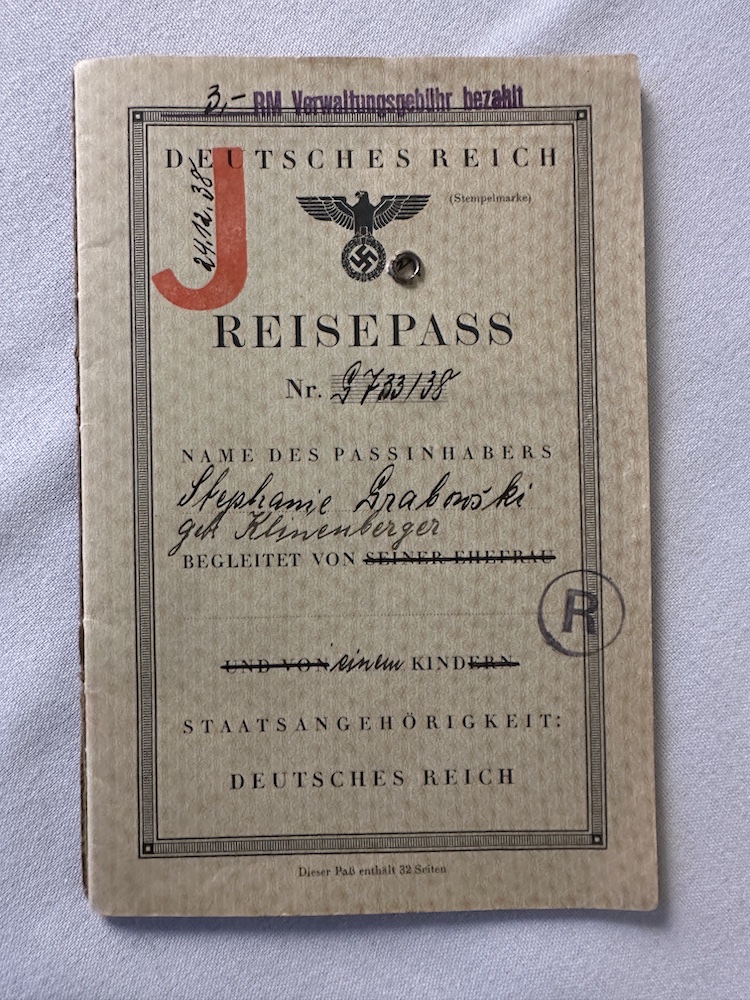
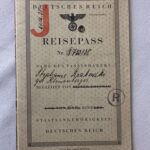
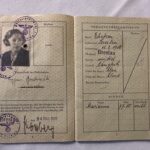
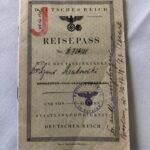
MS: Her mother's passport
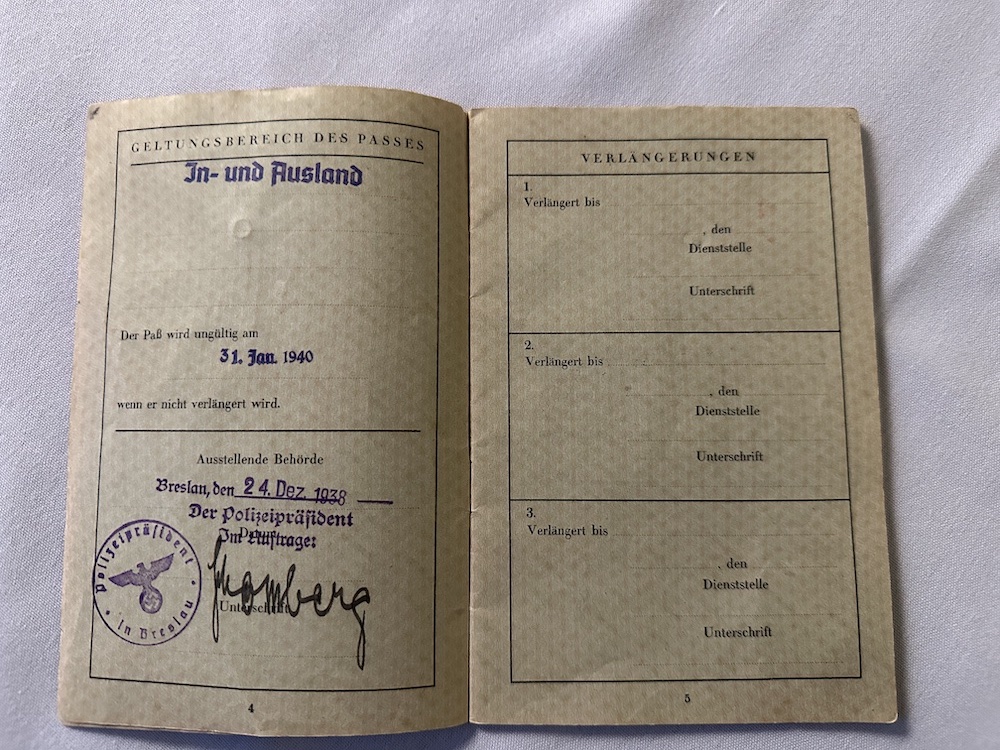
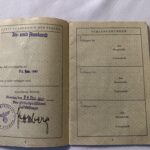
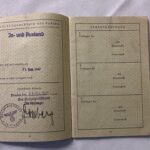
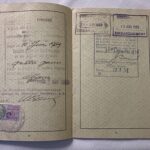
MS: Another page inside her father's passport: issued by the chief of Breslau police on 24th December 1938 - expiry date 31st January 1940
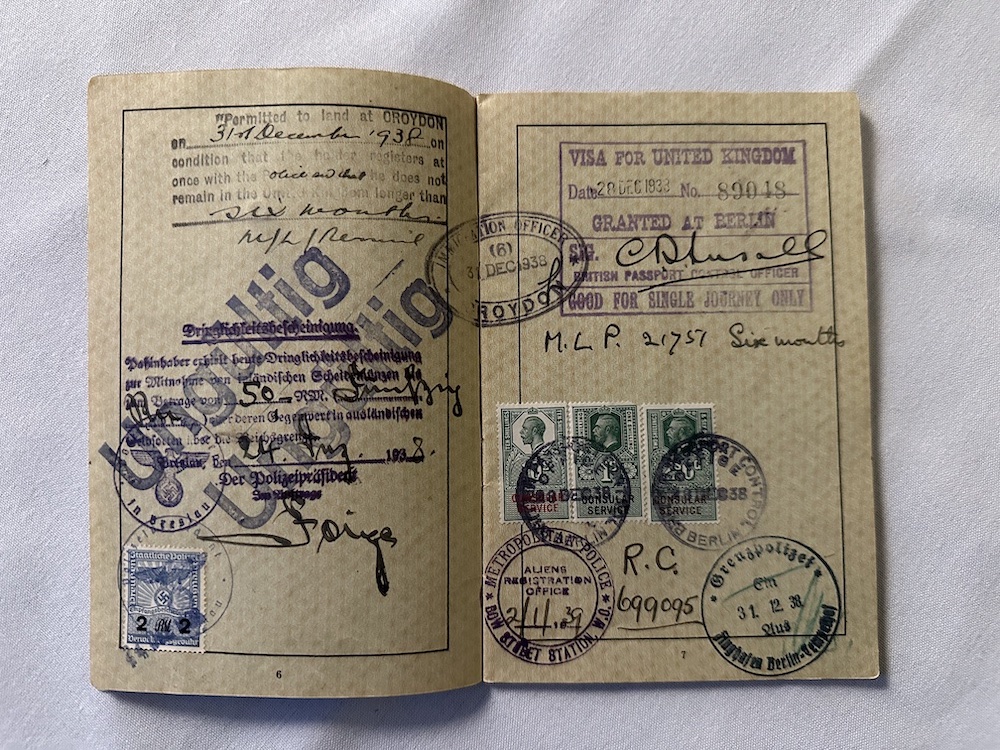
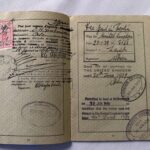
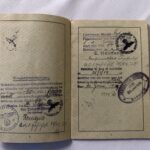
MS: This page of the passport shows her father's visa for the UK for six months. The German stamp is an attestation of urgency allowing to take up to 50 RM or the equivalent in foreign currency across the border"; the big stamp says "invalid"
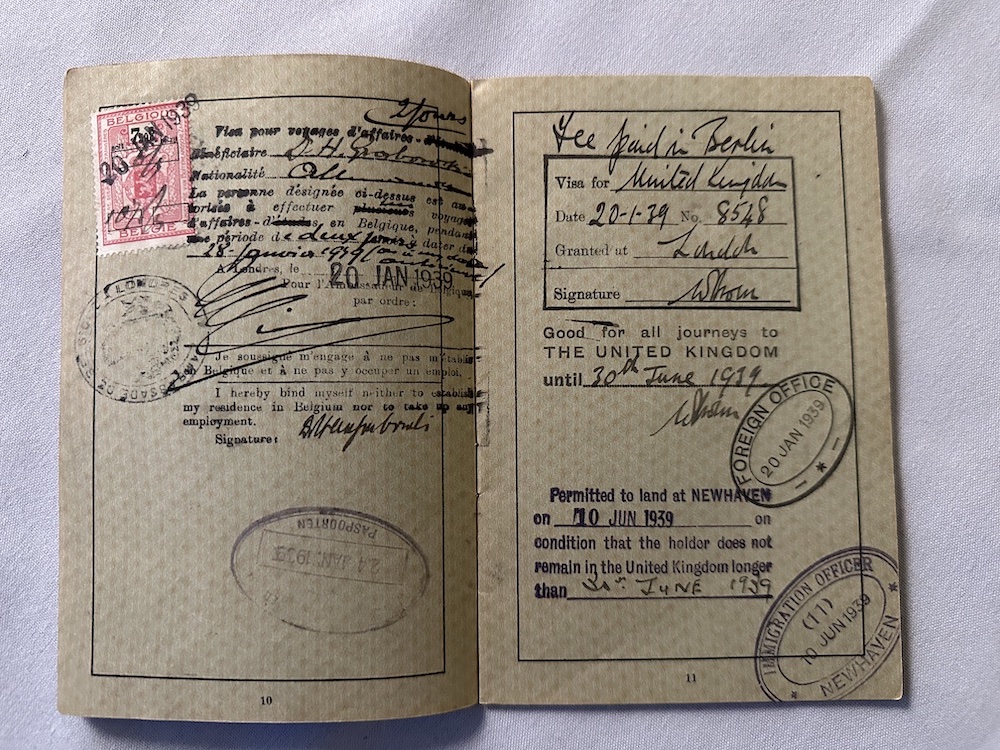
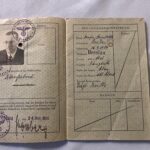
MS: Another age in her father's passport
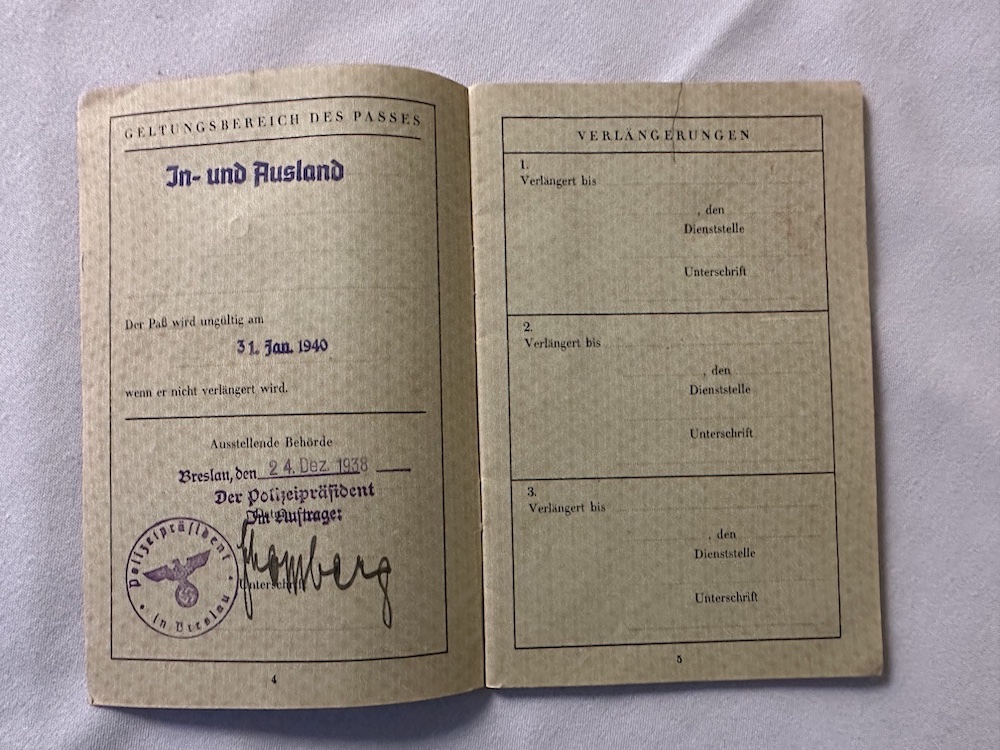
MS: Inside of her mother's passport
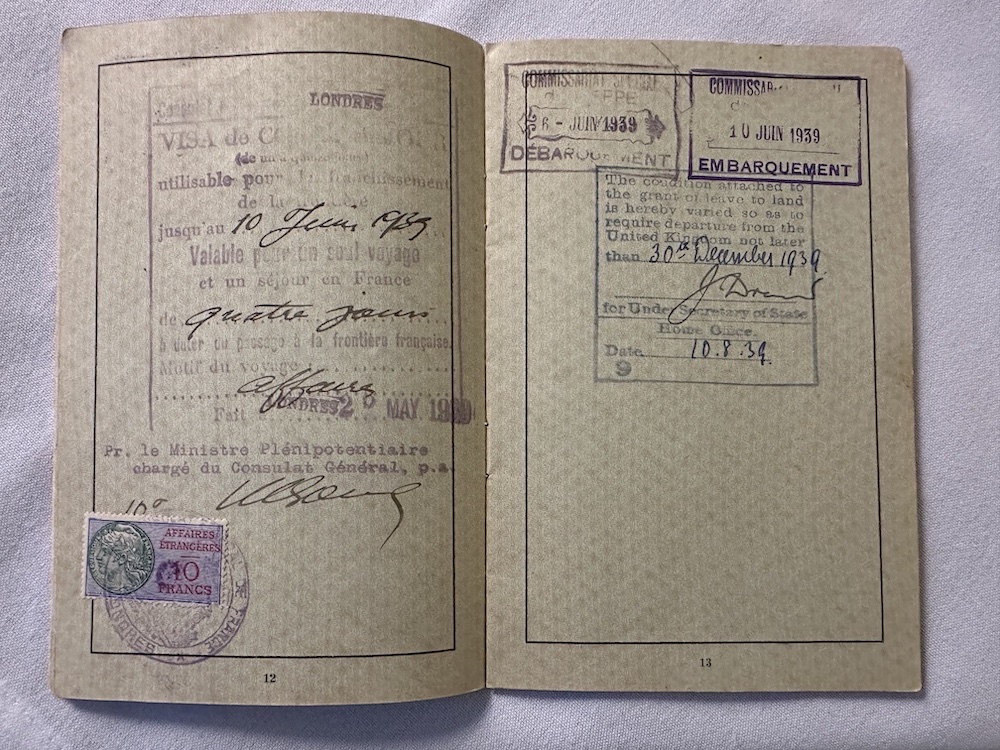
MS: Entry on the left looks like a visa for France
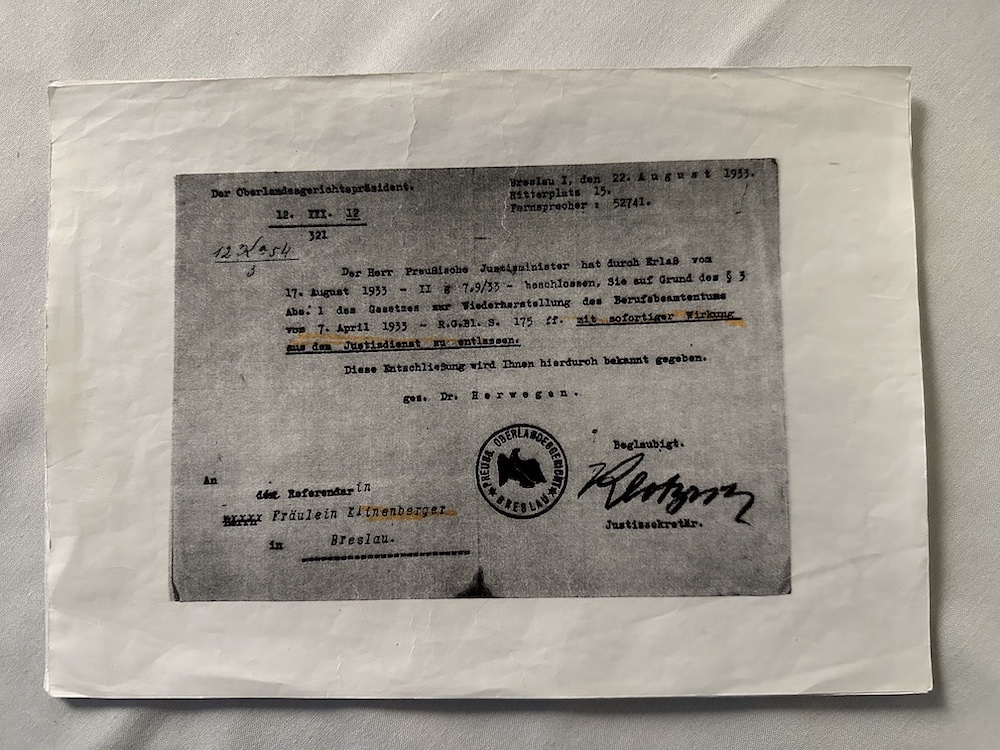
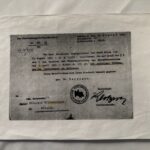
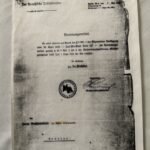
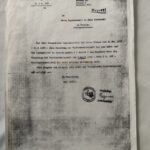
MS: Letter from the Higher Regional Court to her mother who was a legal clerk in August 1933 (part of the legal training): immediately effective she was dismissed from judicial service.
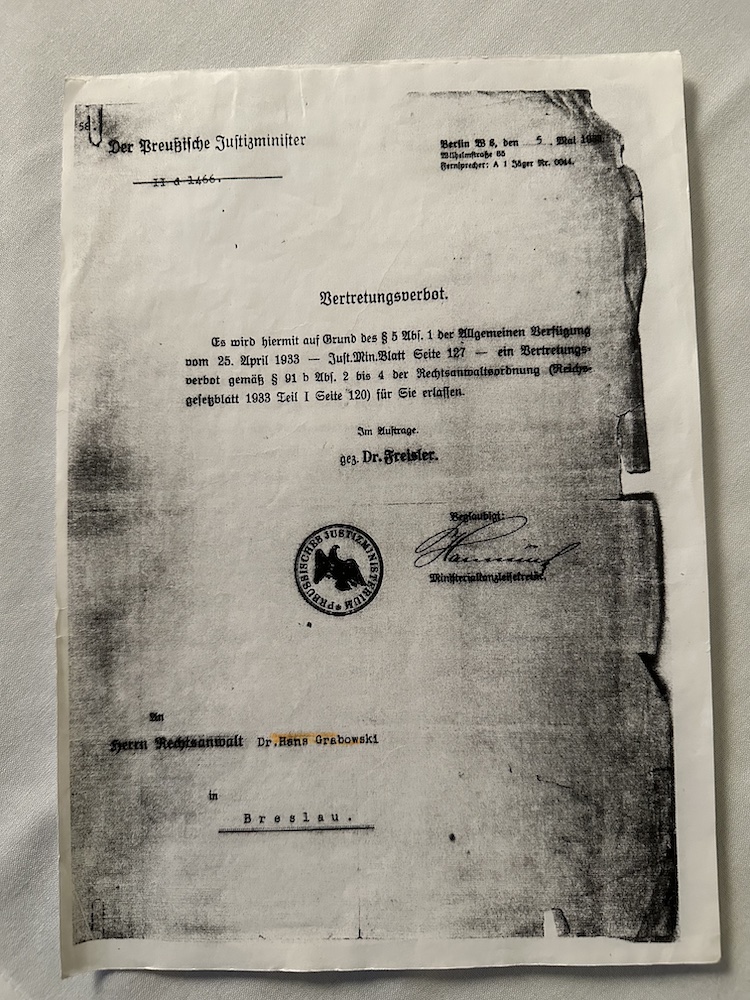
MS: Letter from the infamous Dr. Freisler at the time Minister of Justice for Prussia: Dr. Hans Grabowski was no longer allowed to represent legal clients in court.
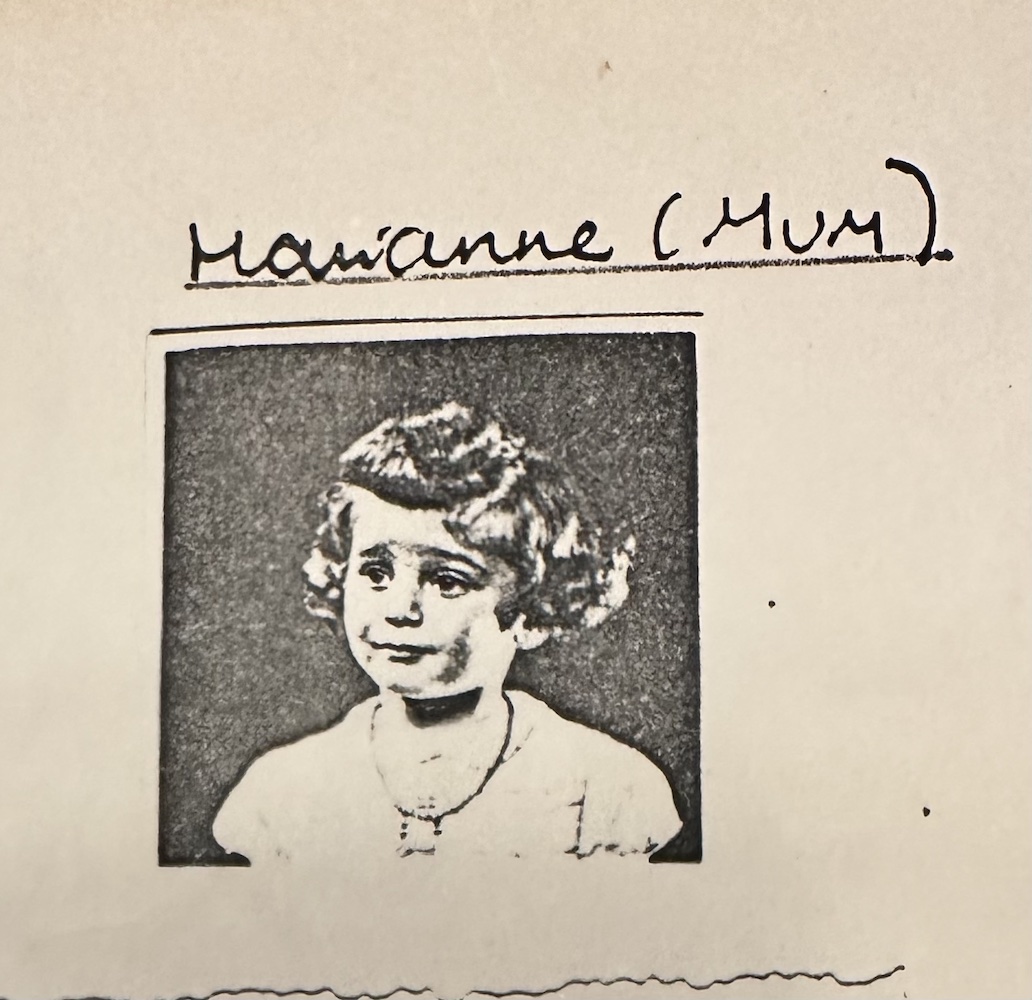
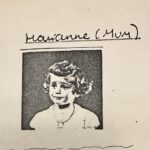
MS: Aged ten
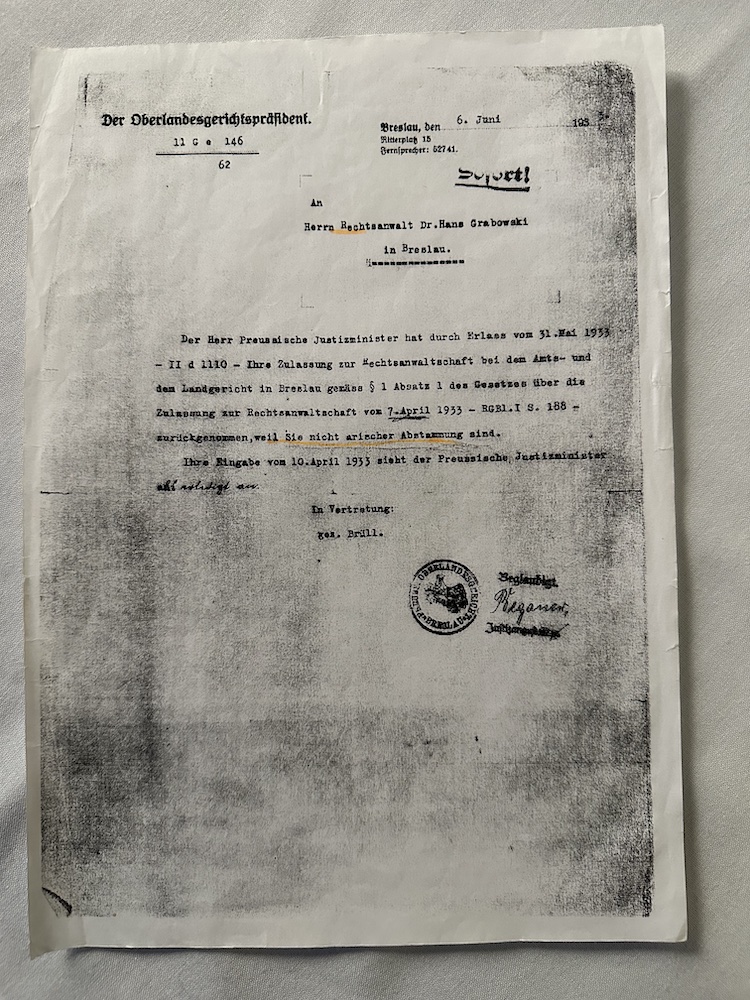
MS: Letter from the Highger Regional Court Breslau to her father; he was no longer allowed to practice law because he was not Aryan (according to a law regarding the registration of lawyers from 7th April 1933)
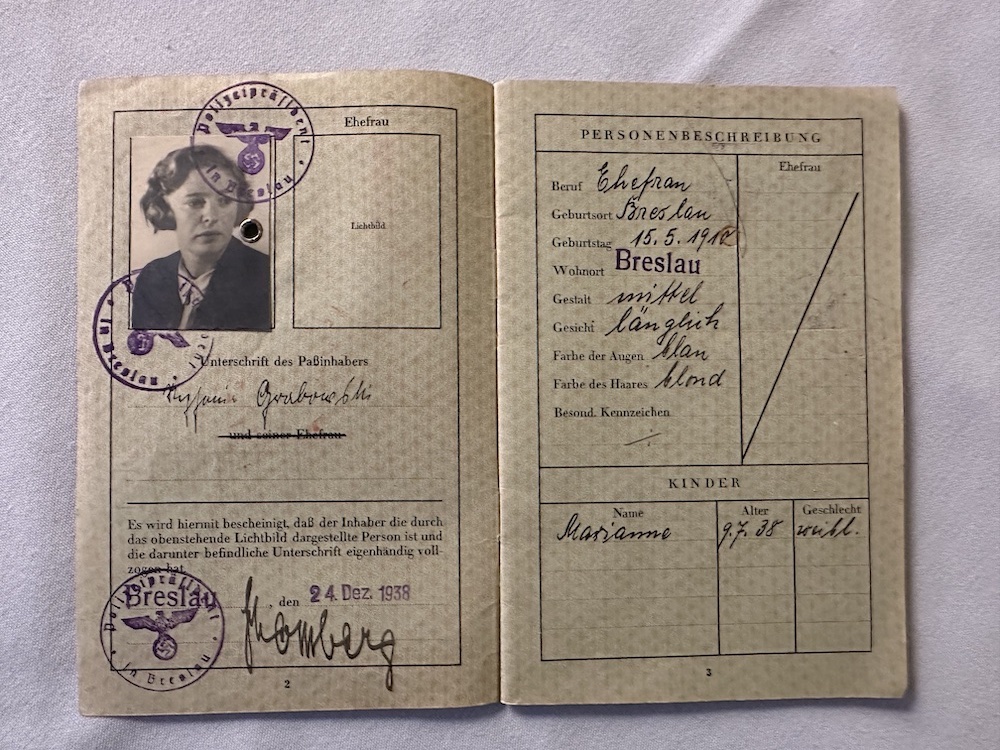
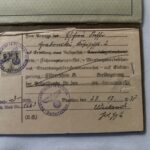
MS: Inside of her mother's passport - personal description
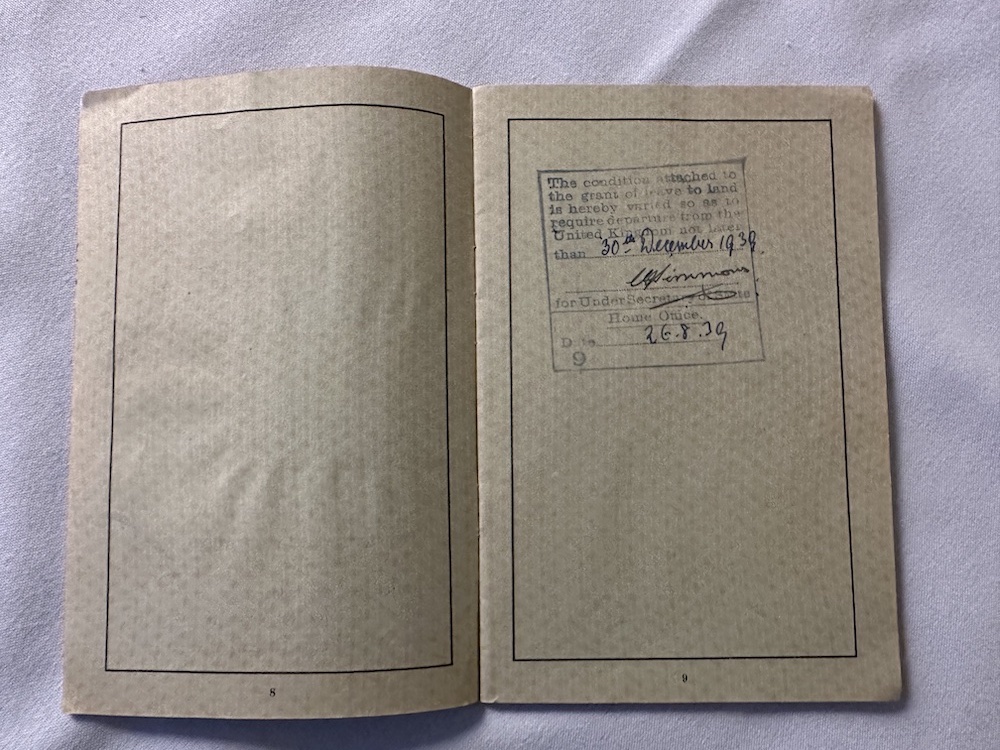
MS: Inside of her mother's passport: "leave to land...requires departure from the UK not later than 30 December 1939"

MS: 2023
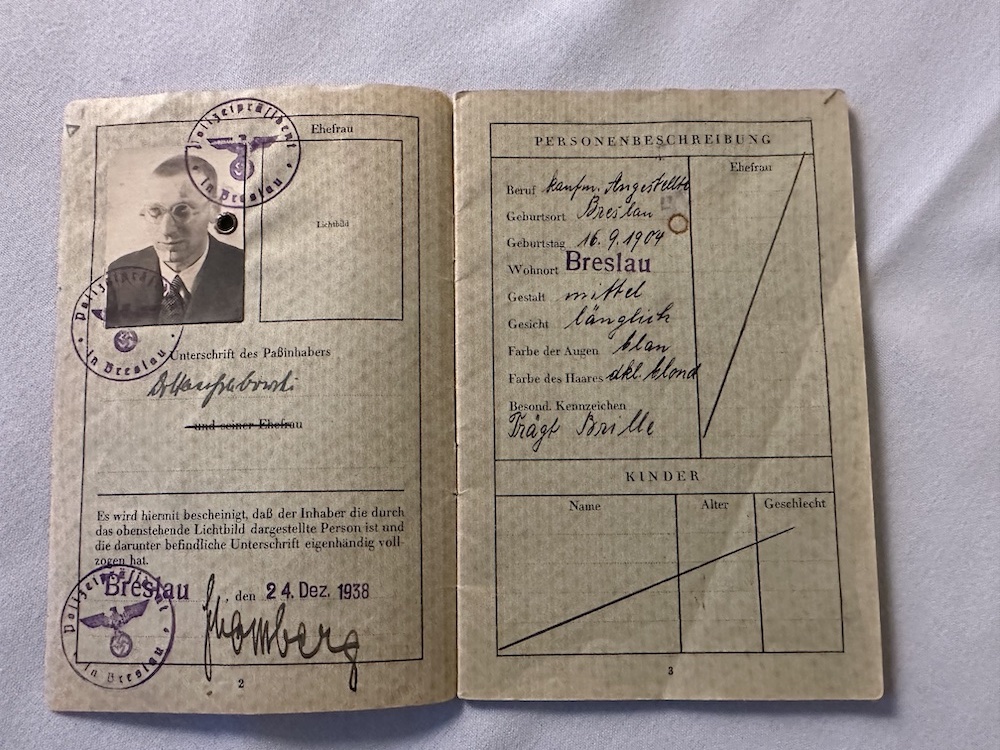
MS: Inside of father's passport
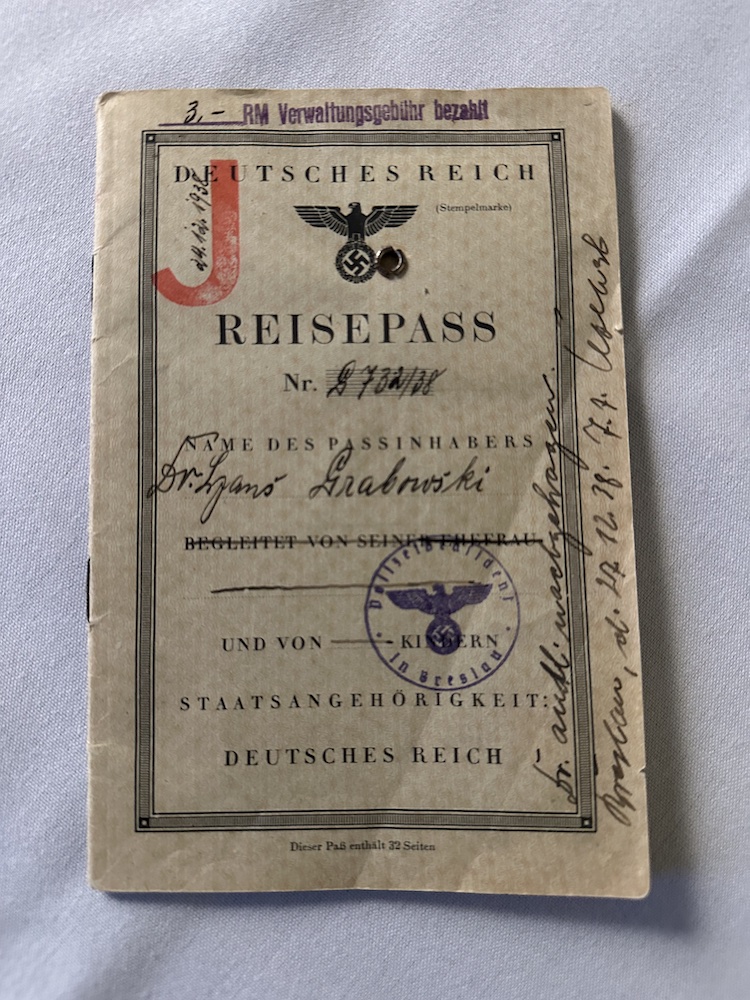
MS: Father's passport
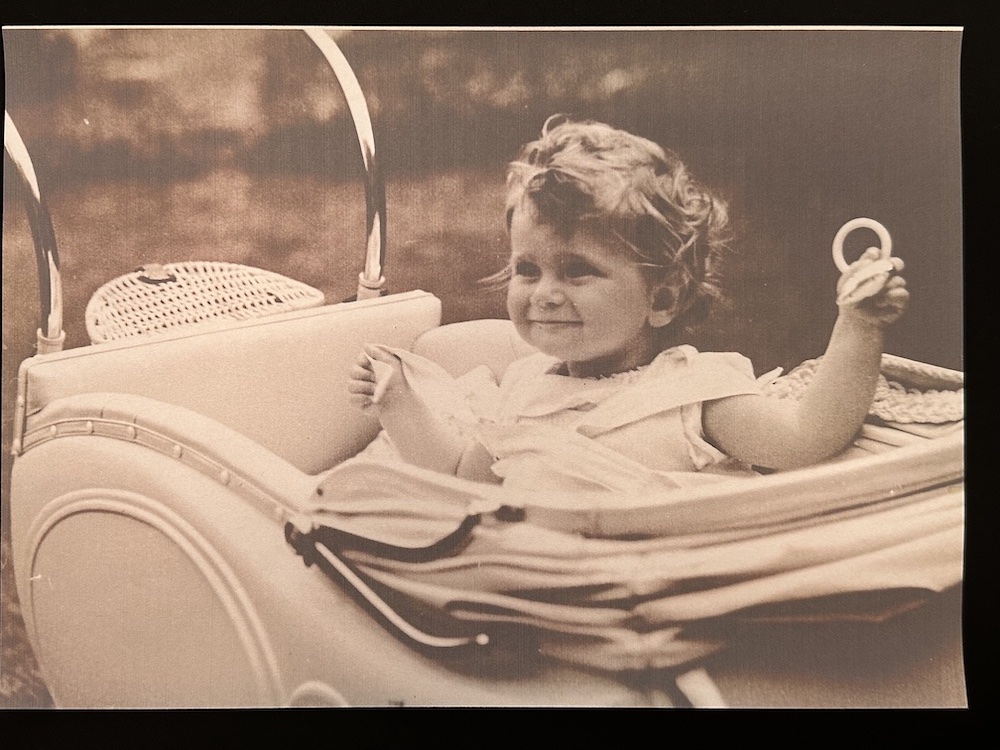
MS: In her aunt Vally's garden
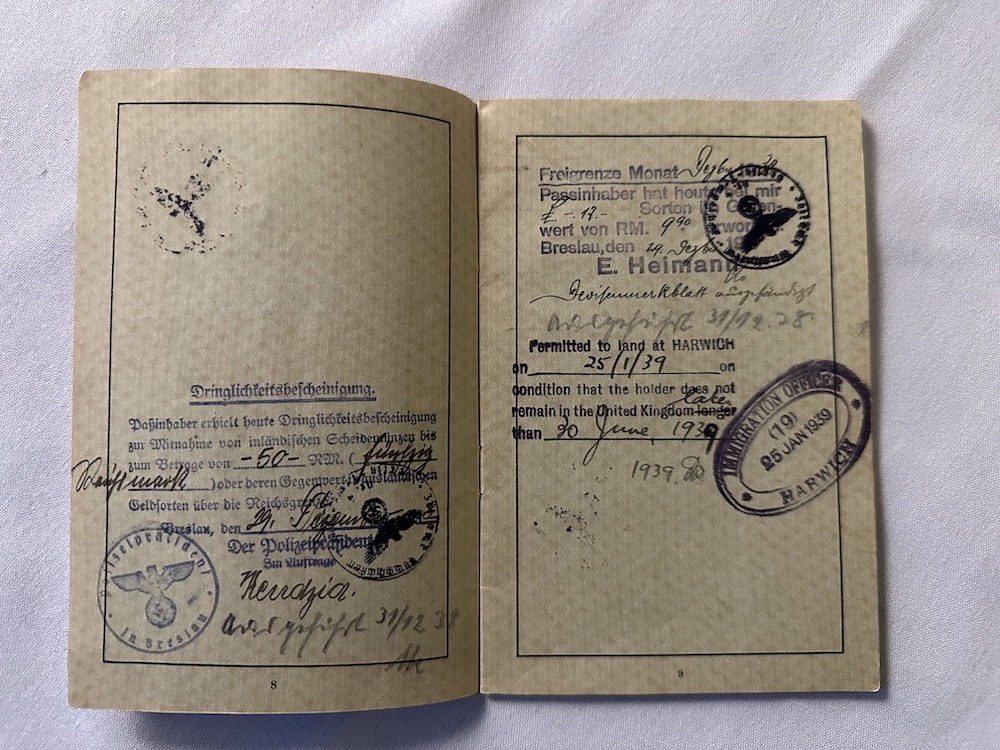
MS: On the left: attestation of urgency allowing to take up to 50 RM or the equivalent in foreign currency across the border"; on the right is the declaration that her father exchanged GBP 17 for 9.90 RM and a stamp from Harwich immigration
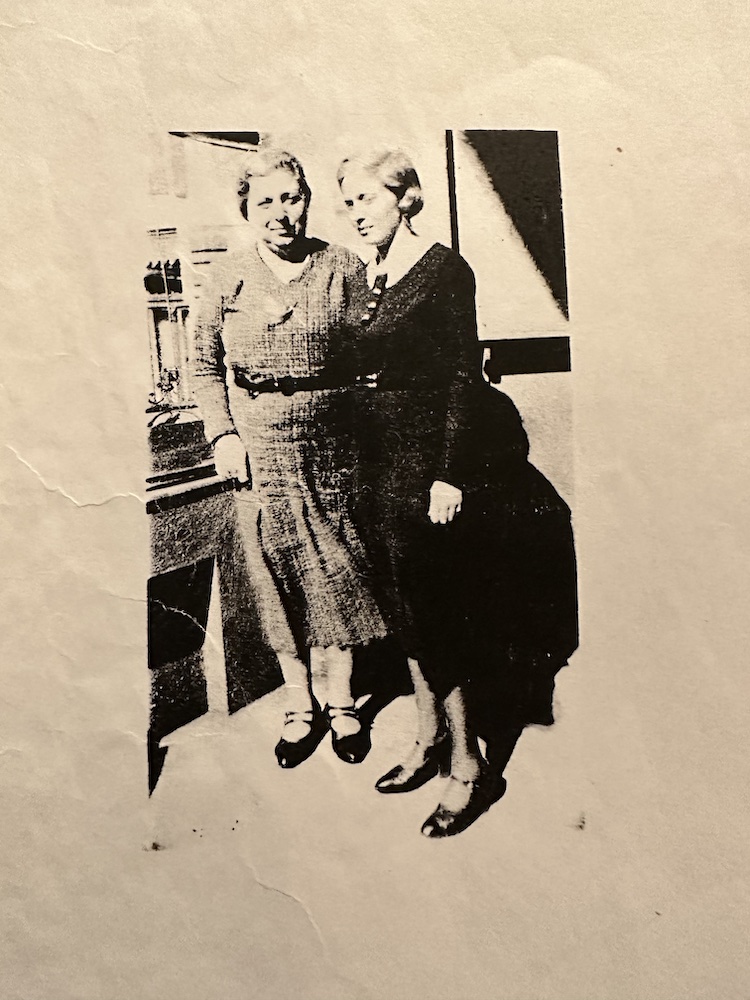
MS: "Photo of Margarete
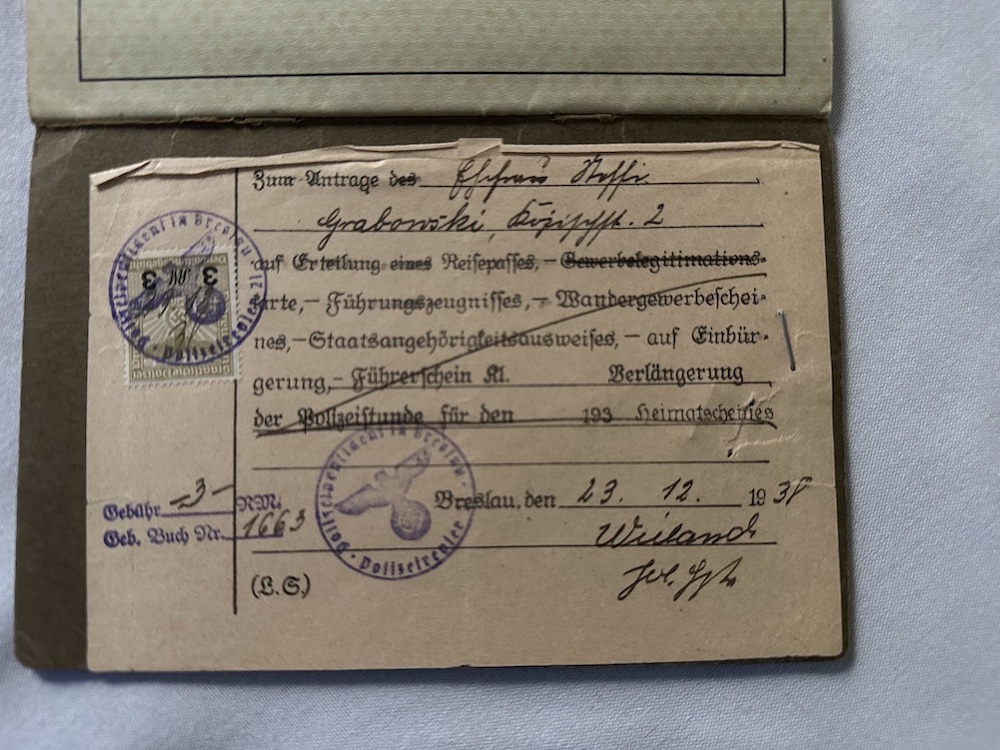
MS: Her father's application for a passport at the police in Breslau
Marianne Summerfield BEM
Born: 1938
Place of Birth: Breslau
Arrived in Britain: 25/02/1939
Interview Summary
Date of interview: 08/11/2023
Marianne Summerfield was born Marianne Grabowski in July 1938 in Breslau [present-day Wroclaw, Poland] as the only child of Stephanie and Hans Grabowski. When anti-Jewish laws came into effect in 1933, her mother had to leave the university. She started learning English and gave private tutoring. Her father joined his uncle’s starch factory. He was interned at Buchenwald concentration camp after the November Pogrom which left both her parents traumatised for a long time. Obtaining the necessary documents, they were able to emigrate to the UK. Unfortunately, they were not able to help both grandmothers to leave Germany. An employee at her uncle’s factory, called Radek, took over the factory when it was ‘Aryanised’ by the Nazis but also helped both of Marianne’s grandmothers with food until they were deported and murdered in Lithuania in 1942. The grandmothers had given Radek two silver dishes which he gave back to Marianne on the occasion of her first marriage.
Marianne’s father arrived in the UK in December 1938 after his release from Buchenwald, Marianne and her mother arrived shortly after in February 1939. Marianne’s first memories are those of air raid alarms and being evacuated at the age of four, first to Cheltenham and then to Bath. She has very fond memories of her fourth birthday and a Christian family caring for her. Her father was interned on the Isle of Man and after his release worked again in a starch factory and her mother taught German. They joined Hendon United Synagogue and mainly mixed with other German Jewish refugees.
Marianne attended Copthall Grammar school and after graduating, became a teacher. She got married and had two daughters. When her marriage ended, she decided to change careers: she attended classes on nursery education and opened a nursery in her home, called Eliot Nursery. Marianne enjoyed working with young children very much and soon expanded her business, eventually running ten nurseries. She later founded the Kingsley School of English. She met her second husband Peter Summerfield, a fellow refugee from Berlin, when he enrolled his children in her nursery. They got married in 1973. When Marianne retired, she followed the example of her brother-in-law George and her husband Peter and became a speaker for HET. Her message to the students and at the end of the interview is: ‘Be kind to each other- focus on what we have in common and not what separates us’. She was awarded a BEM in 2019.
Key words: Grabowski. Buchenwald. Isle of Man. Breslau. Copthall Grammar School. Elliot Nurseries. Kingsley School of English. HET.
Place of Birth
When we left my grandmother wrote me a letter, when I was one year old. She knew she'd never see me again & she wanted me to have some memory of her. So she wrote this letter, which I've got a copy of. She wrote, ‘I want you to know that I'm a modern grandma. I wear a short skirts'—not short by our standards. And she described herself as being fun, & she would have loved & kissed & hugged, & taken me out to see places. It’s a very moving letter. In 1941 or ’42, both my grandmothers were arrested & taken by train to Lithuania, travelled for about 5 days. Can you imagine how it must have been? I know this because my grandson got the information. They got out of the truck, were driven to a pit. There they had to dig their grave & then they were shot. I think on that occasion about 5000 people were killed. Every one of them was murdered. The Ninth Fort in Lithuania. We found out after the war. Of course, very upsetting. My mother always blamed herself for it. She felt she could have done more. ‘I didn't try hard enough.’ But there was no way, they didn’t—no one would sponsor them. She felt guilty. But with some of the restitution money she got—she took the money that was her grandmother's, they got blood money. She took the money & went home & befriended a person or two in need, & with that blood money she bought them a television & things. A lot of their friends said, ‘We don't want to accept any blood money.’ My mother said, ‘No, take the money & use it for something useful.’
Grandmother's letter