
Stephen Nagy
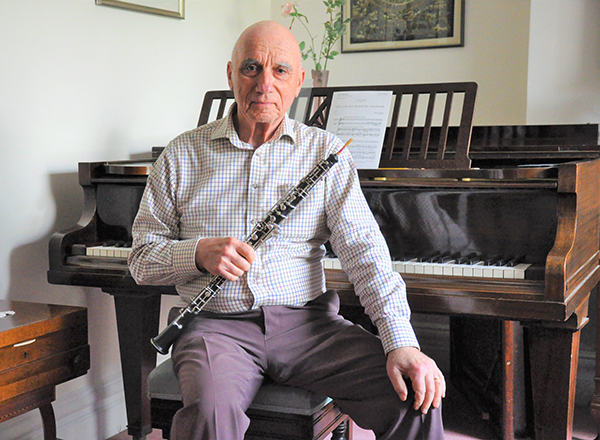
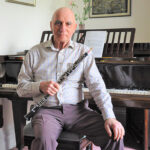
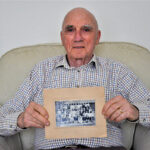
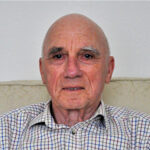
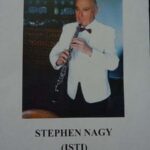
SN: 2019
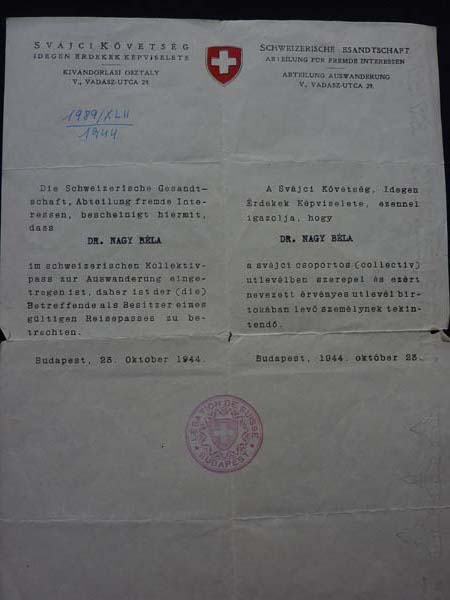
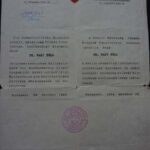
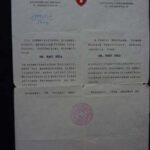
SN: Schutzpass issued in his father's name by the Swiss embassy on 25th October 1944.
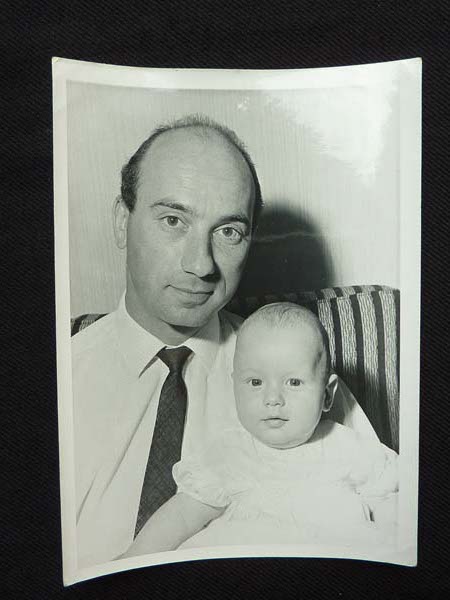
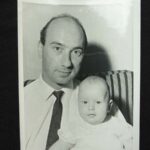
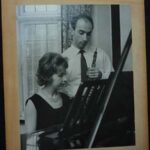
SN: London 1967 with his son Timothy.
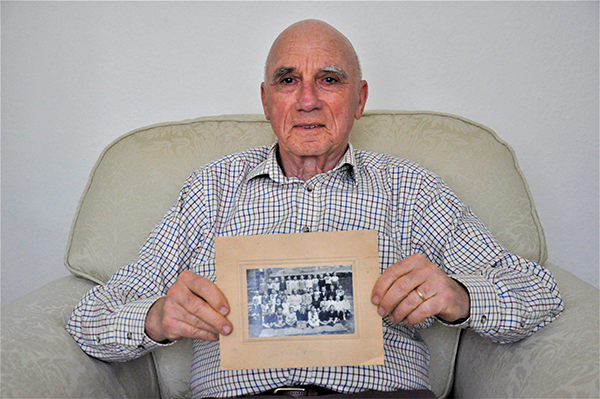
SN: 2019
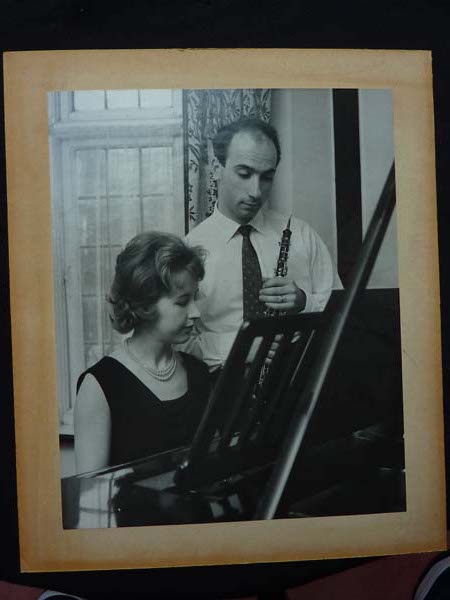
SN: London 1964 photo of his wife and SN
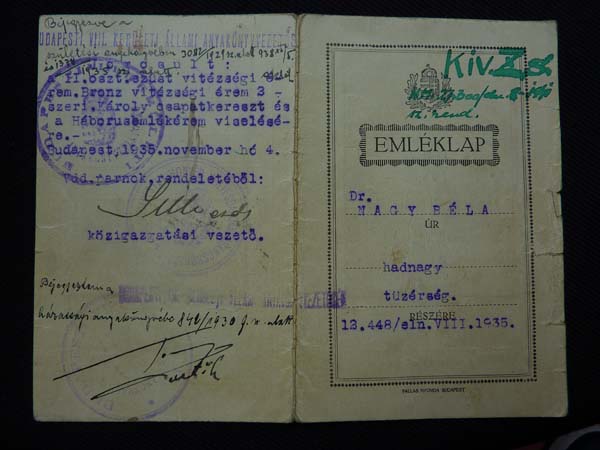
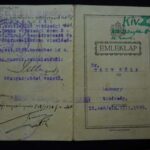
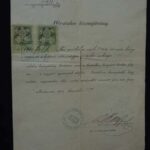
SN: Document from 1935 that shows his father was a reservist in the Hungarian Army.
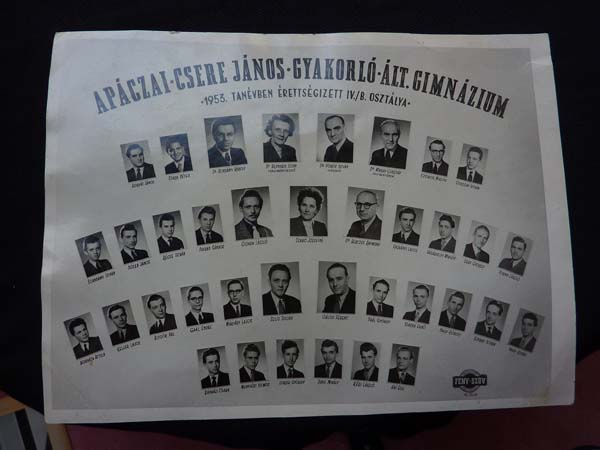
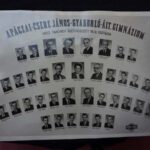
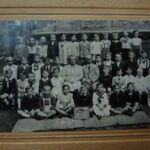
SN: Budapest 1953 matriculation class photo in Budapest. SN second row from the bottom on the right.
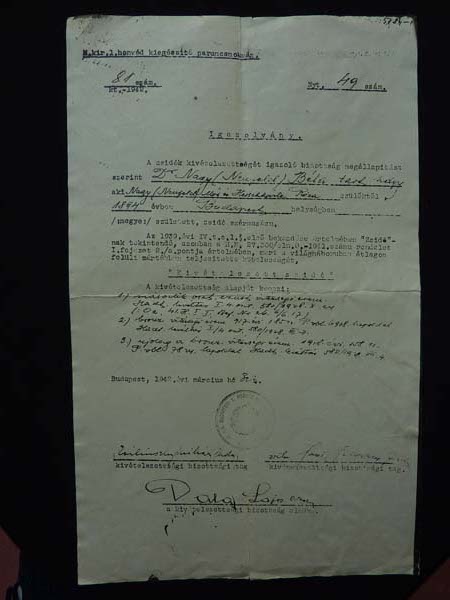
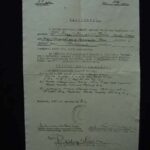
SN: Document from 1942 which exempts his father from potential forced labour because of his service to the country.
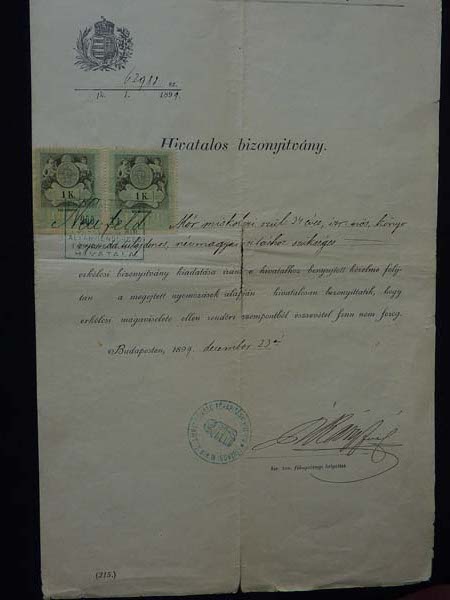
SN: Document from 1899 proving the grandfather's name change from Neufeld to Nagy - a more Hungarian sounding name.
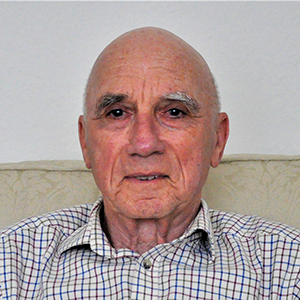
SN: 2019
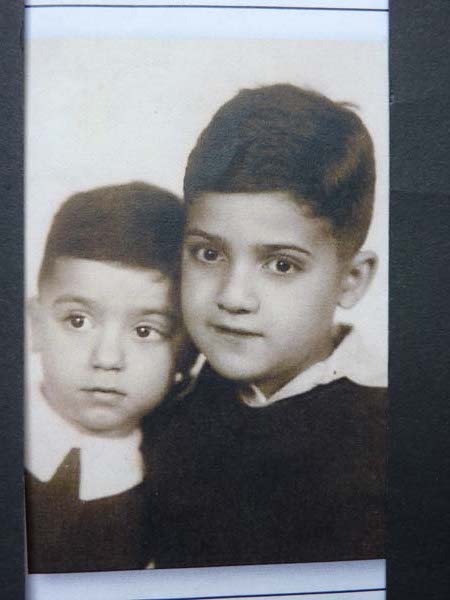
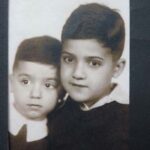
SN: Budapest 1941 SN with his brother who is six years older.
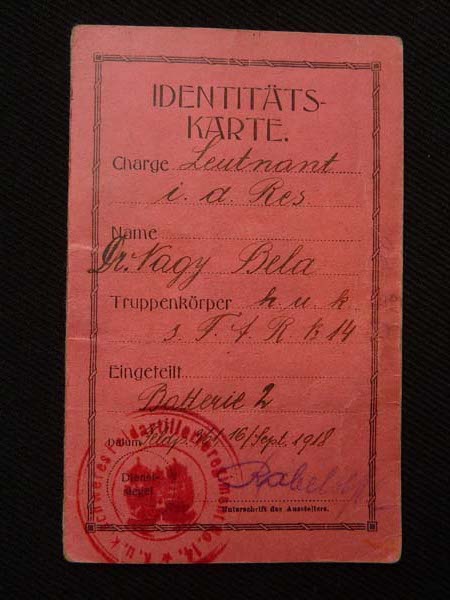
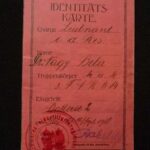
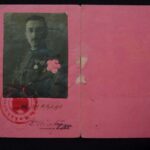
SN: Front cover of his father's identification document as a member of the army.
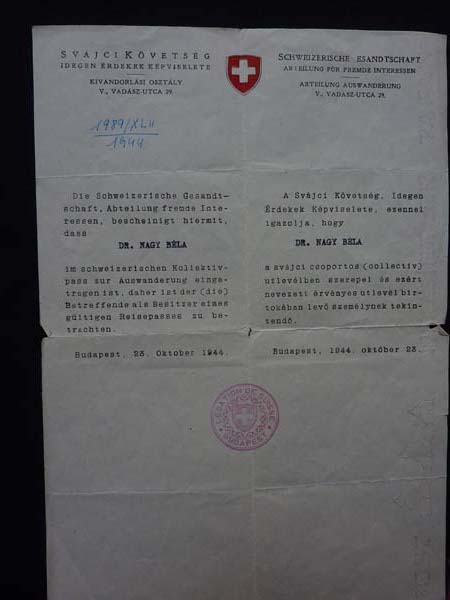
SN: Schutzpass issued in his father's name by the Swiss embassy on 25th October 1944.
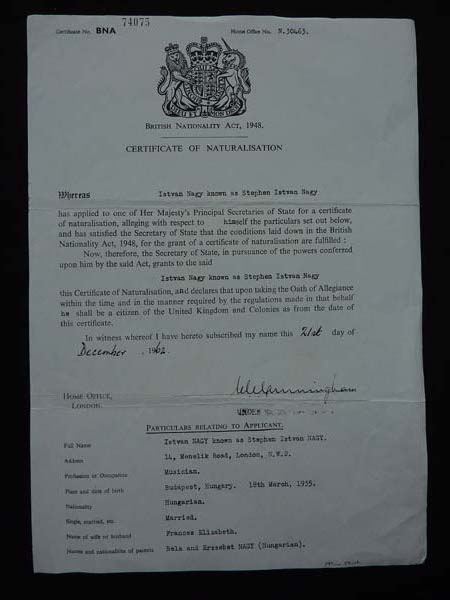
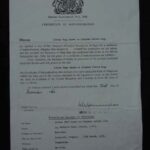
SN: Certificate of Naturalisation
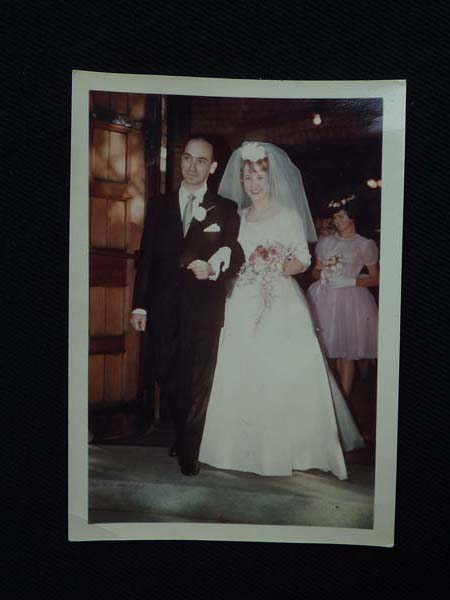
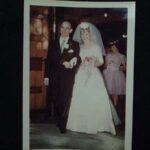
SN: 13th October 1961 Wedding Day
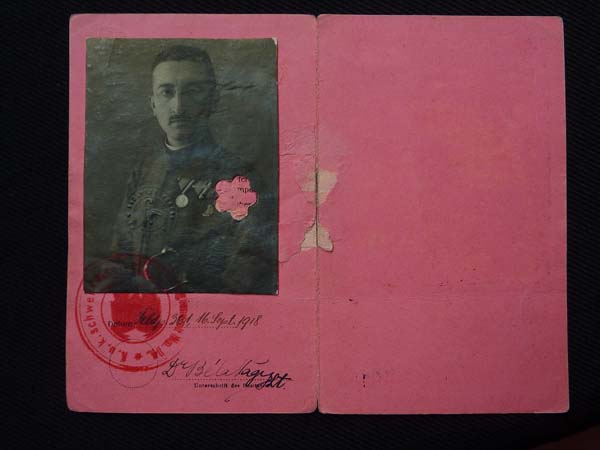
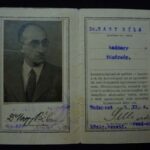
SN: His father's army identification document
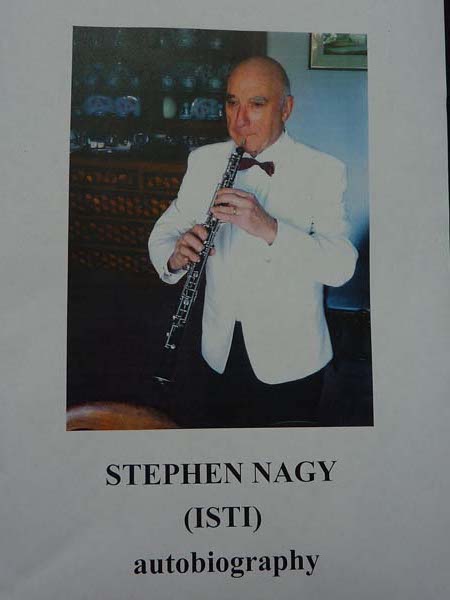
SN: Front page of his autobiography
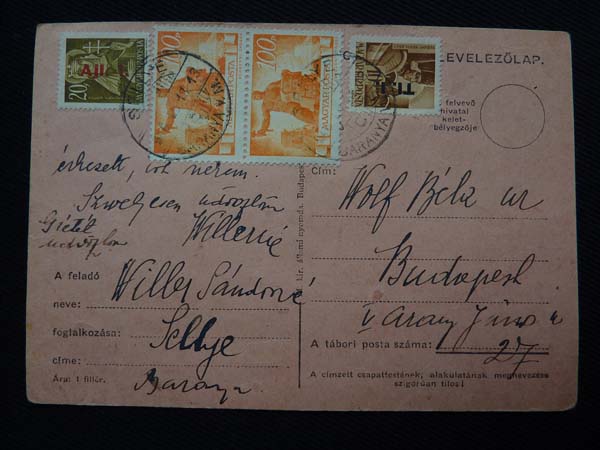
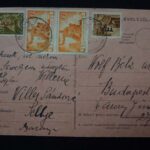
SN: Front of a postcard which answer a newspaper advert looking for his aunt an uncle who were deported to Auschwitz.
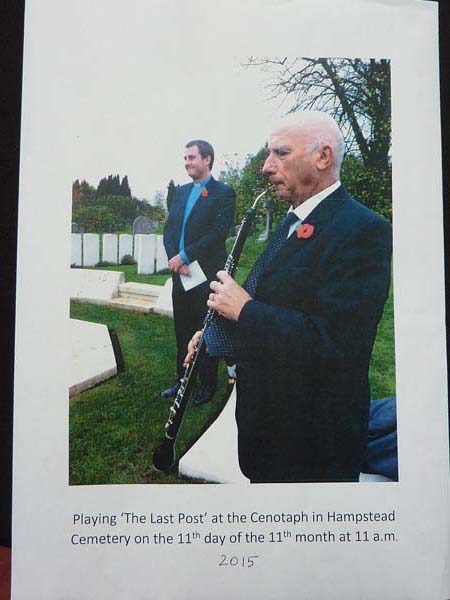
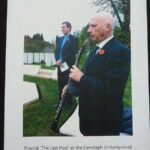
SN: Hampstead Cemetery Cenotaph
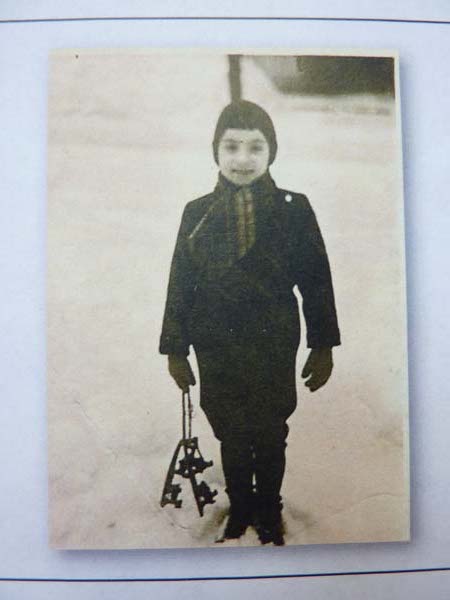
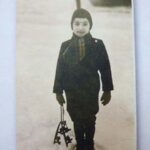
SN: Ice-skating
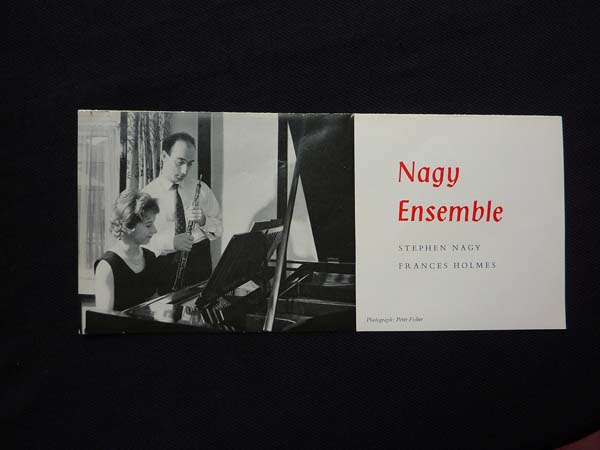
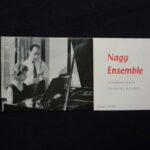
SN: London 1964 brochure of the "Nagy Ensemble"
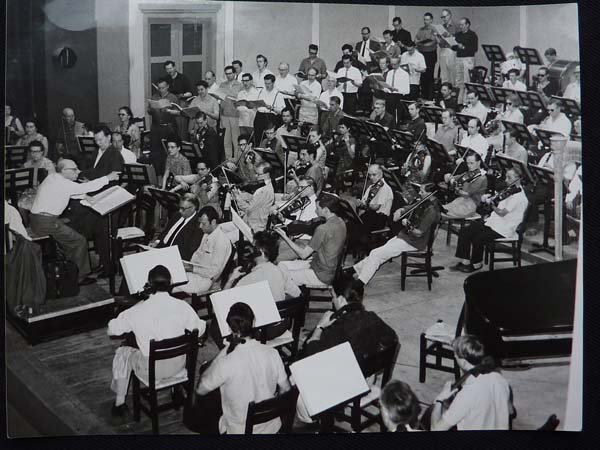
SN: Athens 1966 rehearsing with the great composer Stravinsky.
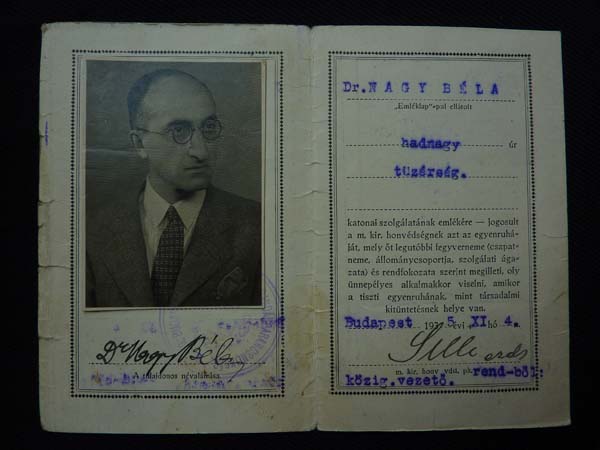
SN: Inside of the reservist document.
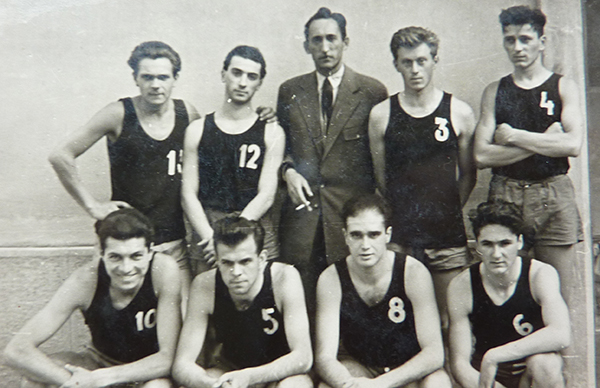
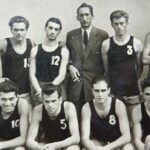
SN: Basketball team at his secondary school - coming in third in a national competition
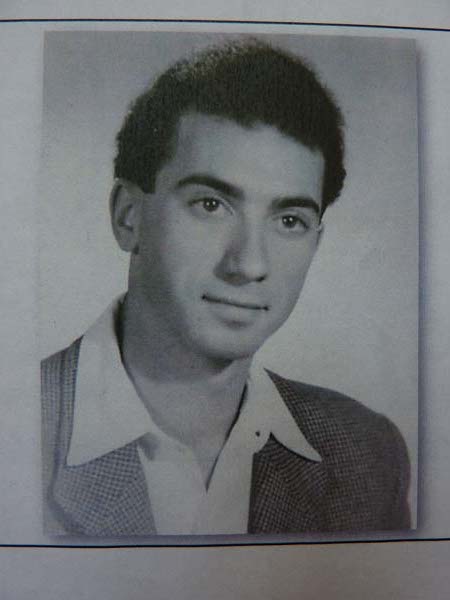
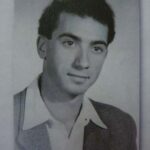
SN: Budapest 1953 at the age of eighteen
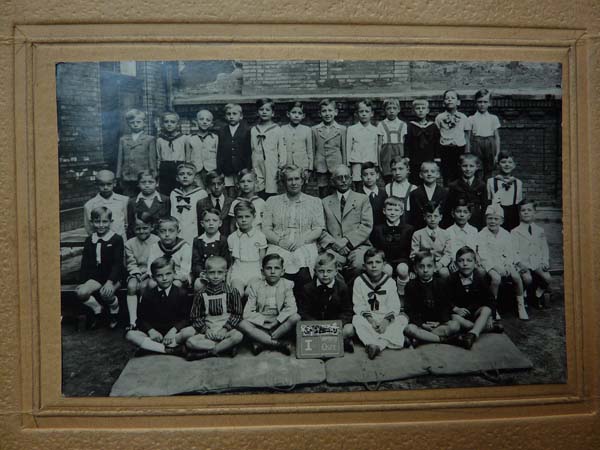
SN: 1941 first class in primary school. SN fifth from the right in the third row
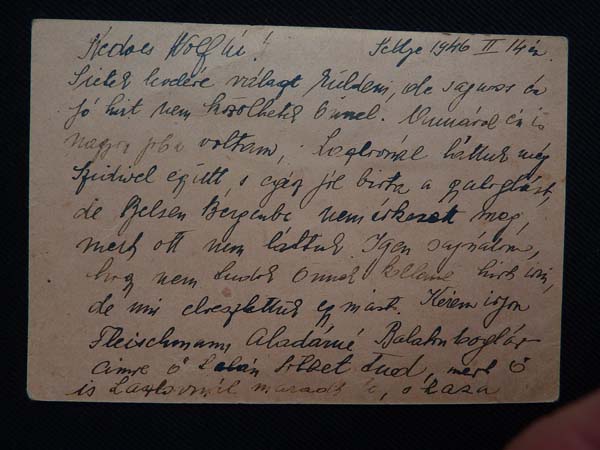
SN: Reverse side of the postcard: The sender says he knew the aunt and that she survived Auschwitz and Birkenau.
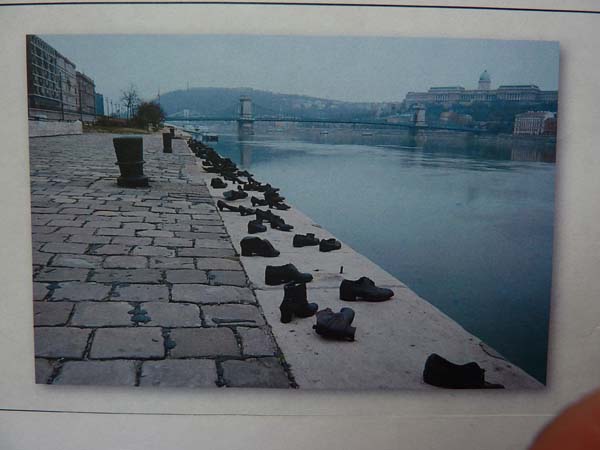
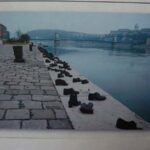
SN: Memorial in Budapest in honour of the Jews who were murdered at the bank of the Danube.
Stephen Nagy
Born: 1935
Place of Birth: Budapest
Arrived in Britain: 29/11/1956
Interview Number: RV235
Interview Summary
Date of interview: 27/03/2019
Stephen (Istvan) Nagy was born in 1935 in Budapest. His mother was a professional violinist and his father owned the St Laszlo printing press. Stephen’s father was taken for forced labour in 1942, but released due to his WWI service record. In 1944 the family moved to a designated ‘Jewish house’; Stephen, however, contracted scarlet fever and was hospitalised. He lost contact with his family and for some months later was alone in Budapest. Having studied oboe at the Franz Liszt Academy of Music, he crossed into Austria in 1954/6, came to England in 1959, and studied at Trinity College of Music. By 1962 he was teaching there, becoming a Senior Professor in 1970, and in 1979, Principal Lecturer.
Place of Birth
I was pretty frightened. I wasn't a happy bunny. But I was 9 & reasonably streetwise & old for my age. I was on my own for nearly two months without seeing any member of my family. Soon after Christmas, suddenly, the adults disappeared [from the Red Cross safe house]. I was curious & went down in the shelter & found a distant relative there, my father's second cousin. She just said 'My God. What are you doing here? Don't go back upstairs. Stay downstairs with me. We've still got some food. We've got a kitchen. & I have friends who sometimes bring food.' This is my children's favourite story: one day she said 'Will you go to this & this address? Somebody will give you some food to bring back.' I went to that address. The lady gave me a saucepan, but a funny saucepan. One of the tall saucepans. In Hungarian, you have the different name for a low one & a high one. This was a high one, full of bean soup. I could even see some meat inside it if I looked carefully. I carried that soup back, occasionally hiding in doorways. Because by then the Russians were strafing all the roads. What I didn't realise, Freedoms Square—Szabadság tér—was very near & the German anti-aircraft was stationed there. So there was lots of bombing. My main concern was dodging the bullets, & in dodging the bullets, not to spill the bean soup. The bean soup safely arrived & I think we lived on that for 2 or 3 days. That's how it went. By then there was tremendous bombardment. The day 18th of January when after weeks of this awful noise of bombs falling suddenly there was an eerie silence. I woke up on a straw mattress next to the lady. Some of the curious ones, which I was one of them, despite that she said to me, 'Don't go outside!' I took my nose outside & saw a few soldiers with guns in a different uniform. The Germans had a sort of bluish-grey uniform. The Hungarians had khaki uniform & the Russians had, again, khaki but a different colour, a yellowish-brown uniform. And then we realised that we were ‘free’—again, in inverted commas.
Hiding in a Red Cross safe house during the siege of Budapest