History
Explore the timeline below to trace the AJR’s history — from its founding years to its lasting role in preserving refugee voices and experiences.
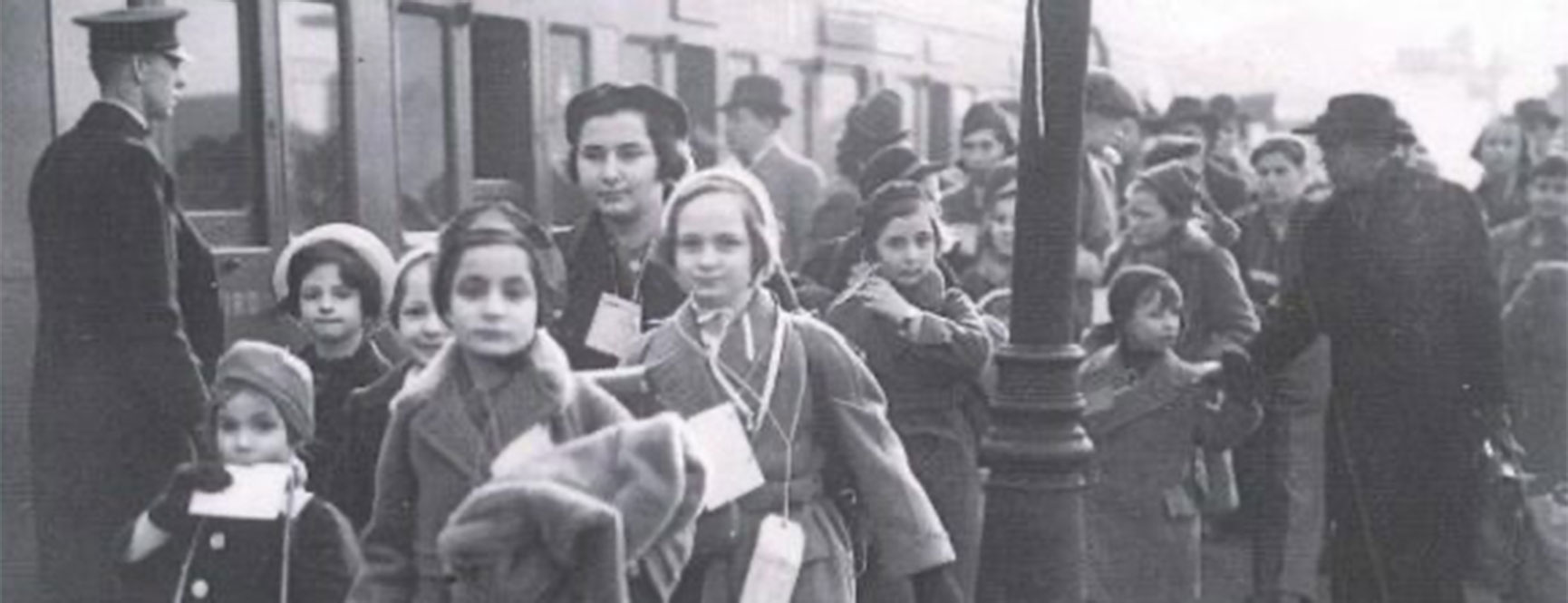
Founded in London in summer 1941, the AJR is one of the most important organisations established anywhere in the world by the Jewish refugees from Germany and Austria. Bringing together Orthodox, Liberal and Zionist voices with a shared purpose: supporting Jewish refugees rebuilding their lives in Britain after 1933.
While its leadership reflected a broad spectrum of Jewish life, the AJR’s growing membership came to represent the many secular and assimilated refugees who had fled Nazi persecution. Under the long leadership of General Secretary Werner Rosenstock (1941–1982), the AJR established its home in Hampstead’s Finchley Road area, where it remained for decades as a centre of support, community and advocacy.
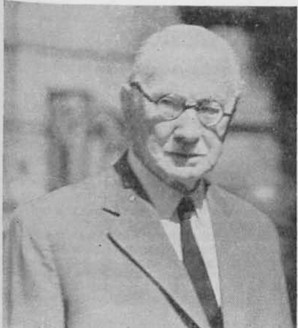
July: AJR founded at two meetings held in Belsize Park. Adolf Schoyer becomes Chairman of Committee of Management, Adolf Michaelis Vice-Chairman, Werner Rosenstock Secretary
July: AJR founded at two meetings held in Belsize Park. Adolf Schoyer becomes Chairman of Committee of Management, Adolf Michaelis Vice-Chairman, Werner Rosenstock Secretary
15 April: AJR recognised as a Friendly Society 19 April: First major meeting of the AJR outside London held in Birmingham
15 April: AJR recognised as a Friendly Society 19 April: First major meeting of the AJR outside London held in Birmingham
18 April: First Annual General Meeting of the AJR held at Stern Hall, West London Synagogue
18 April: First Annual General Meeting of the AJR held at Stern Hall, West London Synagogue
17 April: AJR concert held at Wigmore Hall with pianist Franz Osborn
17 April: AJR concert held at Wigmore Hall with pianist Franz Osborn
15 May: In the House of Commons, one week after the end of the war in Europe, Prime Minister Winston Churchill rejects proposal to repatriate Jewish refugees to their countries of origin, securing foundation of refugee settlement in the UK
15 May: In the House of Commons, one week after the end of the war in Europe, Prime Minister Winston Churchill rejects proposal to repatriate Jewish refugees to their countries of origin, securing foundation of refugee settlement in the UK
15 November: Home Secretary James Chuter Ede announces resumption of naturalisation, suspended in November 1940, allowing many thousands of Jewish refugees to acquire British citizenship
15 November: Home Secretary James Chuter Ede announces resumption of naturalisation, suspended in November 1940, allowing many thousands of Jewish refugees to acquire British citizenship
January: First issue of monthly journal AJR Information published. Editors Werner Rosenstock (till 1982), Herbert Freeden (till 1950) and Ernst Lowenthal (1946)
January: First issue of monthly journal AJR Information published. Editors Werner Rosenstock (till 1982), Herbert Freeden (till 1950) and Ernst Lowenthal (1946)
June: First meeting of the Council of Jews from Germany, set up to represent all Jewish refugees from Germany, held in London, hosted by the AJR. Rabbi Dr Leo Baeck, now in Britain, appointed president
June: First meeting of the Council of Jews from Germany, set up to represent all Jewish refugees from Germany, held in London, hosted by the AJR. Rabbi Dr Leo Baeck, now in Britain, appointed president
United Restitution Organisation opens – created by the AJR to represent refugees with claims for compensation and restitution
United Restitution Organisation opens – created by the AJR to represent refugees with claims for compensation and restitution
August: Opening of Otto Schiff House in Netherhall Gardens, Hampstead, the first of the homes for elderly refugees whose administration the AJR shared with the Central British Fund.
August: Opening of Otto Schiff House in Netherhall Gardens, Hampstead, the first of the homes for elderly refugees whose administration the AJR shared with the Central British Fund.
18 February: Opening of AJR Club, its first social centre for refugees, at 57, Eton Avenue, Belsize Park, later at Hannah Karminski House, 9, Adamson Road, Swiss Cottage 2 November: Death of Rabbi Dr Leo Baeck
18 February: Opening of AJR Club, its first social centre for refugees, at 57, Eton Avenue, Belsize Park, later at Hannah Karminski House, 9, Adamson Road, Swiss Cottage 2 November: Death of Rabbi Dr Leo Baeck
Passage through parliament of Dentists Act, allowing registration of foreign dentists previously unable to practise. After years of lobbying successive governments, the AJR had finally succeeded in overcoming the last obstacle to the registration of doctors and dentists from Europe
Passage through parliament of Dentists Act, allowing registration of foreign dentists previously unable to practise. After years of lobbying successive governments, the AJR had finally succeeded in overcoming the last obstacle to the registration of doctors and dentists from Europe
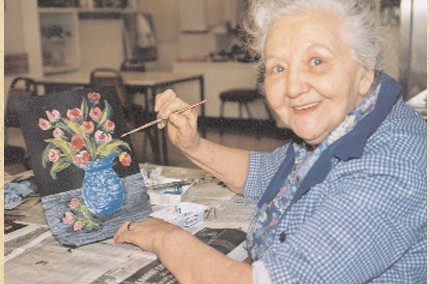
Opening of Otto Hirsch House in Kew, followed by three homes in the Bishop’s Avenue (Leo Baeck House, Osmond House, and Heinrich Stahl House), and by Eleanor Rathbone House (flatlet homes) in Highgate