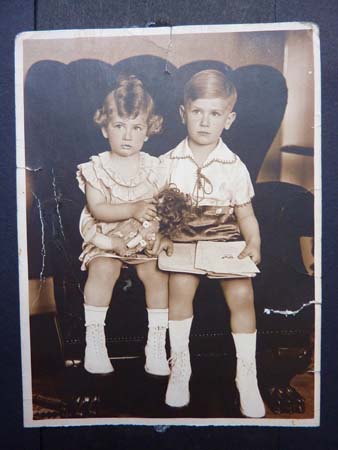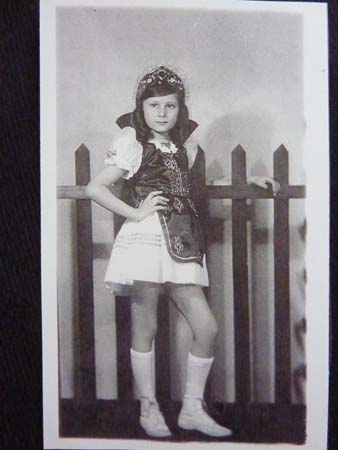
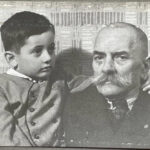
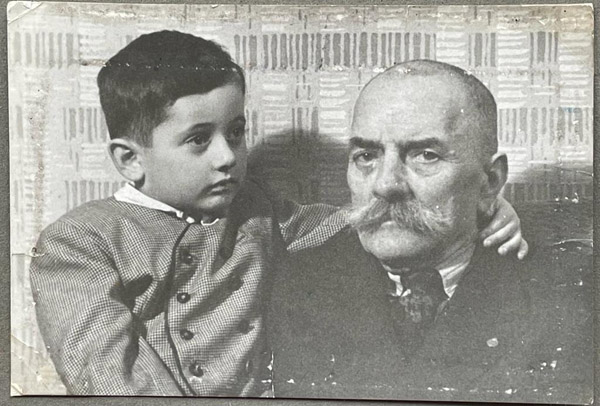
Laszlo Roman: Photo with his grandfather in Budapest
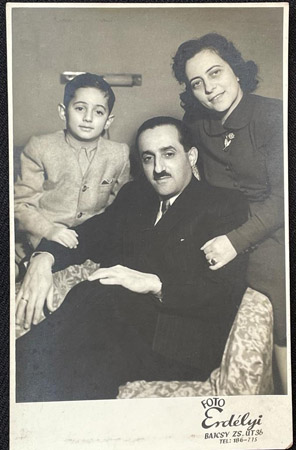
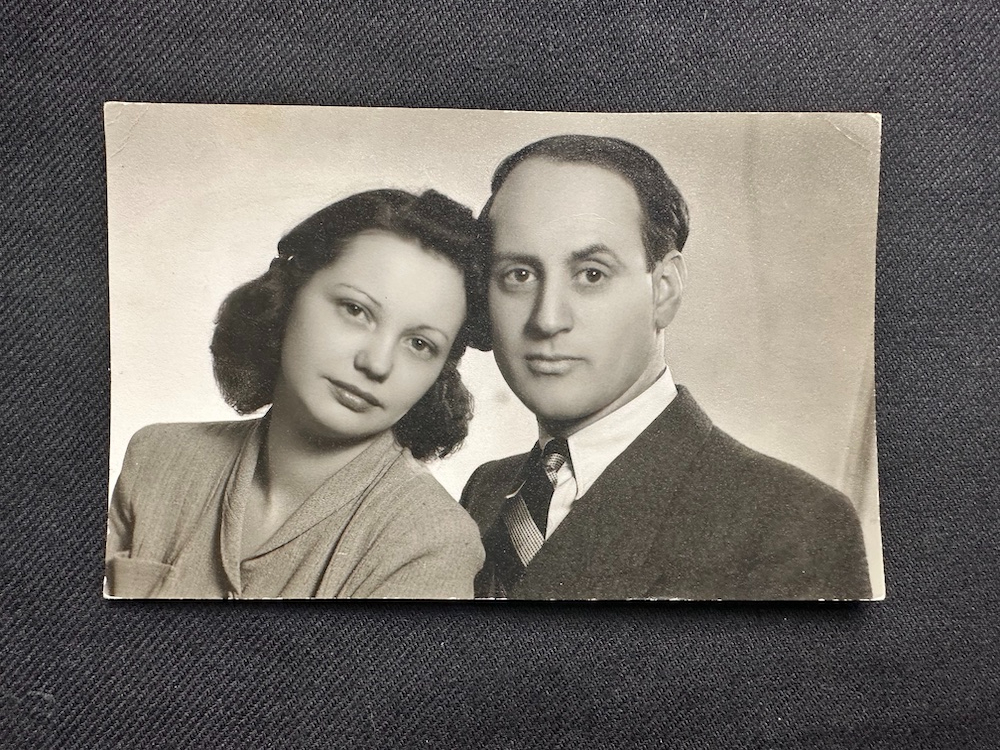
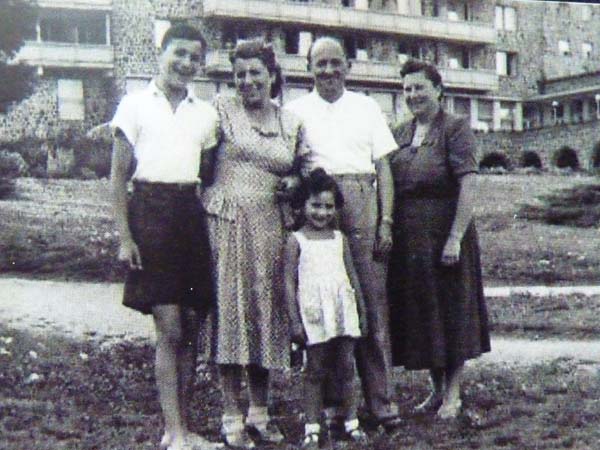
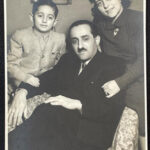
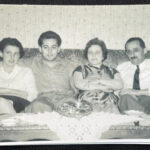
Laszlo Roman: Family photo 1945 or maybe 1946 in their apartment in Budapest
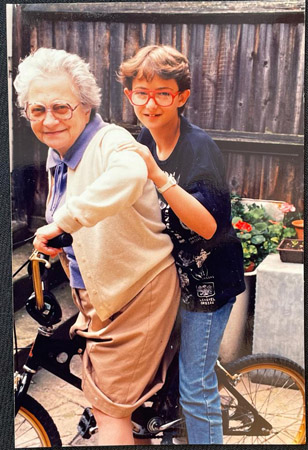
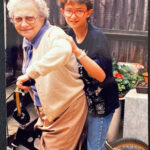
Laszlo Roman: "My mum and my daughter Thalia riding the bicycle in our garden in the mid-eighties."
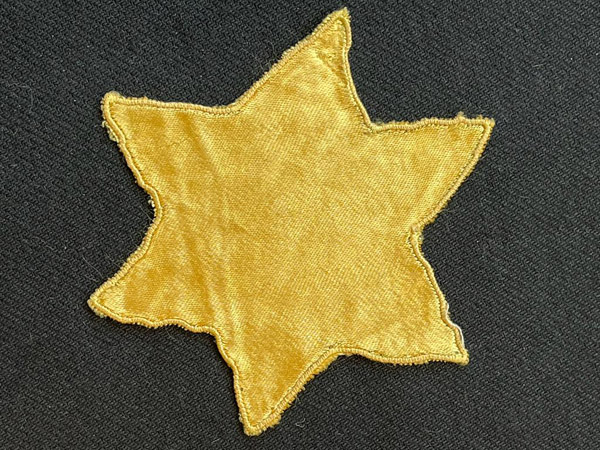
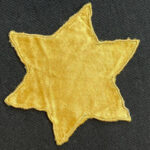
Laszlo Roman: "This is the yellow star which I had to wear between April/May 1944 until January 1945. And this is the one which I took off when we were going from one Jewish house to the other which I referred to in my descriptions. Then thereby we avoided being shot in the Danube. Now I keep it in my Pesach Haggadah [book] and I make reference to it every Seder so the children and the grandchildren know it and its story."
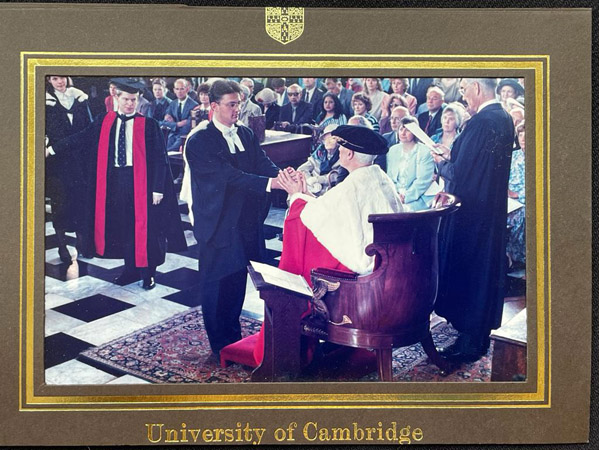
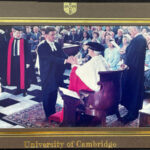
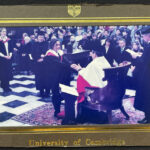
Laszlo Roman: "Dani graduating in law in 1993 or ’94 from Cambridge"
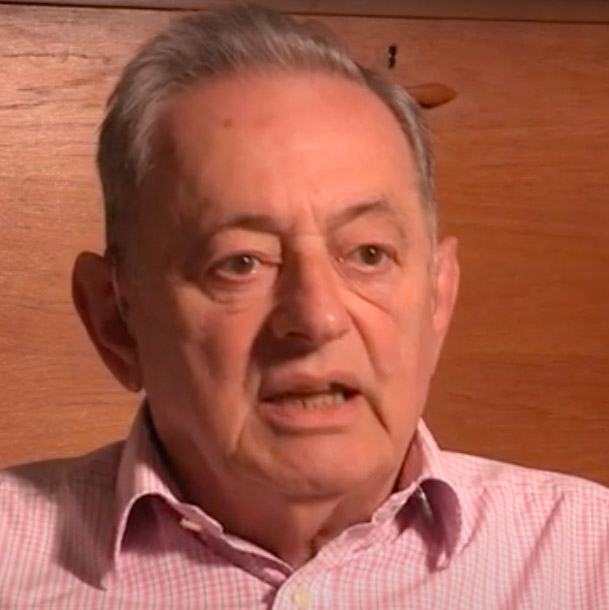
Laszlo Roman: 2022
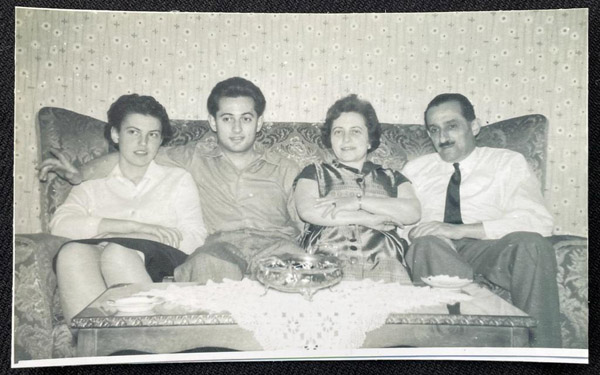
Laszlo Roman: Ca. 67/’68
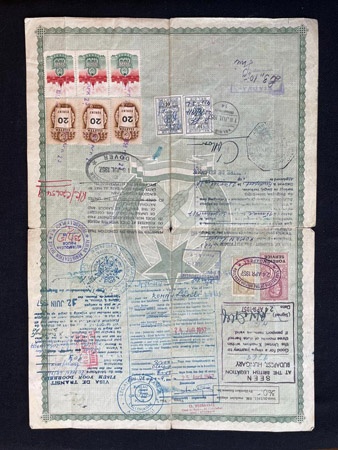
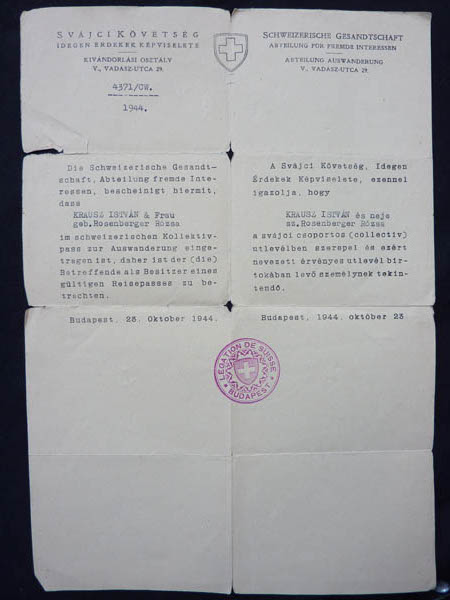
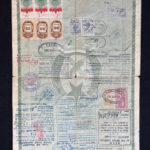
Laszlo Roman: "This is the reverse side of the so-called travel document which shows the torturous history of obtaining it."
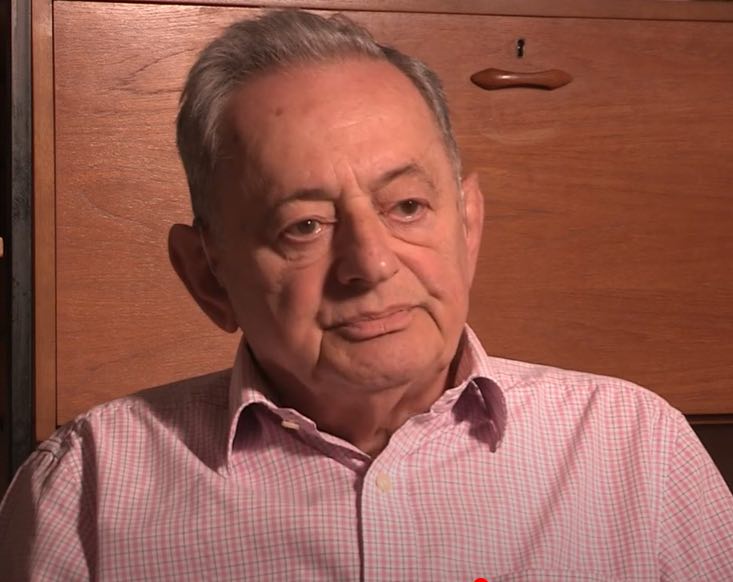
Laszlo Roman: 2022
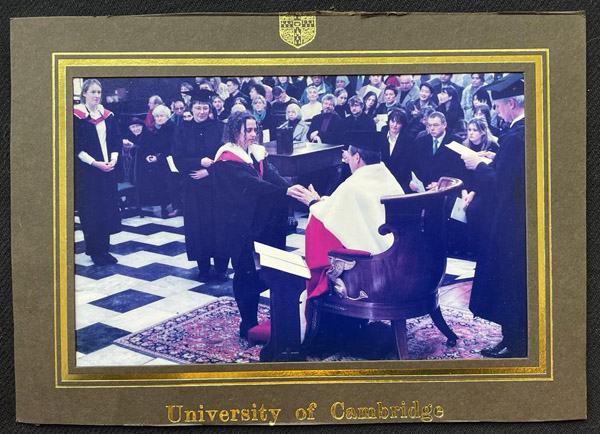
Laszlo Roman: "Thalia graduating in medicine from Cambridge in ’98"
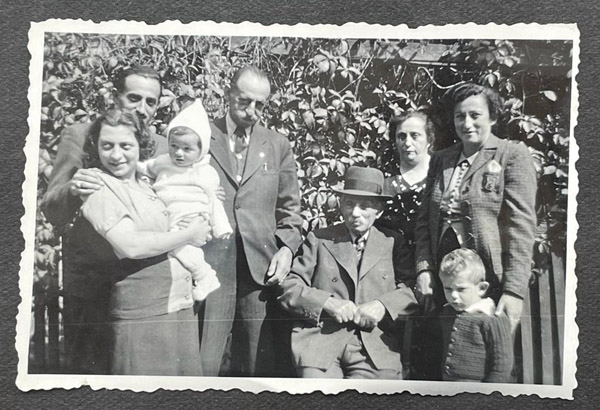
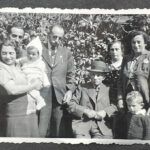
Laszlo Roman: Summer of 1941. On the left Leopold in his mother's arms
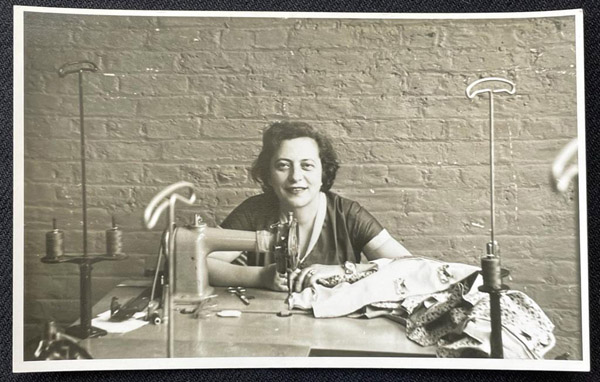
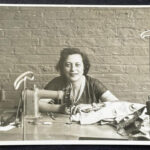
Laszlo Roman: Photo of his mother who was a trained seamstress working on the sewing machine
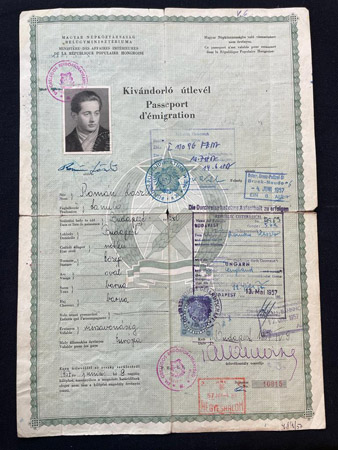
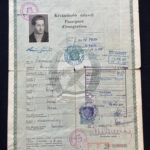
Laszlo Roman: "so-called immigration passport from Hungary issued early 1957. It’s just a sheet of paper on to which we had to get all the visas and transit permissions allowing us to move from Hungary
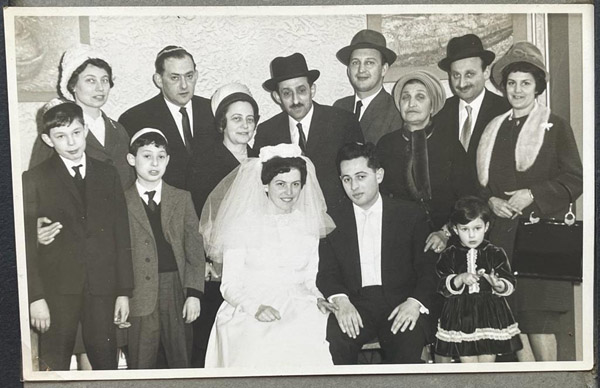
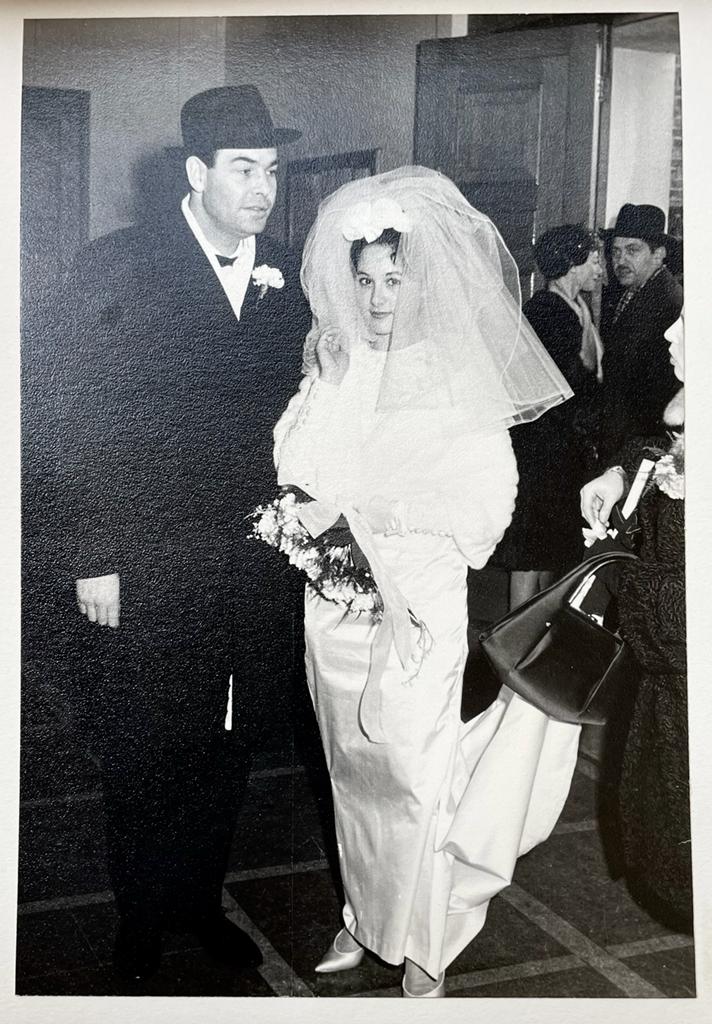
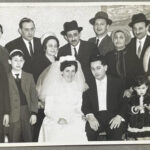
Laszlo Roman: Wedding 31st of March 1963 with Marie:
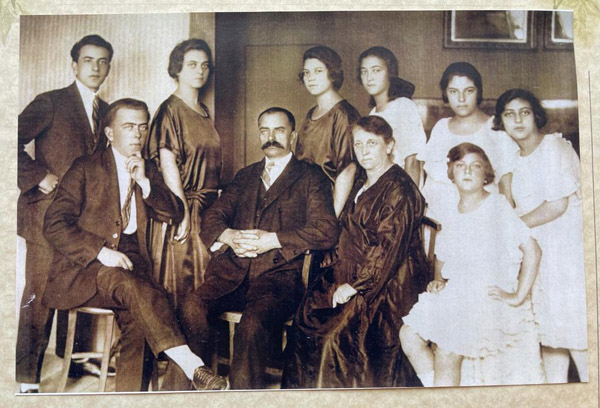
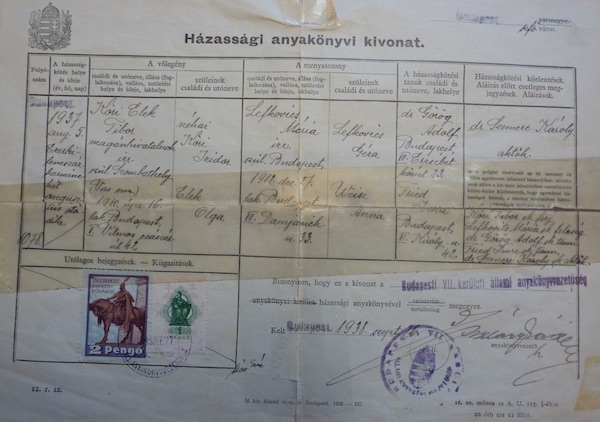
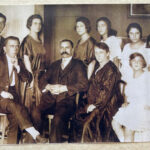
Laszlo Roman: Maternal grandparents
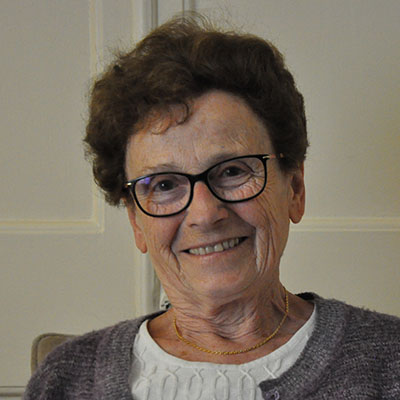
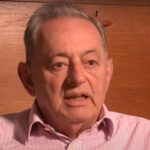
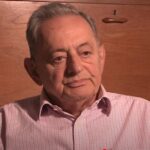
Laszlo Roman
Laszlo was the only child of Aranka and Miklos Roman, born in Budapest in 1940
Born: 1940
Place of Birth: Budapest
Arrived in Britain: 18/07/1957
Experiences: Budapest Ghetto , Post WW2 Hungarian Refugee , Siege of Budapest
Interview Summary
Laszlo was the only child of Aranka and Miklos Roman, born in Budapest in 1940. Thus, he was only five at the end of the war and has limited memories, but was told about life in Budapest during German occupation by his parents. His family were amongst those in designated ‘yellow star’ protected houses. It was mandatory to display the yellow star at the entrance to all apartments and families were frequently allocated just one room each, so Laszlo does remember the cramped conditions, but also that he was never hungry, which must have been unusual. He and his parents survived, but at some point, his father was taken to join a forced labour brigade, compulsory for all Jewish males as an alternative to the regular army, from which Jews were prohibited by Hungarian anti-semitic laws pre-dating WW2. Run by the home-grown fascist Arrow Cross militia, many Jews died during forced labour. Laszlo recounts that brigade workers endured terrible conditions and were treated as expendable collateral damage, forced to walk through terrains to activate mines, clearing the way for the regular army. His father escaped ‘by a miracle’, avoiding deportation by a split-second decision not to get on a train and managing to find his way back to Budapest. He mentions that Jews living in rural areas were rounded up and deported to death camps first, and that the Jews of Budapest fared better. Although he doesn’t remember this himself as he was too young, he refers to thousands of Jews from the Budapest Ghetto massacred by the Arrow Cross on the banks of the Danube, first being forced to remove their shoes which were valuable, then being shot in the back before falling into the water. When he was older, he remembers shuddering every time he passed the murder site.
After war ended, the communist regime of the Soviet liberators remained. Laszlo’s family became ‘class A aliens’, probably because his father owned property and/or a business, and were forcibly relocated to a small village in northern Hungary. There were few Jews in the elementary school he attended and when the parents of Kati, his special friend, discovered he was Jewish, they put an end to the friendship. After a while, he and his parents were allowed back to the outskirts of Budapest at Budakeszi. From there he travelled to the Jewish Gymnasium where he received his secondary education until the family left Hungary in 1957. He met his future wife Mari at the gymnasium. Their emigration was prompted by the ’56 Uprising, although Laszlo does not have any particular memories of that event as they were living outside the centre of Budapest where the fighting took place. Laszlo and parents were able to emigrate from Hungary without difficulty and entered the UK shortly afterwards by standard immigration but without a word of English. He learnt while studying for O and A levels at City of Westminster College, London. This led to a BSc in chemical engineering at London University, followed by a career in the same field. He is married to Mari and they have two children, Dani and Thalia, a lawyer and doctor, and a number of grandchildren. He is happy to be British and says that any Jew who survived the war did so through a miracle ‘as they wanted to kill us all’.
Additional Comments:
Key words: Laszlo Roman, Budapest, German occupation, yellow star, protected houses, forced labour brigade, Iron Cross, miracle, mine clearing, Budapest Ghetto, massacre, shoes, river Danube, Jewish Gymnasium, Budakeszi, Hungarian Uprising 1956, City of Westminster College, London University, BSc, chemical engineering.
Place of Birth
REFUGEE VOICES is the AJR’s groundbreaking Holocaust testimony collection of filmed interviews with Jewish survivors and refugees from Nazi Europe who rebuilt their lives in Great Britain.
The copyright of personal photos and documents on the site is held by each interviewee and may not be reproduced without their permission. Please contact the AJR if you would like to use any of the images and documents.