![GB: Gustav at his seventh birthday party with a group of friends, their home at Budapest [Andrássy út. Andrássy út harminchét], 1943](https://ajr.twoboysdev.co.uk/wp-content/uploads/2026/03/770eee_506a663d27cf4afa8f774d752de5b18emv2-150x150.jpg)
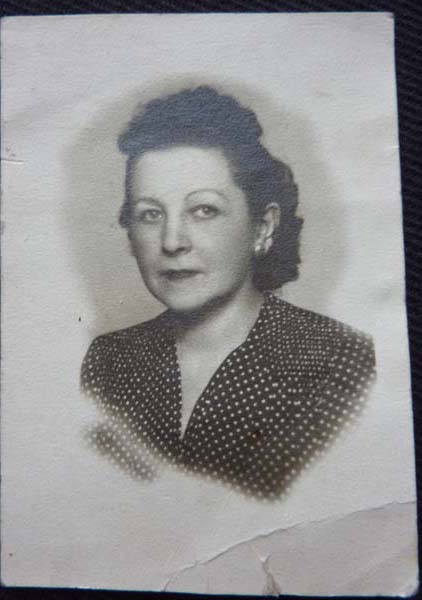
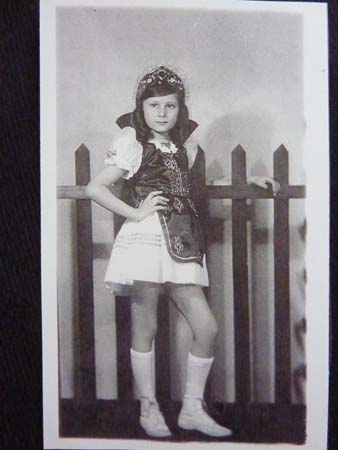
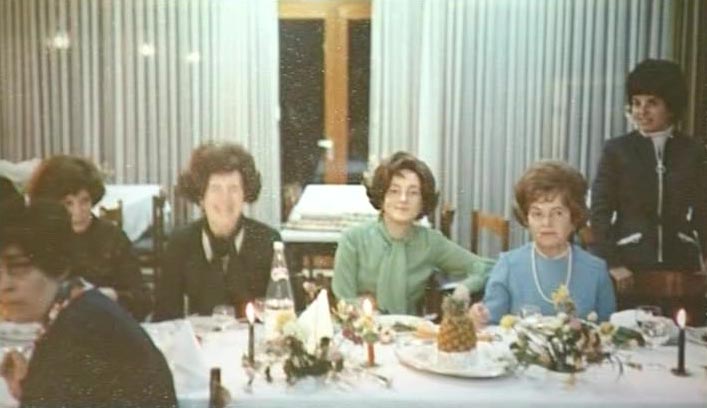
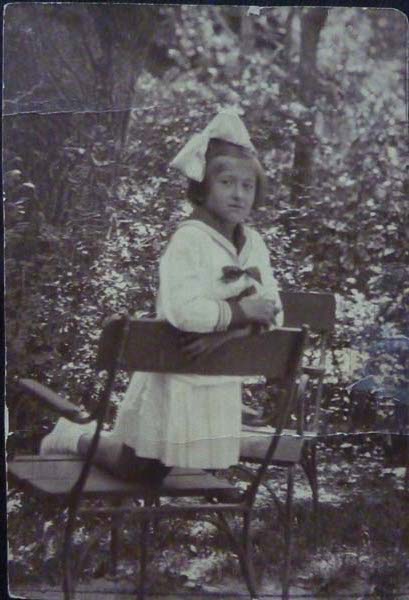
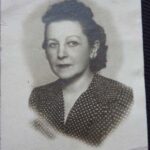
Gustav Botkai: Grandmother
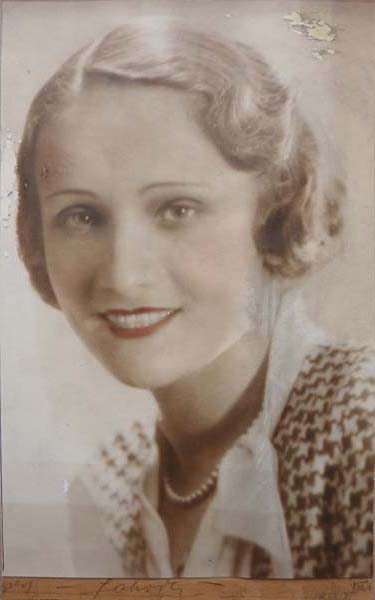
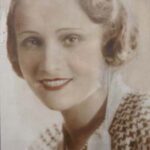
Gustav Botkai: Mother Klara
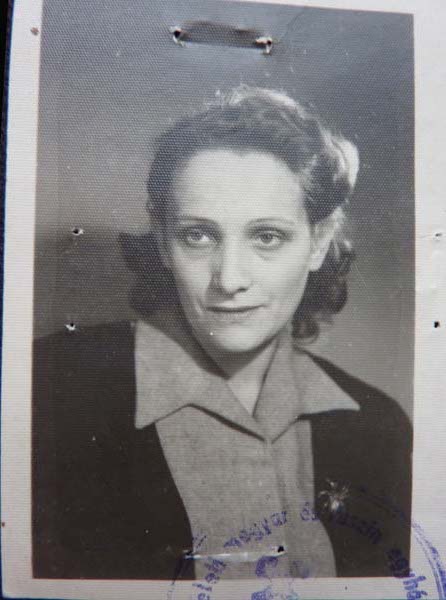
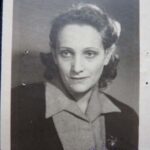
Gustav Botkai: Mother
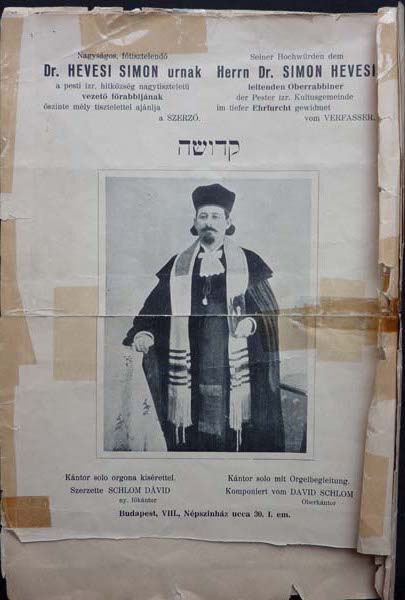
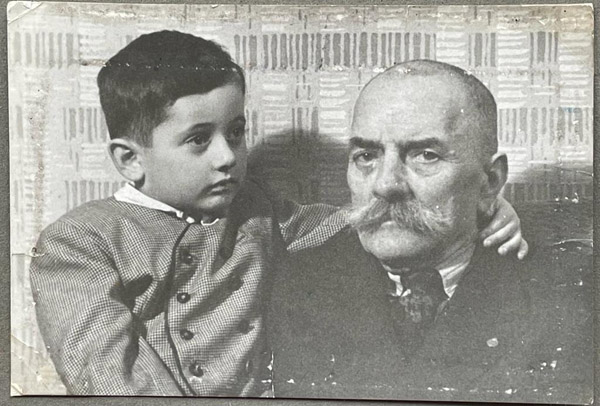
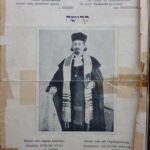
Gustav Botkai: Gustav´s great-grandfather, early 1900s, “He wrote the music and he acted as the Chazzan. He was singing in the synagogue”
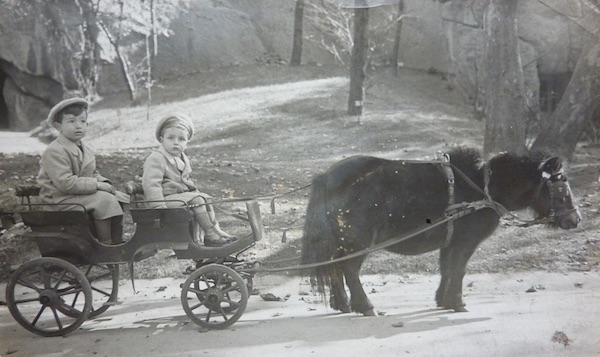
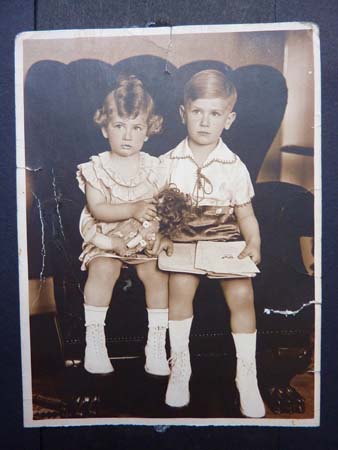
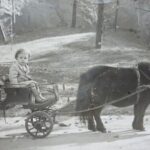
Gustav Botkai: With his cousin Paul on a small carriage in the zoo, Budapest, ca 1940
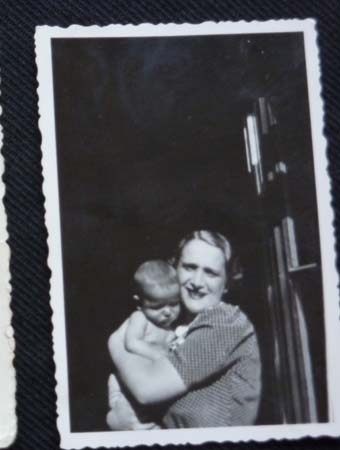
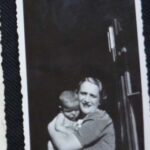
Gustav Botkai: With mother
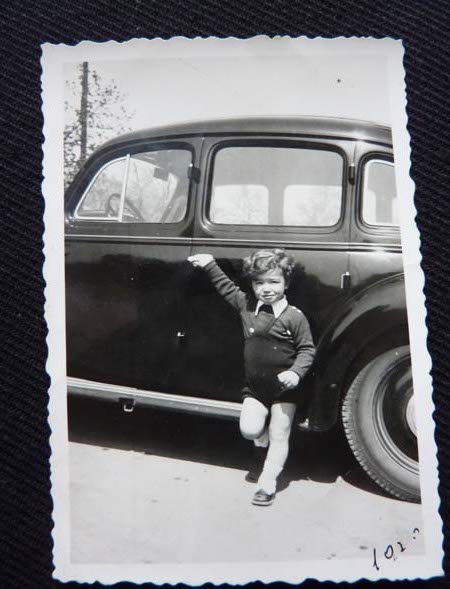
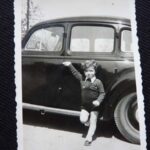
Gustav Botkai: Gustav as a little boy leaning against a car
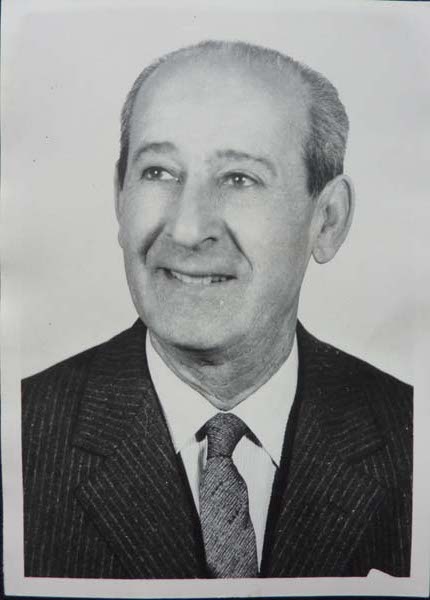
Gustav Botkai: Gustav´s uncle Sandor
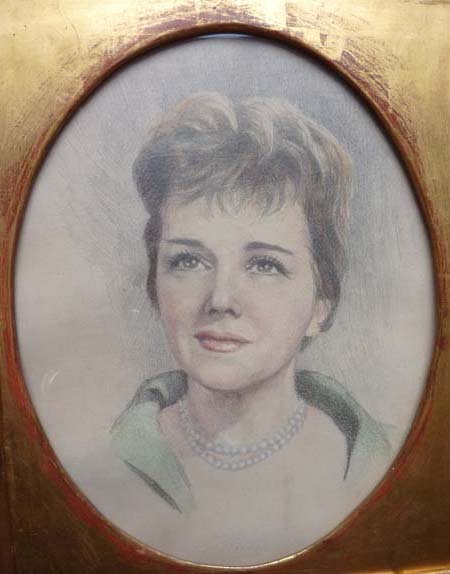
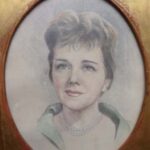
Gustav Botkai: Painted Portrait of his aunt Solyom Janka
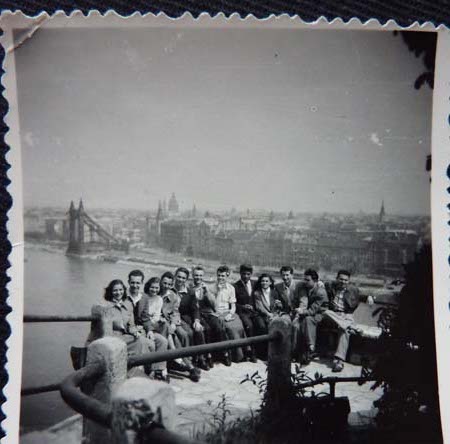
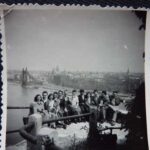
Gustav Botkai: Gustav on an excursion with friends, sitting on a viewpoint, behind them the Danube river and the city, Budapest, 1950s
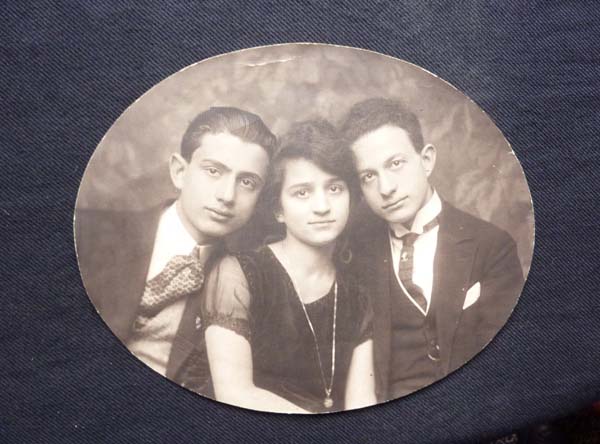
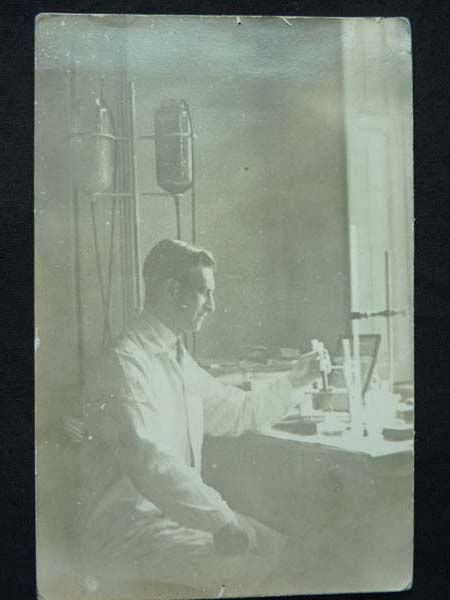
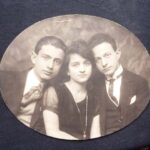
Gustav Botkai: Gustav´s father Imre with his brother and sister
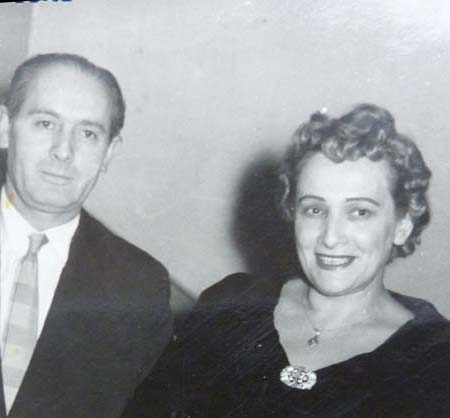
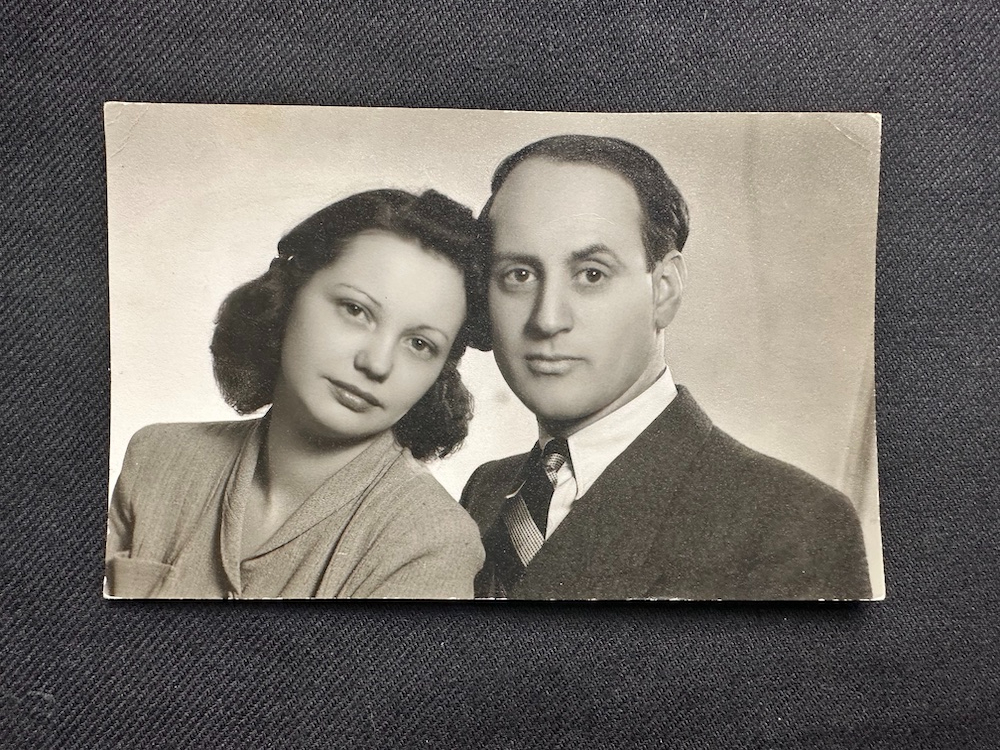
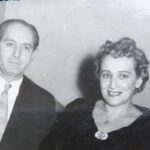
Gustav Botkai: Gustav´s mother with her second husband Bela
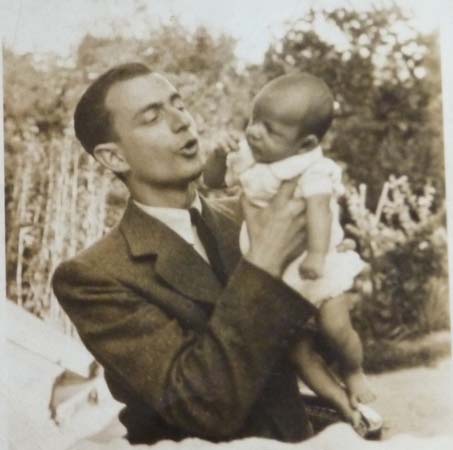
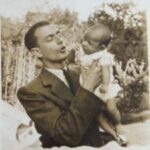
Gustav Botkai: With father
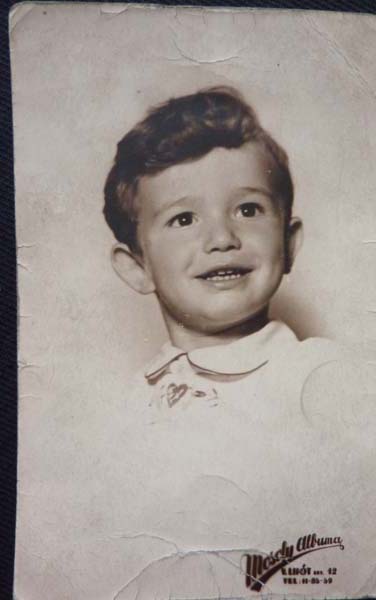
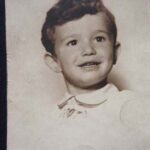
Gustav Botkai: As a child
![GB: Gustav at his seventh birthday party with a group of friends, their home at Budapest [Andrássy út. Andrássy út harminchét], 1943](https://ajr.twoboysdev.co.uk/wp-content/uploads/2026/03/770eee_506a663d27cf4afa8f774d752de5b18emv2.jpg)
Gustav Botkai: Gustav at his seventh birthday party with a group of friends, their home at Budapest [Andrássy út. Andrássy út harminchét], 1943
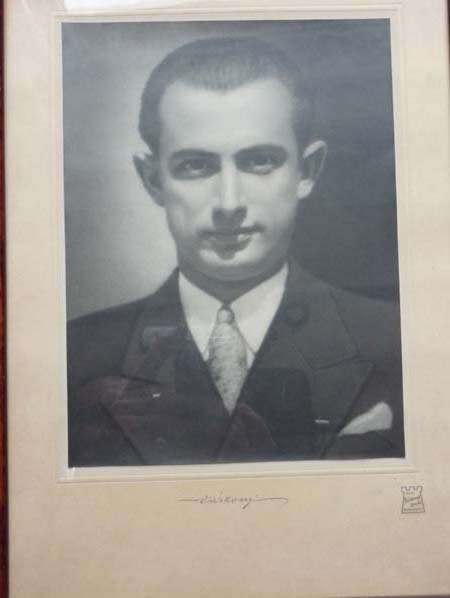
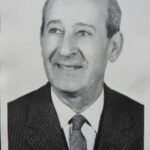
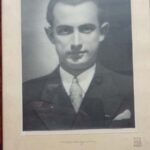
Gustav Botkai: Father Imre
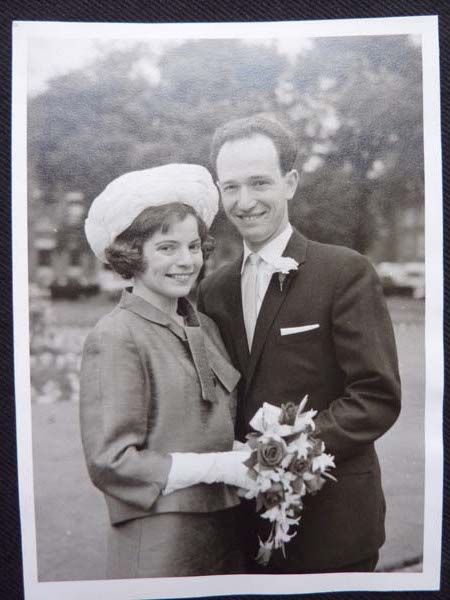
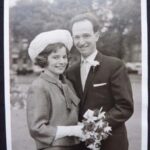
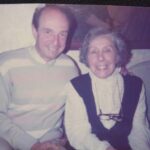
Gustav Botkai: Gustav and his wife
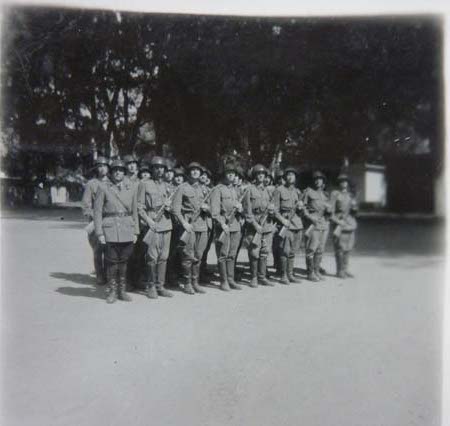
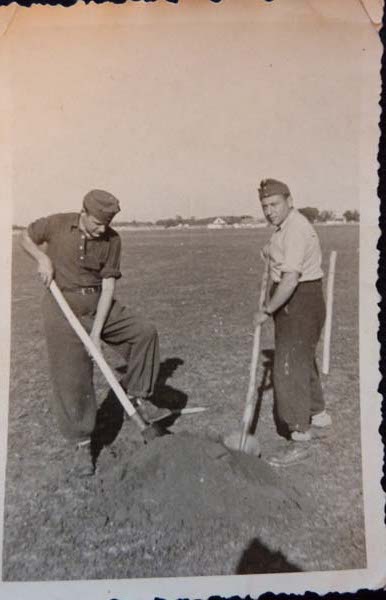
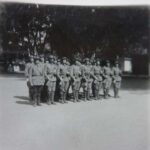
Gustav Botkai: Gustav´s father´s army unit, 1942
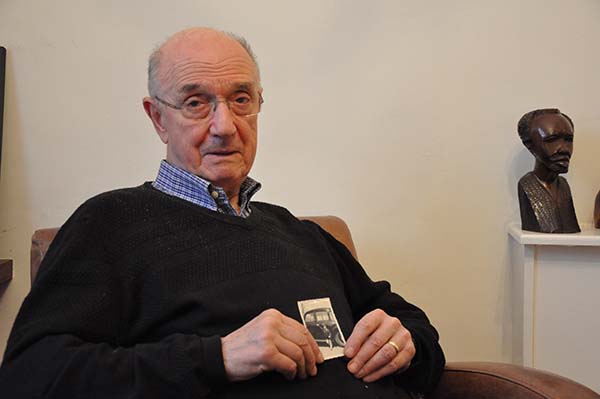
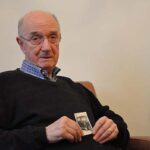
Gustav Botkai: March 2018
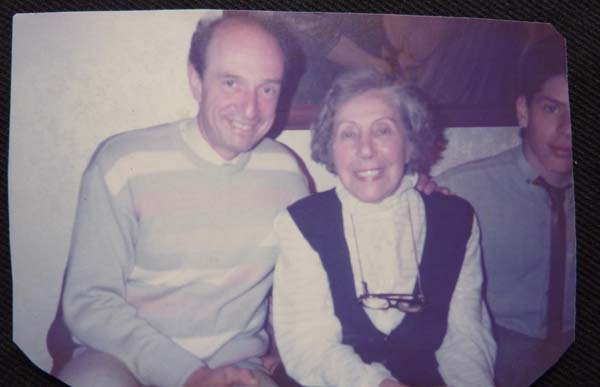
Gustav Botkai: Gustav´s Uncle Sandor sitting next to aunt Aranka
Gustav Botkai
Gustav Botkai, nee Gustav Laszlo Birnfeld, was born in 1936 in Budapest
Born: 1936
Place of Birth: Budapest
Arrived in Britain: 22/12/1956
Interview Number: RV216
Experiences: In Hiding – Hungary , Post WW2 Hungarian Refugee , Siege of Budapest
Interview Summary
Gustav Botkai, nee Gustav Laszlo Birnfeld, was born in 1936 in Budapest. He grew up with his parents. His father worked in family textile business. During the war he was seven years old. He was baptized and used to go to church. At some point when he left the church other boys called him a Jew and he never returned to church. He and his parents had fake papers and his father was drafted into the army. Gustav did not see the father a lot, he was with his mother and grandmother. His father escaped from the army and it was arranged that he lived in an empty flat. He did not want to stay there and started working in a bakery. He thought it was safe to hid in an unused oven during the bombardment. He died in the oven, when the house was hit and collapsed on the oven. Gustav and his mother lived in different places, as non-Jews. They survived the siege of Budapest in a cellar.
After the war, Gustav finished his schooling and went to study Economics at Budapest University. In 1956 he escaped to the UK, where he was helped by his uncle, who had come to the UK before the war. He studied at the University of Leeds and eventually started a business in wholesale leather and property in Manchester. In 1962 Gustav married fellow Hungarian refugee Erkia and they had three children. Today Gustav and Erika live in London.
In the interview Gustav also talks about his aunt Solyom Janka (aunt who was a chanson singer pre-war). She married Count Teleki. He saved her during the war and she saved in in Communist times.
Place of Birth
We stayed in that cellar where we ended up the war - all the way. In fact, I remember when the first Russian soldier came in and opened the door and all, all- all the people have been moving out. And they got knives and things and there was a dead horse there and they took the horse meat. They haven’t seen any- they haven’t had any meat for a long time. They took the horse meat to go…
When we arrived to an airport in London, I don’t know which one, I phoned him [Gustav's uncle] - to say we'd arrived. And he said, “Get a taxi and come here.” So I got a taxi and he was standing… on the street [becomes emotional] I, I- I… I find it very difficult to tell this story without being moved. He was standing. He gave me a hug and a kiss. And then turned to the taxi driver and said, “What do I owe you?” And the taxi driver said, “Give him another kiss.” And that was my arrival to England. And that was very nice.
I seem to remember a family meeting some time before the worst part of the- the war started, where it was considered to go to Australia. But the family was very large. The elder grandparents wouldn’t move. My father wouldn’t move without them. So it was decided to, to stay and to- to get false identity papers. We were all fitted out with false identities. I had to learn my name, and… had been told how to behave and how to protect myself from being recognised that I was Jewish. How to go to the toilet.
All I did is to read- Marx, Engels, Lenin, Stalin and the Hungarian leader [Mátyás] Rákosi and the university library contained no other books to, to, to- to read. And that determined really the fact in 1956- people started to leave all of a sudden during this. And all my friends left and I mean I didn’t want to be left behind.
My mother destroyed all documents that involved her Jewish background. She said after the war that “I don’t want to be Jewish. I don’t want to have anything to do with it. And I have no- I have no papers left at all.” She destroyed her background - completely. And when my daughter got married, Erika had a tremendous amount of difficulties to find the Ketubah.
I was very friendly with two young women. I visited them, they were very sweet & nice. They lived on the second floor. It was them who reported my mother. After the war my mother took them to court & they had a nominal sentence.
The most interesting- the most interesting wing of the family is probably …my- the- from those who stayed in, in, in, in Budapest during the war, there was my aunt Sólyom Janka, whom I mentioned. She- she has… she was a very well-known, a very well-known chanson singer. Very, very popular in her time. And she fell in love with a Count, who was part of the big family of Telekis - Count Teleki. And they wanted to marry, but Teleki family refused permission to have- have a Jew- a Jewish person to get into the family. So he must have been head over heels in love with her. And he left the family home and he moved in with her to a flat. And the irony of the story is that they couldn’t get married then. But it saved her life, because his name and influence enabled her to stay in the flat. And the Nazis wouldn’t take her, because of the protection that the Teleki family had provided. After the war, it was a totally changed situation. He was a Count; that was public enemy for the communists. And she- they- they got- then they got married. And because they got married, he was saved from what the communists would have done. In other words, he could stay in Budapest and wasn’t- and- and wasn’t deported and sent like a lot of people just out of Budapest.
[Father] had found a job in a bakery. And that’s where he spent the rest of the war years. Two weeks before- and he came out- he came to us and assured us that he will be safe, because there are three big ovens there and one is always empty. And when the bombs come he can, he can hide himself. He can get into one of the ovens and- and he did. And two weeks before the end of the war, apparently, a bomb destroyed the whole house and he suffocated in the oven.
REFUGEE VOICES is the AJR’s groundbreaking Holocaust testimony collection of filmed interviews with Jewish survivors and refugees from Nazi Europe who rebuilt their lives in Great Britain.
The copyright of personal photos and documents on the site is held by each interviewee and may not be reproduced without their permission. Please contact the AJR if you would like to use any of the images and documents.