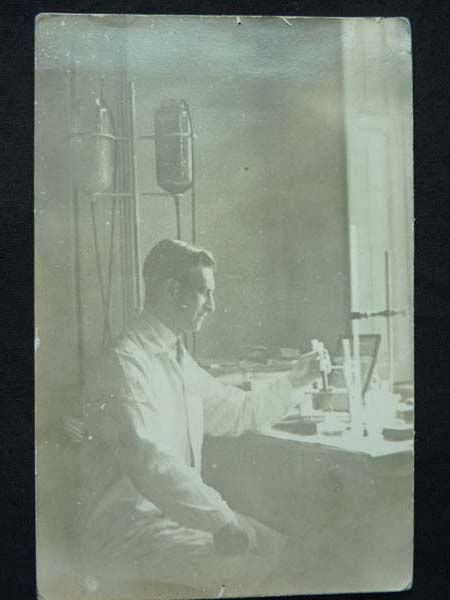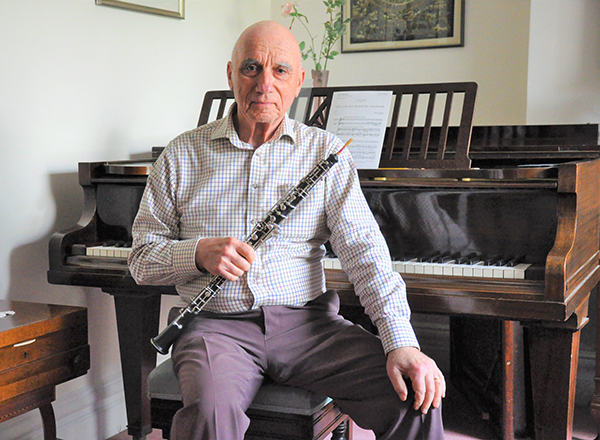
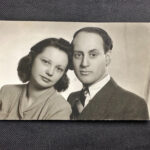

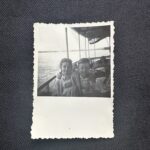
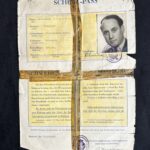
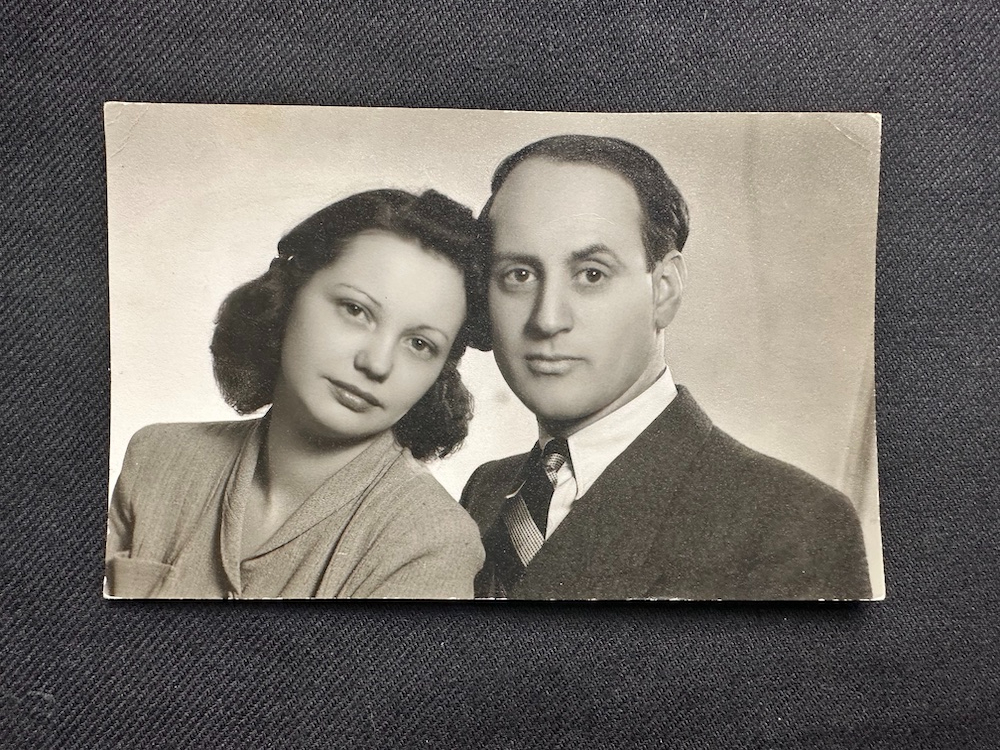
Mari Sved: This is my uncle Laszlo Kelemen
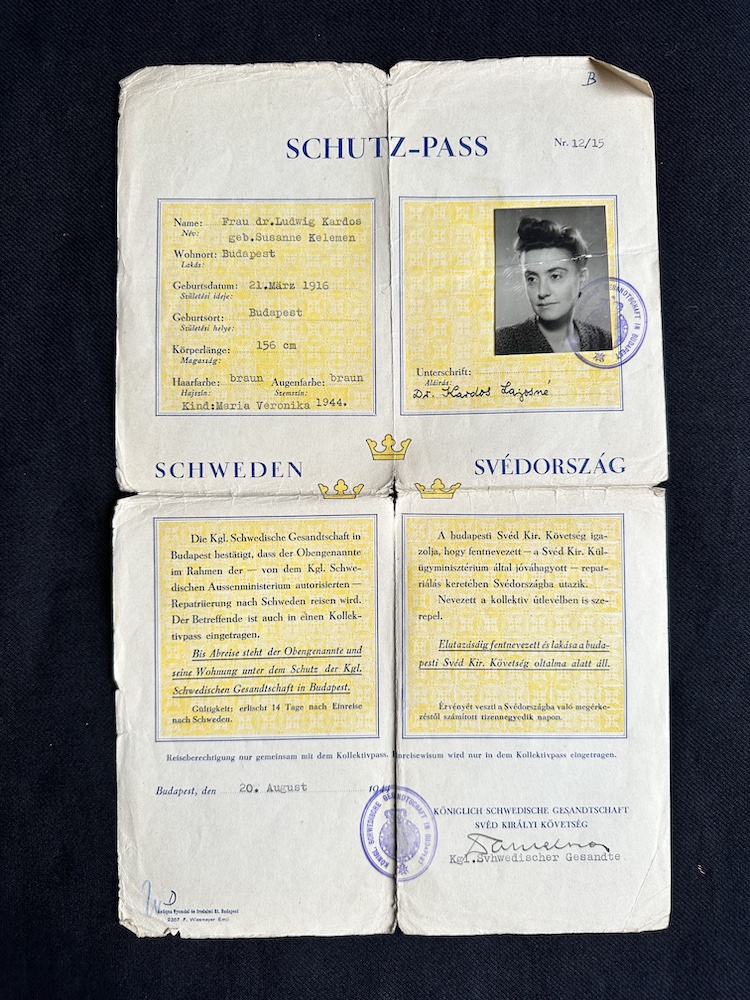
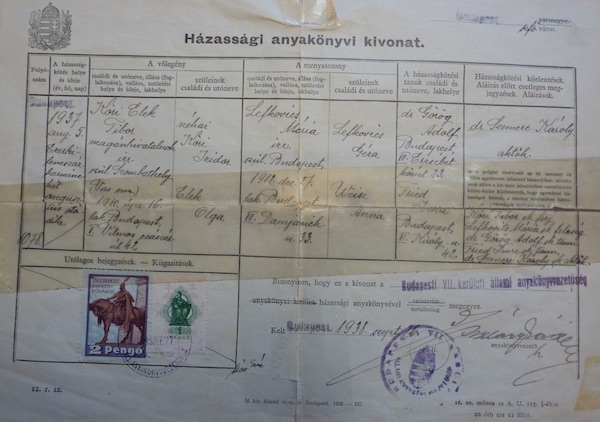
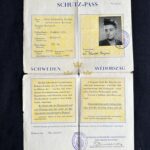
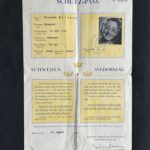
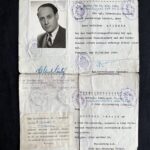
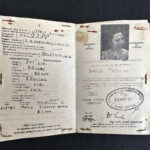
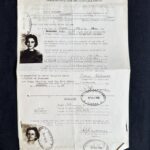
Mari Sved: This is the Schutz-Pass
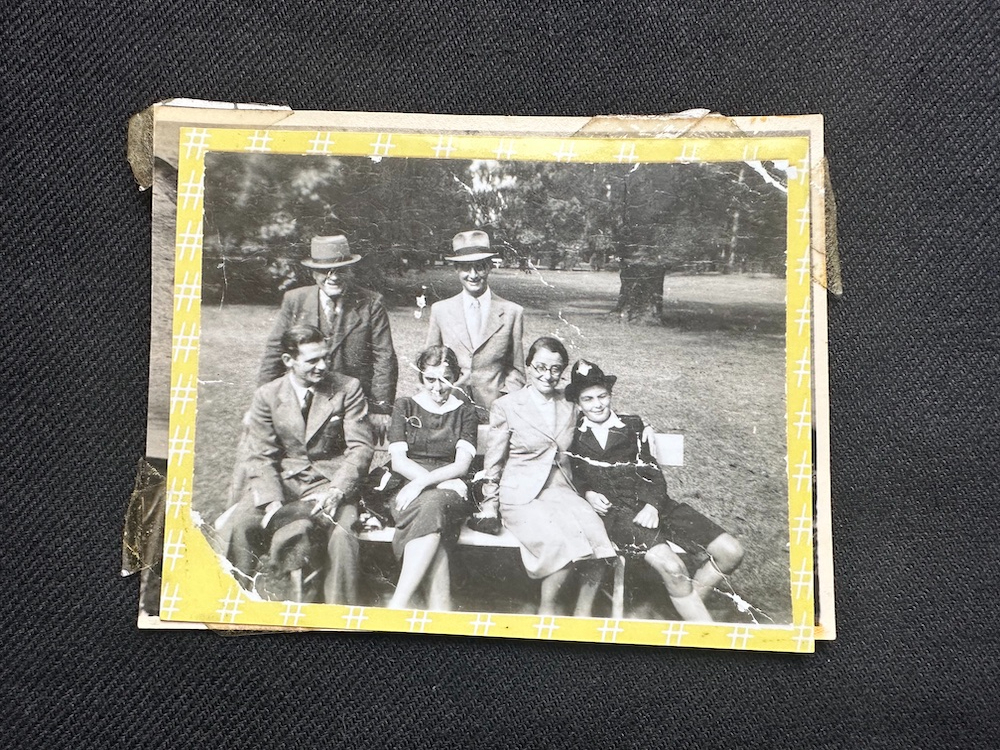
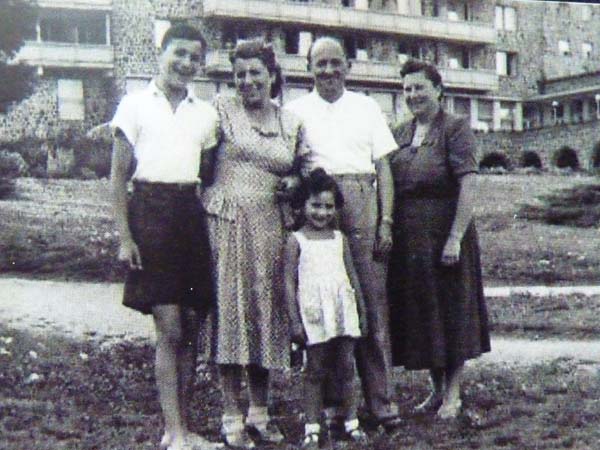
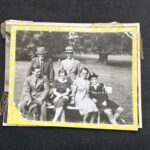
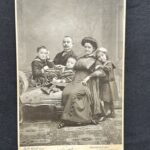
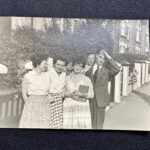
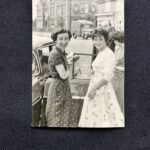
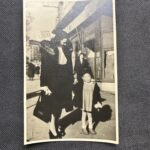
Mari Sved: Family photograph
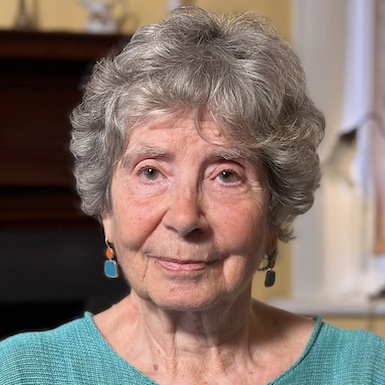
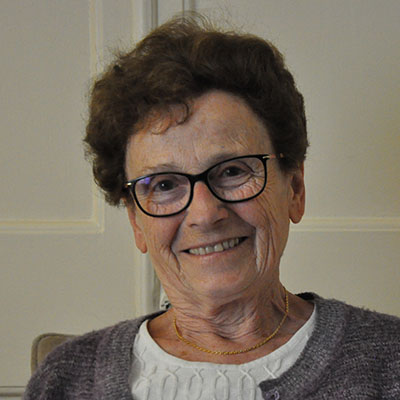
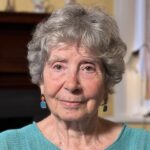
Mari Sved: September 2024
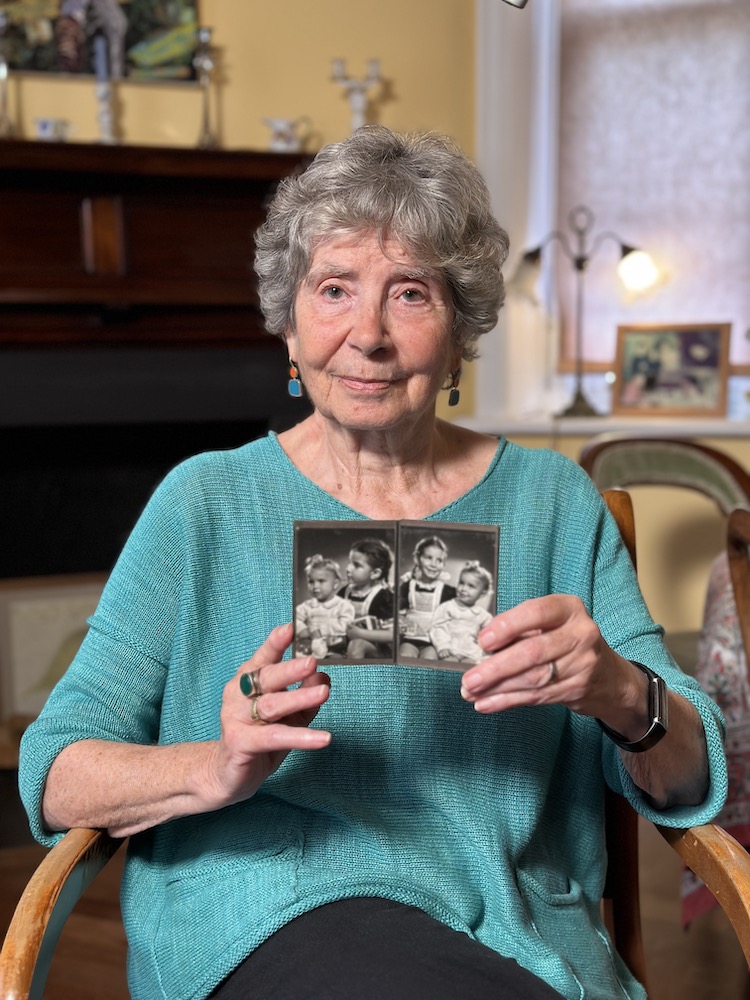
Mari Sved: September 2024
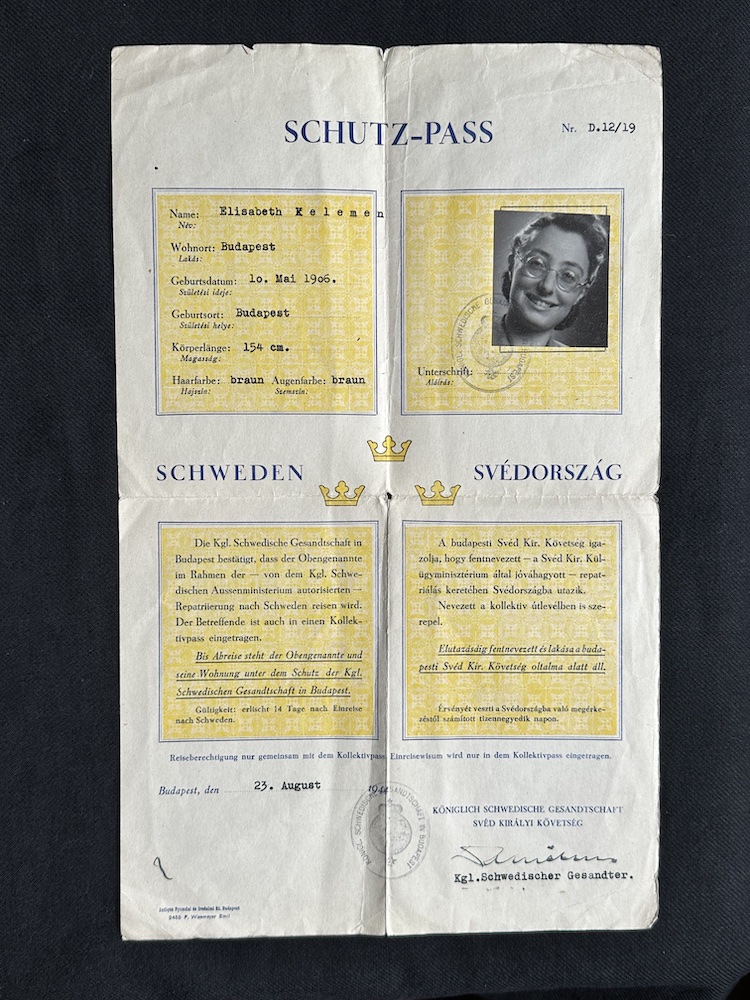
Mari Sved: Schutz-Pass
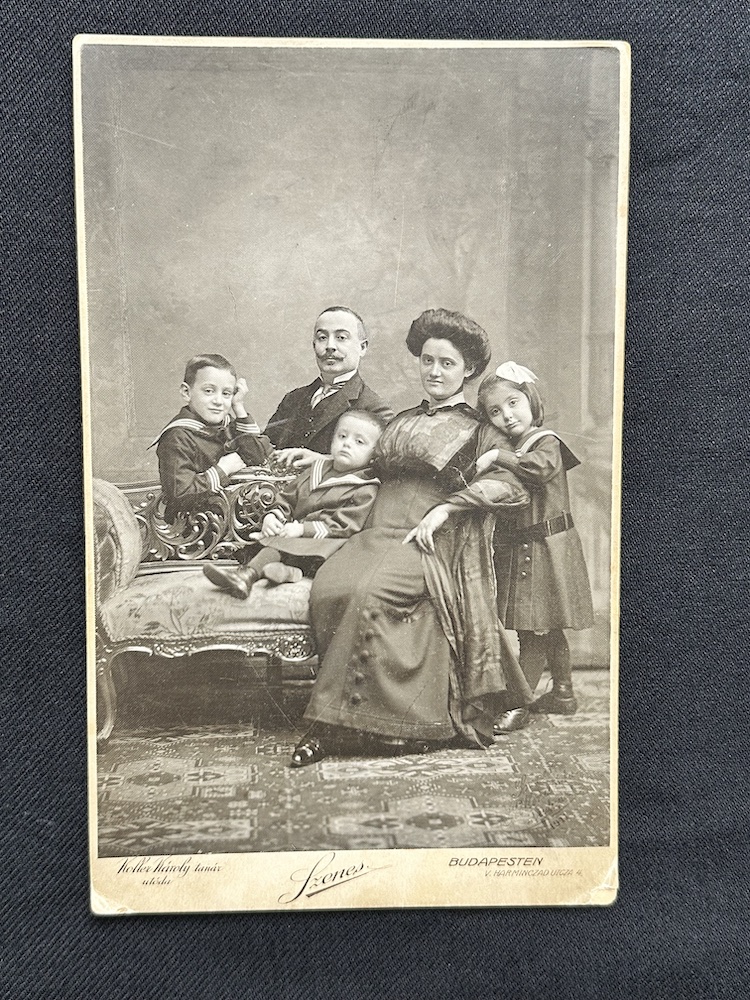
Mari Sved: Maternal grandparents with their children
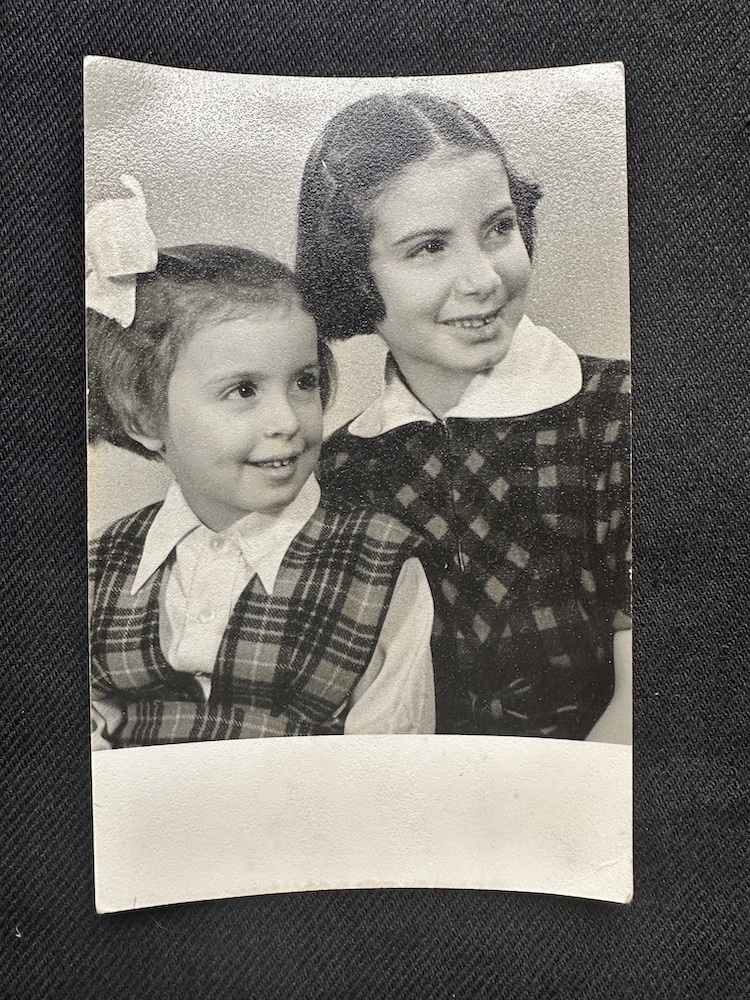
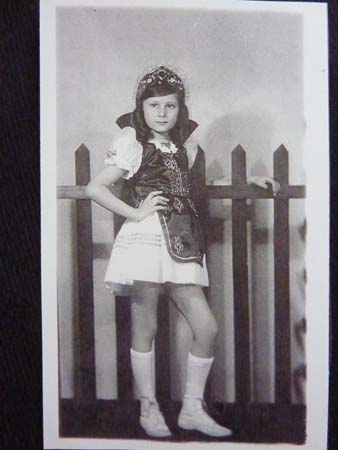
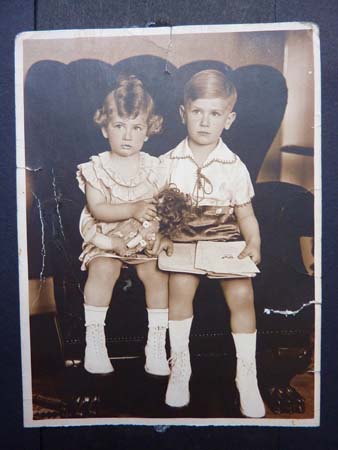
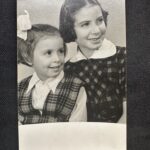
Mari Sved: Studio portrait of Mari and her sister Andrea 1950 aged six and three
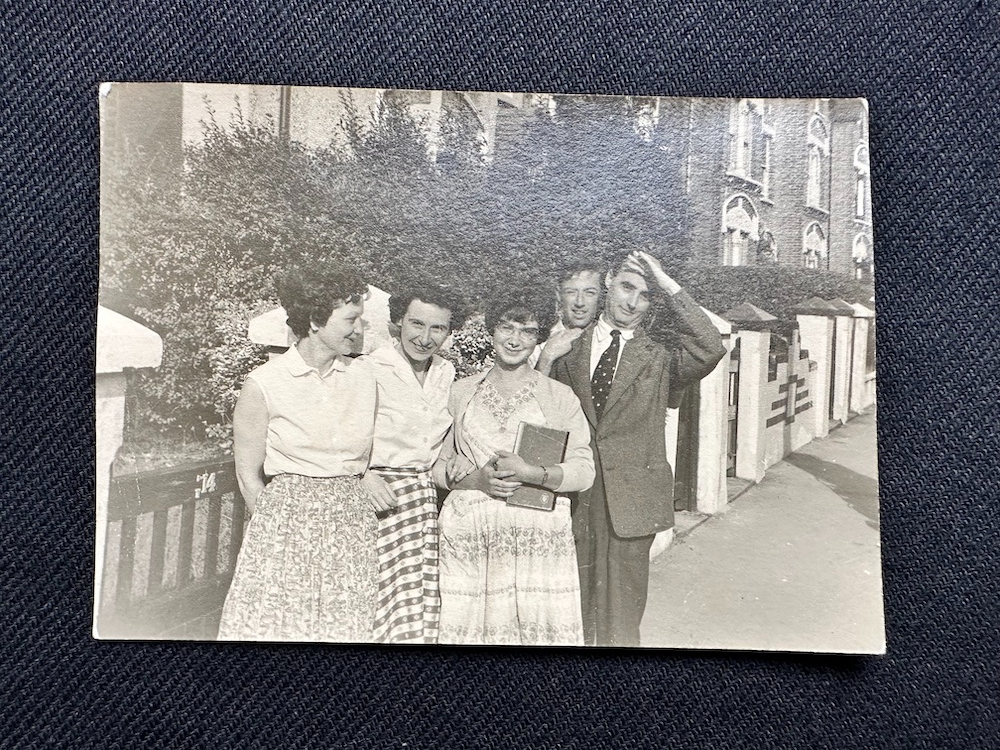
Mari Sved: Croydon
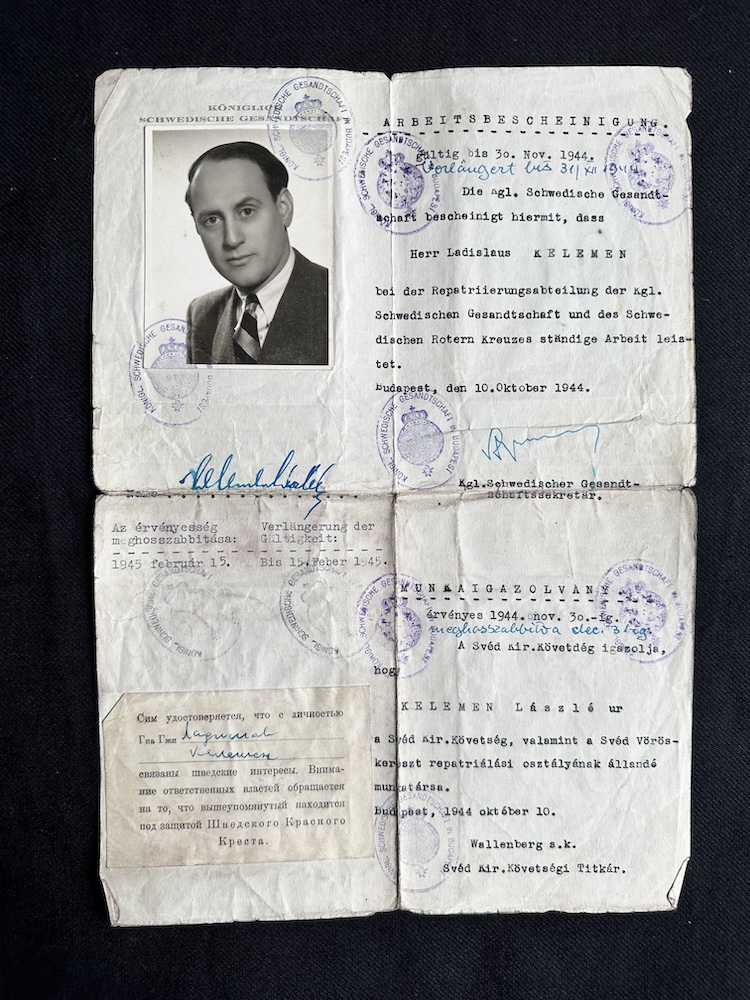
Mari Sved: Document confirming Laszlo Kelemen as a permanent employee of Wallenberg's office at the Swedish Embassy and Swedish Red Cross repatriation department; signed by Raoul Wallenberg
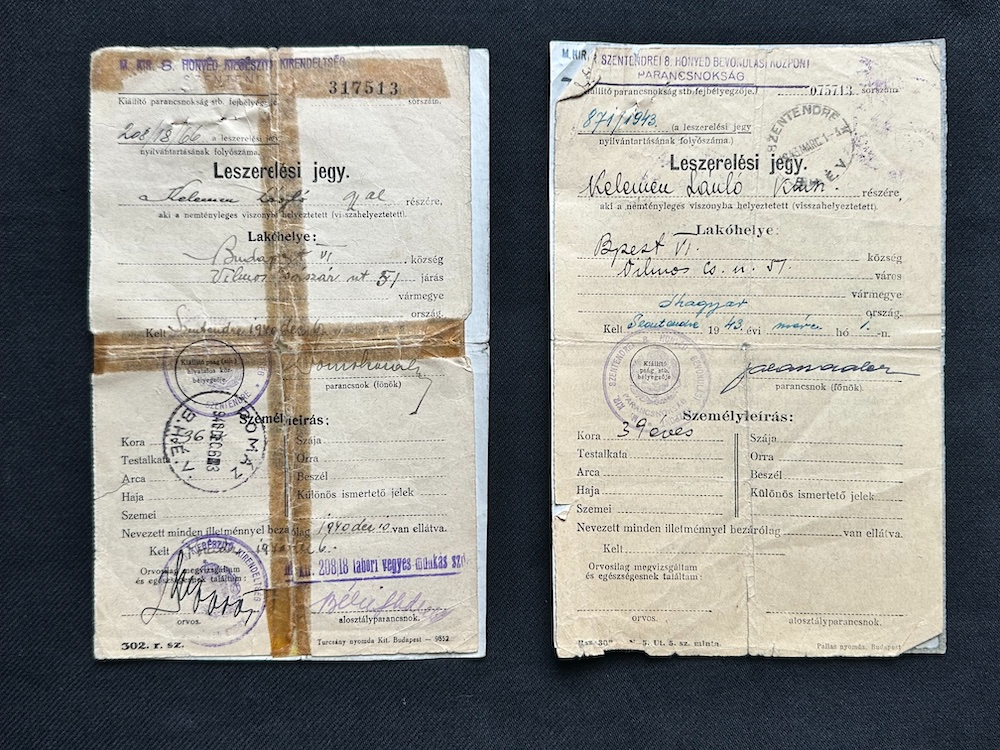
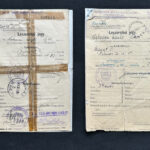
Mari Sved: These are discharge papers for Mari's uncle from forced labour battalion in Szentendre (a place near to Budapest). The first one
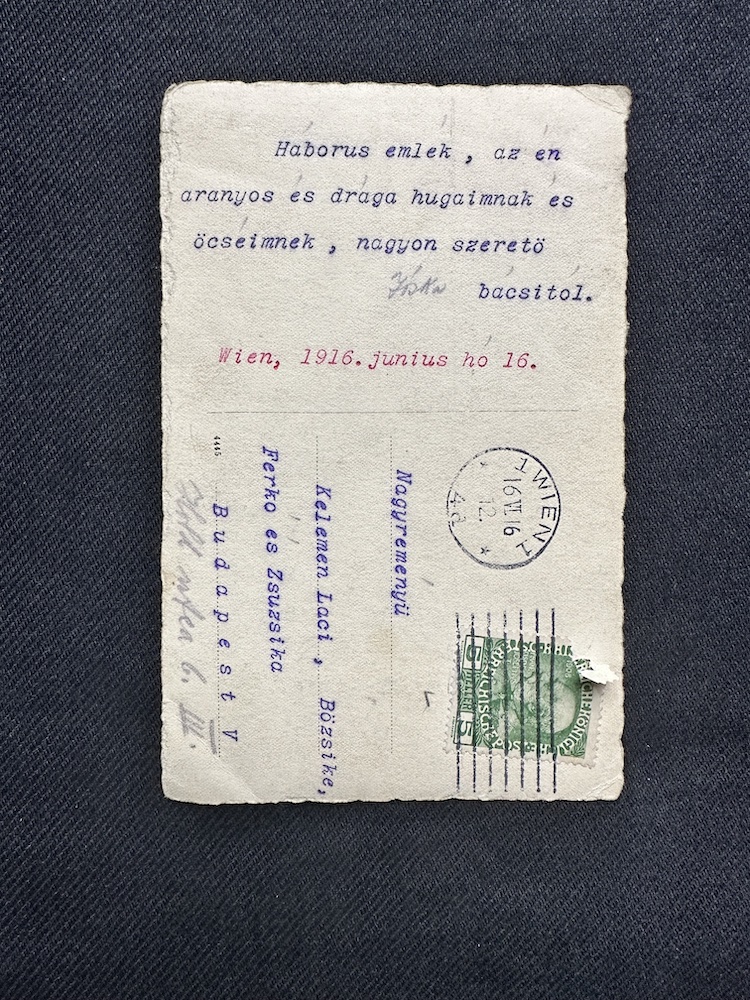
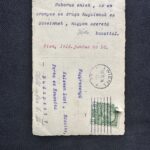
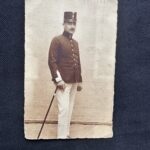
Mari Sved: Back of the photograph of the maternal great-uncle Karoly was a postcard with a message from the front
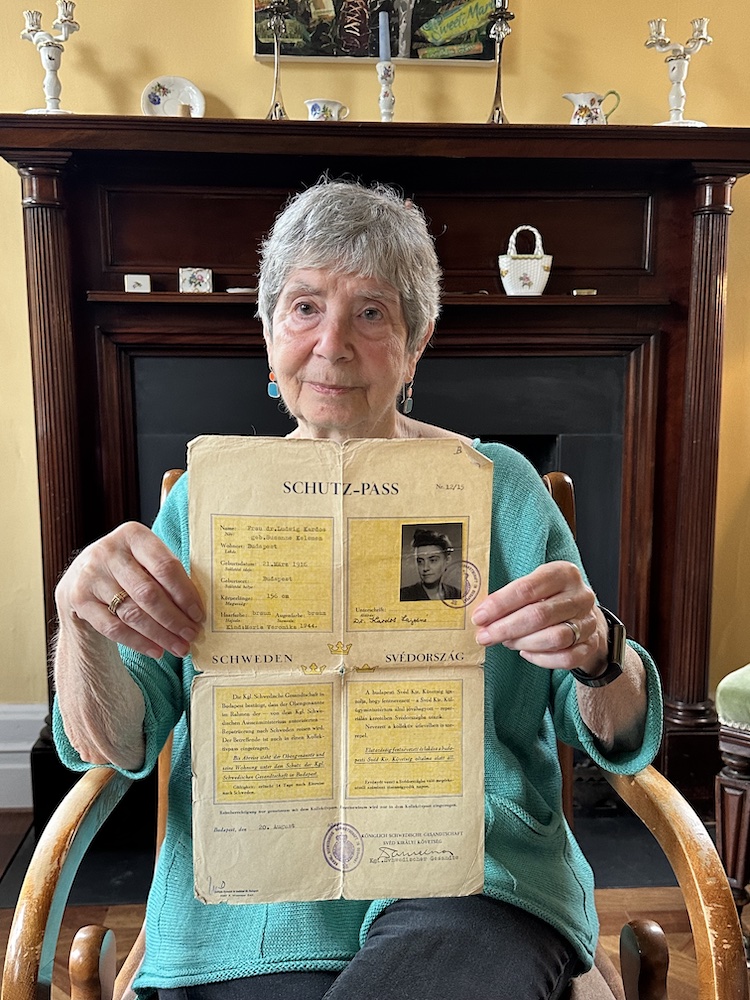
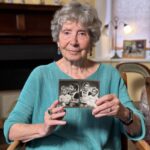
Mari Sved: September 2024 with her mother's Schutz-Pass
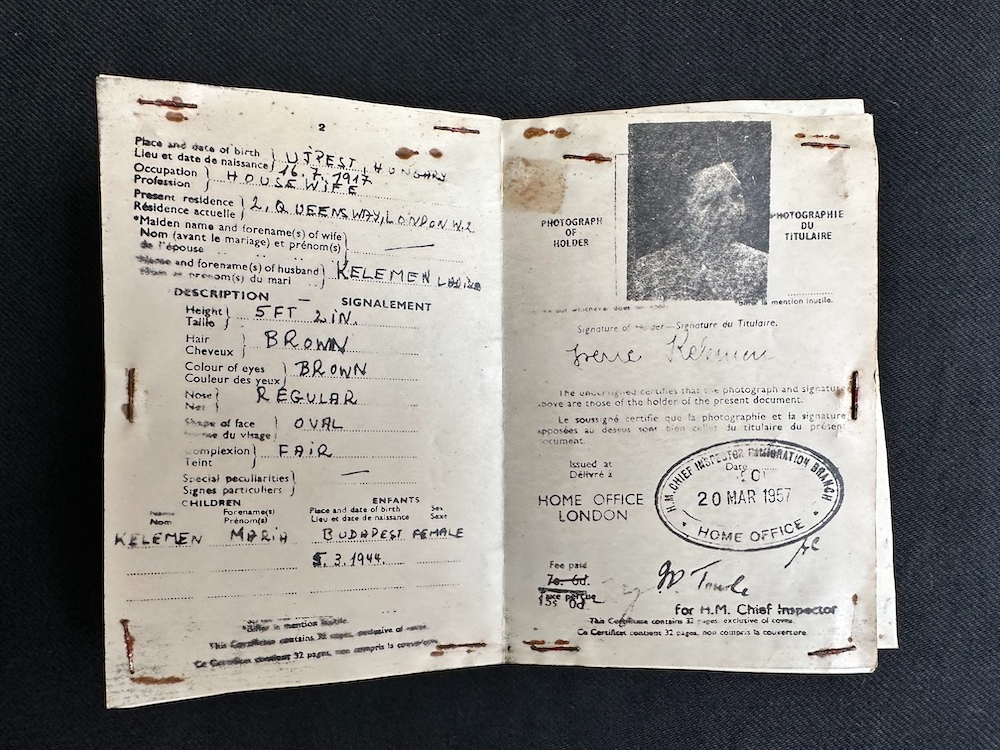
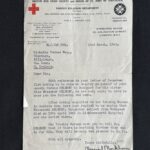
Mari Sved: "this is a certificate of identity which was issued on the 20th of March 1957
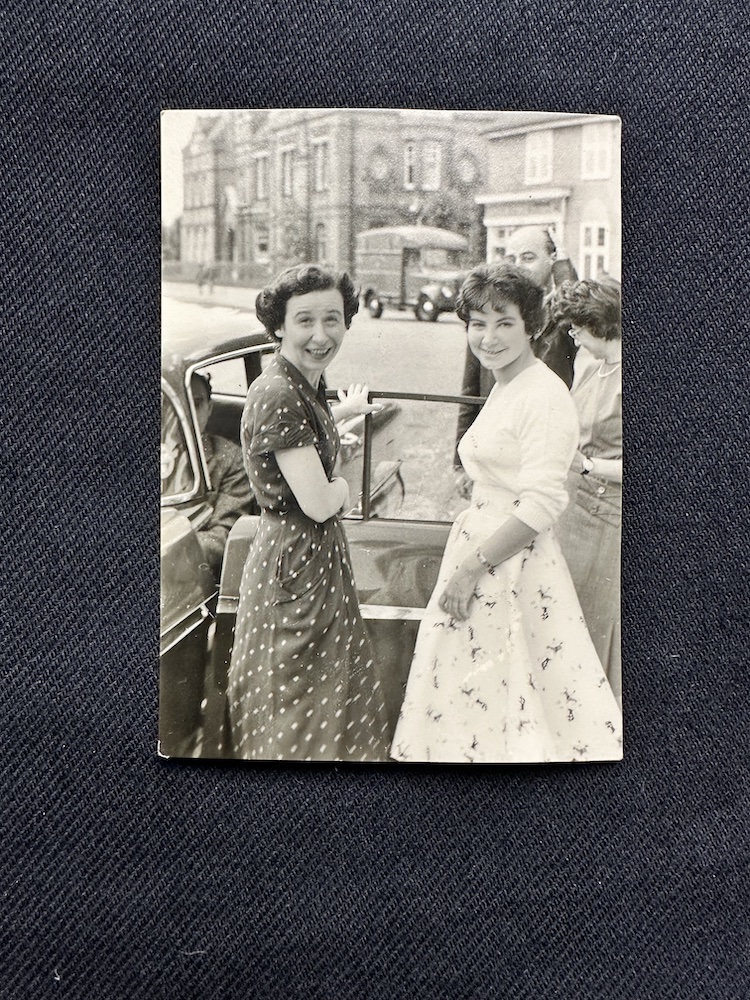
Mari Sved: Mari with paternal aunt Dolli Kelemen in London
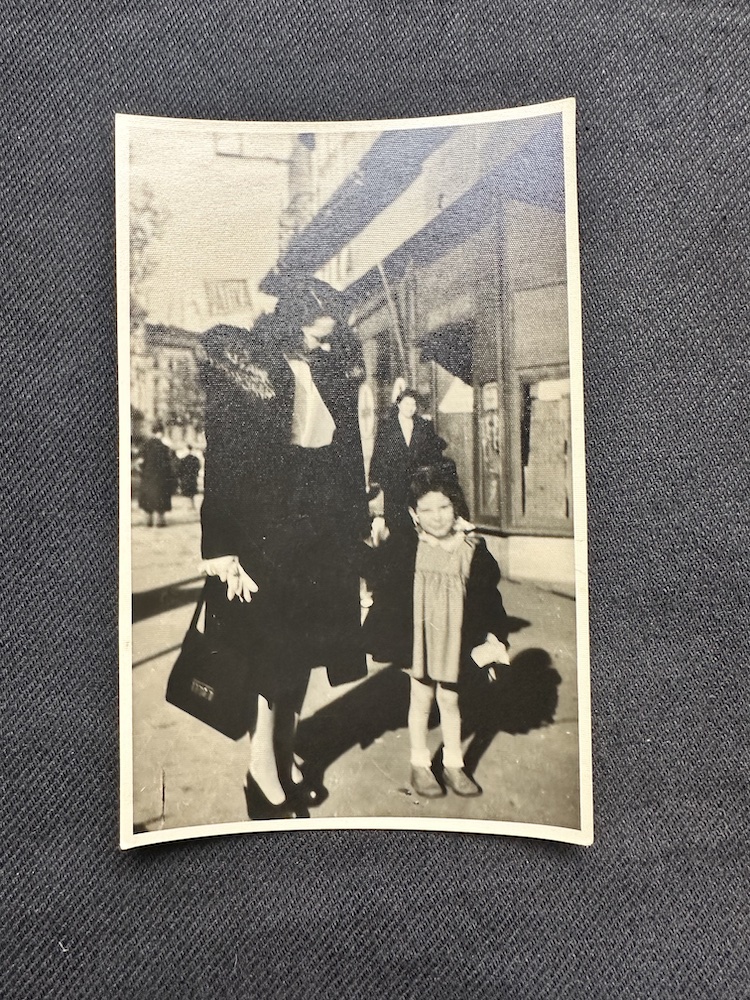
Mari Sved: Adopted mother Irene Kelemen and Mari in Budapest
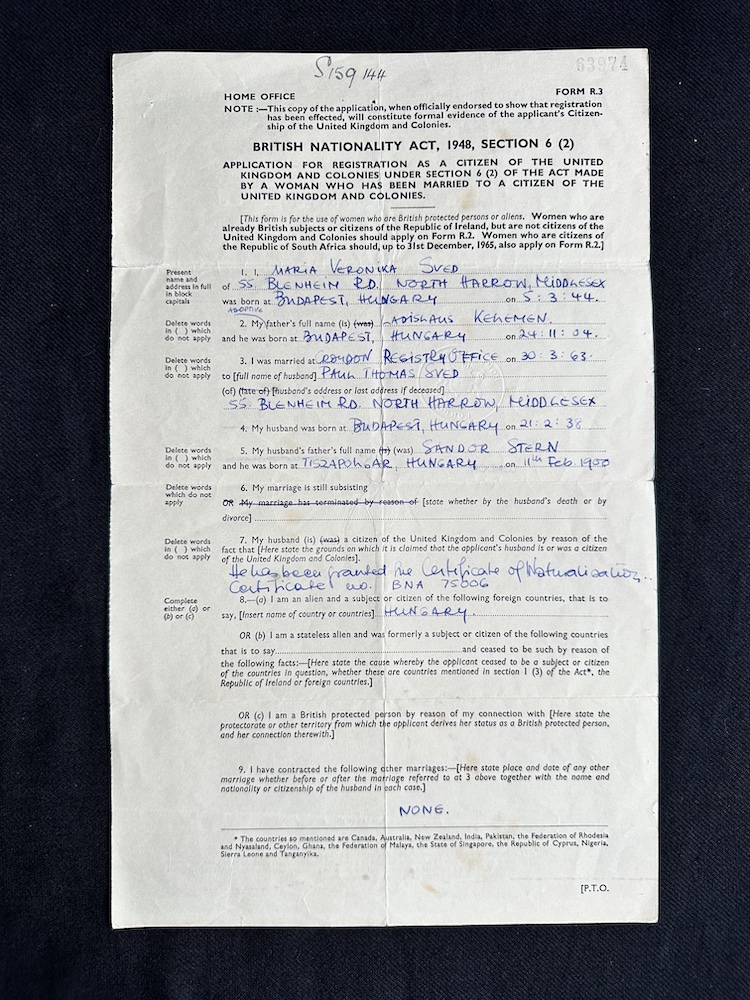
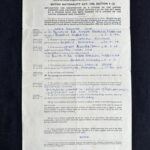
Mari Sved: "This is my application for British nationality
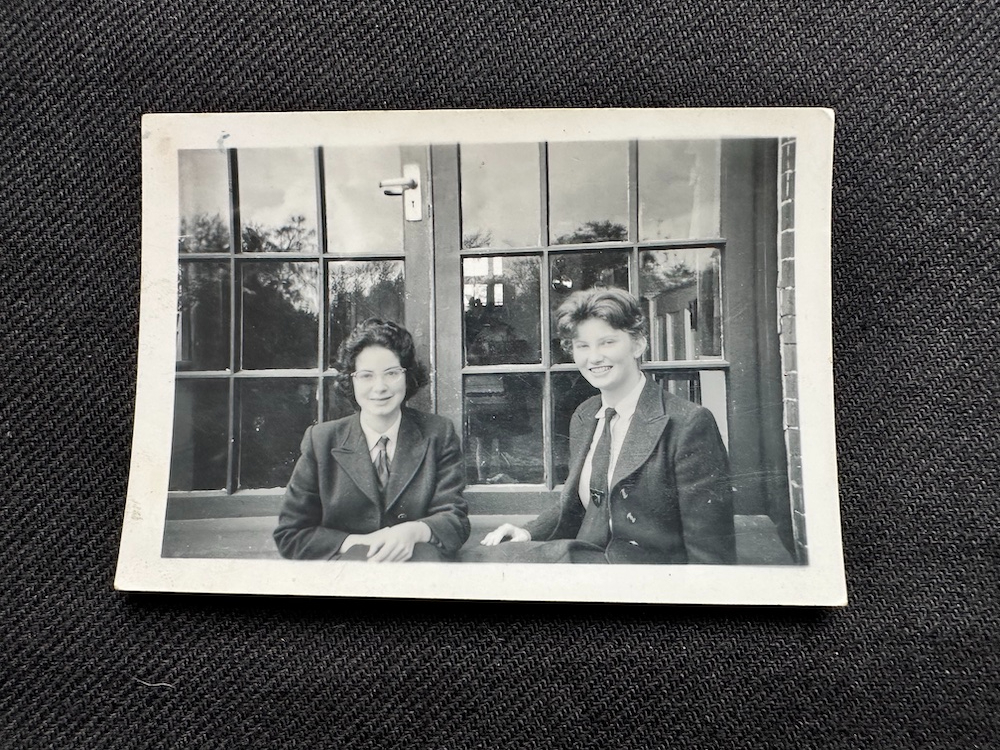
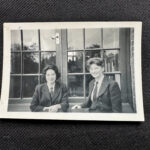
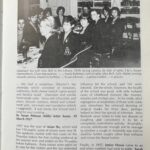
Mari Sved: Mari with her friend Yvonne in boarding school
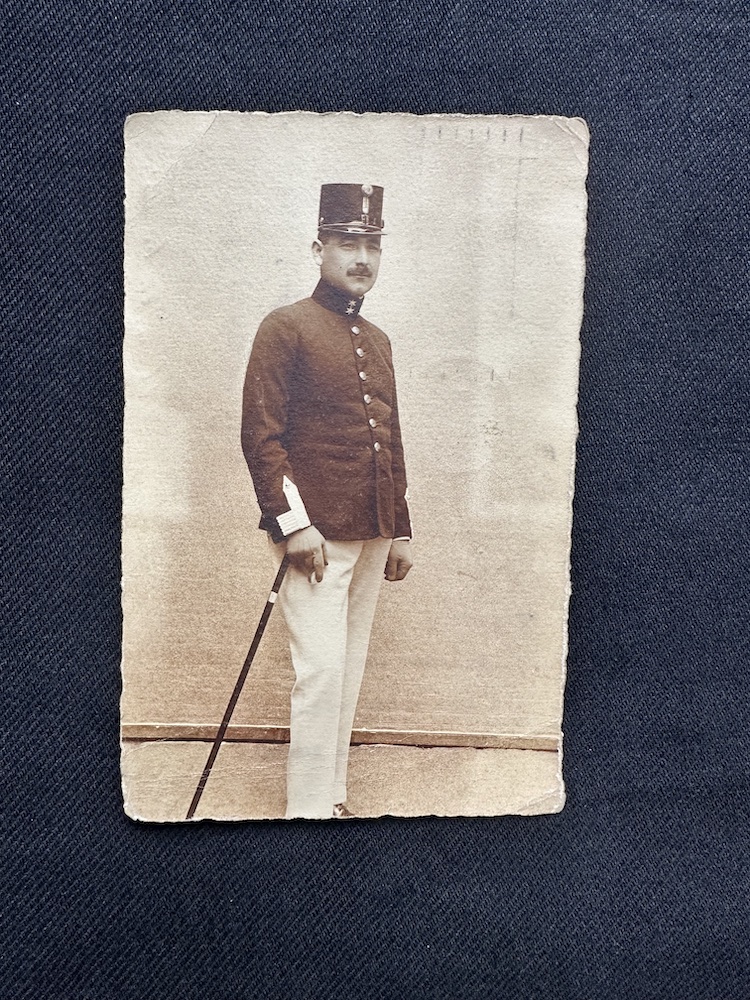
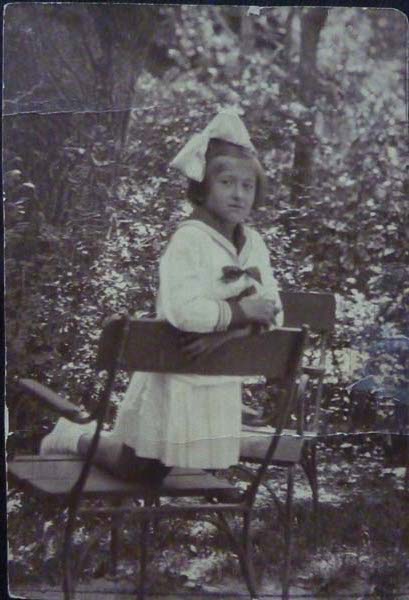
Mari Sved: Maternal great-uncle
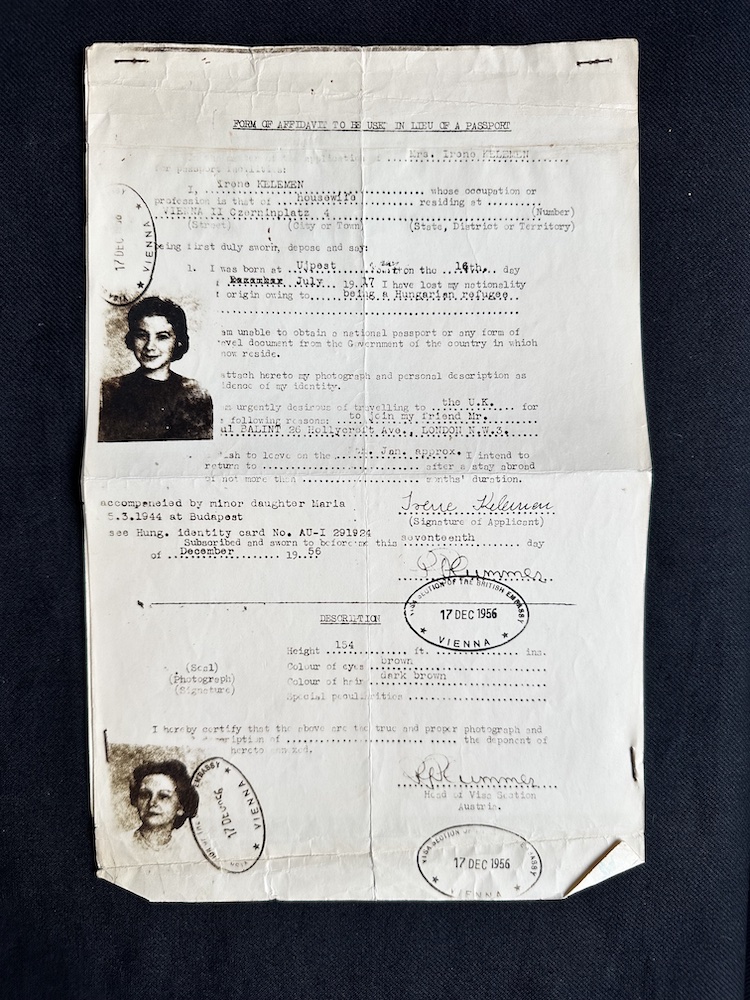
Mari Sved: This is an affidavit
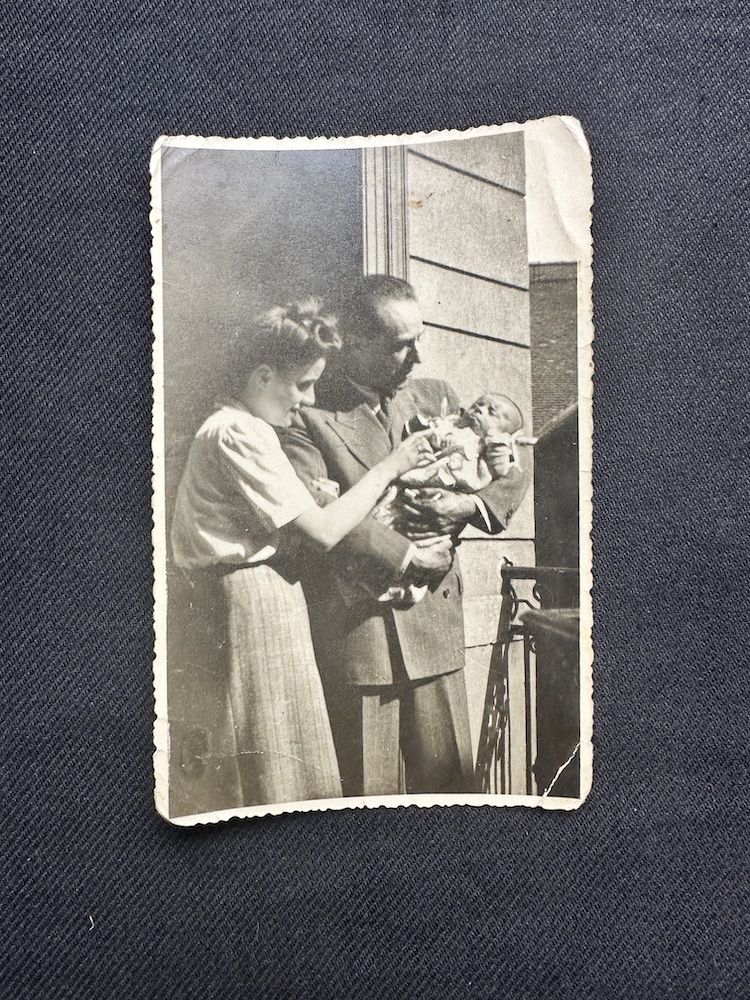
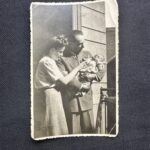
Mari Sved: Mari with her mother and father
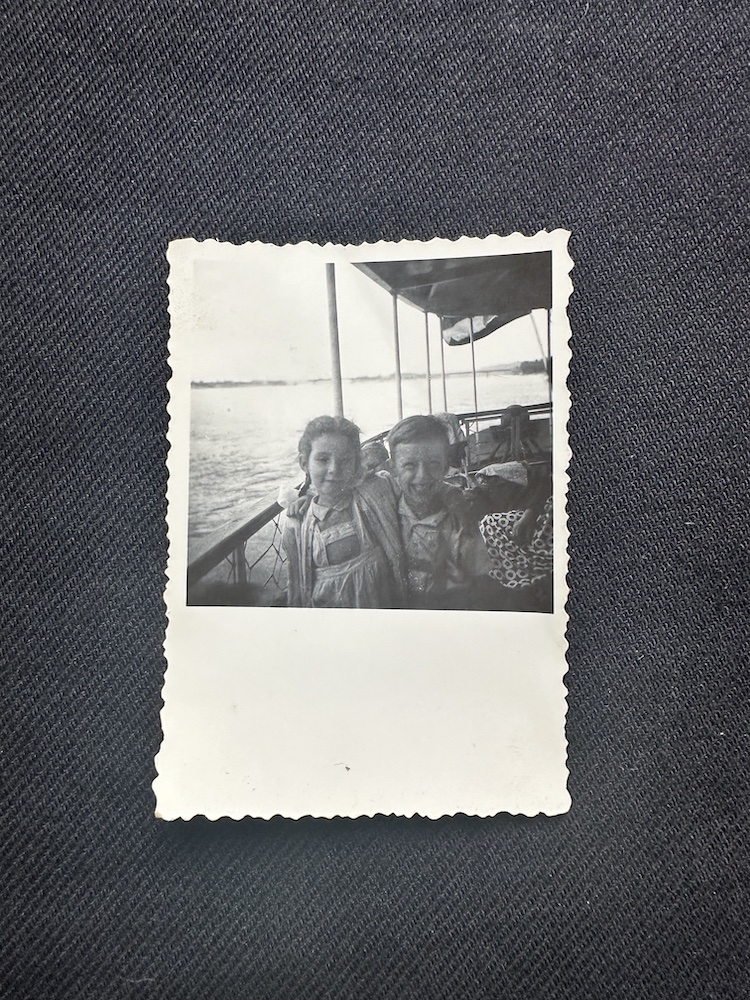
Mari Sved: "This is a photo of me with my cousin
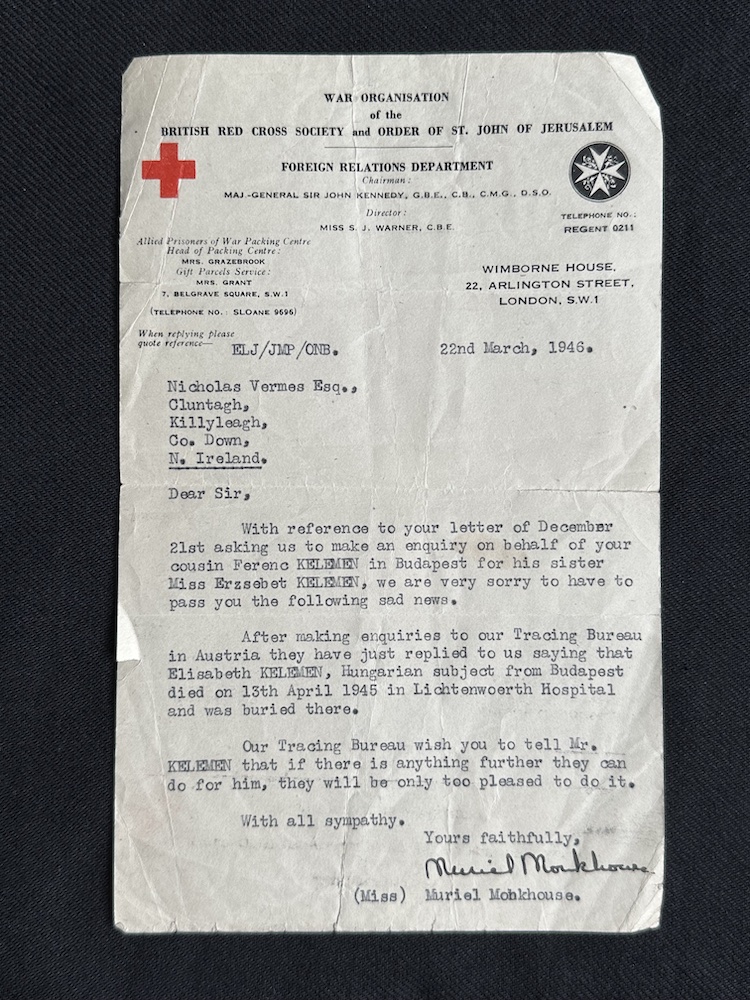
Mari Sved: Elisabeth Kelemen
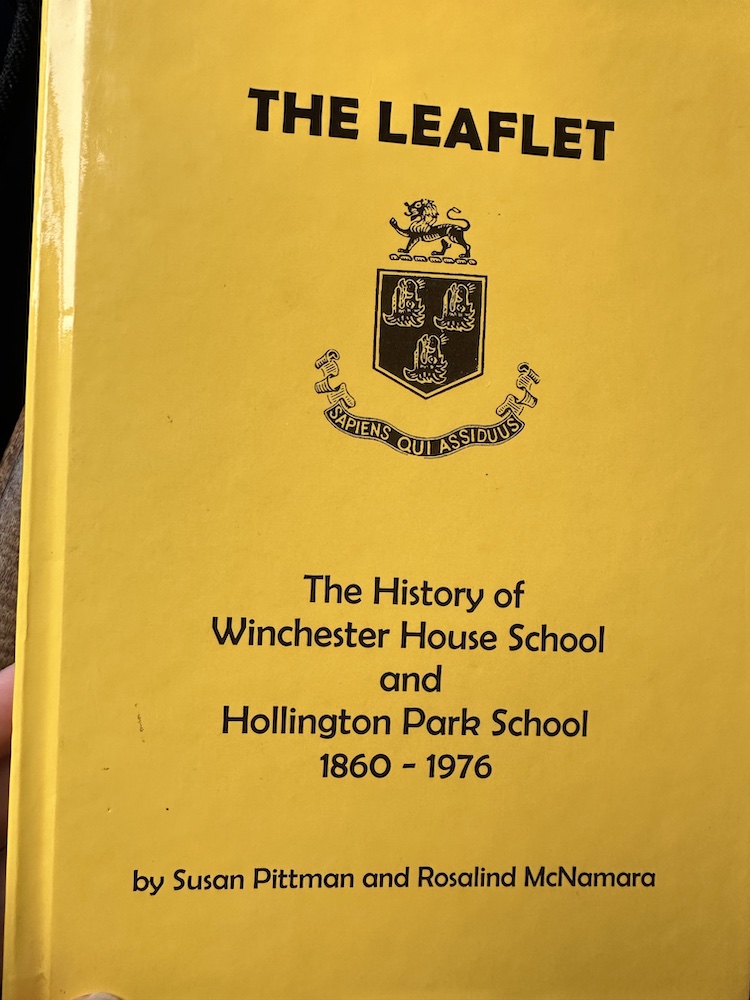
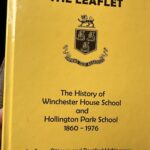
Mari Sved: Book about Mari's boarding school (among others)
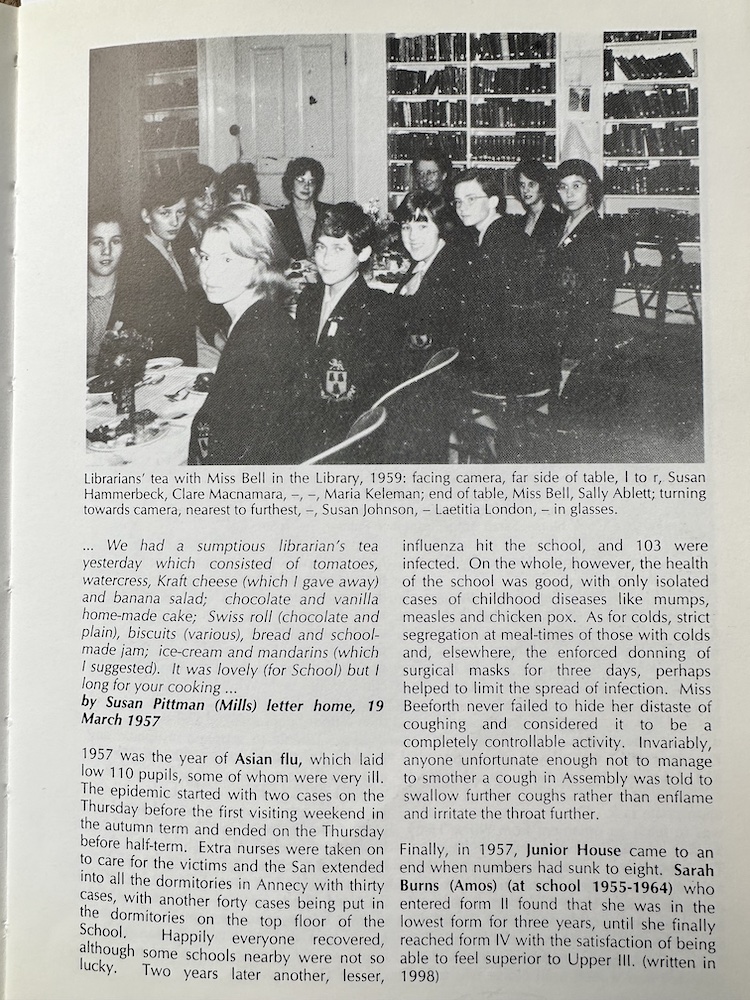
Mari Sved: Mari at boarding school
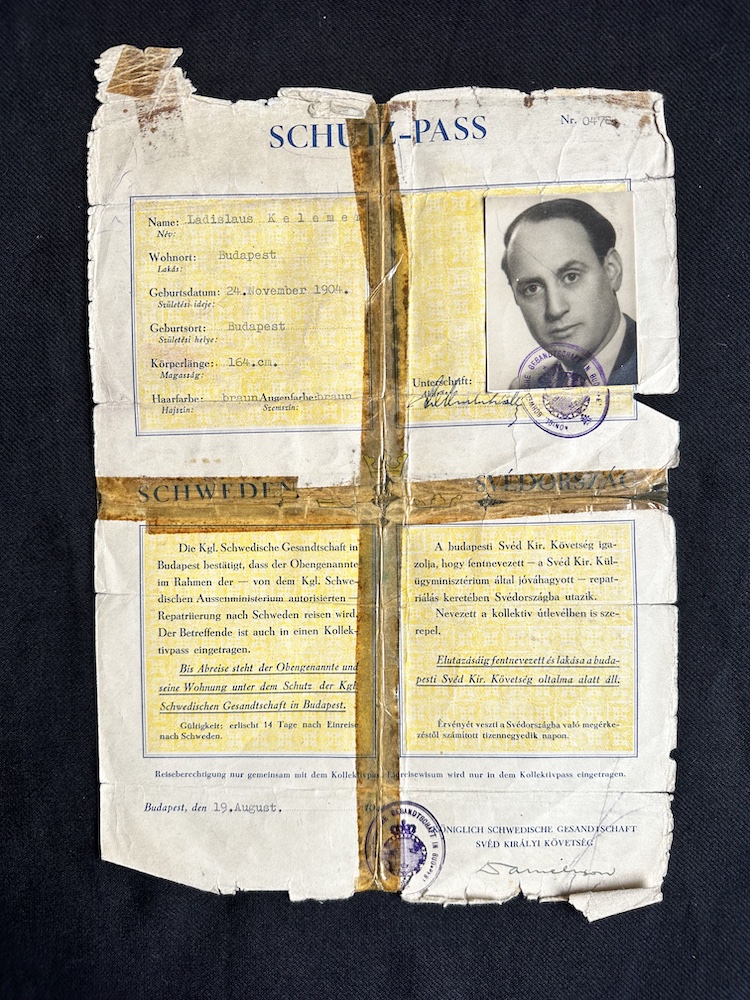
Mari Sved: Schutz-Pass issued by Swedish Embassy in Budapest to Mari's maternal uncle who became heradopted father
Mari Sved
Mari Sved was born in March 1945 in Budapest to parents Lajos Kardos and Zsuzsanna née Kelemen
Born: 1944
Place of Birth: Budapest
Arrived in Britain: 01/06/2026
Experiences: Given Swedish Consular Protection , Post WW2 Hungarian Refugee
Interview Summary
Mari Sved was born in March 1945 in Budapest to parents Lajos Kardos and Zsuzsanna née Kelemen. Her mother came from a well-to-do family of grain merchants. Her father was the youngest of a poor working-class family in a suburb of Budapest. He qualified as a psychologist and a Rockefeller grant brought him to the USA where he obtained a doctorate. Back to Budapest in 1934, where the situation for the Jewish population began deteriorating, he started practising psychoanalysis. To supplement his income, he became an English tutor and among his students were Mari’s uncles. Lajos met Zsuzsanna and they got married despite the age difference of 17 years and her family’s disapproval. In 1944, the family received Schutz-Passes from the Swedish government for the extended family, as Mari’s uncle worked with Raoul Wallenberg.
On the 8th of January 1945, a gang of Arrow Cross men rounded Jews up and also came to the basement of their house. They marched the family off, except for Mari and her non-Jewish aunt, Irene, to whom Mari’s mother had given the baby for protection. Through the direct help of Wallenberg’s office, the family was extracted from the control of the Arrow Cross and saved.
After the war, the family moved to the grandmother’s flat, and Mari’s younger sister Andrea was born in 1947. A year later Mari’s mother died of meningitis and Mari was raised by the paternal uncle and aunt who adopted her, whereas the sister was raised by the grandmother and their father. Mari was very happy in school. Despite the Anti-Semitism that was still rife in Hungary and which she remembers, she loved her life in Hungary. However, her uncle, on business during the 1956 uprising, stayed in Vienna and the aunt’s and Mari’s escape was organised. On the day of their departure, Mari left a note and gifts for her little sister, who she wouldn’t see for many years. Then Maria and her aunt travelled to the border near Sopron and in the dark of night, together with other refugees, they crossed into Austria, where her uncle picked them up. They managed to get refugee status for the UK, but aunt and uncle went to the Netherlands. Mari was sent to a boarding school in Kent which provided a couple of free places for Hungarian refugee girls. At the age of 19, she married a fellow Hungarian Jewish refugee and had three children. After obtaining a degree in zoology and comparative animal physiology, she went into teaching. In 1966 she went back to Budapest for the first time and had an emotional reunion with her sister.
Key words: Budapest. Hungary. Kelemen. Kardos. Lichtenwörth. Mauthausen. Pietstany, Slovakia. Siege of Budapest. Kalman Lauer. Raoul Wallenberg. Swedish Schutz-Passes. Uprising of 1956. Sopron. Vienna. Hollington Park School for Young Ladies (St. Leonard’s-on-Sea).
Place of Birth
REFUGEE VOICES is the AJR’s groundbreaking Holocaust testimony collection of filmed interviews with Jewish survivors and refugees from Nazi Europe who rebuilt their lives in Great Britain.
The copyright of personal photos and documents on the site is held by each interviewee and may not be reproduced without their permission. Please contact the AJR if you would like to use any of the images and documents.