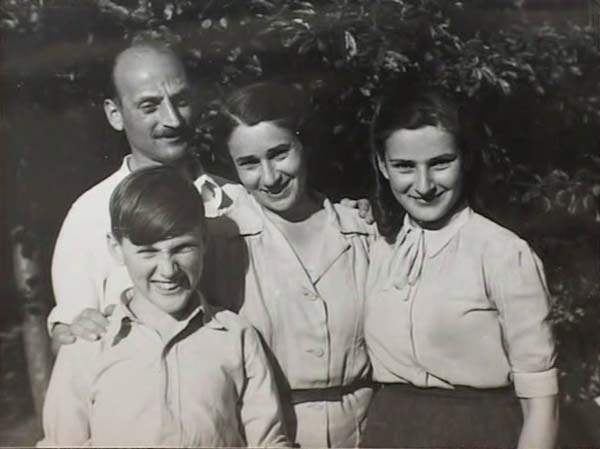
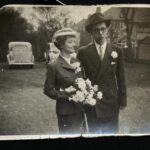
![TH: Parents, Dr Fritz and Sybille Heinemann, at a Faschingsparty [carnival party] in 1927.](https://ajr.twoboysdev.co.uk/wp-content/uploads/2025/07/770eee_59c2bad0ed8d43fa815ab9eacf5a9229mv2-150x150.jpeg)
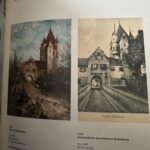
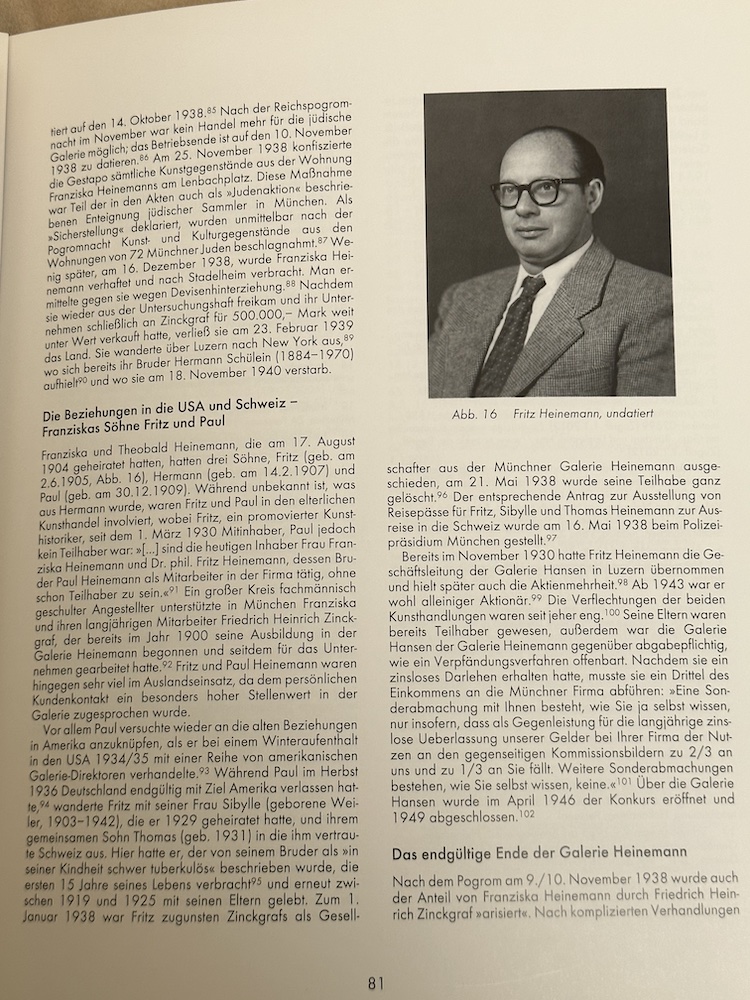
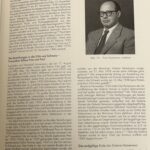
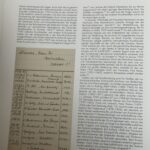
Tom Heinemann: "Tumultuous story of a Jewish art gallery 1872-1938" page 12
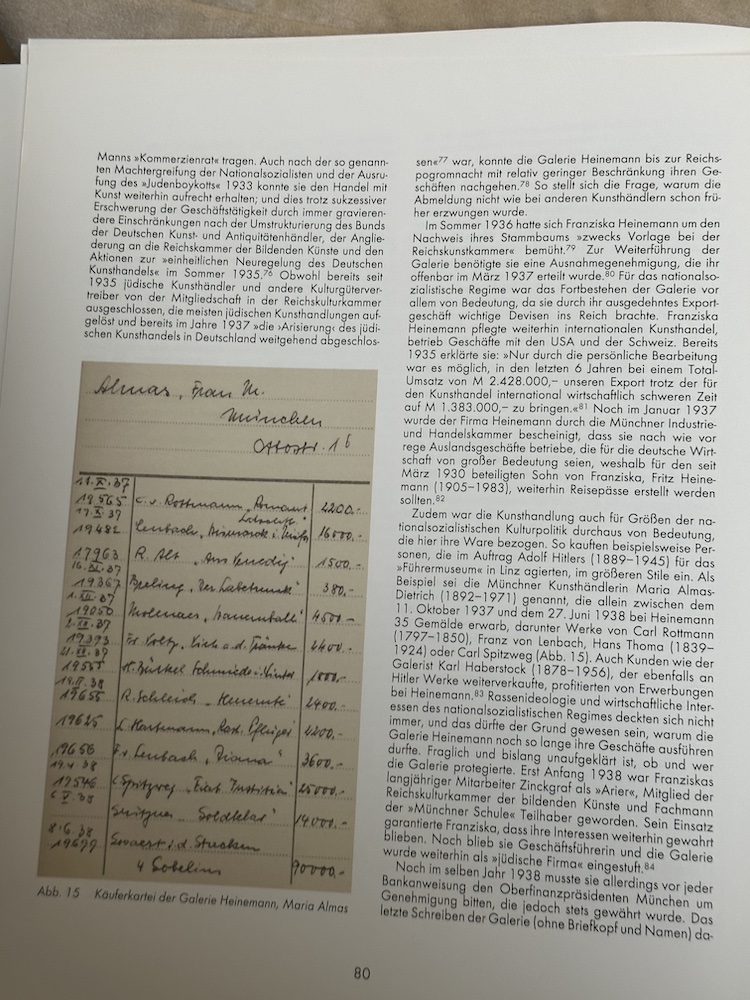
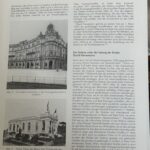
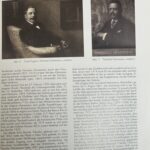
Tom Heinemann: "Tumultuous story of a Jewish art gallery 1872-1938" page 10
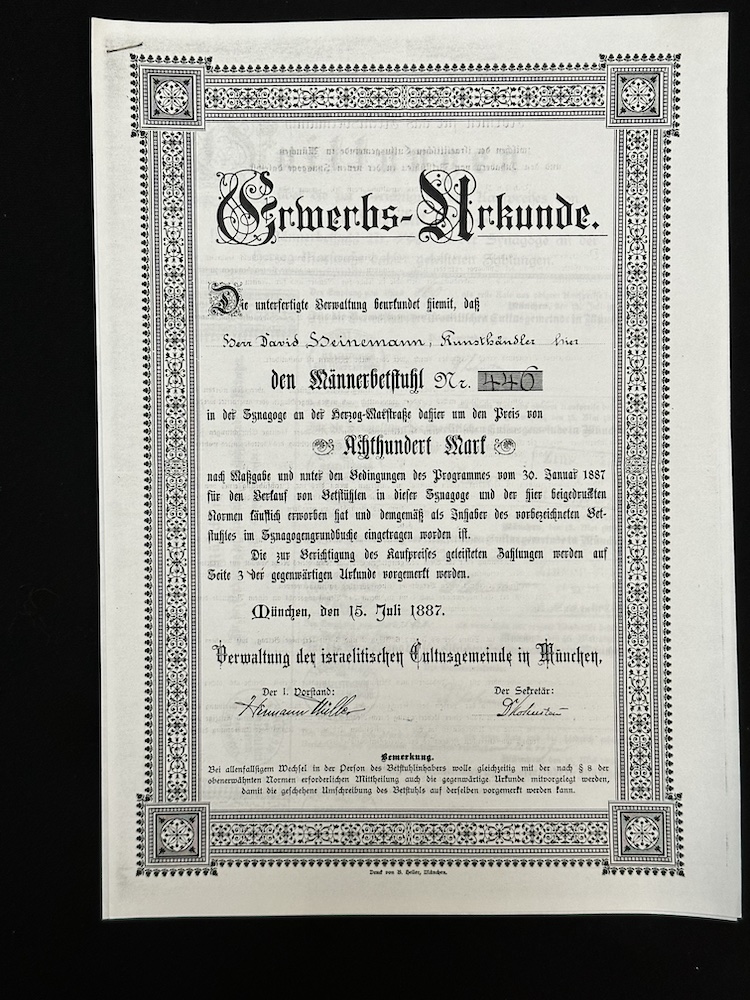
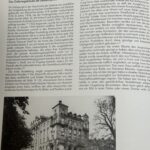
Tom Heinemann: "When the new synagogue was built in the 1880s in Munich
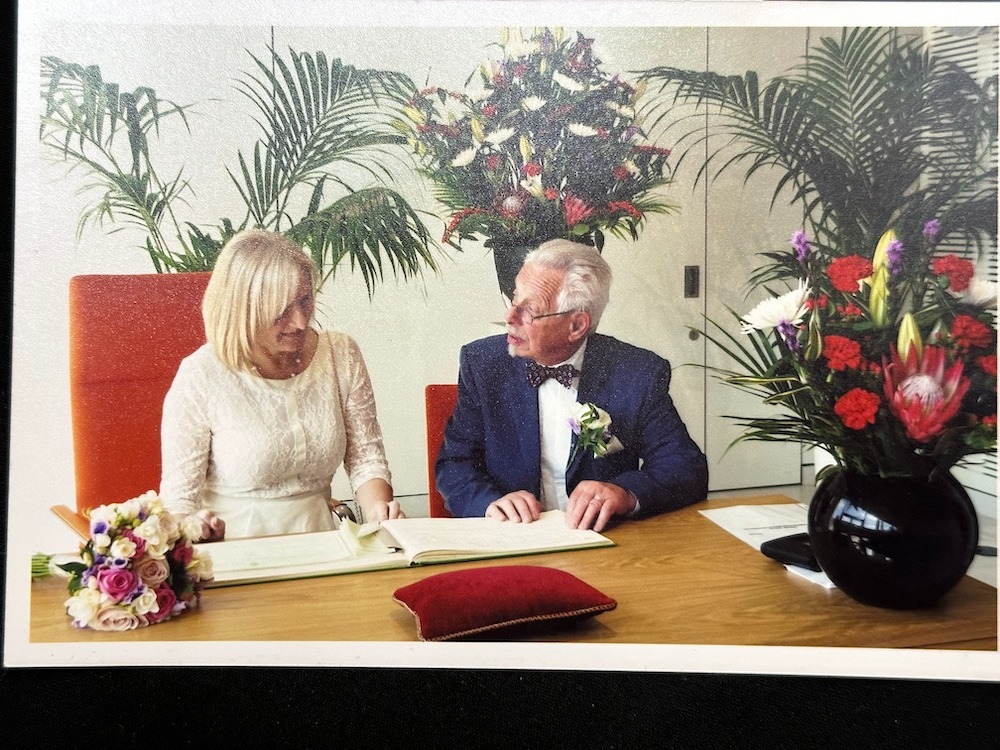
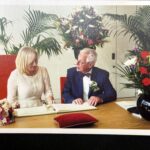
Tom Heinemann: Wedding day with Daria Juda on the 3rd of May 2014 at Wembley Civic Centre.
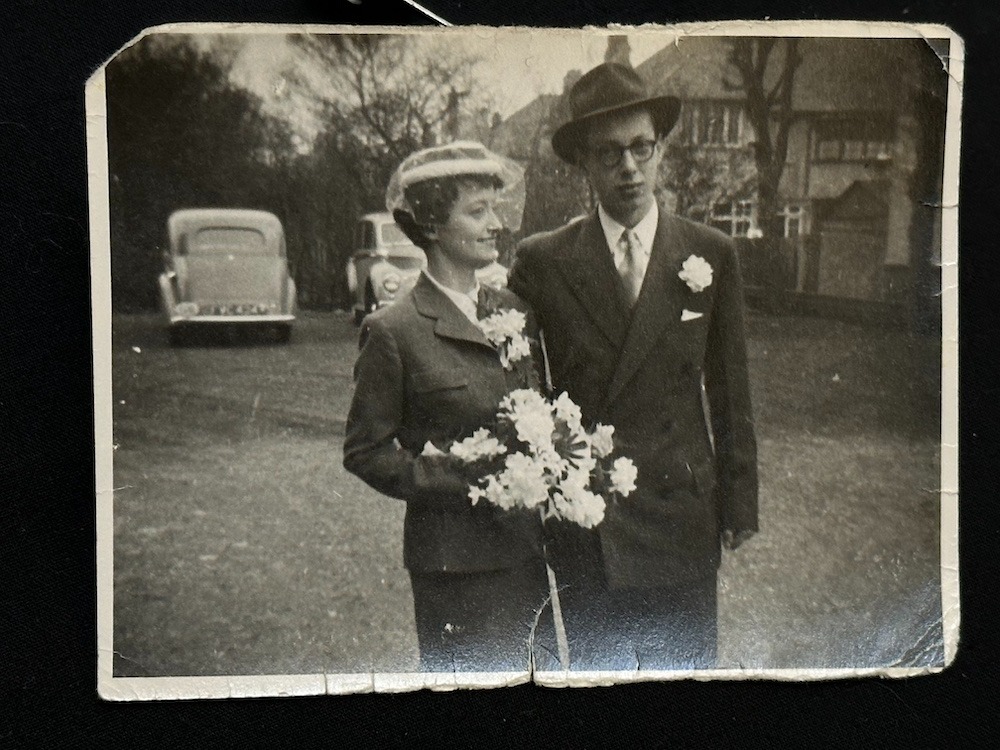
Tom Heinemann: 25th of March 1954 Wedding day with wife Lore Benjamin at Alyth Gardens Synagogue
![TH: Parents, Dr Fritz and Sybille Heinemann, at a Faschingsparty [carnival party] in 1927.](https://ajr.twoboysdev.co.uk/wp-content/uploads/2025/07/770eee_59c2bad0ed8d43fa815ab9eacf5a9229mv2.jpeg)
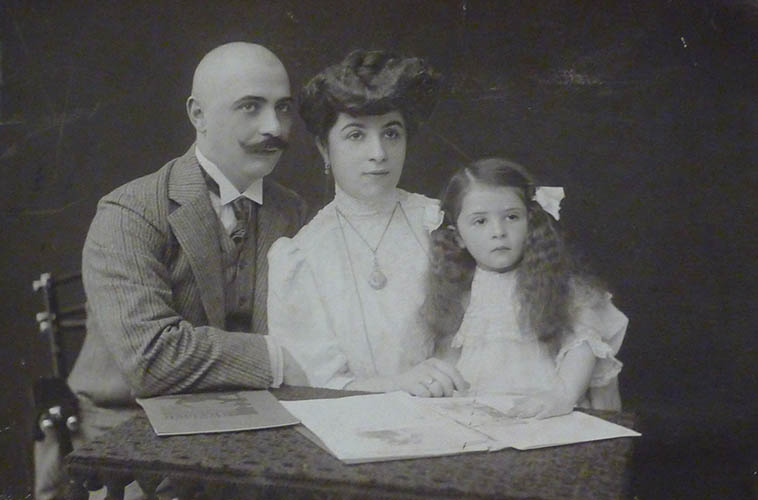
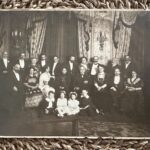
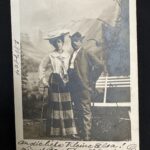
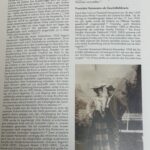
Tom Heinemann: Parents, Dr Fritz and Sybille Heinemann, at a Faschingsparty [carnival party] in 1927.
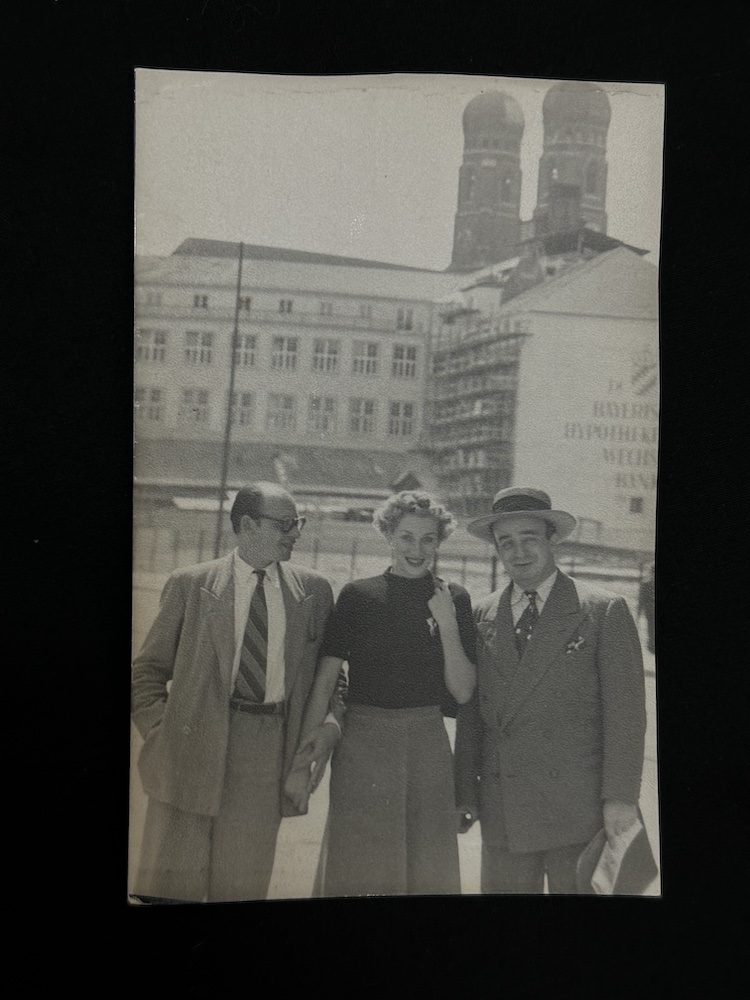
Tom Heinemann: Tom's father and his brother
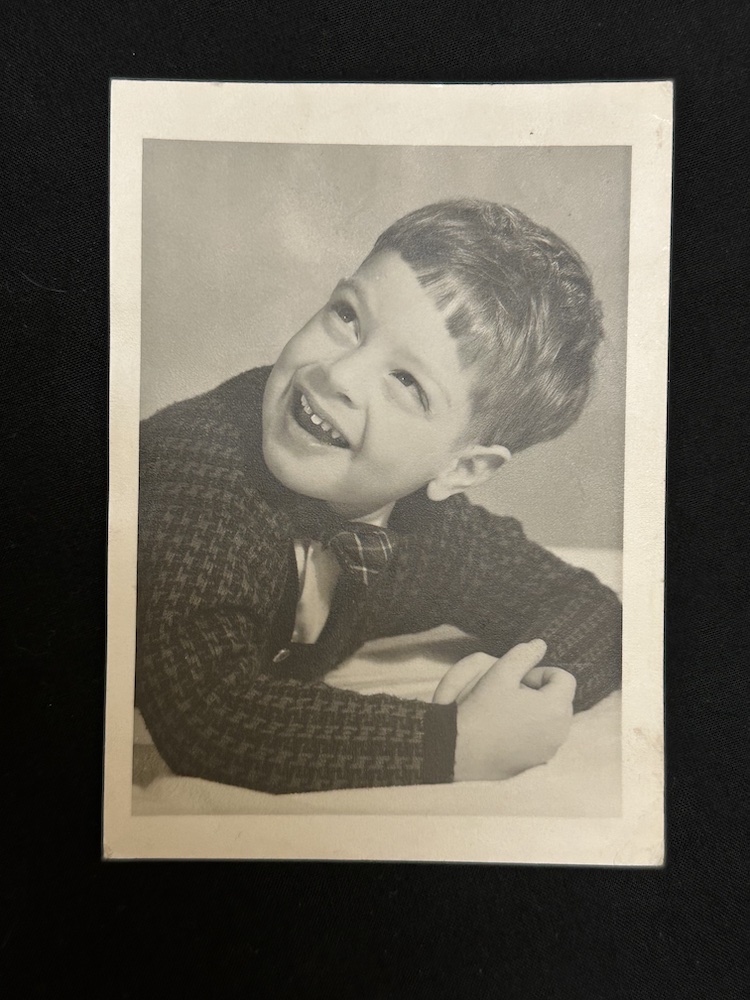
Tom Heinemann: Son Julian Stephen Heinemann
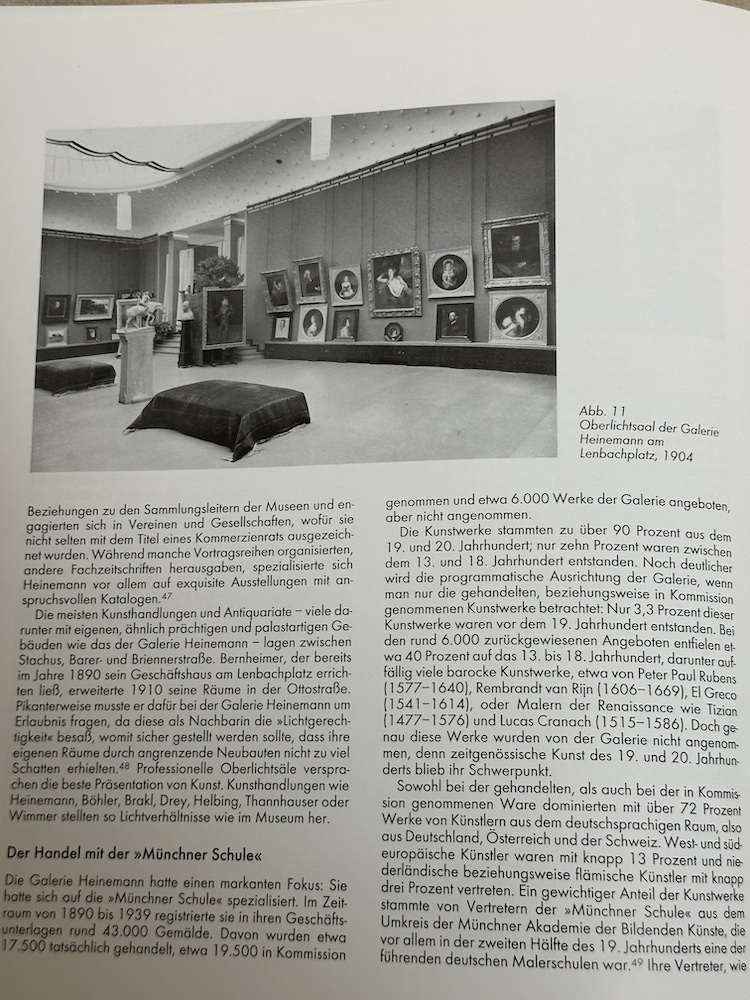
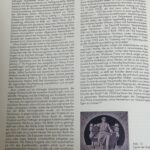
Tom Heinemann: "Tumultuous story of a Jewish art gallery 1872-1938" page 7
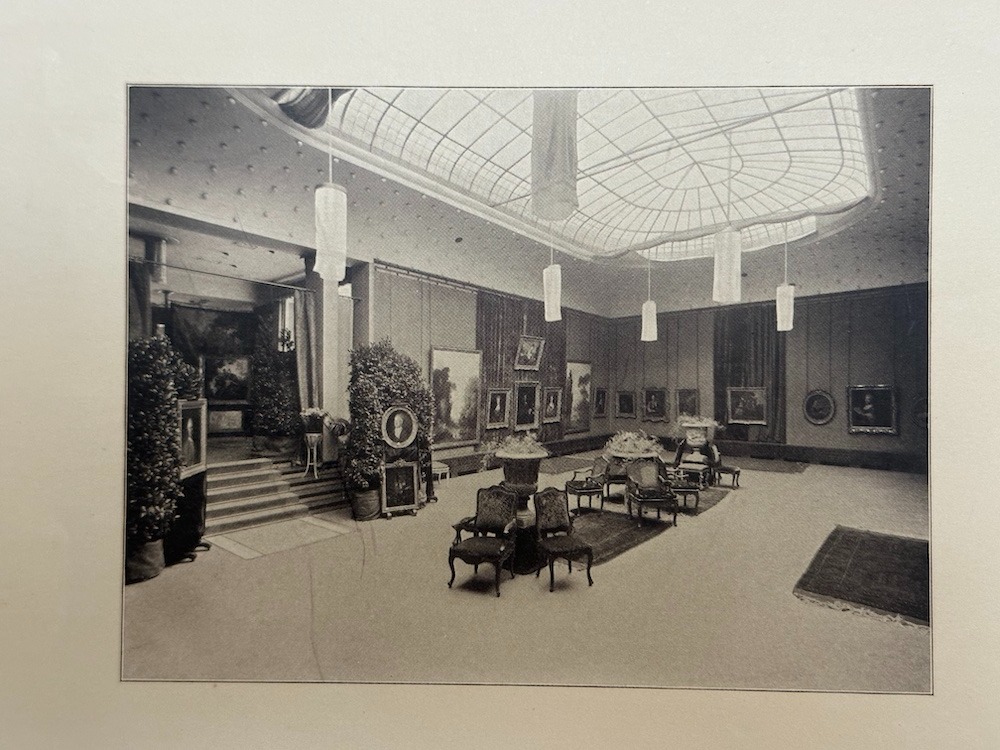
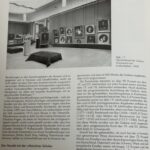
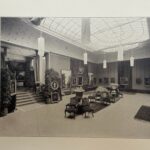
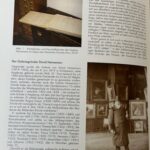
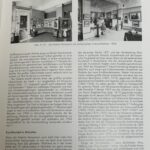
Tom Heinemann: "This is the interior of the gallery of David Heinemann
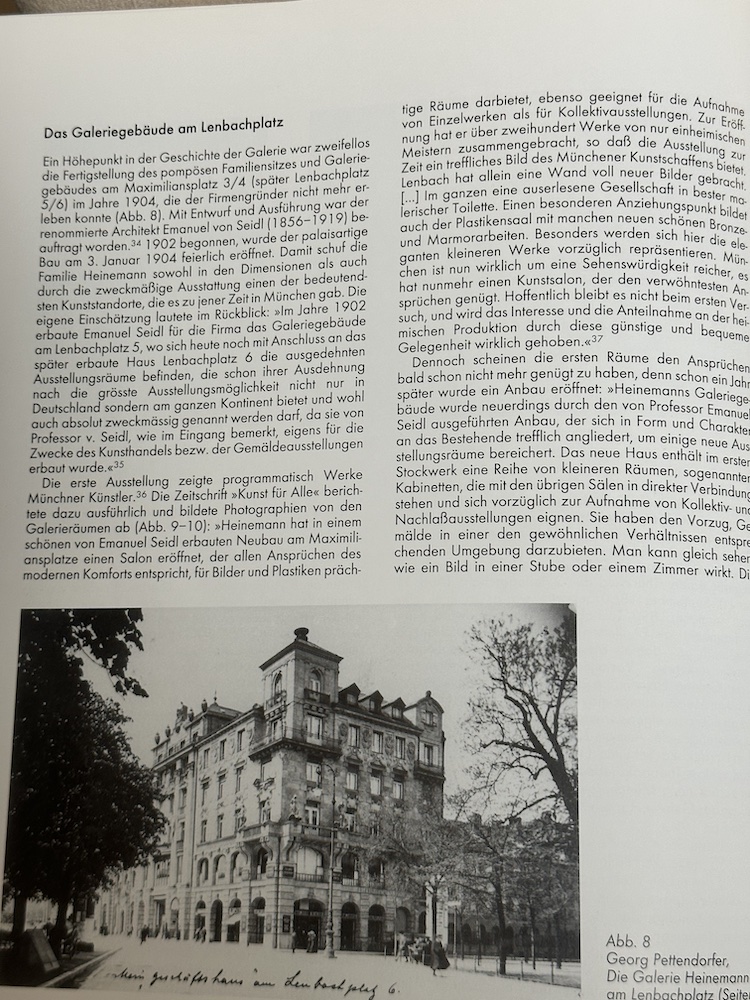
Tom Heinemann: "Tumultuous story of a Jewish art gallery 1872-1938" page 5
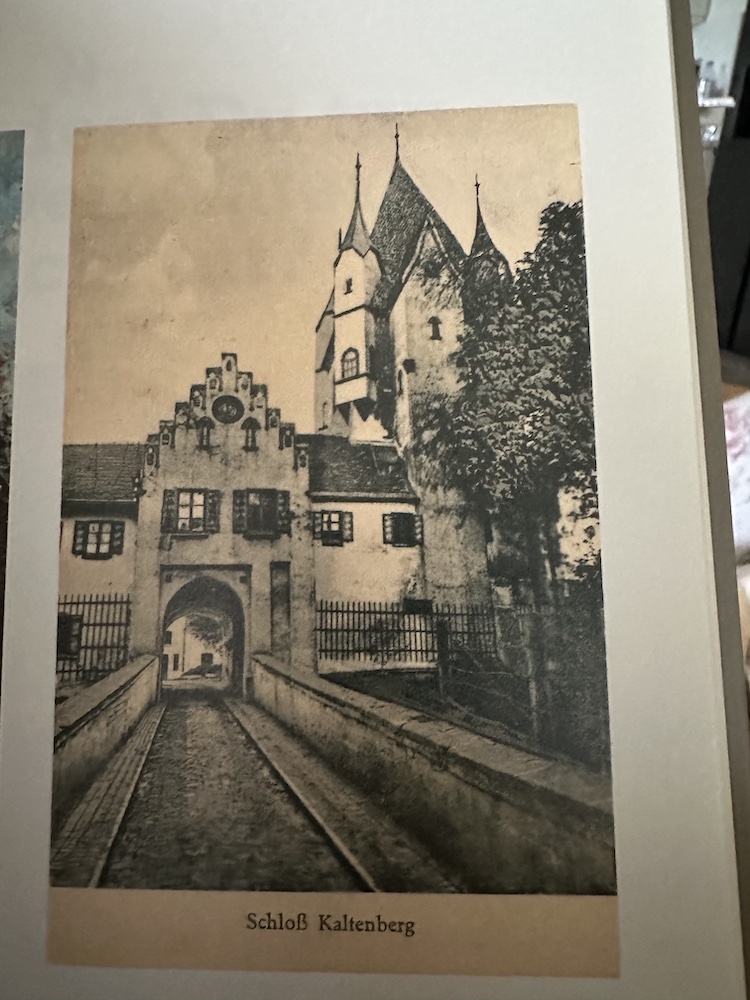
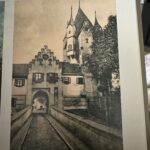
Tom Heinemann: Photo of Castle Kaltenberg
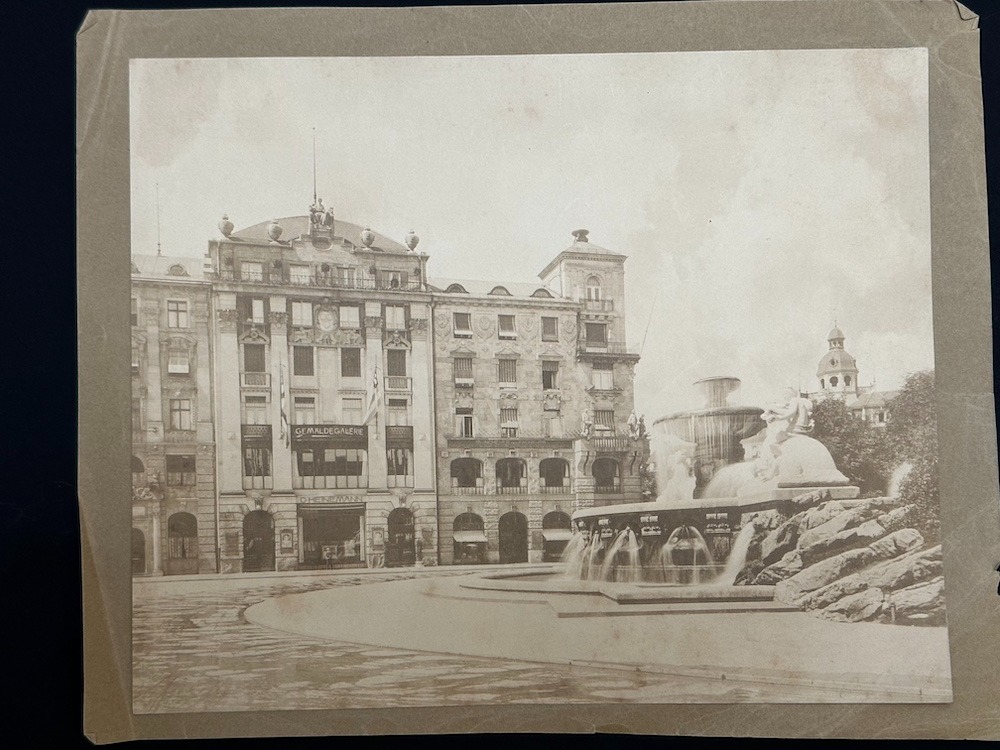
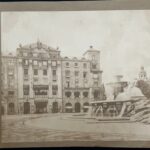
Tom Heinemann: 5 Lenbachplatz
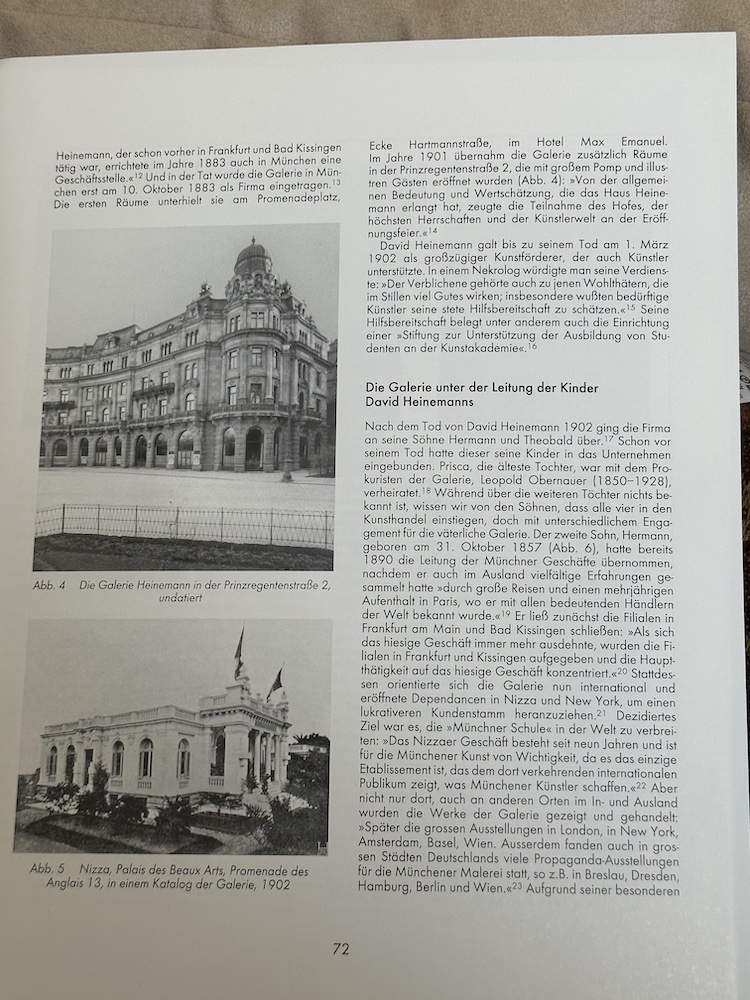
Tom Heinemann: "Tumultuous story of a Jewish art gallery 1872-1938" page 2
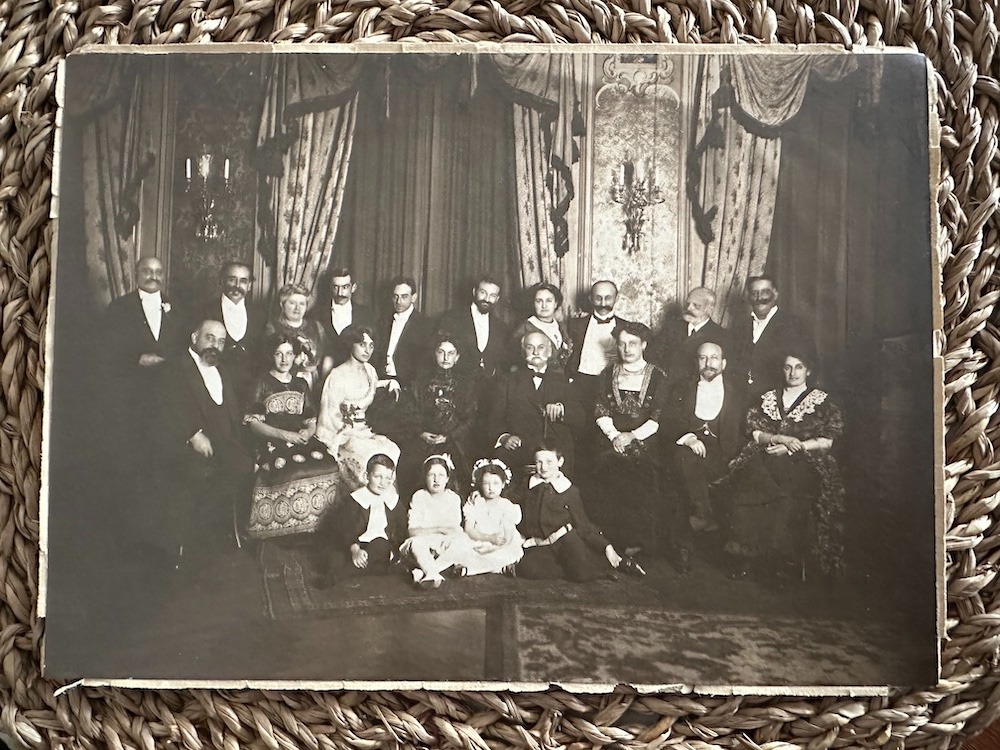
Tom Heinemann: Birthday dinner for great-grandfather Joseph Schülein (in the centre), brewery director who retired to castle Kaltenberg, Upper Bavaria
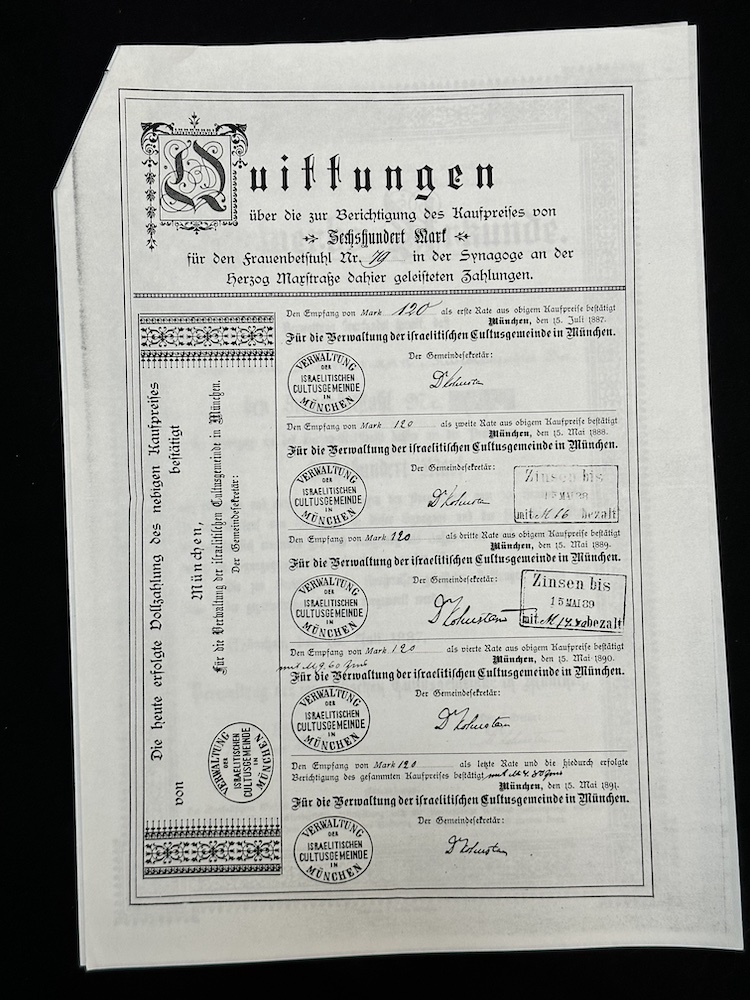
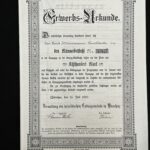
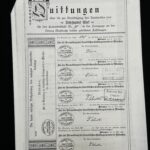
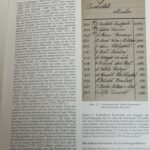
Tom Heinemann: Receipt for the seat in the new synagogue Munich 1887
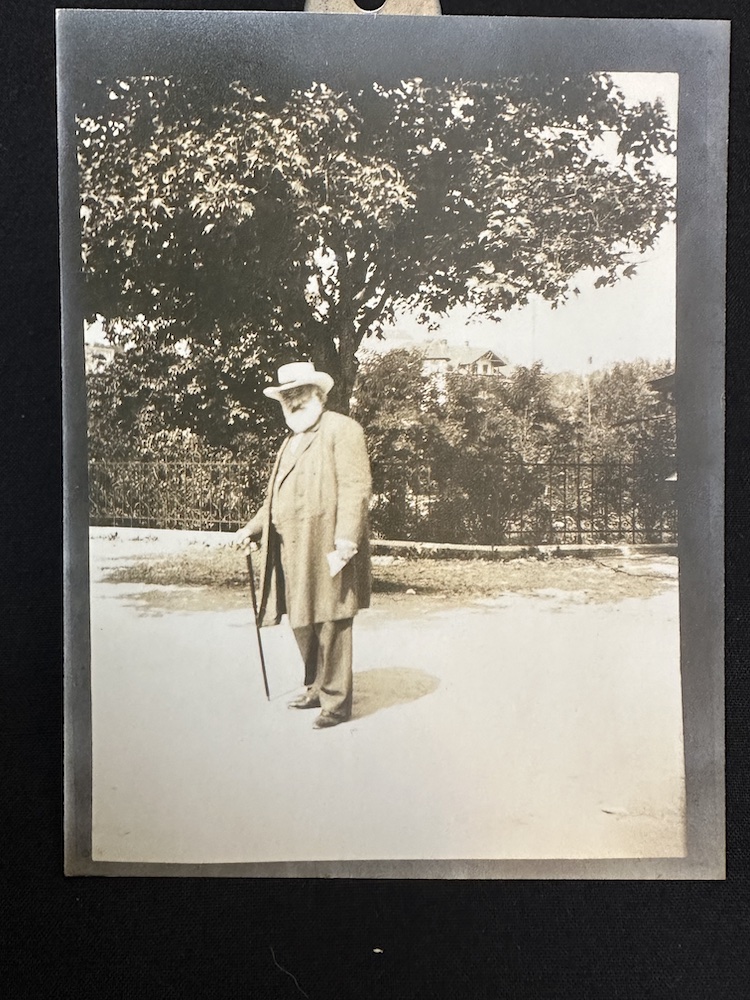
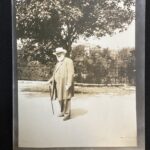
Tom Heinemann: Great-grandfather Joseph Schülein
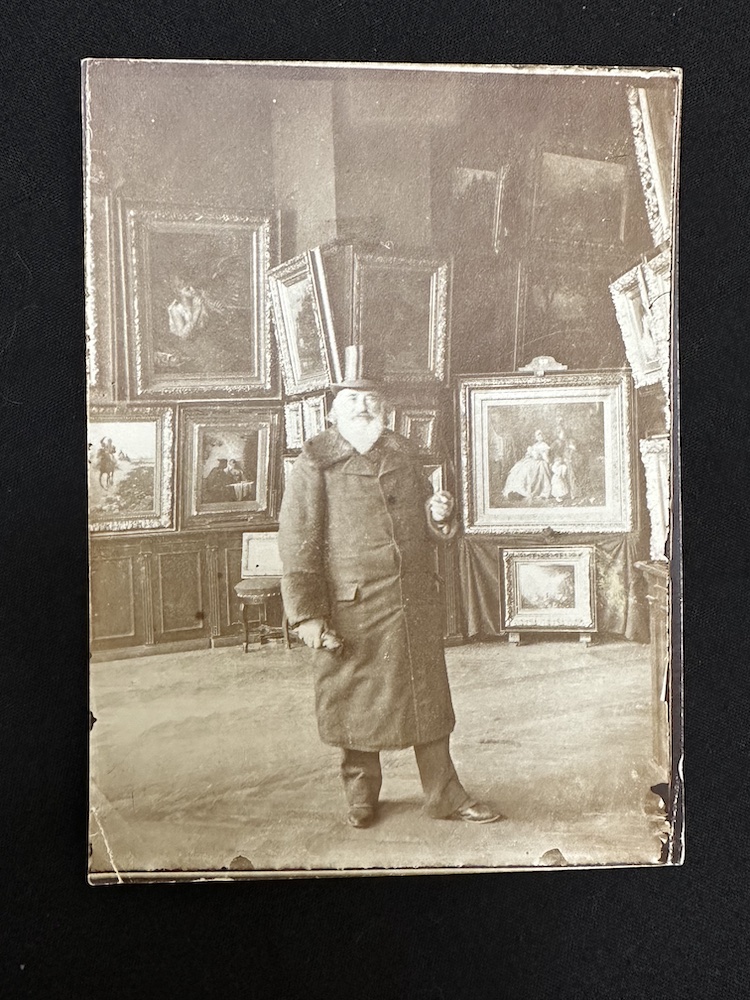
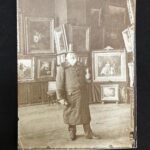
Tom Heinemann: "Great-grandfather David Heinemann, in one of his earlier galleries before the one in Lenbachplatz, the main gallery, was acquired. "
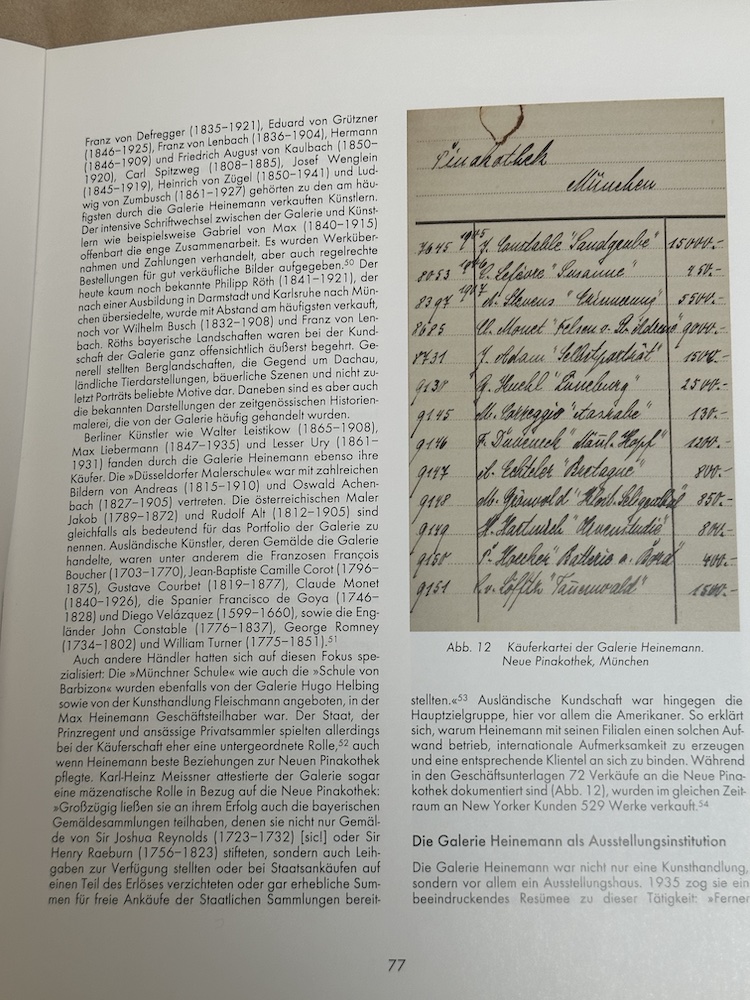
Tom Heinemann: "Tumultuous story of a Jewish art gallery 1872-1938" page 8
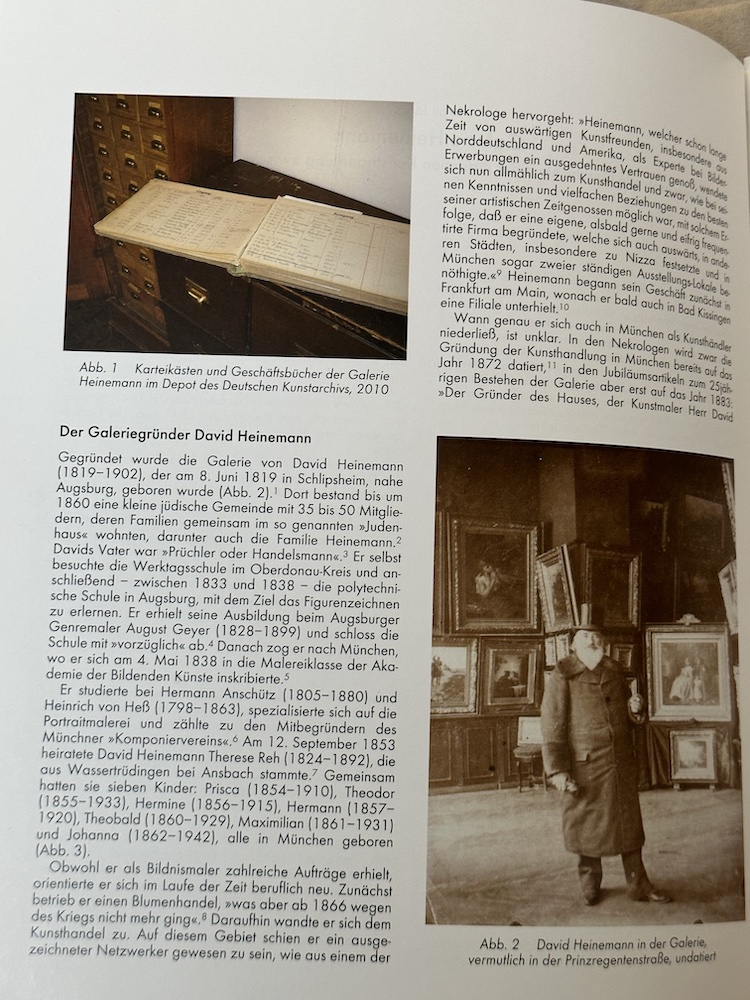
Tom Heinemann: "Tumultuous story of a Jewish art gallery 1872-1938" page 4
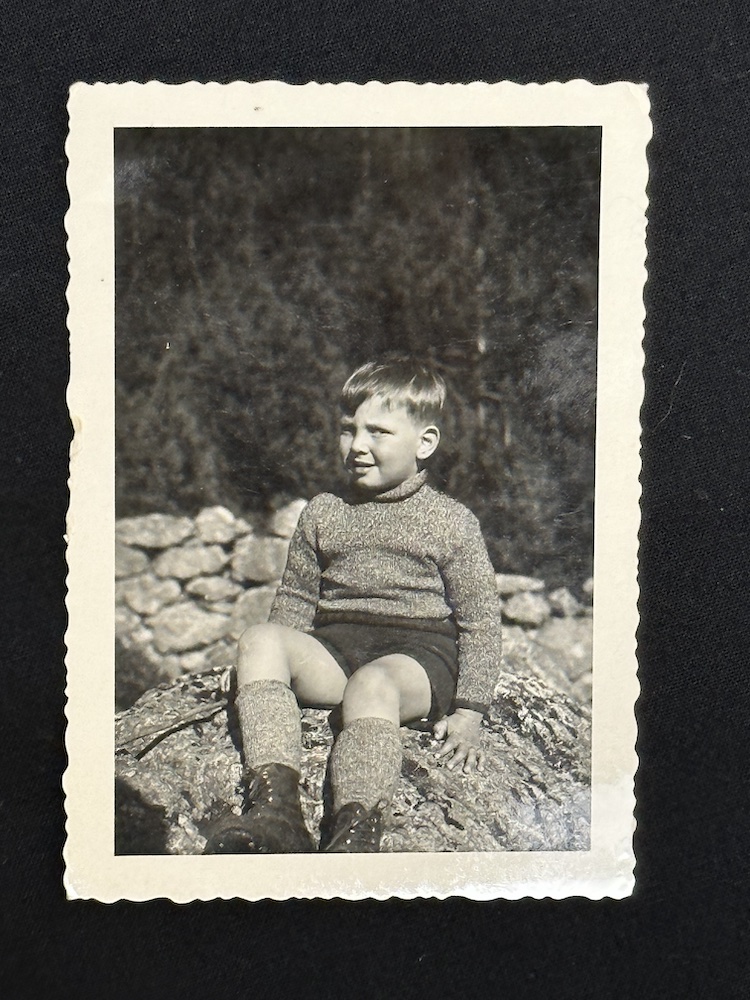
Tom Heinemann: Hiking in Switzerland ca. 1935
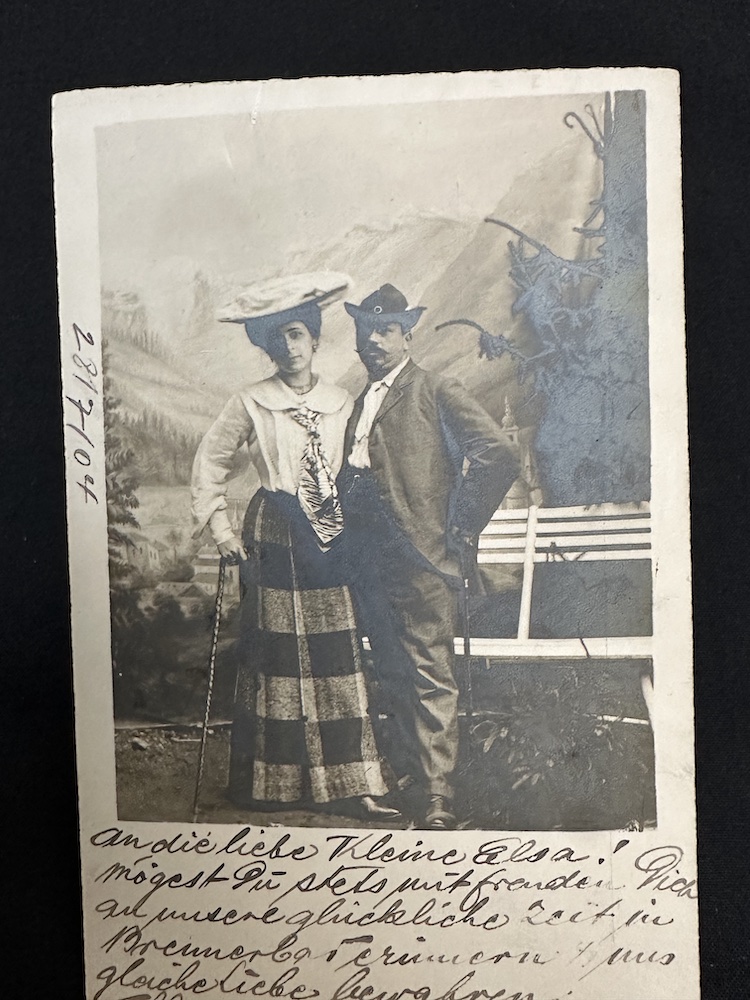
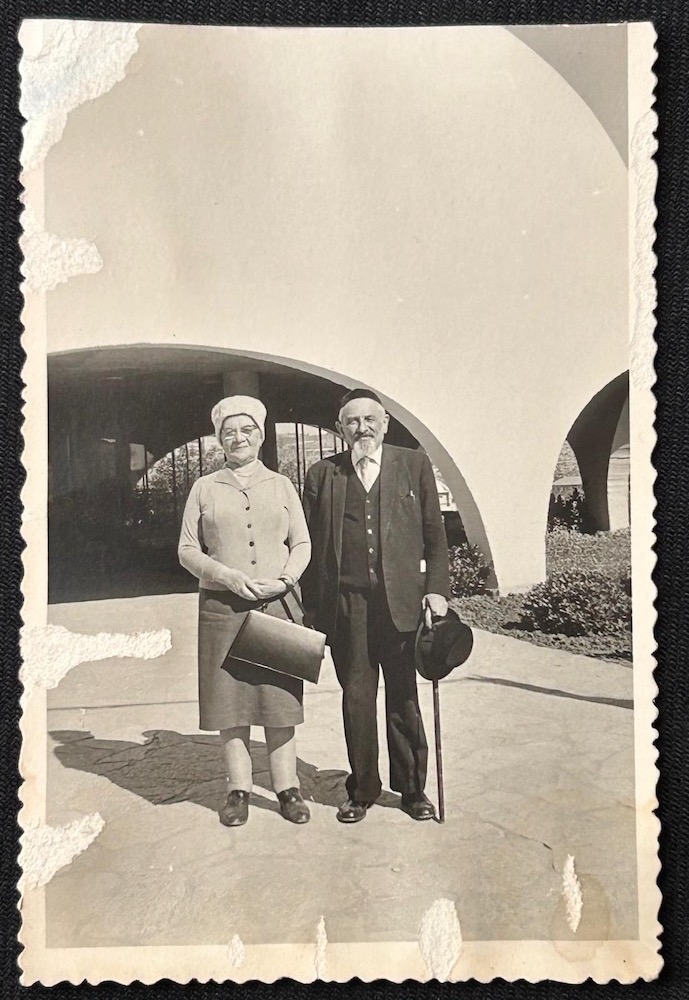
Tom Heinemann: Grandparents Theobald and Franziska (Mimi) Heinemann. When Theobald died in 1929
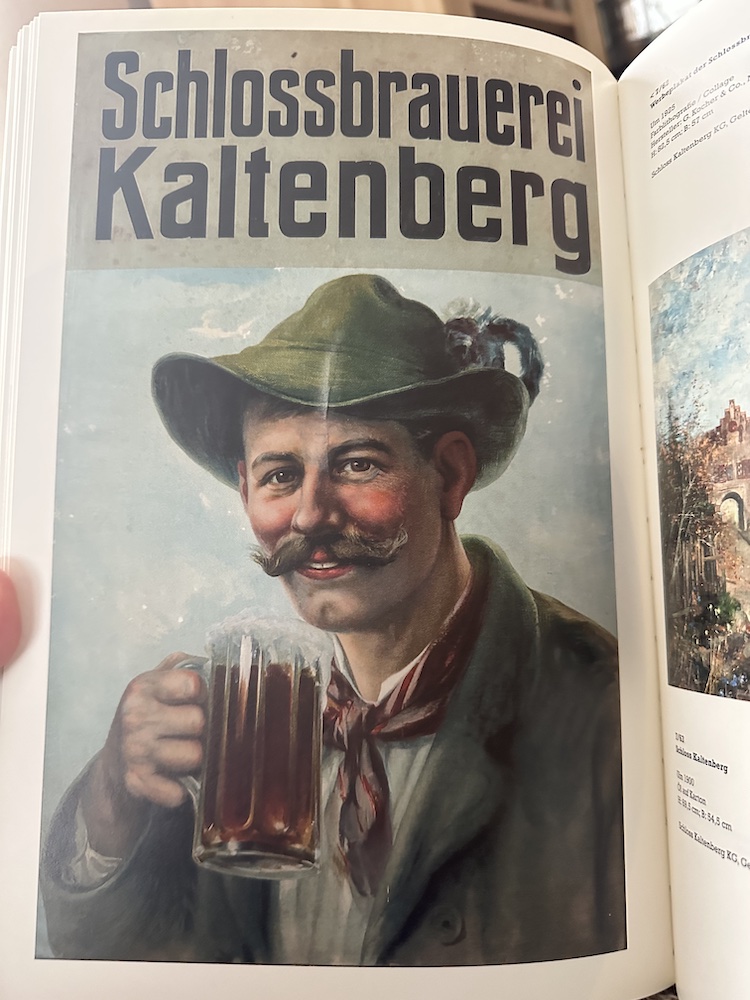
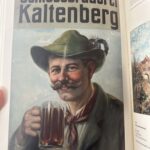
Tom Heinemann: Advertisement for Schülein's brewery
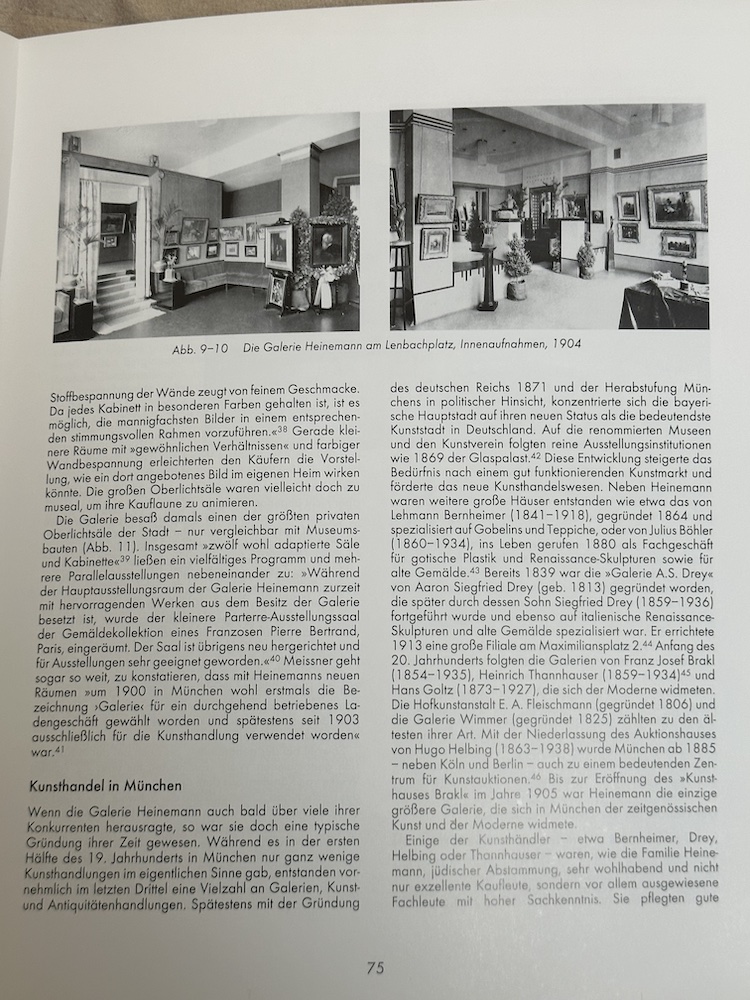
Tom Heinemann: "Tumultuous story of a Jewish art gallery 1872-1938" page 6
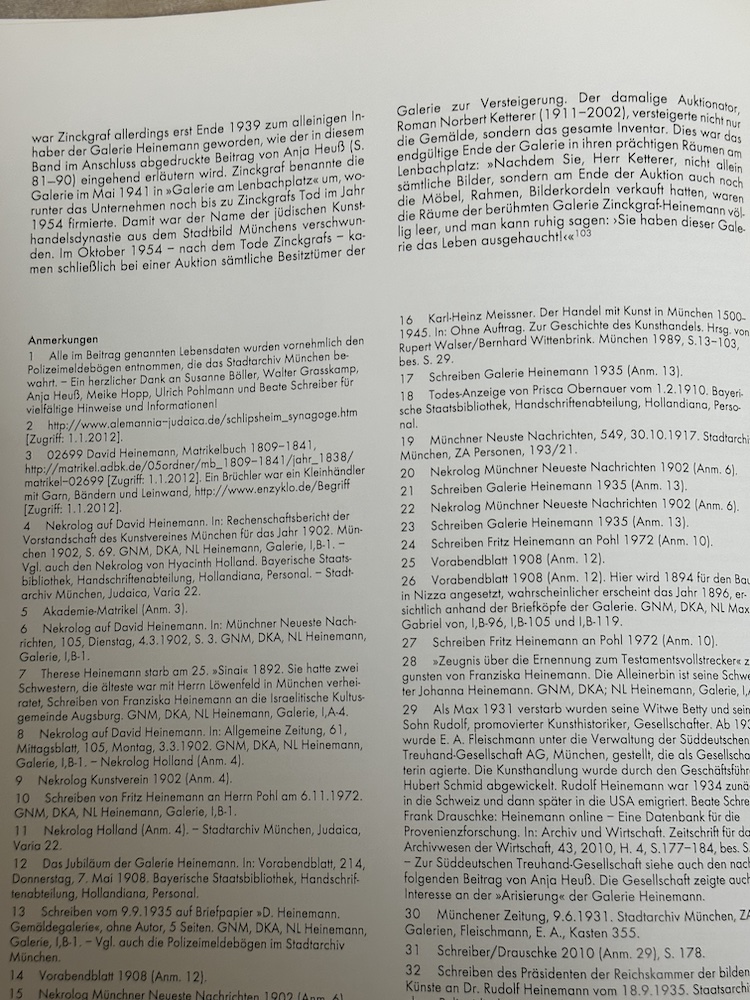
Tom Heinemann: "Tumultuous story of a Jewish art gallery 1872-1938" page 11
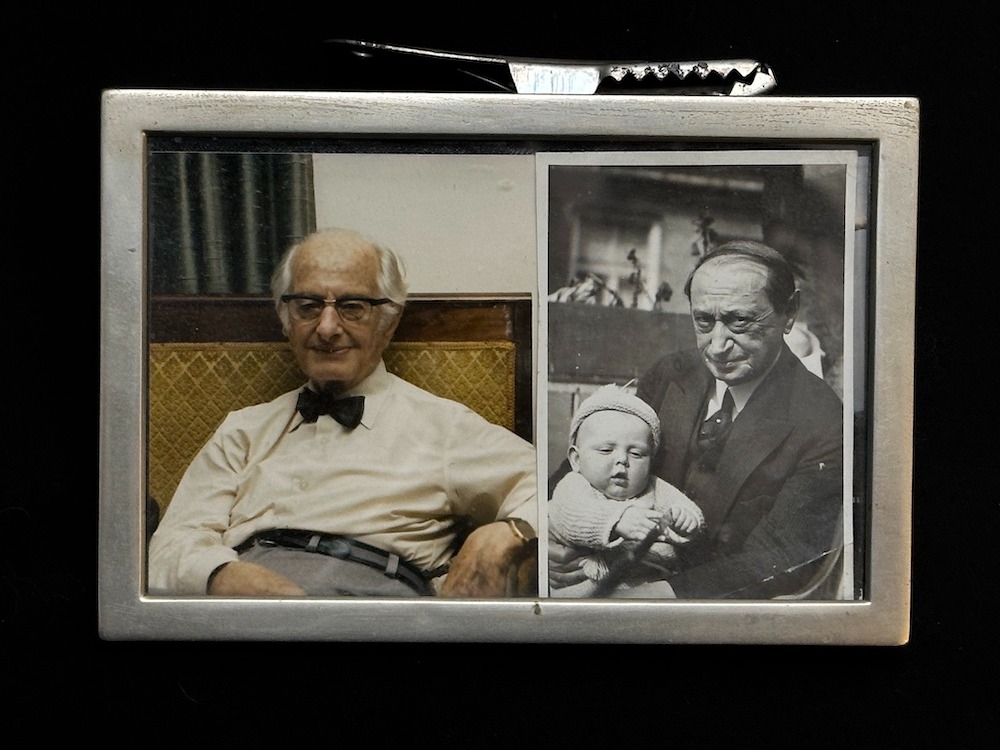
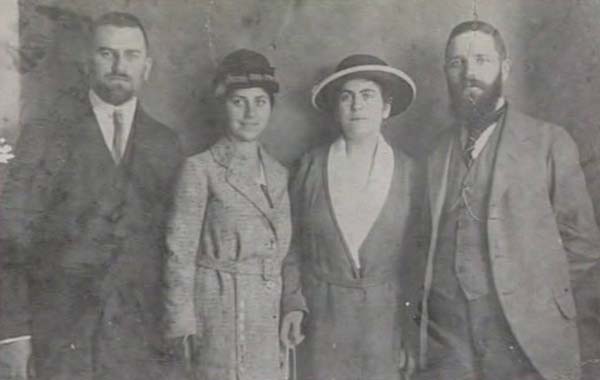
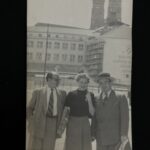
Tom Heinemann: On the left maternal uncle Dr Gerhard Weiler
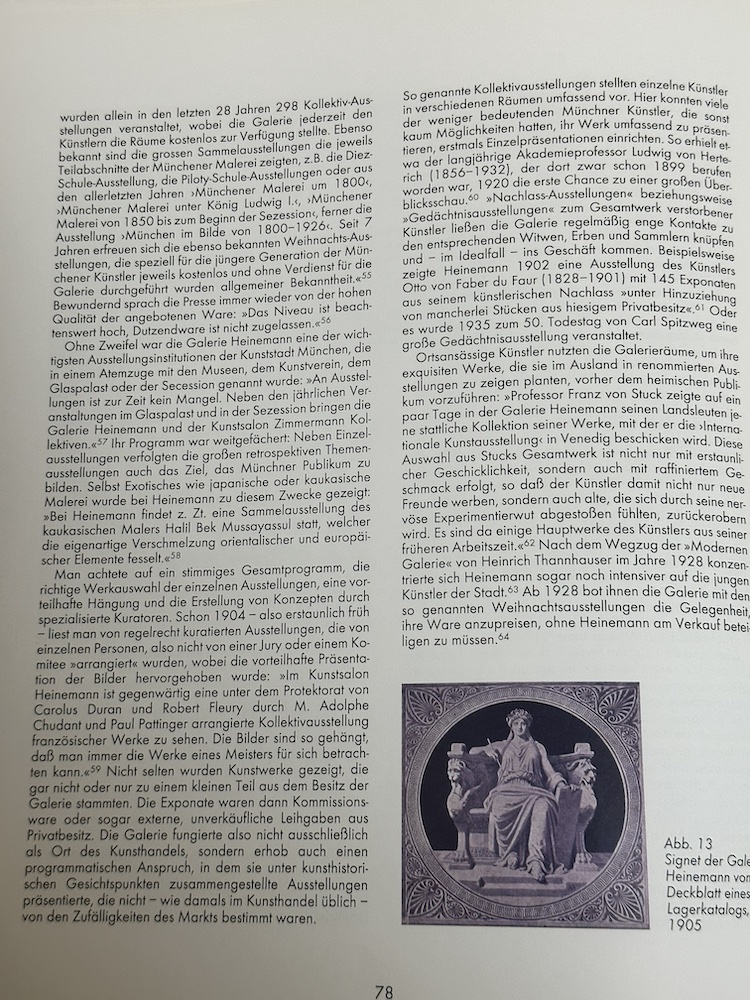
Tom Heinemann: "Tumultuous story of a Jewish art gallery 1872-1938" page 9
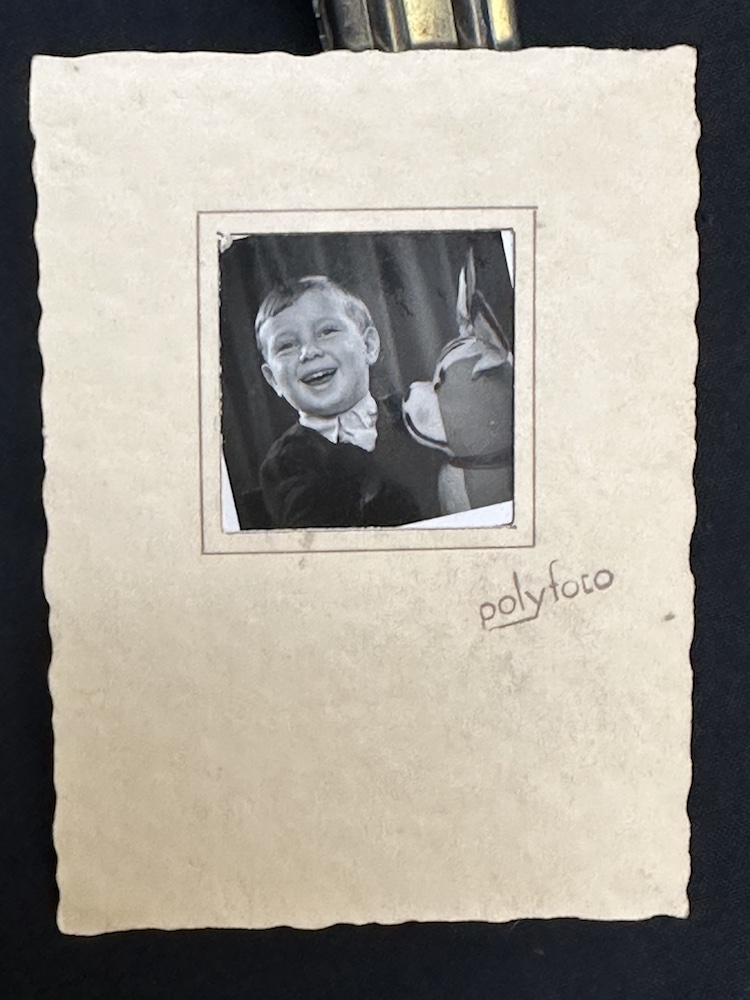
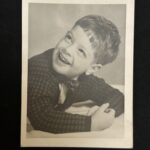
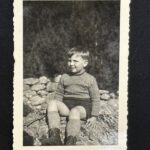
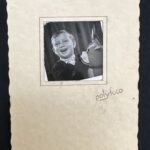
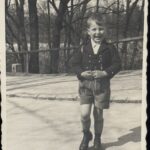
Tom Heinemann: Aged 3
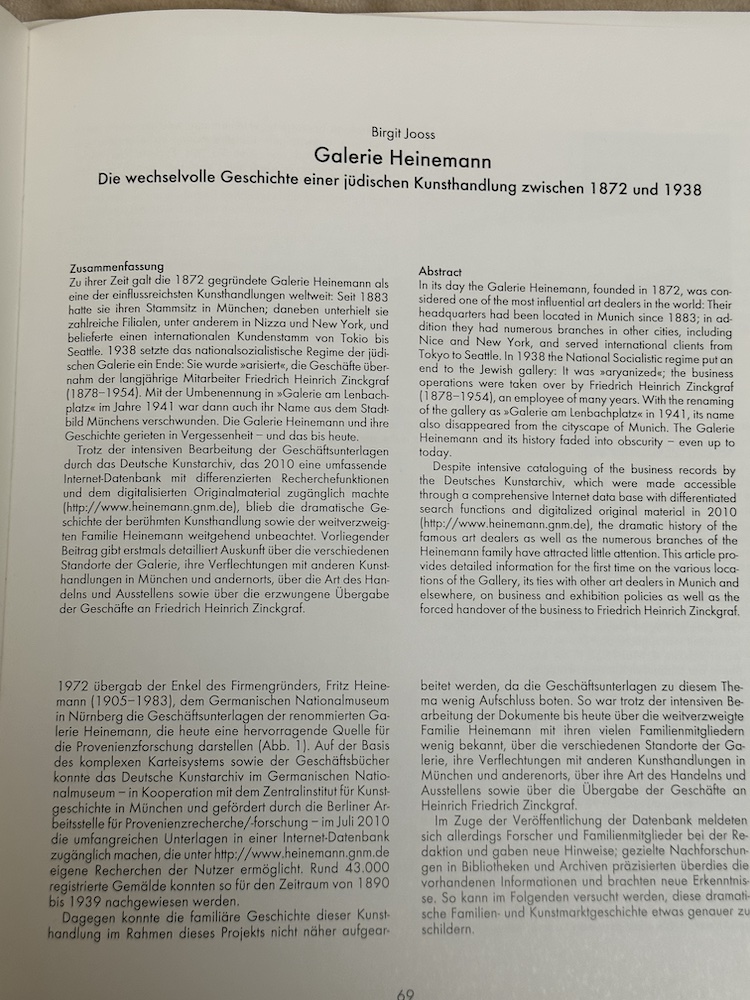
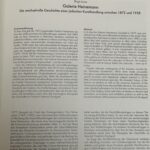
Tom Heinemann: "Tumultuous story of a Jewish art gallery 1872-1938"
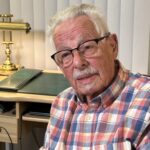
Tom Heinemann: 2023
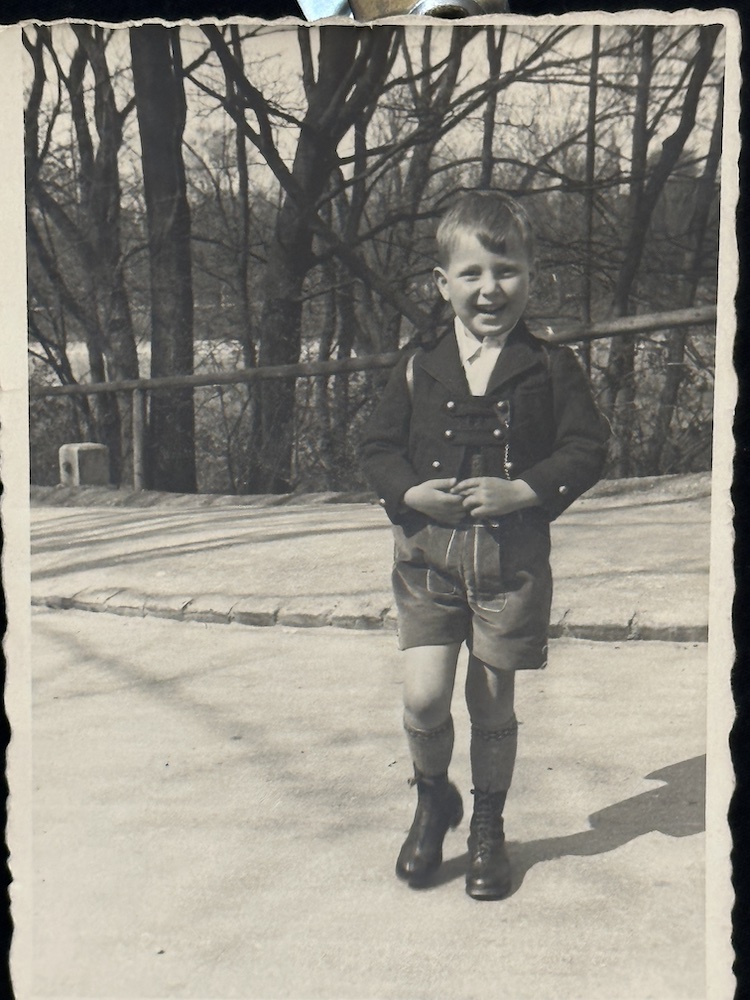
Tom Heinemann: In traditional Bavarian outfit in the Englische Garden
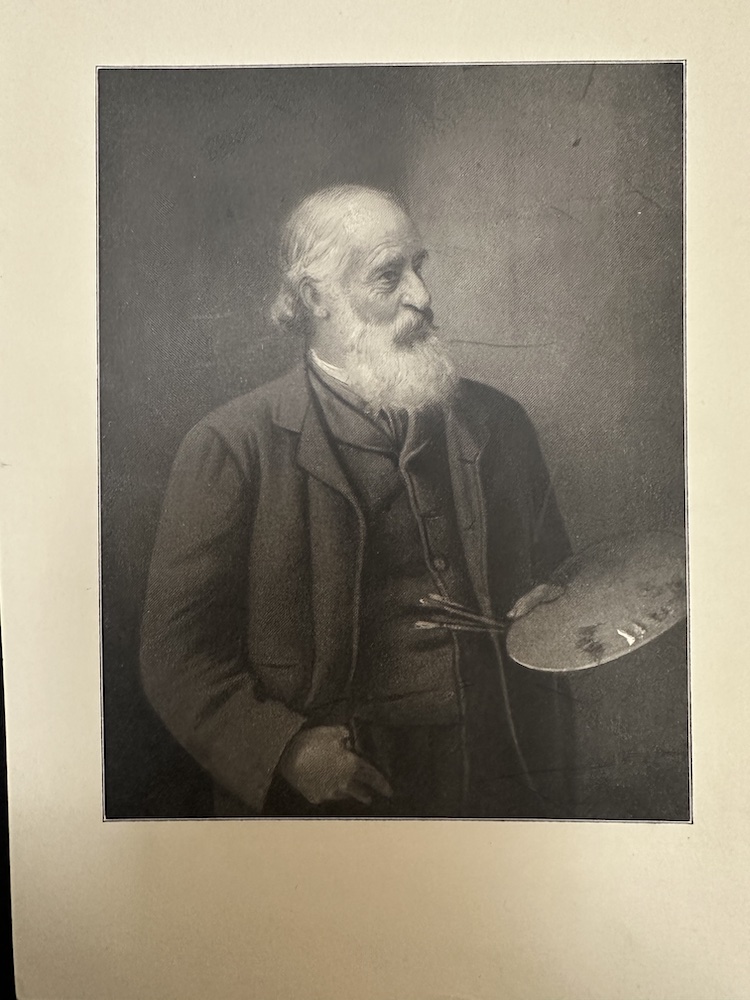
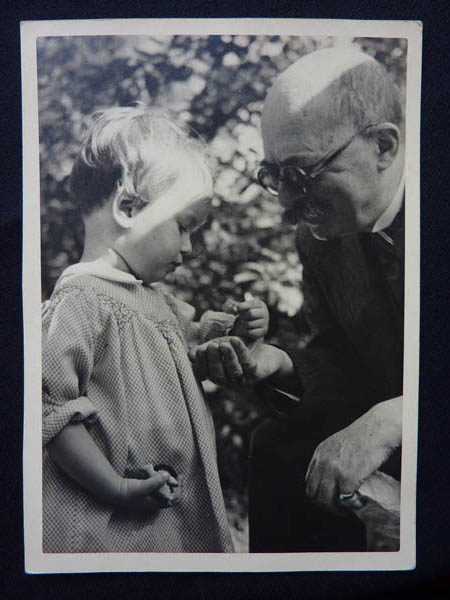
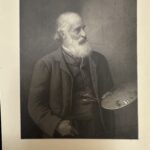
Tom Heinemann: Great-grandfather
Tom Heinemann: special print
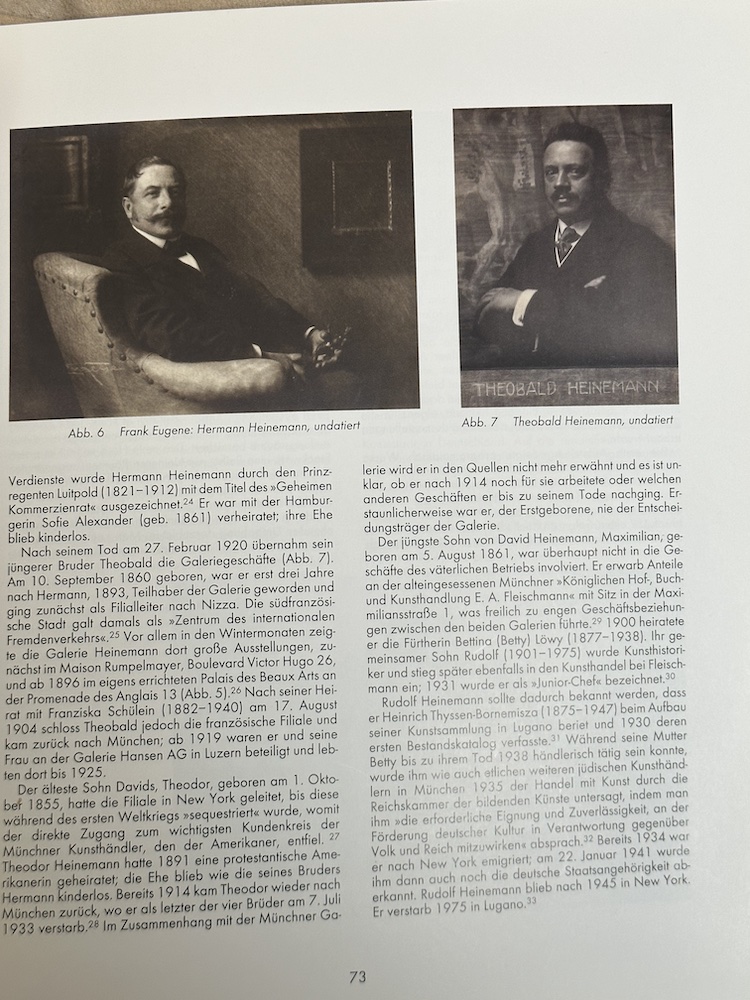
Tom Heinemann: "Tumultuous story of a Jewish art gallery 1872-1938" page 3
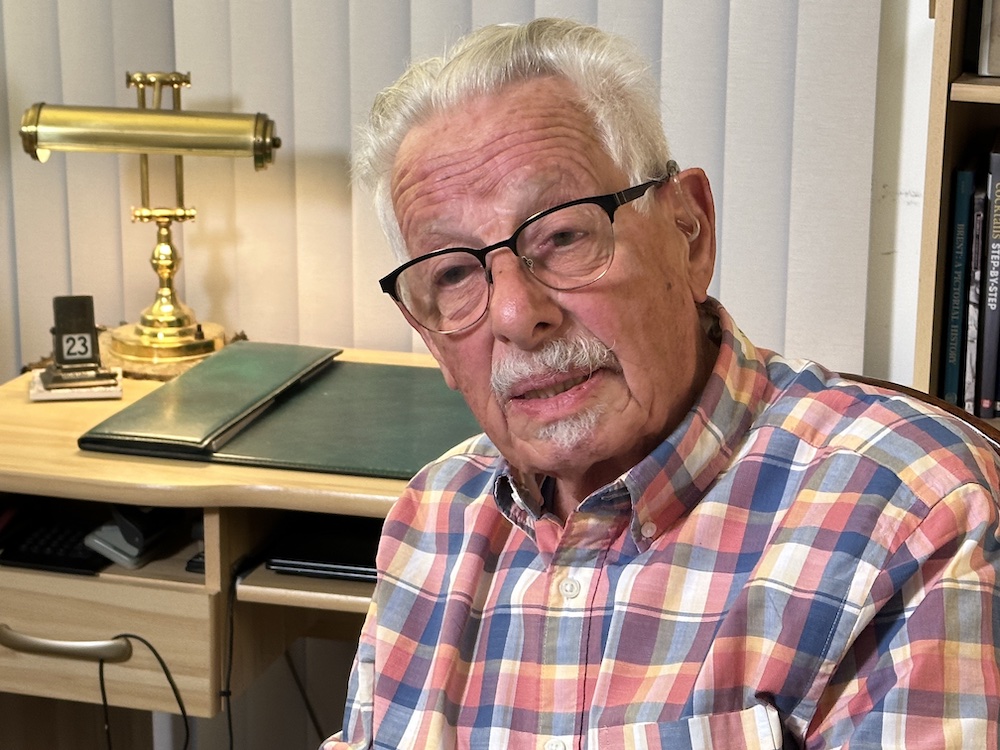
Tom Heinemann: 2023
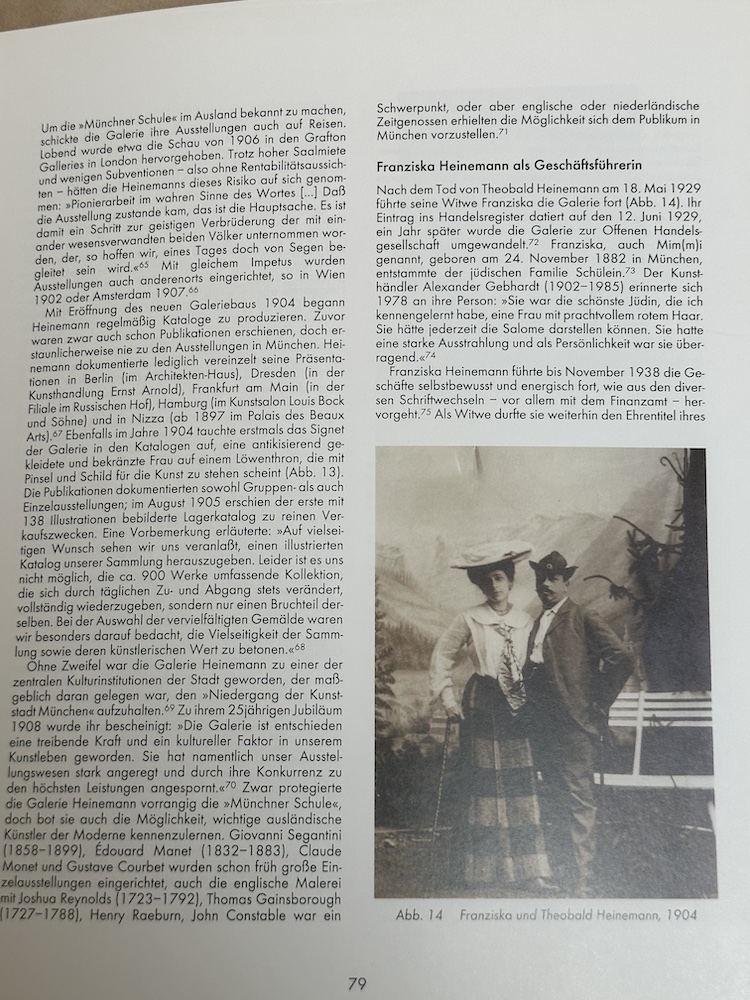
Tom Heinemann: "Tumultuous story of a Jewish art gallery 1872-1938" page 11
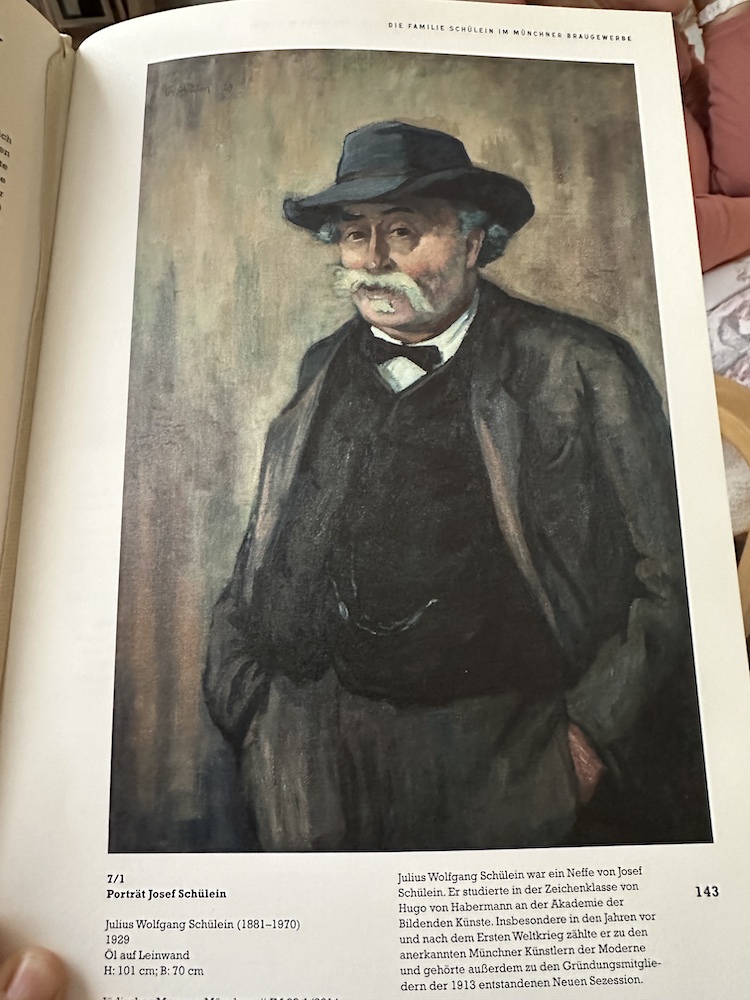
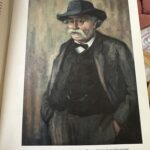
Tom Heinemann: Portrait of Joseph Schülein by his nephew Julius Wolfgang Schülein (1881-1970)
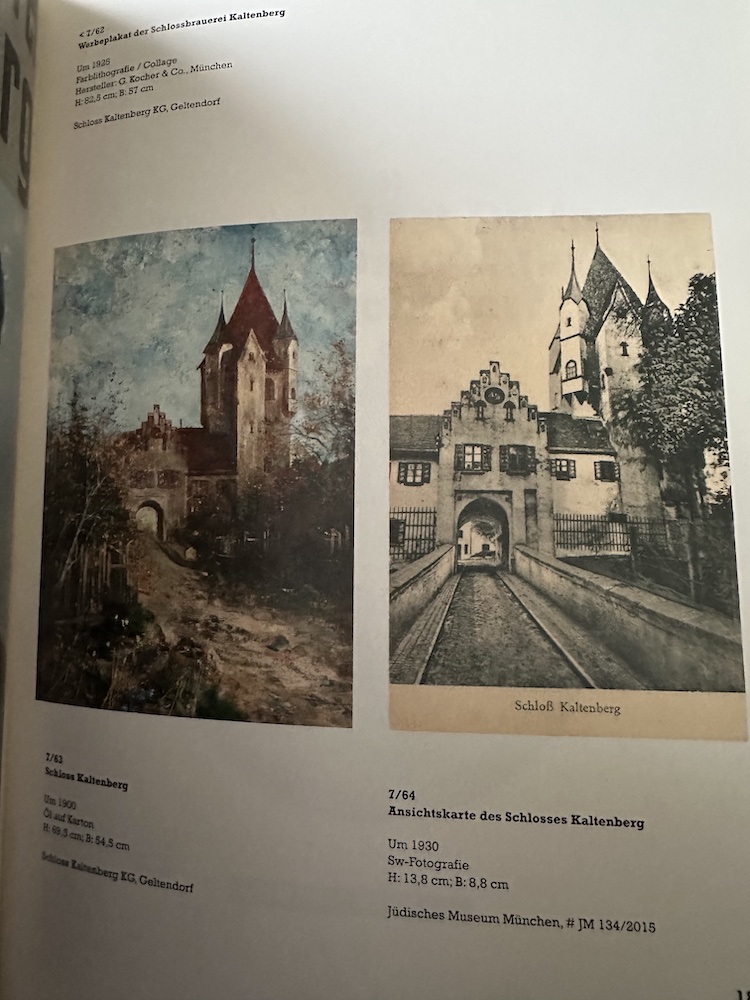
Tom Heinemann: On the left painting of Castle Kaltenberg and on the right a postcard
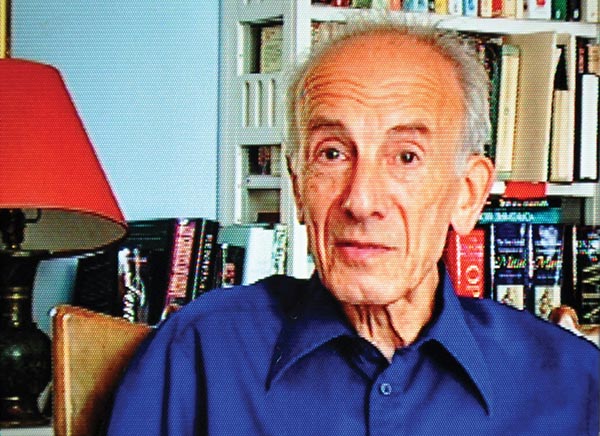
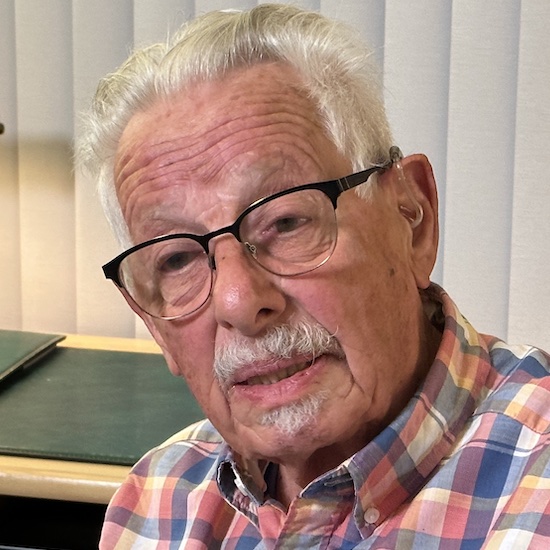
Tom Heinemann
Tom was born Thomas Franz Theobald Heinemann in Munich in 1931 into a family of art dealers with art galleries in Europe and New York
Born: 1931
Place of Birth: Munich
Arrived in Britain: 20/10/1947
Experiences: Came With Parents or Close Family
Interview Summary
Tom was born Thomas Franz Theobald Heinemann in Munich in 1931 into a family of art dealers with art galleries in Europe and New York. His mother came from the Weiler family from Berlin. His parents divorced in 1940 after moving to Lucerne, Switzerland, in 1938 where his father ran the Lucerne Heinemann gallery.
Tom has happy memories of his childhood in Munich, growing up a flat in the same house as the art gallery and across from the Wittelsbach fountain. He also spent time at Schloss Kaltenberg, which belonged to the Schülein family – his paternal grandmother’s family’s branch- who owned breweries. Tom’s parents spoke English with him and he had an Irish nanny who took him to the Englische Garten. His parents were assimilated and agnostic. In 1938 the art gallery was ‘Aryanised’ (transferred into non-Jewish ownership) and the Heinemann family sold it to a former employee before the family members emigrated to different countries.
After his mother’s death in 1942, he briefly lived with his father until Tom was unexpectedly left by himself in Switzerland, as his father escaped financial problems and left the country. The city of Lucerne appointed a guardian and Tom was sent to a boarding school near Frauenfeld.
After the end of the war, Tom’s paternal uncles from New York and Oxford wanted to honour their late sister’s wish and take care of Tom. Tom went to live with one of these uncles – Dr. Gerhard Weiler- in Oxford in 1948. He finished school there in 1950 and then took on his first job as an office boy. When he joined the Jewish youth club Achdut, he met Lore Benjamin, who had come to London from Cologne with a Kindertransport. They got married in 1954 and had a son Julian. Tom subsequently worked as a stockkeeper and later agent for a handbag company, before he set up his own business – Lorna Leather Goods – as a manufacturer’s agent for foreign leather goods.
In 1950 Tom visited his father in Munich who had got in touch with him again. His father had negotiated to get back part of the former Heinemann gallery and the building on the Lenbachplatz. In 2014 Tom married his second wife Daria.
Key words: Galerie David Heinemann Lenbachplatz Munich. Dr. Rudolf Jakob Heinemann, New York. Schülein brewery. Schloss Kaltenberg, Bavaria. Lucerne. Geheimer Sanitätsrat Dr. Julius Weiler, Berlin. Dr. Alfred Haas, Munich. Dr. Gerhard Weiler, Oxford. Mariahilf Schule Lucerne. Institut Kefikon, Thurgau Switzerland. Lorna Leather Goods. Deutsches Kunstarchiv im Germanischen Nationalmuseum, Nuremberg.
Place of Birth
My grandmother ran the business until 1938. Franziska Heinemann, known as Mimi. She ran the gallery very successfully. Then she got arrested on some trumped up currency charges and put into prison. They broke into her flat, stole all the paintings. She paid, somebody told me, a million marks ransom in return for an exit visa. But was told she's got to sell the gallery, it had to be Aryanised. The man who bought it was actually a member of staff. A Mr Zinckgraf, who had been with them for 40 years. The German authorities were very suspicious but eventually passed it. Now, Zinckgraf didn't have the money. But he had a backer, a director of the Reichsbank, who had the money. He gave him the money to buy the gallery for flumpence, ha’penny, in return for profit sharing. The gallery was then changed to Galerie Lenbachplatz, because it couldn't be called Galerie Heinemann anymore. Zinckgraf carried on from 1938 until he died in 1954. When my father returned to Germany he did a deal with him. But he let him carry on. Mr Zinckgraf was a decent man. When he died, everything was auctioned off & that was the end of everything.
REFUGEE VOICES is the AJR’s groundbreaking Holocaust testimony collection of filmed interviews with Jewish survivors and refugees from Nazi Europe who rebuilt their lives in Great Britain.
The copyright of personal photos and documents on the site is held by each interviewee and may not be reproduced without their permission. Please contact the AJR if you would like to use any of the images and documents.