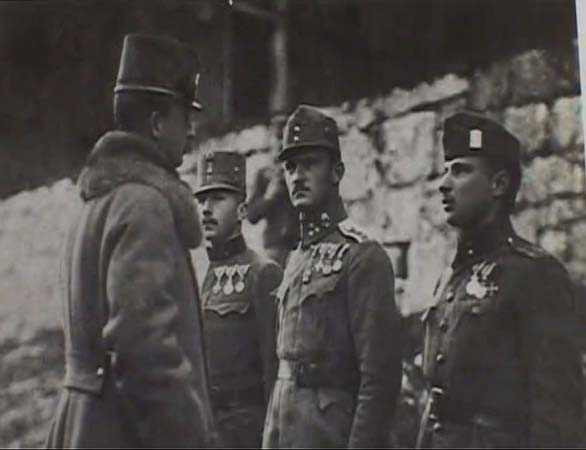
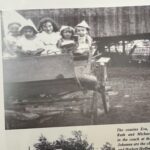
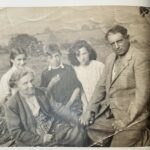
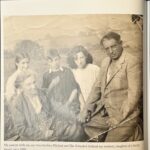


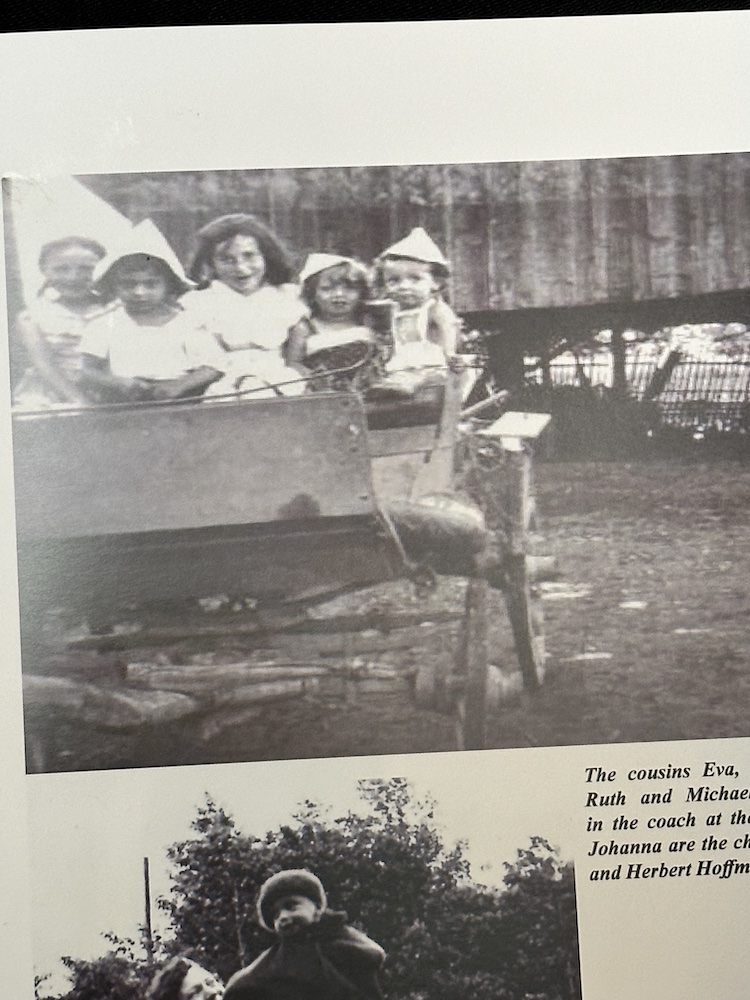
Ruth Schwiening: "It must have been some kind of party or gathering because looking at the hats and it is – I am the second from the left. And my brother
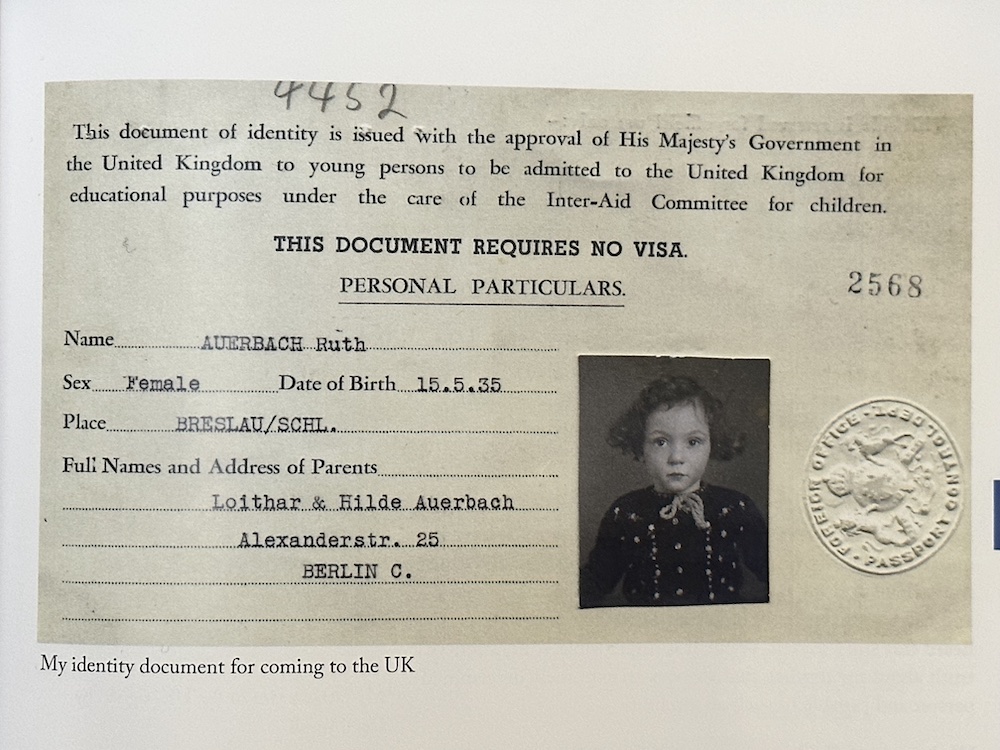
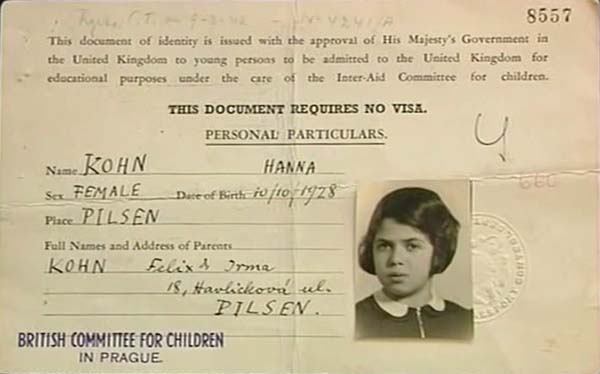
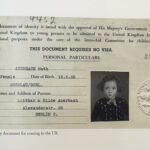
Ruth Schwiening: A photograph of Ruth's Kindertransport visa when she came over to England on the 3rd of February 1939
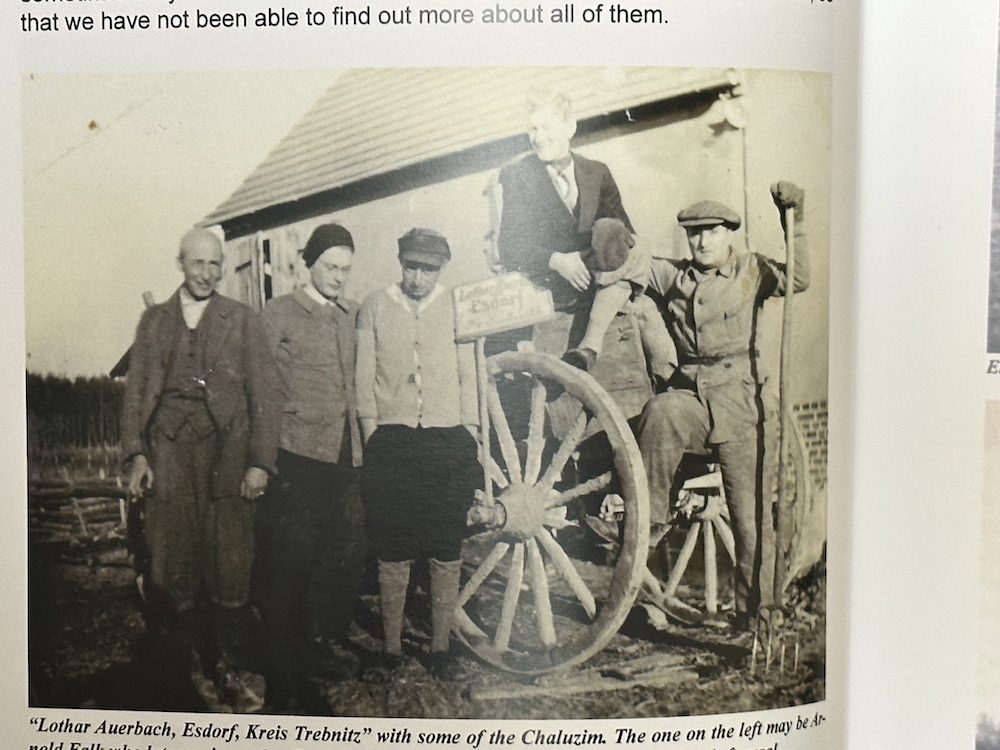
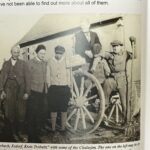
Ruth Schwiening: Taken in Esdorf
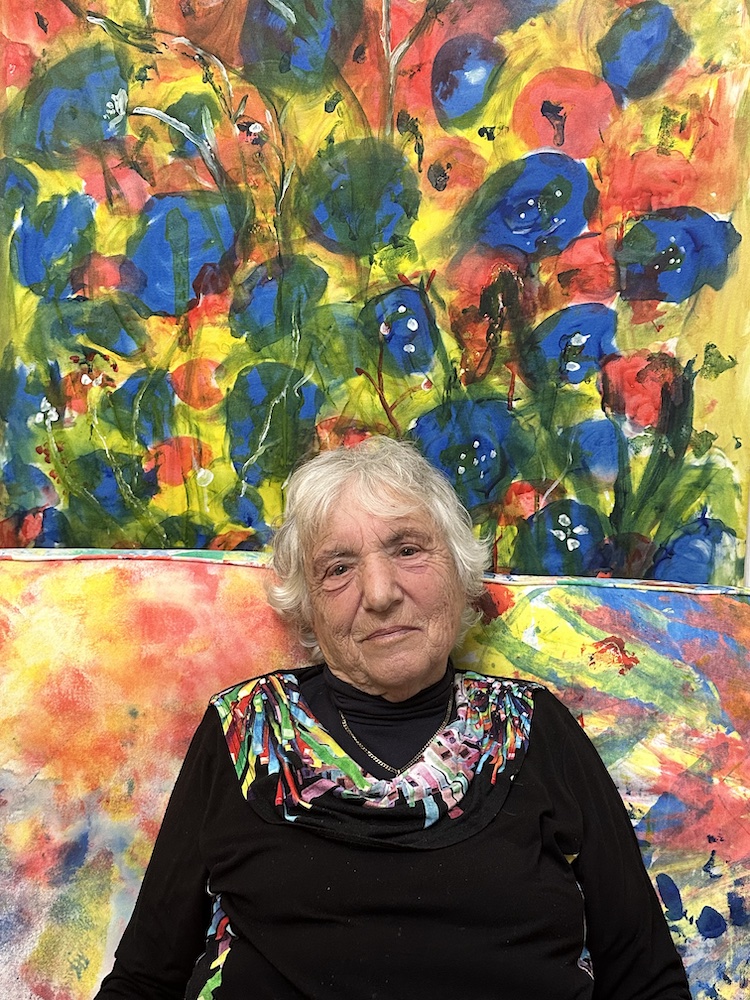
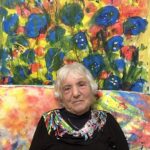
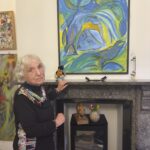
Ruth Schwiening: October 2024
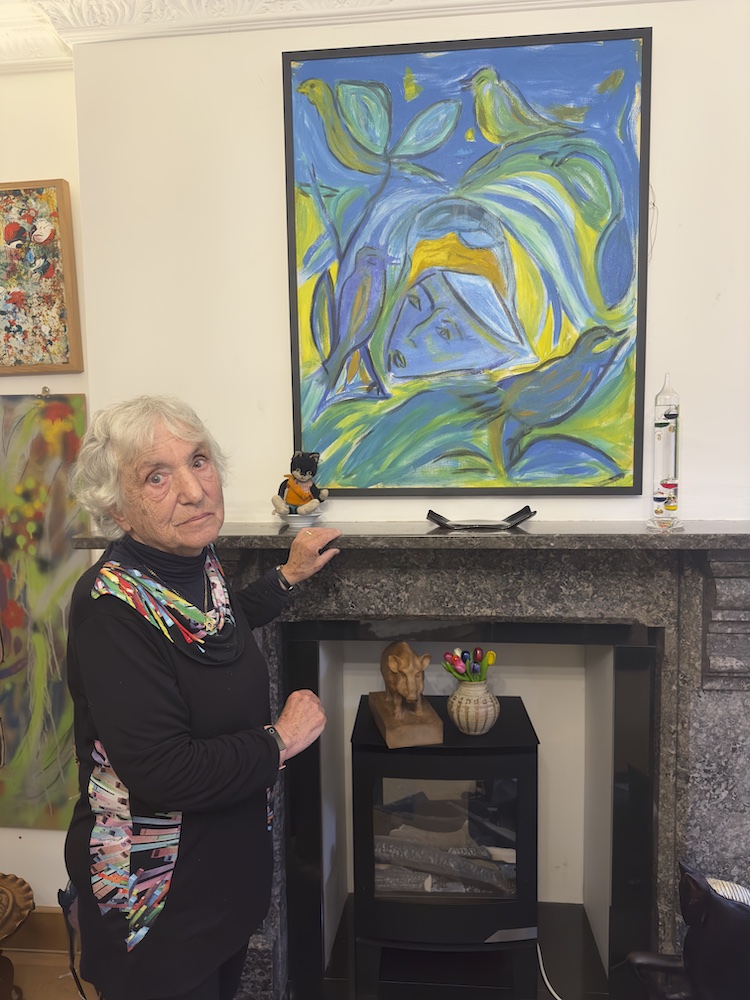
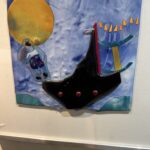
Ruth Schwiening: Ruth's artwork
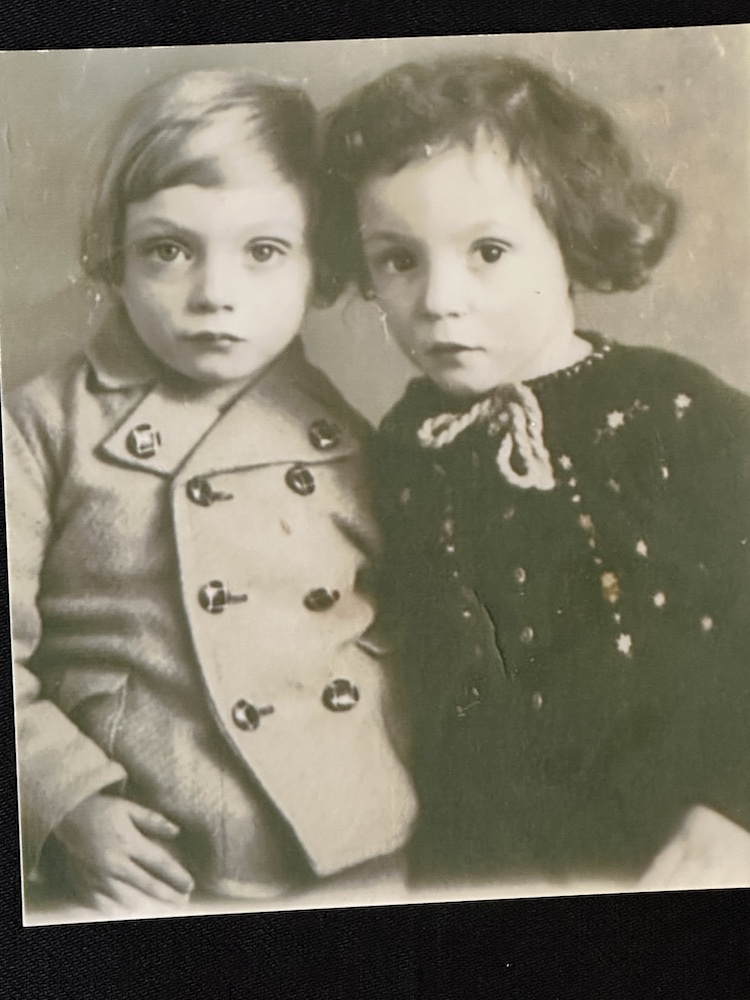
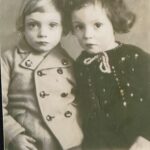
Ruth Schwiening: "It is a picture of my brother and myself
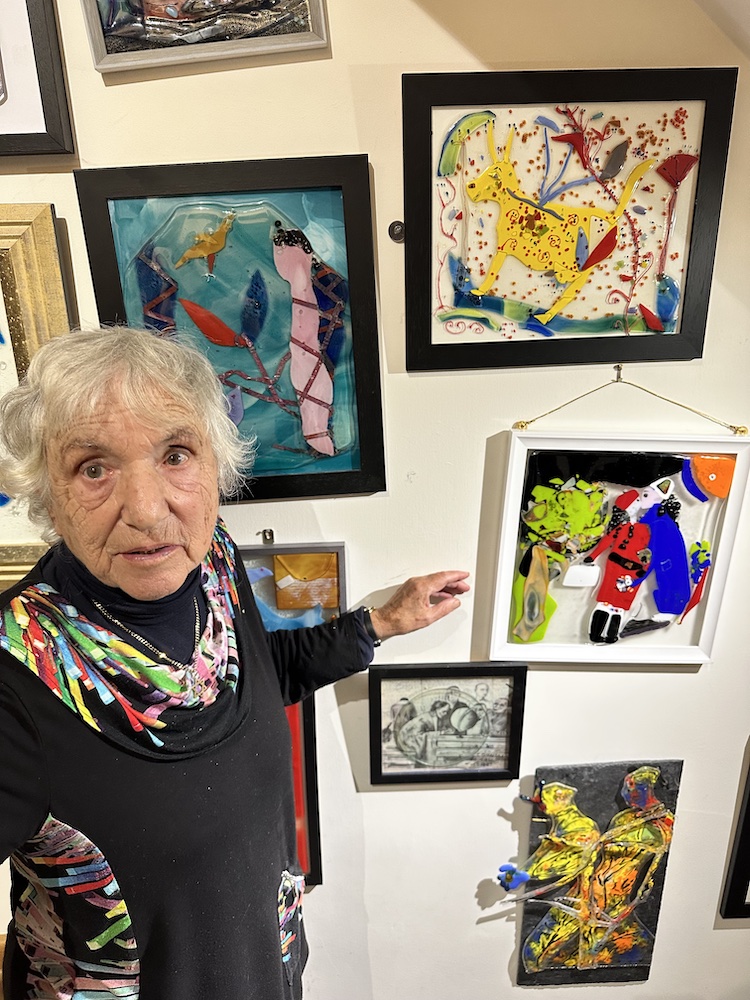
Ruth Schwiening: Ruth's artwork
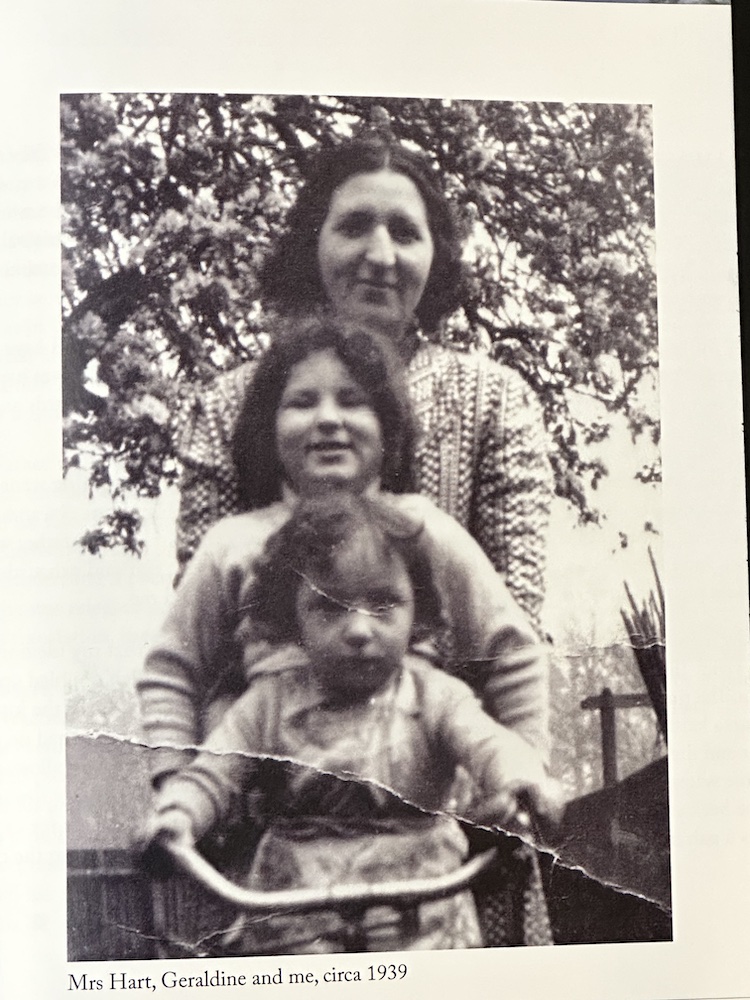
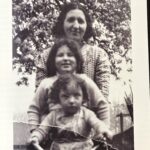
Ruth Schwiening: Ruth's foster mother and my foster sister and Ruth in London
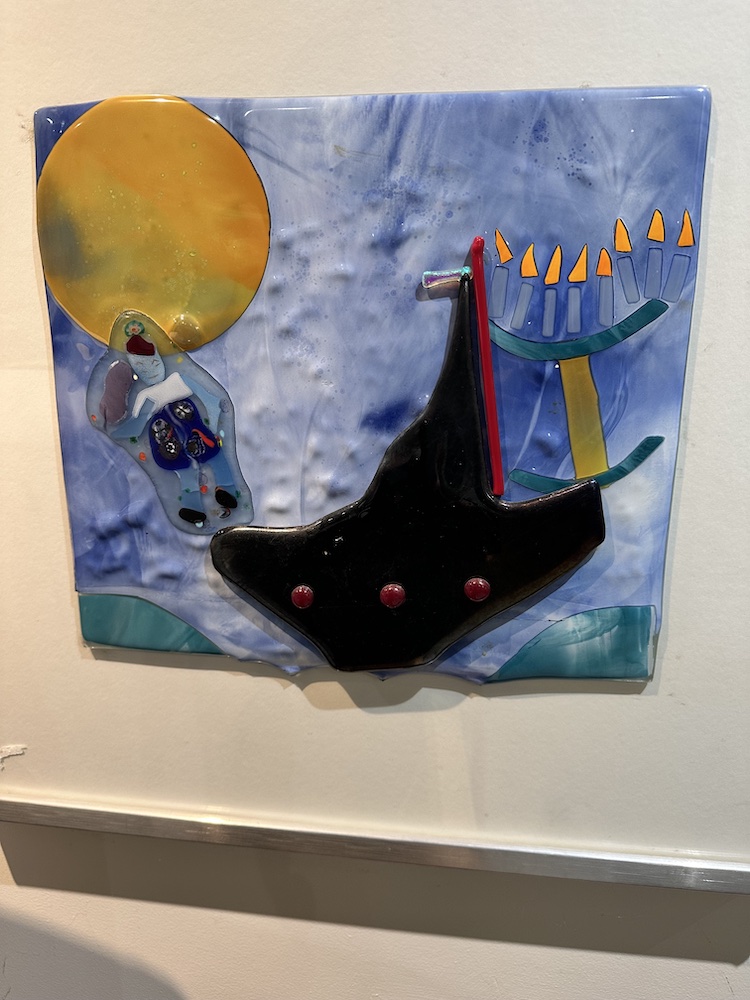
Ruth Schwiening: "And so
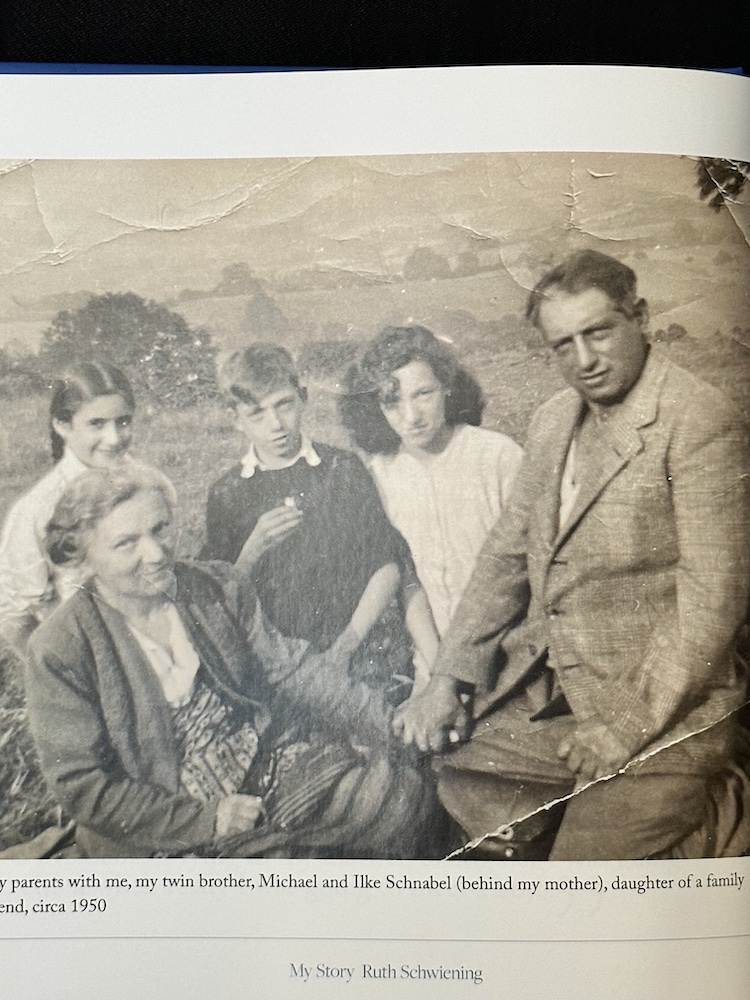
Ruth Schwiening: Photograph taken in England
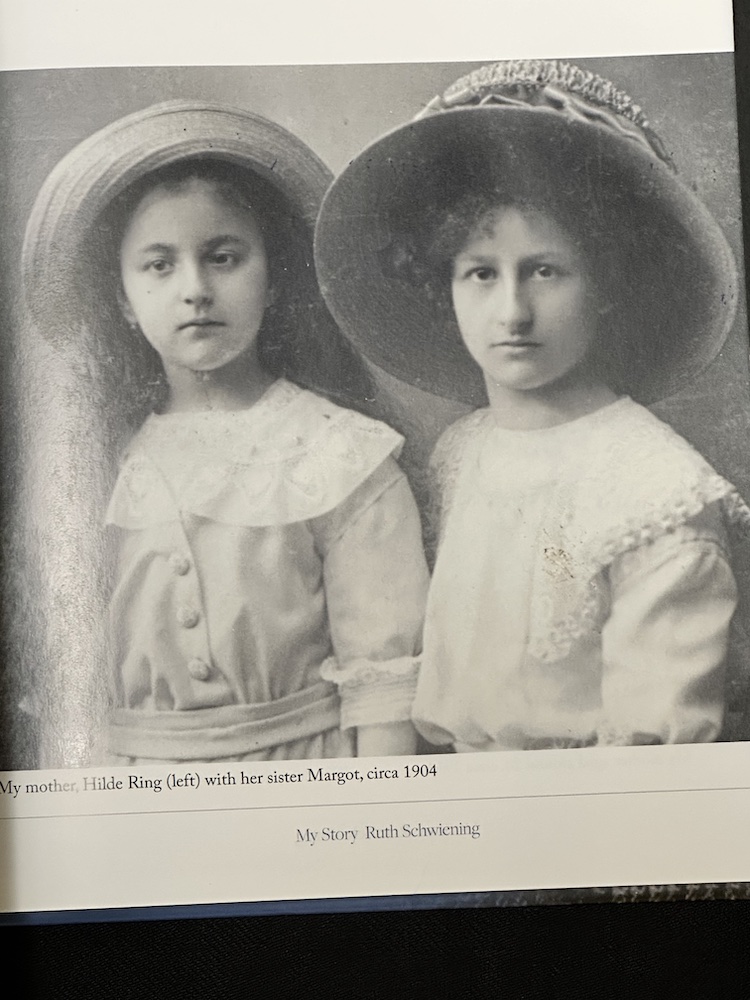
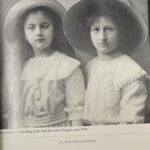
Ruth Schwiening: Ruth's mother with her sister Margot
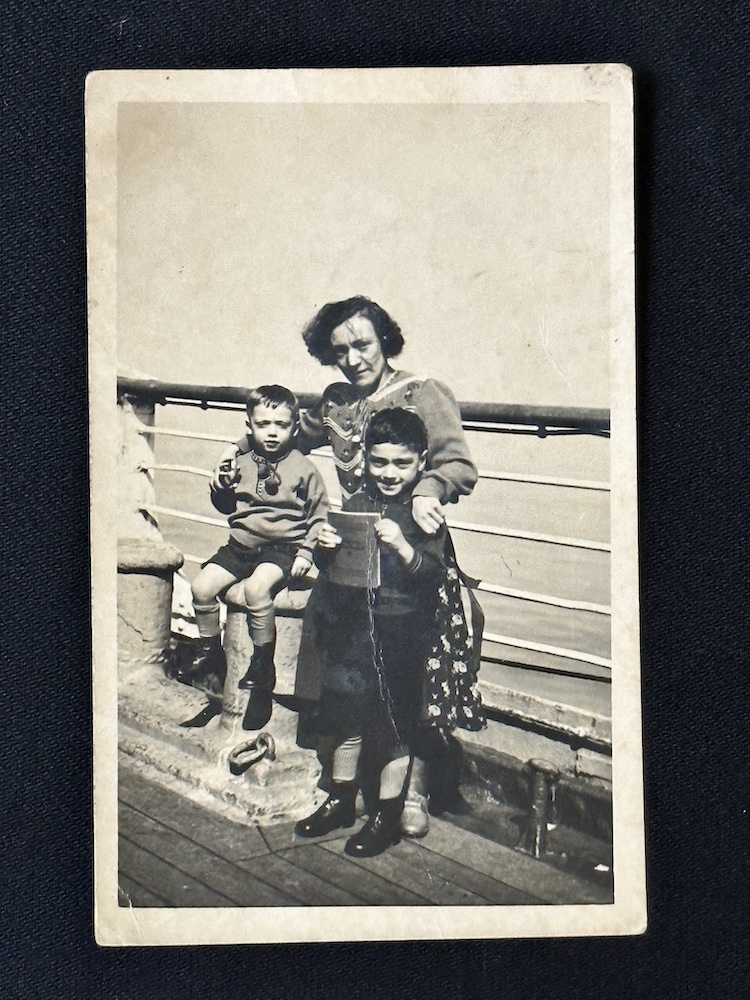
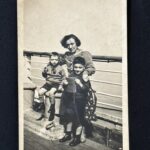
Ruth Schwiening: Ruth'S mother on the boat over to England with the two boys
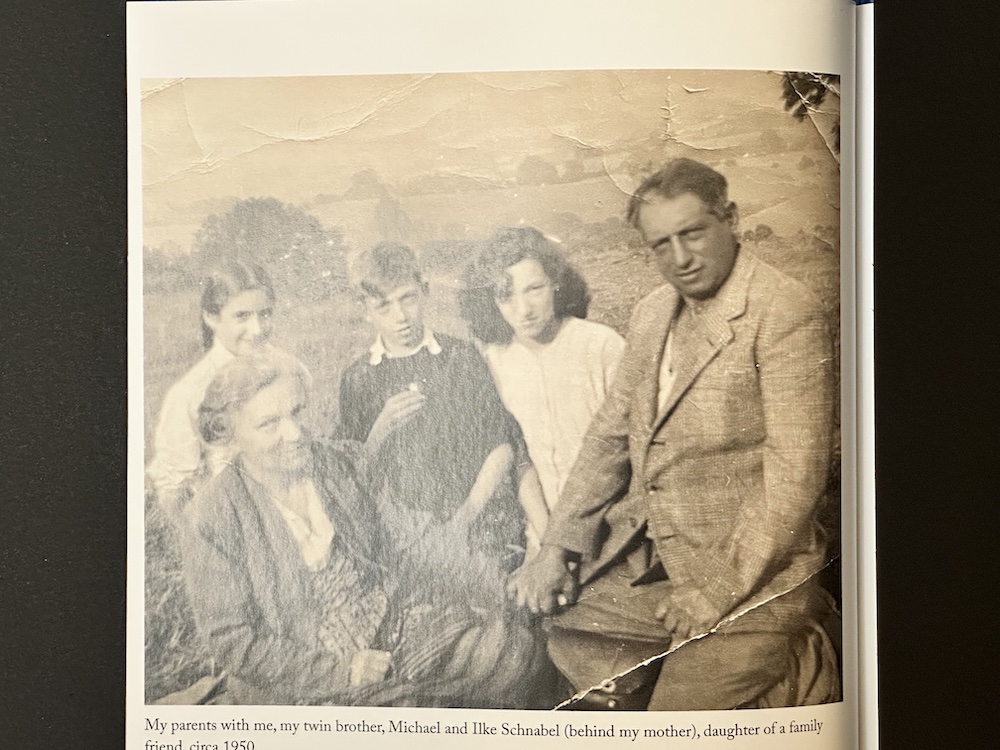
Ruth Schwiening: Photograph taken in England
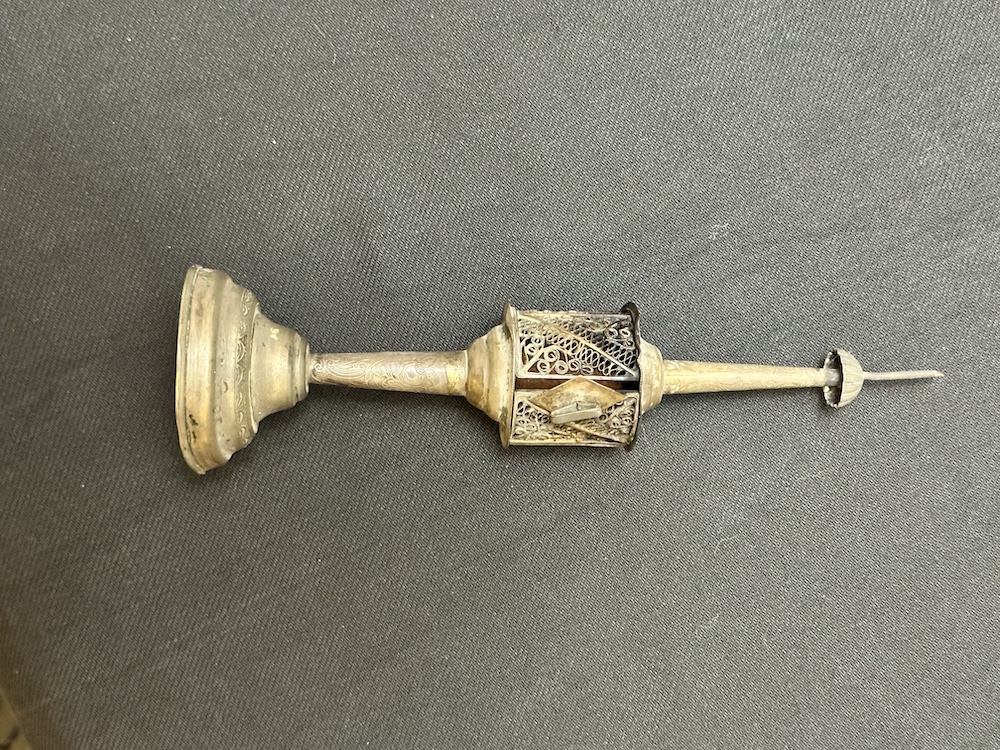
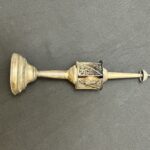
Ruth Schwiening: Spice box presumably from Breslau and brought to England "because they obviously treasured it as being a Jewish artefact"
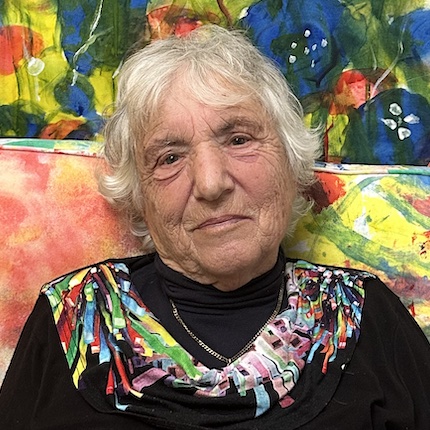
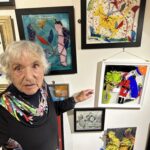
Ruth Schwiening: October 2024
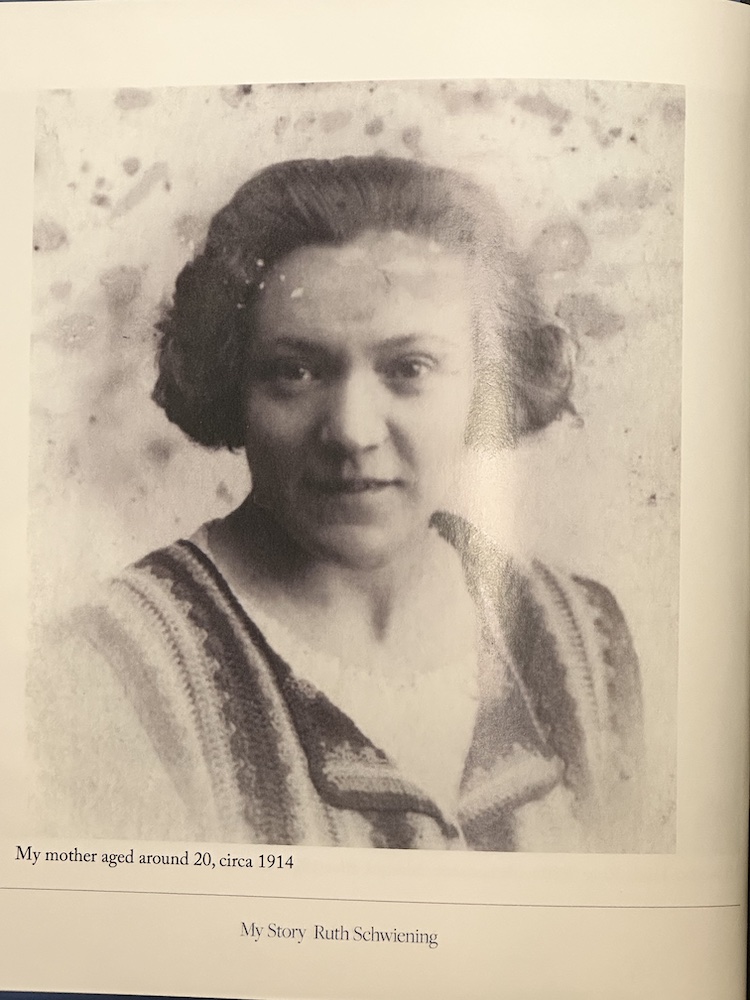
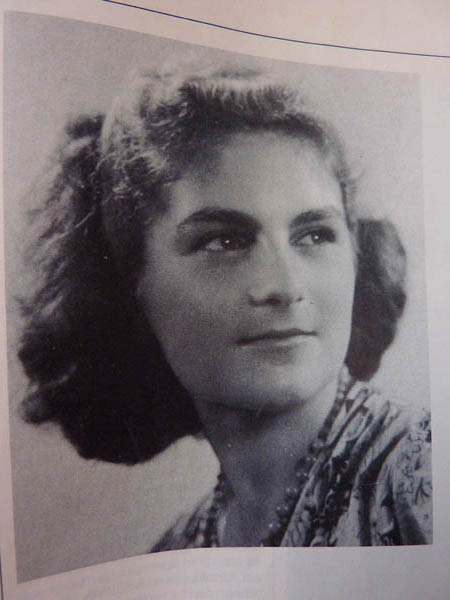
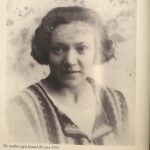
Ruth Schwiening: Ruth's mother as a young woman of twenty years in Breslau
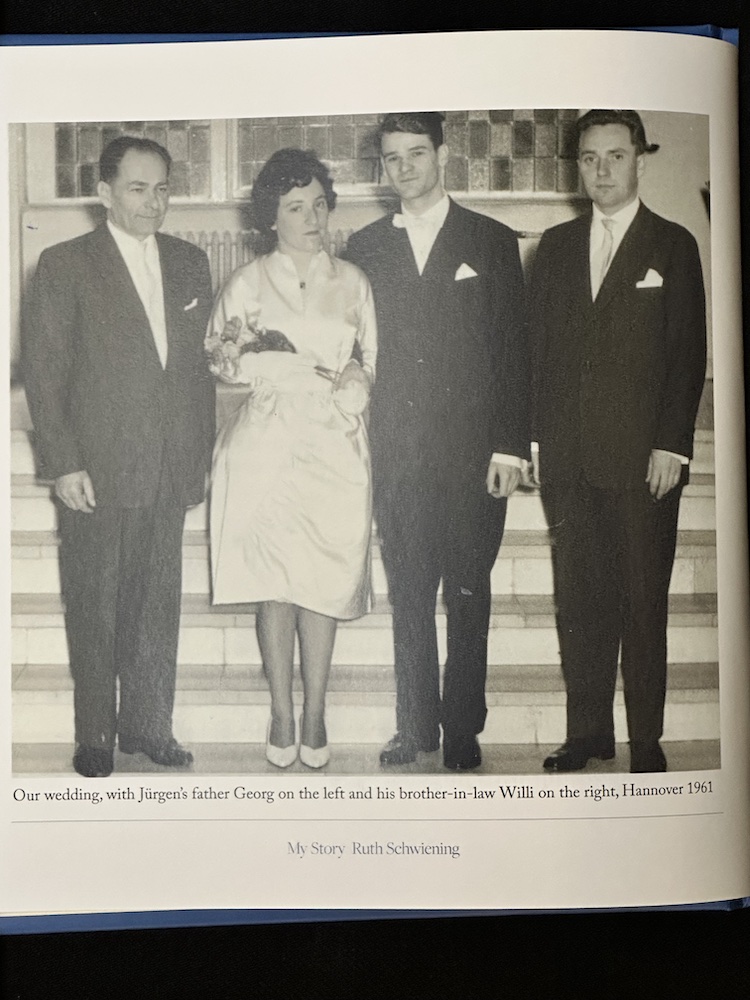
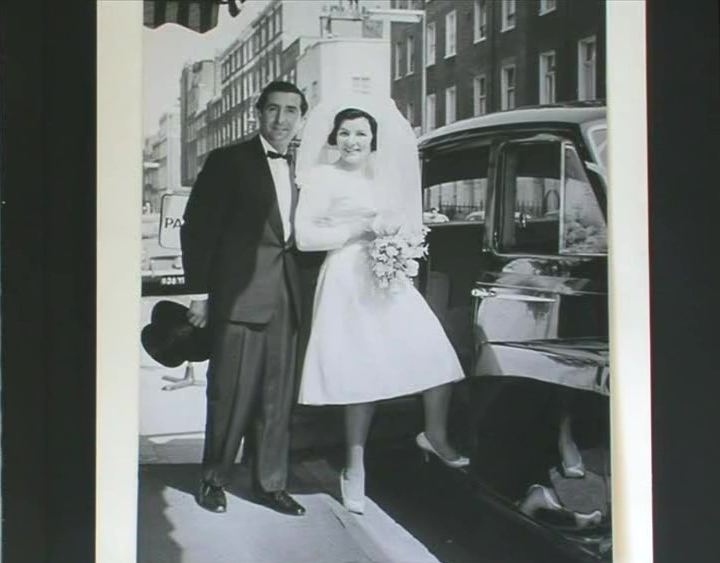
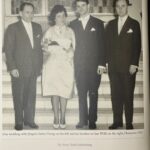
Ruth Schwiening: Ruth and Jürgen on their wedding day. The gentleman next to Ruth was Jürgen’s father and the one on the other side was Jürgen’s brother-in-law
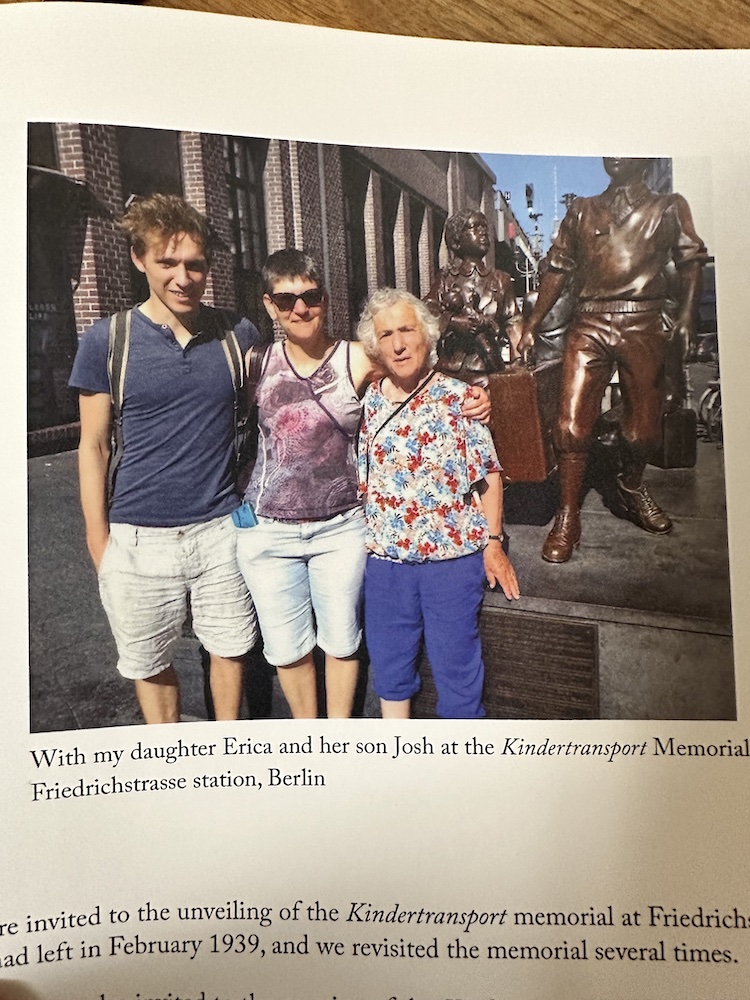
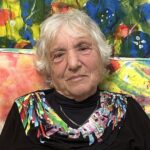
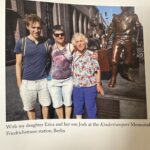
Ruth Schwiening: Berlin 2020 Ruth with her daughter
Ruth Schwiening: "this is a picture of the Kindertransport where a mother says goodbye to her daughter and not knowing whether she will ever see her daughter again. And the little girl is carrying a suitcase"
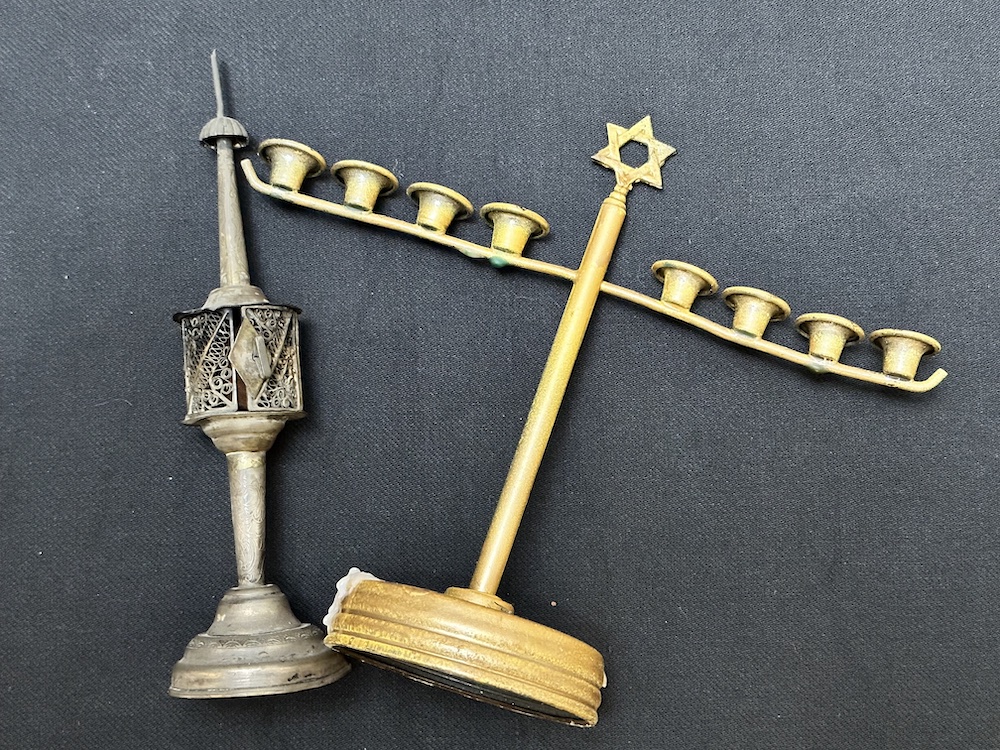
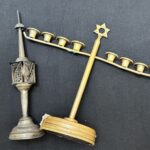
Ruth Schwiening: Spice box and menorah
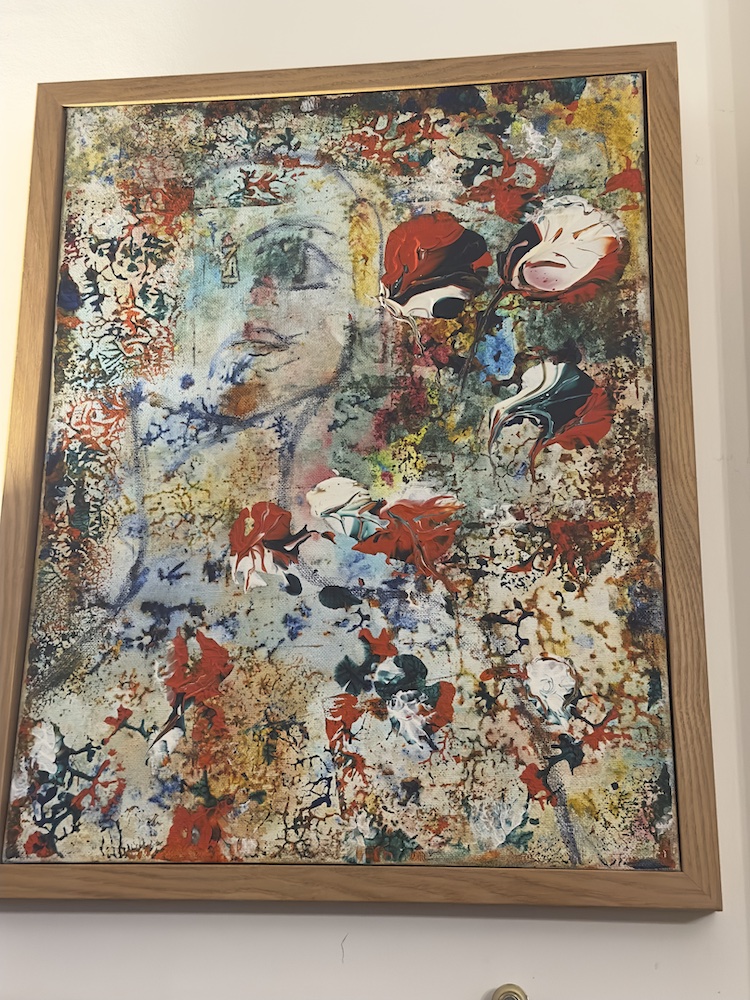
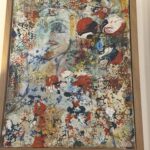
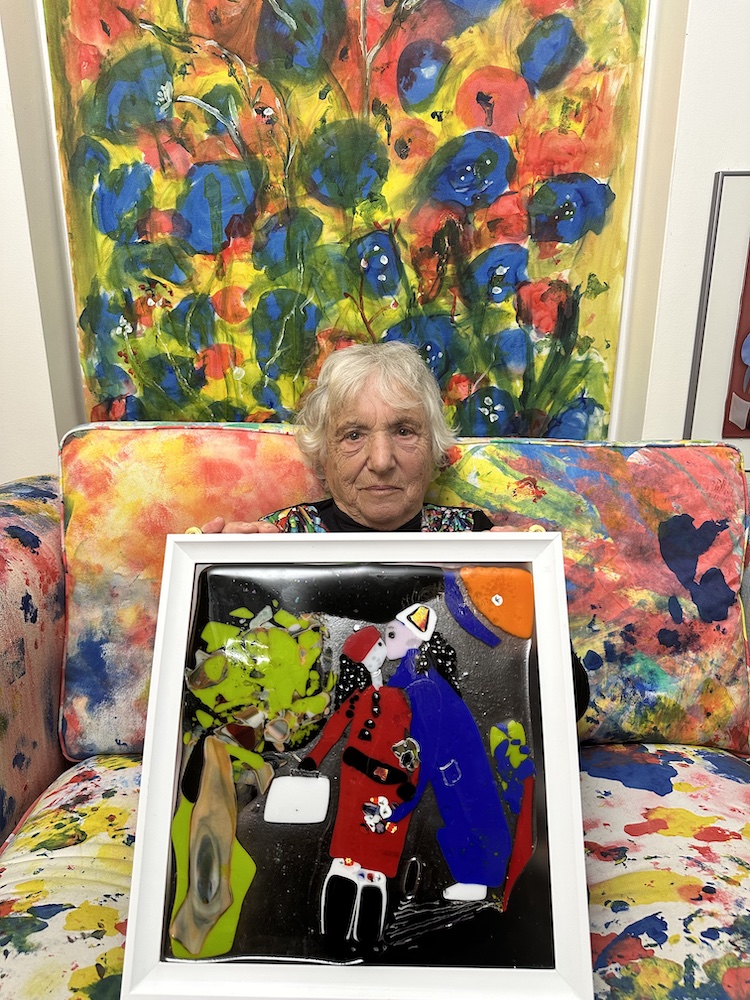
Ruth Schwiening: Ruth's artwork
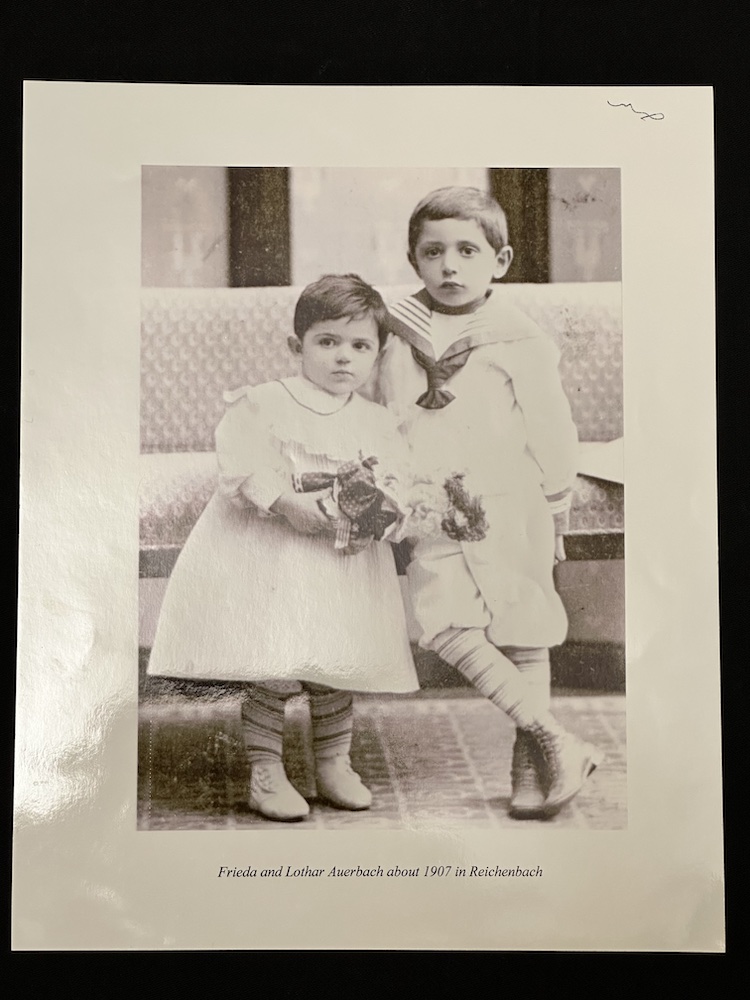
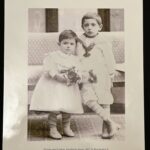
Ruth Schwiening: Ruth's father with his sister Frieda in 1907

Ruth Schwiening: "This is the Kristallnacht- And it is a picture which was really painted from my soul. It was a catalyst that exchange – that changed the whole of our family’s existence. You might see this picture – I don't explain it to many people
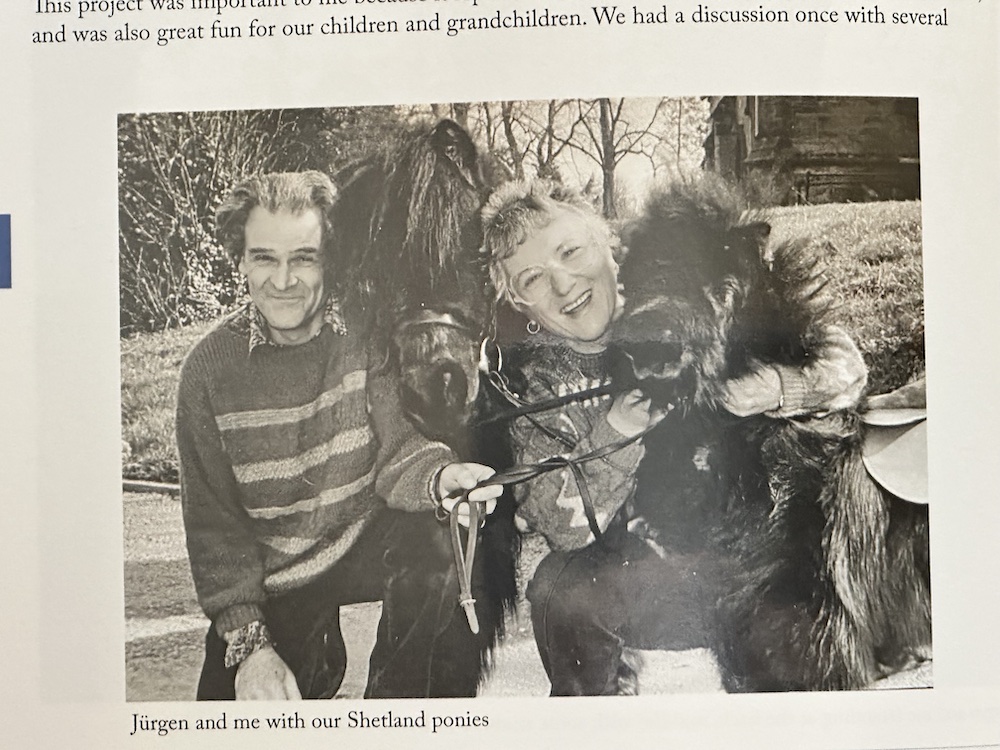
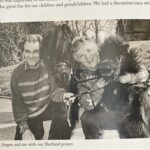
Ruth Schwiening: Jürgen and Ruth outside their language school in Market with a Shetland pony.
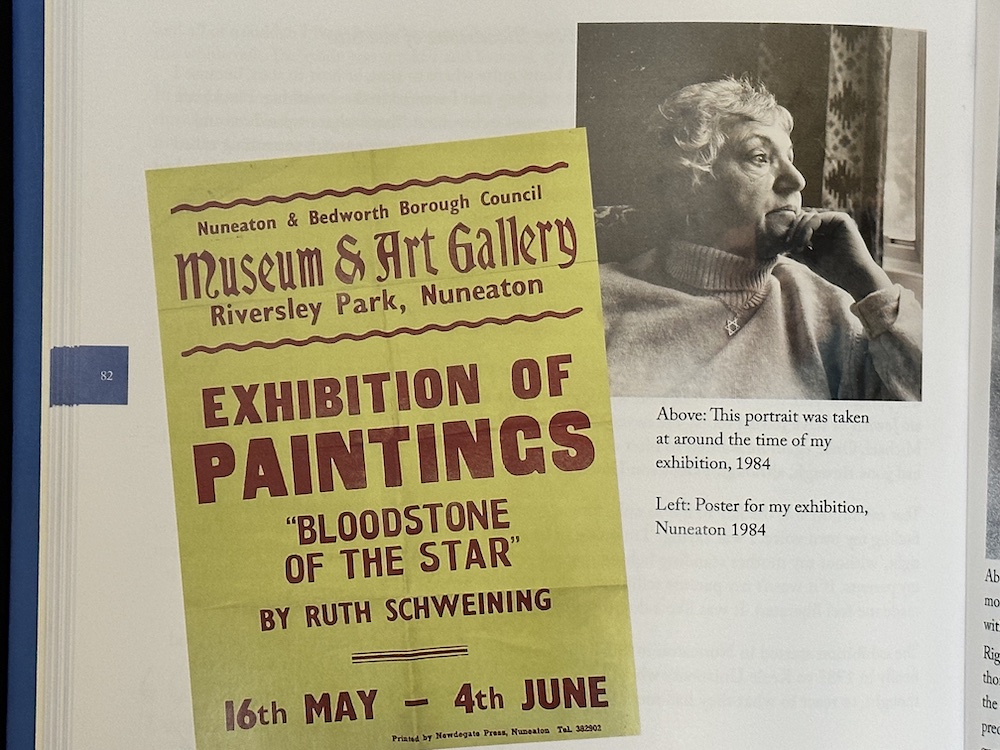
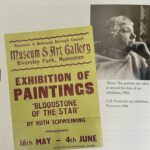
Ruth Schwiening: "This poster advertised the first exhibition I had in Nuneaton in the Midlands and it is a poster of my exhibition called The Bloodstone of the Star and it took place in the 16th of May 1984. "
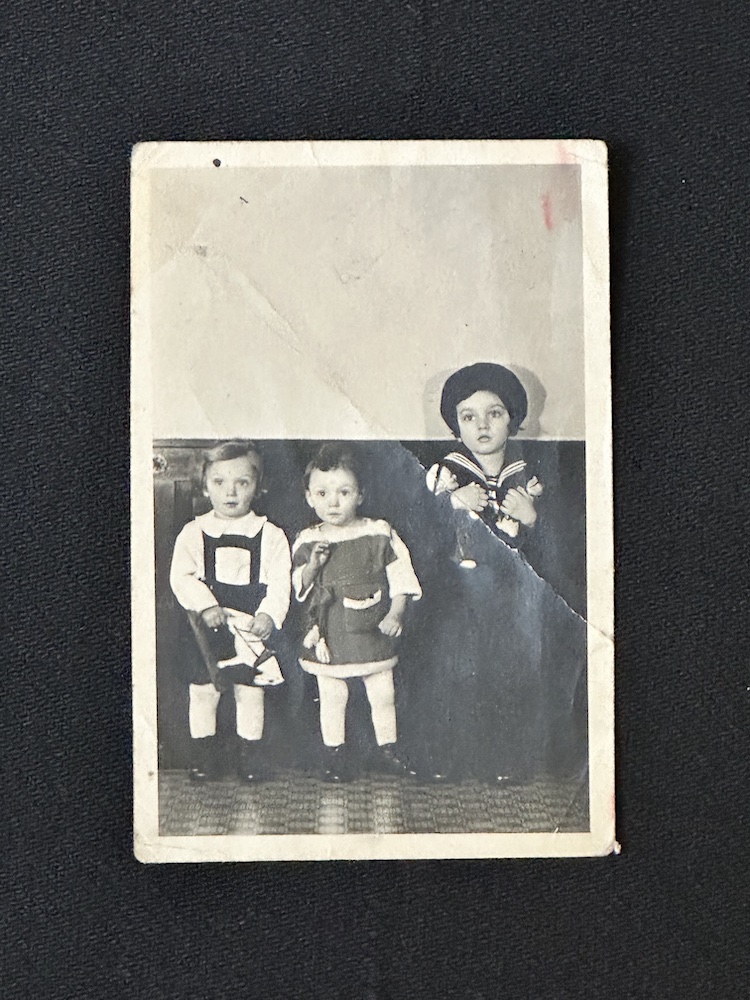
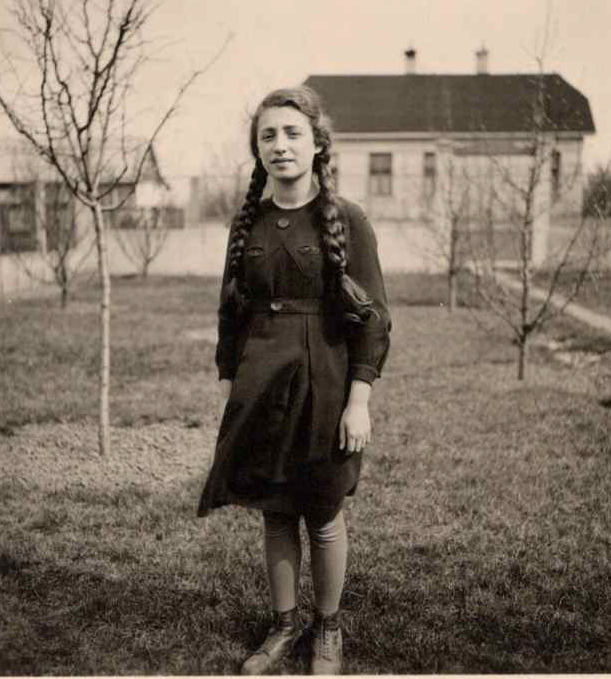
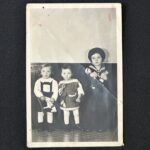
Ruth Schwiening: Ruth with her older brother Peter and her twin Michael in Schaßbach
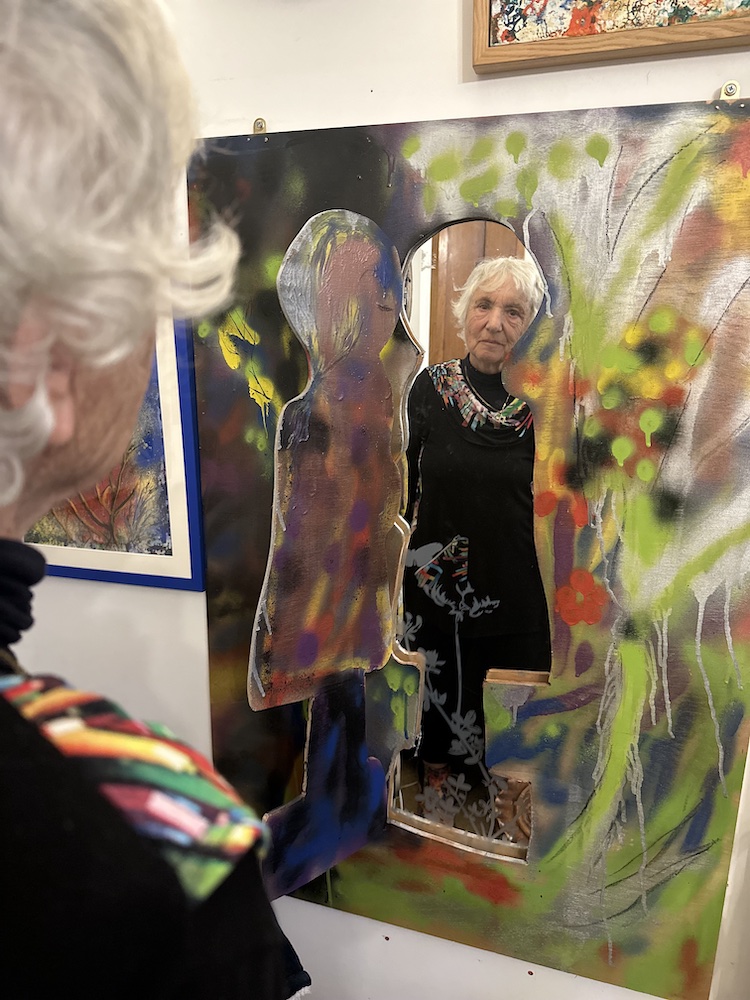
Ruth Schwiening: Ruth's artwork
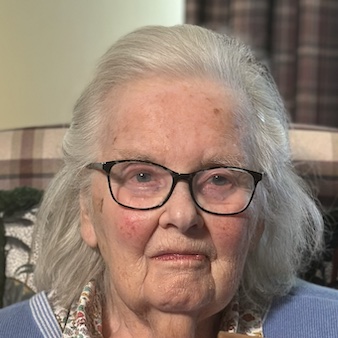
Ruth Schwiening
Ruth was born Ruth Auerbach in May 1935 in Breslau [present-day Wrocław, Poland] to assimilated Jewish parents Lothar and Hilde Auerbach née Ring
Born: 1935
Place of Birth: Breslau
Arrived in Britain: 03/02/1939
Experiences: Kindertransport
Interview Summary
Ruth was born Ruth Auerbach in May 1935 in Breslau [present-day Wrocław, Poland] to assimilated Jewish parents Lothar and Hilde Auerbach née Ring. Her father studied agriculture in Breslau where he met Ruth’s mother, who was an accountant.
Together they followed their dream and set up a farm in Esdorf/ Silesia present-day Osolin, Poland] where he trained young people for Haksharah (agricultural training in preparation for emigrating to Palestine). In 1936 he was no longer allowed to run the farm and left for Austria where they set up another farm in Schaßbach, near Klagenfurt.
The November Pogrom in 1938 upended their life again; Ruth’s father was taken first to a prison in Klagenfurt and then to Dachau concentration camp for six weeks. In his absence, her mother with the help of neighbours managed to leave the farm and get to Berlin where she had contacts. A Jewish organisation offered to help one of the three children to be taken to a Jewish orphanage in Berlin and then on a Kindertransport to England. They chose Ruth, as it was felt it was easier to find a foster place for a girl. Ruth left on 3 February on a Kindertransport for England. Ruth was fostered by the very caring Hart family in Sydenham until March 1940 when her mother came to get her. The foster family was surprised as they had hoped to adopt Ruth. Ruth’s father had also made it to England on an agricultural visa through the help of Frank Foley of the British Embassy. The family was now reunited and settled in a small flat in Nuneaton where her mother worked in the gasworks and her father later as a farm labourer. Ruth remembers poverty, feeling like an outsider suffering anti-German sentiment. Her father stood out with his strong accent and was eventually interned on the Isle of Man. Her mother was traumatised by her experiences in Germany.
Her father never talked about his experiences and the family didn’t mention that they were Jewish as there were no other Jewish families in the area. He warned Ruth against exhibiting her art depicting Jewish themes for fear of discrimination. After the war, they learnt that both grandmothers and an aunt had died in Theresienstadt. The parents received restitution for the farm in Austria and were able to pay for the children’s studies. Ruth studied history, education, geology and German at Keele University. Her mother, who never wanted to return to Germany, encouraged Ruth to spend a year abroad in Berlin to learn German in Berlin where she met Jürgen Schwiening. They got married in 1961. Ruth and Jürgen both worked as teachers in the UK and also taught in Germany.
Later in life Ruth got a degree in art and exhibited her artwork showing how she dealt with her experiences as a survivor and refugee but also telling her parents’ story. Ruth speaks with her husband Jürgen in schools about the Holocaust and is involved in charities helping refugees.
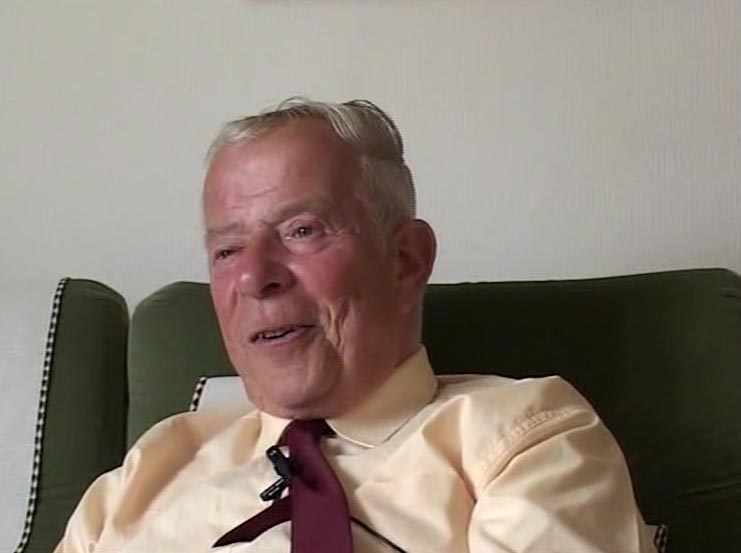
Ruth and Jürgen have three children and her oldest daughter Erica joins Ruth to talk about her experiences growing up as the child of a Jewish refugee and a German immigrant in the English countryside and her strong feeling of her German identity. Jürgen, Ruth’s husband, also joins the conversation and talks about the challenges of a marriage between a non-Jewish German like himself and a Jewish refugee.
Key words: Breslau. Auerbach. Haksharah. Esdorf/ Osolin. Schaßbach, Austria. Berlin orphanage. Kindertransport. Frank Foley. Nuneaton. Coventry synagogue. Keele University. Beth Shalom. Safe Passage. Language school – Beech House.
Place of Birth
REFUGEE VOICES is the AJR’s groundbreaking Holocaust testimony collection of filmed interviews with Jewish survivors and refugees from Nazi Europe who rebuilt their lives in Great Britain.
The copyright of personal photos and documents on the site is held by each interviewee and may not be reproduced without their permission. Please contact the AJR if you would like to use any of the images and documents.