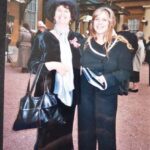
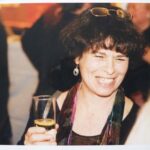
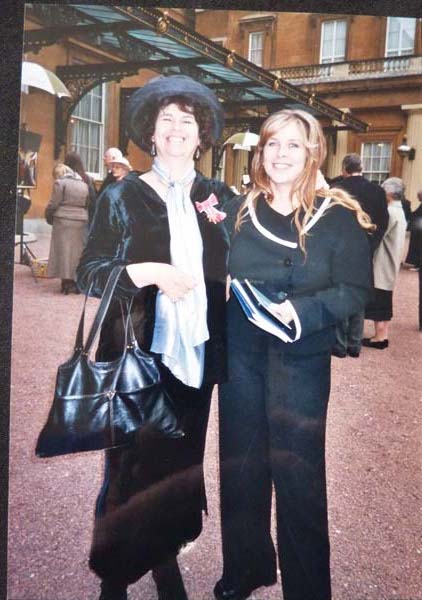
Ursula Owen: Getting her OBE at Buckingham Palace with her daughter
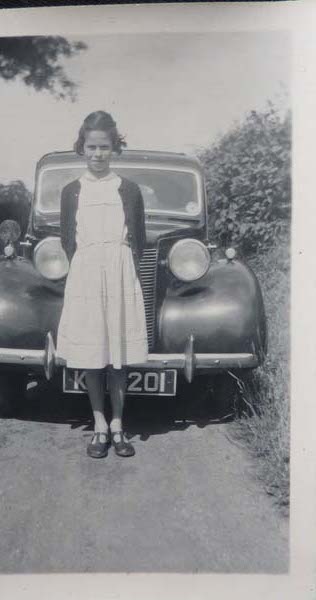
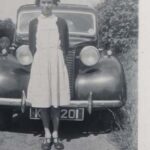
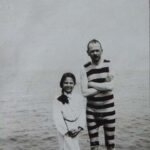
Ursula Owen: Standing in front of the family car
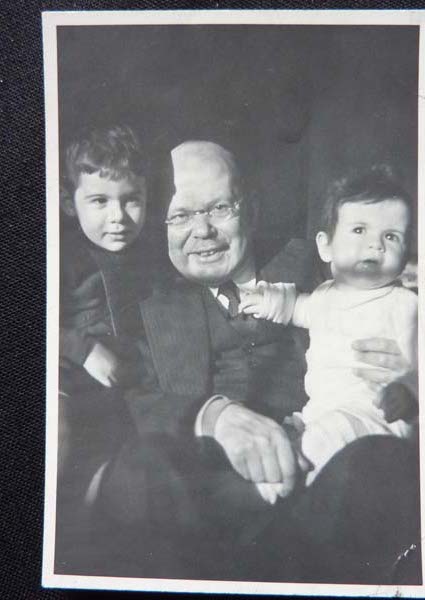
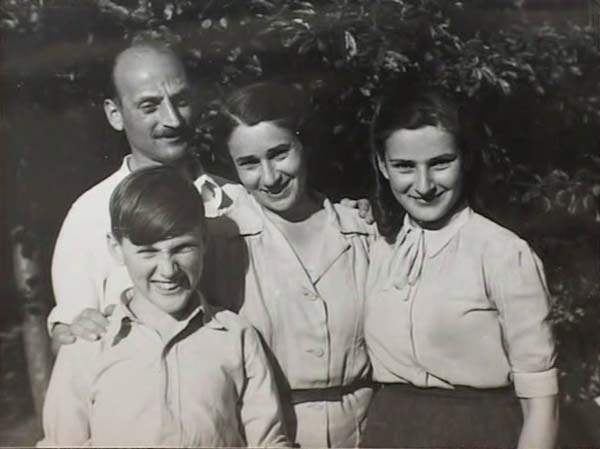
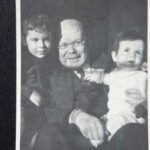
Ursula Owen: Grandfather with UO and her brother
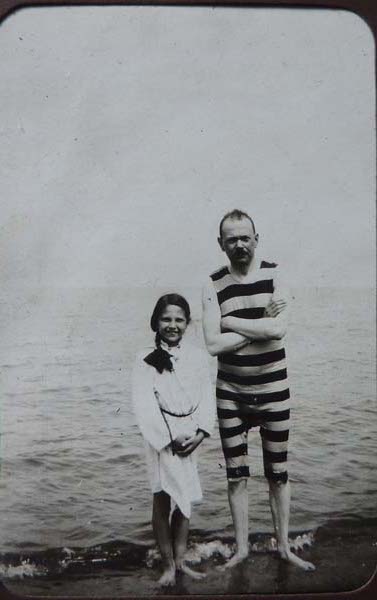
Ursula Owen: Grandfather Hans Sachs with UO's aunt Ilse
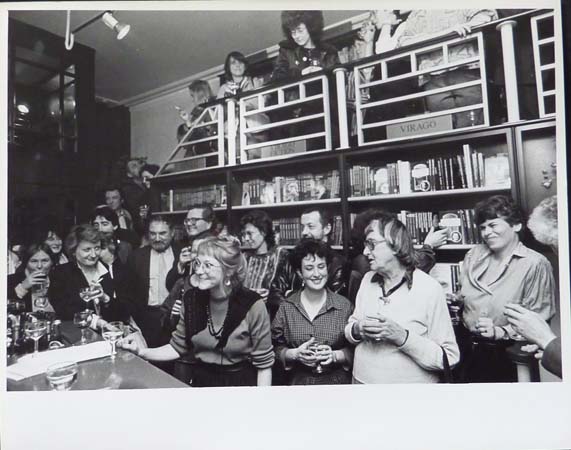
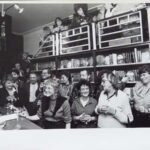
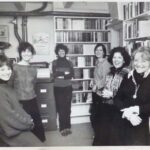
Ursula Owen: The opening of the Virago Bookshop, Rosamund Lehman cutting the ribbon, Southampton Row, Covent Garden, London, date unknown
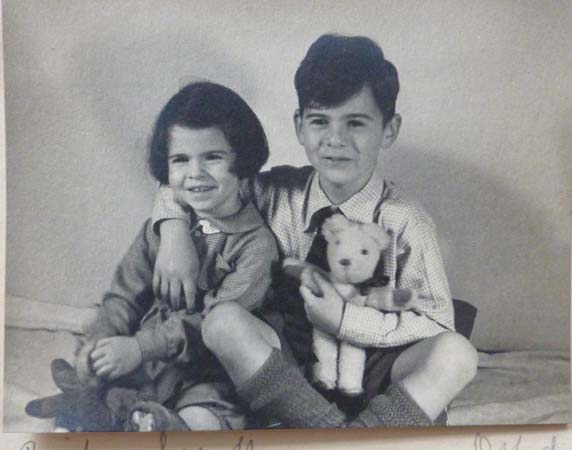
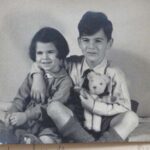
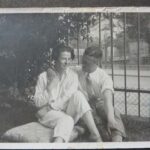
Ursula Owen: With her brother
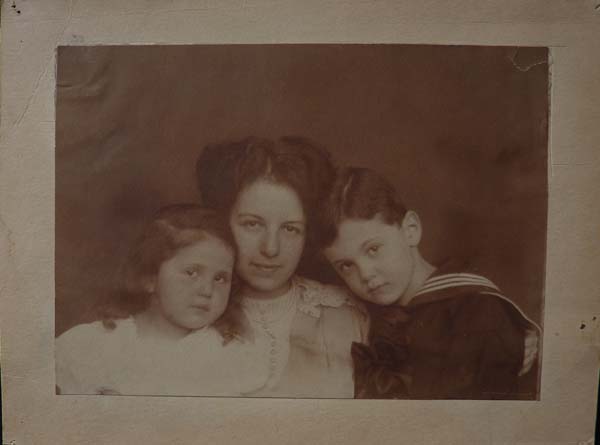
Ursula Owen: Grandmother Lotte
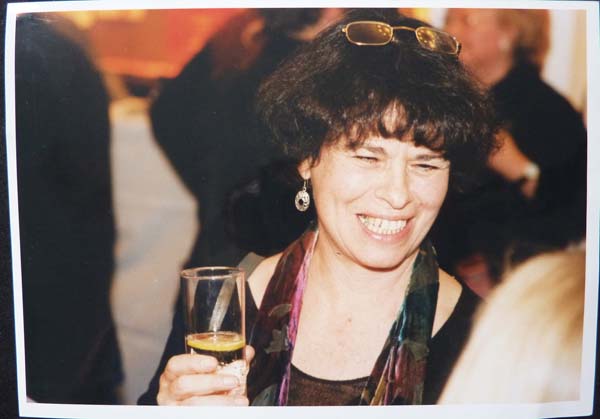
Ursula Owen: At the Index Awards
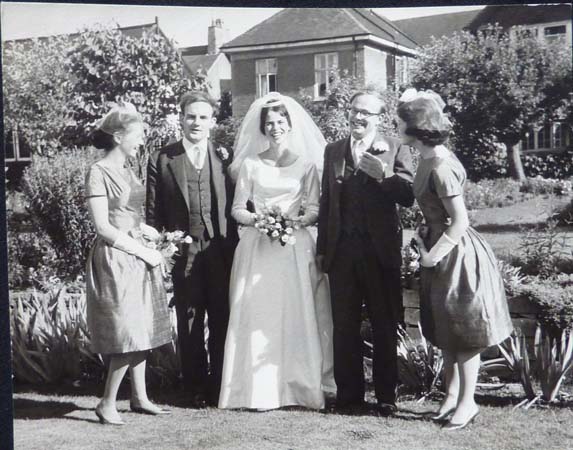
Ursula Owen: Wedding day to Roger
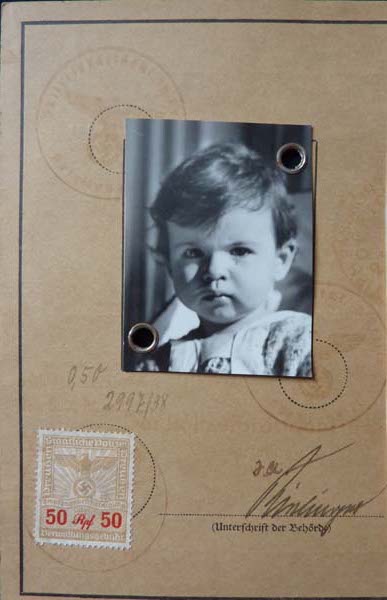
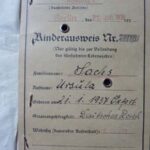
Ursula Owen: Reverse side of exit visa
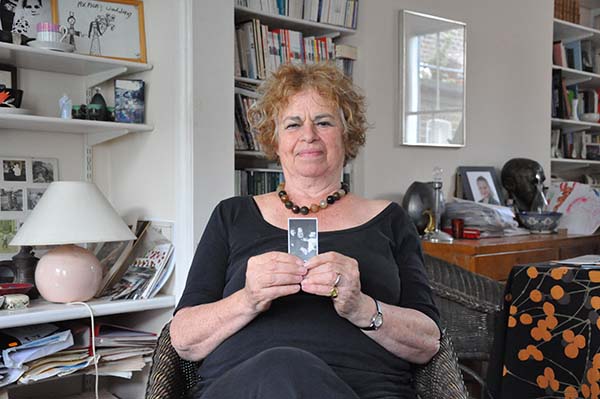
Ursula Owen: July 2016
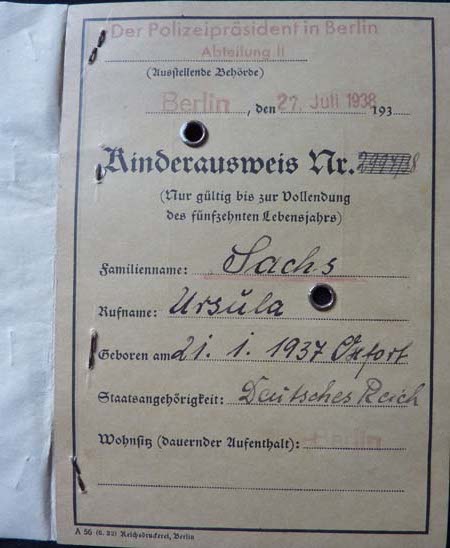
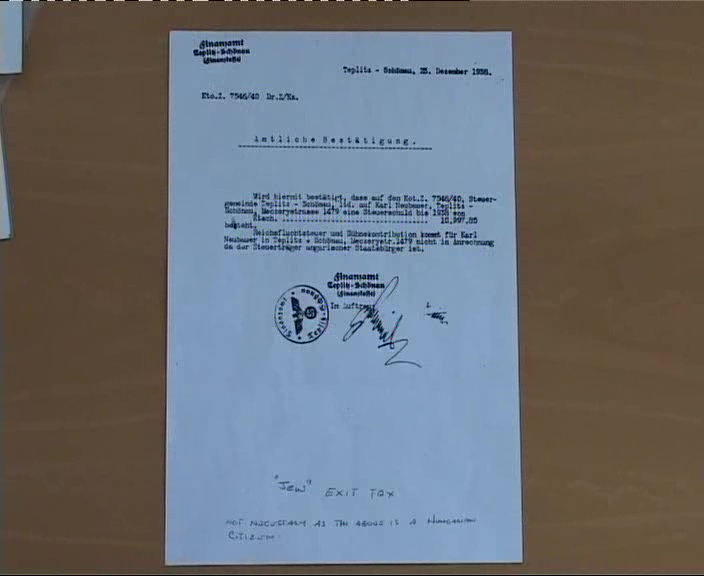
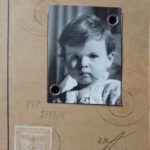
Ursula Owen: German exit visa
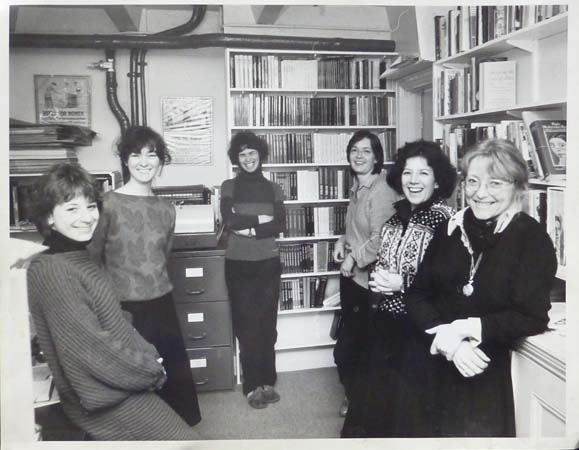
Ursula Owen: In the Virago offices, Dover Street, London, late 70s/early 80s. From left to right: Lynn Knight, Virago Modern Classics. Kate Griffin, sales. UO, Editorial Director. Harriet Spicer, Production Director. Carmen Callil, Managing Director. Lennie Goodings, Publicity Director
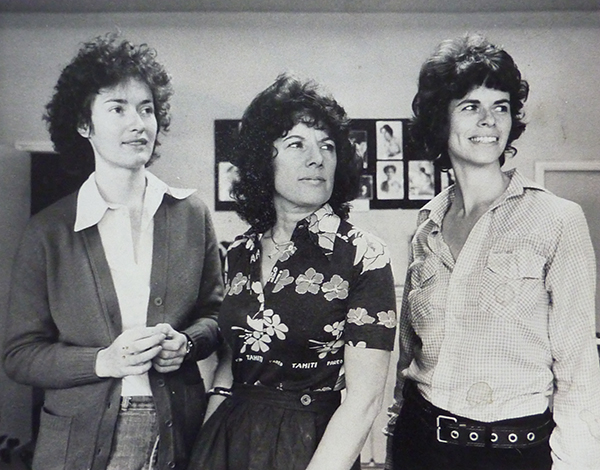
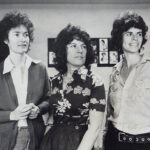
Ursula Owen: The team at Virago from left to right: Harriet Spicer (joint MD), Carmen Callil (founder), UO (joint MD), taken by the Guardian when Virago published its first list, Wardour Street, London, 1975
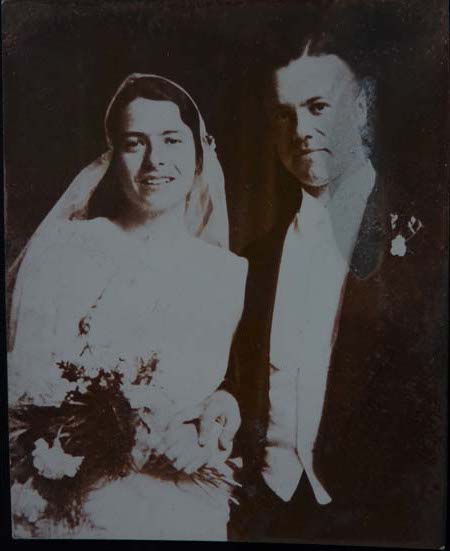
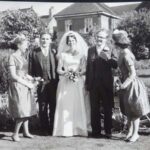
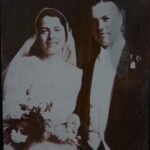
Ursula Owen: Parents Fips and Werner on their wedding day
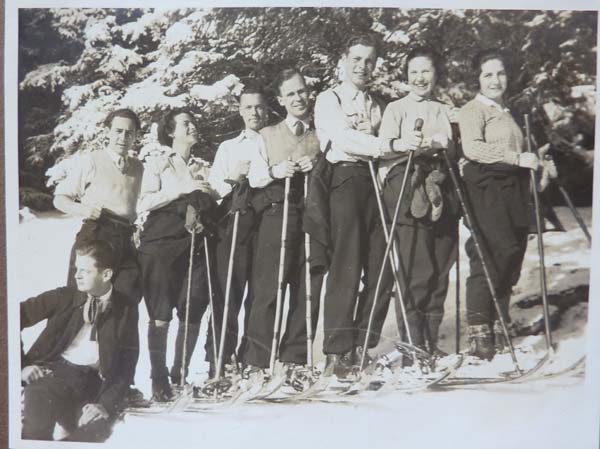
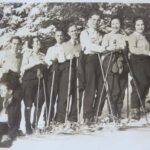
Ursula Owen: Parents with friends on a skiing holiday
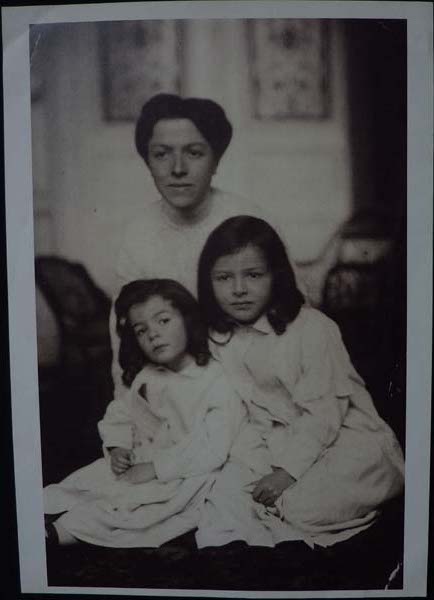
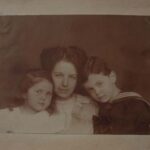
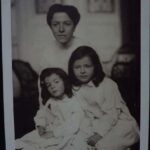
Ursula Owen: Maternal grandmother Marta with LO's mother Emma-Sofie (nicknamed 'Fips') and her sister Elisabeth
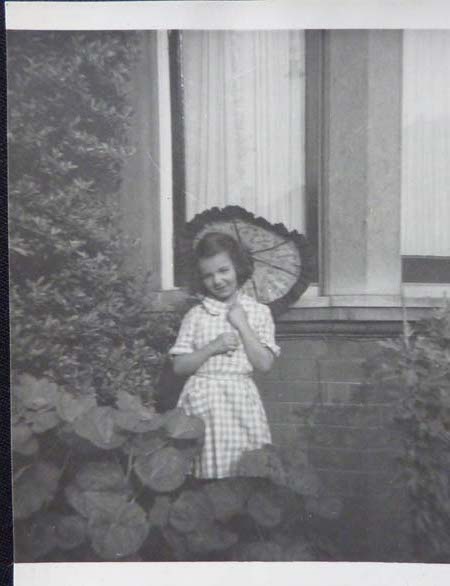
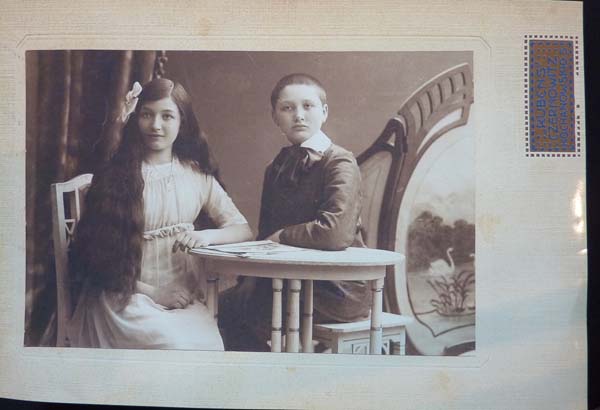
Ursula Owen: Sister
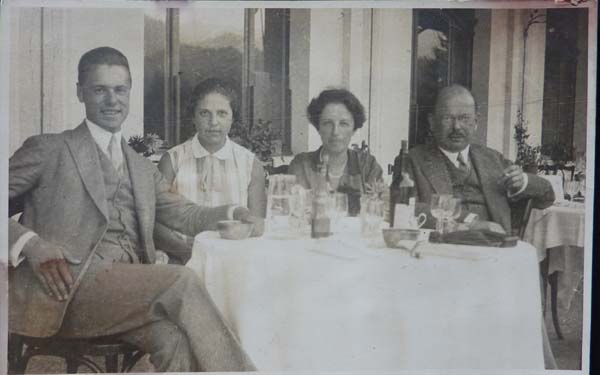
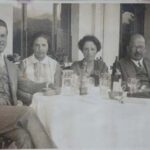
Ursula Owen: Family celebration. Werner
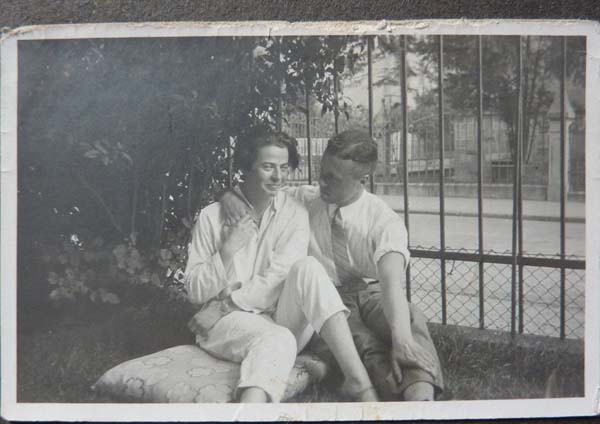
Ursula Owen: Parents
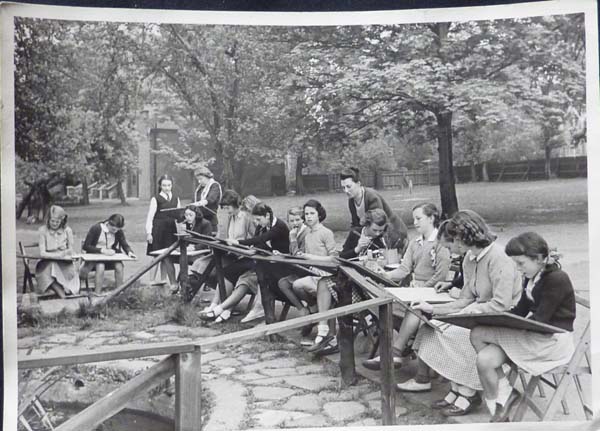
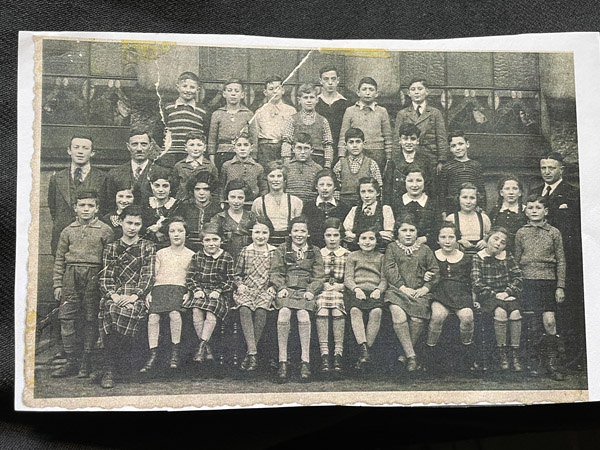
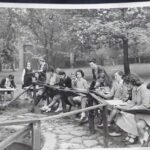
Ursula Owen: At art class
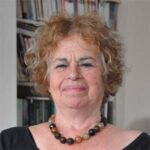
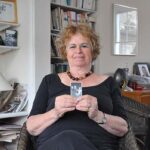
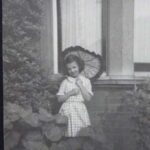
Ursula Owen
Ursula Owen was born Urusla Sachs in Oxford in 1937
Born: 1937
Place of Birth: Oxford
Arrived in Britain: 01/08/1938
Interview Number: RV187
Experiences: Came With Parents or Close Family
Interview Summary
Ursula Owen was born Urusla Sachs in Oxford in 1937. Her mother and father knew each other as teenagers in Frankfurt. Her mother Emma Sachs travelled from Berlin to Oxford to give birth to Ursula. Family friends had advised that with Nazis in power, it would be good for the children to have a British passports. Ursula’s mother did the same for her brother’s birth in 1933. In both cases Emma stayed for six weeks with family members, who had emigrated to the UK, and then returned to Germany. Ursula’s father was a chemical engineer and worked for his cousin’s metal company called ‘Gesellschaft für Elektrometallurgie’. The company was Aryanised and the parents received exit papers to leave for the UK in July 1938. The children were left in Heidelberg for a short time with the grandparents. Six weeks later their German nanny brought the children to Holland, where their father was waiting for her. From there they flew to the UK.
Ursula’s father found work with the British government and the family bought a house in Putney where Ursula attended primary school and her brother was sent to a boarding school. Ursula also has a sister who is seven years younger than her. Her mother developed health issues which made her depend heavily on Ursula. After her parents’ divorce, Ursula’s father remarried and later lived with his second wife in a retirement home in Germany.
Ursula studied medicine but later realised that her true passion was literature and politics. She married in 1960 and travelled for her husband’s research to Egypt and Lebanon. After their divorce Ursula went into publishing, first at Frank Cass (a publishing house for scientific books). But it is for her involvement with feminist publishing house Virago Press, where Ursula was a founder director, that she is most celebrated, publishing Margaret Atwood and Maya Angelou among many others. In 1972 she worked for Index on Censorship magazine and later became a founder of Free Word, a centre for literature, literacy and free expression. She received an OBE for her commitment to human rights.
Although her parents were non-observant, Ursula feels Jewish but also European. Although she loves visiting Berlin she does not consider herself German at all. She has a strong attachment to ‘Englishness’. Growing up with foreign parents she viewed herself as an outsider but learnt to embrace that she “didn’t feel the need to belong” and to observe from the margins.
Key words: Oxford. Berlin. Frankfurt/Main. Richard Grelling J’asccuse. Gesellschaft für Elektrometallurgie (Grünfeld). Kattowitz. Elias Sachs, pharmacology, University Heidelberg. Virago. Frank Cass. The Index on Censorship. The Free Word.
Place of Birth
So... I went up the side path [to the house in Berlin Dahlem where her parents used to live], ... and I burst into tears. It was sort of something about... being in the place where you were first- when you first were. And of course you don’t - if you’re exiled you don’t have that. You can’t touch the place where you came from.
Yes, well I certainly would say that being an outsider has huge advantages, so long as you can get over the- the anxiety about it.
Well I don’t feel very English. I never have. And I think- I used to feel myself as an outsider, and then I discovered that most people do. Most people do for this reason or that. When I wrote that 6,000 word piece and people read it in the book. People wrote to me and said, “Yeah, I feel just the same about class.” You know, I think- but I think I did also discover gradually, slowly, and that was partly because of the context of the world we were living in, that... it was a good, quite a good place to be, in the margins.
And people are quite scornful about assimilation. I mean, I see it when I read books, too. I think a lot of Jews felt that assimilation, the desire for German Jews to assimilate, was partly responsible for what happened. That they kidded themselves that they were part of the society when they weren’t. Lots of stuff like that. And there was a very- quite an antagonistic feeling.
REFUGEE VOICES is the AJR’s groundbreaking Holocaust testimony collection of filmed interviews with Jewish survivors and refugees from Nazi Europe who rebuilt their lives in Great Britain.
The copyright of personal photos and documents on the site is held by each interviewee and may not be reproduced without their permission. Please contact the AJR if you would like to use any of the images and documents.