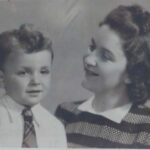
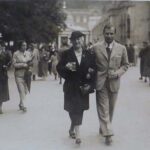
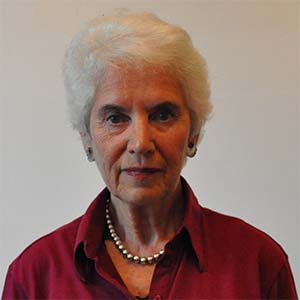
Eva Clarke:
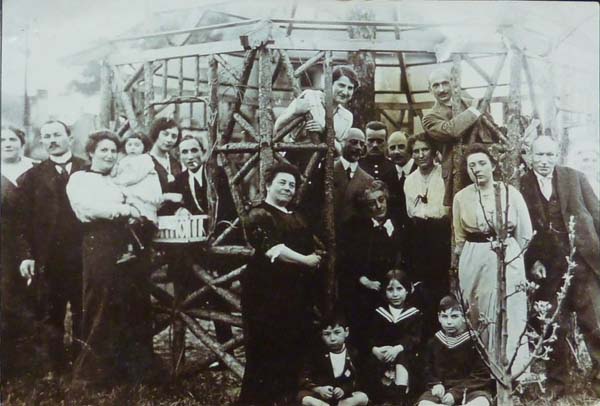
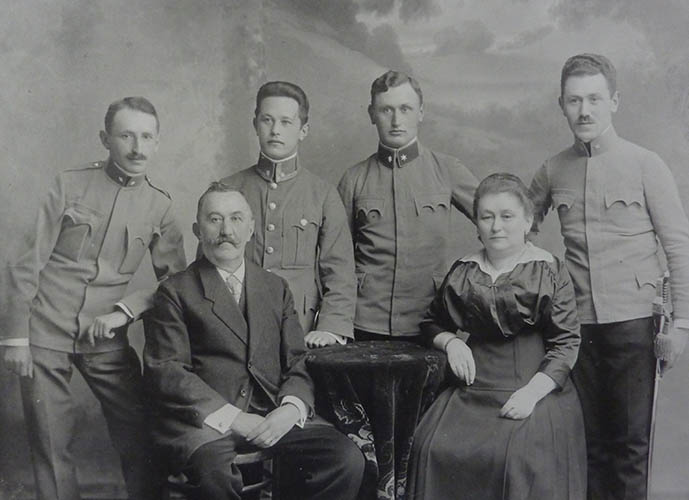
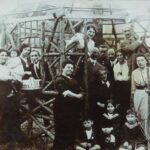
Eva Clarke: Family group
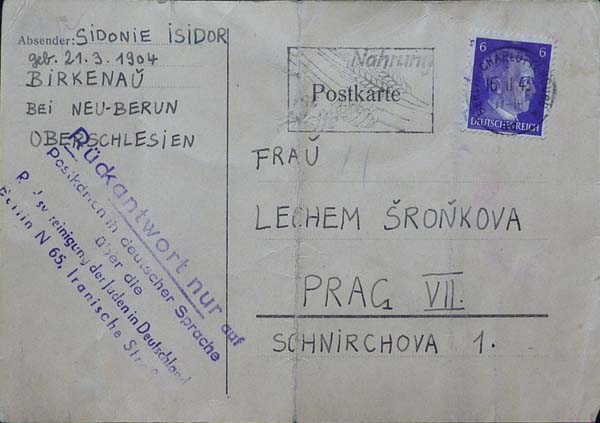
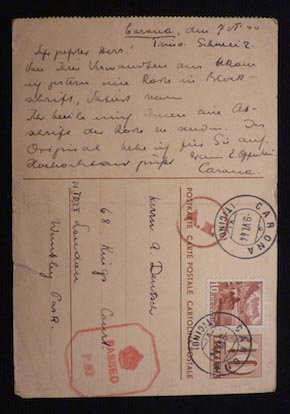
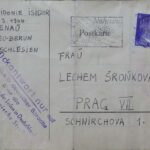
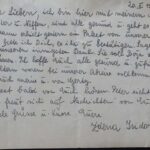
Eva Clarke: Postcard from Auschwitz from aunt Zdena. "This is a postcard that my aunt Zdena sent from - was forced to send - from Auschwitz to her cousin Olga Sronkova in Prague. And the postcards had to be written in German. They were basically propaganda. And my aunt was desperate to get a message out in code
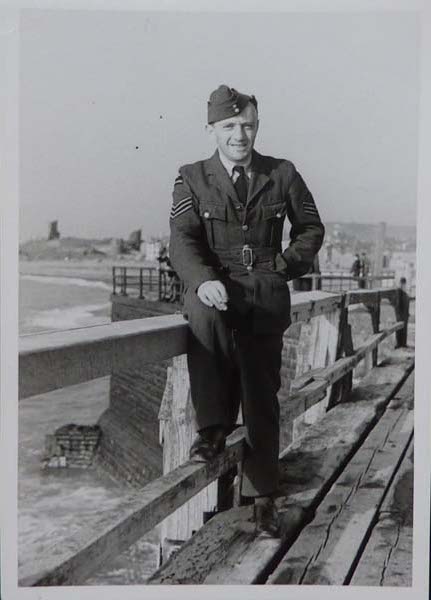
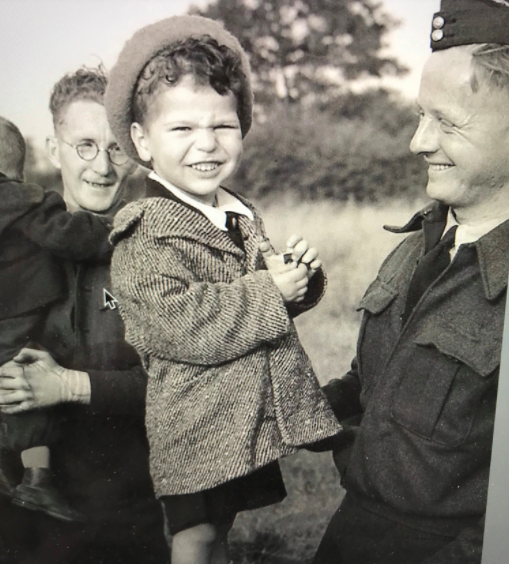
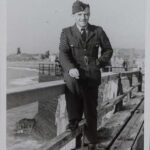
Eva Clarke: Stepfather Karel Bergman in RAF uniform. "He escaped occupied Czechoslovakia in ’39. Came here
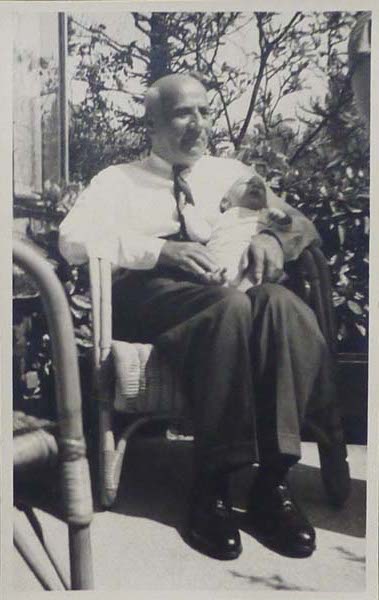
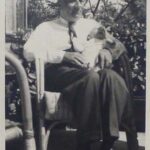
Eva Clarke: Paternal grandfather Louis Nathan with EC's cousin Robert on his lap
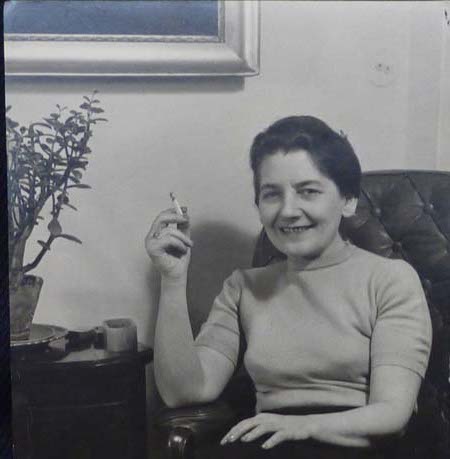
Eva Clarke: Aunt Olga Sronkova
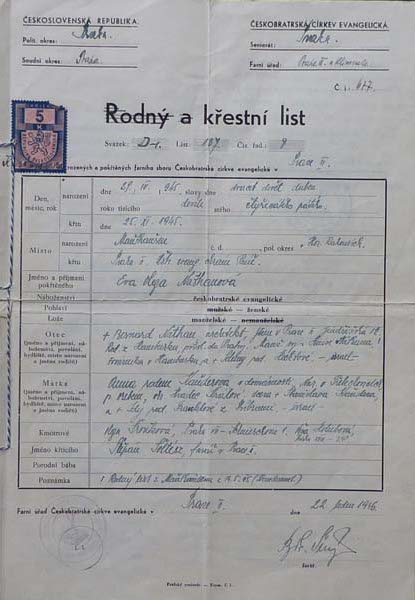
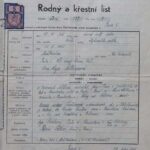
Eva Clarke: Christening certificate. "After the war my mother was obviously in a highly emotional state
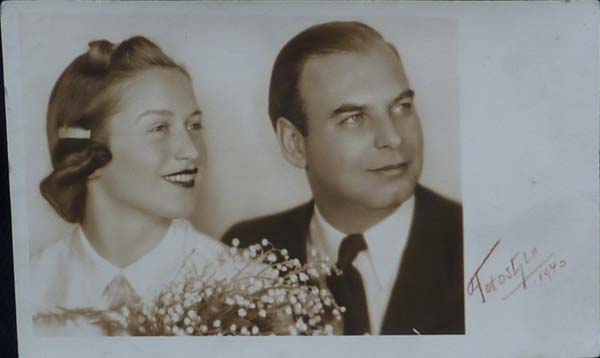
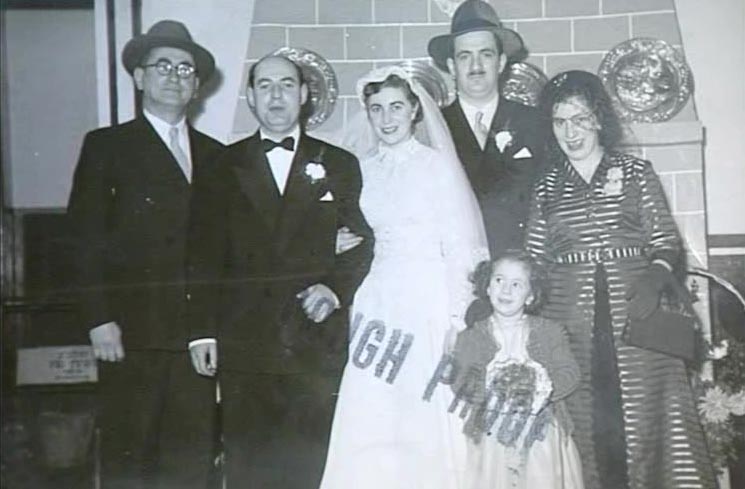
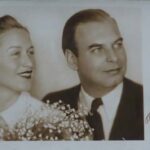
Eva Clarke: Parents on their wedding day
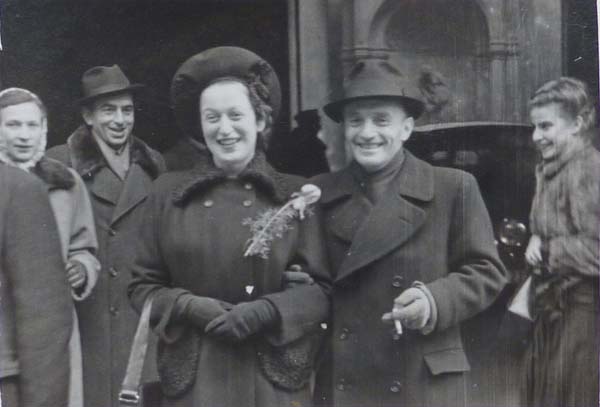
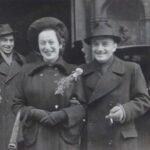
Eva Clarke: Mother and stepfather Karel Bergman on their wedding day
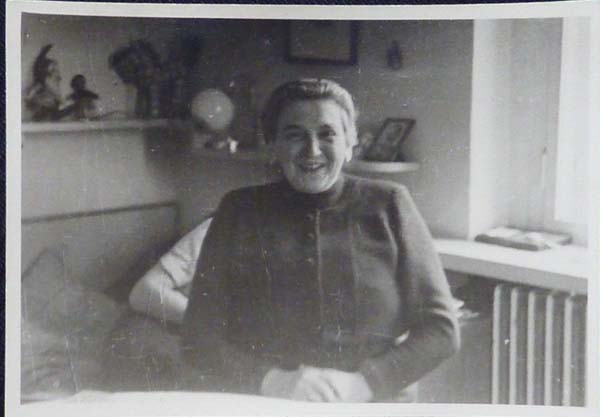
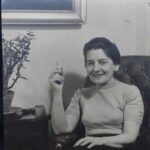
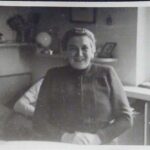
Eva Clarke: Mother's mother Ida Kauder
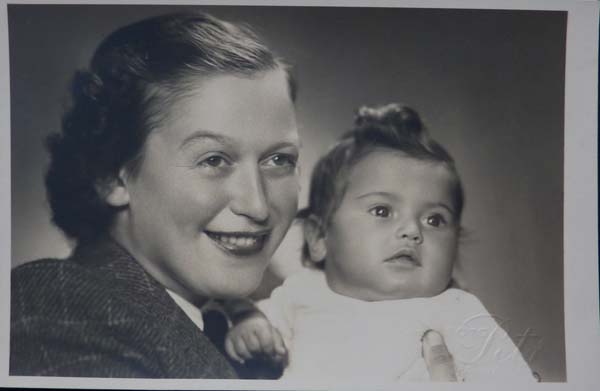
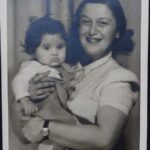
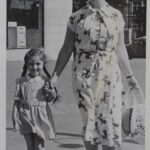
Eva Clarke: With mother
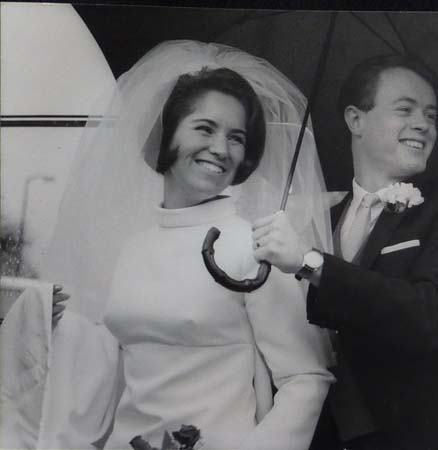
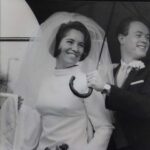
Eva Clarke: With husband Malcom on wedding day
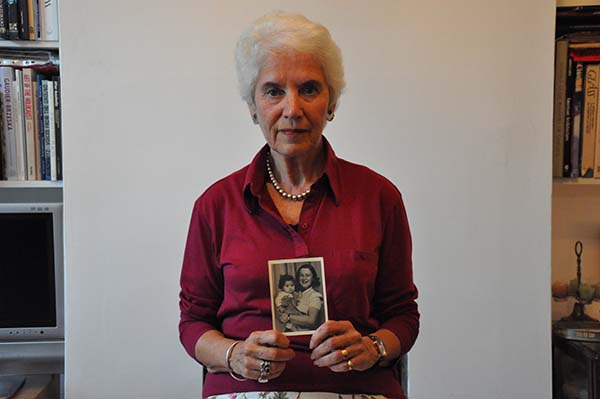
Eva Clarke:
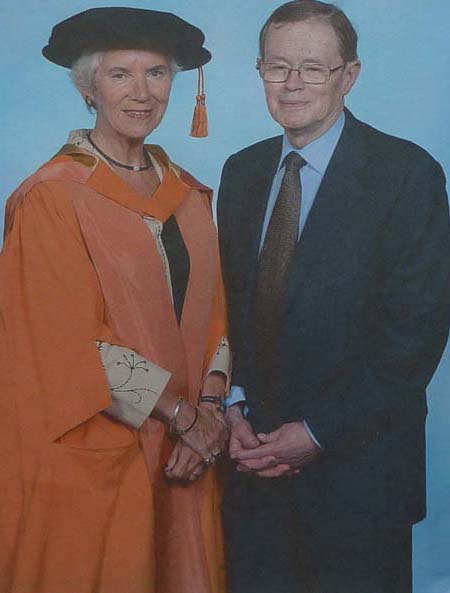
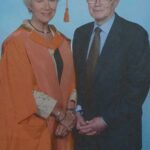
Eva Clarke: Being awarded an Honorary Doctorate of Law by de Montfort University
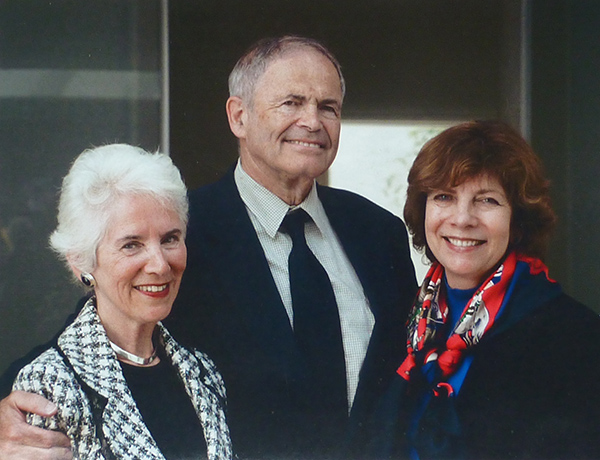
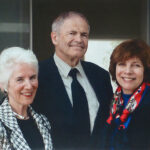
Eva Clarke: With Mark Olsky and Hana Berger-Moran, two other 'baby' survivors, at the commemoration of the camp liberation by US soldiers, Mauthausen, 2010. "Mark Olsky was born on the 20th of April 1945, on this horrendous train journey between Freiberg slave labour camp and Mauthausen concentration camp. Hana was born in Freiberg on the 12th of April the same year. And I was born on the 29th April 1945. And this is a photograph of the first time that we met in May of 2010, when we were all in Mauthausen for the 60th Commemoration of the liberation of the camp by the Americans."
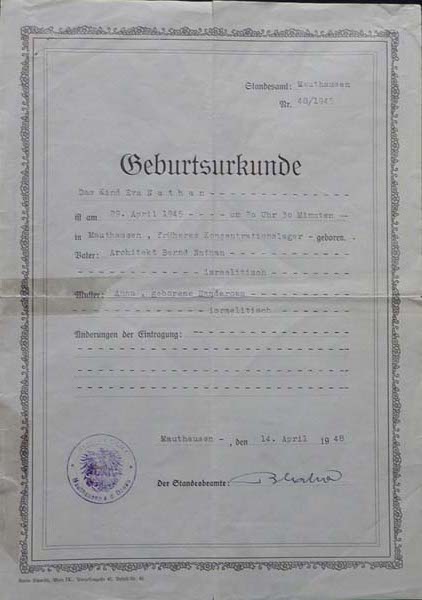
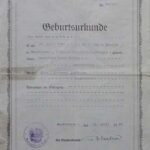
Eva Clarke: Birth certificate
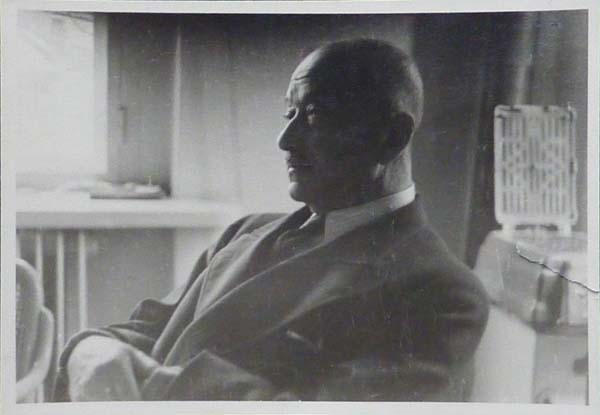
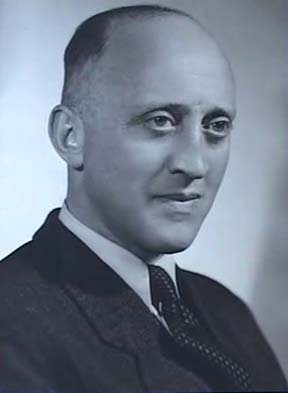
Eva Clarke: EC: Mother's father Stanislaw Kauder
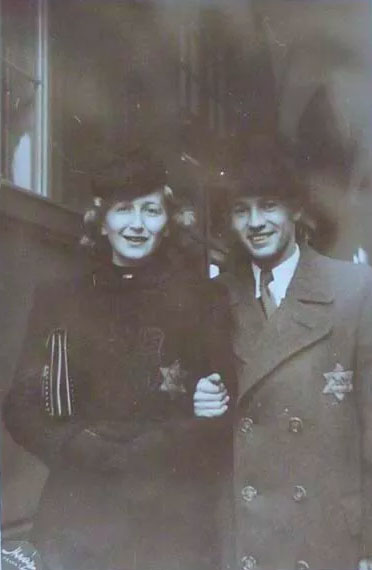
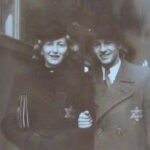
Eva Clarke: Mother’s older sister, Zdena, and her fiancé Herbert Isidor, wearing yellow stars, wartime. "They both perished in Auschwitz. And my- This is the aunt who wrote the postcard from Auschwitz to her cousin in Prague with the code word ‘Lechem’, which means ‘bread’."
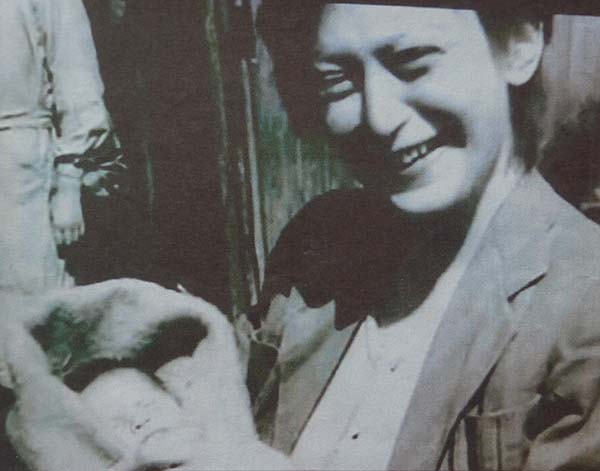
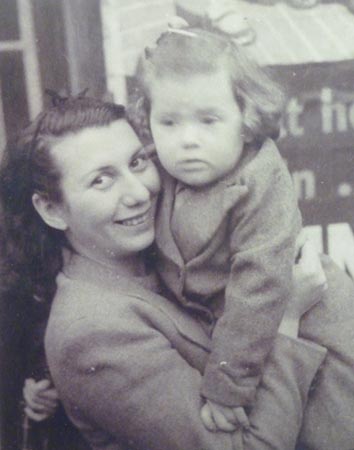
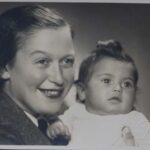
Eva Clarke: With her mother, a few weeks after her birth in Mauthausen concentration camp. "This is an amazing photograph of my mother and myself. And it has to have been taken in the first two or three weeks in May of 1945. Because it was taken by an American GI who was one of the liberating soldiers of Mauthausen."
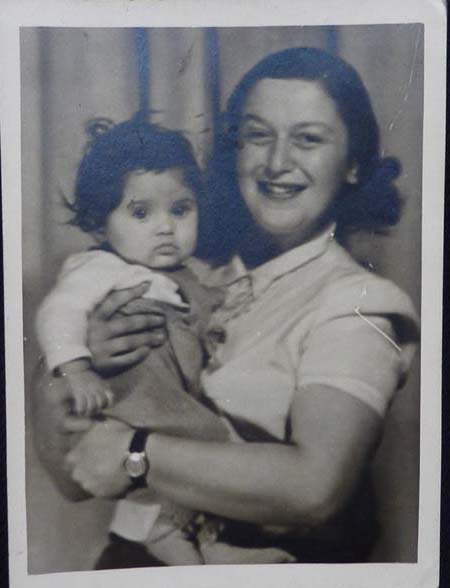
Eva Clarke: With mother
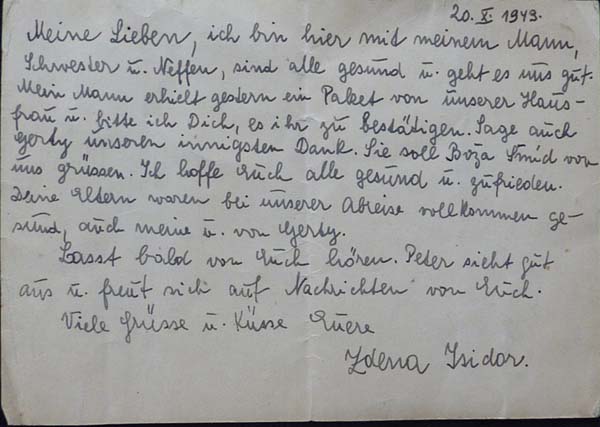
Eva Clarke: Back of postcard from Aunt Zdena in Auschwitz. "This is the translation of the postcard. It starts off with the words: “My dear ones
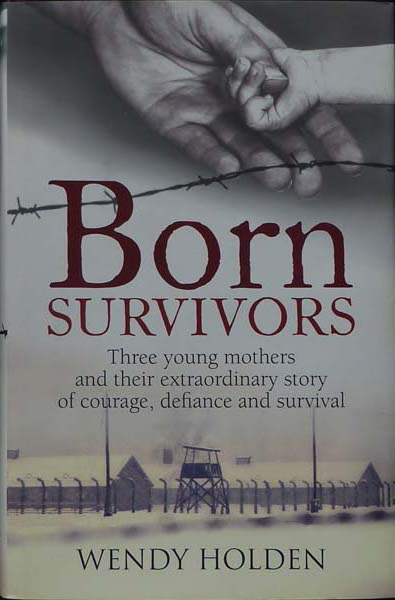
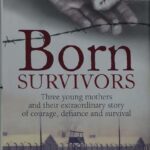
Eva Clarke: Born Survivors by Wendy Holden
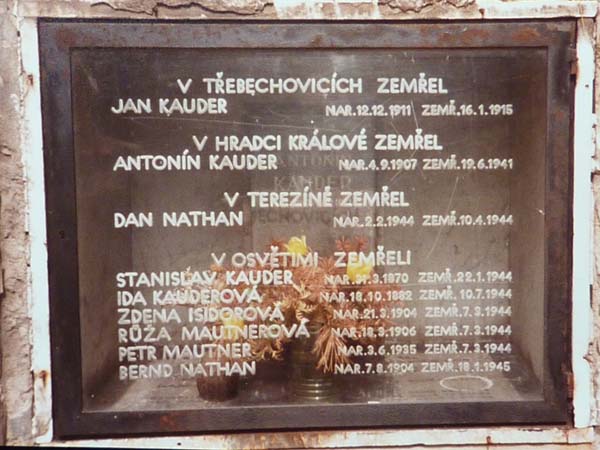
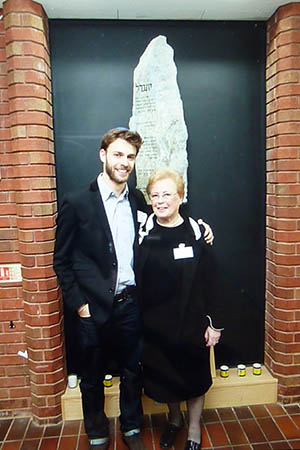
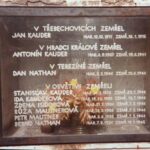
Eva Clarke: Family memorial, Jewish cemetery, Hradec Kralove, Czech Republic. "My mother had all the names of all the members of our family who perished in the Holocaust... inscribed on this... stone glass. And behind it is the urn where- that contains the ashes of her brother Tonda who died just before the war."
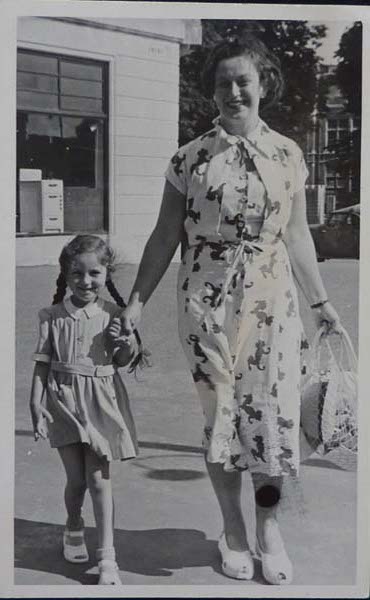
Eva Clarke: With her mother
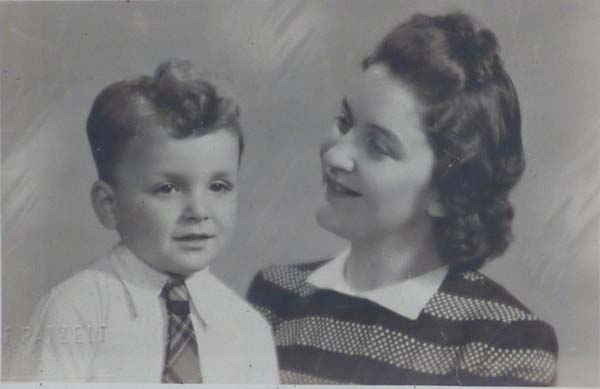
Eva Clarke: Mother's sister Ruza and her son Peter
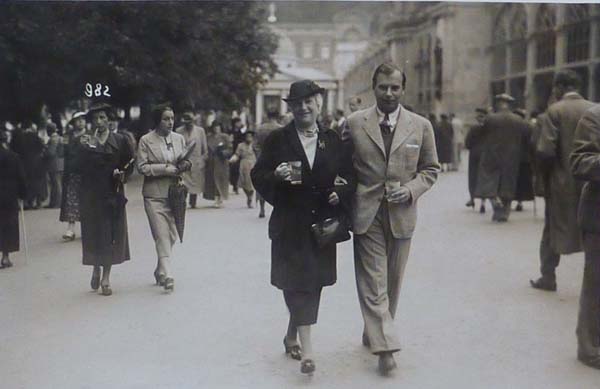
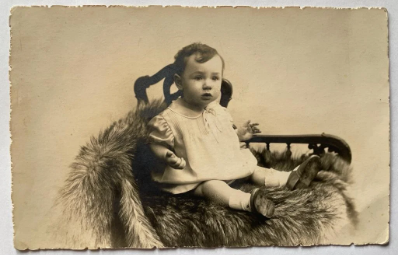
Eva Clarke: Paternal grandmother
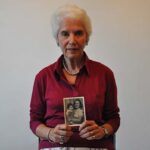
Eva Clarke
Eva Clarke, nee Eva Nathan, was born on the 29th of April 1945 in Mauthausen Concentration Camp, five days before the liberation of the camps by the American army.
Born: 1945
Place of Birth: Mauthausen Concentration Camp
Arrived in Britain: 19/05/2026
Interview Number: RV181
Experiences: Concentration Camp Child Survivor , Concentration Camp Survivor
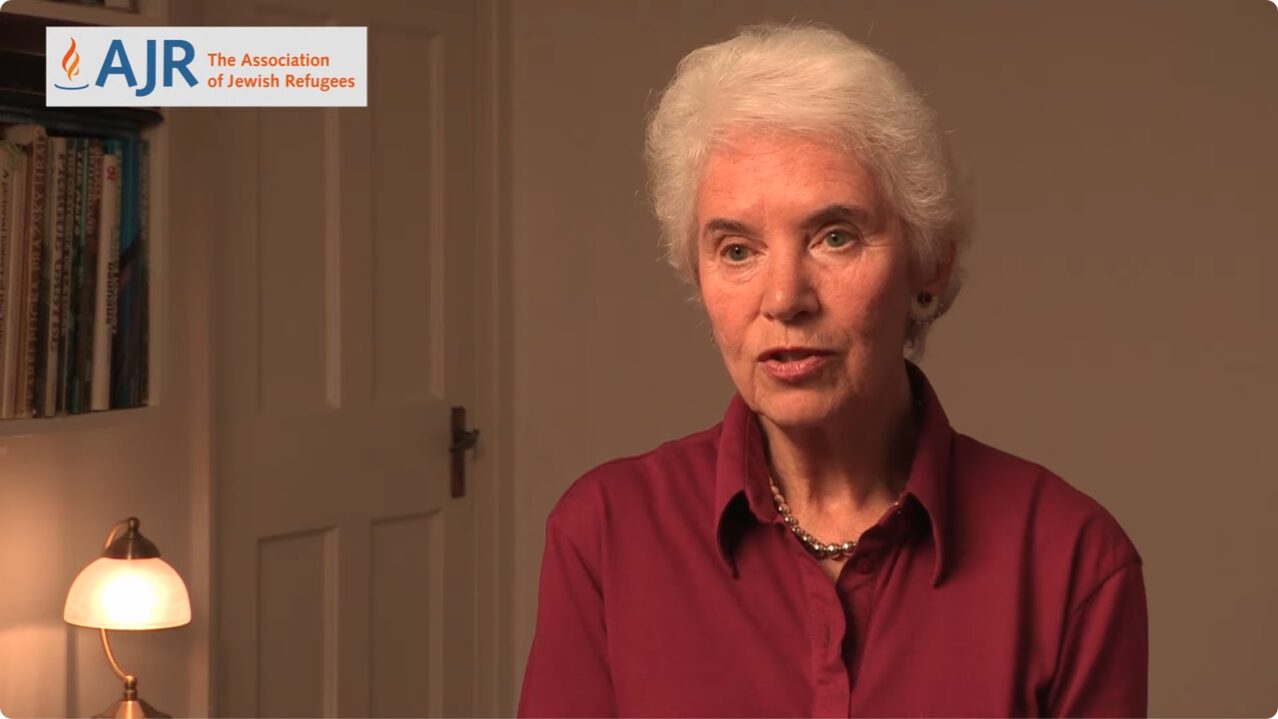
Interview Summary
Eva Clarke, nee Eva Nathan, was born on the 29th of April 1945 in Mauthausen Concentration Camp, five days before the liberation of the camps by the American army. In the first part of the interview she describes the lives of her parents and the fate of her mother in Terezin, Auschwitz, KZ Freiberg, and Mauthausen. Her mother Anka (Kaudrova) was a law student in Prague. When she could not study any longer she became an assistant to a milliner. In Prague, she met Bernd Nathan, and architect and interior designer and Jewish refugee from Hamburg. They got married in 1940. Sent to Terezin Ghetto, they found many members of both their families. While they were separate in the day the couple could see each other in the evening. Anka became pregnant and gave birth to a boy. It was forbidden to have children and they had signed a form which said that the baby was going to be ‘euthanasiert’. Nobody came for the baby but it died aged two months old. After Anka’s husband was sent East, Anka volunteered to also be transported. When she arrived in Auschwitz she knew she was pregnant again. When Mengele asked her if she was pregnant she said ‘no’ and was put in a group of women who were sent to work. After ten days in Auschwitz, she was sent to a work camp in Freiberg. She stayed there for six months, her pregnancy unnoticed, severely malnourished.
In April 1945 the Nazis decided to evacuate the camp and Anka was transported on a coal wagon to the Mauthausen concentration camp. The train went through a Czech village whose population gave the people on the train food and clothing. When she arrived in Mauthausen, she gave birth just outside the camp on a cart. A Jewish doctor was called to cut the umbilical cord. The baby was wrapped in newspapers. Five days later the American army liberated the camp. Eva points out that if the Czech people in the village had not given assistance to the people on the train and the Americans had not arrived when they did, she would not have survived. If her brother had survived and her mother would have arrived in Auschwitz with the baby, they would also have not survived. A few weeks after liberation, Anka and Eva travelled to Prague where Anka hoped to find her husband. They moved in with a cousin who survived because she was married to a non-Jewish man. They stayed with them for three years.
In 1948 Anka married Bergman and they decided to leave Czechoslovakia. They were on their way to Canada but Bergman was offered a job in Wales and they moved to Cardiff, where Eva grew up. She learned English quickly and was sent to a Convent school. Once she came home from school and found a bag of her mother’s with a different surname (Nathanova) and she asked her mother about this. Then the mother told her about her two fathers and how her father had died in the war. From then her mother was always very open and talked about the past (in age appropriate ways).This is something Eva appreciates today and feels that it enabled her to tell the story today.
Eva finished school and moved to London where she met her husband (from Wales) and they settled in Cambridge. They had two children and Eva started talking in schools about her and her mother’s experiences in 2000. She has been awarded an honorary doctorate for her work in Holocaust education and today is a very active speaker who travels across the UK. At a Mauthausen commemoration she met two other survivors who were born within a few weeks of each other. Her mother and her felt very connected to them. In 2015 Wendy Holden published a book about the mothers of these three survivors called ‘Born Survivors’.
Place of Birth
I was born in Mauthausen concentration camp in Austria. [in late April 1945]
And there are two reasons why we survived, and the first is a very chilling reason. On the 28th of April 1945, the Germans had run out of gas for the gas chambers. My birthday was the 29th. So presumably had my mother arrived on the 26th or the 27th again, I wouldn’t be talking to you now. And the second reason why we survived was because about four or five days after my birth, the American Army liberated the camp. My mother reckoned she wouldn’t have lasted much longer. The Americans came. They had food and they had medicine but, as I’m sure you know, it’s very dangerous to give starving people food. But because my mother spoke fluent English she tried to tell as many people as possible, who didn’t, what the Americans were saying. And they were saying to eat very, very slowly and very small amounts. But you can imagine can’t you, if you’ve been starved for months or years, and suddenly you’re handed an American chocolate Hershey bar, well, you know, you scoffed the lot. And an awful lot of people at that stage collapsed and died. But one hopes that perhaps they realised that they were actually free. They think I weighed three pounds at birth. A three pound baby nowadays is put into an incubator. There were no incubators. Or perhaps I had the best incubator; my mother just held me all the time. Incredibly, my mother was also able to feed me. It was very thin, but there was some liquid there. And she was able to feed me. But what is even more surprising, and, you know, she weighed five stone- What is even more surprising is that three weeks later when we came back to Prague, and when she was safe, the milk just dried up. She couldn’t feed me anymore.
And when my mother arrived in...in Mauthausen she had such a shock, because- as opposed to when she’d arrived in Auschwitz, not knowing what that was. This time she knew. Because she had heard about this appalling place very early on in the war. And she said that the shock of seeing the name, she always thought probably provoked the onset of her labour. And she started to give birth to me on that coal wagon. She had to climb off the coal wagon unaided. She had to climb on to a cart, because the prisoners who were not strong enough to walk up the hill to the camp, they had to get on to a cart and it was pulled up by others. She had people lying all over her. People with typhus and typhoid fever. And she proceeded to give birth to me. And there was another Nazi officer who saw that she was in the throes of child labour. And he said to her, “Du kannst weiter schreien.” Which as you know, means, “You can carry on screaming”, cause presumably she had been. And she always said that she was screaming not only because she was giving birth, but because she thought this was her very last minute on this earth. She thought she was about to die. ...But we both survived the experience. I was born. I didn’t move. I didn’t breathe. Incredibly the Germans allowed a doctor to come to my mother. A doctor who was also a prisoner. And after a few days my mother actually found out that this doctor was the Head of the Department of Obstetrics and Gynaecology at the University of Belgrade. So he didn’t have any medication, he didn’t have any equipment, but he had the knowledge; he knew what to do. And so he cut the umbilical cord, and he slapped me to make me cry, to make me breathe.
REFUGEE VOICES is the AJR’s groundbreaking Holocaust testimony collection of filmed interviews with Jewish survivors and refugees from Nazi Europe who rebuilt their lives in Great Britain.
The copyright of personal photos and documents on the site is held by each interviewee and may not be reproduced without their permission. Please contact the AJR if you would like to use any of the images and documents.