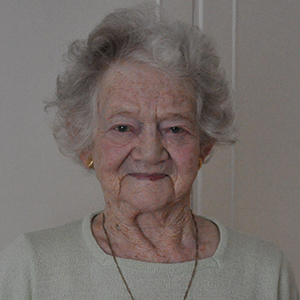
Ann Kirk: July 2019
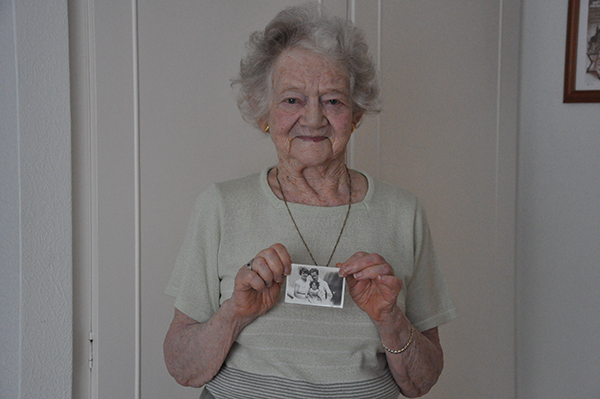
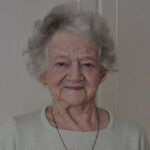
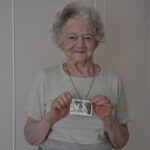
Ann Kirk: July 2019
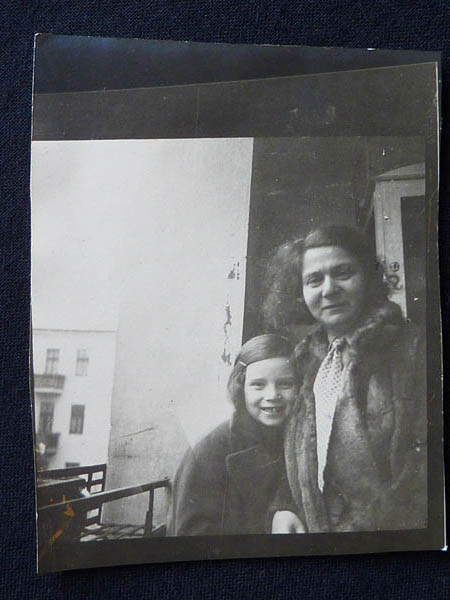
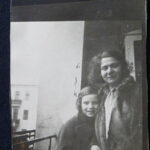
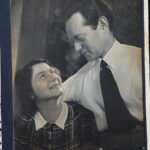
Ann Kirk: Last photo with mother just before Kindertransport
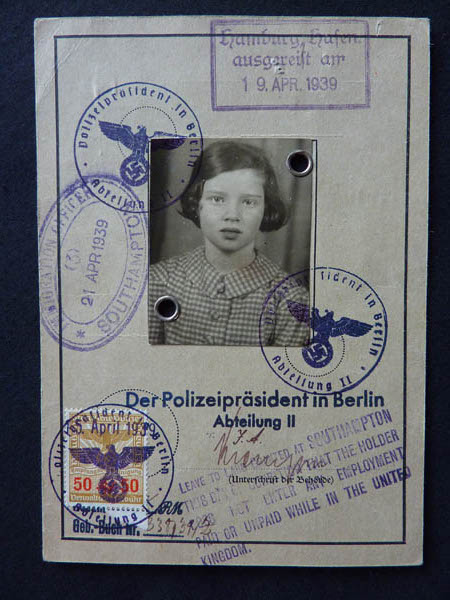
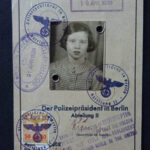
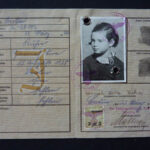
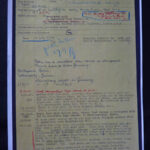
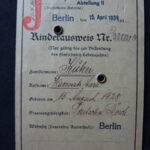
Ann Kirk: Travel document, 1938. "Well this is my exit card from Germany, as well as my entry card to England, Southampton. At the top, you'll notice the stamp. Hamburg, from where I left Germany on a boat- on a boat called The Manhattan. And it's dated 19th of April 1939 with the German Eagle stamp and then below that there is the English stamp, “landed at Southampton” with my photograph. And then at the bottom there’s a rather interesting little comment, it says, “Leave to land at Southampton granted to the holder, provided the holder does not enter any employment while in the UK, either paid or unpaid.” Well, it is a bit of a joke because I was then ten years old, so it was I likely to take any employment, paid or unpaid?"
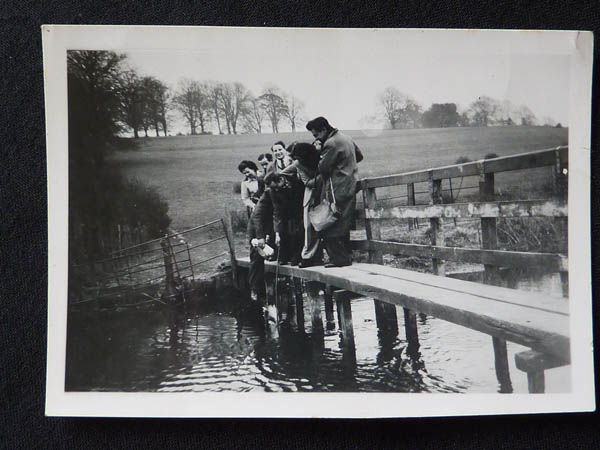
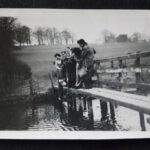
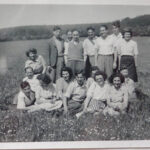
Ann Kirk: Achdut youth group. "This was taken at a river party
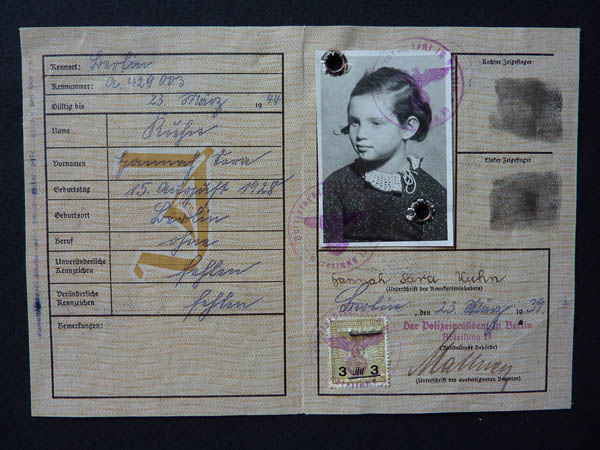
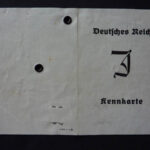
Ann Kirk: Identity card
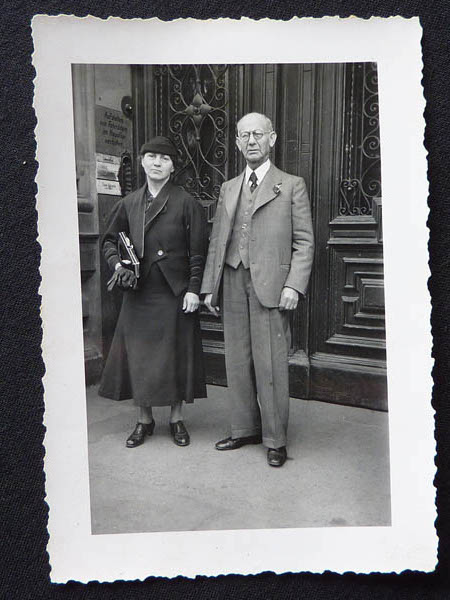
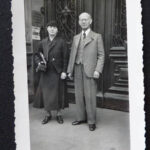
Ann Kirk: Grandfather and aunt Elsa
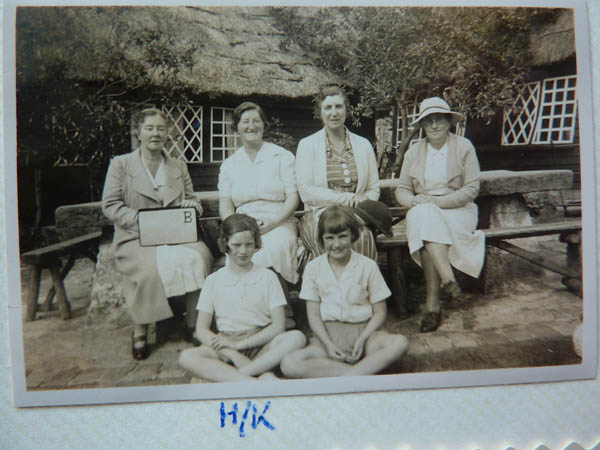
Ann Kirk: With headmistress
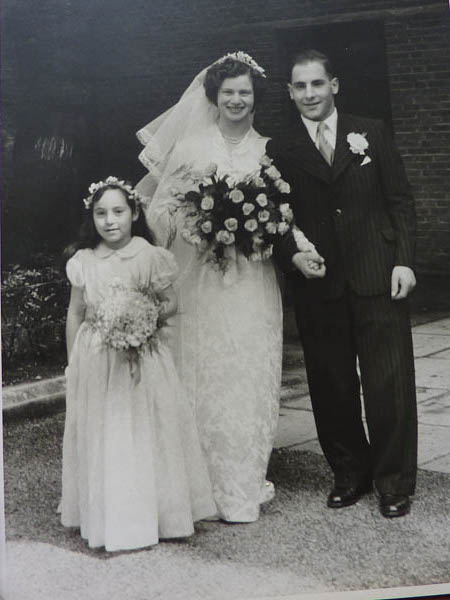
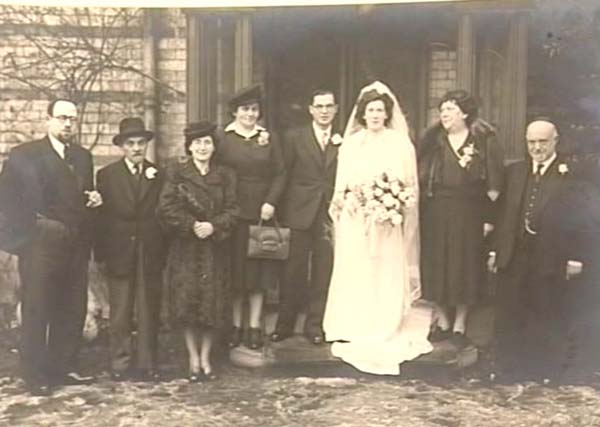
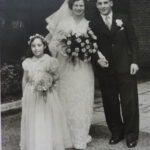
Ann Kirk: Wedding photo
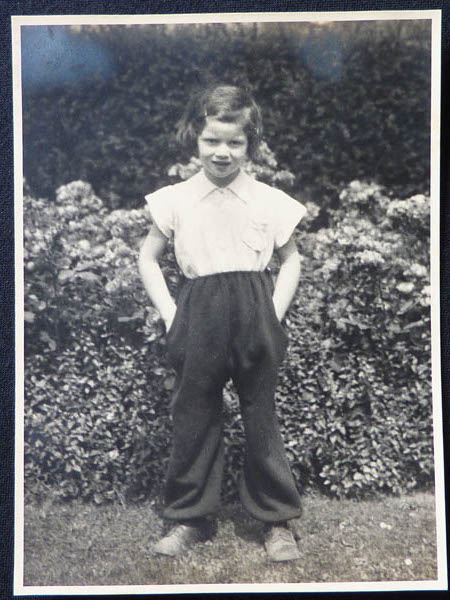
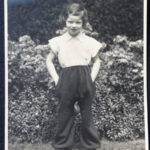
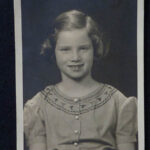
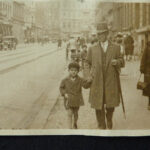
Ann Kirk: At six years old. "Please note the boots that I'm wearing. I had funny feet at the time
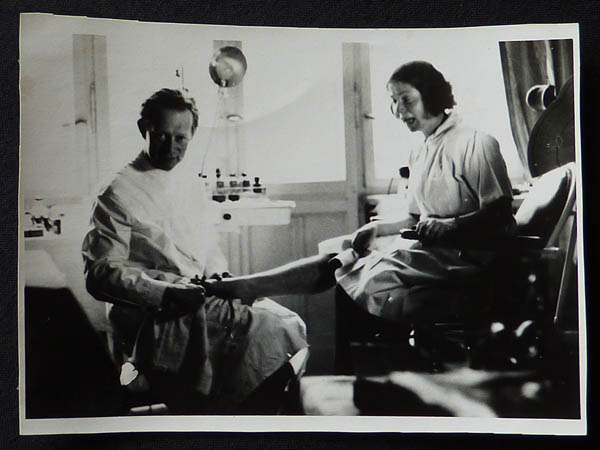
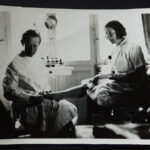
Ann Kirk: Parents. "This is a photo of my father as a chiropodist
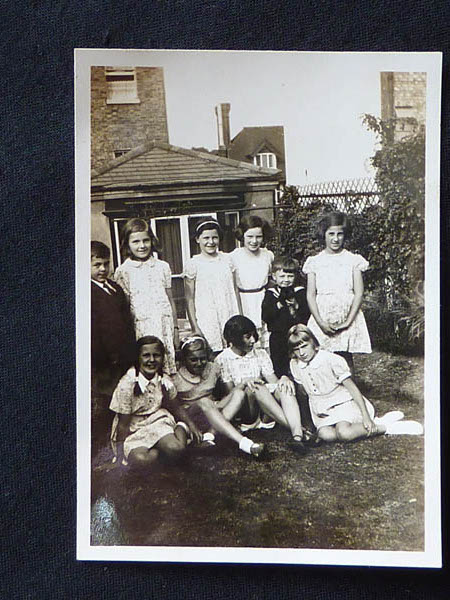
Ann Kirk: Twelfth birthday party
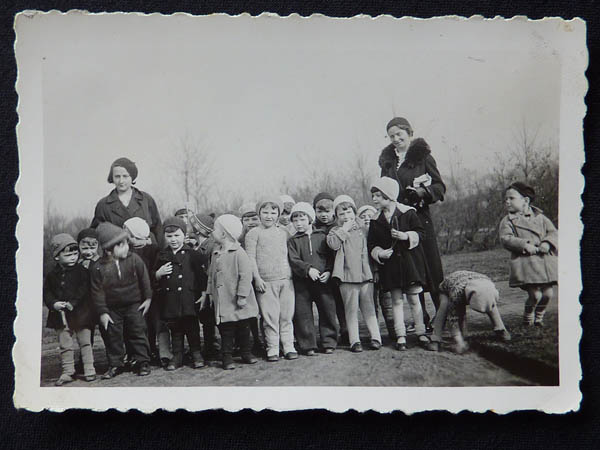
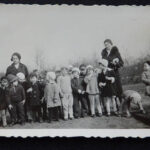
Ann Kirk: At kindergarten in Cologne. "I’m the third from the right in a little navy tracksuit."
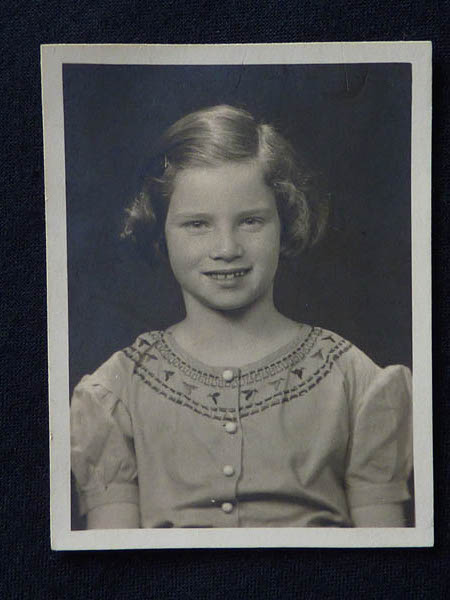
Ann Kirk: In 1938
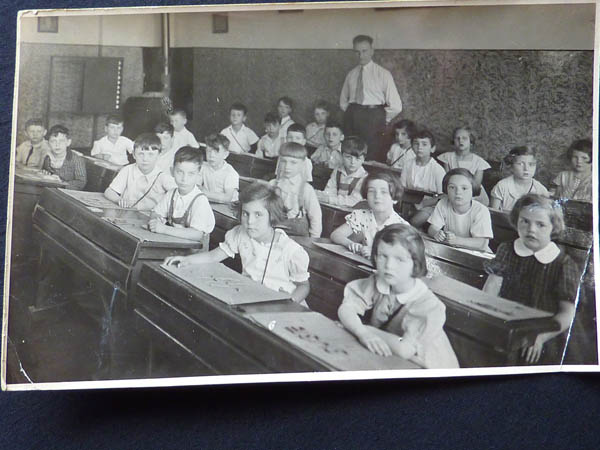
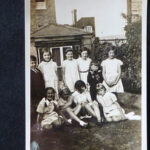
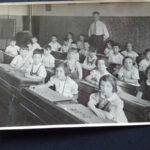
Ann Kirk: First primary school. "It was a Jewish school called the Moriah School. And I am the first one
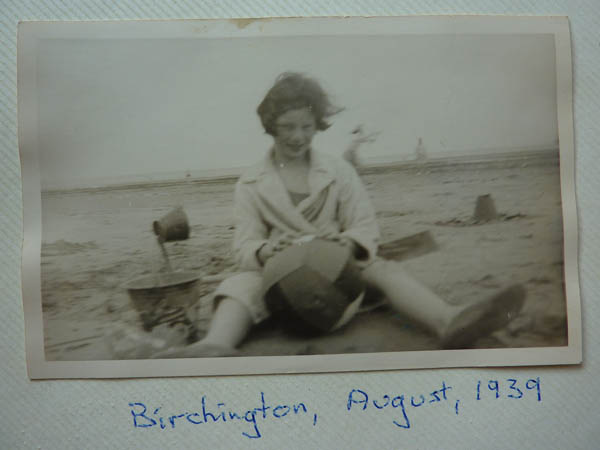
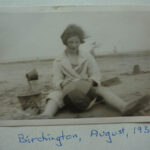
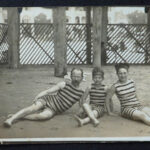
Ann Kirk: Summer holiday
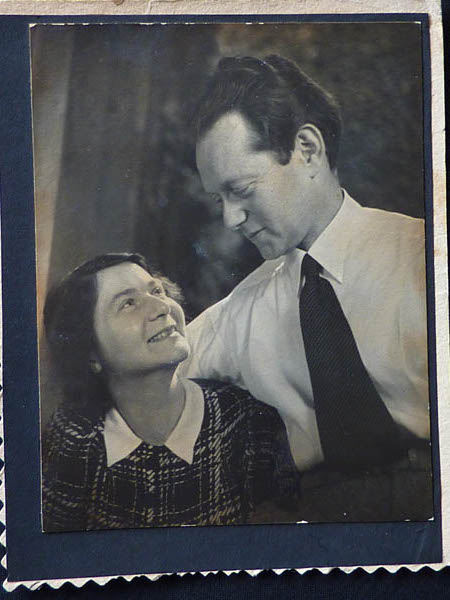
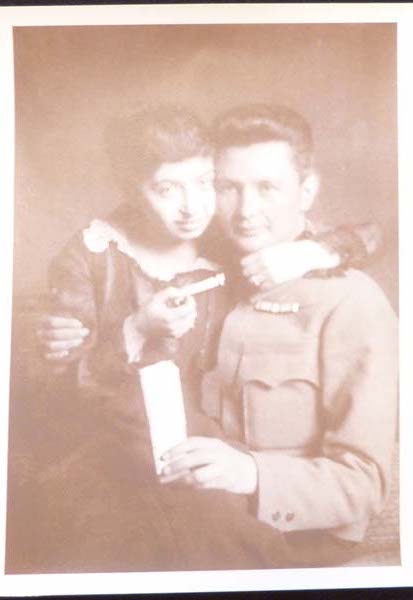
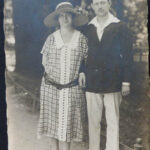
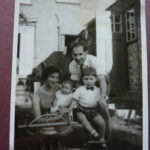
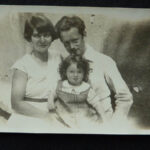
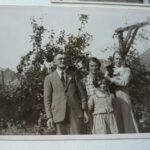
Ann Kirk: Parents

Ann Kirk: World Jewish Relief case file. "This is my case file
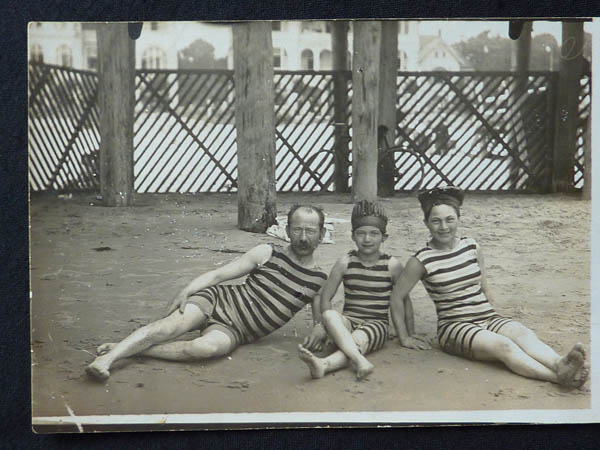
Ann Kirk: Grandfather Gustav Löwenthal
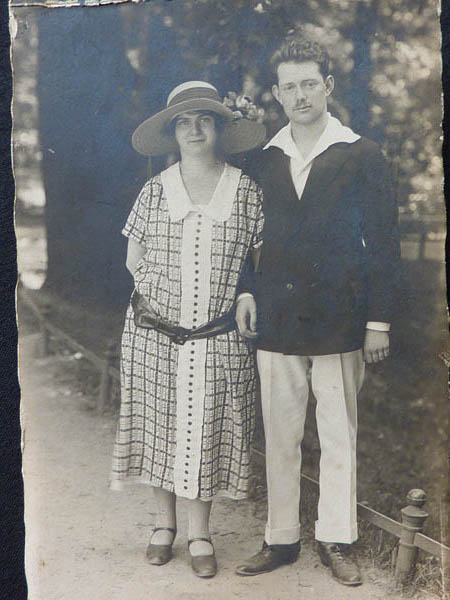
Ann Kirk: Wedding photograph of parents Franz Kuhn and Hertha Löwenthal
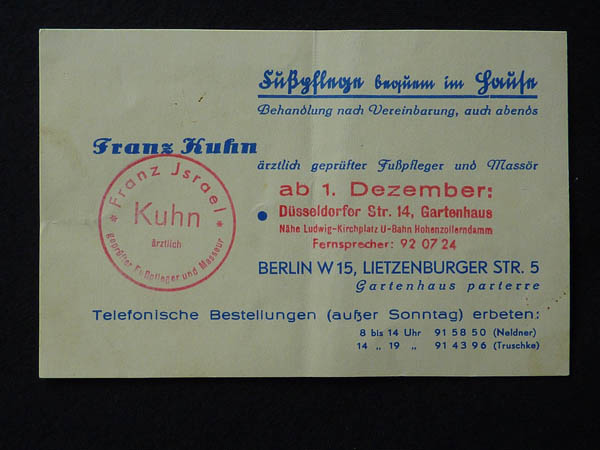
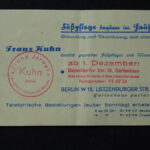
Ann Kirk: Father's business card
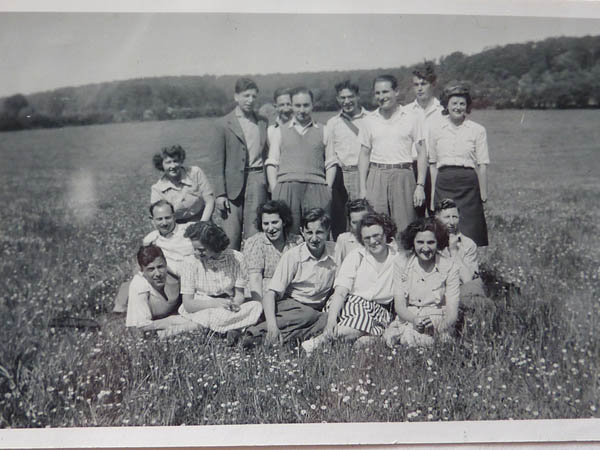
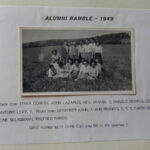
Ann Kirk: The Alumni ramble in ’49. "The Alumni was the youth club of the Liberal Jewish Synagogue. And I'm in the front row
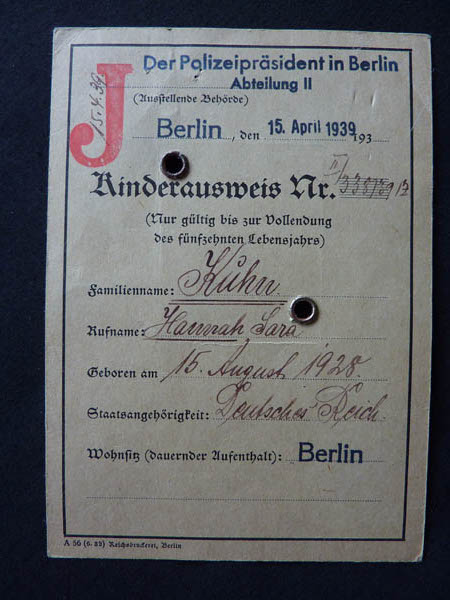
Ann Kirk: Reverse of travel document. "This is the other side of my children's passport with the ‘J’ in red
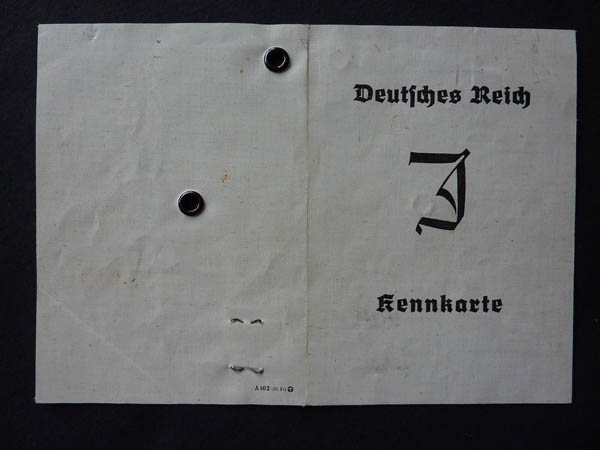
Ann Kirk: Travel document
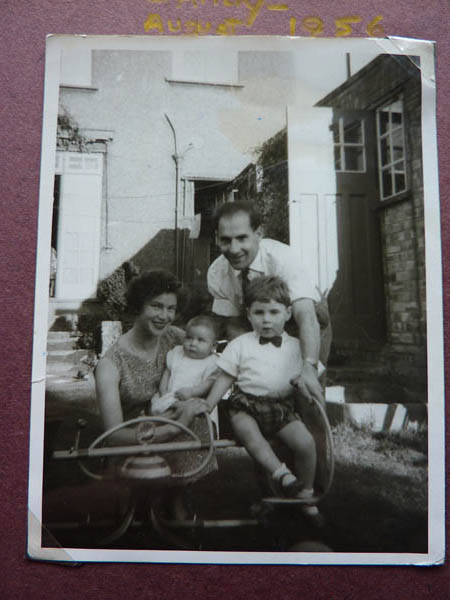
Ann Kirk: With Bob & their children
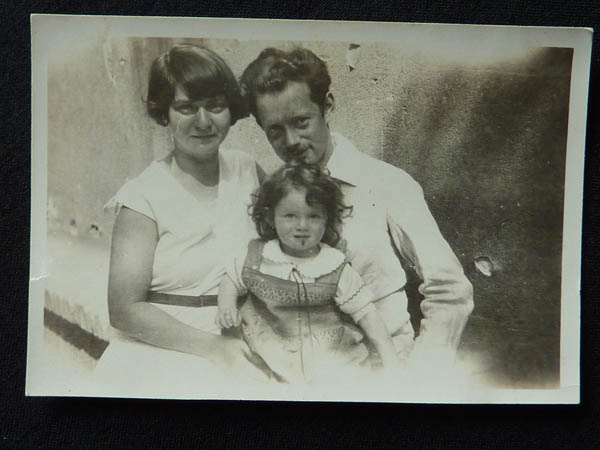
Ann Kirk: With parents
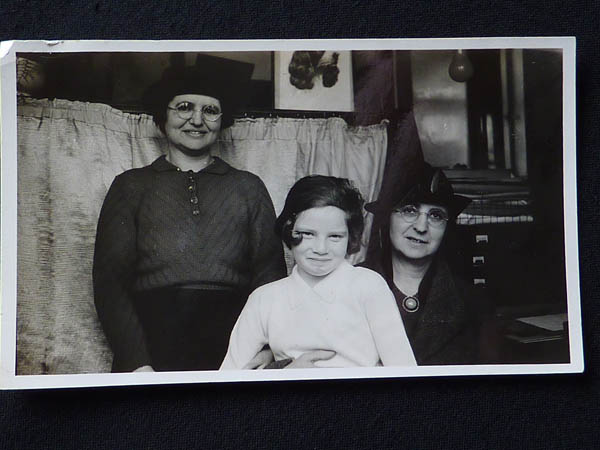
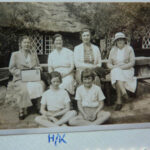
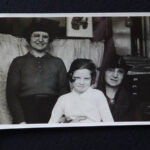
Ann Kirk: In London with her aunts Millie and Sophie Levy. "Two unmarried Jewish sisters. Auntie Sophie is standing on the left. She was the younger one
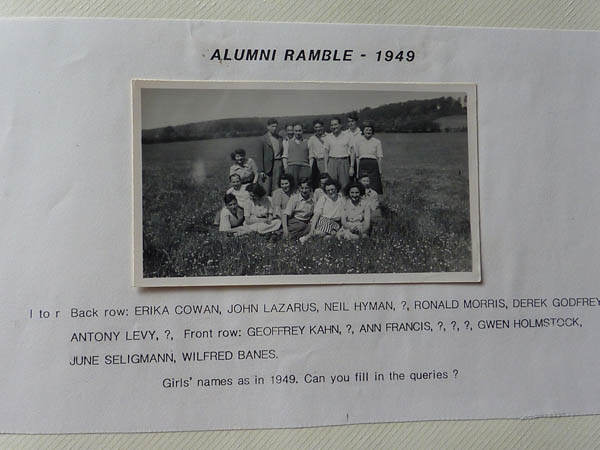
Ann Kirk: The Alumni ramble in ’49. "The Alumni was the youth club of the Liberal Jewish Synagogue. And I'm in the front row
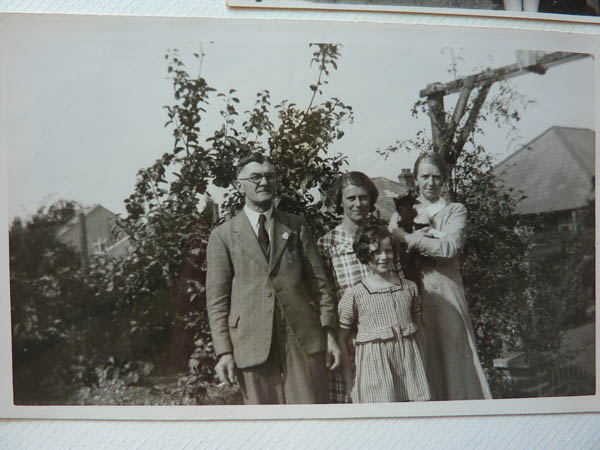
Ann Kirk: Berkhamstead
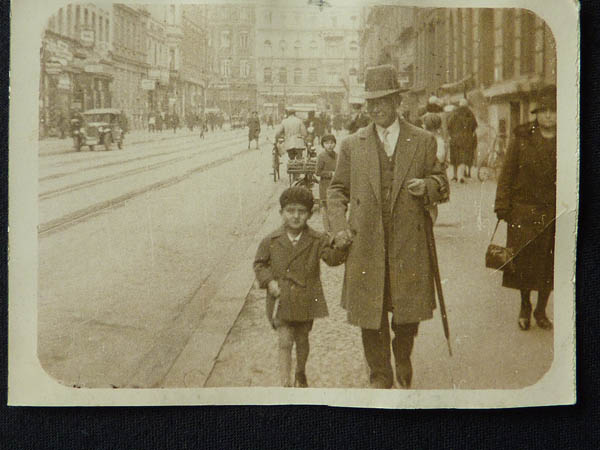
Ann Kirk: Grandfather Gustav Löwenthal with the son of his eldest daughter
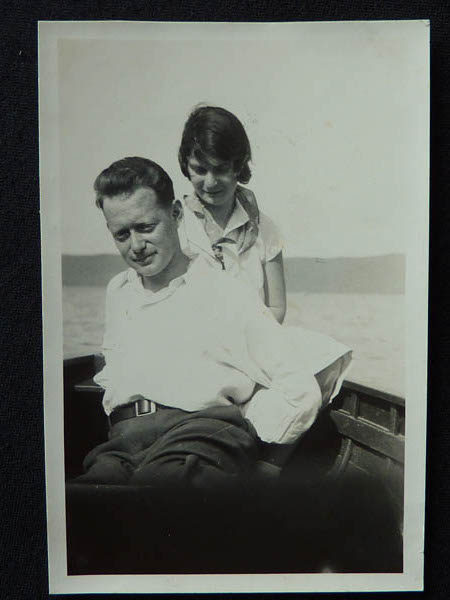
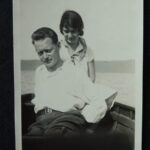
Ann Kirk: Parents in their boat
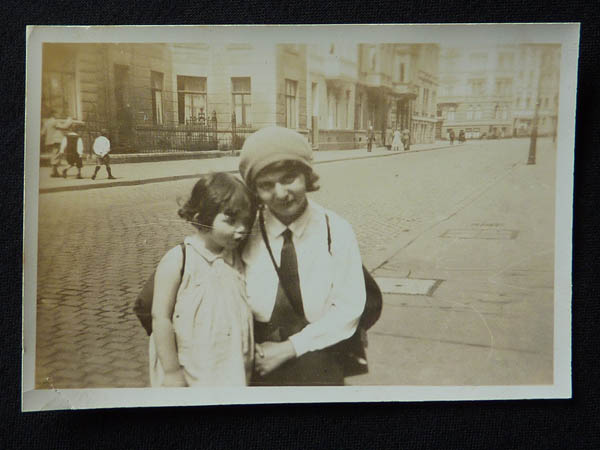
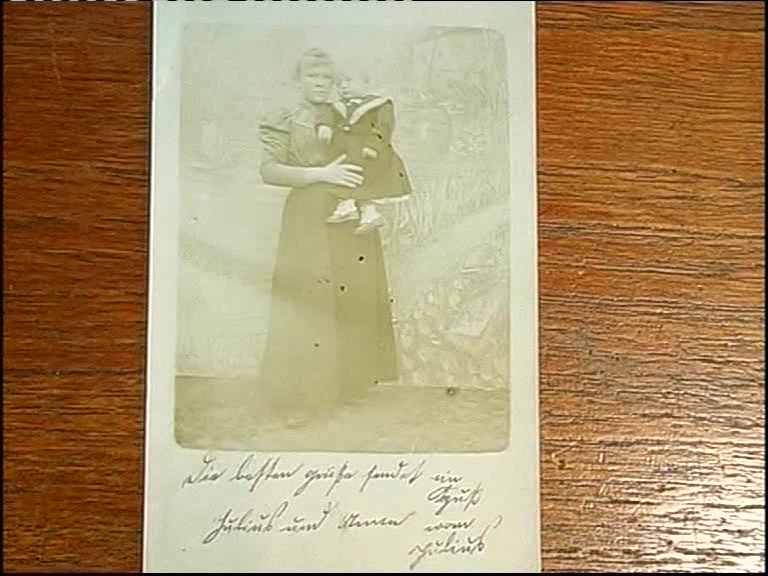
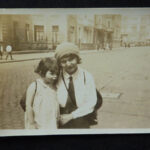
Ann Kirk: With mother
Ann Kirk
Born Hannah Kuhn 1928 in Berlin
Born: 1928
Place of Birth: Berlin
Arrived in Britain: 21/04/1939
Interview Number: RV240
Experiences: Kindertransport , Sailed on the SS Manhattan , With Foster Family
Interview Summary
Born Hannah Kuhn 1928 in Berlin. She was raised in Cologne, Cottbus, and Berlin. Her father was a business man who retrained as a chiropodist and an amateur cellist. Ann came on the 21st of April 1939 on a Kindertransport. She travelled on an American ship, ‘The Manhattan’ which sailed from Hamburg to Southampton. She was taken in by two Jewish sisters who were very active in the Liberal Synagogue in St. John’s Wood, Millie and Sophie Levy, who she stayed close to all her life. Ann was first sent to a Boarding school but did not like it. When war broke out she was evacuated to Berkhamsted and joined South Hampstead High school. She married Bob Kirk in 1950 and they raised two children. Ann went to the London School of Printing and became an editor. Like her husband Bob, she was involved in Liberal Judaism all her life and is an active Holocaust speaker and educator. Her parents were deported in 1942 and killed in Auschwitz.
Place of Birth
They [their two sons] knew we had come as children from Germany. We didn't talk to them at all until the first time we talked at Northwood Synagogue, when David was in the audience, and people asked him afterwards, “Did you know that?” And he said, “No.” We knew they’d come from Germany as children, and we knew we were different because when we went to birthday parties, there were uncles, aunts, cousins. When we went, and we had our own birthday parties, there were just the aunts.
I was hoping, and so on. Mrs. Henriques, Basil's wife, went around the camps. And she had a list with her of all their various friends and people for her to look out for. She never found any sign- any sign of Franz or Hertha Kuhn. So, you know, eventually you adjust. You accept it. Because what else can you do? A silence- you know, for years I dreamt there they'd be at the door.
Well, the date came for my departure, which was the 19th of April 1939. We went to the station, by underground, my parents looking at me as if they couldn’t take their eyes off me. Normally one of them would have sat next to me for a good cuddle. When we got to the station, there were hordes of parents and children, all crying. But we three, we kept up a pretence: “Oh! What an adventure you're going on Hannele. You're the pioneer. We will be joining you as soon as our papers are in order.” And then a whistle went for the final goodbye. And as Mum and Dad hugged and kissed me, they said I should look out of the train window at the next station but one. Well, I did this. And do you know, there were my parents on the platform, waving to me, as if their arms would drop off. But that was the very last time I ever saw my parents.
You know, one of the things that made one both sad and happy, as you walked around, you saw ‘lifts’, called- they were called ‘lifts’. The big storage moving vans, and they were called ‘lifts’. And you knew that some other lucky person had manage to get out. So you know, we were a bit envious, when you passed a ‘lift’. Good- good for them, but it- how we wish it was us.
Oh, I think it makes you more resistant. I think you become stronger. I think you're able to cope with emergencies or catastrophes better. I think it definitely does something to your character. It makes you more determined. It makes you more determined to get on in life and see goodness in life.
Everybody, whatever colour, whatever faith, whatever background, everybody is a human being and deserves to be treated as a human being with respect and dignity. That's the last message. You see what can happen when respect breaks down, when prejudice comes in, when hatred comes in. Never, ever think bad of anybody because they look different, or because they act differently. Everybody is human.
We were only allowed one little suitcase that we could carry. But my goodness, what my parents packed into it. Three books. One on Berlin, one big dictionary and one photos of Max Lieberman's pictures. And then, as I say, about three books, a photo album, and a change of clothes.
And then, on November the 9th I was in bed, and I was awakened with Mum, and Dad and the cousins rushing around, very agitated. When I asked what was up I was told, “Oh, just go back to sleep Hannele.” Hannele was my nickname. “Oh, go back to sleep Hannele.” Well, of course I couldn't. Well in the morning, Mum told me we wouldn't be sleeping with the cousins that night. Across the courtyard, into the street, and what did I see? Glass absolutely everywhere. Windows shattered. Nazi- “Jews” jeering, smearing graffiti on the pavements, on the shards of windows left. Jewish men, including Mum's cousin, on their knees sweeping up the glass, boarding up the windows. And do you know, the police were just standing around doing nothing? Well, during the day, we moved around constantly, walking, on the buses, on the underground. When I asked my Dad why we were on the move the whole time, he told me that on the night many men had been arrested, and synagogues had been burned, and shops and homes were also vandalised and burned. And of course, as Jews have a synagogue in each district, as we walked from district to district, I saw very many of the synagogues burning. And you know, that's a nightmare with me even to this day: the burning synagogues.
REFUGEE VOICES is the AJR’s groundbreaking Holocaust testimony collection of filmed interviews with Jewish survivors and refugees from Nazi Europe who rebuilt their lives in Great Britain.
The copyright of personal photos and documents on the site is held by each interviewee and may not be reproduced without their permission. Please contact the AJR if you would like to use any of the images and documents.