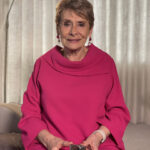
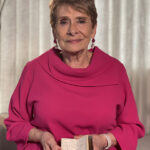
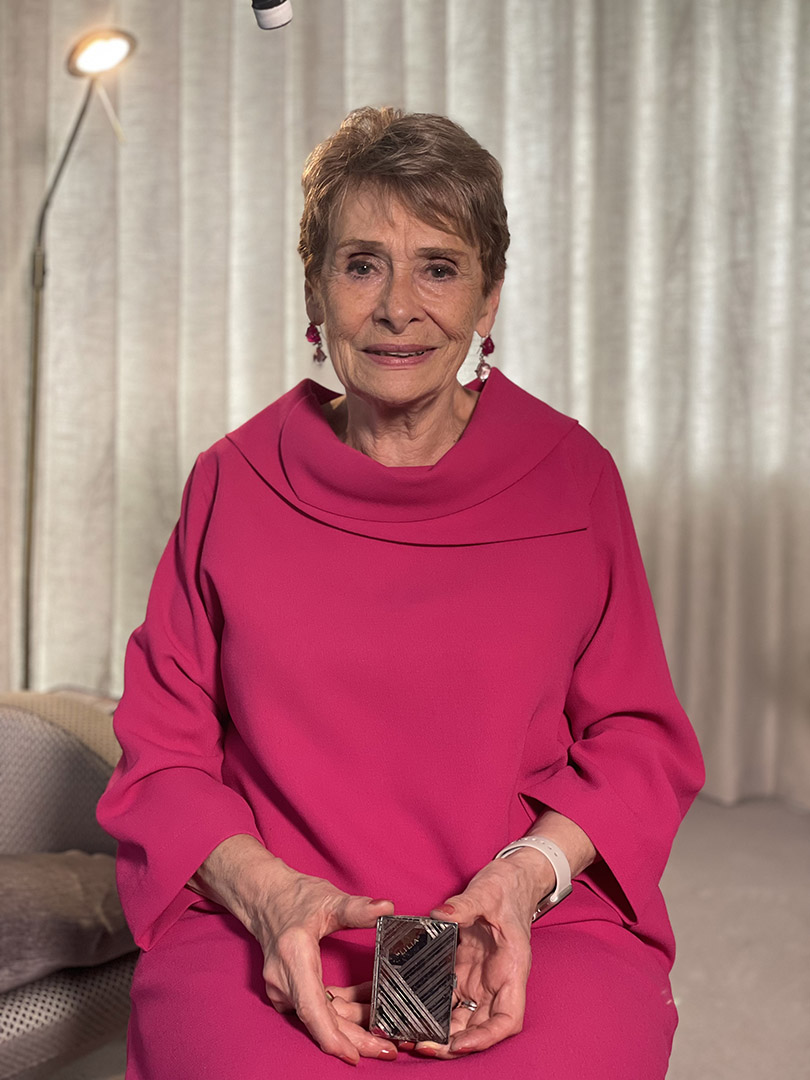
Annick Lever: With mother's diary
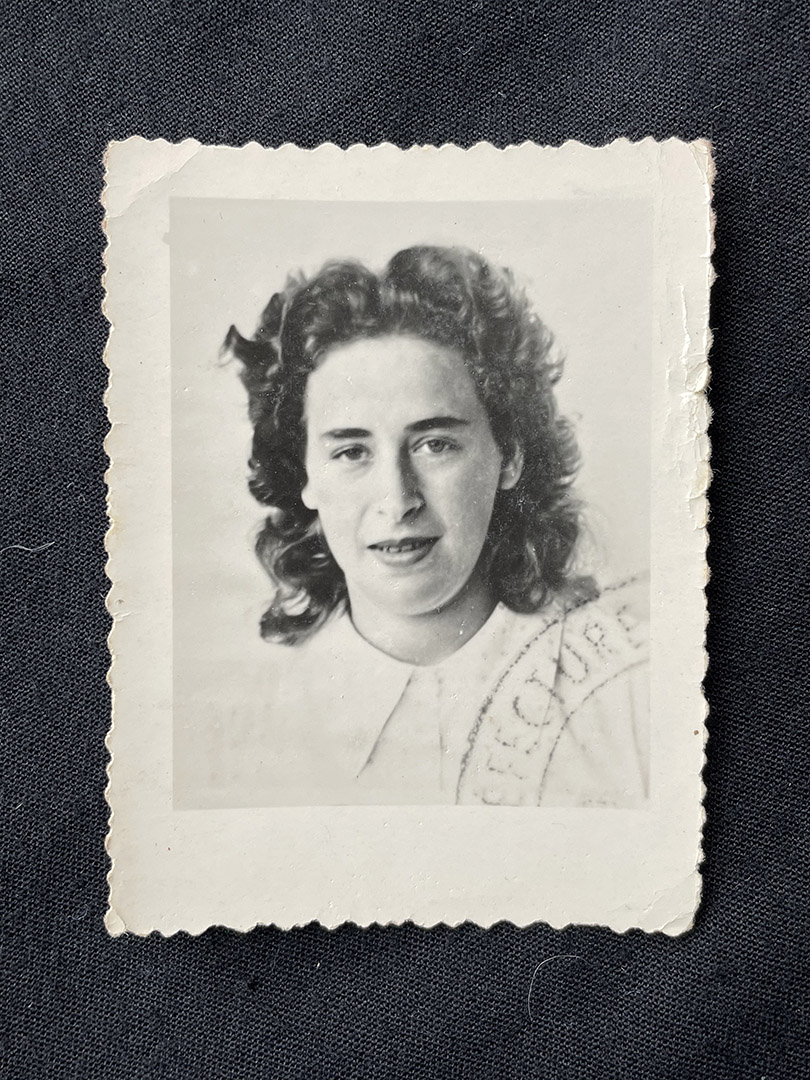
Annick Lever: Aunt Marcelle Foks
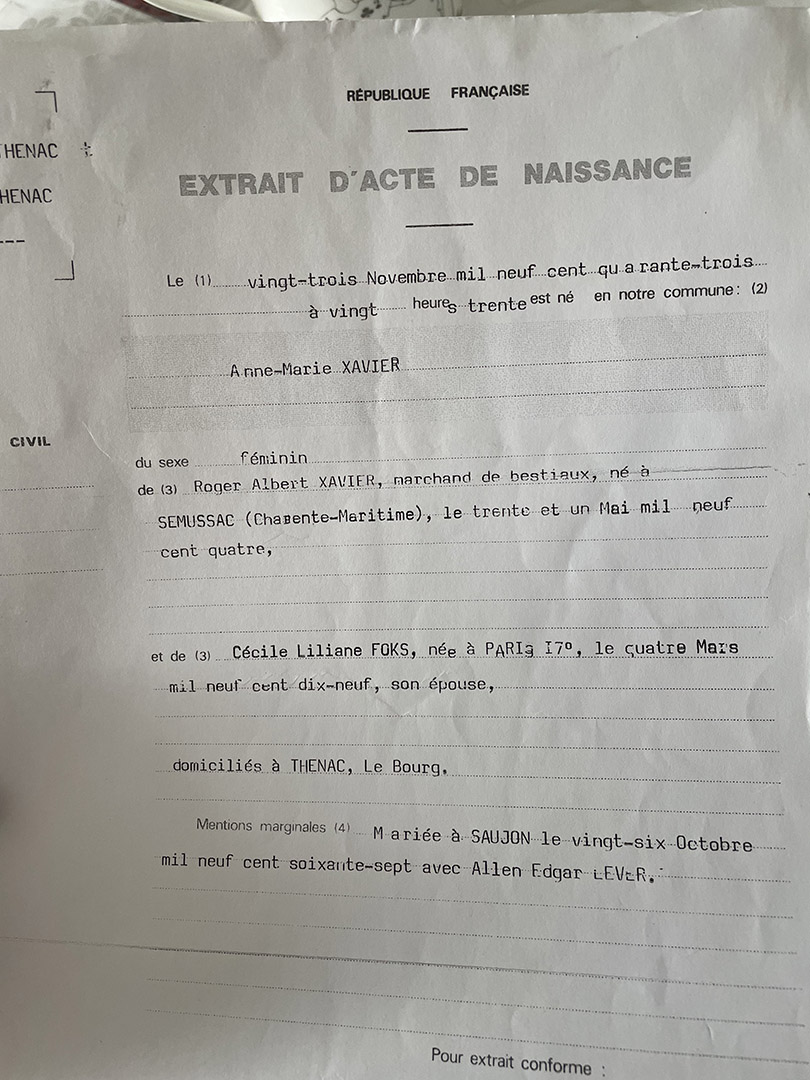
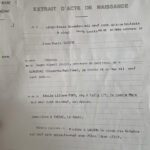
Annick Lever: Birth certificate
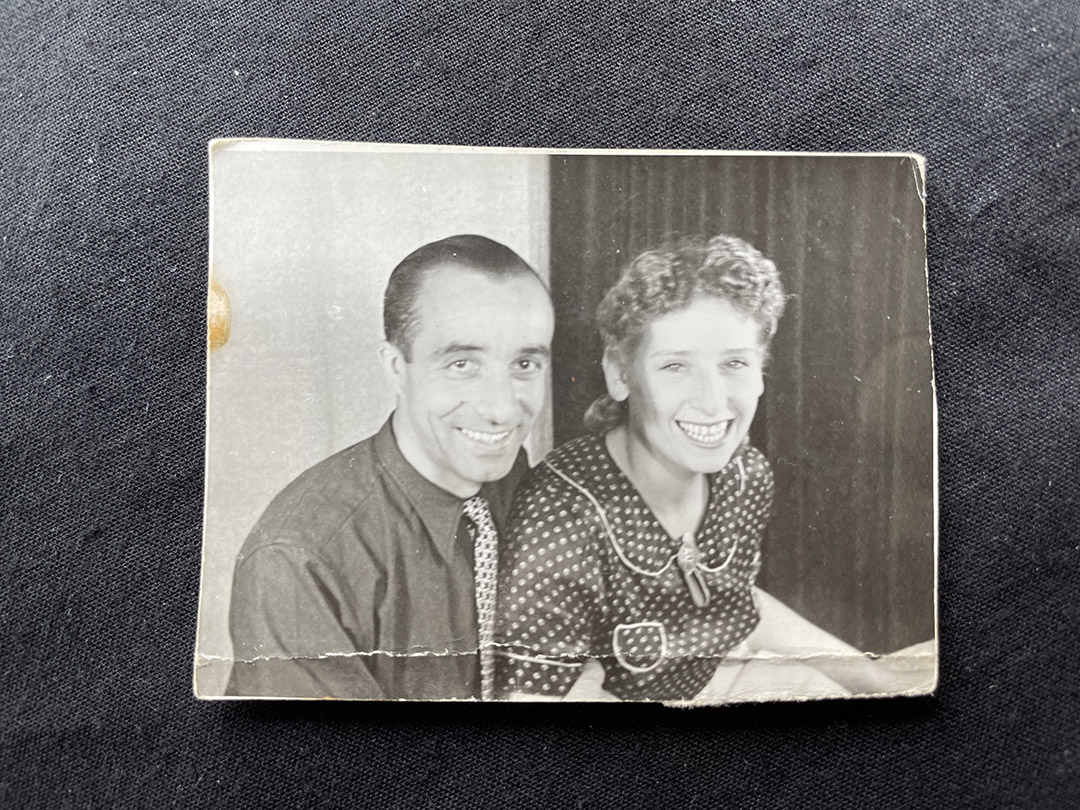
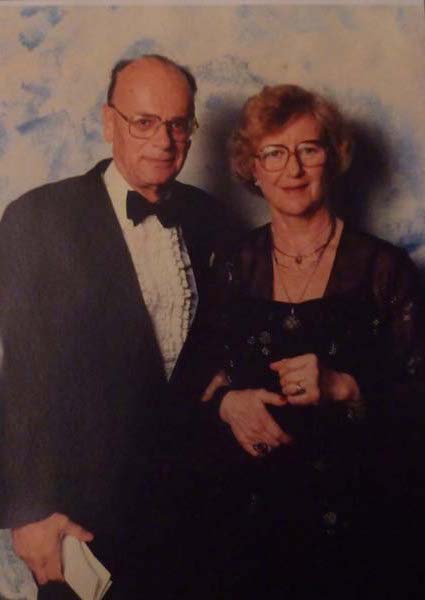
Annick Lever: Parents Pierre Xavier and Liliane nee Foks
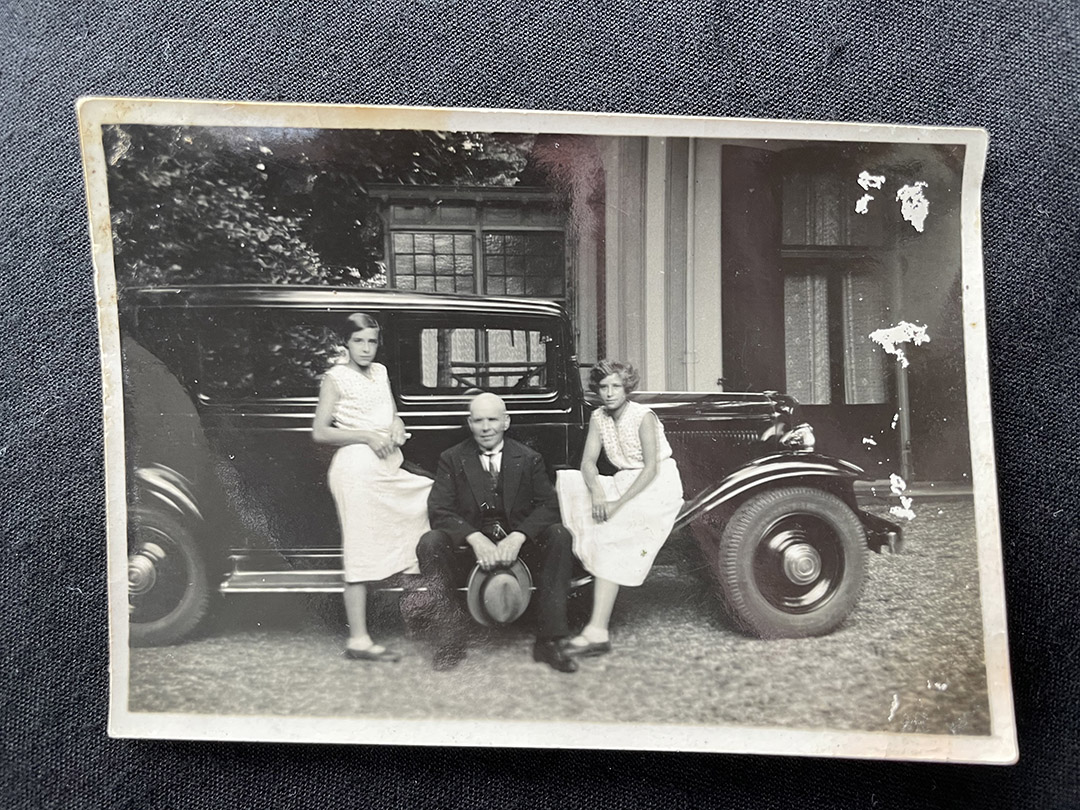
Annick Lever: Aunt Marcelle
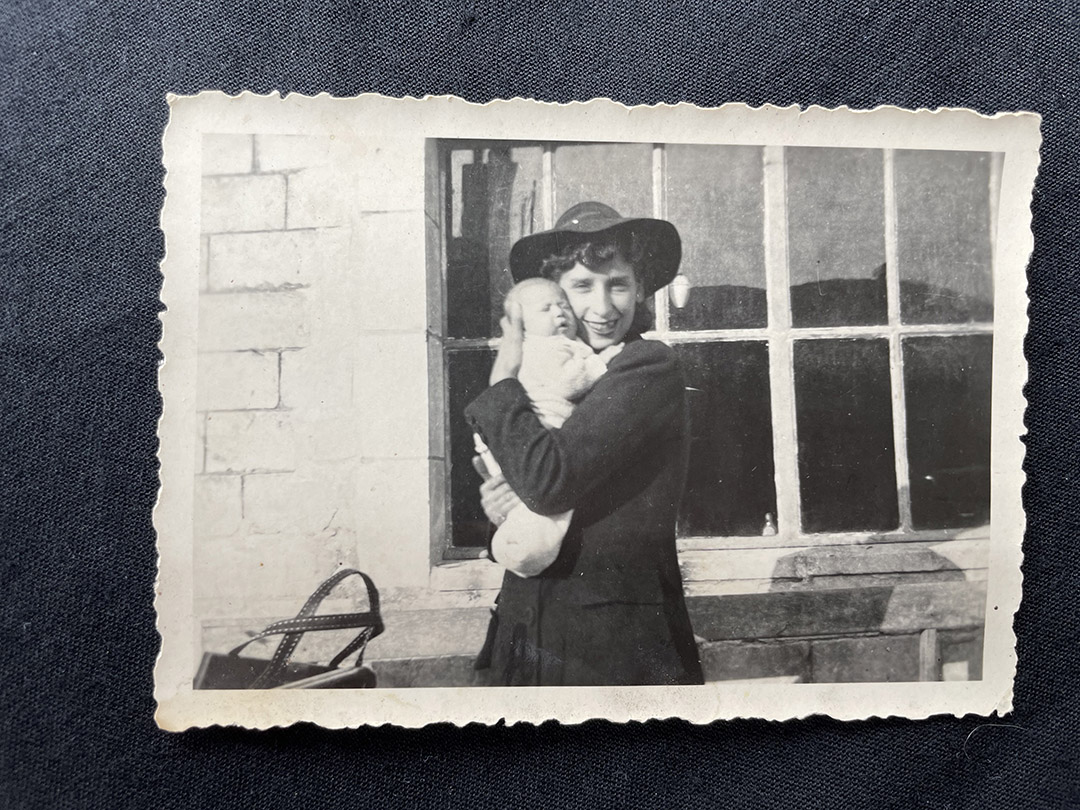
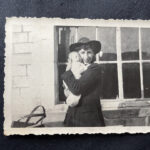
Annick Lever: Mother Liliane Xavier nee Foks holding her niece Marie-Claire [maybe in Royan]
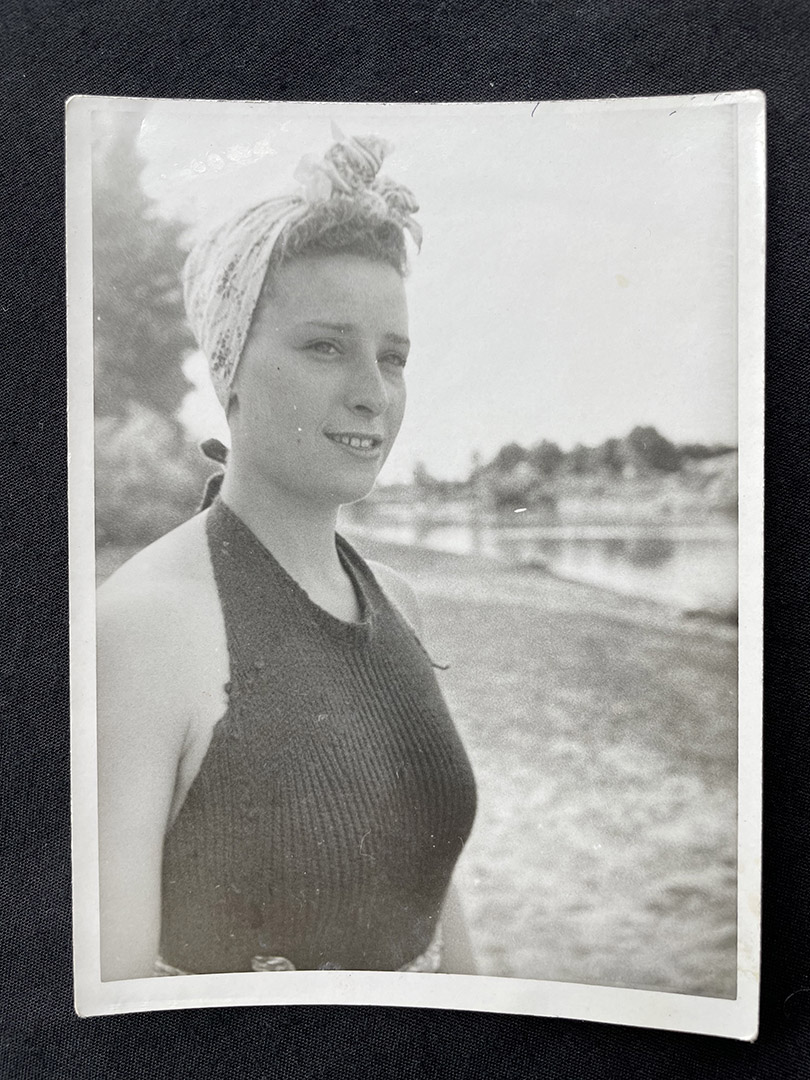
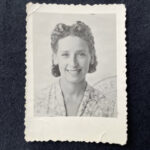
Annick Lever: Her mother Liliane
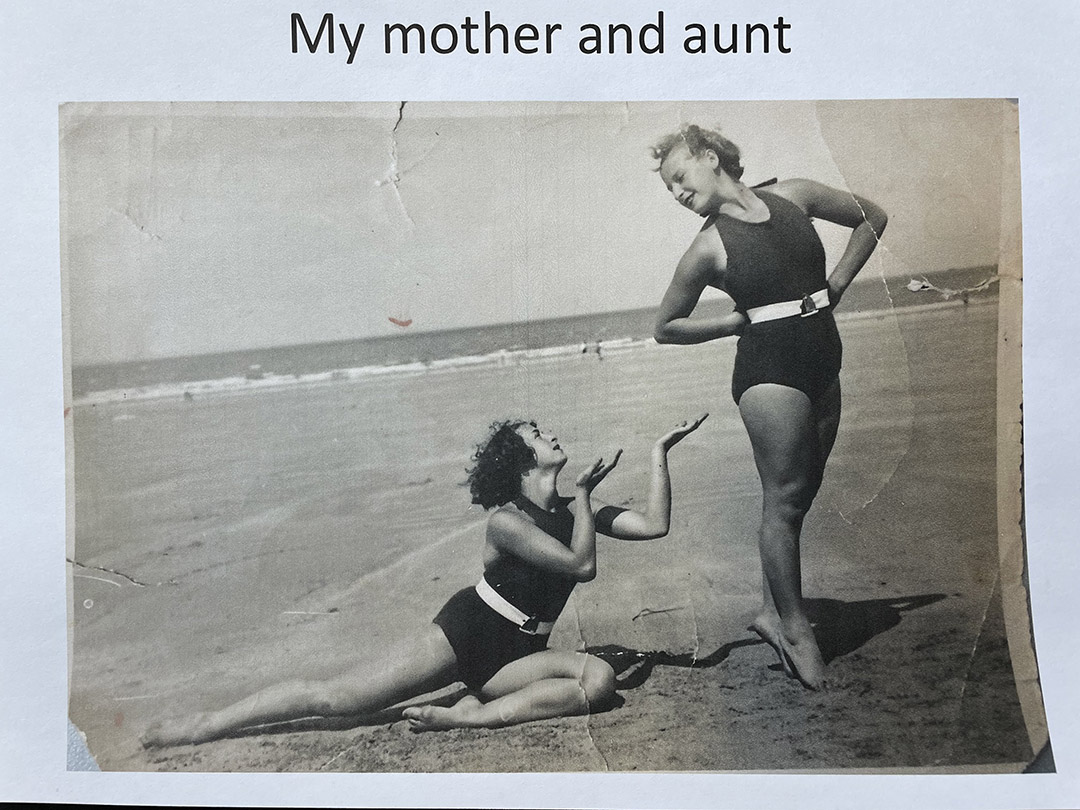
Annick Lever: Aunt Marcelle
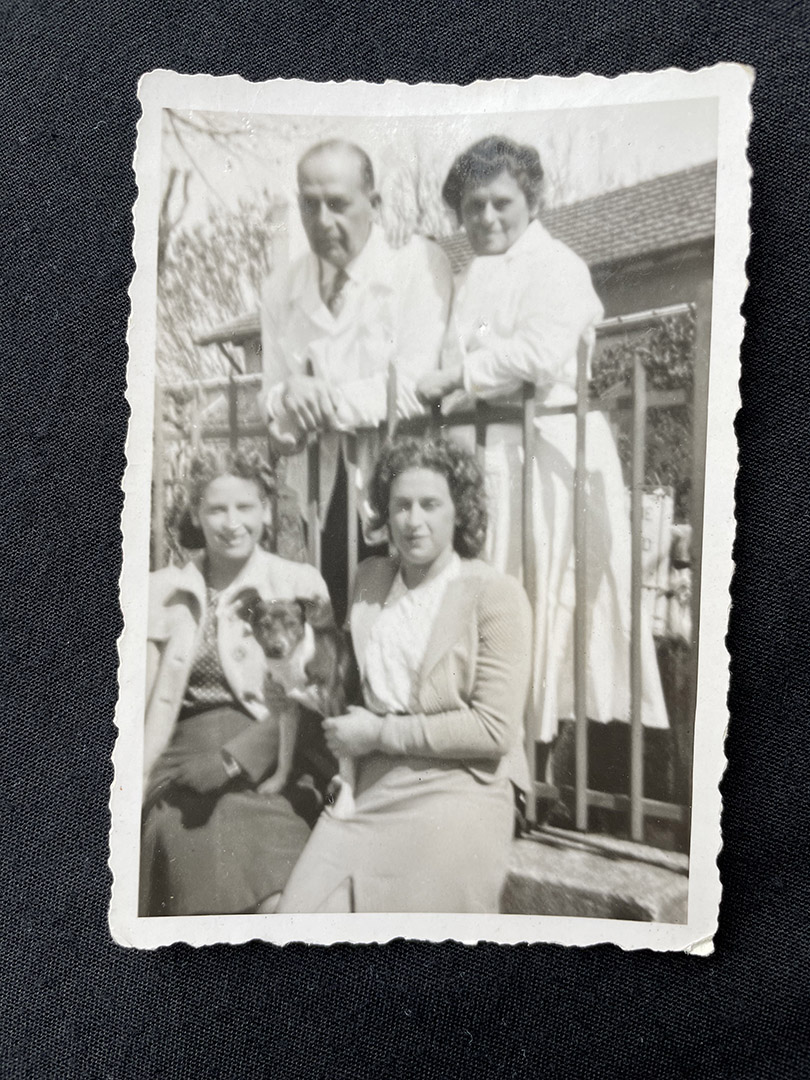
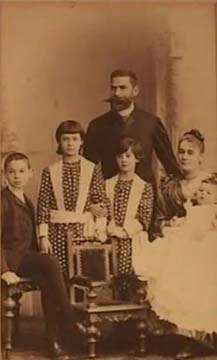
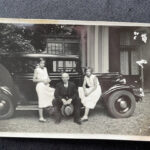
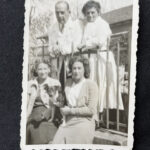
Annick Lever: Grandparents Jacques and Ellen Foks with their daughters Marcelle and Liliane (AL's mother)
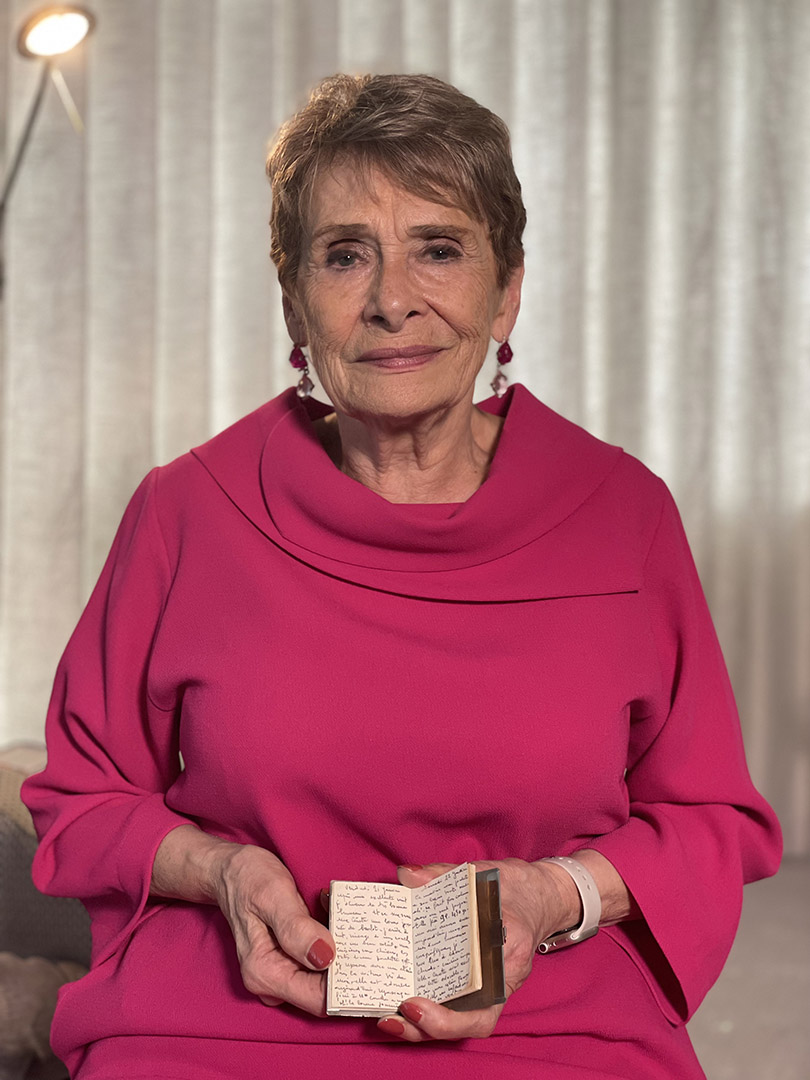
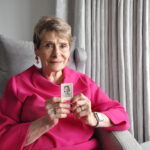
Annick Lever: With mother's diary
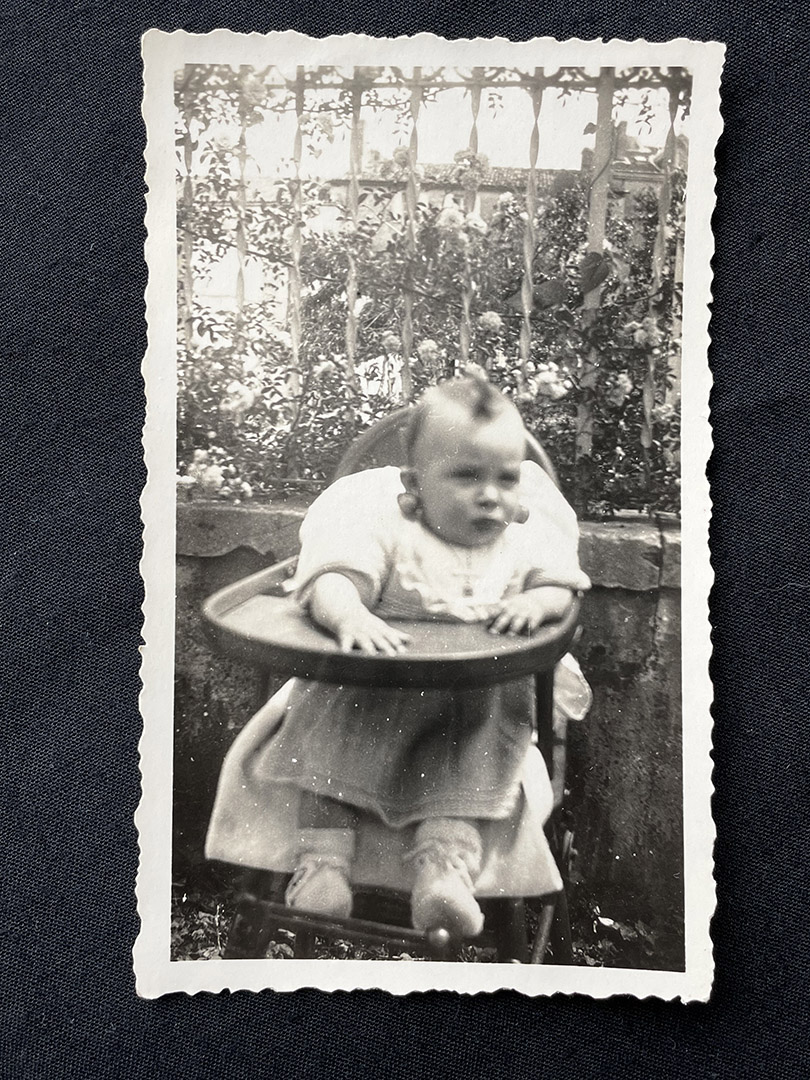
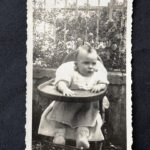
Annick Lever: As a baby of seven months
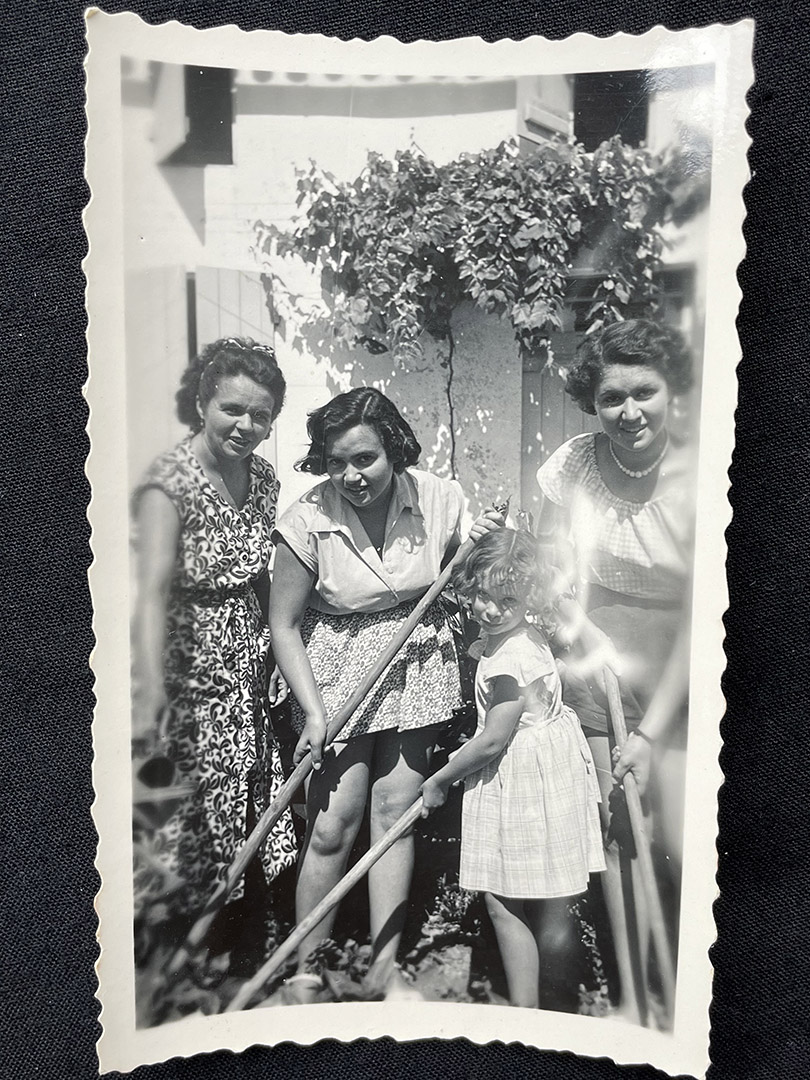
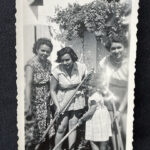
Annick Lever: With her foster mother Mimi and her daughter Claudie on holiday
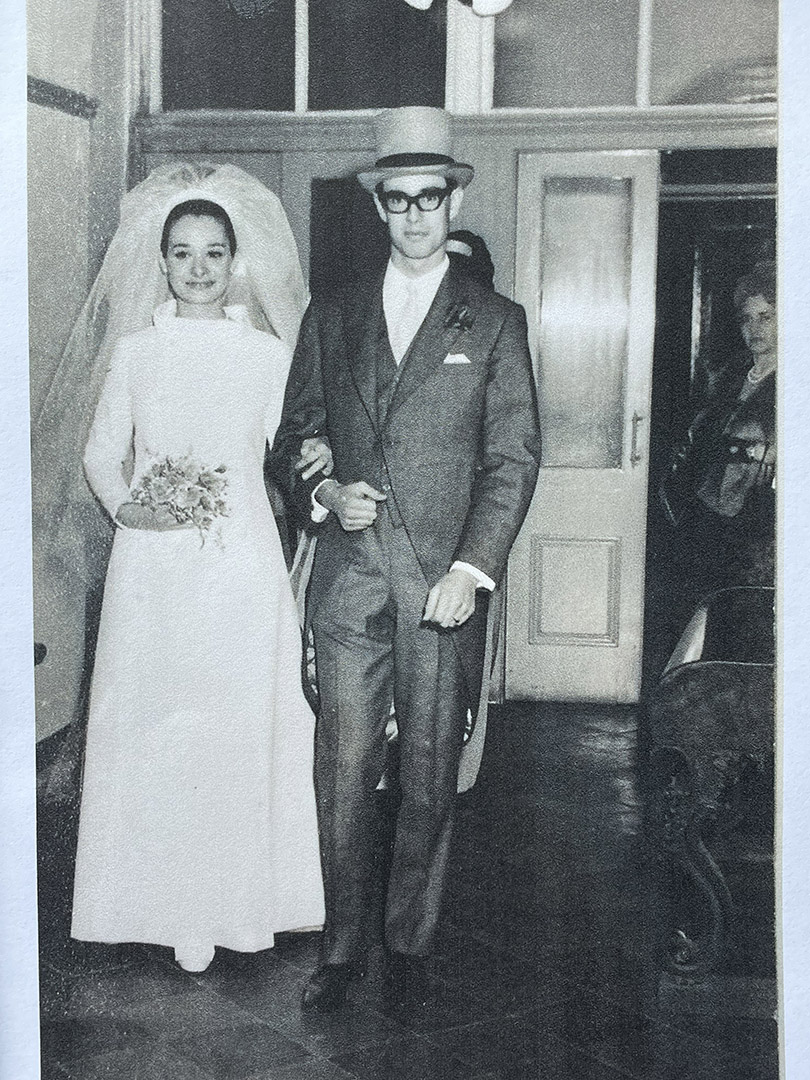
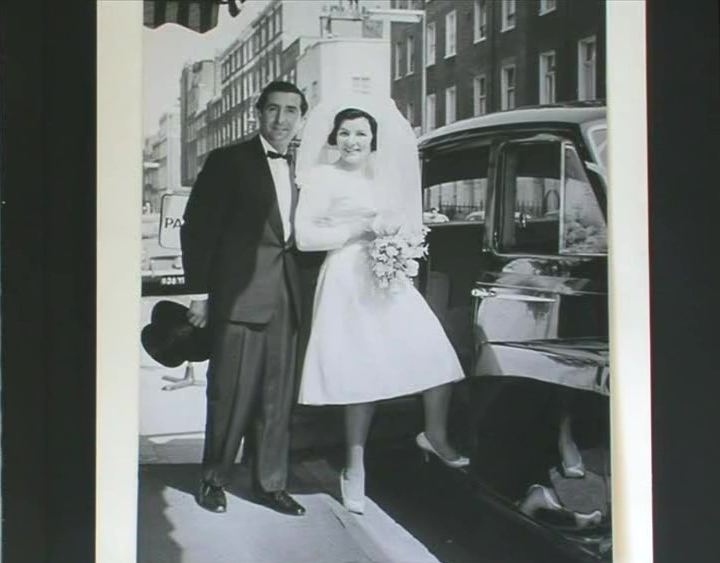
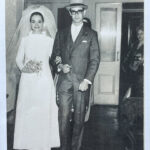
Annick Lever: On her wedding day
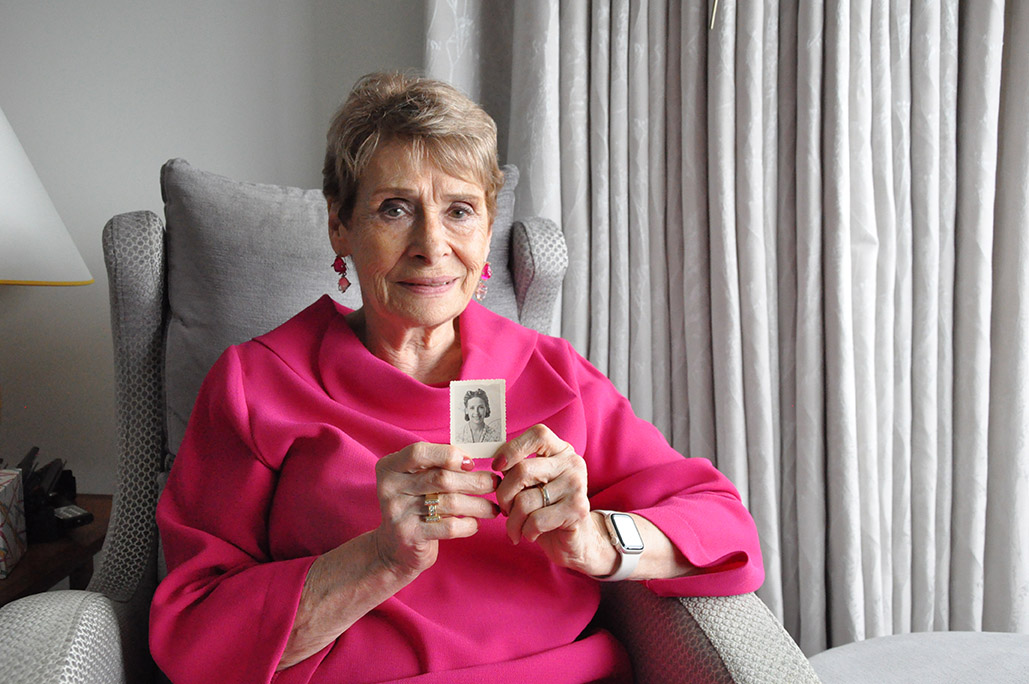
Annick Lever: May 2022
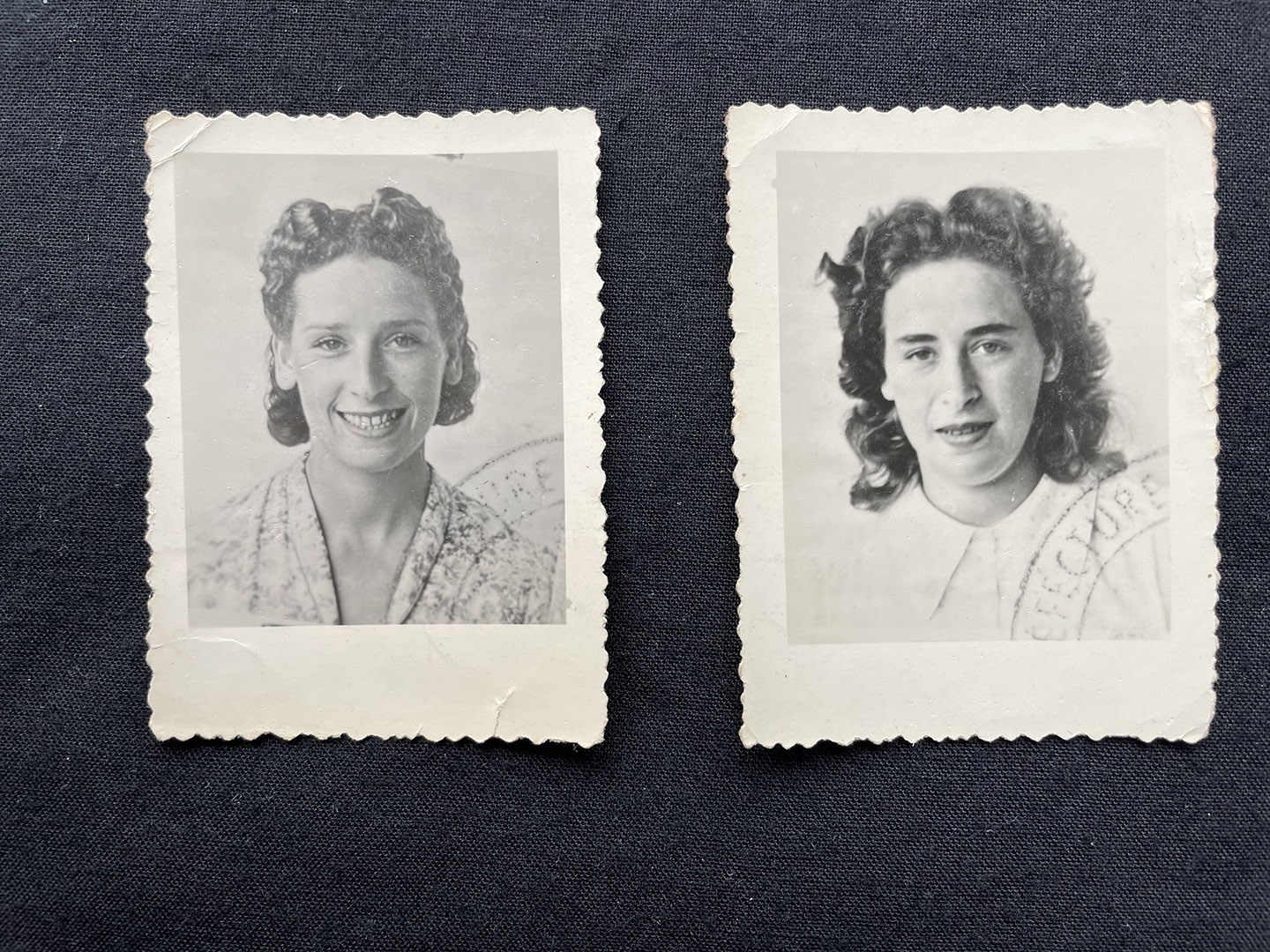
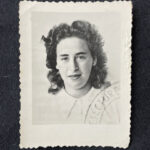
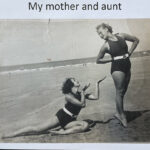
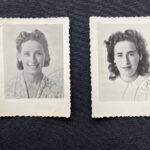
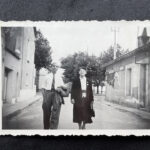
Annick Lever: Mother on the left and aunt Marcelle on the right. "I believe they were taken to create the false identity cards."
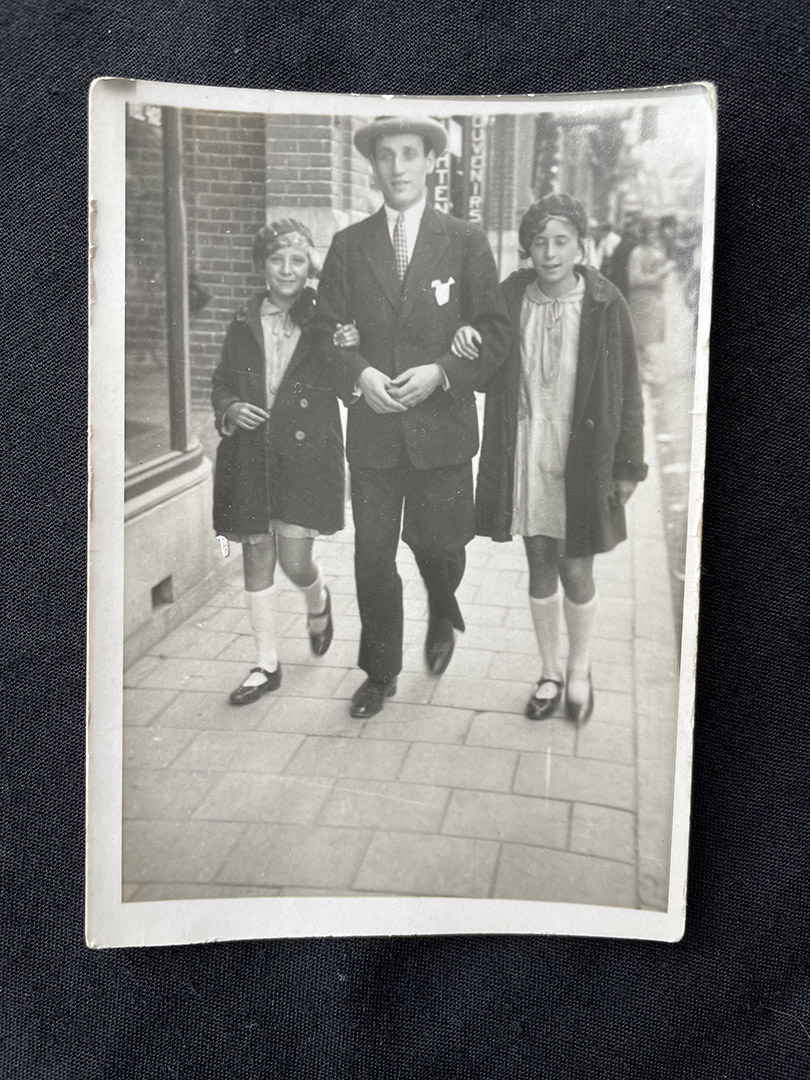
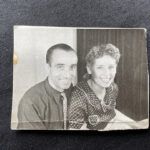
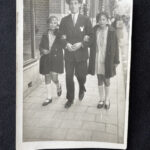
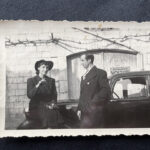
Annick Lever: Uncle Karl van Damme with Annick's mother Liliane and mother's sister Marcelle
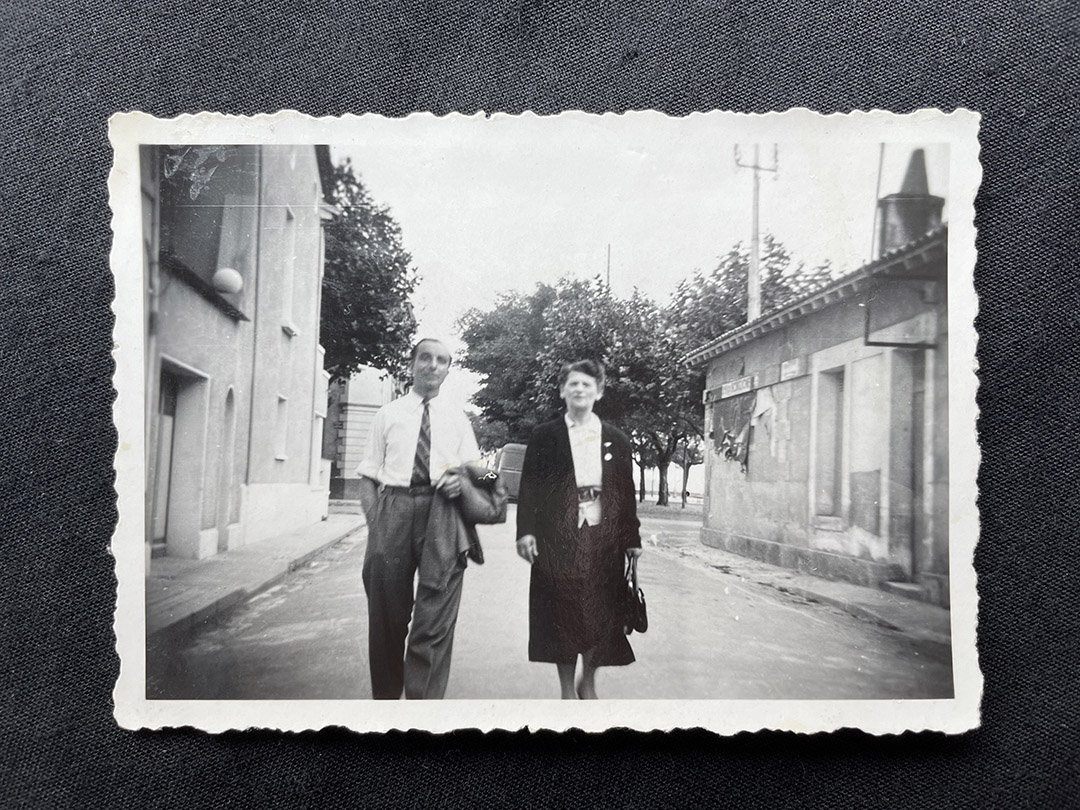
Annick Lever: Father Pierre Xavier and maternal grandmother Ellen Foks
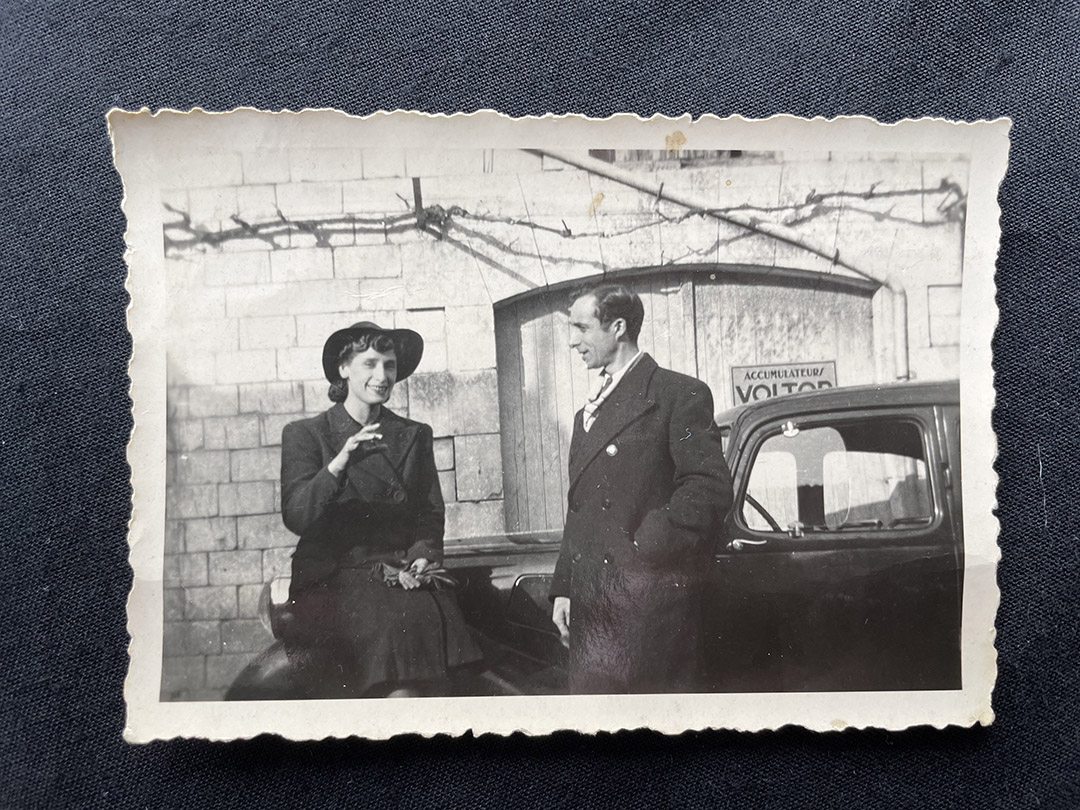
Annick Lever: Parents Pierre Xavier and Liliane Foks in Thenac
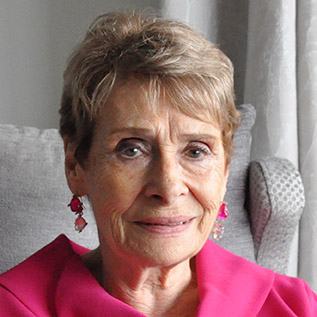
Annick Lever: May 2022
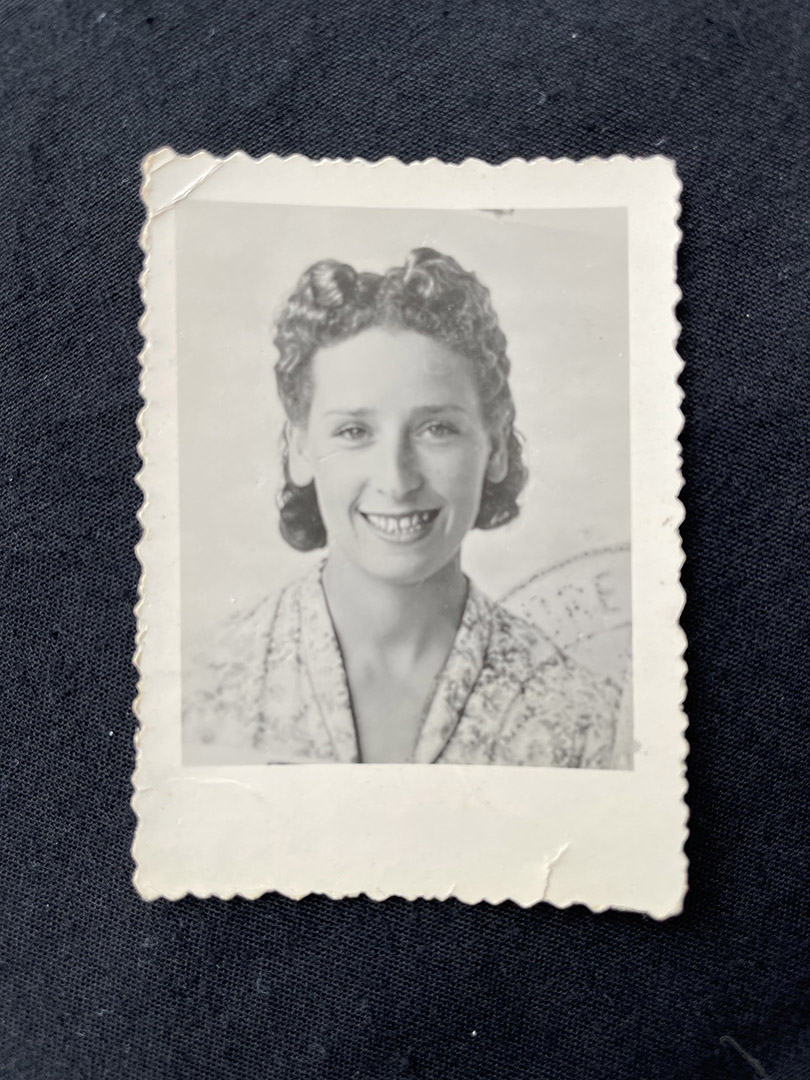
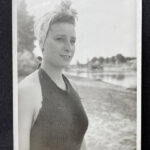
Annick Lever: Mother Liliane Foks
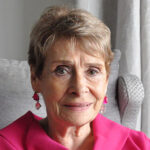
Annick Lever
Annick Lever was born in November 1943 in Nazi-occupied France to a Jewish mother and a Catholic father
Born: 1943
Place of Birth: Thénac
Arrived in Britain: 01/08/1963
Experiences: Unaided Emigration
Interview Summary
Annick Lever was born in November 1943 in Nazi-occupied France to a Jewish mother and a Catholic father. In the summer of 1939, Annick’s mother, her mother’s sister and her grandparents left Paris to holiday in the south of France, where Annick’s mother met her future husband, who was not Jewish. They remained there following the outbreak of the Second World War in September 1939. Life became very difficult for French Jews after the German invasion in 1940. Annick’s family had to register, declare all their possessions and, from 1942, wear a yellow Star of David on their clothing. Their identification papers were stamped with the word ‘Jew’.
In January 1944 Annick, along with her mother, aunt, baby cousin and grandparents, were taken to the local prison and kept there pending deportation to Drancy. Her father, along with some friends, as a non-Jew and a member of the Resistance, was able to smuggle Annick and her baby cousin out of the prison. The rest of the family were transported and were taken from Drancy by cattle train to Auschwitz-Birkenau on 10th February. They did not survive and later Annick learned that her mother died on the journey.
After the war, Annick was brought up in a small town in south-west France by a Catholic family. When she was 17, she went to Amsterdam to meet with her mother’s surviving sister. This led to her learning about her Jewish heritage and her family’s experience during the Holocaust. She came to Britain in 1963 as an au pair and met her husband, Allen. They live in London and have 2 children and 5 grandchildren.
Additional Comments:
Key words: Foks. La Rochelle.
Place of Birth
I never knew I was Jewish. I was brought up as a Catholic. My father was Catholic, and it was agreed actually when I was one that I would be brought up as a Catholic. And one day, I was about eleven years old, long time after the War, I was going with a friend to buy some milk and then suddenly I found myself with a rope round my neck and there were some young boys pulling the rope and calling me ‘dirty Jew.’ I had no idea what they were talking about. As I said, I didn’t know I was Jewish. It was a game for them to remove the rope, went home, never spoke about it. Never asked any questions. And I’m sure you know that I do speak to young people and one of the things I always say to them, ‘Please, please, if you want to know something about your family, don’t wait, ask. When you go home you must ask,’ because I never did, and I would like to know so much more which is very sad really. And for a long time when people – I say, ‘I’m not a survivor,’ because for me I was not a refugee, therefore not a survivor. And then slowly, hearing other people’s stories and here, you know, realising people were interested to hear what happened, then I realised, ah, maybe they’re right actually, it’s true, I am a survivor. I’m lucky I survived. Had it not been for Mimi maybe at the time, and maybe also my father in all fairness, I wouldn’t be here telling the story because I would have gone on the train as well. So, in that respect I am a survivor.
REFUGEE VOICES is the AJR’s groundbreaking Holocaust testimony collection of filmed interviews with Jewish survivors and refugees from Nazi Europe who rebuilt their lives in Great Britain.
The copyright of personal photos and documents on the site is held by each interviewee and may not be reproduced without their permission. Please contact the AJR if you would like to use any of the images and documents.