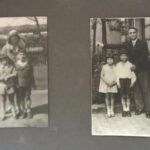
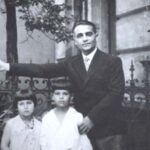
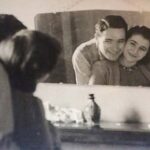
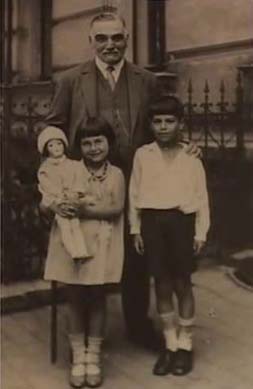
Dorothy Bohm: Dorothy and her brother with their paternal grandfather
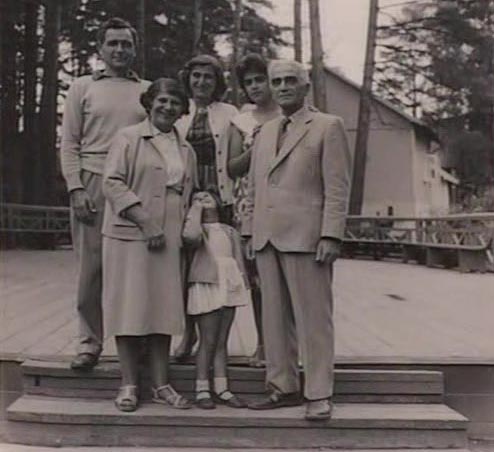
Dorothy Bohm: Parents
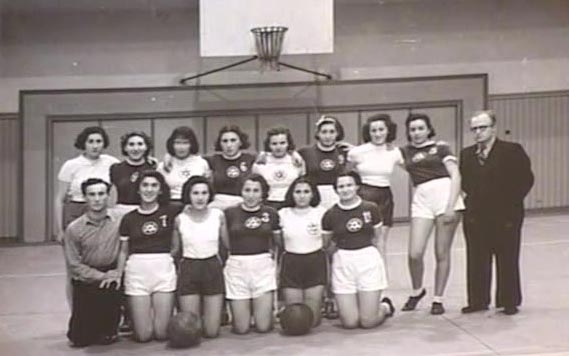
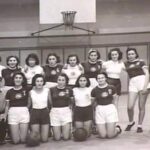
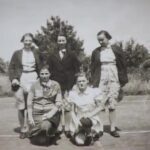
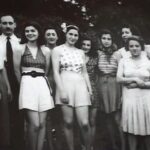
Dorothy Bohm: AS a member of the basketball team of Bar Kochba, ca 1935
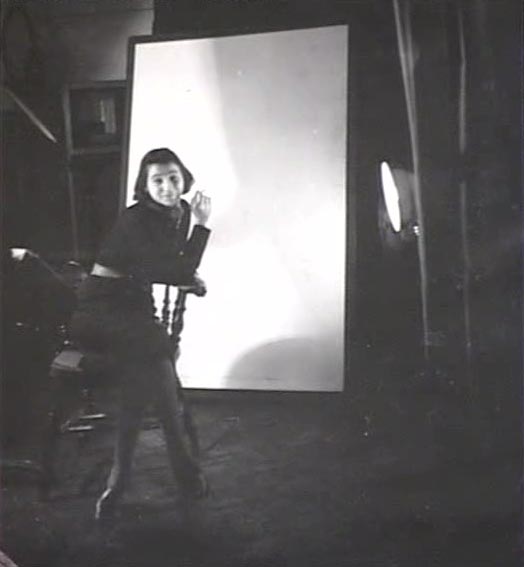
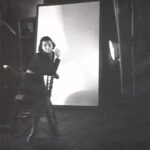
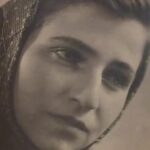
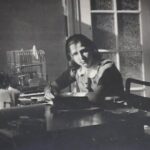
Dorothy Bohm: Self-portrait, November 1945
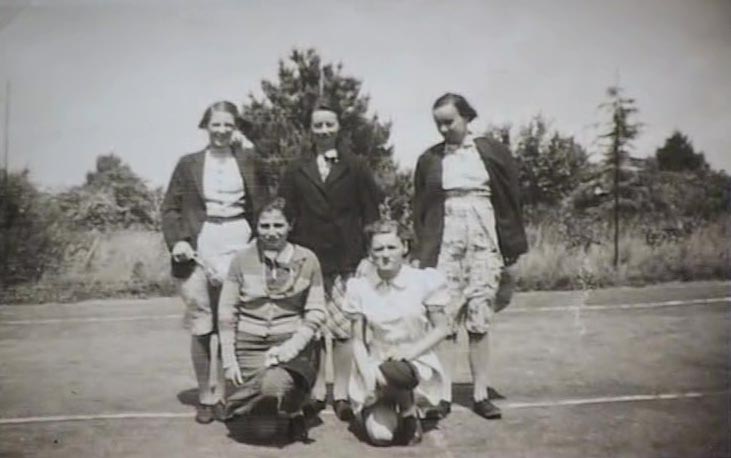
Dorothy Bohm: Location not given
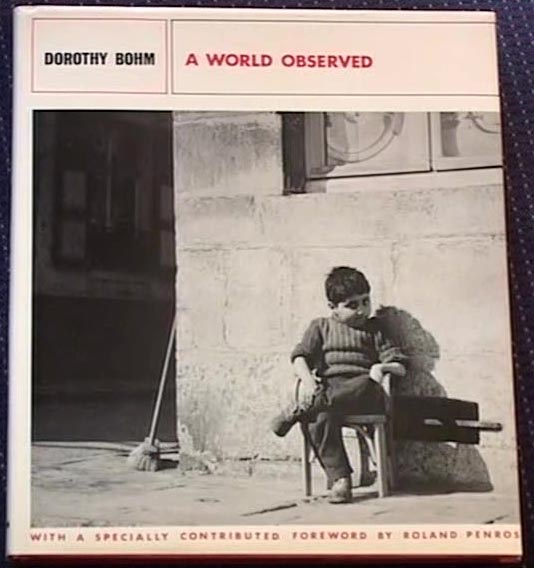
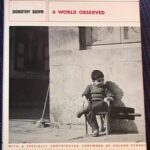
Dorothy Bohm: A World Observed, first edition, Philip Wilson Publishers?, October 1970. The first book of photographs published, with introduction by Sir Roland Penrose.
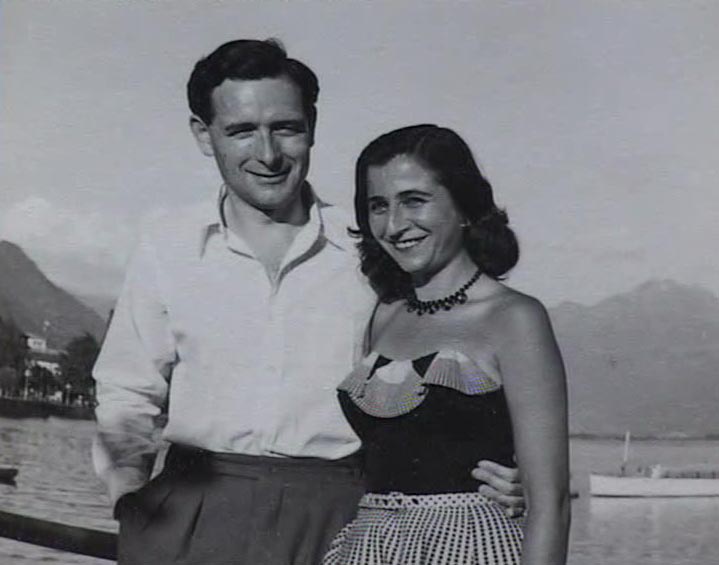
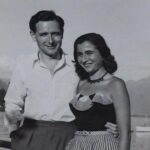
Dorothy Bohm: Lago Maggiore
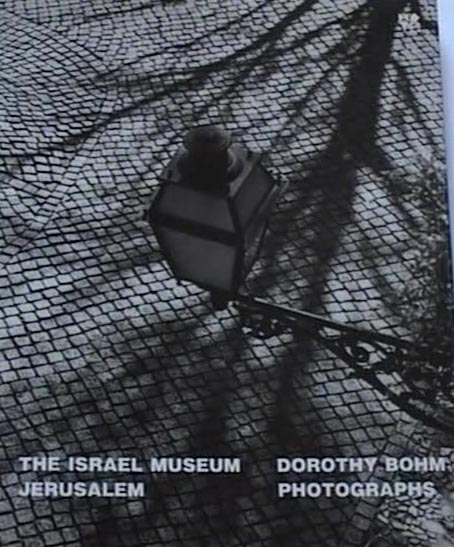
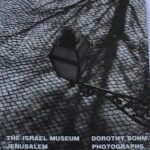
Dorothy Bohm: Catalogue for a photographic exhibition held in Jerusalem
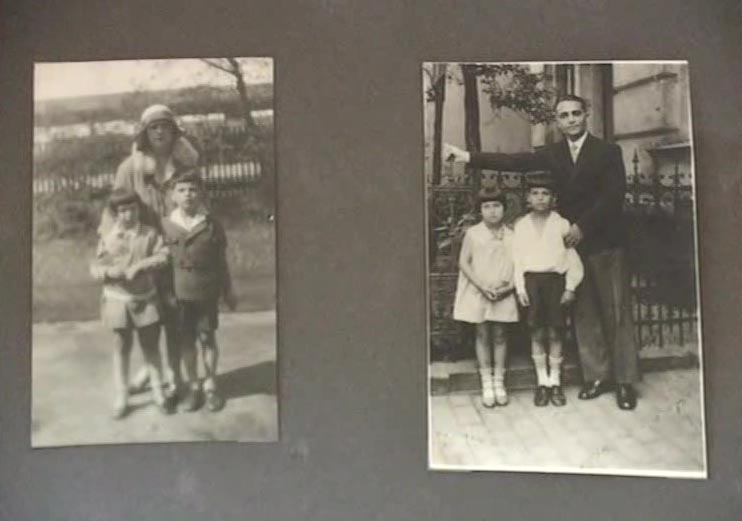
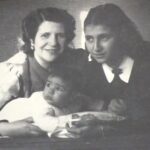
Dorothy Bohm: Photo on left: Dorothy with her mother
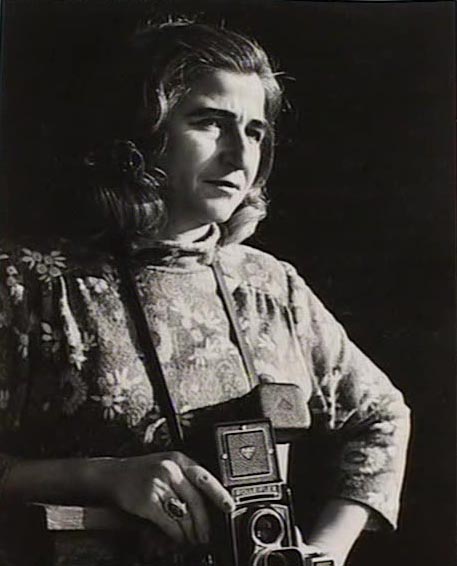
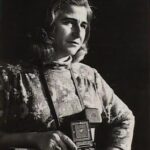
Dorothy Bohm: With her Rolleiflex, 1950s/1960s
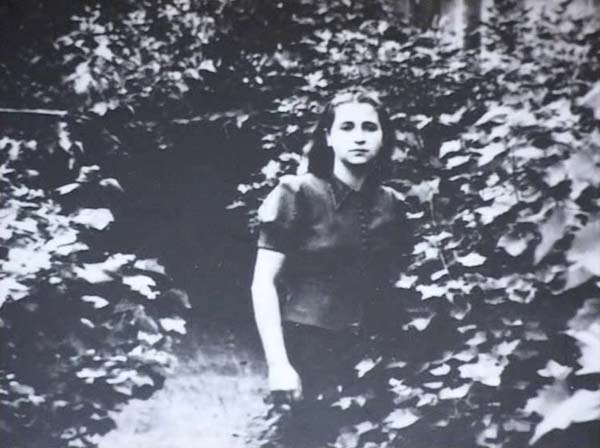
Dorothy Bohm: Dorothy
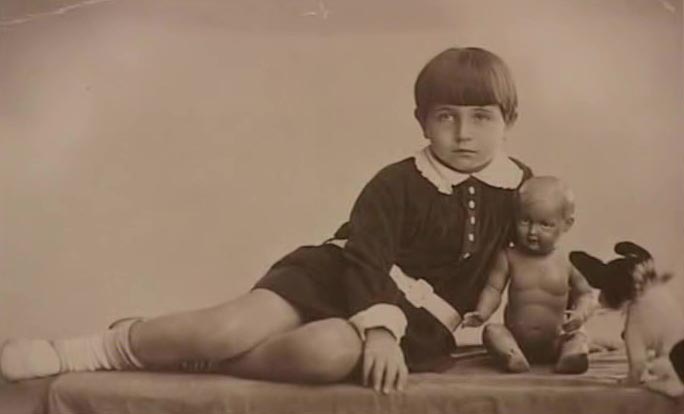
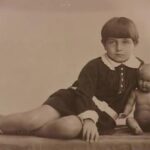
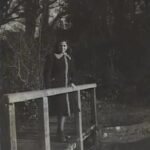
Dorothy Bohm: As a child
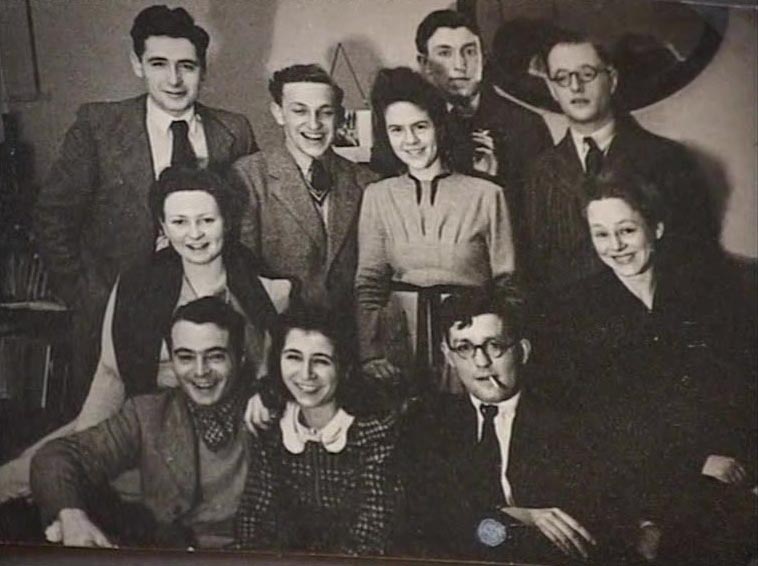
Dorothy Bohm: College of Technology Manchester University
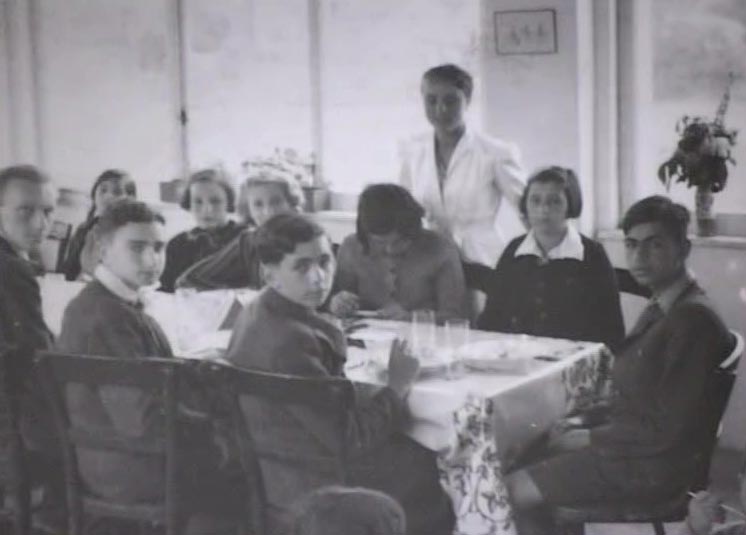
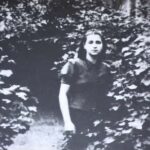
Dorothy Bohm: In Sussex
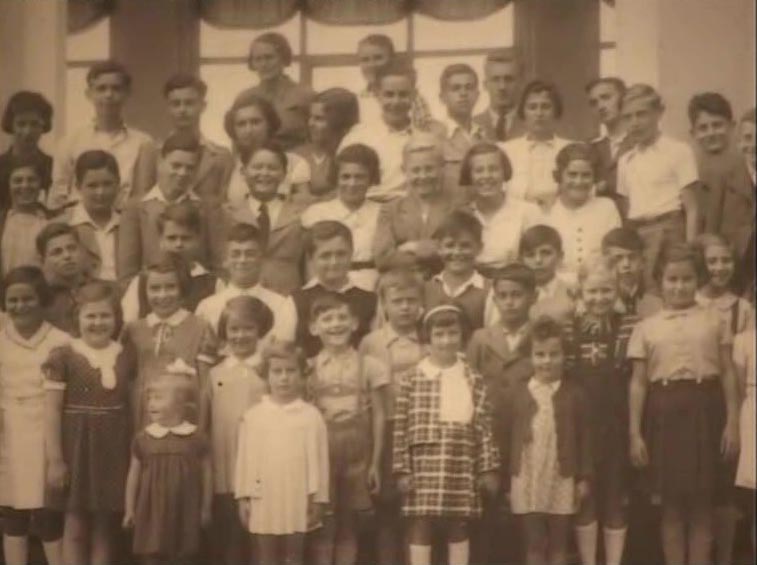
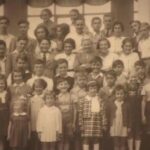
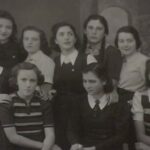
Dorothy Bohm: With and her Jewish classmates, Memel, ca 1938
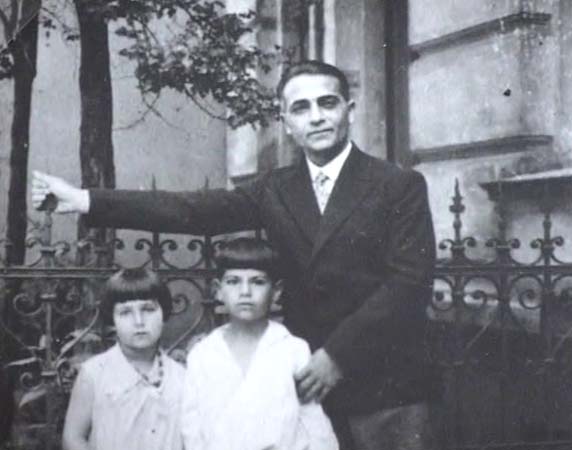
Dorothy Bohm: Dorothy and her brother with their father
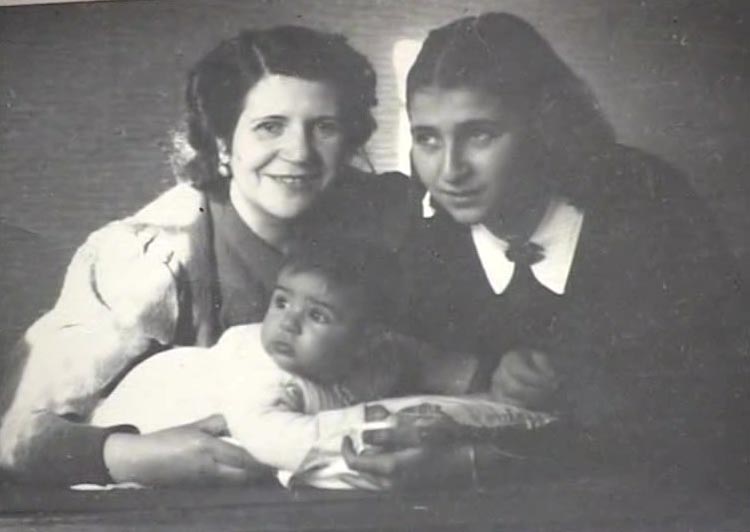
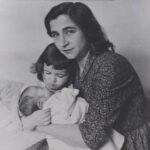
Dorothy Bohm: With mother and sister
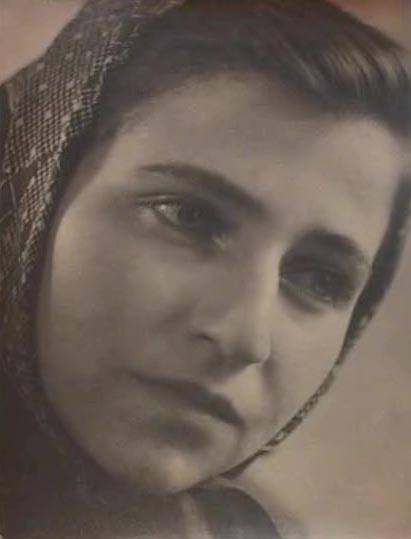
Dorothy Bohm: 1941
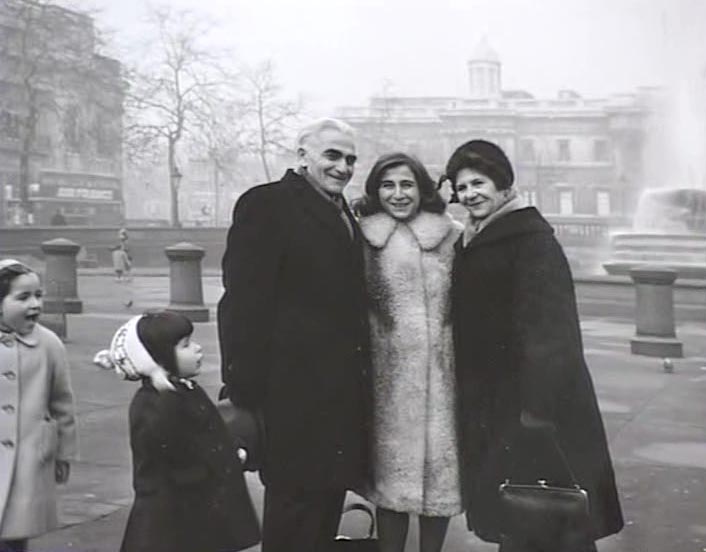
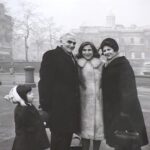
Dorothy Bohm: With parents
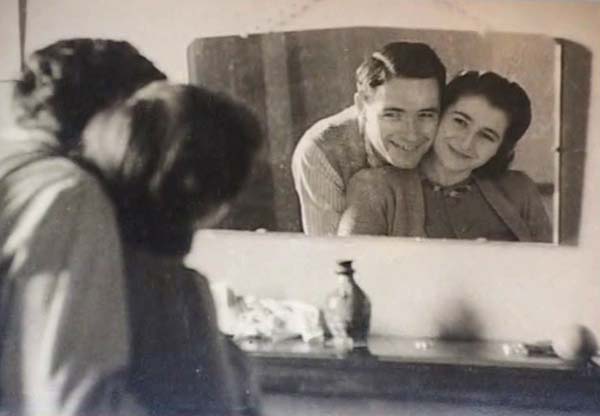
Dorothy Bohm: Self portrait
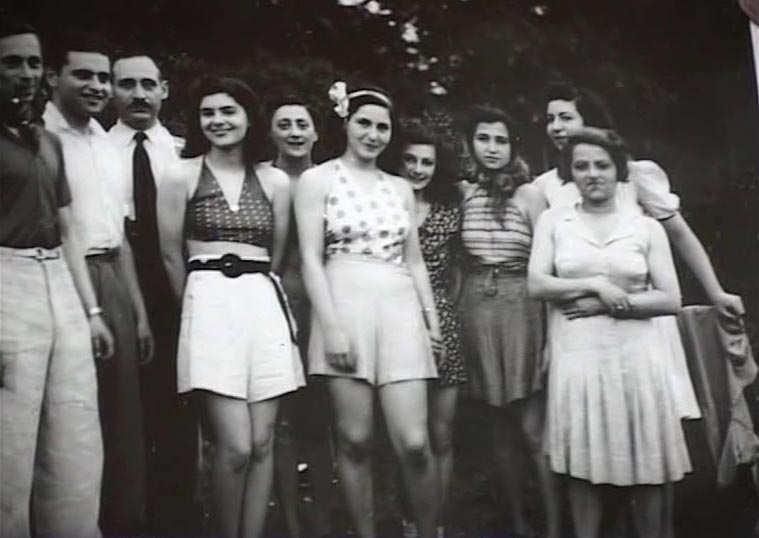
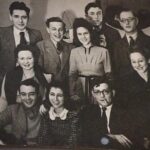
Dorothy Bohm: With group
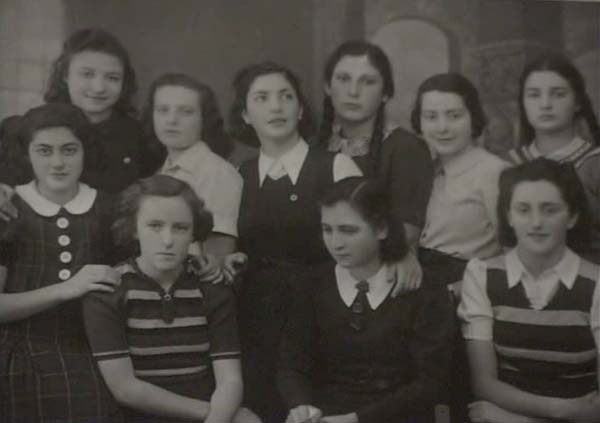
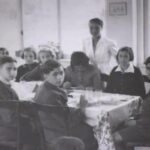
Dorothy Bohm: Jewish girls in Lycée. Dorothy is at front looking down
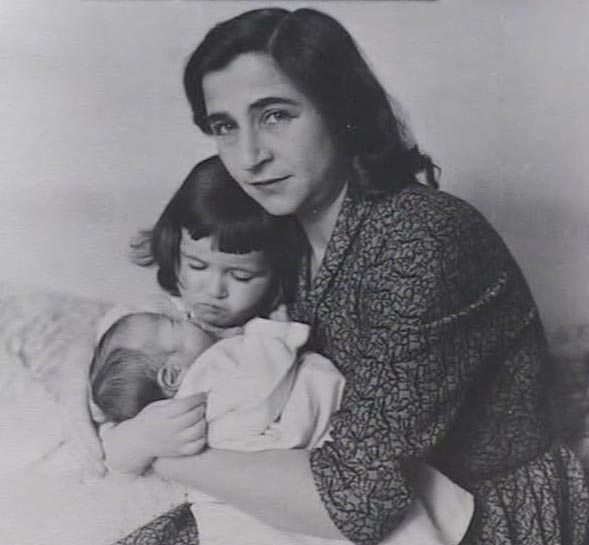
Dorothy Bohm: With daughters Monica and Yvonne. 1950s
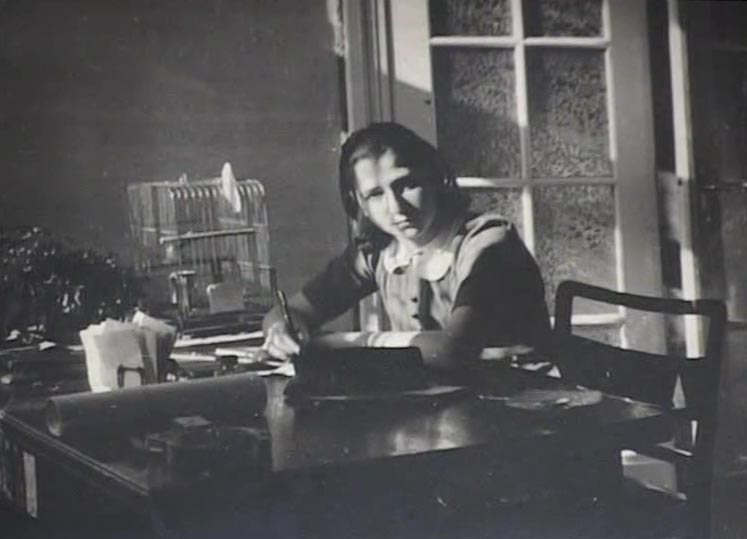
Dorothy Bohm: In family apartment
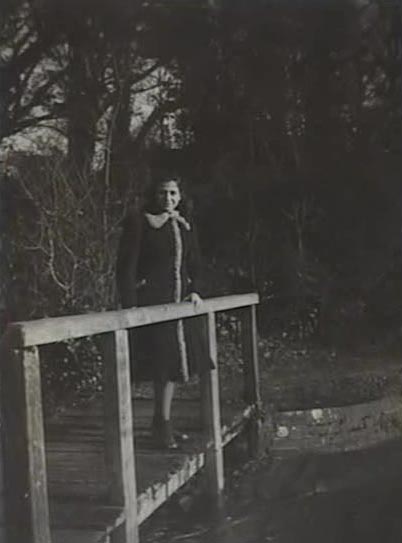
Dorothy Bohm: In 1938
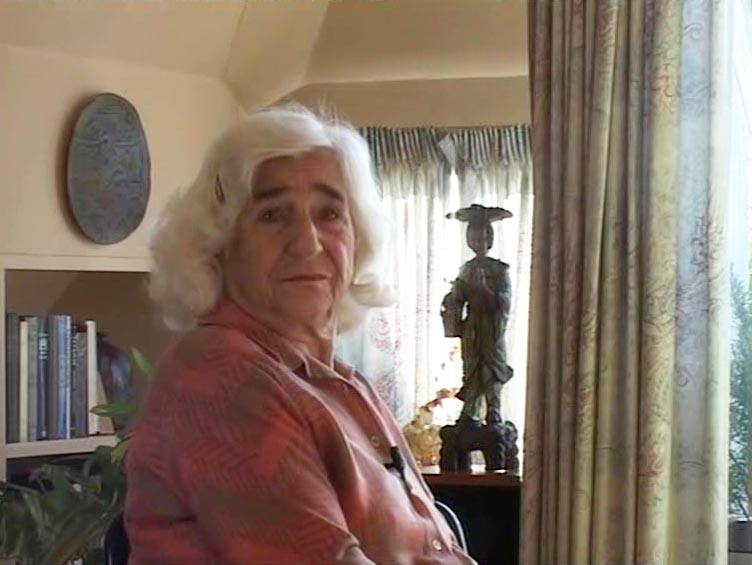
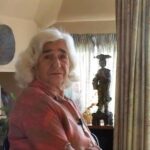
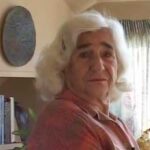
Dorothy Bohm: November 2004
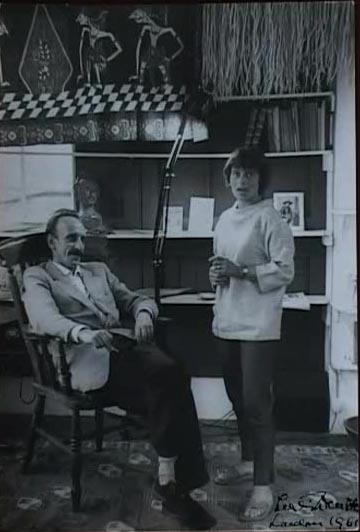
Dorothy Bohm
Dorothy Bohm (née Israelit) was born in Königsberg, and in 1932 moved with her family to Memel, where her father was a well-known industrialist
Born: 1924
Place of Birth: Konigsberg
Arrived in Britain: 01/06/1939
Interview Number: 82 (S)
Experiences: Educational Visa
Interview Summary
Dorothy Bohm (née Israelit) was born in Königsberg, and in 1932 moved with her family to Memel, where her father was a well-known industrialist. Her father had the opportunity to move his factory to the UK but chose to remain in Memel.
In April 1939 the family moved to Lithuania. Dorothy got a visa to go to school in the UK and left Lithuania via Holland in June 1939. She spent one year in a school in Ditchling, Sussex. She then studied photography in Manchester, where she met her husband Louis Bohm, originally from Lodz.
After their marriage Dorothy continued to work as a photographer and set up her own studio in the centre of Manchester. When Louis set up his own business she started travelling with him and became an art photographer. Later she set up the ‘Photographer’s Gallery’. Many books were published with her photos and her works were exhibited at the V&A Museum and other places.
The first time that Dorothy met her parents and sister (who was one year when she saw her) after the war in 1960 in Riga. Her father had spent many years in Siberia where he was sent by the Russians for being a ‘Capitalist’. In 1963, with the help of Prime Minister Wilson, her parents were allowed to join her in the UK.
Place of Birth
Now father decided not to leave. He was asked by the industrial people not to leave because it would create panic. That was not a very clever thing to do; I think we should have left. It came to a stage when we were afraid of putting lights on. And whenever I went out I was kicked, and told some awful things, so I started being afraid of going out. So anti-Semitism had taken root very strongly. Father stayed to run the factory. We had a lot of non-Jewish friends who assured him whatever happened he wouldn’t be touched. Being a great optimist, which helped him later in life, he listened. But those few months were terrible. We’re talking now about January, February 1939.
End of the war. We got married. Finally. We had nothing except ourselves. How can you get married if you belong to a generation who believe that a husband has got to look after his wife? And I agreed to get married under the condition that Louis would continue to do his PhD and not give it up. I started a studio of my own, borrowed £300 and became the breadwinner. And I’m still proud of that.
And suddenly I was a refugee. Somehow I always kept a pride that my father had instilled. He used to say ‘What you have in your hands is nothing. What you have in your head is there’. I remember in later years being told that I didn’t behave like a refugee. I was always quite proud. It helped me to survive. It was very, very difficult. But I do remember with great gratitude many of the English who were kind and good. I struggled very hard in the beginning, and I had nothing, and I was too proud to accept anything.
My life has been full of lots of things, full of tragedy and sorrow and full of great happiness, and it’s been a rich life.
REFUGEE VOICES is the AJR’s groundbreaking Holocaust testimony collection of filmed interviews with Jewish survivors and refugees from Nazi Europe who rebuilt their lives in Great Britain.
The copyright of personal photos and documents on the site is held by each interviewee and may not be reproduced without their permission. Please contact the AJR if you would like to use any of the images and documents.