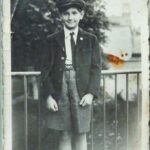
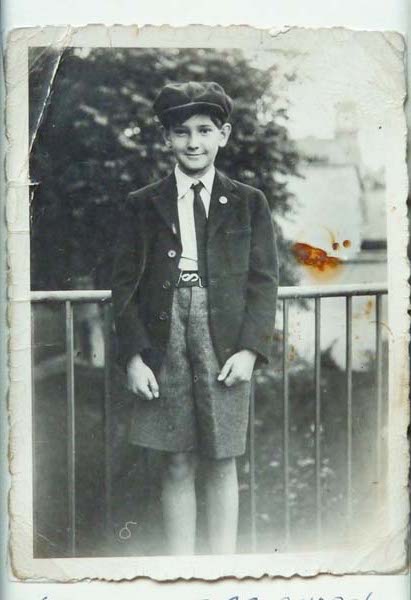
Freddy Kosten: In Gibbs School uniform
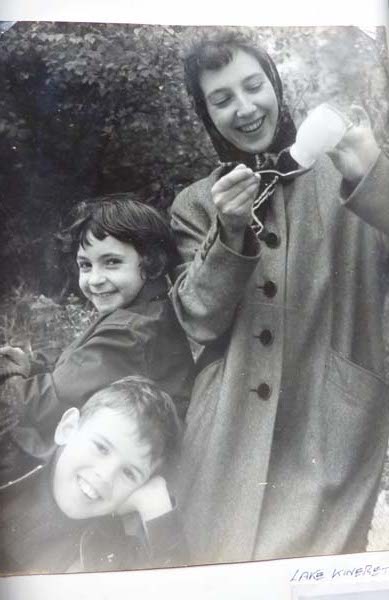
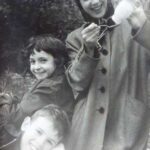
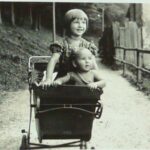
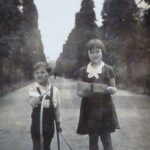
Freddy Kosten: Sister Claire in the park with her children
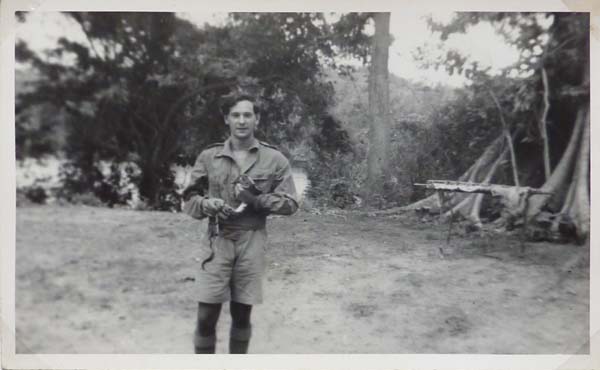
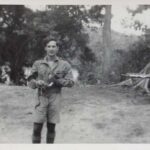
Freddy Kosten: With a python (Volta Dam investigation
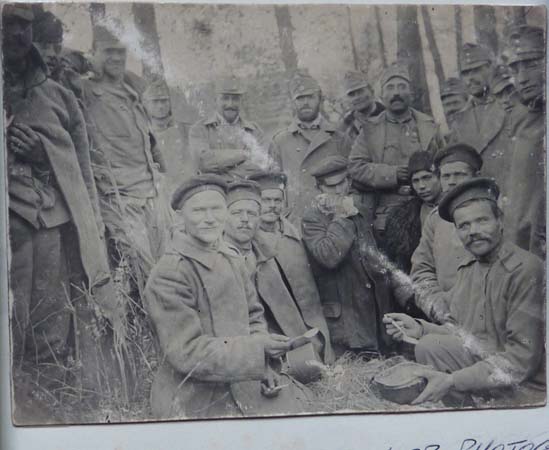
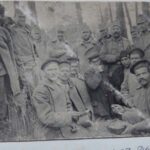
Freddy Kosten: Photograph taken by father, Josef, an official Austrian war photographer during WW1, showing Russian prisoners of war, published in a magazine, ‘Allgemeine Rundschau’ which commented 'they seem satisfied with their fate'
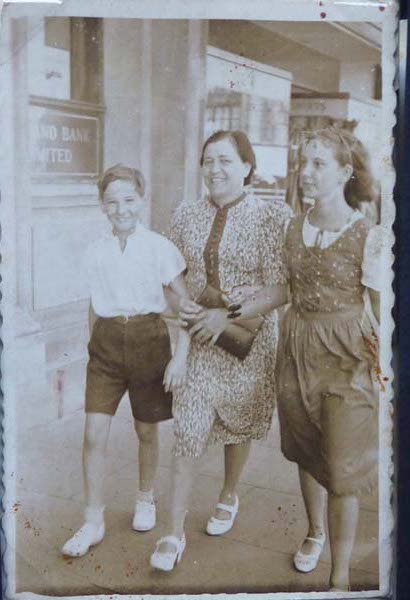
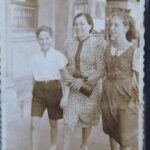
Freddy Kosten: With mother Amalia - usually known as Mina, sister Claire on holiday in Eastbourne, August 1939
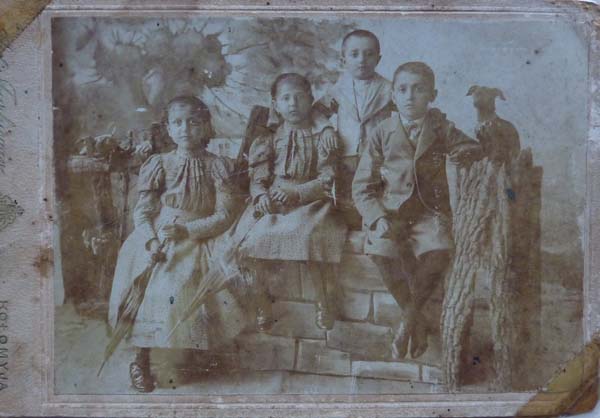
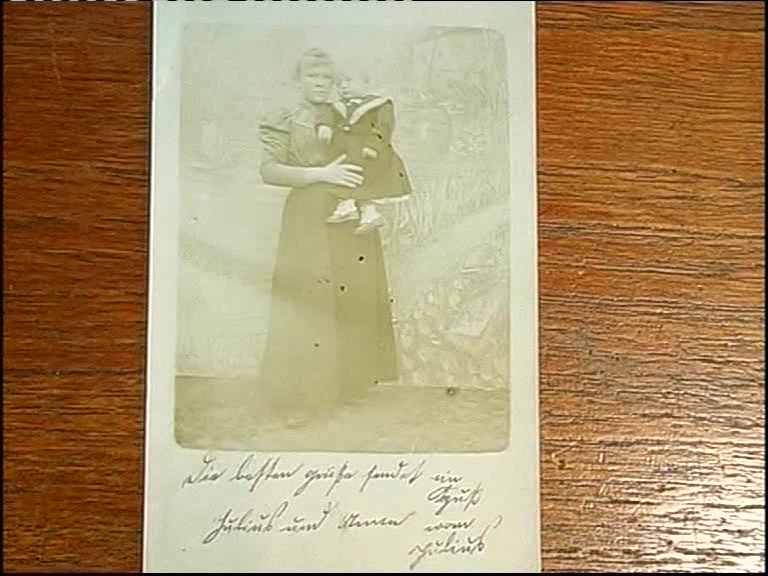
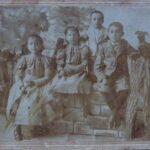
Freddy Kosten: Mother (centre) with step-siblings
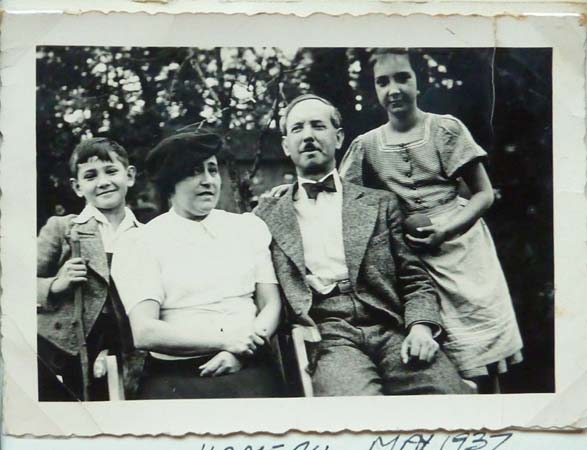
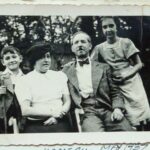
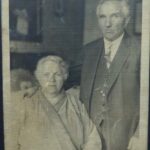
Freddy Kosten: With parents Amalia and Josef and sister Claire
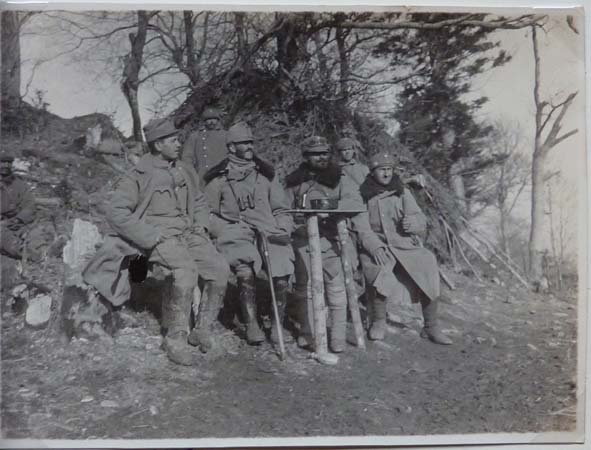
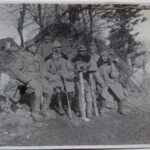
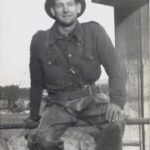
Freddy Kosten: Father Josef on the left of the photograph, taken probably on the Russian front, during the First World War
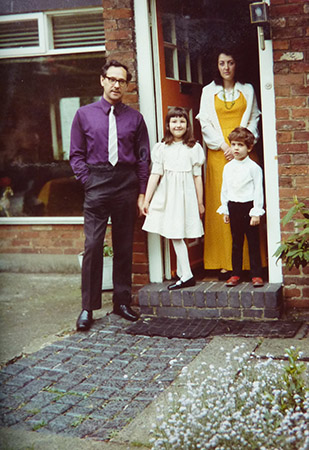
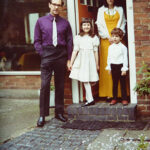
Freddy Kosten: With family, June 1972
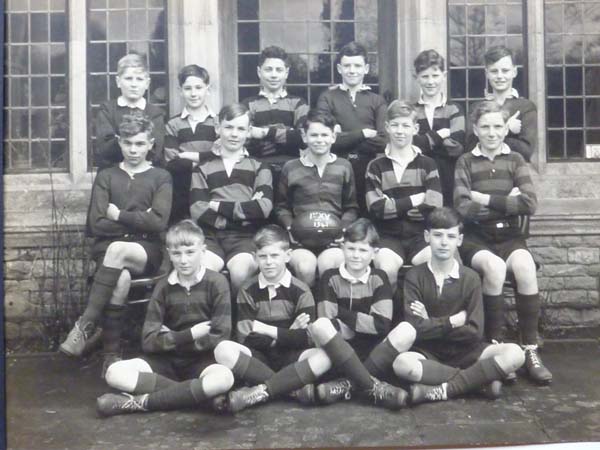
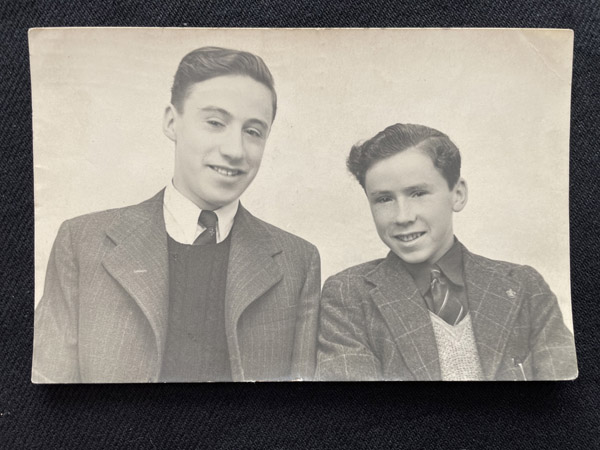
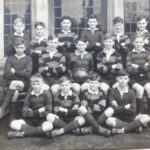
Freddy Kosten: Aldro School Rugby Football Team in 1941
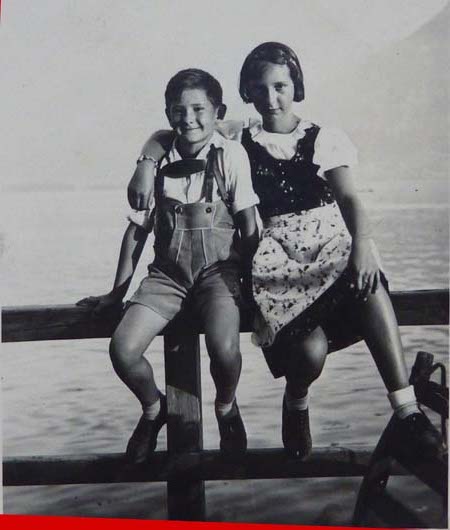
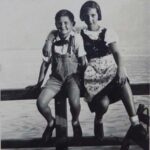
Freddy Kosten: Sister Claire in a dirndl
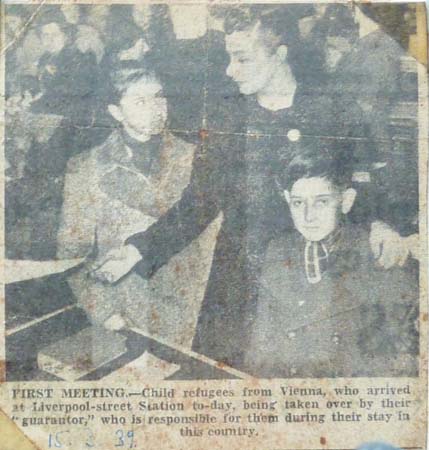
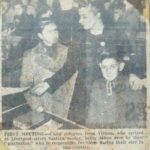
Freddy Kosten: Photograph taken by the Evening News photographer on the 15th of March 1939 showing Katie Cohen, who lived at 64 Old Church Street, collecting FK and his sister Claire. “That’s my sister Claire and myself, in the reception hall for the Kindertransport children who arrived on that date. Prior to going with us to 66 Old Church Street.”
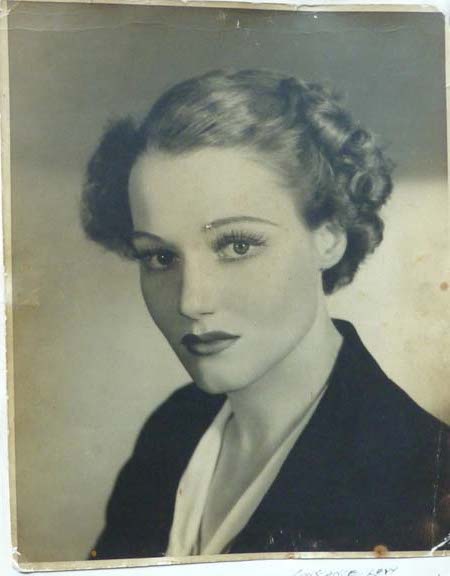
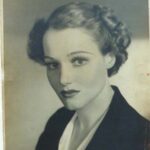
Freddy Kosten: Constance Levy
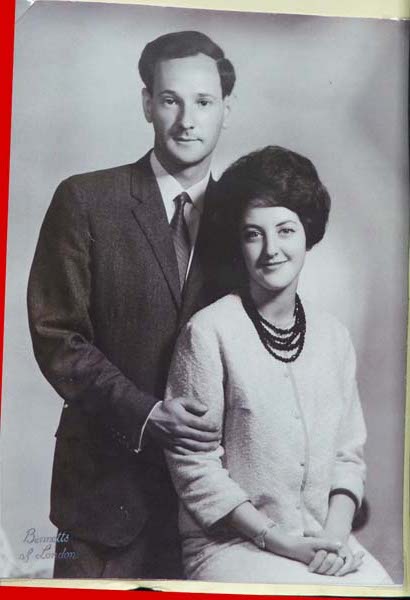
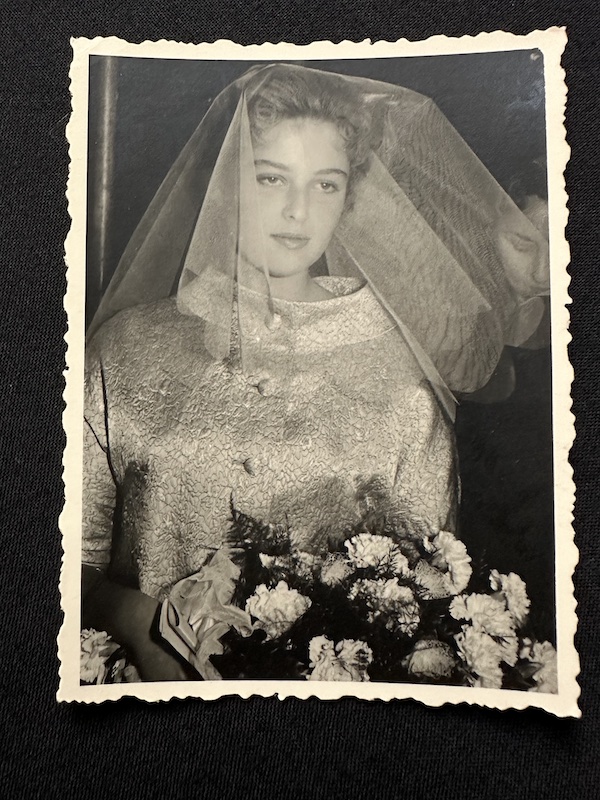
Freddy Kosten: Engagement photo
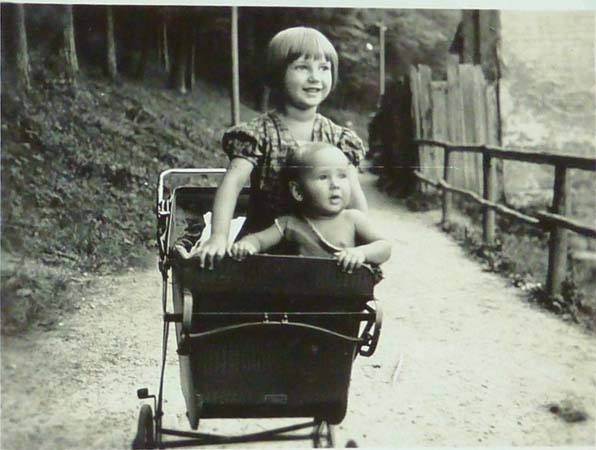
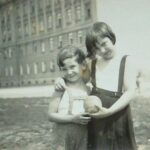
Freddy Kosten: With sister Claire
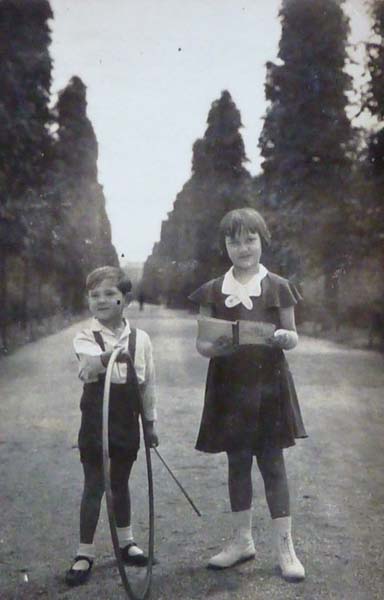
Freddy Kosten: With sister Claire
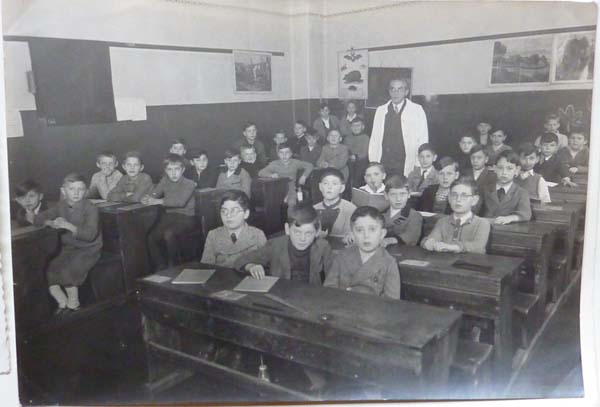
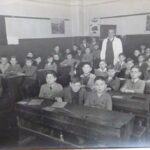
Freddy Kosten: FK’s class at Volkschule in Vienna, FK sitting next to Mr Adler, the teacher, 1937
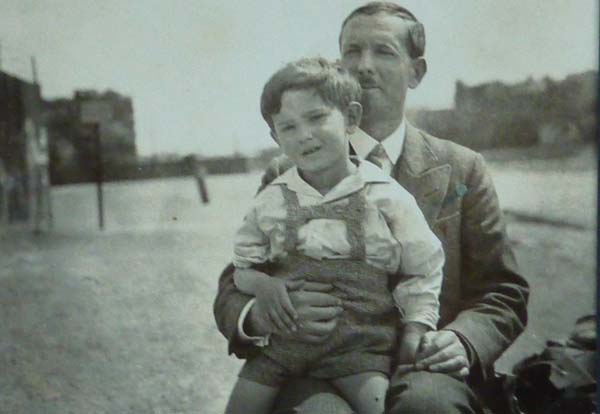
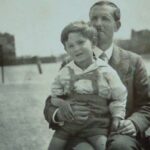
Freddy Kosten: With father Josef by the Donaukanal
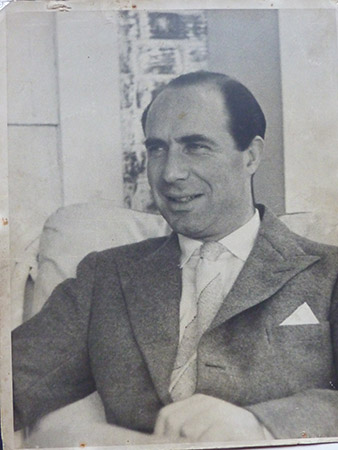
Freddy Kosten: Benn Levy
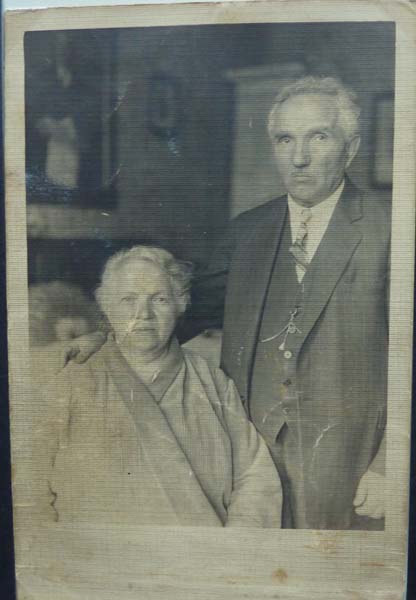
Freddy Kosten: Grandfather Markus
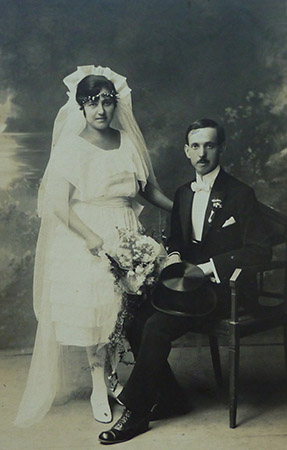
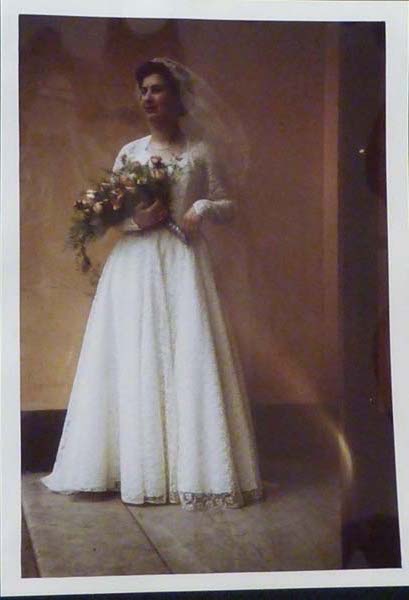
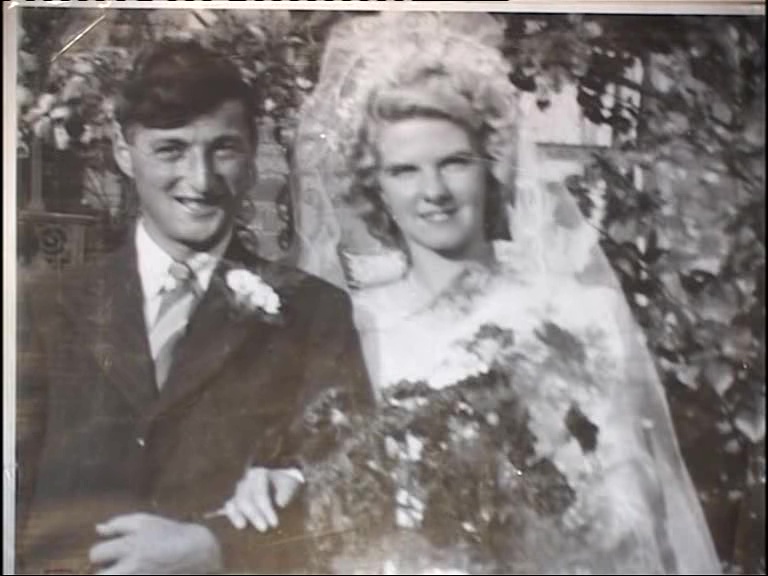
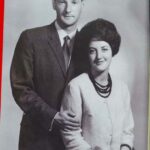
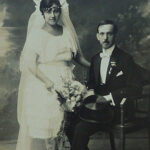
Freddy Kosten: Wedding photograph of parents
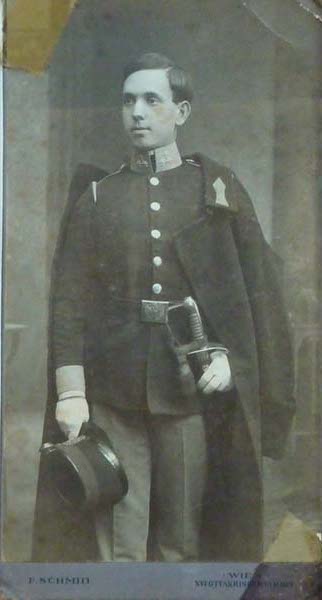
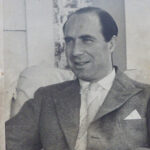
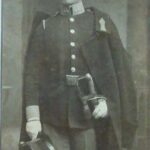
Freddy Kosten: Father Josef, Vienna, ca 1913
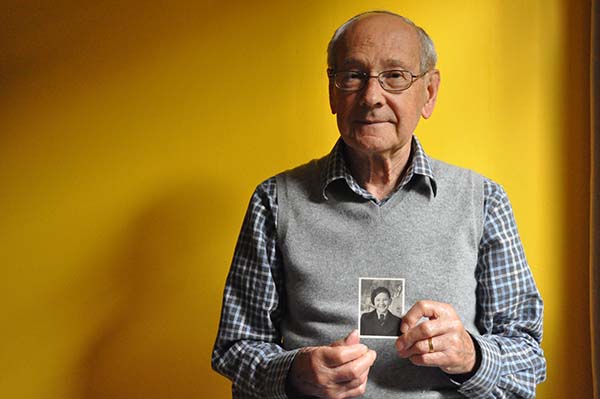
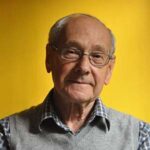
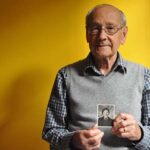
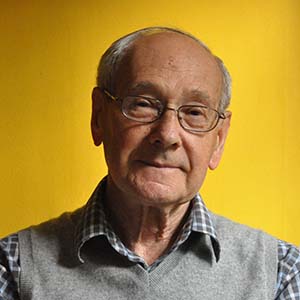
Freddy Kosten: July 2016
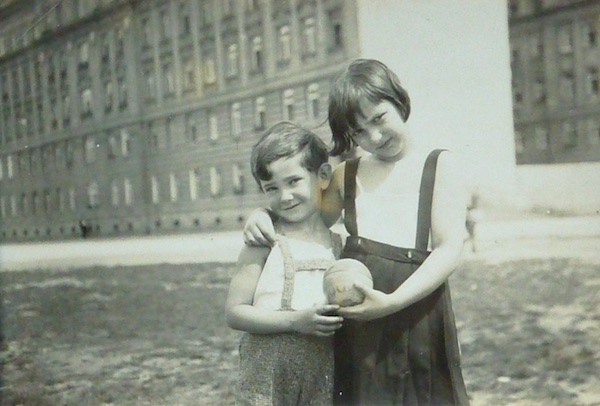
Freddy Kosten: With sister Claire
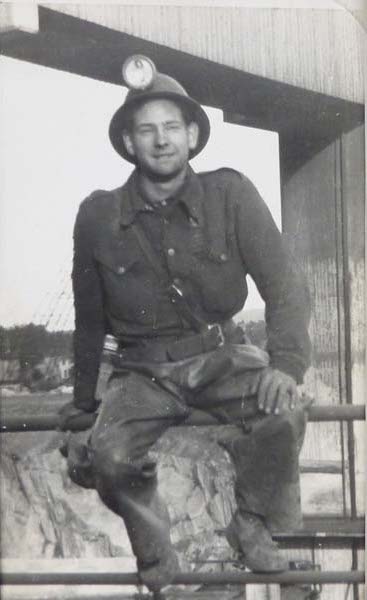
Freddy Kosten: College vacation work at a copper mine in Sweden
Freddy Kosten
Freddy Kosten was born Manfred Kösten in November 1928 in Vienna
Born: 1928
Place of Birth: Vienna
Arrived in Britain: 16/03/1939
Interview Number: RV183
Experiences: Kindertransport
Interview Summary
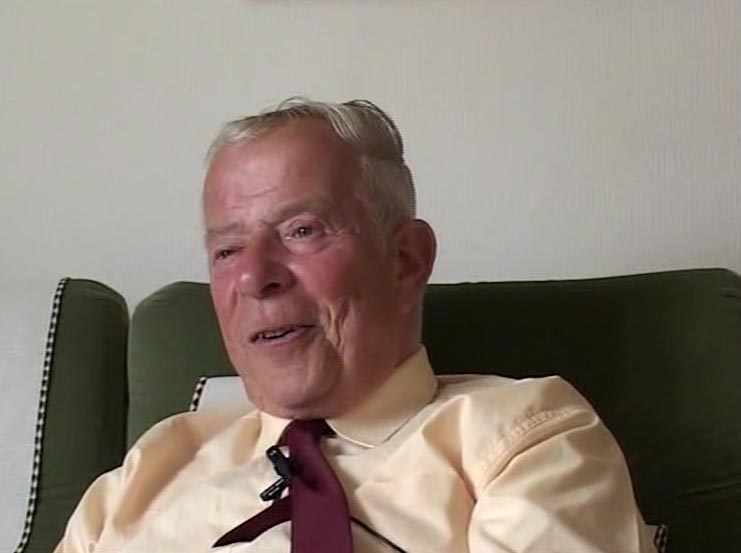
Freddy Kosten was born Manfred Kösten in November 1928 in Vienna. His mother came from a large family in Krakow – Freddy recalls visiting the maternal family regularly but not often. Freddy grew up near the Augarten in Vienna in the 20th district and has happy memories of playing there and also skating in the winter time. He does not remember many incidents of Nazi discrimination but thinks this is due to his young and naïve nature and also being protected by his parents. Freddy’s father, who came from what is now the Ukraine, served in World War I and was a war photographer. Later he worked in the medical instrument supply business and also made use of his knowledge and talent for languages.
Freddy and his older sister Claire came on a Kindertransport to London and his parents followed shortly after. They were looked after by Benn Levy – a well-known playwright- and his wife, the actress Constance Cummings. They lived in 66 Old Church Street, Chelsea which is a famous building by Walter Gropius. The couple helped the family financially to settle in and paid for the children’s schooling.
His father was interned on the Isle of Man (Camp Douglas) but managed to find work in his profession (medical instrument industry) later. In the camp he had made the acquaintance of Ferdinand Rauter, an Austrian pianist and accompanist (to the singer Engel Lund), who founded the Austrians Musician group and the Refugee Musicians Community. Ferdinand Rauter later married Freddy’s sister Claire. Freddy’s parents joined a synagogue in Chelsea where he also celebrated his Bar Mitzvah, but he has not identified with any religion since.
After boarding schools in Eastbourne (Aldro) and Brackley (Magdalen College School) he attended Imperial College (1945-49) where he studied mining geology. On graduating he joined the Geological Survey and went to the Gold Coast [a British colony on the Gulf of Guinea in West Africa from 1867 to its independence as the nation of Ghana in 1957]. He remembers many fascinating adventures there and with Balfour Beatty in East Africa and later in Nigeria. He remembers seeing Kwame Nkrumah [first Prime Minster of Ghana] and Jomo Kenyatta [first Prime Minister of Kenya] in the course of his work. He married Helen – a colleague of his sister (the headteacher of Primrose Hill Infants for many years) – in 1962; they spent a year in Nigeria, and visited East Africa several times during the 1960s. He joined the Natural Environment Research council (NERC) in 1971, and later taught, and wrote about, data protection at the Greater London Council and in the private sector until his retirement at the age of 70. He identifies as European- British. Freddy is grateful that the tragedies in his life turned into opportunities coming to Great Britain.
Place of Birth
But we had to move schools; that was quite clear. The first week after the Anschluss, when I went back to school... I immediately assumed my role as prefect next to the teacher. Ignoring signs and whispers from Jewish children in the front row, “Come down. Come down.” I was that stupid. And I waited until the teacher actually said, “Well, I think you can’t be prefect any more. Why don’t you sit there...” or something. So in retrospect, I was astonishingly either innocent or stupid or both – about the whole... Nazi business.
Yes, I remember the- I had the visual memory of a newspaper the day after the Anschluss... which came out with a monster headline “Umschwung!” or something. It was not a Nazi sympathising newspaper, and I think they disappeared from view very rapidly. I remember people marching in the streets. I remember Jewish women being made to scrub pavements which was a- One could see from our window. I don’t honestly think... I was bright enough to be affected deeply by it all. I just sort of accepted this is what was happening and... eventually got on a train and got out of it
I think my life in particular—I’m not sure about all our lives—seems to have been punctuated by tragedies that turned into… good luck in a variety of ways. I don’t remember much of the [Kindertransport] journey. I have this feeling I had a lack of feeling.I wasn’t scared, I wasn’t particularly pleased. Apparently I said to my sister 'I bet the people who receive us have a car.' They had a Rolls Bentley. I was very pleased with that. They lived in a house. The house is listed & quite famous. An architect called Walter Gropius came to England at that time & this was the only house that he designed for private residence–ever. A Gropius & Fry design: 66 Old Church Street. I slept there through the Blitz. There’s one vivid memory of the Blitz. I slept next to a curved bit of glass which was a house feature. I’d got up. There was a lot of noise. Looked out through another window at searchlights & then went to visit the lavatory, at which time a landmine exploded not very far away. It blew in that window, that curved window. I came back & there it was on my pillow. That was my only near-miss of the Blitz. We had a shelter in the bottom of the house which nobody ever used.
REFUGEE VOICES is the AJR’s groundbreaking Holocaust testimony collection of filmed interviews with Jewish survivors and refugees from Nazi Europe who rebuilt their lives in Great Britain.
The copyright of personal photos and documents on the site is held by each interviewee and may not be reproduced without their permission. Please contact the AJR if you would like to use any of the images and documents.