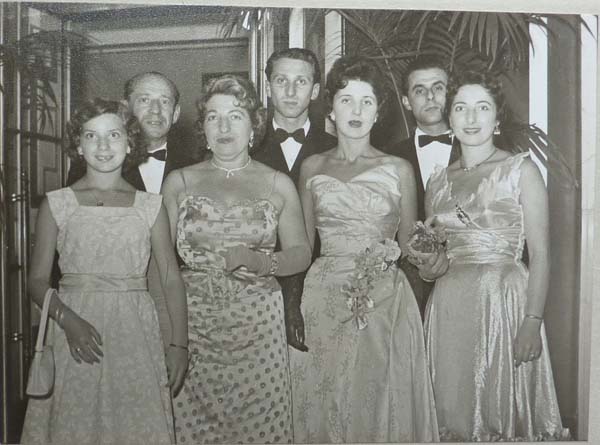
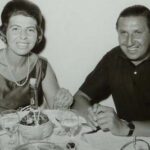
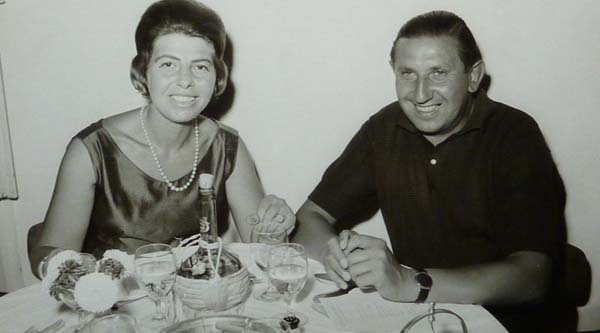
Gerti Baruch: On holiday in Italy with husband
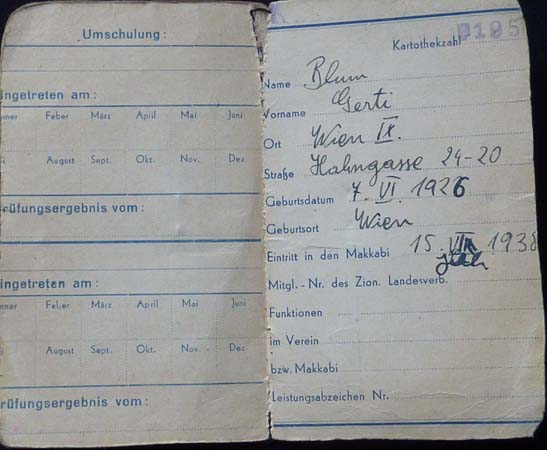
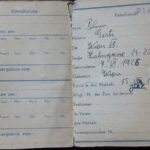
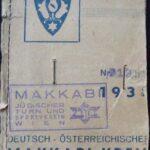
Gerti Baruch: Maccabi ID card
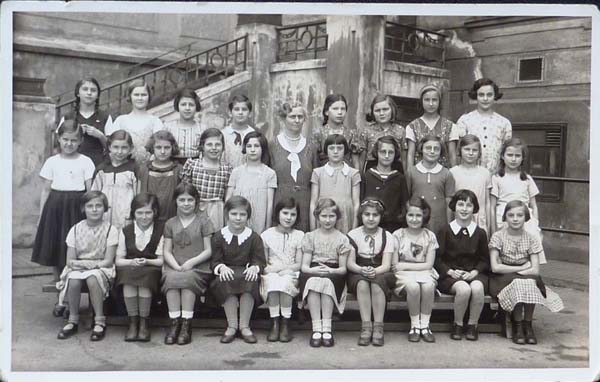
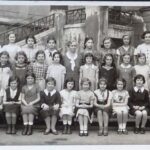
Gerti Baruch: Secondary school
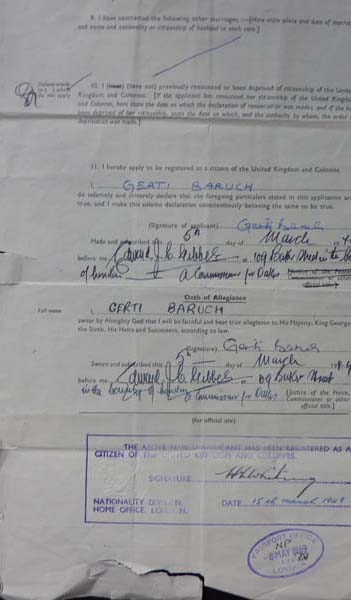
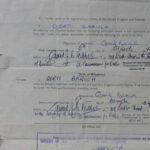
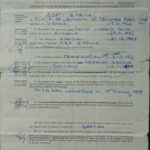
Gerti Baruch: UK certificate of naturalisation
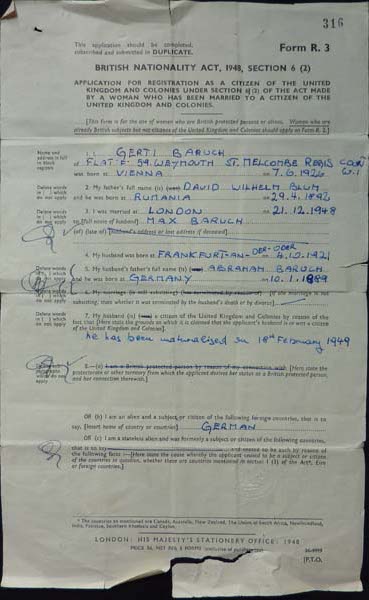
Gerti Baruch: UK certificate of naturalisation
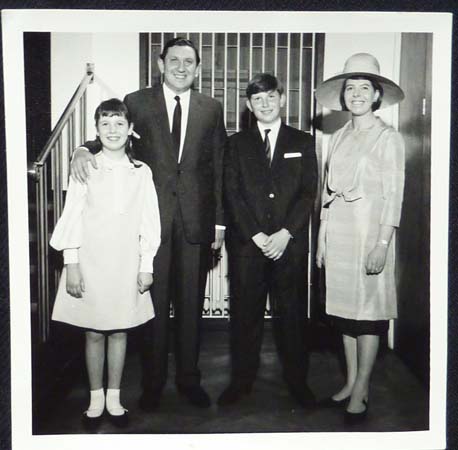
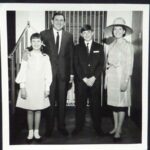
Gerti Baruch: Son's Bar Mitzvah
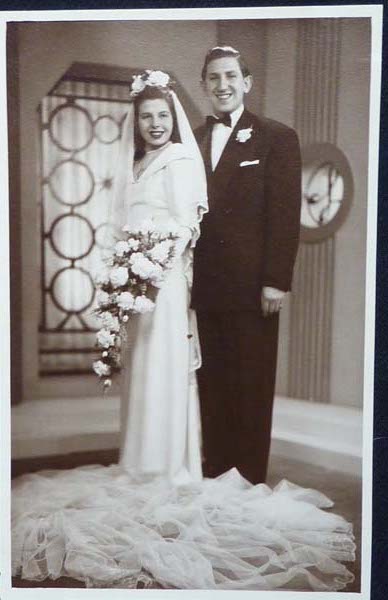
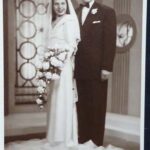
Gerti Baruch: GB and husband Max at their wedding in 1947 in Dennington Park Synagogue
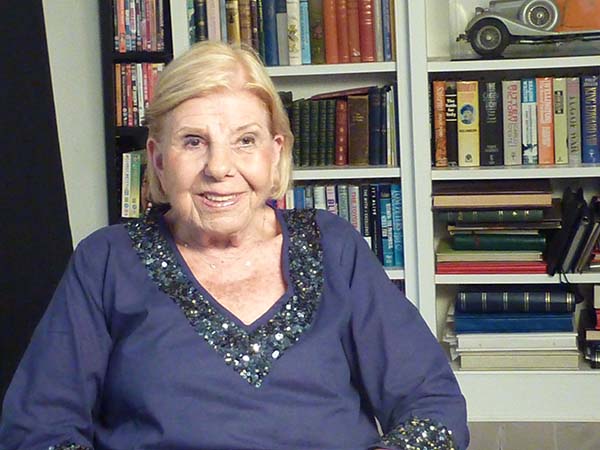
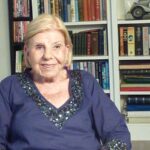
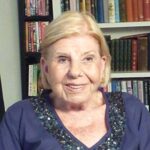
Gerti Baruch: July 2016
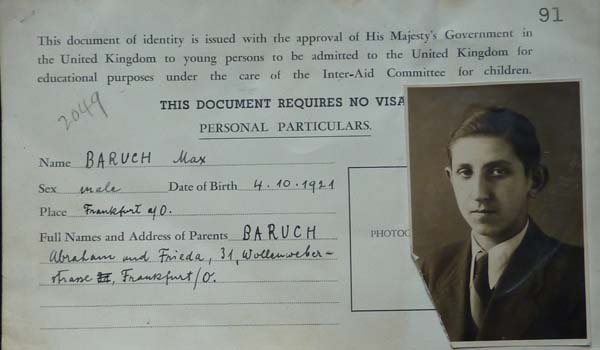
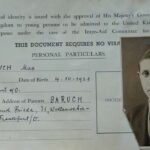
Gerti Baruch: Husband's child travel document
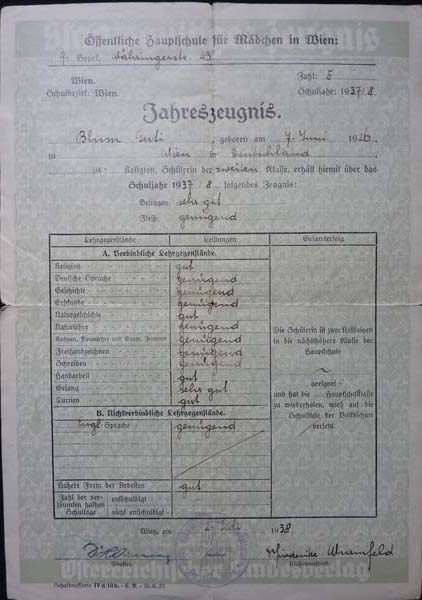
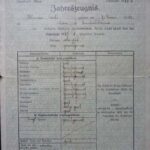
Gerti Baruch: "Jahreszeugnis" - end of year report
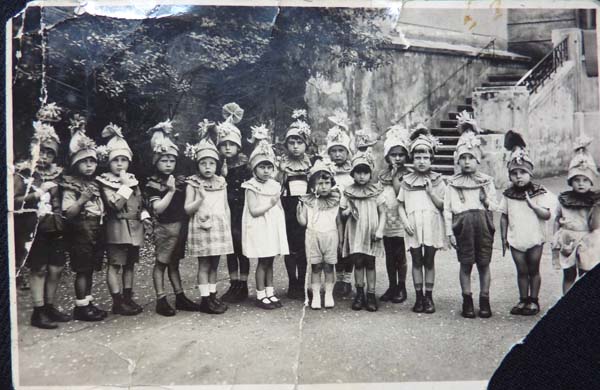
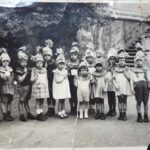
Gerti Baruch: With classmates celebrating Fasching
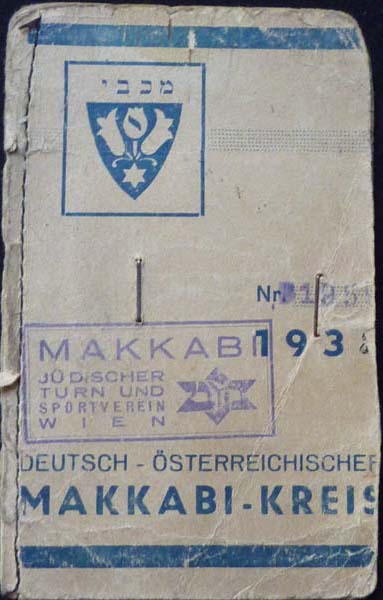
Gerti Baruch: Maccabi ID card
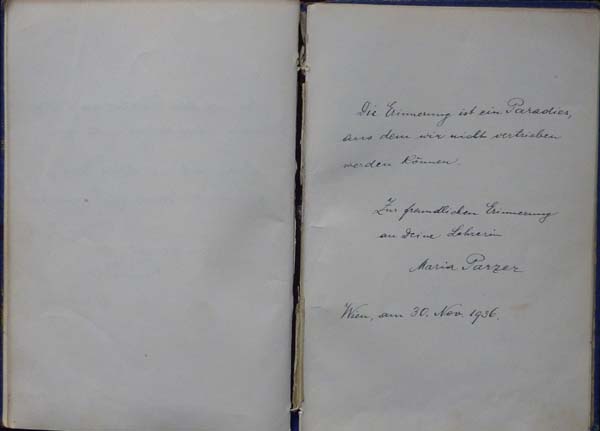
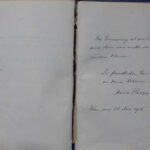
Gerti Baruch: Note from teacher in primary school leaving album
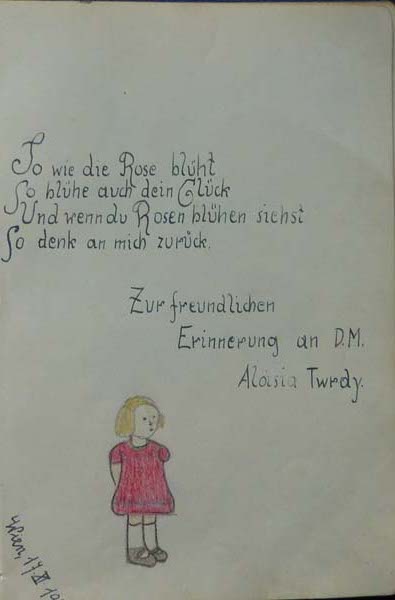
Gerti Baruch: Page from album where school friends wrote memories when GB moved from primary to secondary school
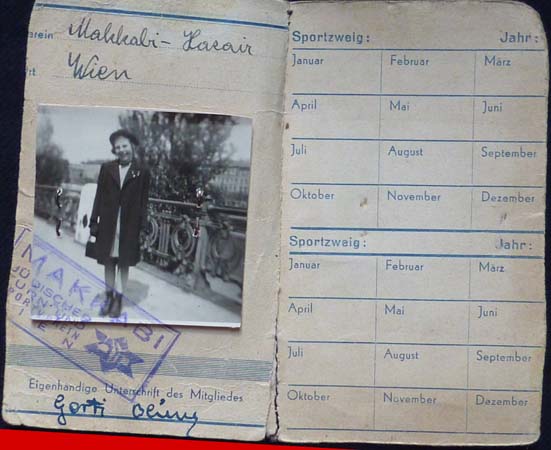
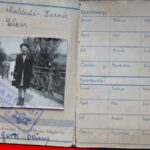
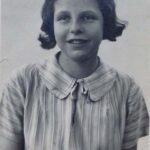
Gerti Baruch: Maccabi ID card showing a photo of GB at 12 on the Promenade along the Danube
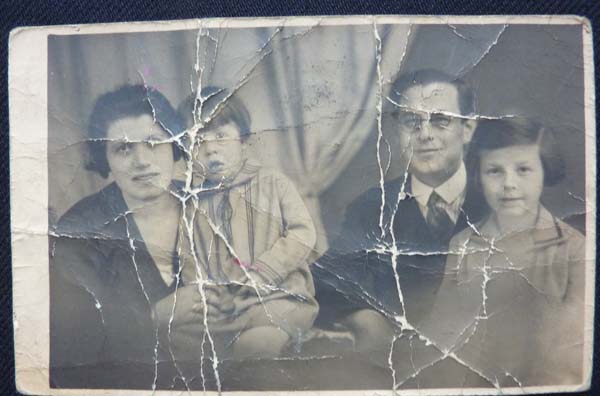
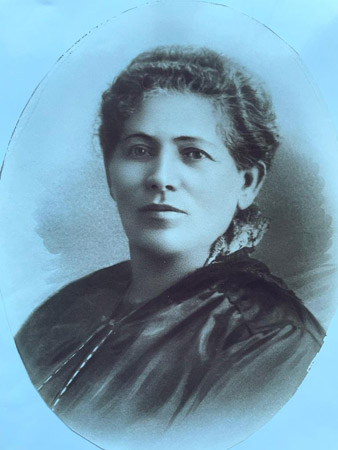
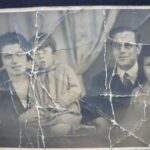
Gerti Baruch: Mother
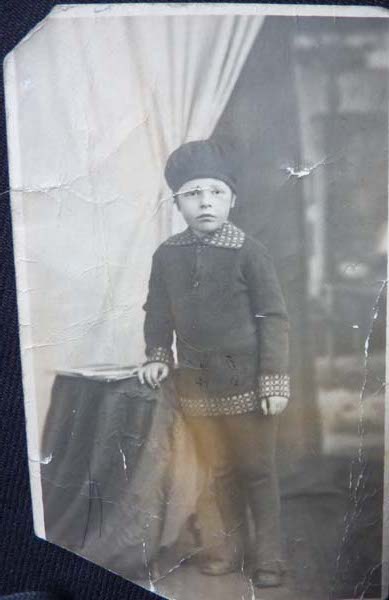
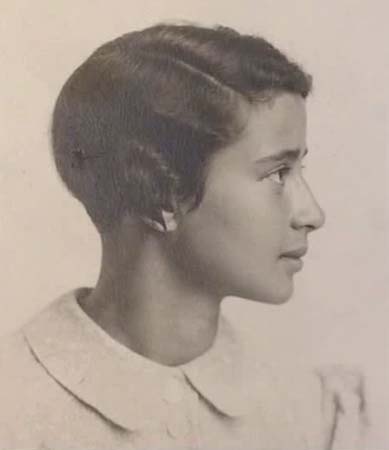
Gerti Baruch: In a photo taken by a professional photographer
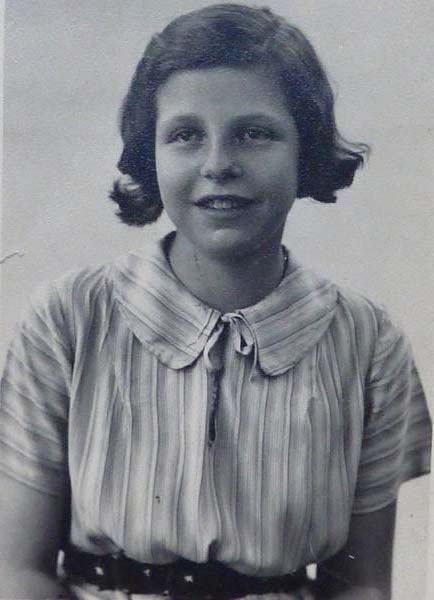
Gerti Baruch: Vienna
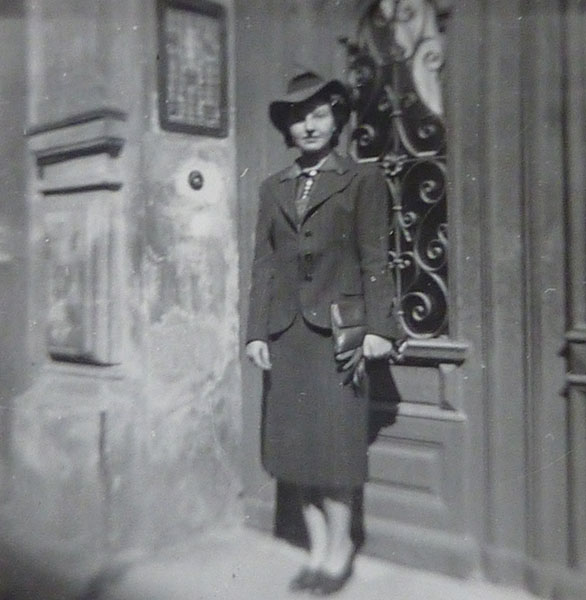
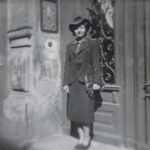
Gerti Baruch: Sister Lily standing outside the synagogue (Serviten Temple)
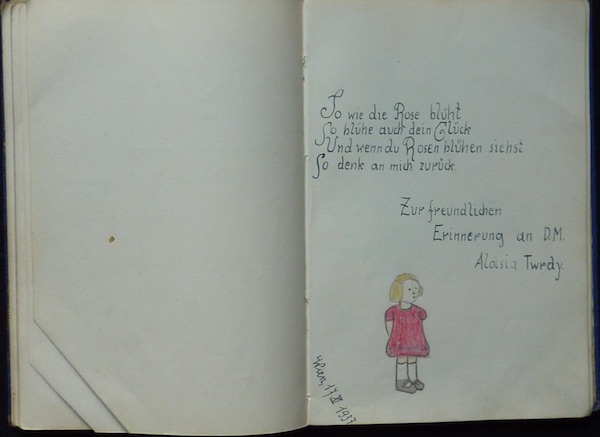
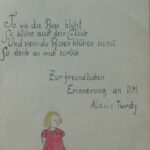
Gerti Baruch: "Poesiealbum" (autograph book)
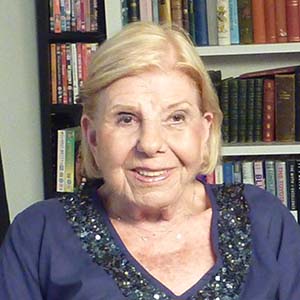
Gerti Baruch
Gerti Baruch nee Gerti Blum was born in 1926 in Vienna
Born: 1926
Place of Birth: Vienna
Arrived in Britain: 01/06/2026
Interview Number: RV186
Experiences: Came With Parents or Close Family , With Foster Family
Interview Summary
Gerti Baruch nee Gerti Blum was born in 1926 in Vienna. Her parents Klara and David Blum had come from Czernowitz to Vienna, where they settled in the 9th district. Her mother was a couture dressmaker and her father was an agent for a metal company. She had a six years older sister called Lilly. After the Anschluss the father lost his job and had vocational training how to make leather bags. On Kristallnacht the father was arrested and sent to Dachau. Gerti’s mother arranged a visa to Palestine for him and after his release he left for Palestine. Gerti does not remember the details but thinks he went on a boat from Marseille to Haifa.
Gerti was active in the Maccabi Youth Movement but was too young to be able to go to Palestine. Her sister Lilly had managed to get a domestic service visa to the UK and in the summer of 1939 Gerti came to the UK with her mother who got a position as a cook in Haslemere. Gerti had to stay with a foster family in Haslemere and was not very happy to be separated from her mother. After a few months Gert’s mother took her to live to the home where she worked as a cook. Gerti describes the atmosphere as very ‘English’ and different to what she was used to. Soon they moved to friends in Upper Park Road, Belsize Park. Then the mother went to a hostel in Belsize Park Hostel (only for young women) and started to work as a furrier machinist. Gerti could not stay with her mother and was sent to a Hostel for Refugee children in Tumbridge Wells and then to an English family in Ruislip Manor, where she took care of little boy. Her last foster home was with a family in Kiddlington, near Oxford. She only went to school in her last foster home.
Once her mother rented a flat in Holmfield Court in Belsize Park, Gerti and her sister moved and they lived together. They often went to the shelter in Belsize Park tube station and Gerti worked for a clothing factory and later helped her mother with dressmaking. Gerti attended various art schools. She was introduced to her future husband, who had come to the UK on a Kindertransport from Frankfurt an der Oder. They got married in 1947 and had two children.
Gerti’s father came to the UK in the early fifties, having been separated from his family for 11 years. He could not cope with the situation and committed suicide. Interviewee is reluctant to speak about this in great detail. Gerti and her husband settled in Hendon. She has been back to Vienna quite often, and sadly her husband passed away on one of these trips. At the end of the interview Gerti recalls fondly the family’s Sunday visits to the Cosmo.
Place of Birth
Yes, my mother managed then to get him [Gerti's father] over to- over to England, and he wasn’t very happy. No. Wasn’t very happy. Couldn’t settle after eleven years [in Palestine]. In fact, he was quite strange to me. He was a stranger to me... I think it was Liverpool Station, I’m not quite sure, but we did pick him up. Strange. Very strange. By then I had one child. A baby. And... No, he couldn’t get to grips with it. For my mother as well! Very strange.
The whole upper class English way of living was strange. Tea with milk. Shrimps. He was a Colonel. My mother used to roast 1 piece of meat & they would eat it the whole week. Very strange, not very homely. Not… not nice.
I often think what would have become of me... in Vienna. I often think of that, you know. Because you know the whole thing is, you know, I’m so lucky to be here... you know that... but I often think what would have happened, you know, in Vienna? That’s it’s like- it’s like a dream.
REFUGEE VOICES is the AJR’s groundbreaking Holocaust testimony collection of filmed interviews with Jewish survivors and refugees from Nazi Europe who rebuilt their lives in Great Britain.
The copyright of personal photos and documents on the site is held by each interviewee and may not be reproduced without their permission. Please contact the AJR if you would like to use any of the images and documents.