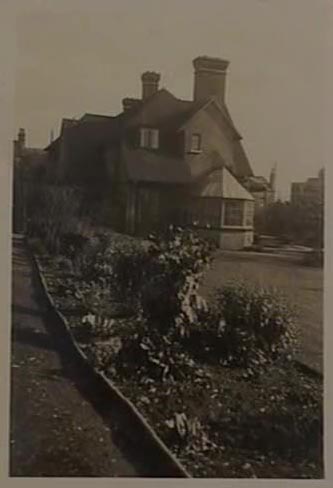
Hilda Schindler: Midhurst
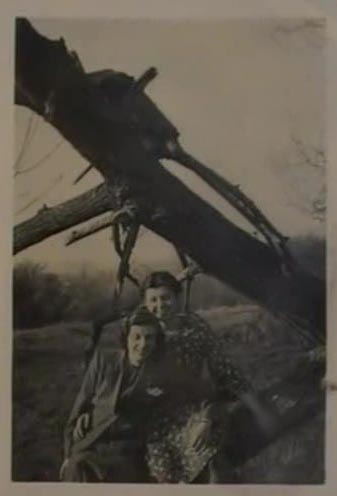
Hilda Schindler: With second cousin Stella
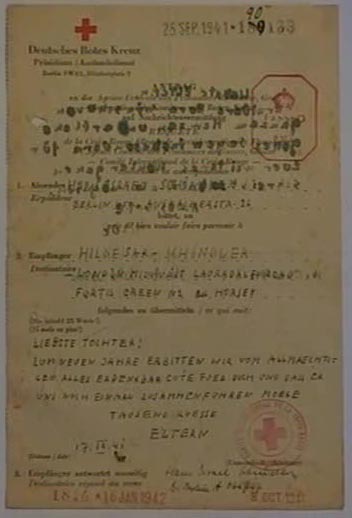
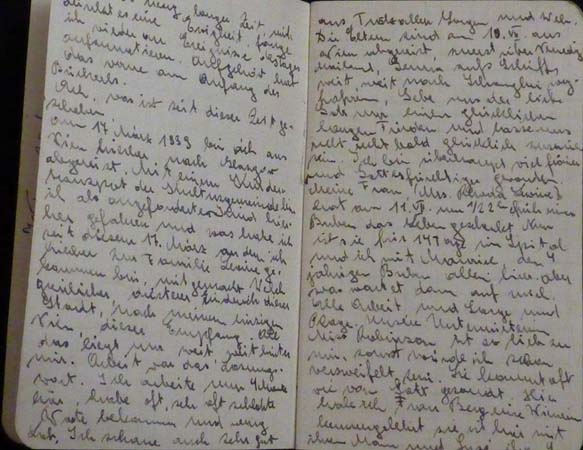
Hilda Schindler: Red Cross messages from parents. "at first they could be sent from here to Germany but they took ages to get there because they had to be controlled here and there… going through several controls. By the time they arrived – whichever way - they were almost out of date
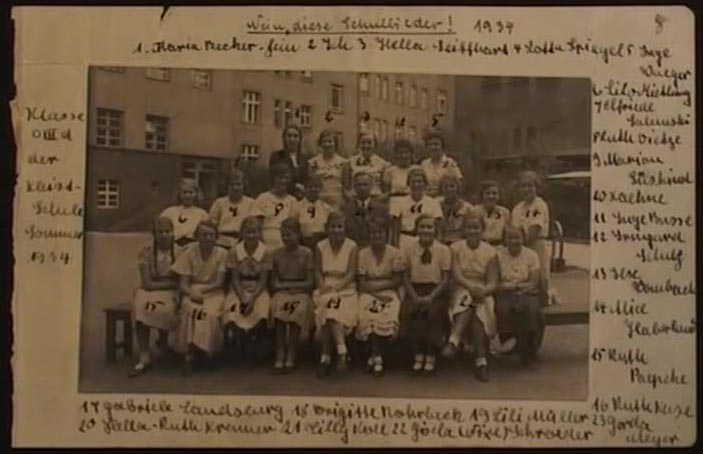
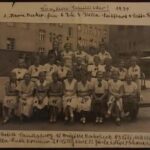
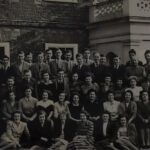
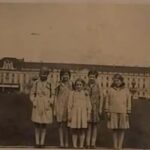
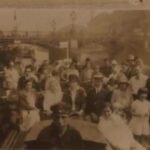
Hilda Schindler: Class at school, 1934. "And you see quite a number of the girls in white shirts and black skirts. They were girls in the Hitler Youth., maybe they were going on to a meeting or something. They wouldn’t necessarily wear it all the time. And as there was no school uniform they’re pretty obvious."
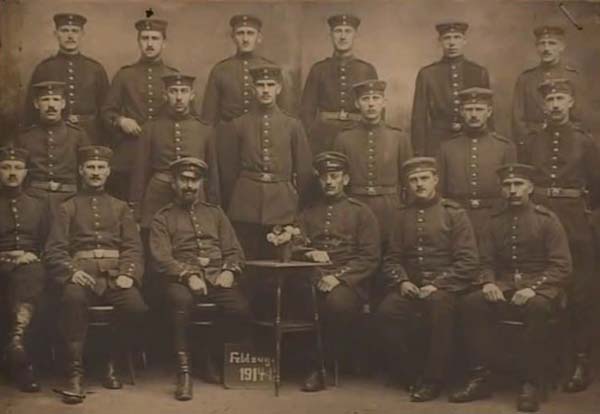
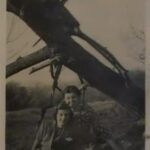
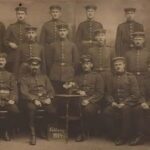
Hilda Schindler: WWI, father marked at back
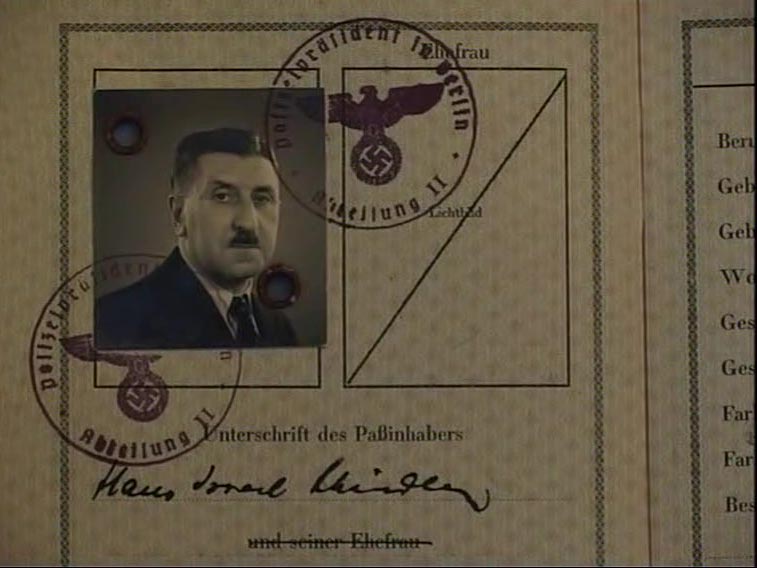
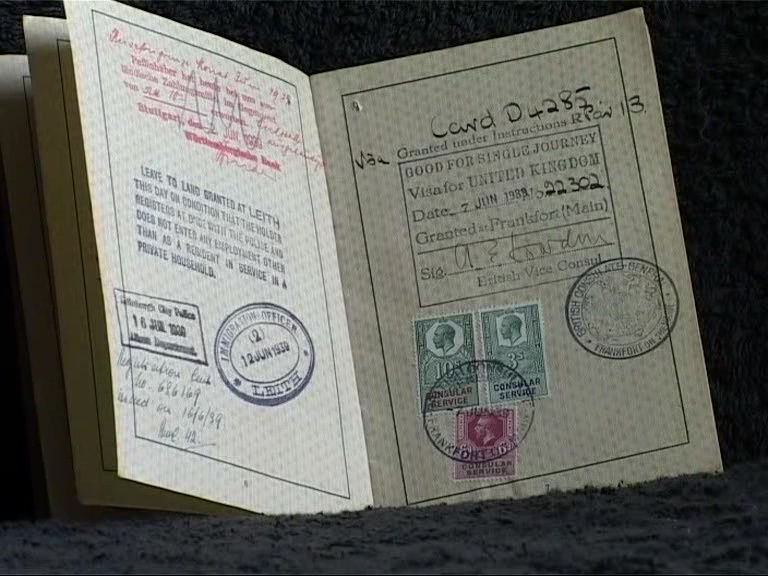
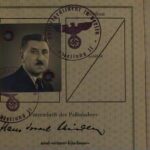
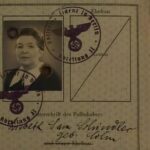
Hilda Schindler: Father's passport
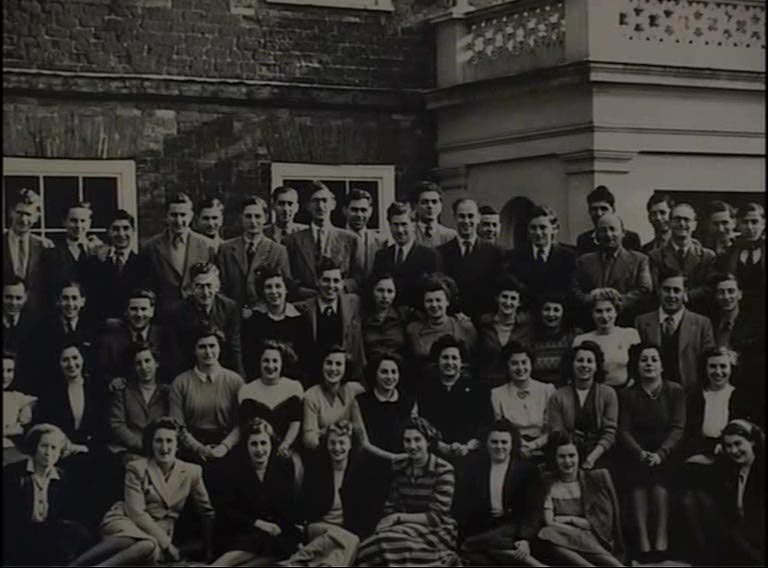
Hilda Schindler: The first joint weekend of the Youth Group of the Liberal Movement and the Youth Group of the Reform Movement, Hunstanton, ca1947, HS right in the middle. "The fellows behind me have very kindly shushed my hair up so I look like a teddy bear or something or a Shockheaded Peter."
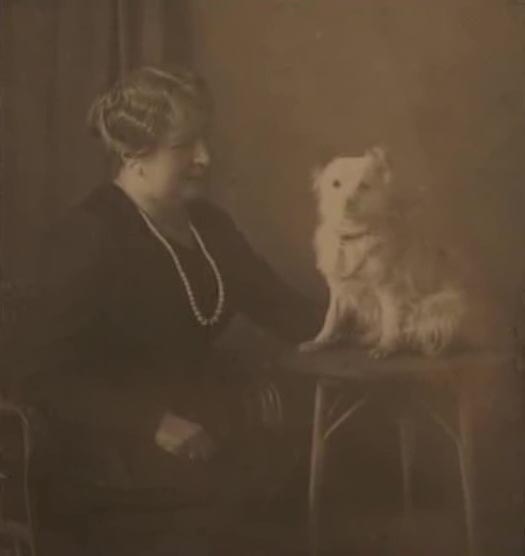
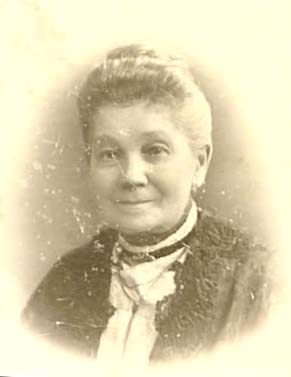
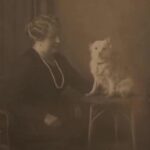
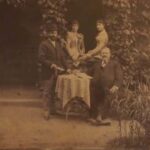
Hilda Schindler: Great aunt Julia with her little dog
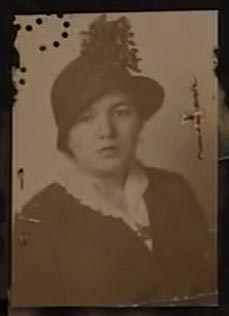
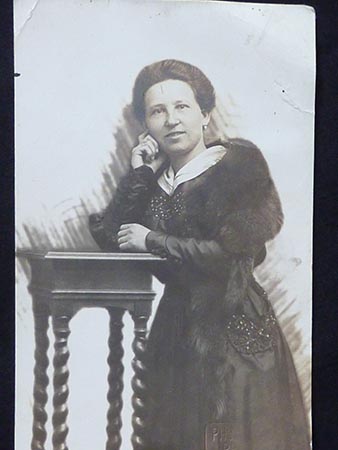
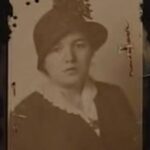
Hilda Schindler: Mother
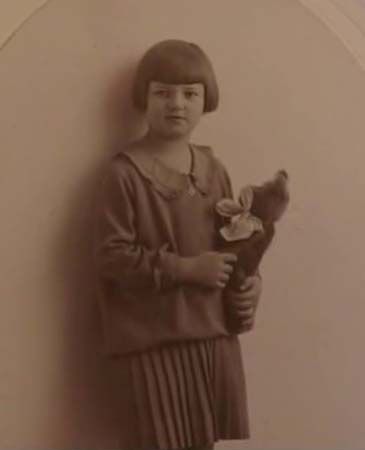
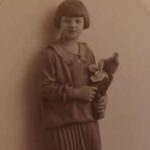
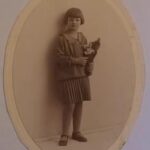
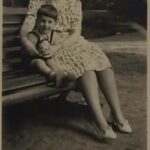
Hilda Schindler: At age 7 or 8 "with one of my smaller teddies."
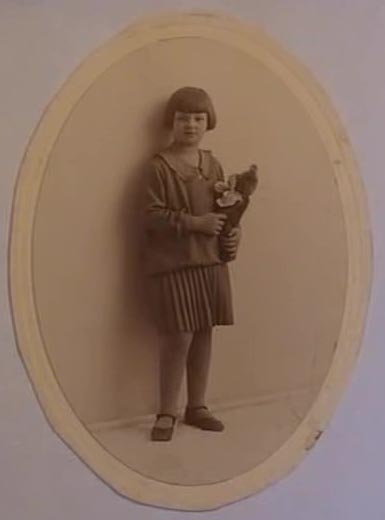
Hilda Schindler: At age 7 or 8
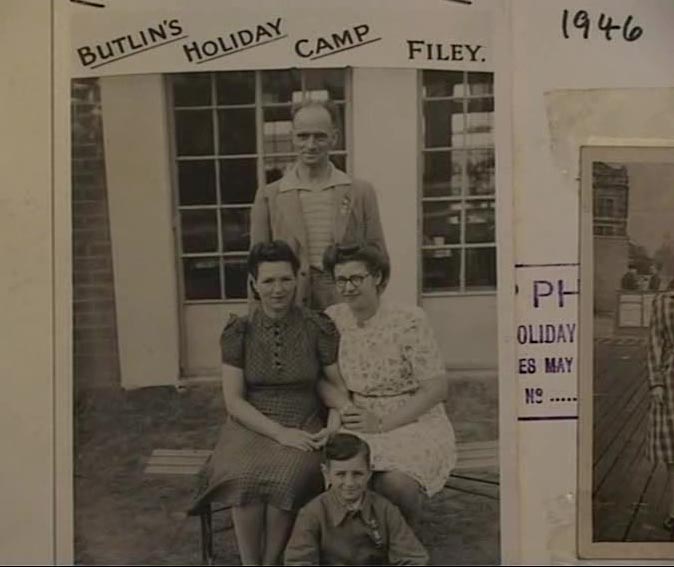
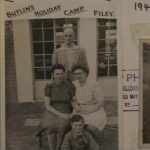
Hilda Schindler: In a white floral dress, first holiday at Butlins Holiday Camp, 1946. "we had great fun!"
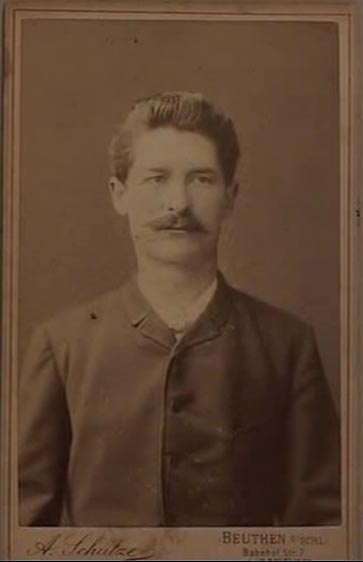
Hilda Schindler: Father's father Adolf Schindler
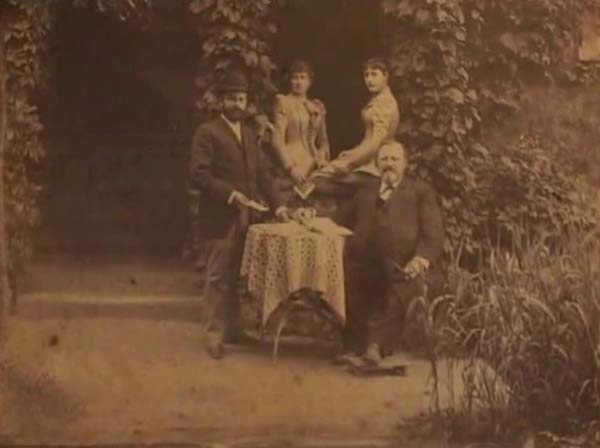
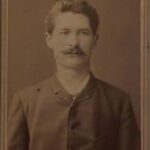
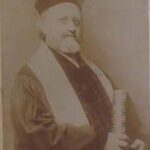
Hilda Schindler: Great grandfather Rabbi Moritz Rahmer
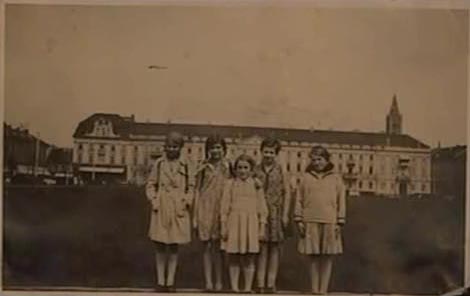
Hilda Schindler: On a school outing to Potsdam (second one from the right)
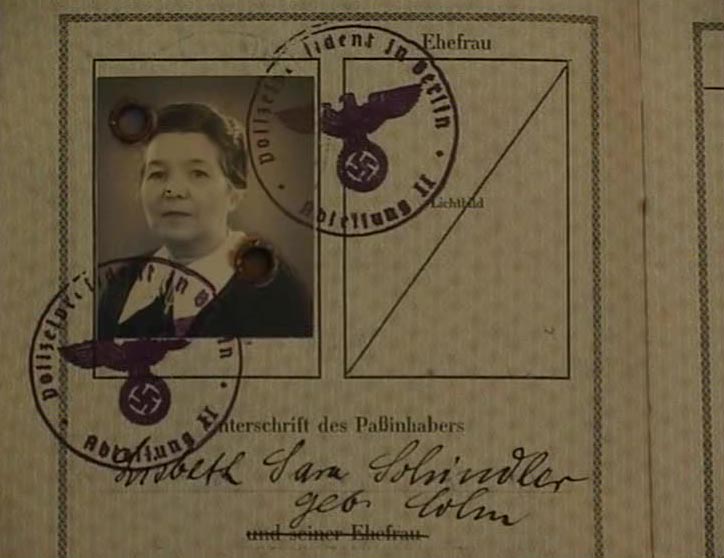
Hilda Schindler: Mother's passport "with which they hoped to cross the border just to Luxembourg
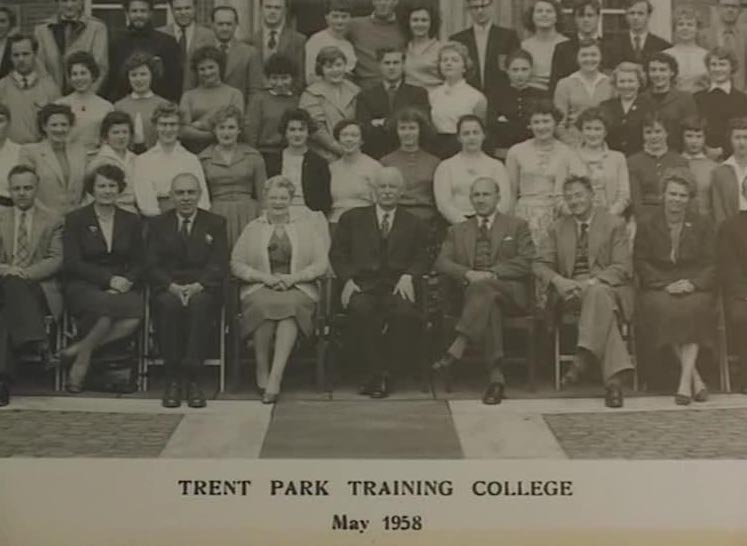
Hilda Schindler: Graduating class
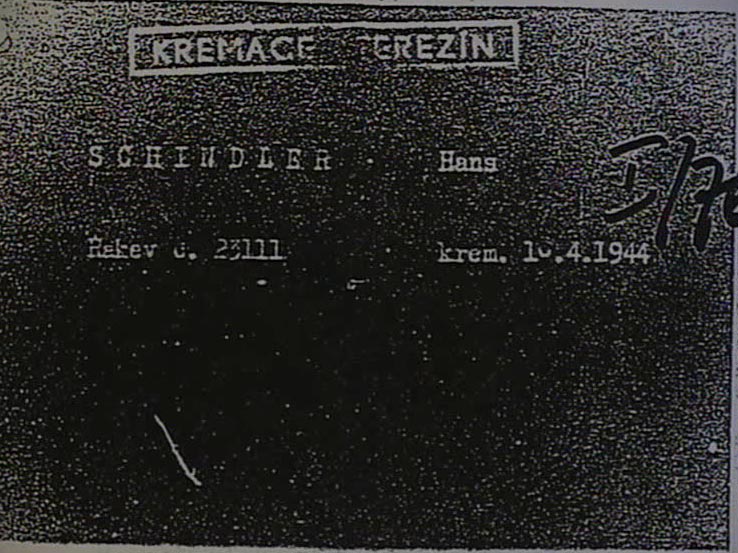
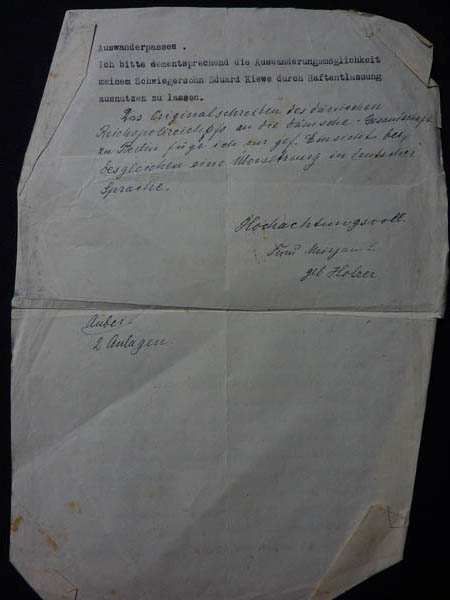
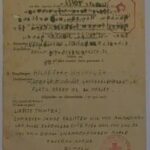
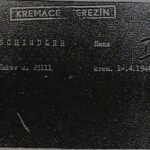
Hilda Schindler: Document relating to her father's cremation in Theresienstadt
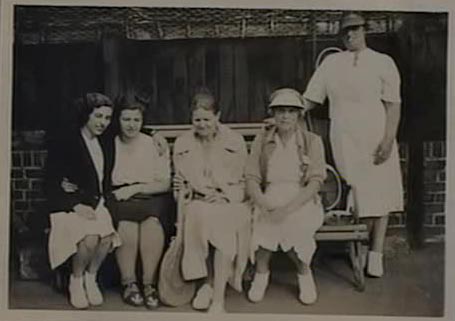
Hilda Schindler: At the beach in Hunstanton
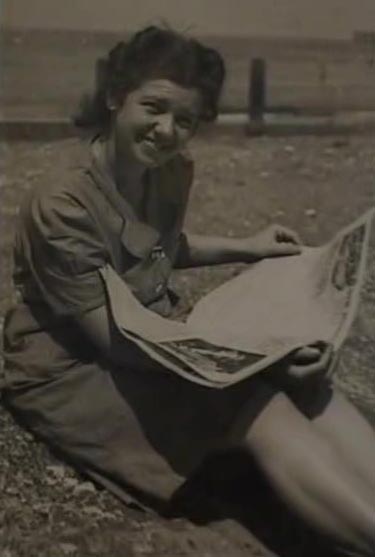
Hilda Schindler: First day in England, "at the beach in Hunstanton with my newly found relations", July 21 1939
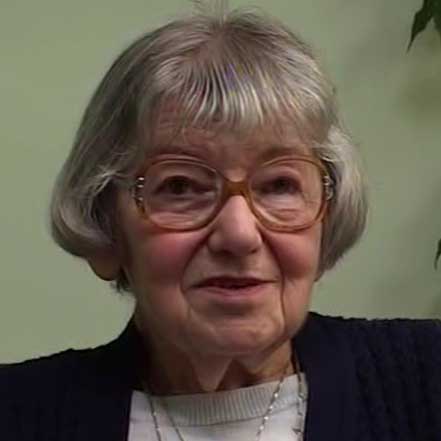
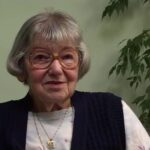
Hilda Schindler: October 2006
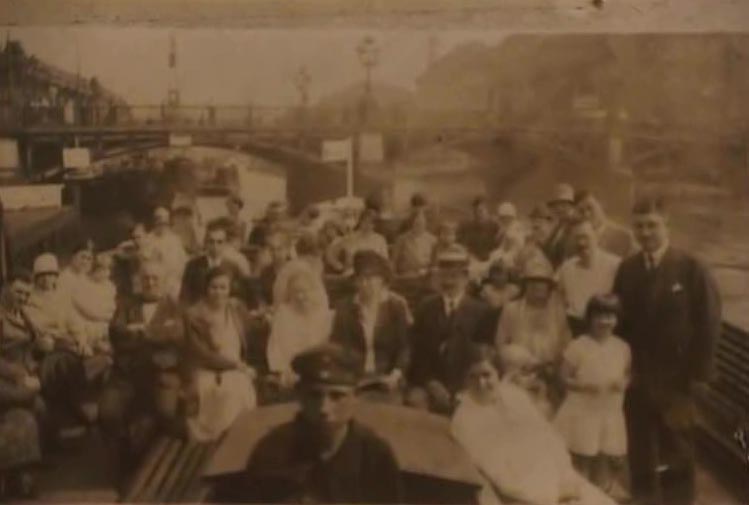
Hilda Schindler: On a river outing on the River Spree, Berlin, with her father on her right
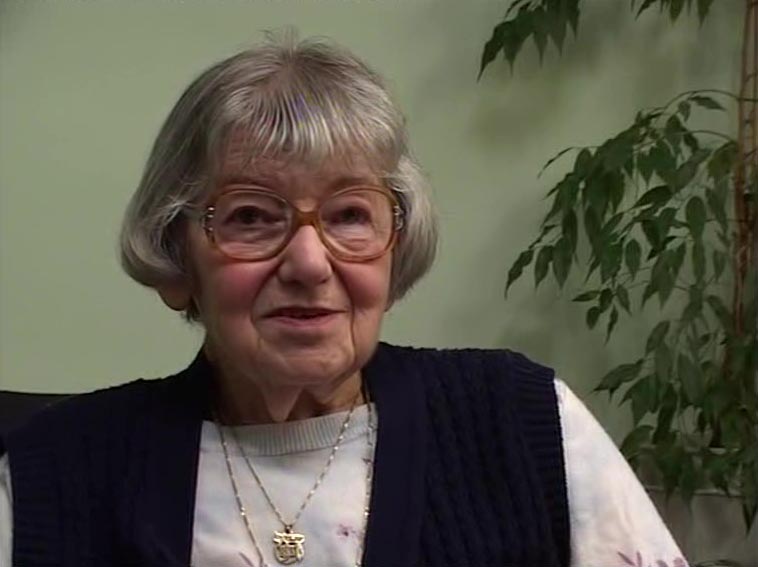
Hilda Schindler: October 2006
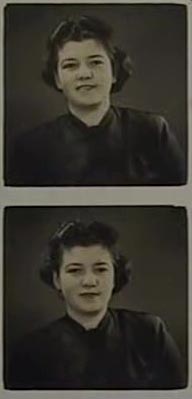
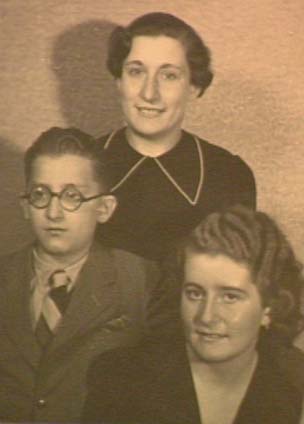
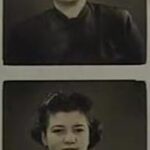
Hilda Schindler: Passport photos for journey to UK, 1939
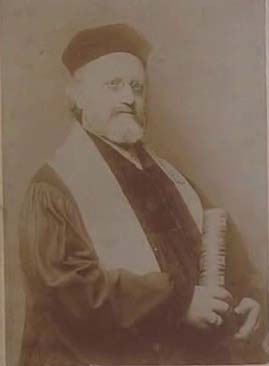
Hilda Schindler: Great grandfather Rabbi Moritz Rama at the 25th Anniversary of his office as Rabbi, Magdeburg. "But as far as I am concerned the interesting bit is the silver collar of the Tallit is now…, I have made it into a bookmark and it is now our memorial bookmark in the synagogue at Southgate."
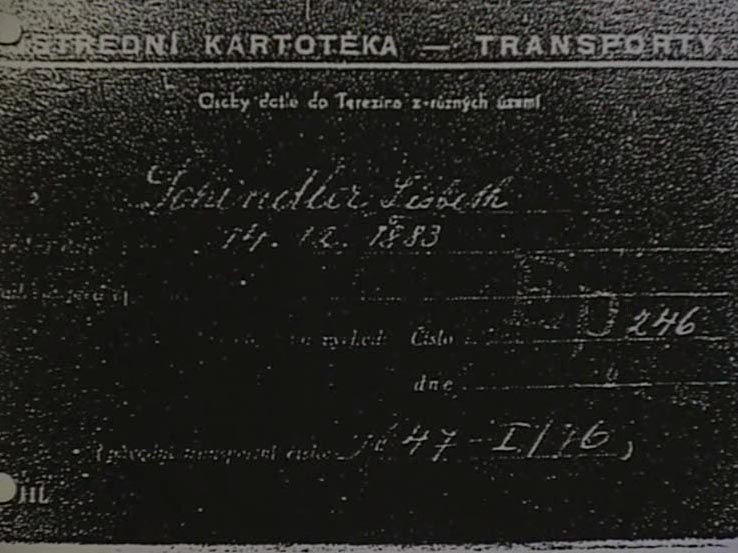
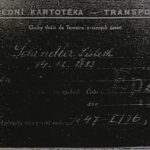
Hilda Schindler: Mother's transit details for her journey from Theresienstadt to Auschwitz
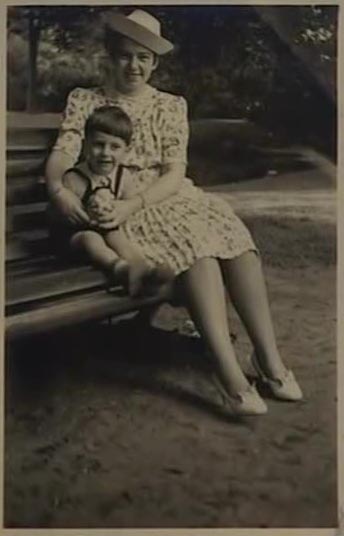
Hilda Schindler: With little cousin Peter in her last few days in Berlin before leaving for the UK. "I was supposed to bring [him] with me but unfortunately his mother
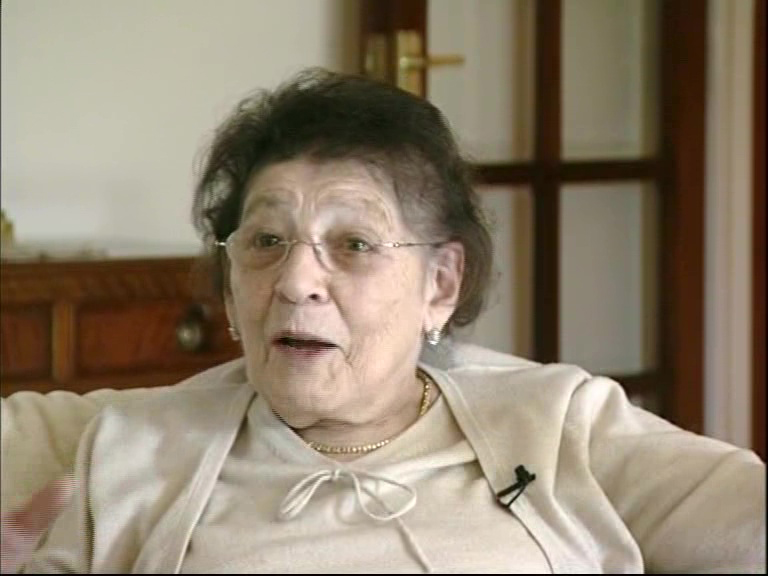
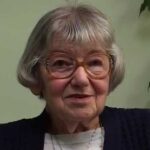
Hilda Schindler
Hilda Schindler was born 1920 in Berlin to a liberal Jewish family
Born: 1920
Place of Birth: Berlin
Arrived in Britain: 21/07/1939
Interview Number: 131 (S)
Experiences: Domestic Service
Interview Summary
Hilda Schindler was born 1920 in Berlin to a liberal Jewish family. She went to the Heinrich Kleist Lyzeum and then to the Jewish school in the Grosse Hamburger Strasse. The family lived in Alt Moabit. Through a relation in Luxembourg, Hilda managed to get a Domestic Visa to the UK. Her first job was with a family in Muswell Hill who evacuated and she found another job. She had to go in front of a tribunal and was classed ‘C’. She was a fire-watcher during the war in Muswell Hill. She attended services at the New Liberal Jewish Liberal Congregation (later Belsize Square Synagogue) and became involved in Liberal and Progressive Judaism. Hilda became a dressmaker and later a teacher. She was very involved in Southgate Progressive Synagogue, which became her ‘family’. Her parents were deported to Theresienstadt where her father perished and her mother died in Auschwitz.
Place of Birth
During the war I did fire watching. Warden’s duties. Warden’s messenger duties. Taking messages on bicycle and things like that. Helped in the Ladies’ Red Cross shop. In fact one of the things that was brought into that Red Cross shop one day was the menorah that’s standing in my sitting room now. The seven-armed candlestick which somebody had brought from a bombed out house somewhere. And the Red Cross shop in Muswell Hill was on the corner where St James’s Church is and from that corner we very sadly watched London starting to burn, because Muswell Hill is very high so we could look down on the City and it really made us shudder when we saw that.
I went past a toy and sports shop, near Kaiser Wilhelm Gedächtniskirche in Berlin, which had been owned by Jews. And as I was going past I heard a little girl say - it was all smashed up, the glass hadn’t been cleared away yet - and a little girl saying in English, ‘Mummy, what’s happened? So I sidled up because I heard the mummy answer, ‘Some rather nasty and horrible people have done this.’ I sidled up and whispered to her, ‘Tell them when you get back home.’ And I just poodled away.
I thought I would go to what is now Belsize Square [Synagogue], called the New Liberal at the time. To my utter amazement there was an awful lot of German in the service. The second day and that was all of German - that I couldn’t stand. Already on the boat I had decided to myself, ‘I am not speaking any German anymore.’
[After emigrating to England] During the war I did fire watching. Taking messages on bicycle and things like that. Helped in the Red Cross shop. The shop in Muswell Hill was on the corner and from that corner we very sadly watched London starting to burn, because we could look down on the City and it really made us shudder when we saw that.
I had gone back to work and I was delivering something, a dress or something, in a block of flats a little way away from the Fasanenstraße Synagogue and as I came down the lift I thought, ‘It’s still burning!’ But it wasn’t, it was the Ner Tamid, a Ner Tamid that has never gone out.
My relations eventually managed to get the permission for my parents and my mother’s various sisters and their families, to leave Berlin - on the very day that Germany invaded the Low Countries. So they were stuck.
REFUGEE VOICES is the AJR’s groundbreaking Holocaust testimony collection of filmed interviews with Jewish survivors and refugees from Nazi Europe who rebuilt their lives in Great Britain.
The copyright of personal photos and documents on the site is held by each interviewee and may not be reproduced without their permission. Please contact the AJR if you would like to use any of the images and documents.