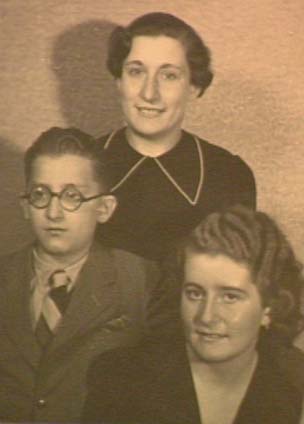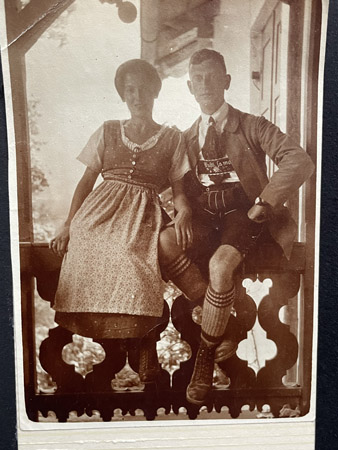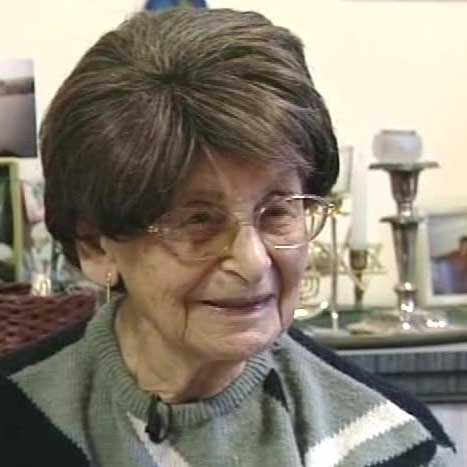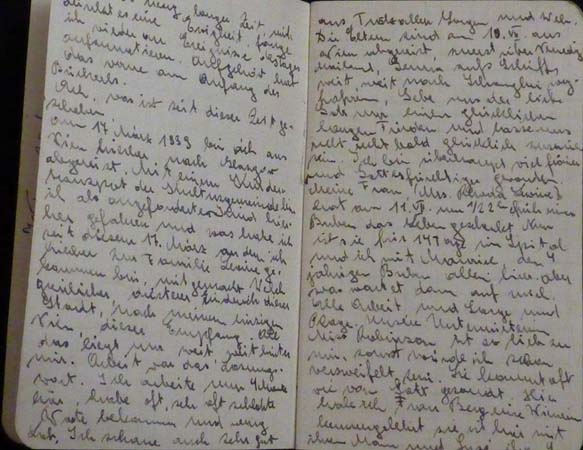
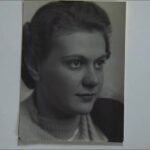
Inge Ader: Hamburg
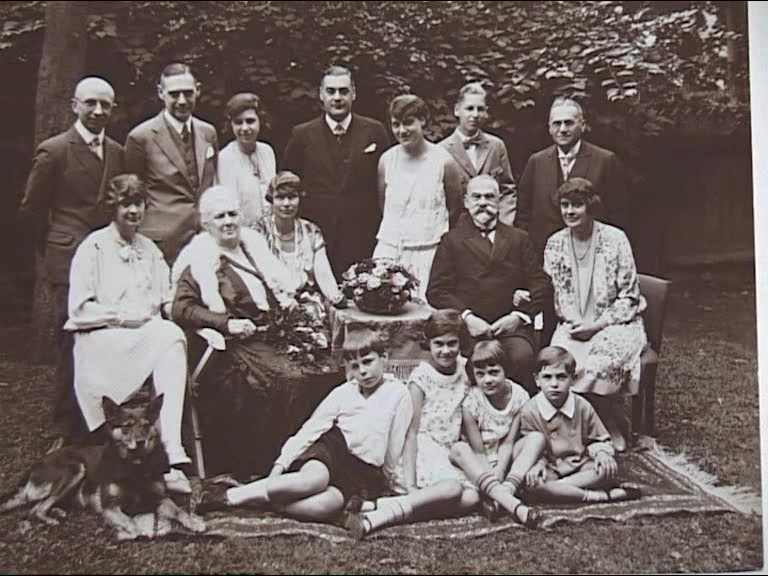
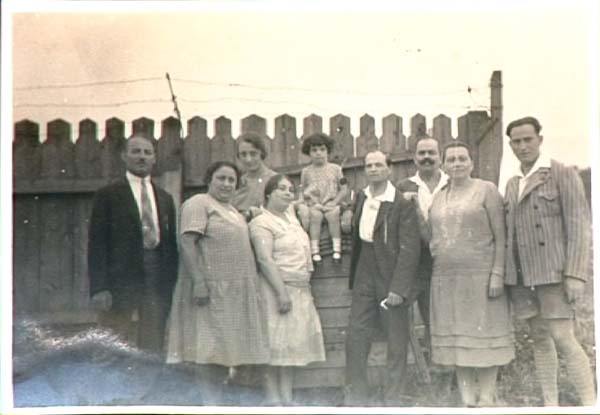
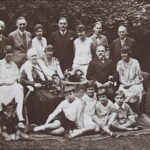
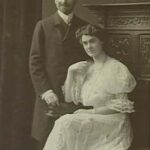
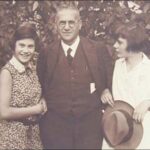
Inge Ader: Grandparents’ Golden Wedding
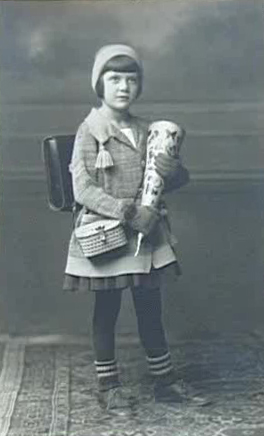
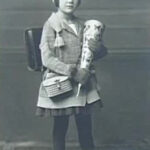
Inge Ader: First day of school
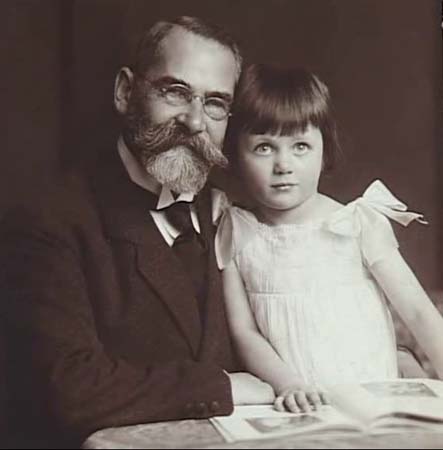
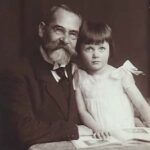
Inge Ader: Grandfather Hinrichsen
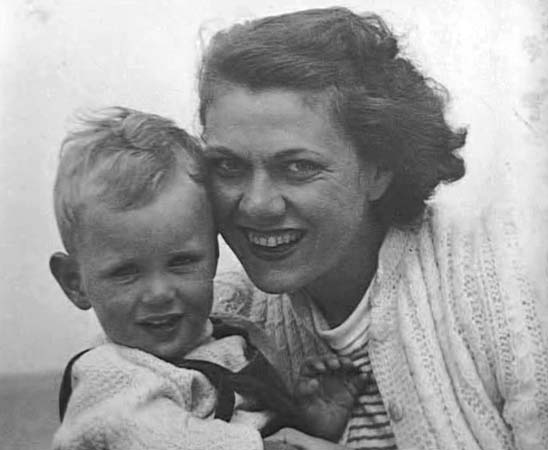
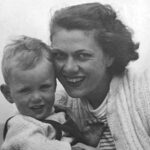
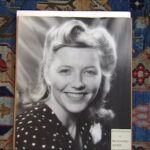
Inge Ader: Inge with son
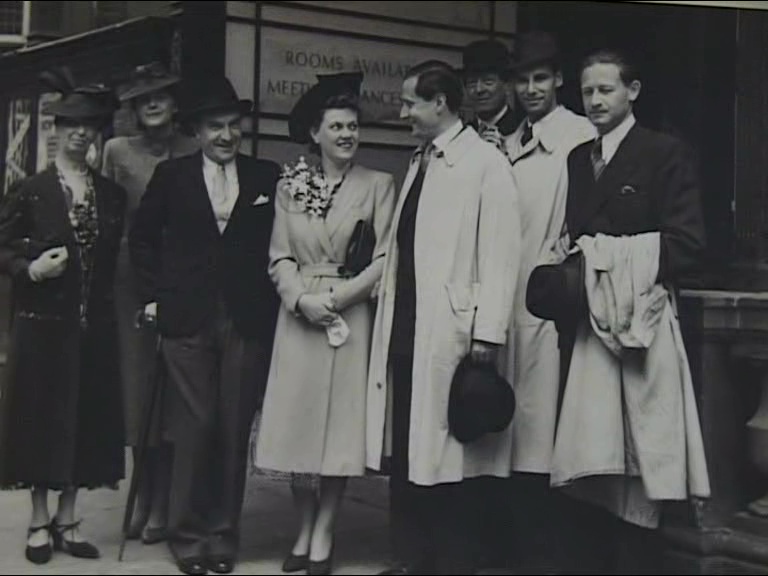
Inge Ader: Wedding day
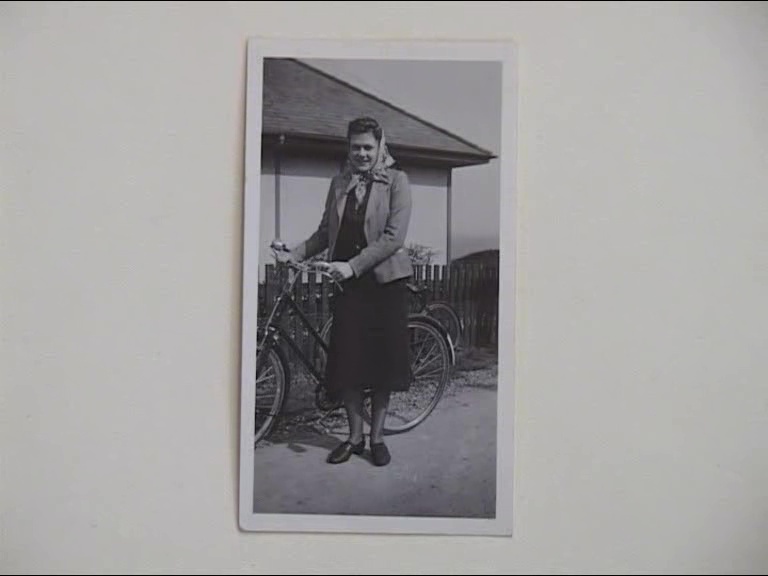
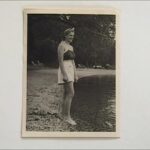
Inge Ader: Filey
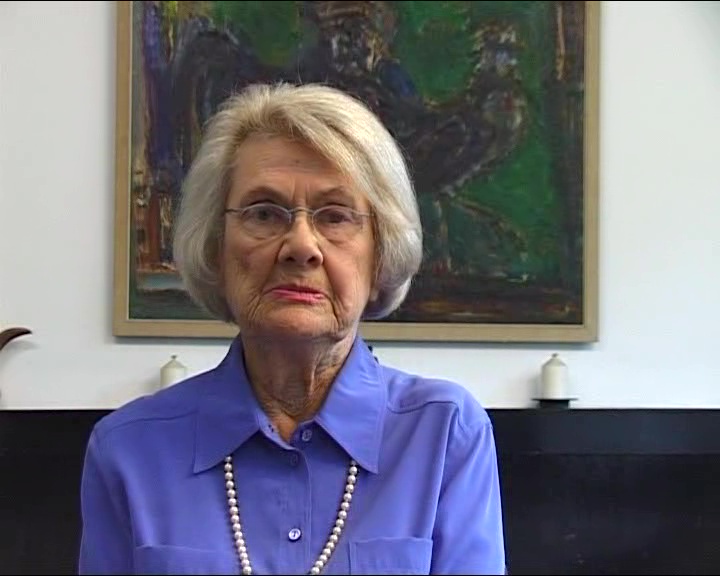
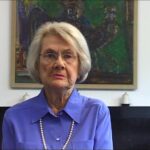
Inge Ader: June 2003
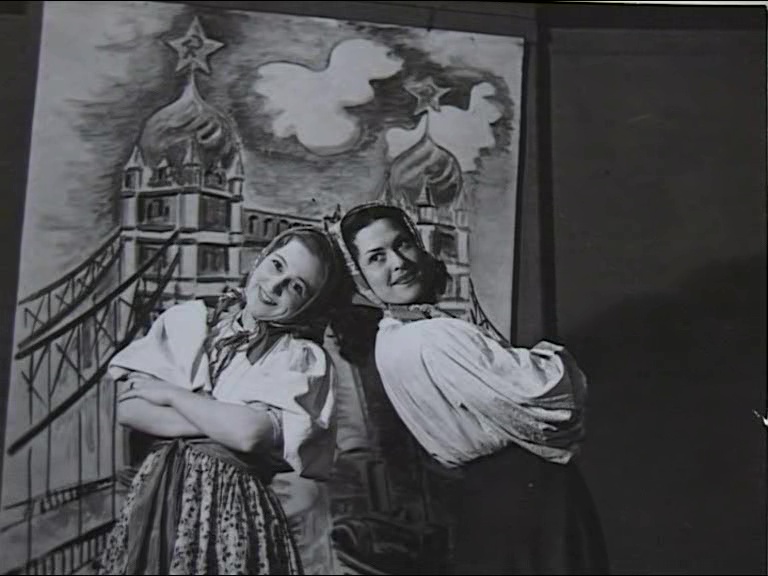
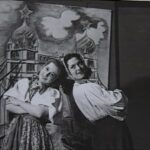
Inge Ader: Refugee cabaret
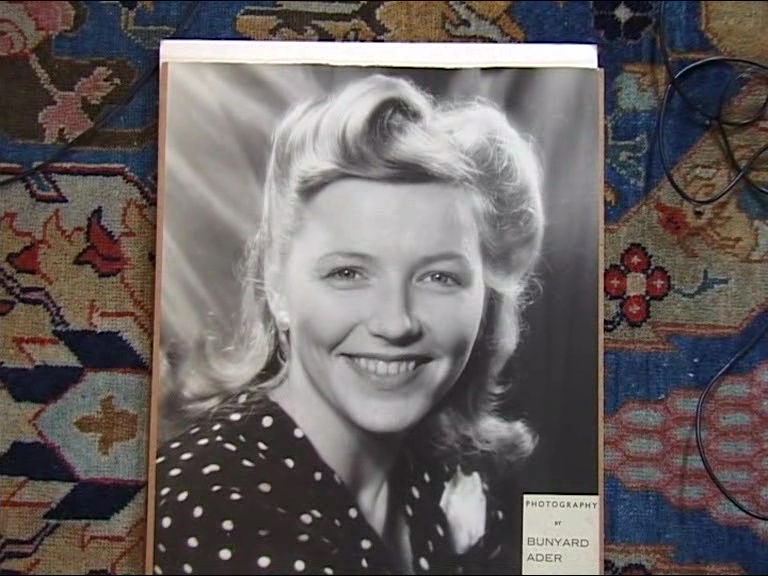
IA
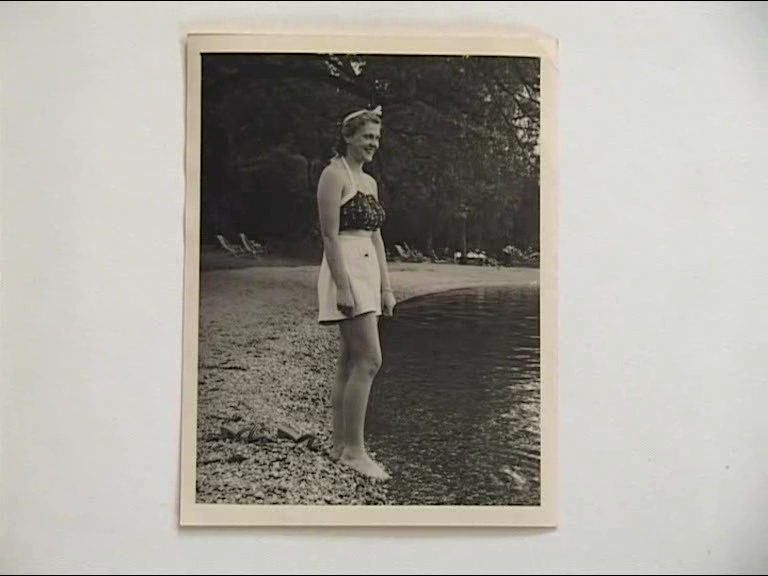
Inge Ader: Austria
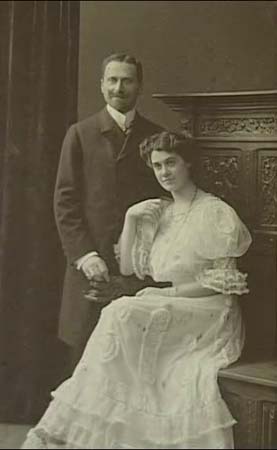
Inge Ader: Max and Vera
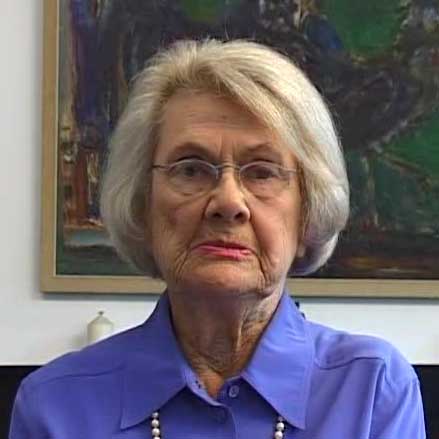
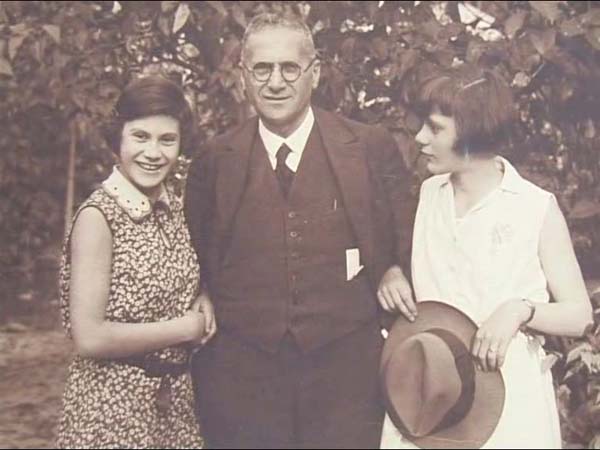
Inge Ader: Father
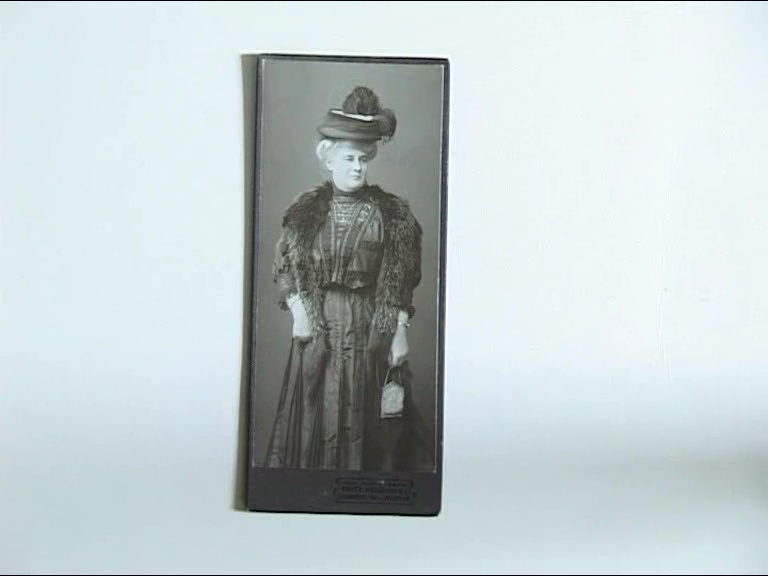
Inge Ader: Grandmother Hinrichsen
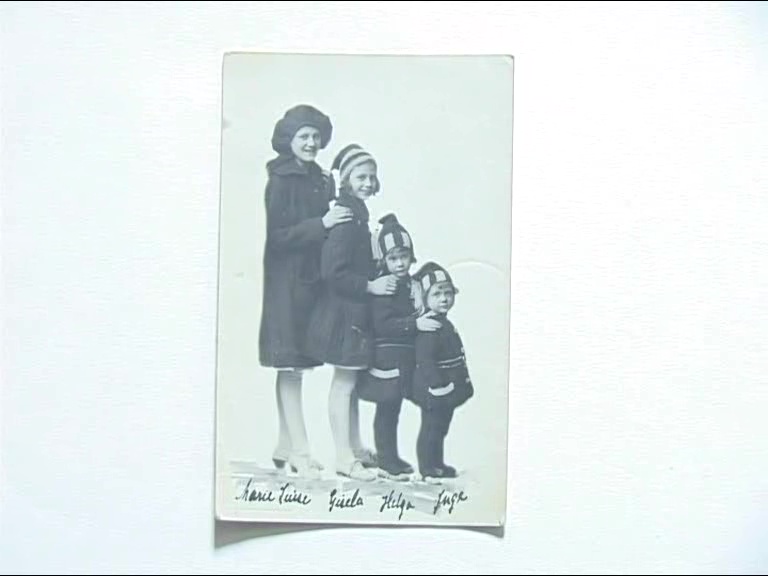
Inge Ader: Inge with sisters Marie-Louise (Pika)
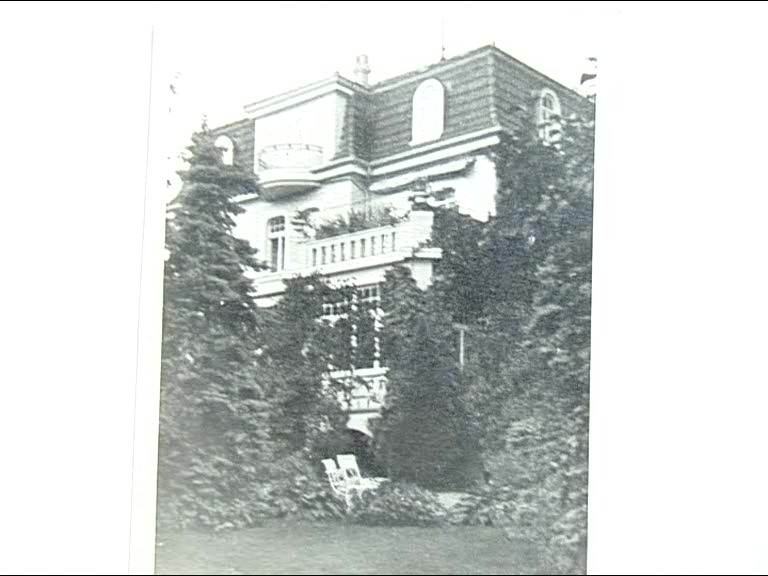
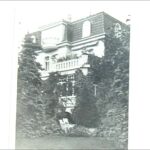
Inge Ader: Family house
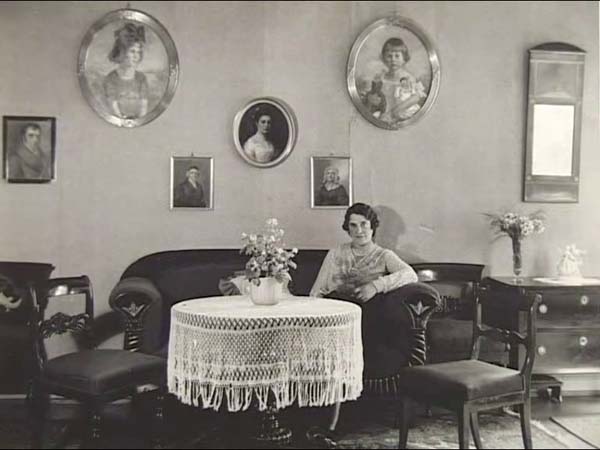
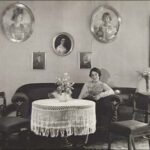
Inge Ader: Drawing room
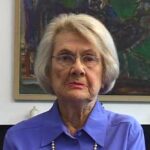
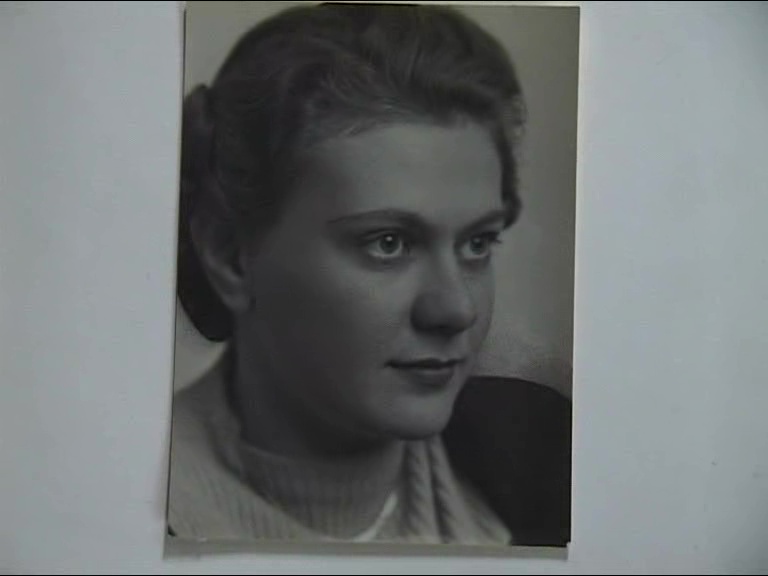
Inge Ader
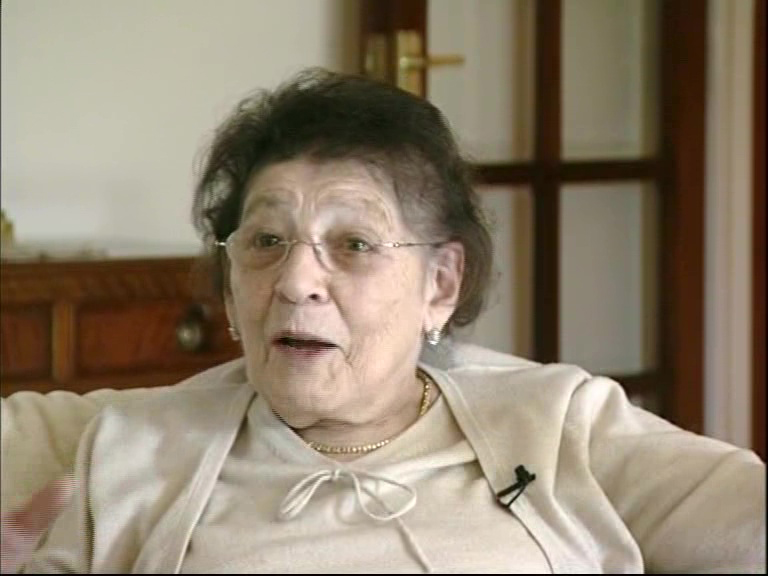
Inge Ader, born Inge Nord in 1918, grew up in Schwerin, where her father had a grain business
Born: 1918
Place of Birth: Schwerin
Arrived in Britain: 04/04/1939
Interview Number: 18 (S)
Experiences: Domestic Service
Interview Summary
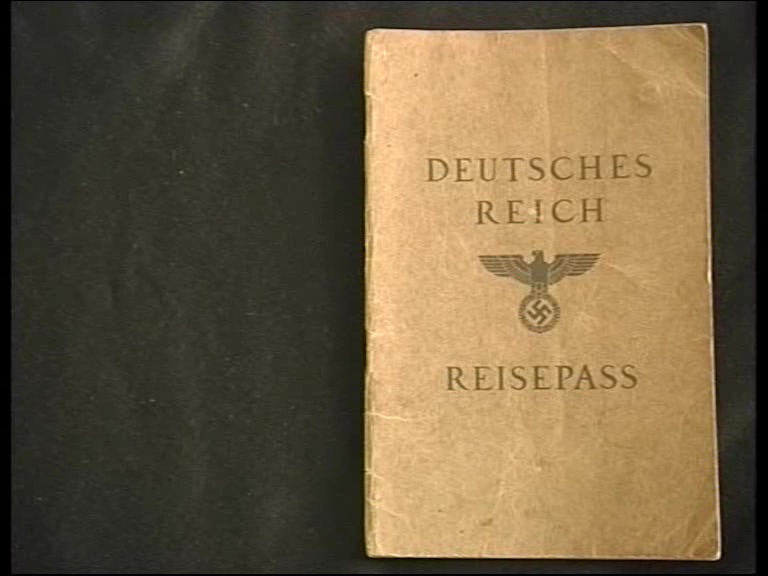
Inge Ader, born Inge Nord in 1918, grew up in Schwerin, where her father had a grain business. She moved with her mother to Hamburg after 1933 because they were facing difficulties as Jews in Schwerin. After facing discrimination at school, Inge decided she wanted to become a photographer and started an apprenticeship in photography. She passed her exams in 1937 and started working as a photographer. She came on a domestic visa to the UK in 1939 and eventually opened her own photographic studio called ‘Banjard Ader’ on the Finchley Road. Married in 1939.
Place of Birth
As a photographer? Well I liked portraits; I was used to that. But I branched out in advertising. And I liked it very much. Anneli Bunyard specialised in actors, theatrical work. But she often didn’t come, and I could take her work, and we did that together. We always had to sign the photographs - we had formed a limited company as Bunyard Ader - it didn’t matter who took it. That was one of the conditions. People say, “Are you the person- My child’s picture on my bedside table, and signed Bunyard Ader - was it taken by you?”
REFUGEE VOICES is the AJR’s groundbreaking Holocaust testimony collection of filmed interviews with Jewish survivors and refugees from Nazi Europe who rebuilt their lives in Great Britain.
The copyright of personal photos and documents on the site is held by each interviewee and may not be reproduced without their permission. Please contact the AJR if you would like to use any of the images and documents.