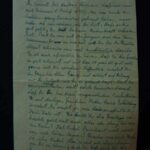
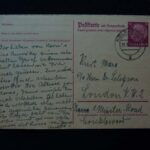
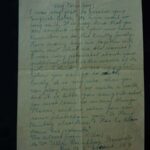
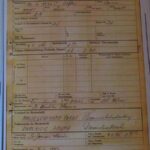
![KM: Red Cross letter from parents, KM's last communication from his parents, dated July 19, 1942 but received by KM a month later, on August 25 1942. His parents were deported to Minsk on July 20, 1942 and were killed three or four days later. Text reads: "Ihr Lieben, vor der Abreise innigste Grüße. Bleibt gesund. Gedenkt unser. Für Dich, lieber Junge, herzliche Geburtstagswünsche. Sei fleißig, mache Deiner Umgebung Freude. Vati, Mutti”[Our dear ones, before our departure we are sending our most loving regards. Stay healthy. Think of us. For you, dear boy, loving birthday wishes. Work hard and please those who surround you. Vati, Mutti]](https://ajr.twoboysdev.co.uk/wp-content/uploads/2025/07/770eee_2ff71a4169f64195a0d55cd80a809b0fmv2-150x150.jpg)
![KM: With the family's first car, a small Opel, ca1931. "I put it into gear. And I used the starter. You see you- you didn't need an ignition key to work the starter; it had a button on the floor of the car. I put it in gear and each time the battery turned over the engine - car moved. So, I must have driven- gone about 100 yards with it. So, it was well down the street. [laughs] I had driven it. My father was not pleased. I seem to remember that."](https://ajr.twoboysdev.co.uk/wp-content/uploads/2025/07/770eee_be48364c608e4710a138d68e2c6874f0mv2-150x150.jpg)
![KM: Carnival in Cologne ca1936. "These were my local friends. They were- none of them were Jewish, but one of them [second from the right] - a year or so later - became a member of the Hitler Youth. Then …I didn't exist anymore."](https://ajr.twoboysdev.co.uk/wp-content/uploads/2025/07/770eee_9fe447eac8334e549f7b90195d5fd040mv2-150x150.jpg)
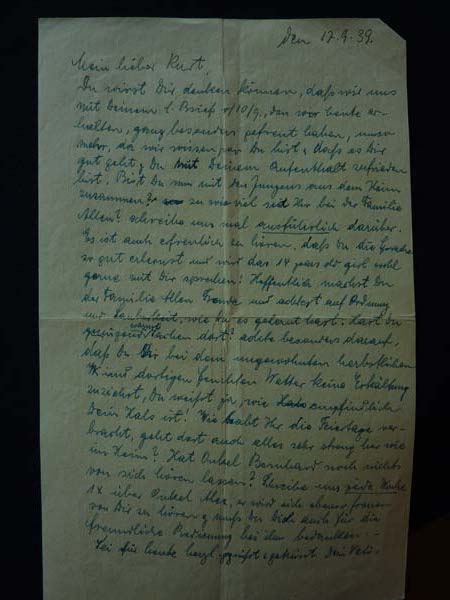
Kurt Marx: Letter from parents
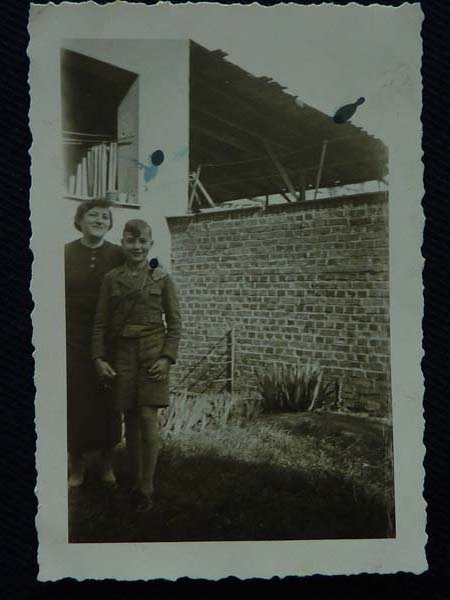
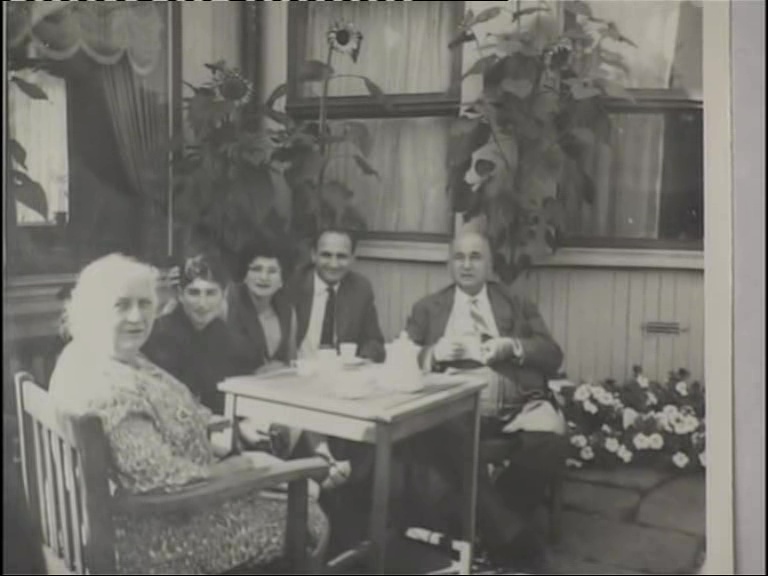
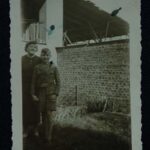
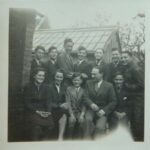
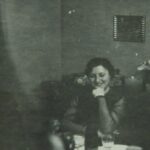
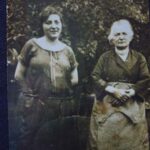
Kurt Marx: With his mother in the garden of their block of flats
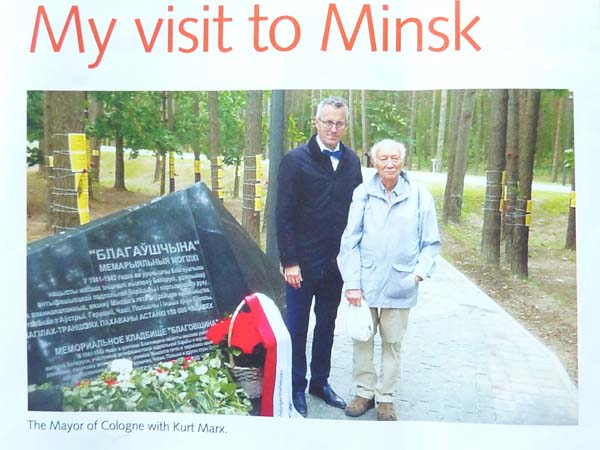
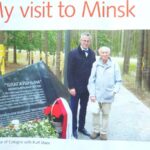
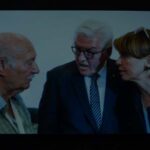
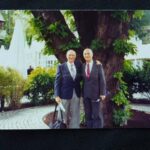
Kurt Marx: Visit to Minsk after the inauguration of the place of remembrance, KM with one of the Mayors of Cologne. "The yellow stickers… on the trees there behind?... Those were put there by the Jews from Vienna when they came there. They put the names onto the trees. Yes, it was a very- I think a very important visit to Maly Trostenets. And it's still- I'm still trying to get it… more publicity. But it's very difficult."
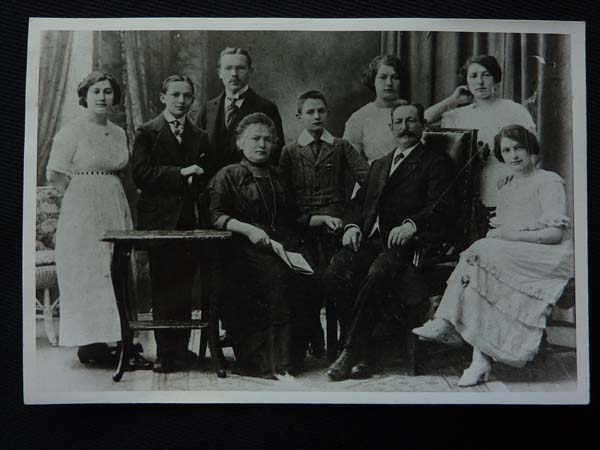
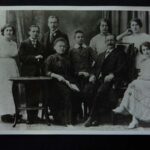
Kurt Marx: Grandparents' silver wedding anniversary, Poll, Cologne, ca1914
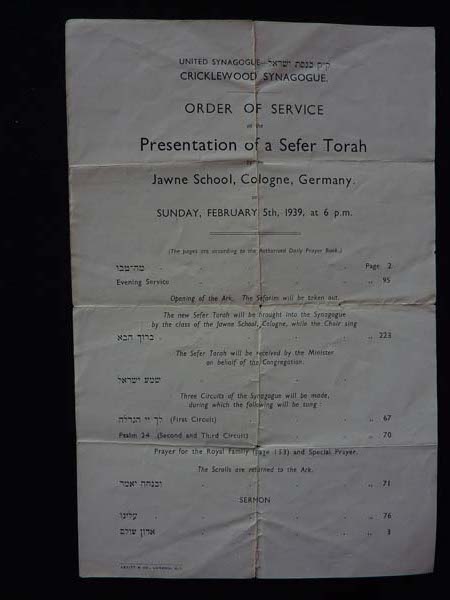
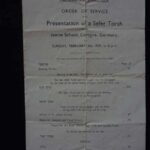
Kurt Marx: Order of Service from Cricklewood Synagogue, February 5, 1936, to commemorate the presentation of the Sefer Torah brought by the Jawne School as a gift to their new host community. "It was quite a- quite a story. It's one of these interesting things really- it’s symbolic. The wandering Jew takes his Sefer Torah with him."
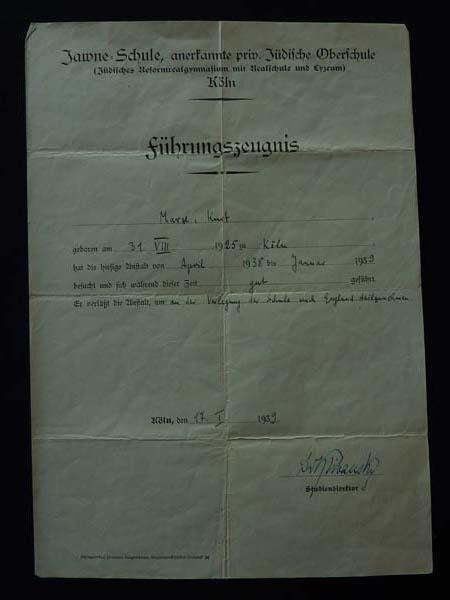
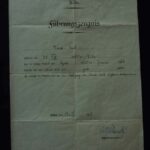
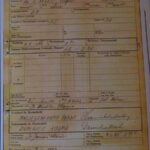
Kurt Marx: School Führungszeugnis – certificate of good conduct
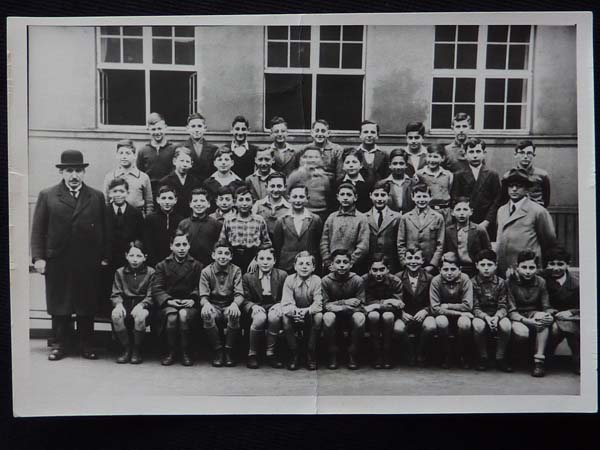
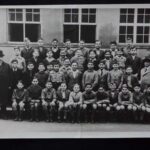
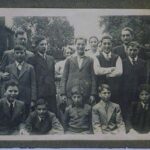
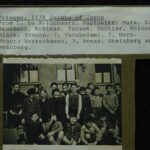
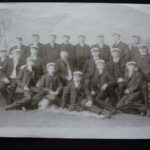
Kurt Marx: Lützowstraße primary school class. KM is fifth from the right. "And with the teacher. I remember the one on the right. His name was Doktor Braun. Did you hear of Doktor Braun? Doktor Brown. Doktor Philosoph Braun. He- not only was he- was a mathematician
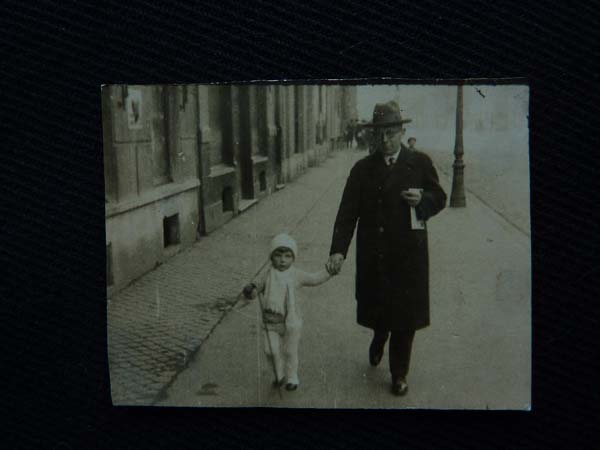
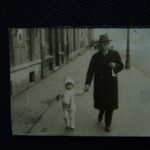
Kurt Marx: Walking with his father on Sülzburgstraße
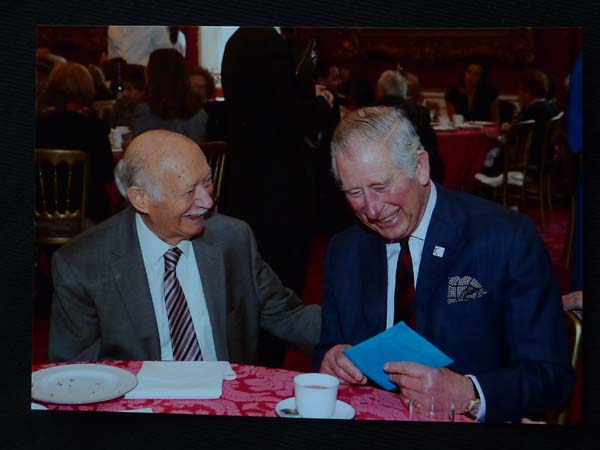
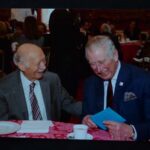
Kurt Marx: With Prince Charles at the Kindertransport 75th anniversary event
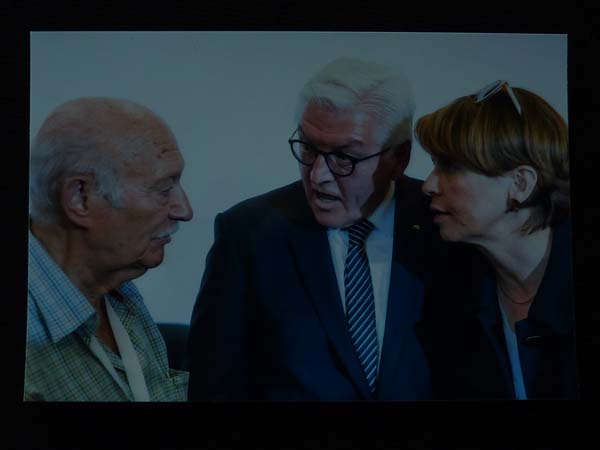
Kurt Marx: In Minsk for the inauguration of the new place of remembrance with Frank-Walter Steinmeier
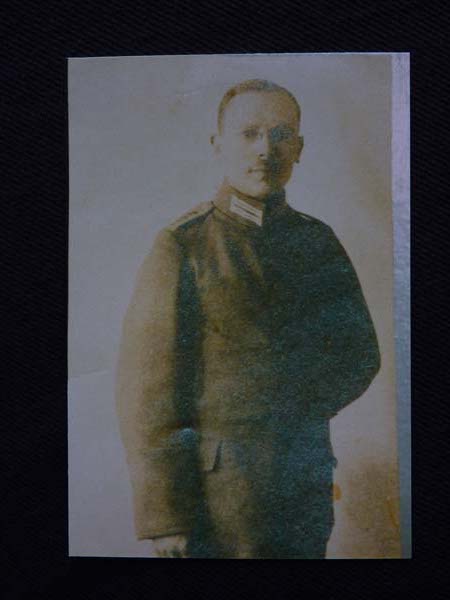
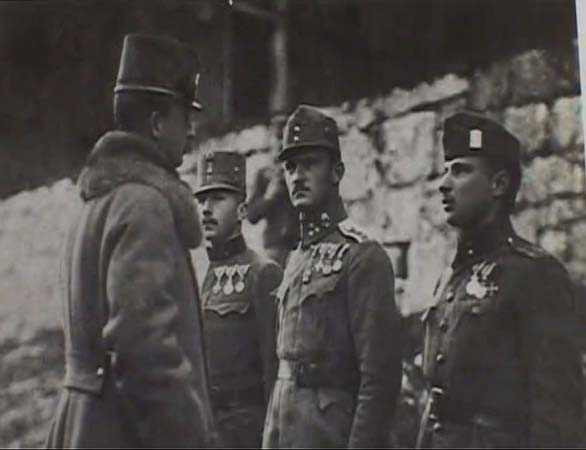
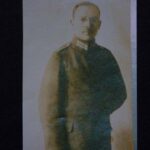
Kurt Marx: Father when serving in Germany army during WW1, ca1914
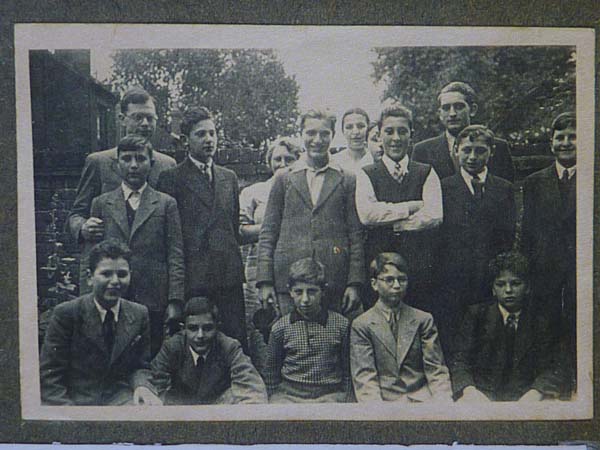
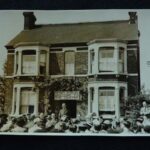
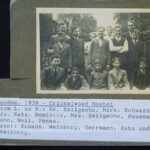
Kurt Marx: Outside the hostel in Cricklewood, 1939
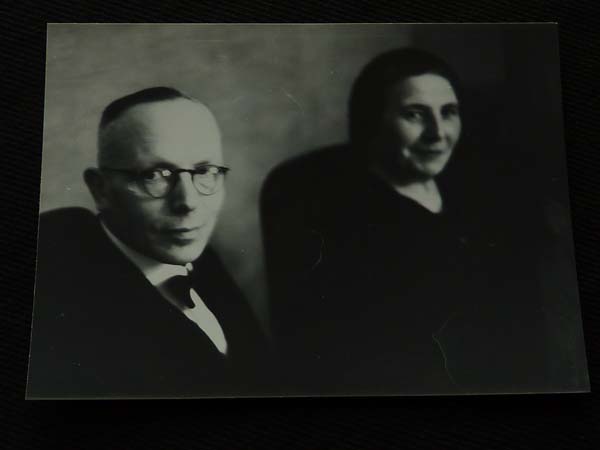
Kurt Marx: Father with mother's aunt at KM's Bar Mitzvah
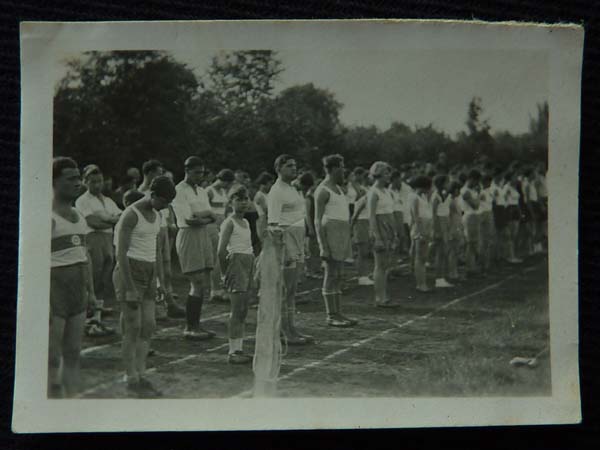
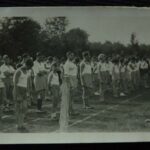
Kurt Marx: Inter-city sports competition
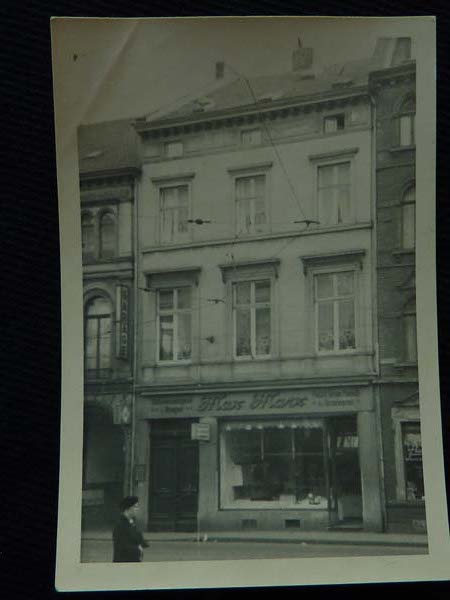
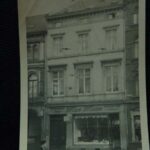
Kurt Marx: House of uncle Max
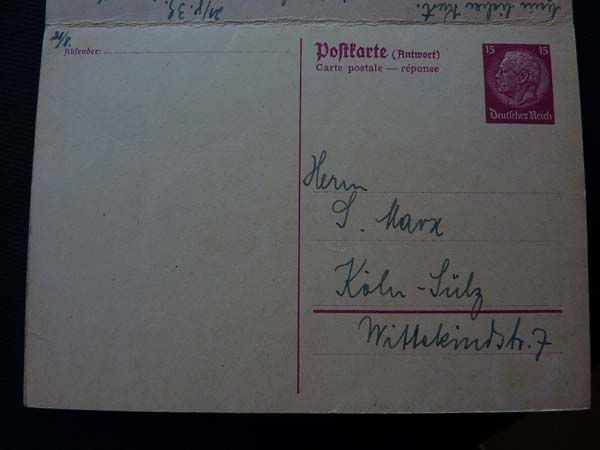
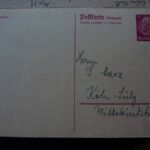
Kurt Marx: Reply postcard
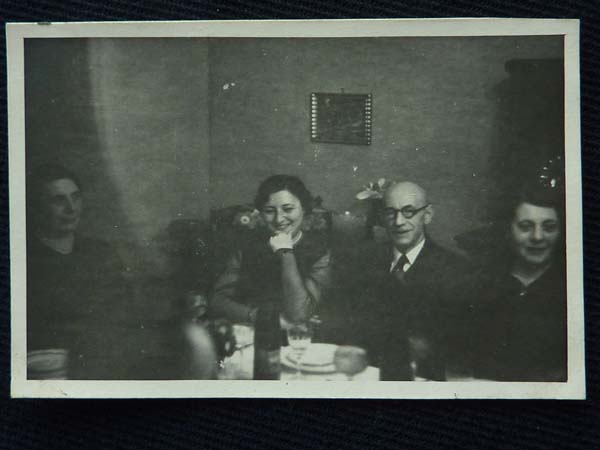
Kurt Marx: Bar Mitzvah meal
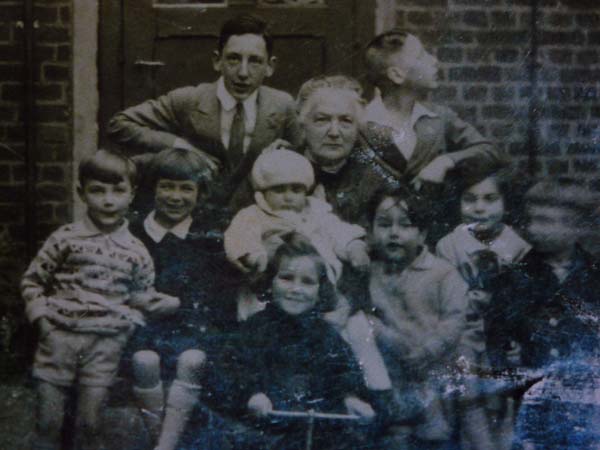
Kurt Marx: Grandmother with her grandchildren. "Actually
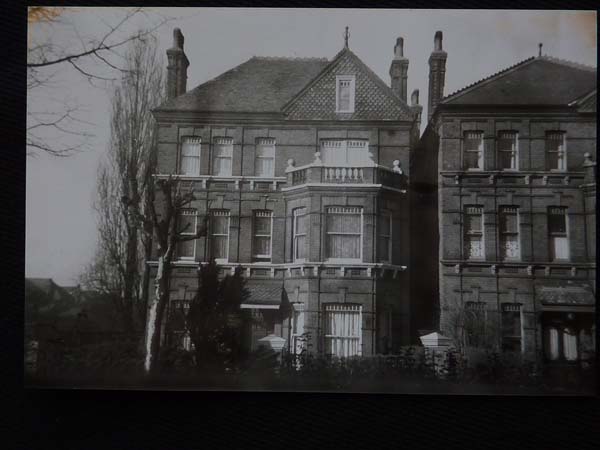
Kurt Marx: The Minster Road hostel
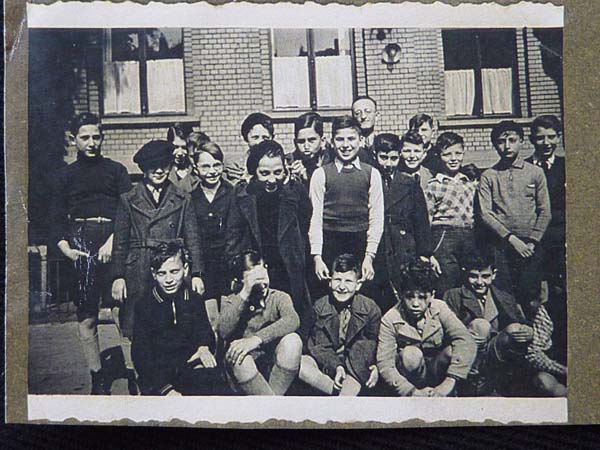
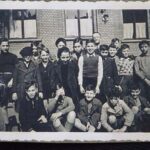
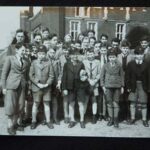
Kurt Marx: Jawne school
![KM: Red Cross letter from parents, KM's last communication from his parents, dated July 19, 1942 but received by KM a month later, on August 25 1942. His parents were deported to Minsk on July 20, 1942 and were killed three or four days later. Text reads: "Ihr Lieben, vor der Abreise innigste Grüße. Bleibt gesund. Gedenkt unser. Für Dich, lieber Junge, herzliche Geburtstagswünsche. Sei fleißig, mache Deiner Umgebung Freude. Vati, Mutti”[Our dear ones, before our departure we are sending our most loving regards. Stay healthy. Think of us. For you, dear boy, loving birthday wishes. Work hard and please those who surround you. Vati, Mutti]](https://ajr.twoboysdev.co.uk/wp-content/uploads/2025/07/770eee_2ff71a4169f64195a0d55cd80a809b0fmv2.jpg)
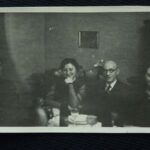
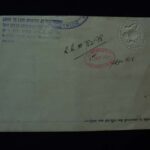
Kurt Marx: Red Cross letter from parents, KM's last communication from his parents, dated July 19, 1942 but received by KM a month later, on August 25 1942. His parents were deported to Minsk on July 20, 1942 and were killed three or four days later. Text reads: "Ihr Lieben, vor der Abreise innigste Grüße. Bleibt gesund. Gedenkt unser. Für Dich, lieber Junge, herzliche Geburtstagswünsche. Sei fleißig, mache Deiner Umgebung Freude. Vati, Mutti”[Our dear ones, before our departure we are sending our most loving regards. Stay healthy. Think of us. For you, dear boy, loving birthday wishes. Work hard and please those who surround you. Vati, Mutti]
Kurt Marx: Reverse side of a postcard
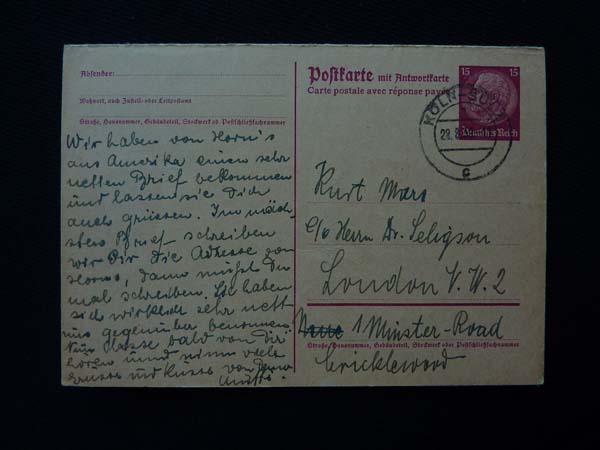
Kurt Marx: Postcard from parents
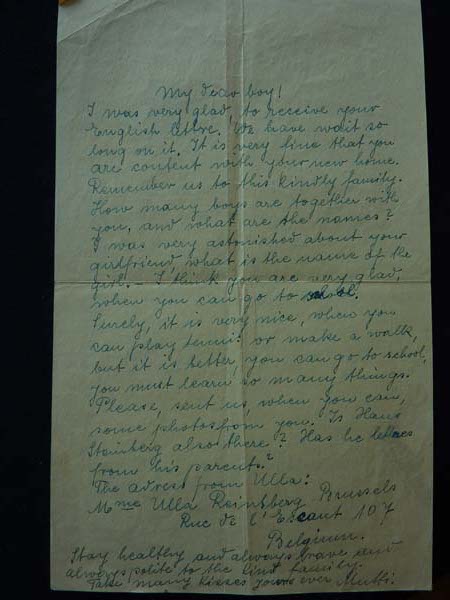
Kurt Marx: Letter from parents
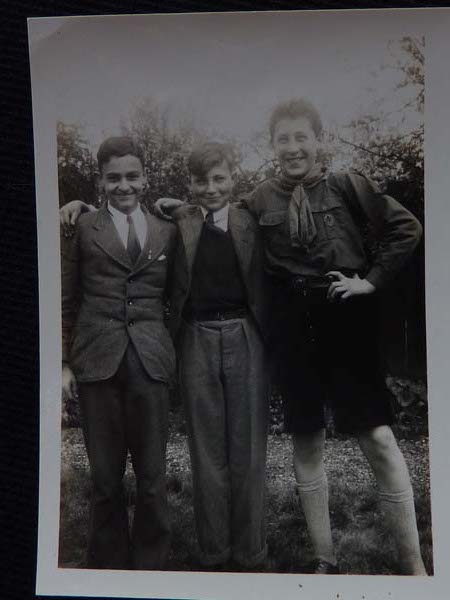
Kurt Marx: KM in the middle
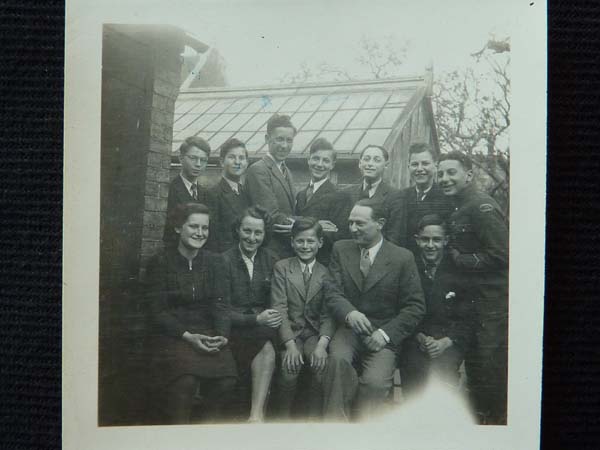
Kurt Marx: Uncle Bernhard Marx's house
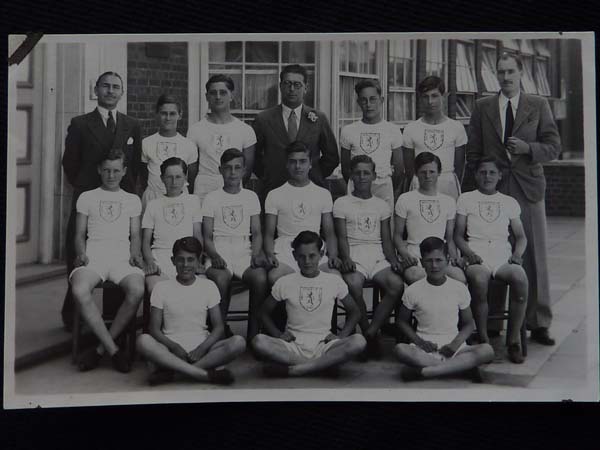
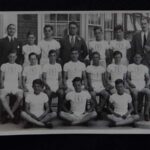
Kurt Marx: In the school athletics team
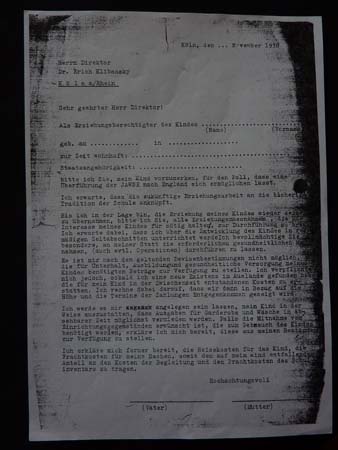
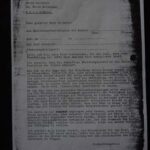
Kurt Marx: Letter written by the headmaster of the Jawne school to the parents of the children attending the Jawne school to invite them to send their children to England. "And… some people did. Some people didn't. They felt that they want to leave the children stay- the children should stay with them. I mean
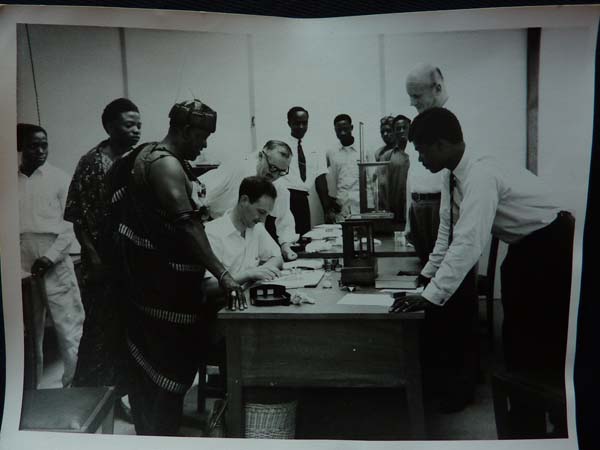
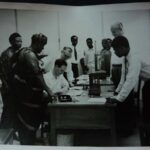
Kurt Marx: In his office in Accra
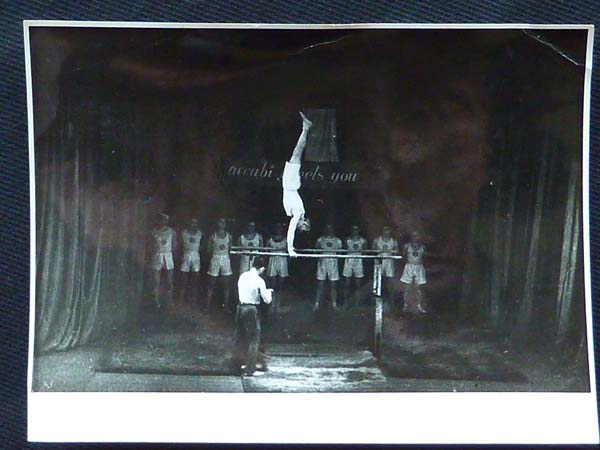
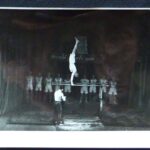
Kurt Marx: Gymnastics demonstration at the annual Maccabi or Hakoah Hanukkah party
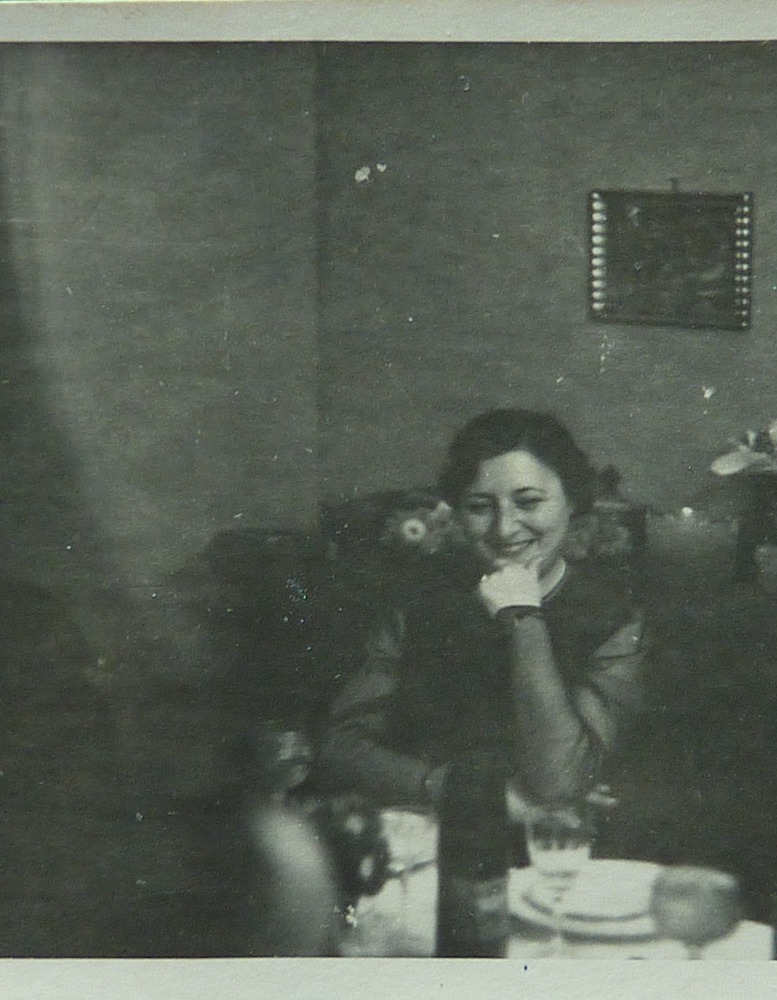
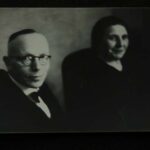
Kurt Marx: Mother Irma Marx
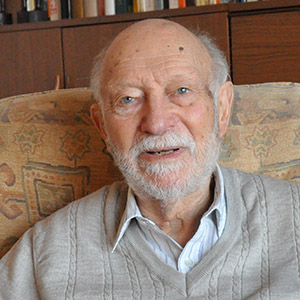
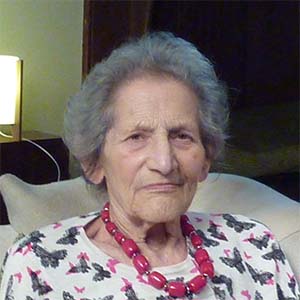
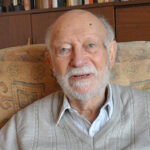
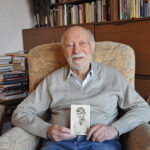
Kurt Marx: March 2019
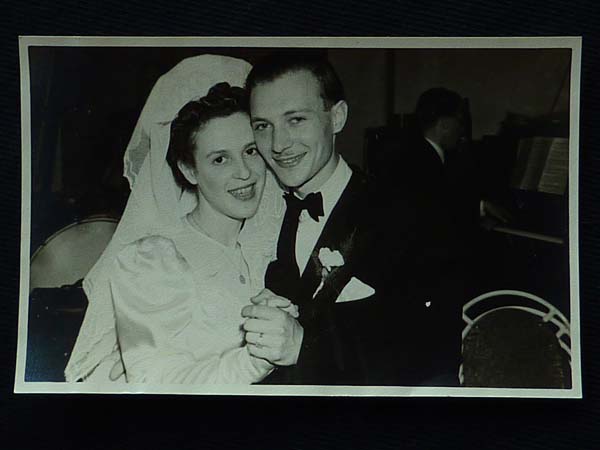
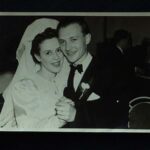
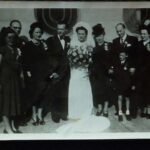
Kurt Marx: Wedding day
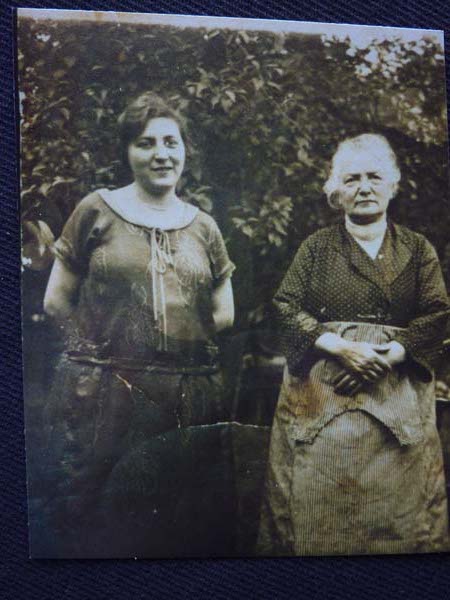
Kurt Marx: Maternal grandmother Johanna Marx with KM's expectant mother
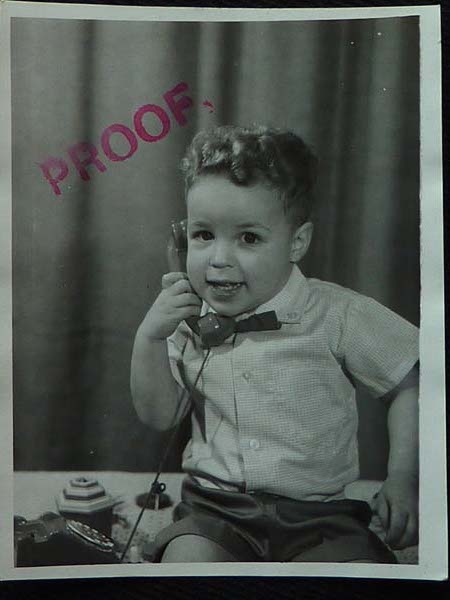
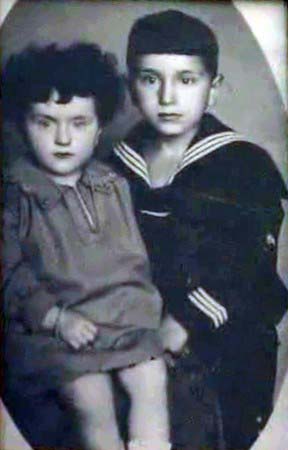
Kurt Marx: Son aged two
![KM: With the family's first car, a small Opel, ca1931. "I put it into gear. And I used the starter. You see you- you didn't need an ignition key to work the starter; it had a button on the floor of the car. I put it in gear and each time the battery turned over the engine - car moved. So, I must have driven- gone about 100 yards with it. So, it was well down the street. [laughs] I had driven it. My father was not pleased. I seem to remember that."](https://ajr.twoboysdev.co.uk/wp-content/uploads/2025/07/770eee_be48364c608e4710a138d68e2c6874f0mv2.jpg)
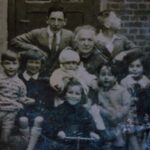
Kurt Marx: With the family's first car, a small Opel, ca1931. "I put it into gear. And I used the starter. You see you- you didn't need an ignition key to work the starter; it had a button on the floor of the car. I put it in gear and each time the battery turned over the engine - car moved. So, I must have driven- gone about 100 yards with it. So, it was well down the street. [laughs] I had driven it. My father was not pleased. I seem to remember that."
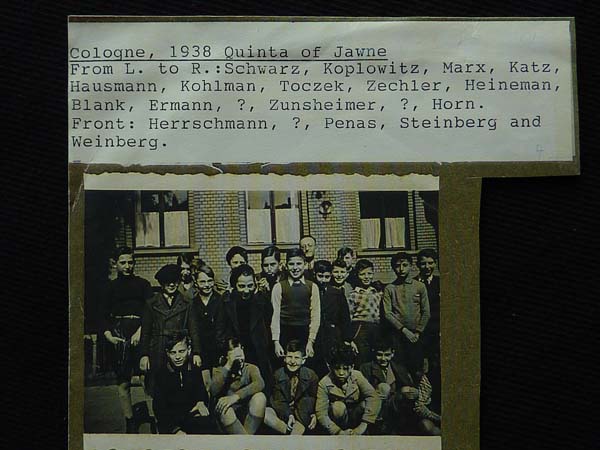
Kurt Marx: Jawne secondary school
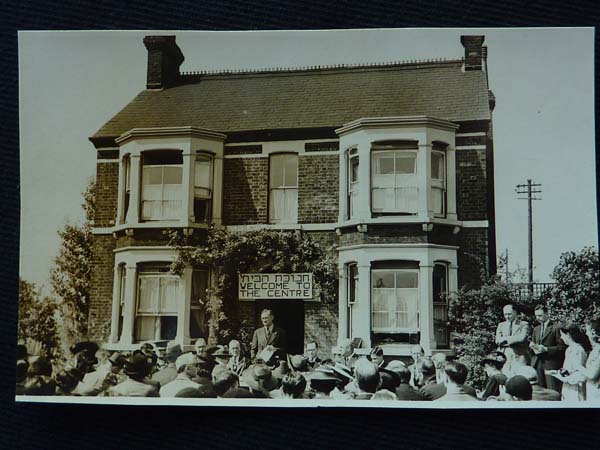
Kurt Marx: The Centre
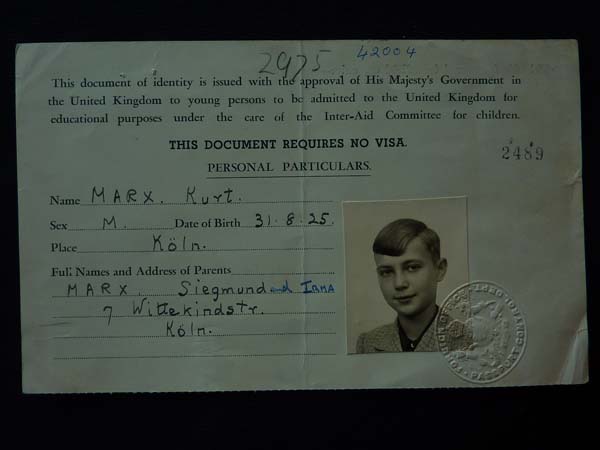
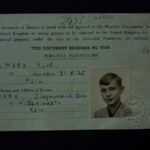
Kurt Marx: UK entry permit
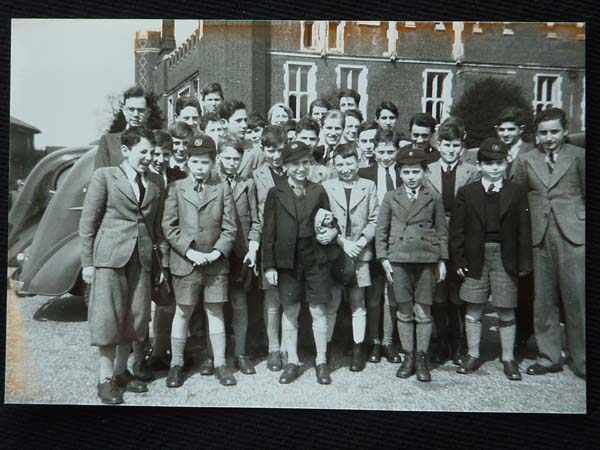
Kurt Marx: Hostel boys on an outing
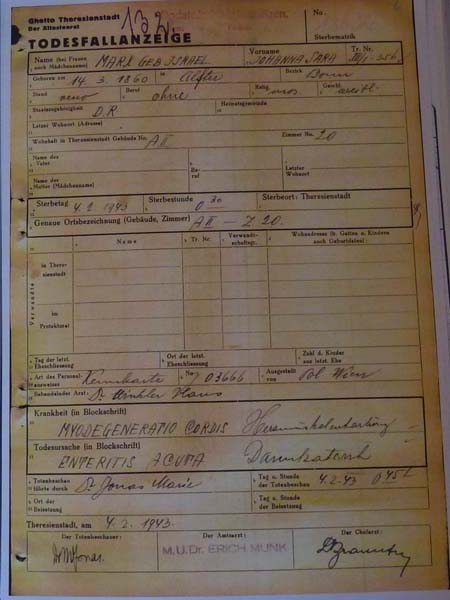
Kurt Marx: Death certificate for Johanna Marx (14.3. 1860)
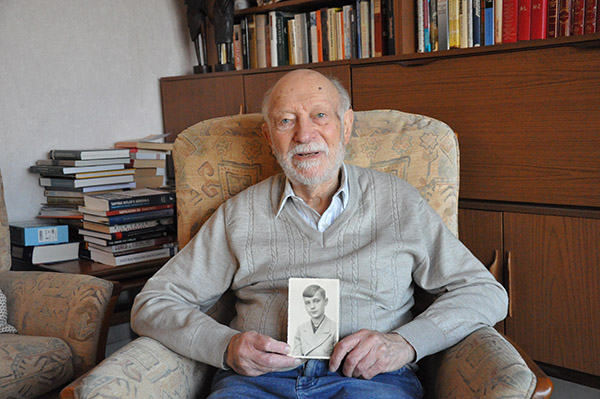
Kurt Marx: March 2019
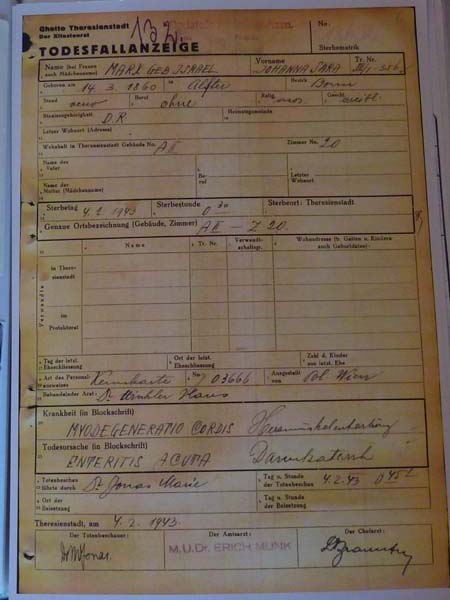
Kurt Marx: Death certificate for Johanna Marx (14.3. 1860)
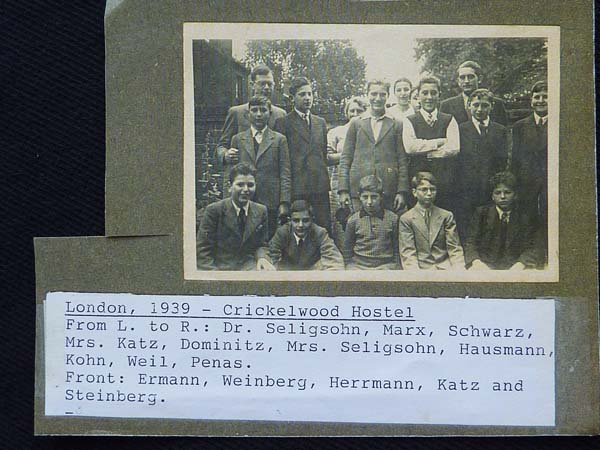
Kurt Marx: Outside the hostel in Cricklewood, 1939
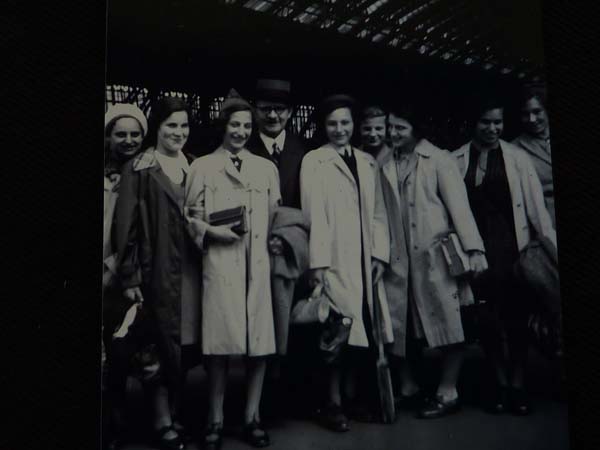
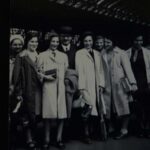
Kurt Marx: Jawne girls, with their teacher Klibansky, at the train station in Cologne, about to travel to the UK, 1939
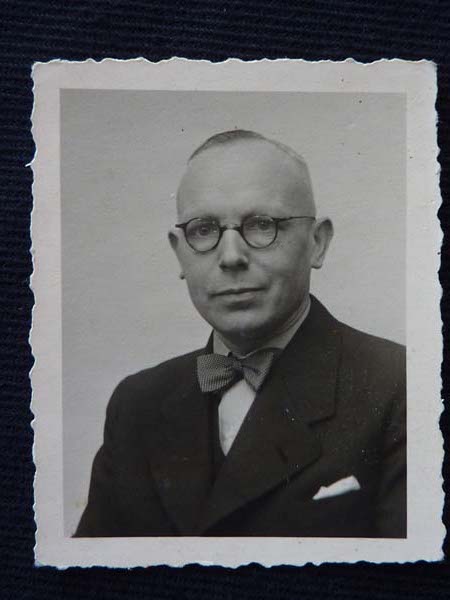
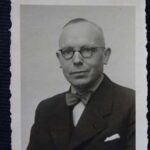
Kurt Marx: Father Siegmund Marx
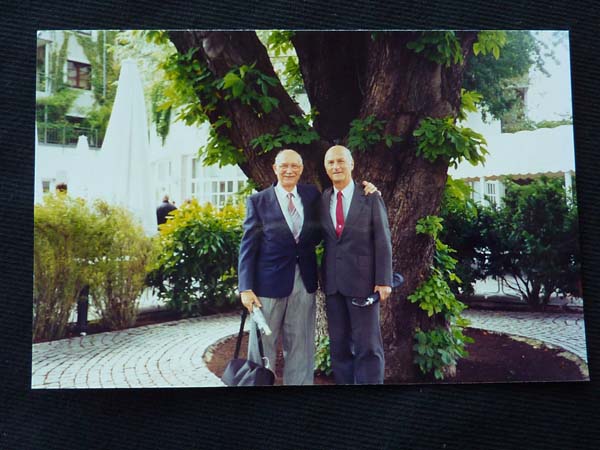
Kurt Marx: Standing with old school friend Hans Rothschild in front of the chestnut tree in the courtyard of the Jawne school, Cologne
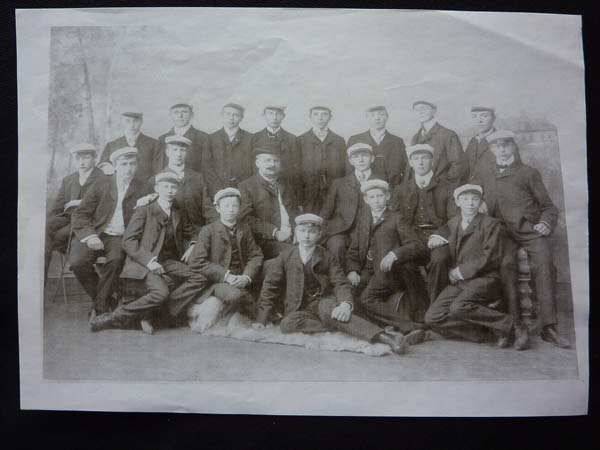
Kurt Marx: Father's secondary school
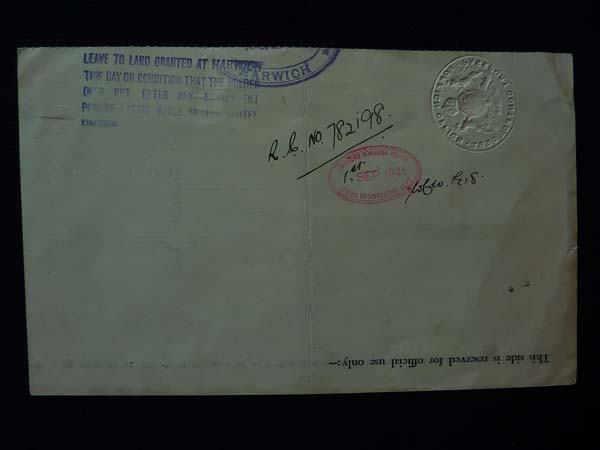
Kurt Marx: UK entry stamp
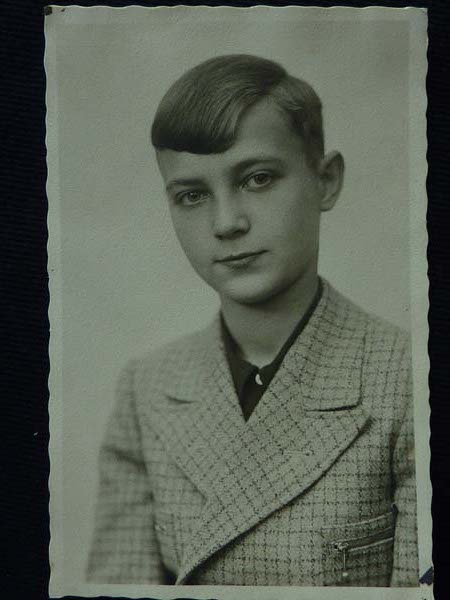
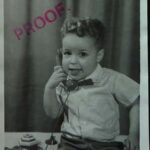
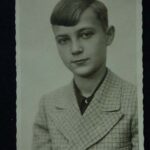
Kurt Marx: "A sort of passport photo"
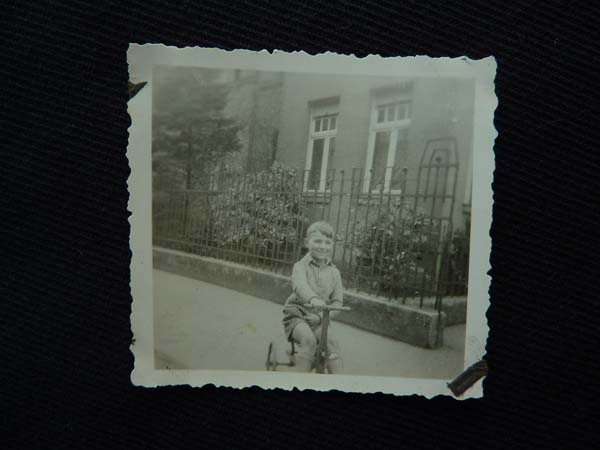
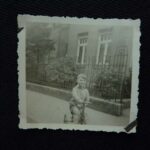
Kurt Marx: Outside the family house in the Petersbergstraße
![KM: Carnival in Cologne ca1936. "These were my local friends. They were- none of them were Jewish, but one of them [second from the right] - a year or so later - became a member of the Hitler Youth. Then …I didn't exist anymore."](https://ajr.twoboysdev.co.uk/wp-content/uploads/2025/07/770eee_9fe447eac8334e549f7b90195d5fd040mv2.jpg)
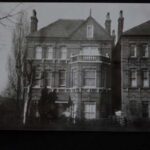
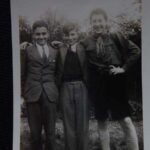
Kurt Marx: Carnival in Cologne ca1936. "These were my local friends. They were- none of them were Jewish, but one of them [second from the right] - a year or so later - became a member of the Hitler Youth. Then …I didn't exist anymore."
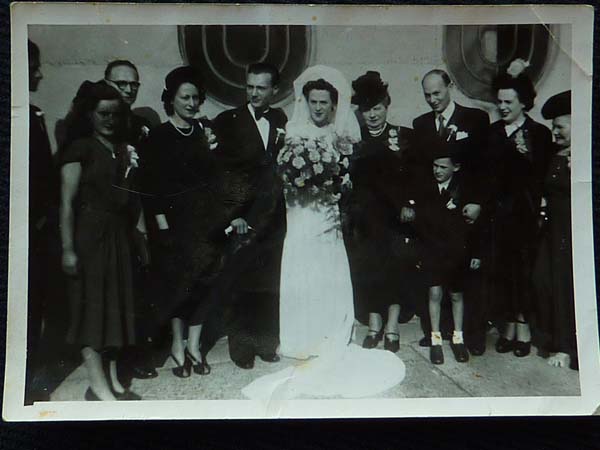
Kurt Marx: Wedding day
Kurt Marx
Kurt arrived in England on 18th January 1939 and stayed at a hostel in London, sponsored by Walm Lane Synagogue.
Born: 1925
Place of Birth: Cologne
Arrived in Britain: 18/01/1939
Interview Number: RV233
Experiences: Kindertransport , Mass Kindertransport Arranged by School
Interview Summary
Kurt Marx, born in August 1925, is the only child of Siegmund and Irma Marx. His mother worked for an Haute Couture company (Hirsch& Cie) as dress designer in Cologne and his father was the manager of a men’s outfitters store (Rubens & Co. in Brückenstr. 17) in Cologne. Life under the Nazi regime forced his father to start his own wholesale business and his mother taught sewing to women who were about to emigrate. He remembers a happy childhood in Cologne with a large extended family. Sports played a major role in his young life and he was an avid member of Hakoah Cologne (one of his uncles was the chairman).
Kurt thinks he was very sheltered because he doesn’t recall antisemitism or his parents worrying. Although his family wasn’t observant he attended a Jewish primary school and later the famous Jawne Gymnasium. After the November Pogrom (Kristallnacht), 9th November 1938, the headteacher, Erich Klibansky, started organising to get Jawne students on the Kindertransport to England. Kurt remembers saying goodbye to his family in the belief that they would soon meet in England when his parents got the necessary documentation.
He arrived in England on 18th January 1939 and stayed at a hostel in London, sponsored by Walm Lane Synagogue. After the beginning of the war he was evacuated to Bedford where he was taken in with another boy by the Allan family. After he finished school at the age of 15, Kurt wanted to start working at a factory. This was interrupted by an appearance before a tribunal who decided Kurt was not an enemy alien.
He started repairing radios in a music shop in Bedford and earned extra-money as an usher at BBC Symphonic Orchestra concerts (stationed in Bedford during the war) and also brought tea to performers. He thinks this developed his love for classical music, which started with opera visits in Cologne and continued later in London where Kurt learnt how to build instruments. He helped with the war effort on a farm in Newport Pagnell, Buckinghamshire until the war ended and then started to polish diamonds in Hatton Garden. He met his wife, Ingrid, an Auschwitz survivor, at Bar Kochba, which he joined as he felt Maccabi was not keen on Continental Jewish members.
Ingrid and Kurt married in 1948 in the Dollis Hill United Synagogue and in 1955 they relocated to Tanzania for Kurt’s work. He evaluated and sorted diamonds, which were mined there. He remembers a diverse expat life in Accra. Shortly after the birth of his only son, Michael, the family returned to London where Kurt worked for the Tanzanian government in the diamond industry until he retired.
After the war he tried to find out what had happened to his parents, whose last letter he received in autumn 1942 in which they talked about their impending departure in July 1942. Many years later he found out that they were deported to Minsk and shortly after murdered in the forests of Maly Trostenec [now Belarus]. Kurt is the only survivor of his maternal family but he reconnected with paternal relatives who are dispersed all over the world. The first time he returned to Cologne was in 1954 to see his uncle. He returned years later to meet someone who organised Kurt’s trip to Maly Trostenec. He never imagined connecting with Germans but has made some German friends as they are “a different generation” and has returned to Cologne where he has also spoken in schools.
Kurt identifies as British and Jewish and thinks the trauma of childhood shaped him but didn’t stop him from living his life and having a positive outlook towards life. He is worried what will happen when contemporary witnesses have all gone and people might stop being interested in “these old stories”. He sees the powerful effect of his visits to German schools. Kurt fears antisemitism is returning and the only way to fight it is education. He hopes that people will learn to live in peace together and be tolerant because we are all the same: human beings.
Additional Comments:
Mentions a German documentary “Die vergessenen Kinder von Köln“ – which is about the same transport to Minsk his parents were on.
He also mentions a book by Dieter Corbach, Die Jawne zu Köln: zur Geschichte des ersten jüdischen Gymnasiums im Rheinland und zum Gedächtnis an Erich Klibansky, 1900–1942. Scriba, Köln, 1990. ISBN 978-3-921232-42-2]
Key words:
Cologne. Jawne School. Klibansky. Feodore Kahn. Hakoah Cologne. Kindertransport. Walm Lane Synagogue. Bedford. BBC Symphonic Orchestra. Newport Pagnell. Bar Kochba. Adi Manheimer. Dorice. Cosmo. Continental food. Tanzania. Diamond business. Maly Trostenec. Benno Marx (left winger uncle who founded the bank workers trade union in Germany, friends with Labour politicians Ellen Wilkinson, Aneurin Bavin, Ernest Bevin). Gudrun Hildebrandt (his uncle’s famous ballerina wife) . Lisa Jura, née Golabek (a pianist who lived in the same hostel for a while). Ludwig Spiro. Fritz Bauchwitz. Zigi Shipper.
Place of Birth
Well Kristallnacht was in a way- yes, it’s- I went to school as normal on my bike. On the corner of our street was a- a- the toy shop. Which was there until fairly recently, strangely enough. It's been a toy shop all these years. Only recently has it been changed. When I came out, there was a- one of the glass windows- one of the windows had been smashed. Which- well it could have been an accident. I don’t know. I saw it. And there was- used to be a game called- English it’s called Ludo – “Mensch ärgere dich nicht”. And there was this thing flapping in the wind and it says: “Mensch ärgere dich nicht.” But I- I could still see it. When I get to school, go- commotion, smoke coming out of the building, teacher outside the school, “No school today.” Didn't know why. “Go home.” And- whatever. Well, you didn't have to tell a boy twice, “Go home. No school.” Wasn't such a pleasure for me, you know, that’s always- a day off is very good. So I thought, well, before I go home I’ll go and visit my uncle the butcher, you know, which is not very far from there. When I get there - completely destroyed. Windows smashed, inside there was a large shop with ma- all marble - smashed to small pieces. And then suddenly I said first the shop on the corner where we lived, then the school, now this. There’s something obviously wrong somewhere
REFUGEE VOICES is the AJR’s groundbreaking Holocaust testimony collection of filmed interviews with Jewish survivors and refugees from Nazi Europe who rebuilt their lives in Great Britain.
The copyright of personal photos and documents on the site is held by each interviewee and may not be reproduced without their permission. Please contact the AJR if you would like to use any of the images and documents.