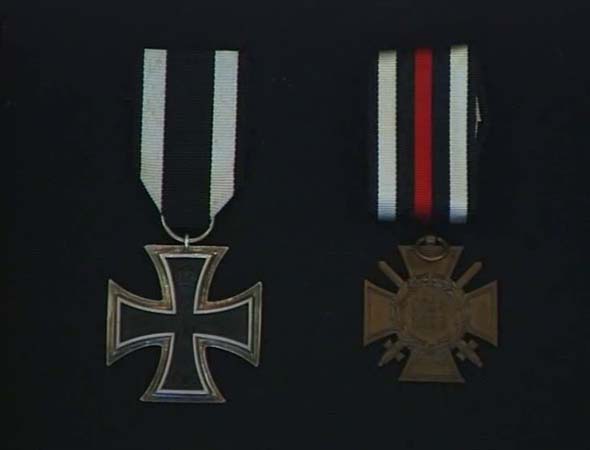
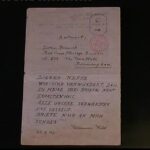
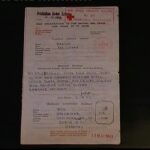
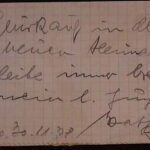
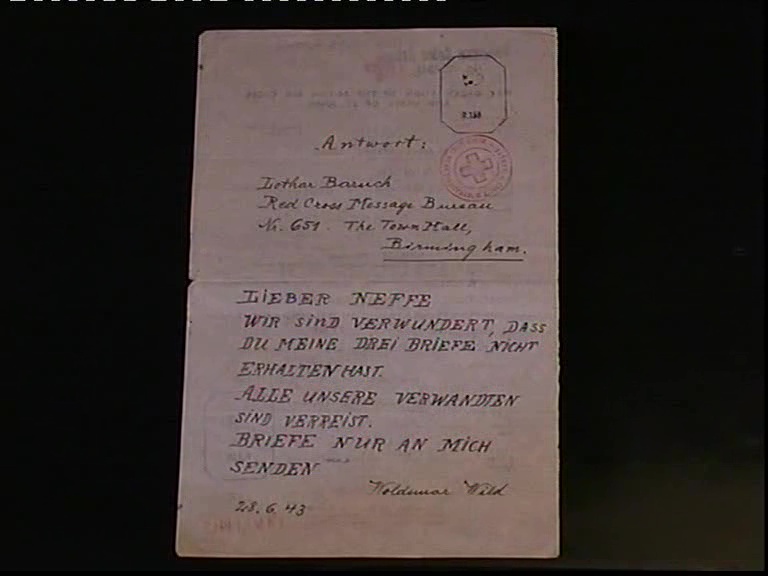
Leslie Brent: Red Cross message to Uncle Waldemar Wild
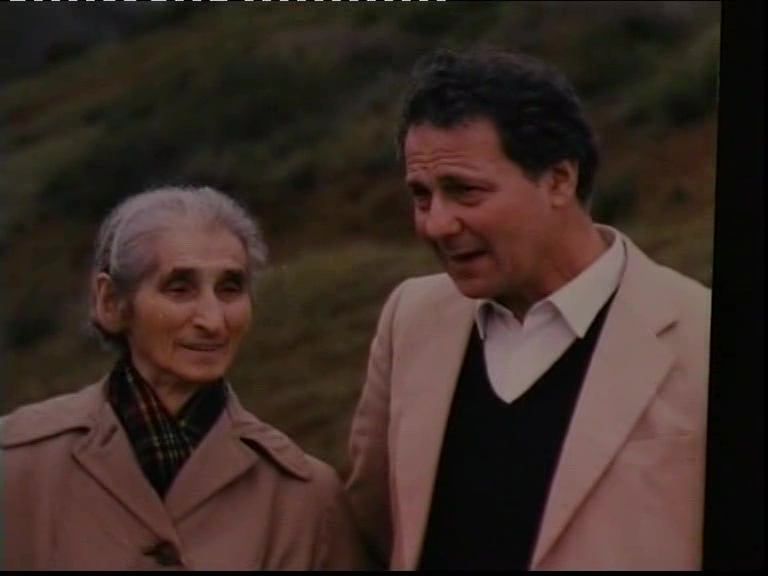
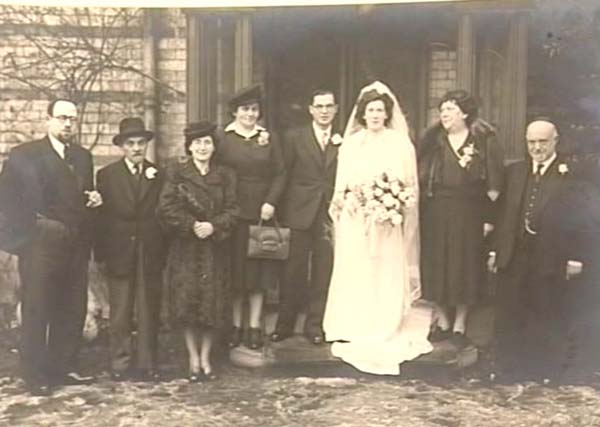
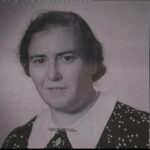
Leslie Brent: With Hannah Bergers
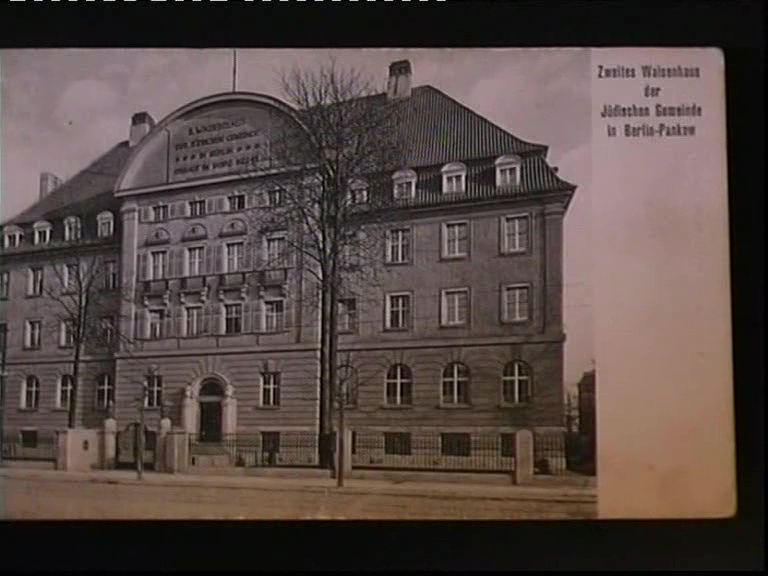
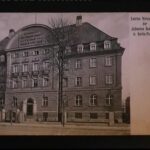
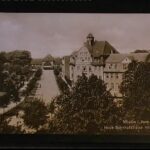
Leslie Brent: The Jewish orphanage in Pankow
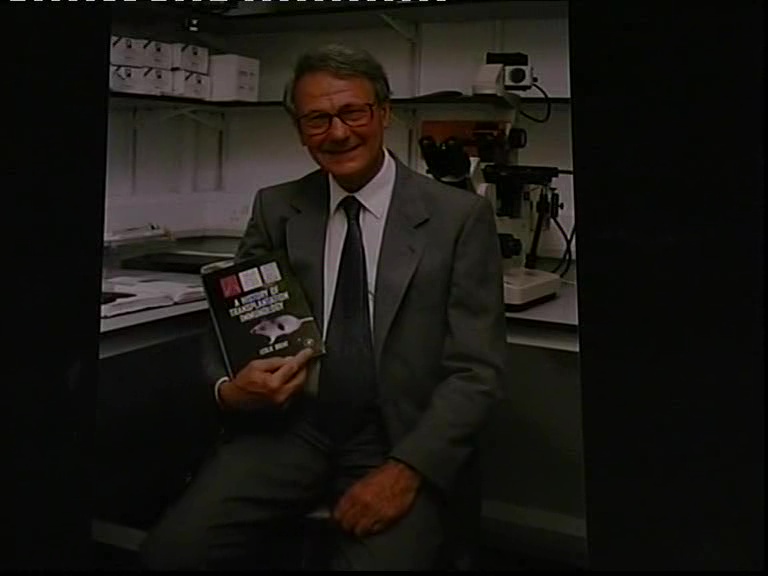
Leslie Brent: Holding his book on the history of transplantation immunology
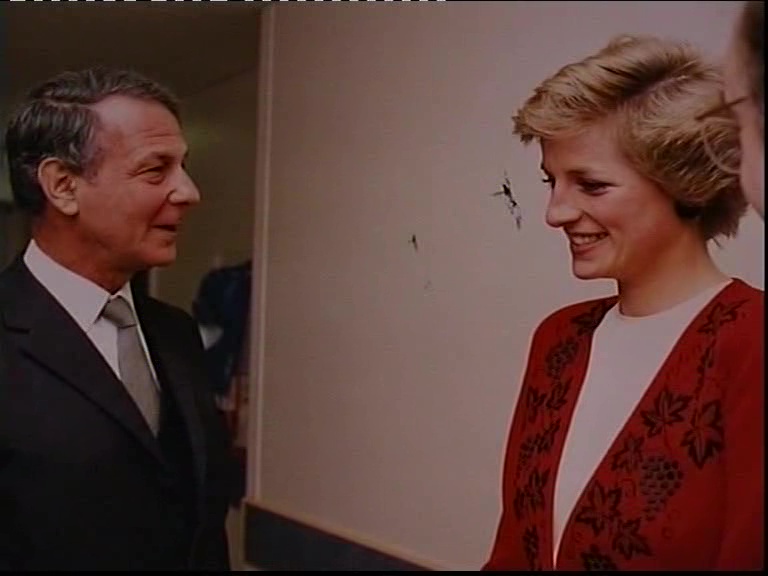
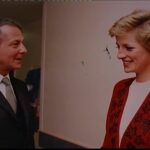
Leslie Brent: With Princess Diana, St Mary’s Hospital, early 1980s
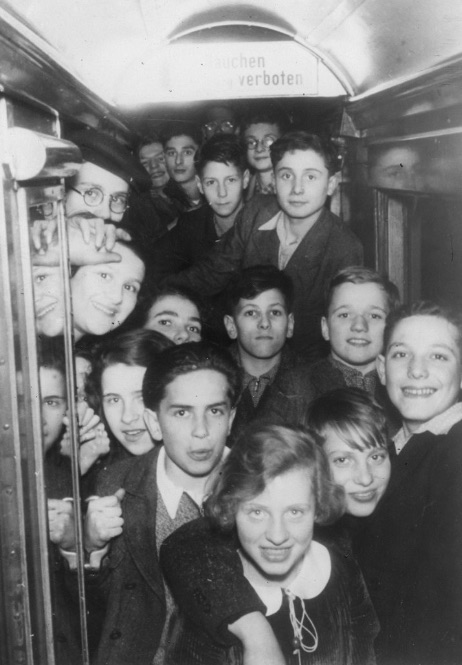
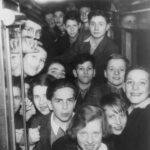
Leslie Brent: Leslie on Kindertransport train, top centre, 1938. "here we have a group of children in the compartment of a German train, immediately after leaving Germany and crossing into Holland. This was posed for a Dutch photographer, who wanted to take this picture. And, apart from myself, there are at least two other boys who came from the Jewish orphanage. I am at the top centre of this picture, looking rather anxious, I must say. Despite the fact that we just crossed into safety, the German-Dutch border, I must say that I do look rather anxious and like a boy who doesn’t quite know what the future holds, which indeed I didn’t. "
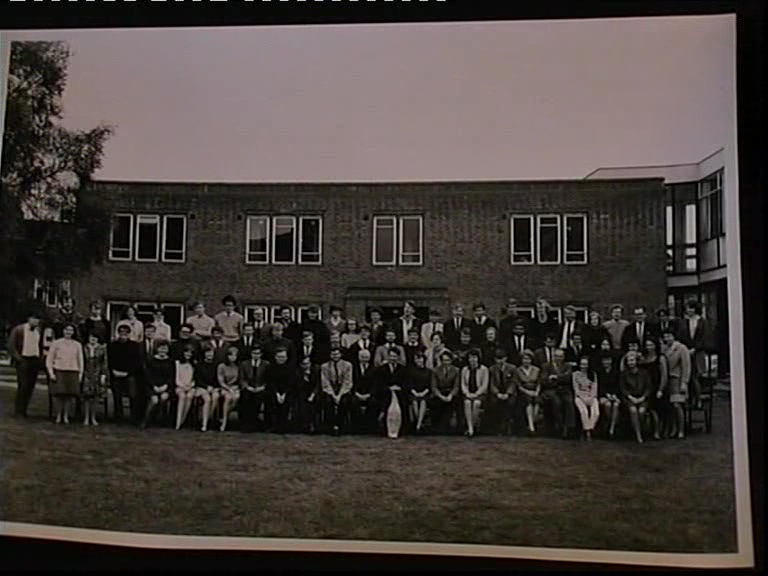
Leslie Brent: With others, including Anna Essinger, Bunce Court School, ca 1947/8
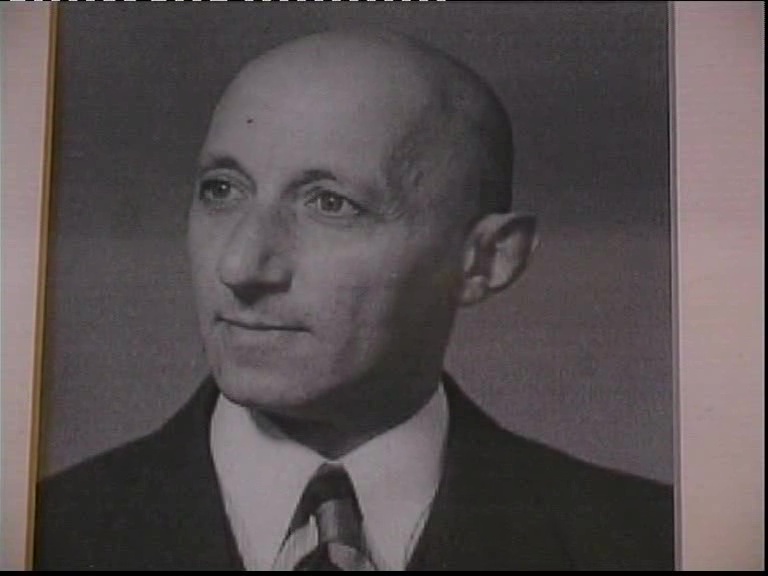
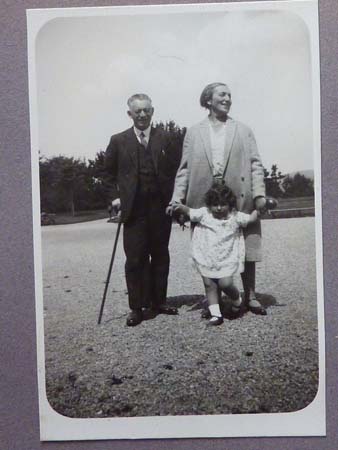
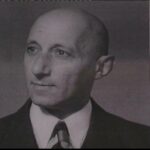
Leslie Brent: Father
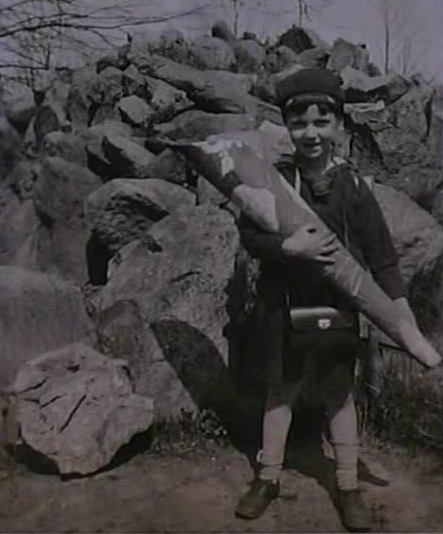
Leslie Brent: First day of school
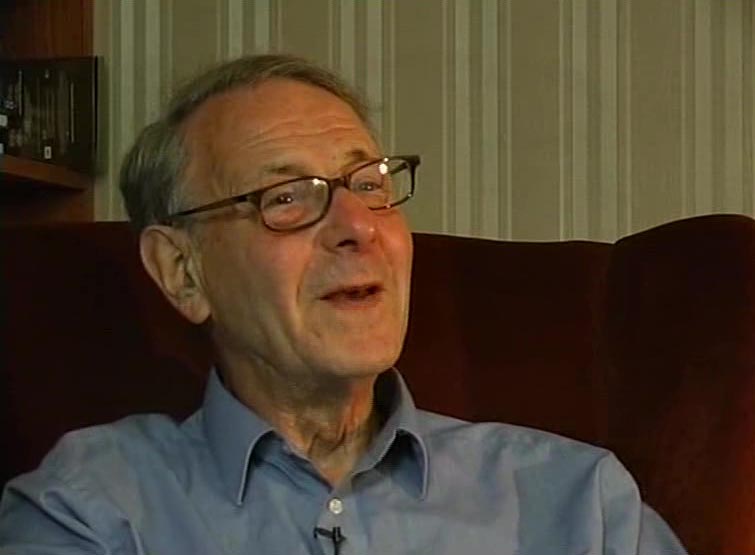
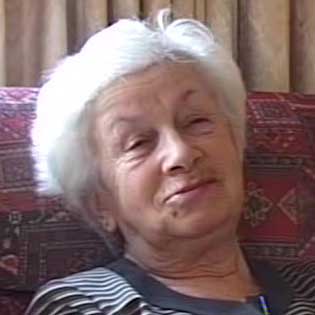
Leslie Brent: September 2004
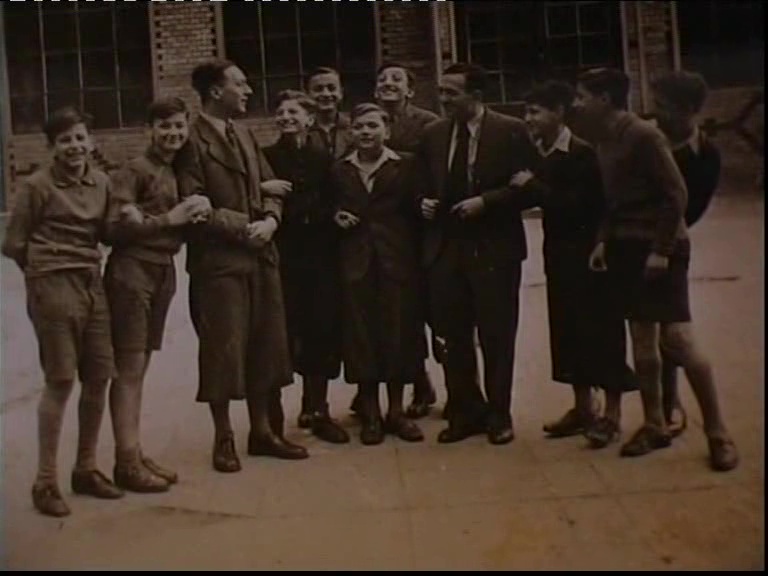
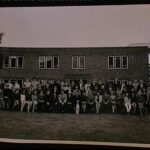
Leslie Brent: Third from right in the courtyard of the Jewish orphanage in Pankow, Berlin
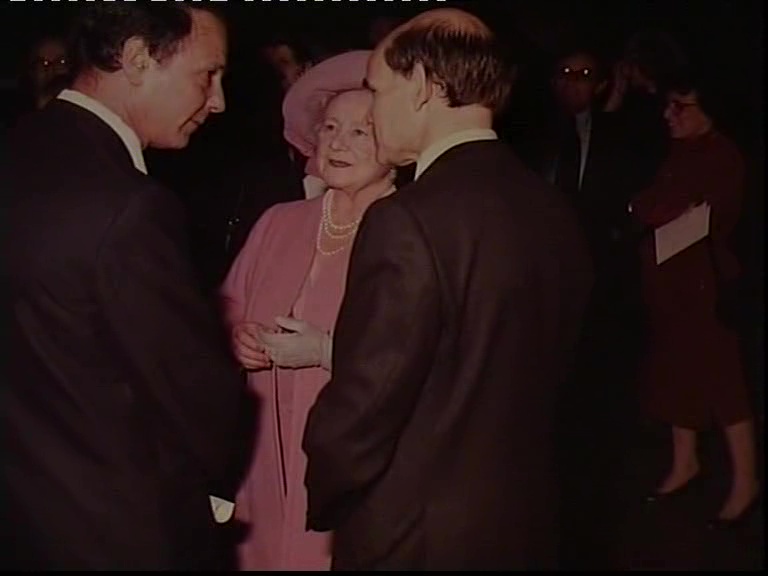
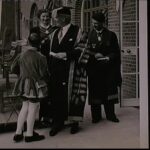
Leslie Brent: With Queen Mother and the Dean, St Mary’s Hospital Medical School, 1982
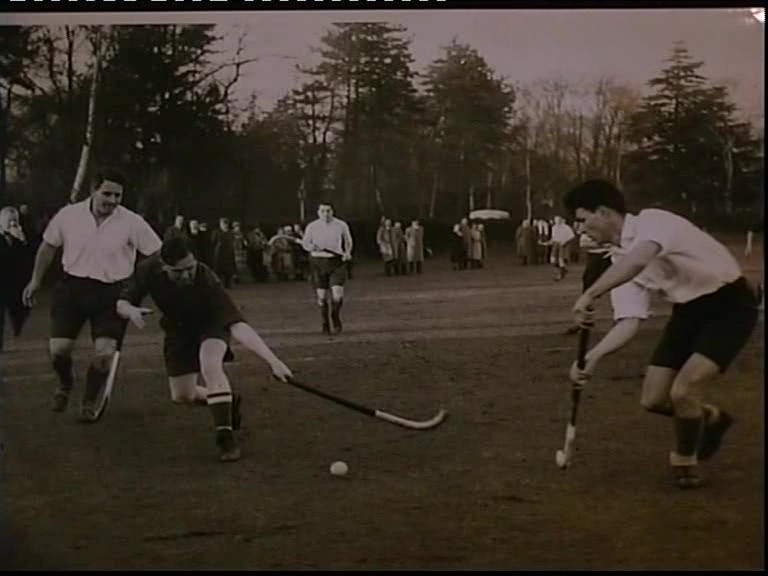
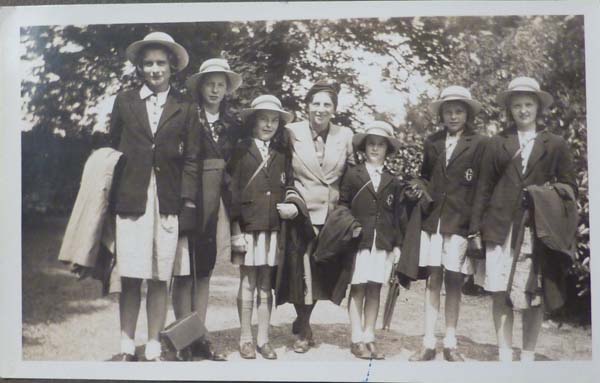
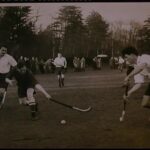
Leslie Brent: With field hockey team, Staffordshire, 1950
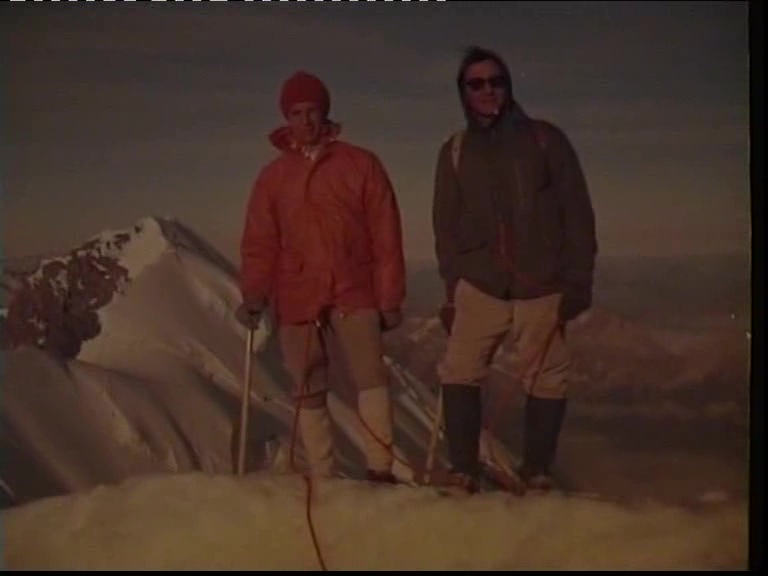
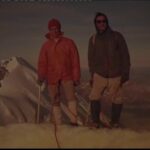
Leslie Brent: Climbing in Alps with son
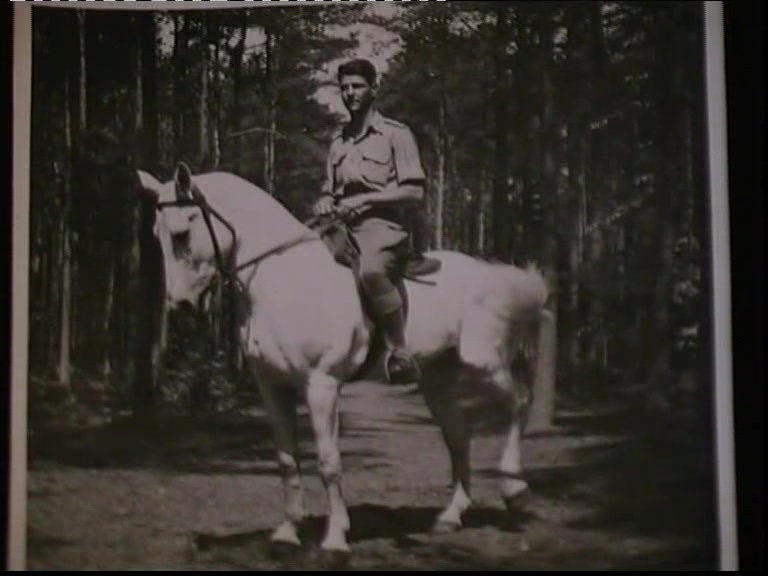
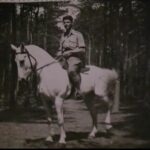
Leslie Brent: In the British army stationed on the Lüneburger Heide, east of Hannover, 1946
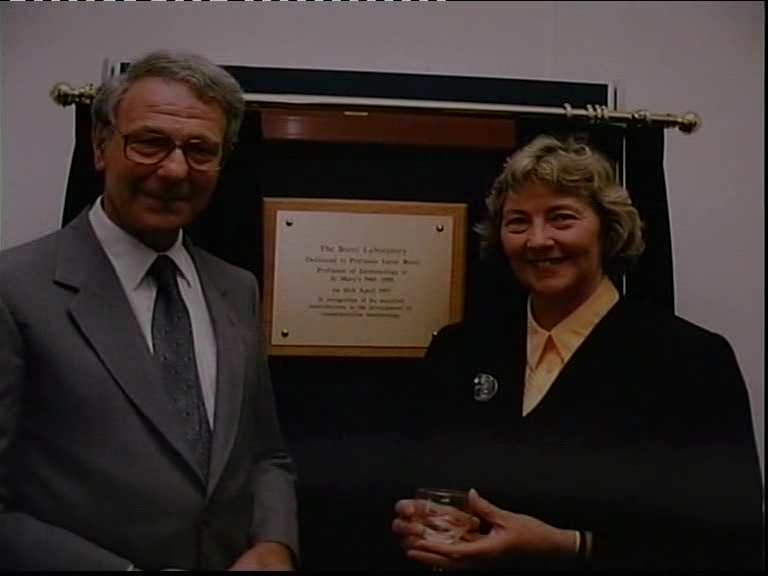
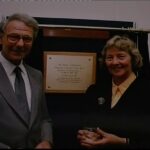
Leslie Brent: Carol Brent at the unveiling of a plaque at the transplant ward at St. Mary’s Hospital
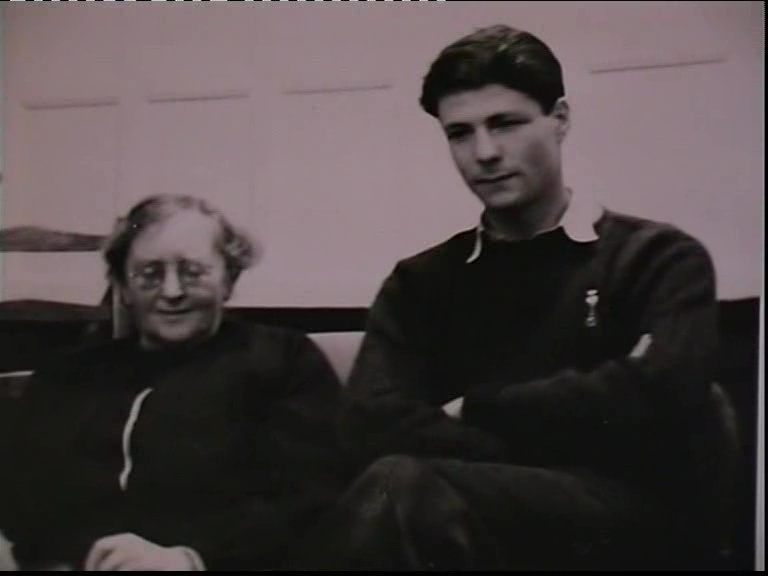
Leslie Brent: LB and Gretel Heit
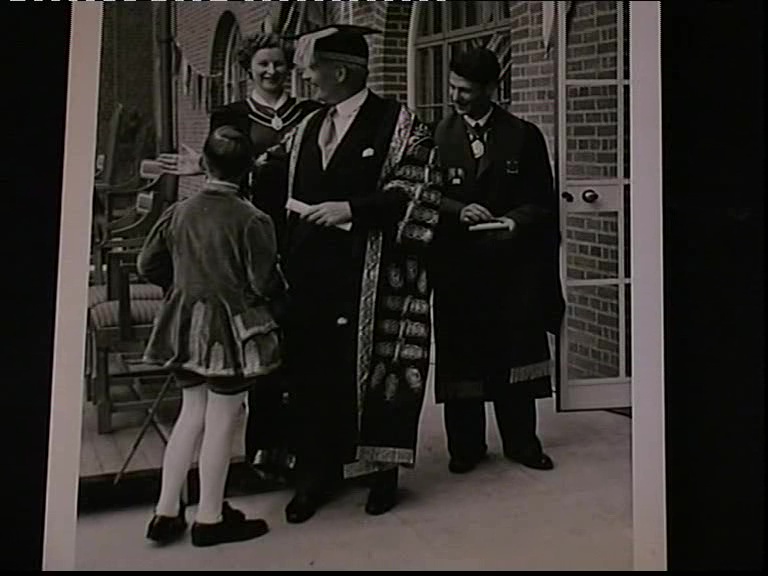
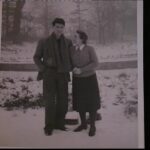
Leslie Brent: With future wife
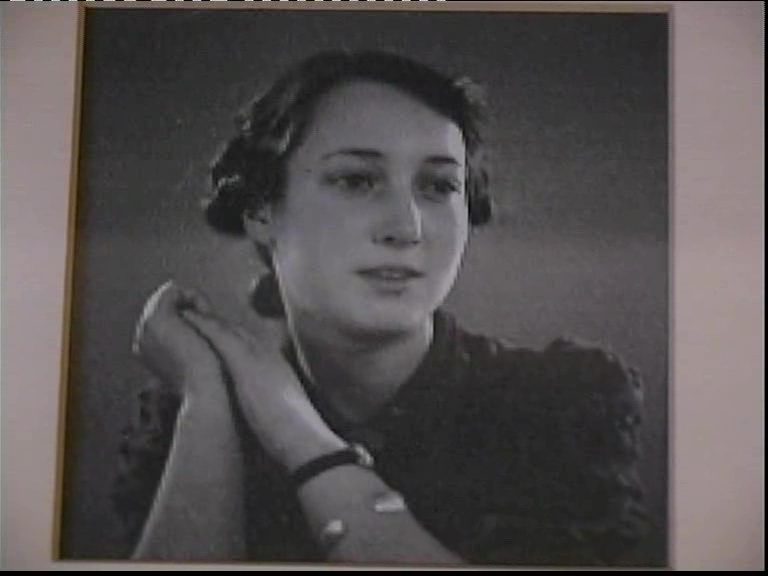
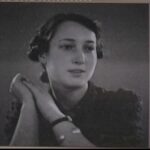
Leslie Brent: Sister
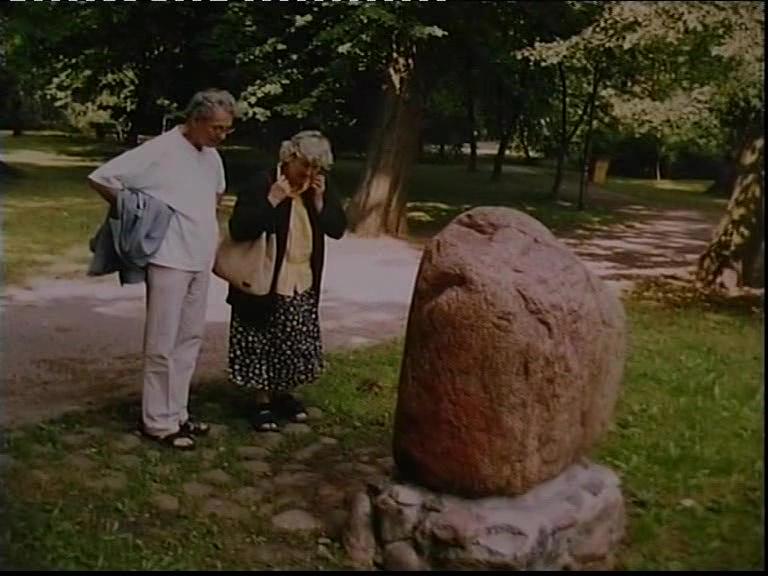
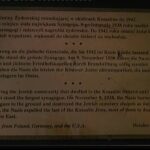
Leslie Brent: A plaque that was attached to huge rock on the site of the synagogue in Koszalin
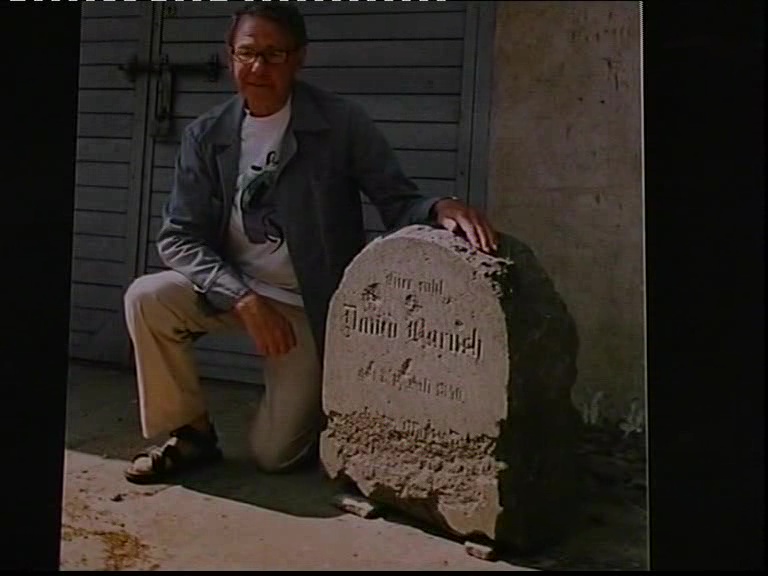
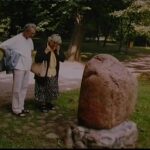
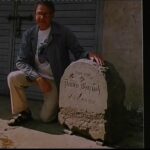
Leslie Brent: At great uncle David Baruch’s gravestone, Koszalin
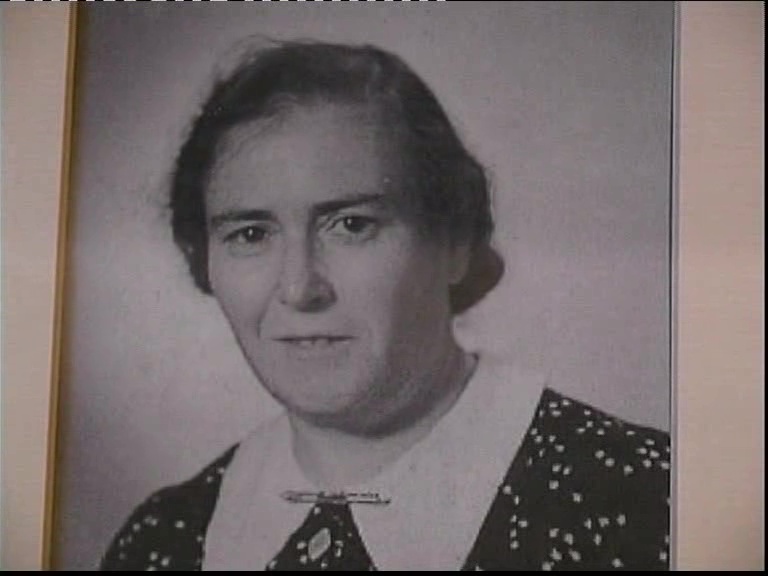
Leslie Brent: Mother
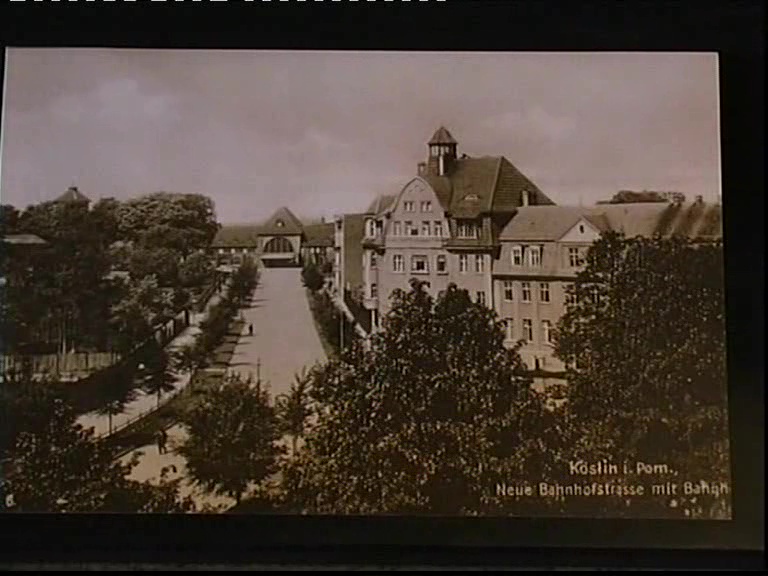
Leslie Brent: Home block of flats
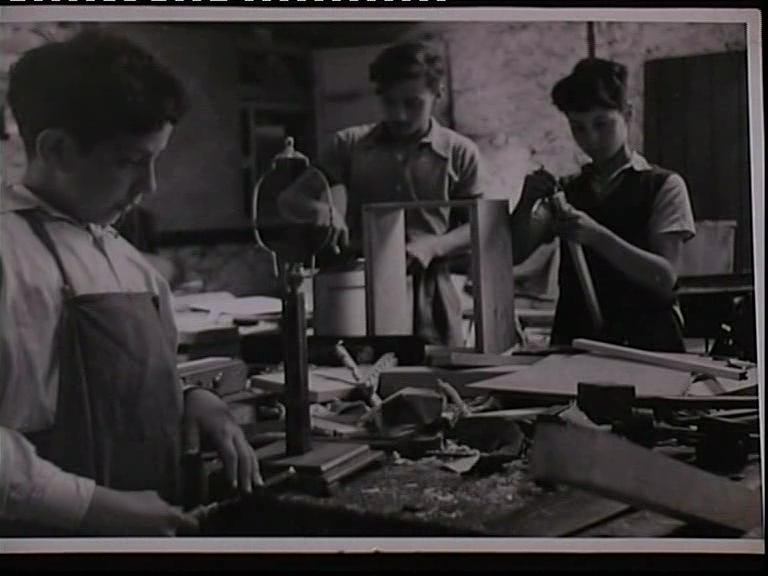
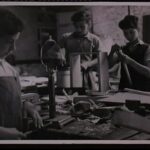
Leslie Brent: Workshop
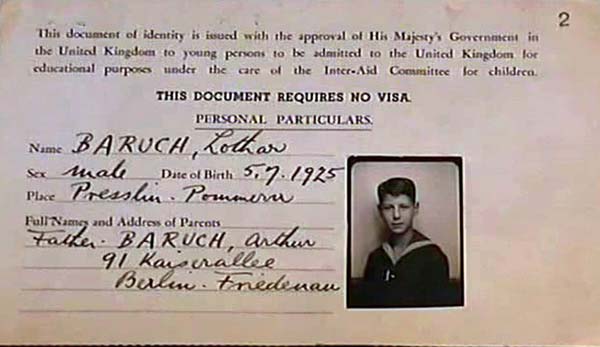
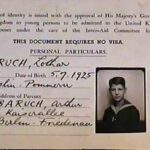
Leslie Brent: Lothar Baruch: Child visa
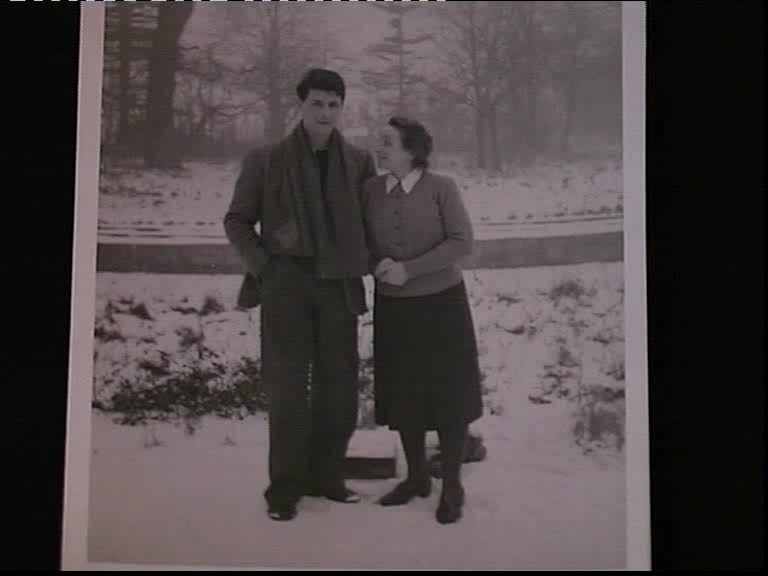
LB
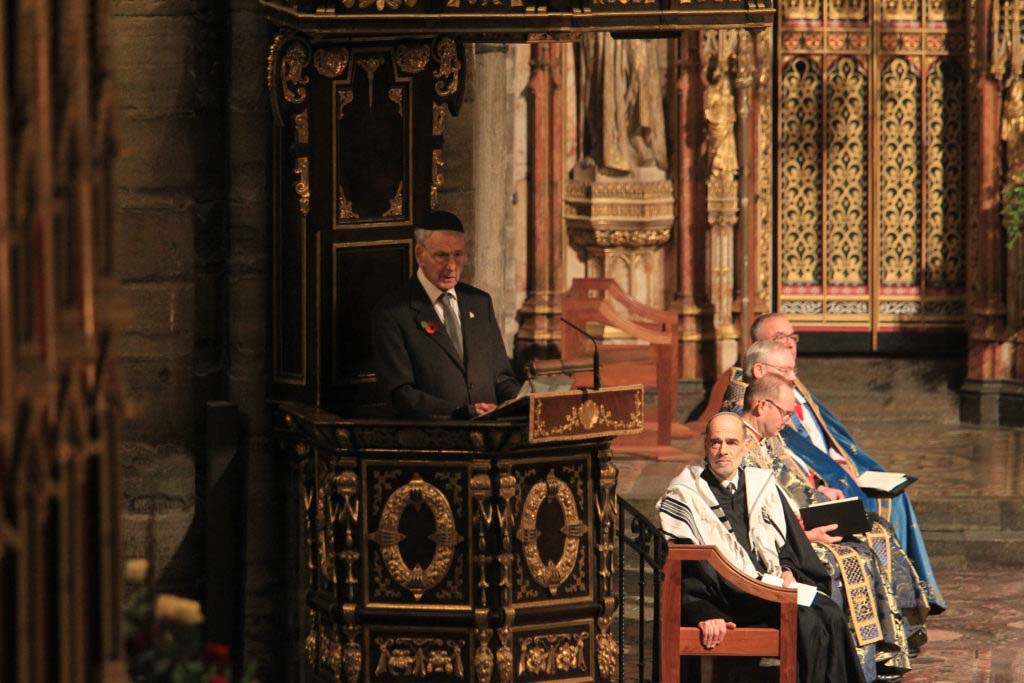
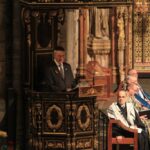
Leslie Brent: Giving Testimony
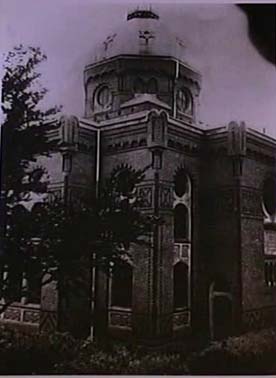
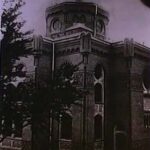
Leslie Brent: Synagogue, Köslin, which was razed to the ground by fire in Kristallnacht
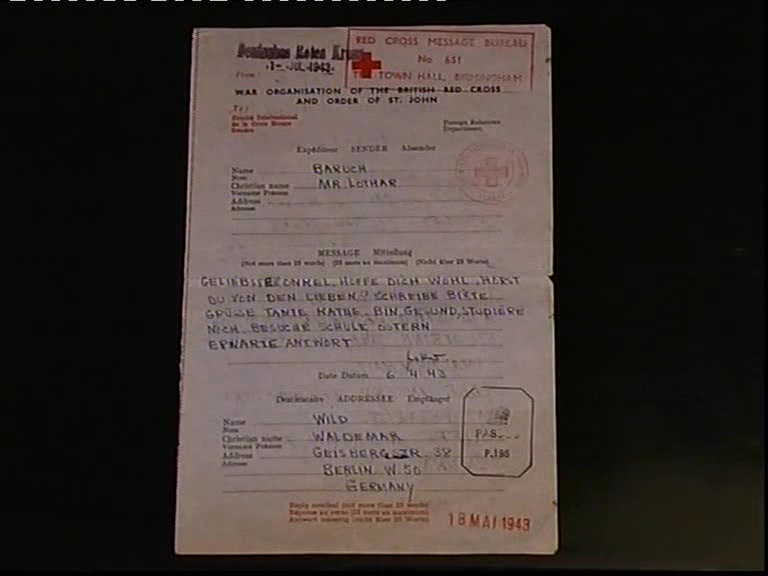
Leslie Brent: Red Cross message to Uncle Waldemar Wild
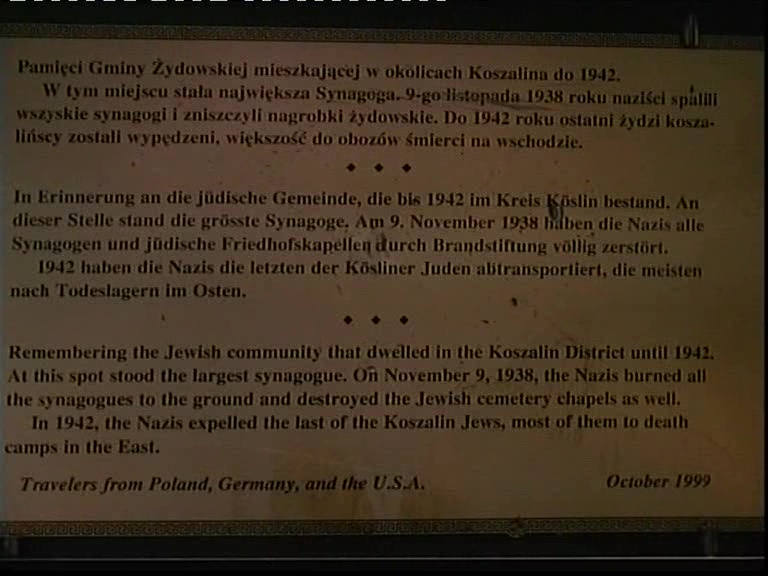
Leslie Brent: Plaque attached to a rock on the site of the synagogue in Koszalin
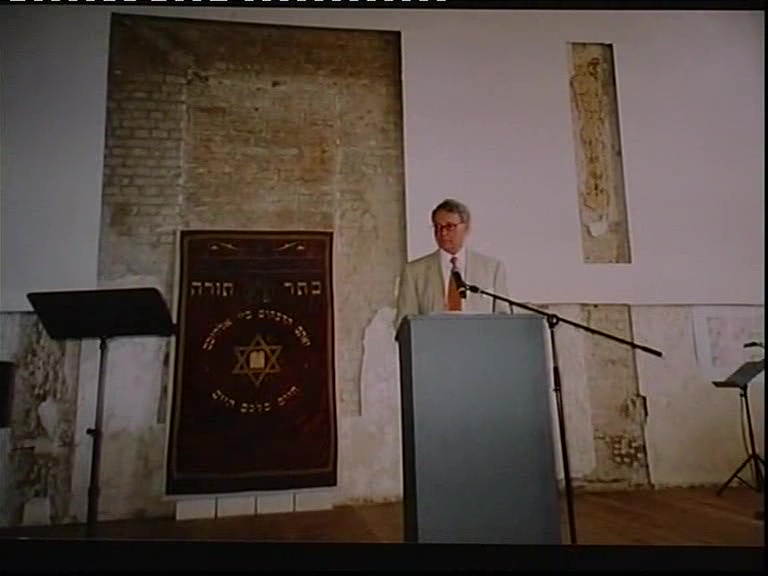
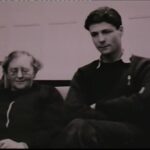
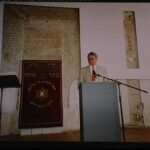
Leslie Brent: At the reopening as a community centre of the Jewish orphanage
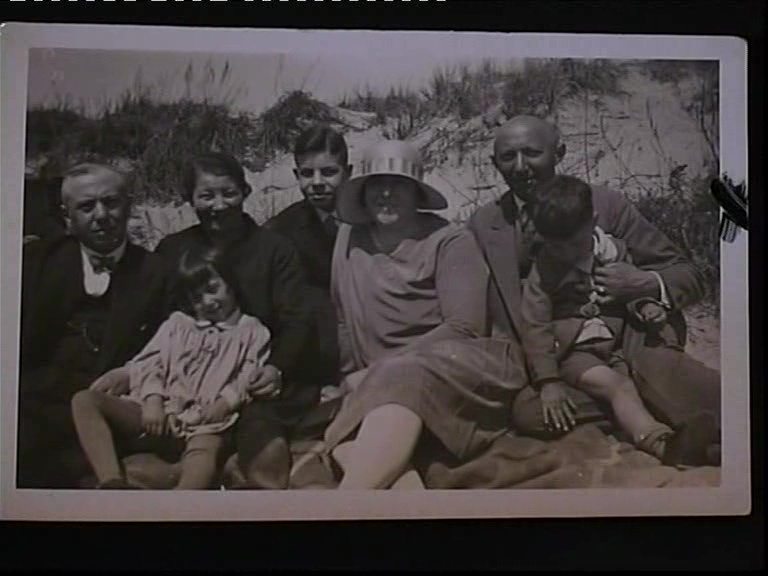
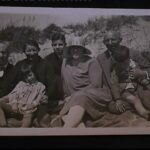
Leslie Brent: With family, Baltic, 1929
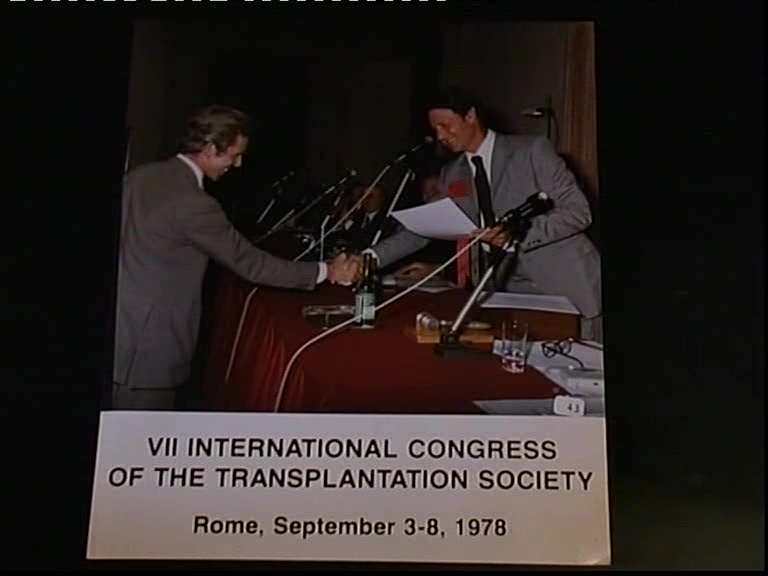
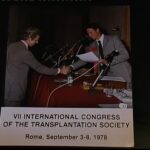
Leslie Brent: International Transplantation Society
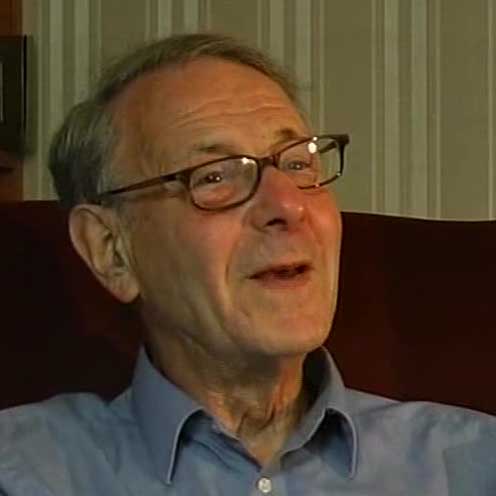
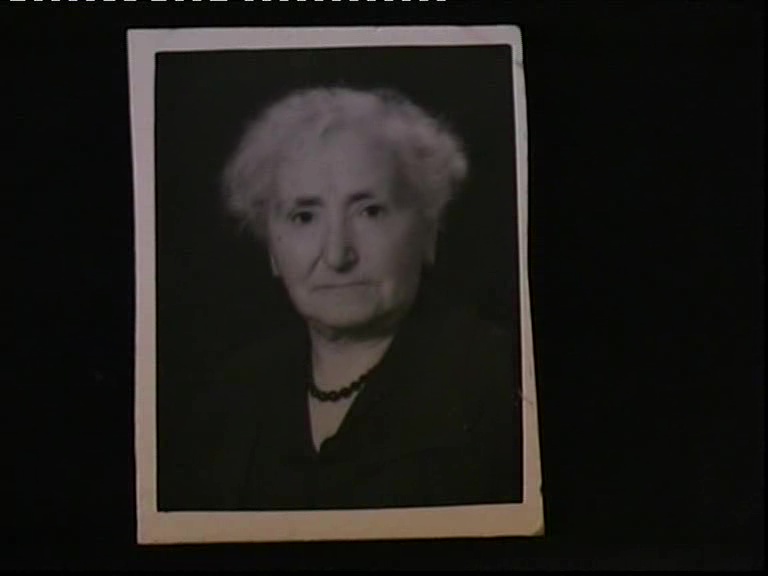
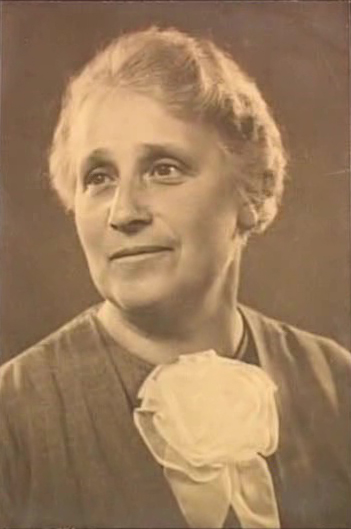
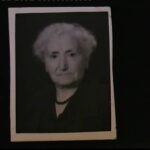
Leslie Brent: Maternal grandmother
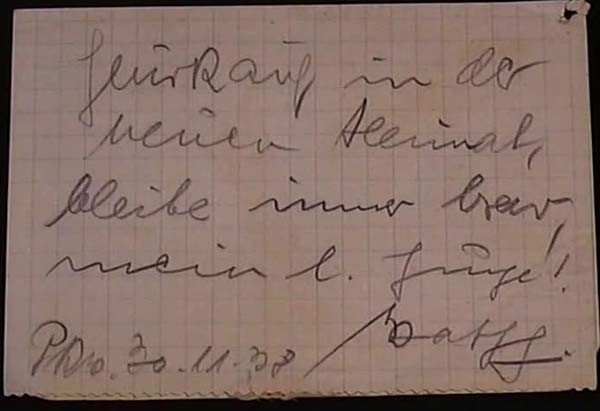
Leslie Brent: Father’s message to Lothar on leaving for UK
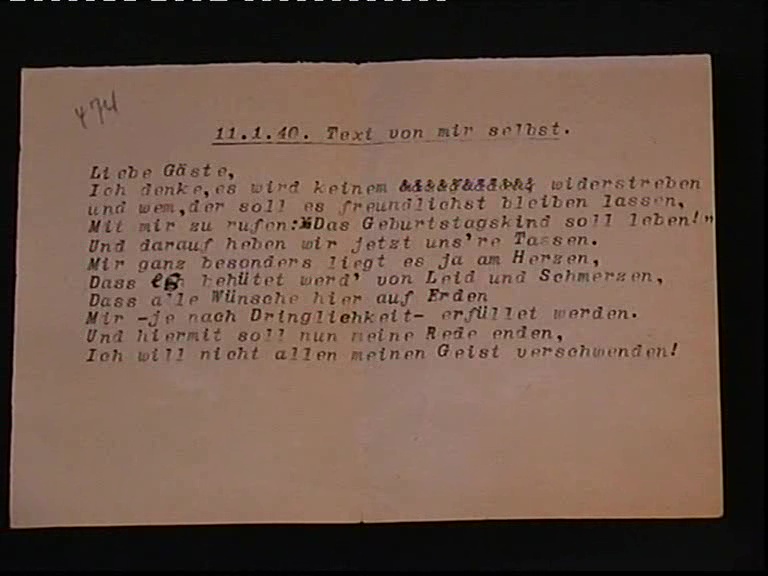
Leslie Brent: Father's poem to mark the birthday of LB’s sister
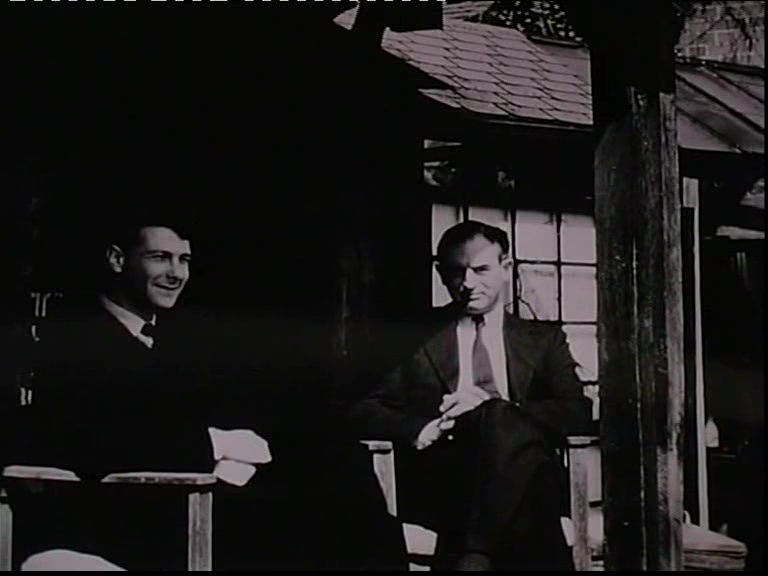
Leslie Brent: With Prof. Sir Peter Medawar, Southampton, 1956
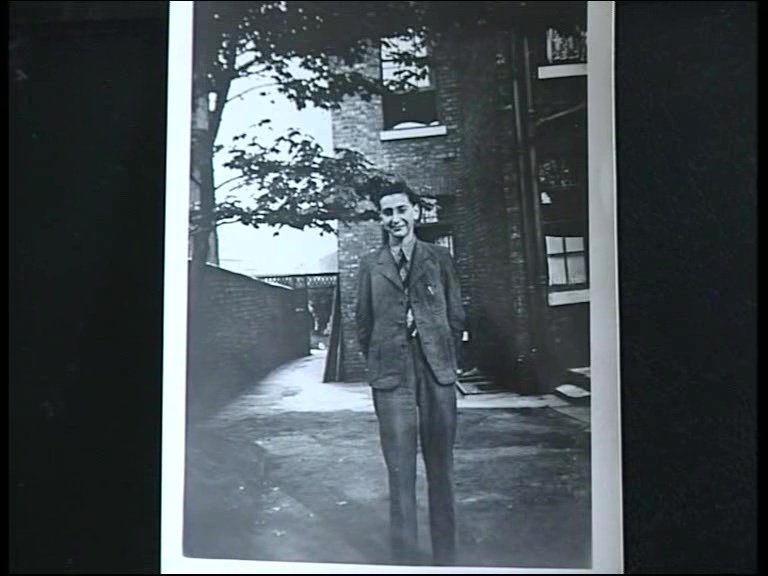
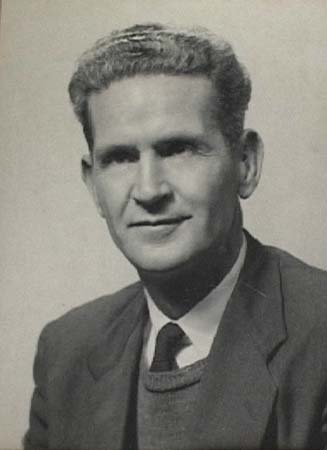
Leslie Brent
Leslie Brent was born Lothar Baruch on 5 July 1925 in Köslin, Germany (Koszalin, Poland)
Born: 1925
Place of Birth: Koslin
Arrived in Britain: 02/12/1938
Interview Number: 72 (S)
Experiences: British Military , Bunce Court School , Kindertransport
Interview Summary
Leslie Brent was born Lothar Baruch on 5 July 1925 in Köslin, Germany (Koszalin, Poland). When the discrimination against Jewish children was made official, and after experiencing antisemitism at school, Leslie was sent to the Jewish Orphanage in Pankow, Berlin. He describes the years in the orphanage as one of the more traumatic experiences in his life, coming from a small protective family to a big institution.
He was selected by the director of the orphanage for the first Kindertransport and arrived at Dovercourt Camp on 2 December 1938. Leslie spent three weeks in the camp before going to Bunce Court, a German-Jewish boarding school which was run by Anna Essinger.
He was young enough to avoid internment, but after being classified as an enemy alien, he joined the British forces 1944-1947. After the army he studied Zoology at Birmingham University, and was accepted as a postgraduate student at University College London under Peter Medawar (who was awarded a Nobel Prize).
Place of Birth
My change of name was forced on me in the army during the war. After my initial training I was told when going on leave: 'You better come back with an English name.' I totally forgot. On my return I suddenly realised I hadn’t thought about names & quickly looked in the telephone directory. I wanted to keep my initials LB. There weren’t many 1st names that appealed & Leslie Howard was very much en vogue. So I thought Leslie would be a good name to choose. And Brent I had just chosen almost at random from the telephone directory, because it seemed to go reasonably well with Leslie. So I became Leslie Brent. Well, that was okay, I mean that did help me to integrate, it helped me in the army. I became an officer in the army. I had to become English pretty dead quick actually. Because I had to look after English soldiers & so on. So having an English name was a very good thing from that point, too.
But [at Dovercourt Camp] I was absolutely dumbfounded and disturbed, deeply disturbed by the fact that there was a huge amount of rivalry between the Berlin and the Viennese boys, less boys, the older ones. Older than I was. Berlin and Vienna have a long history of enmity that would appear. And this was carried forward among Jewish lads who just escaped from Nazi Germany. And I actually couldn’t believe it. And there were actually knife fights between them. It was absolutely astounding and distressing, and really unbelievable that children who were just being rescued should continue this rather stupid enmity that existed between the two cities.
I was one of the lucky ones. Bunce Court school became a very important part of my life. It restored my confidence, it educated me. It gave me loving relationships with the teachers. I made good friends there. I developed as a boy in the way that boys would normally develop.
REFUGEE VOICES is the AJR’s groundbreaking Holocaust testimony collection of filmed interviews with Jewish survivors and refugees from Nazi Europe who rebuilt their lives in Great Britain.
The copyright of personal photos and documents on the site is held by each interviewee and may not be reproduced without their permission. Please contact the AJR if you would like to use any of the images and documents.