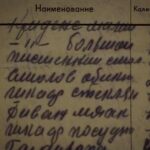
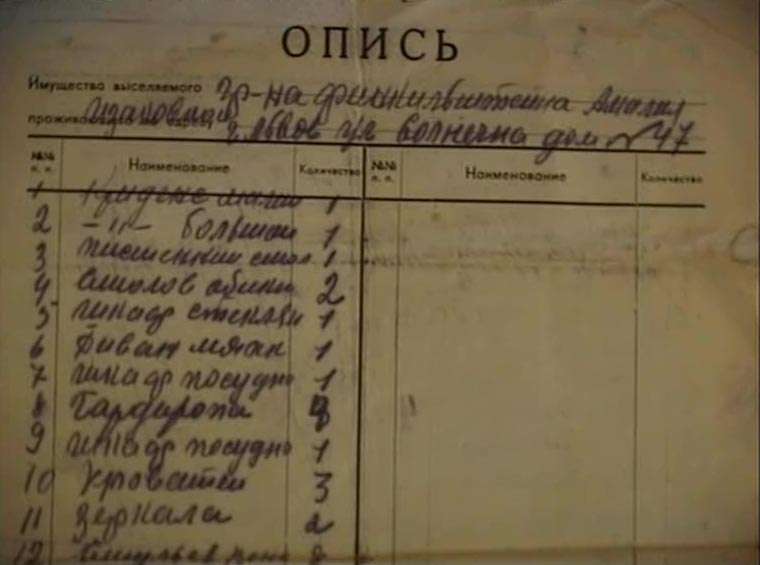
Ludwik Finkelstein: The document issued to LF’s mother when they were deported from Lvov on the 13th of April, 1940
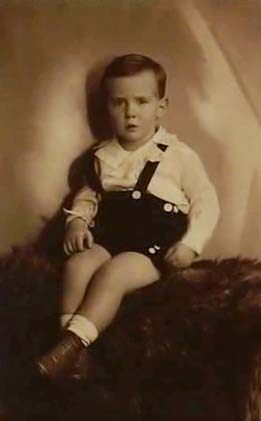
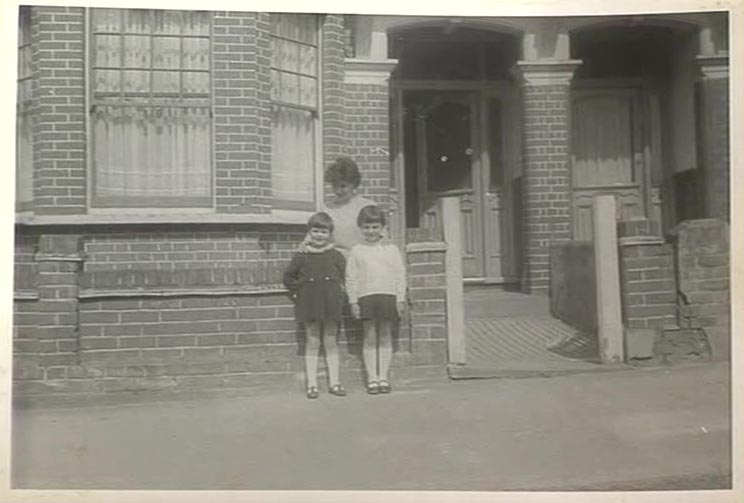
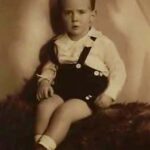
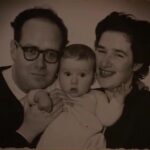
Ludwik Finkelstein: Aged 3
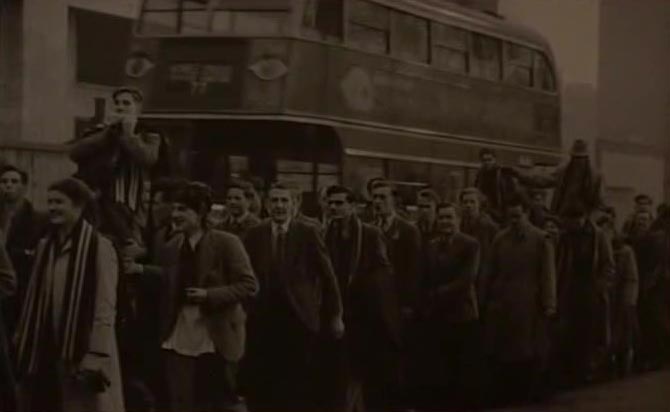
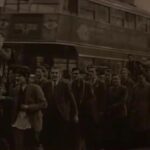
Ludwik Finkelstein: At International Students Day, London, 1948
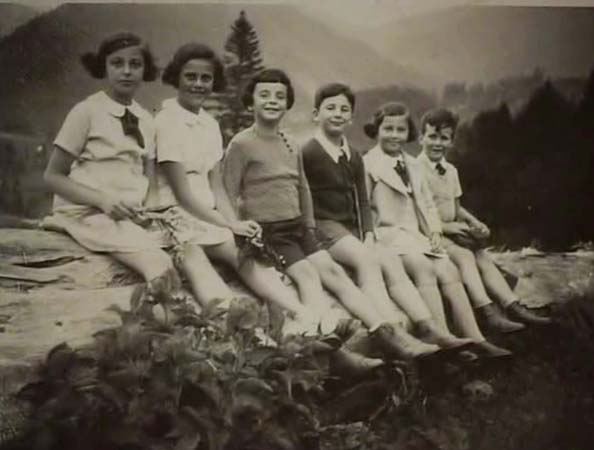
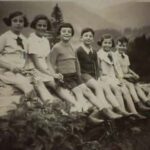
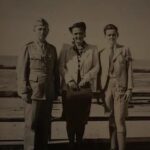
LF (right) and friends
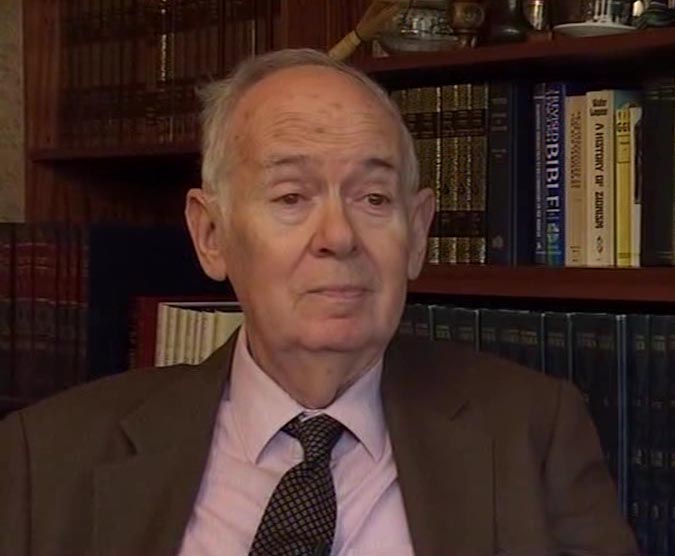
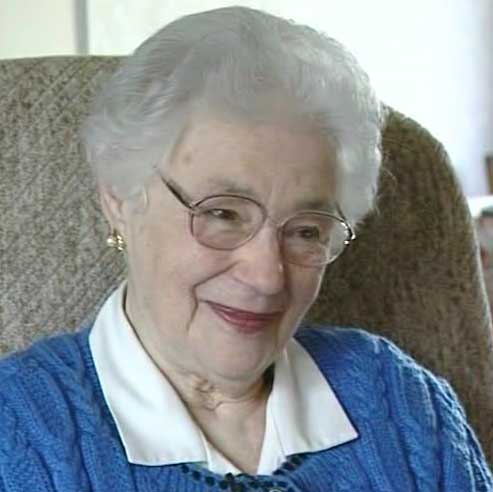
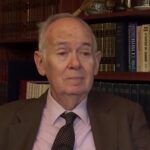
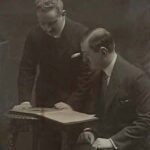
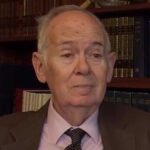
Ludwik Finkelstein: October 2006
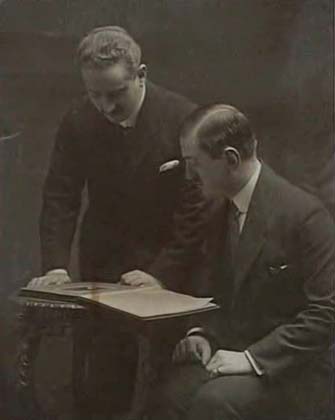
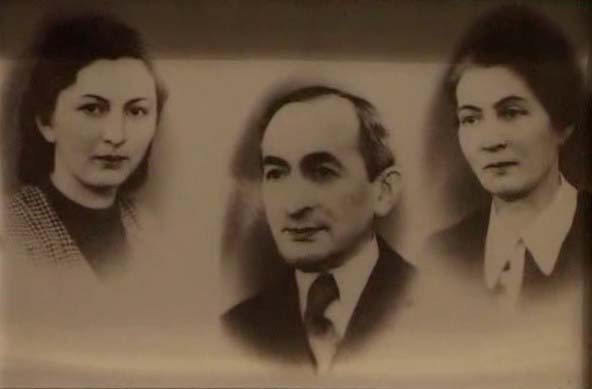
Ludwik Finkelstein: Father and brother Bernhard
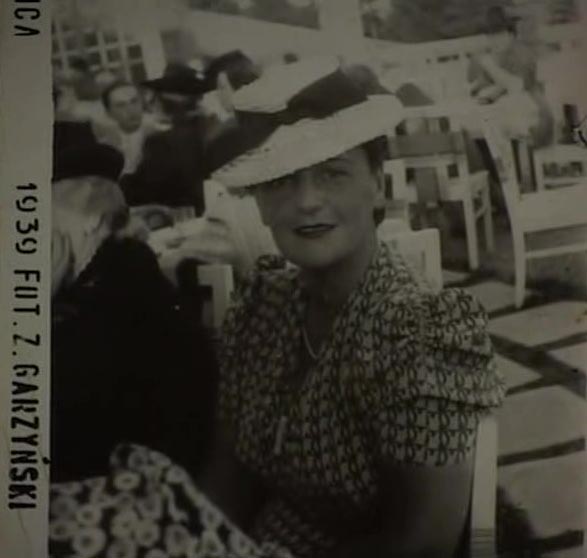
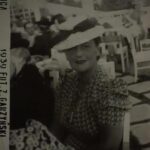
Ludwik Finkelstein: Mother
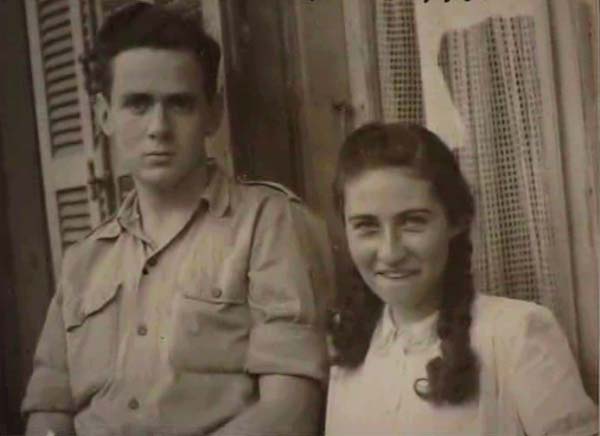
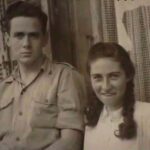
Ludwik Finkelstein: With friend
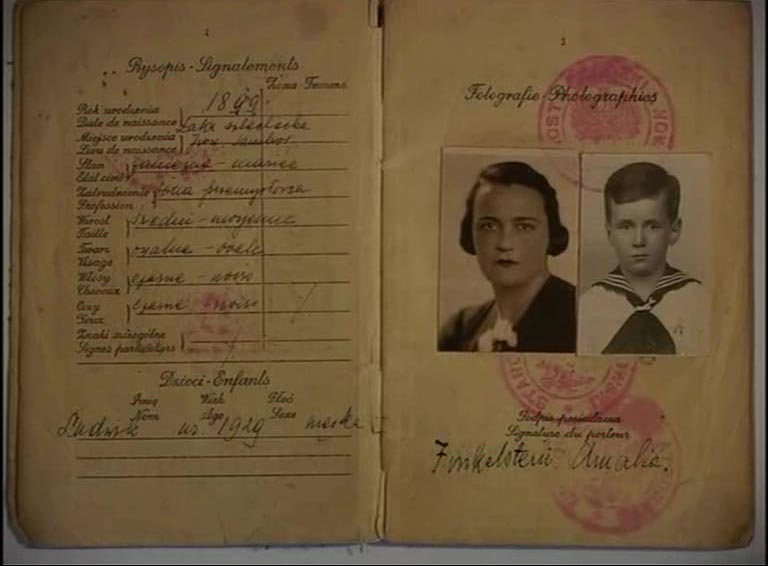
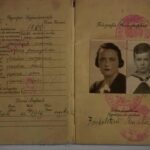
Ludwik Finkelstein: On his mother’s Polish passport issued 1937 in Lvov
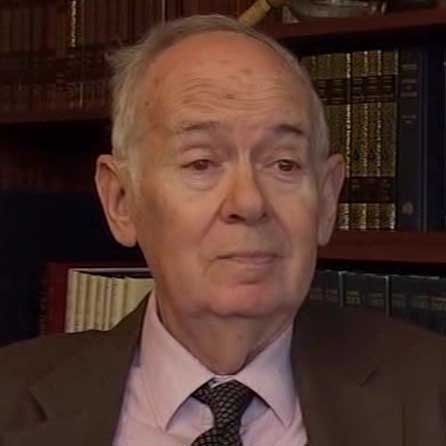
Ludwik Finkelstein: October 2006
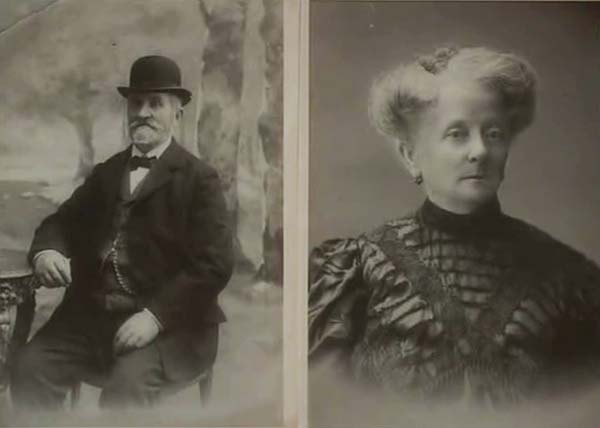
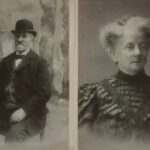
Ludwik Finkelstein: Parents of paternal grandmother
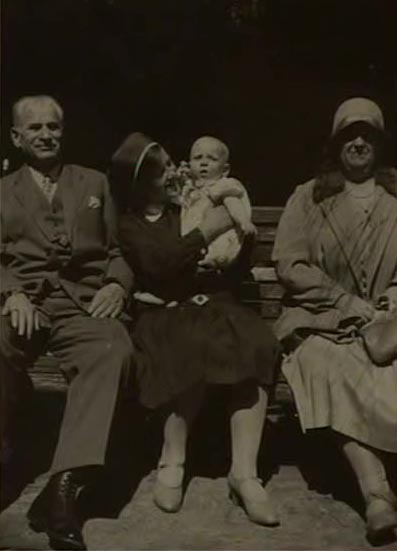
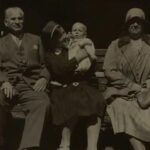
Ludwik Finkelstein: With paternal grandparents and nanny
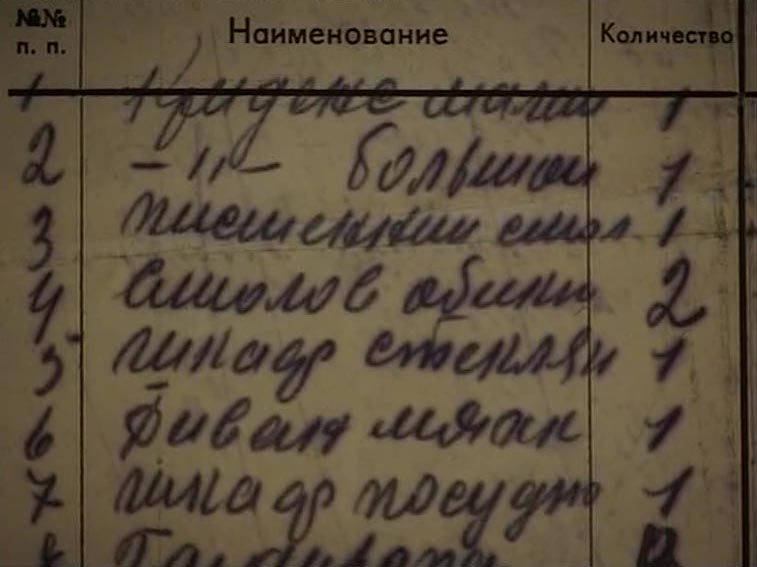
Ludwik Finkelstein: The document issued to LF’s mother when they were deported from Lvov on the 13th of April
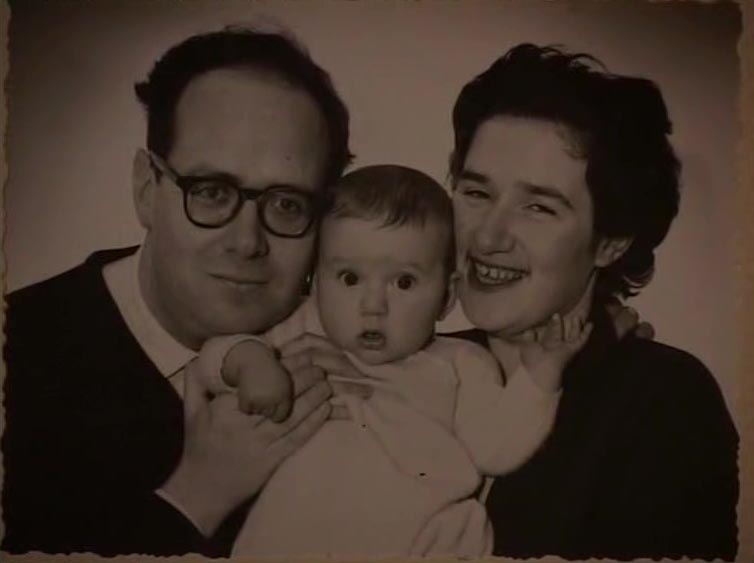
Ludwik Finkelstein: With his wife and their oldest son
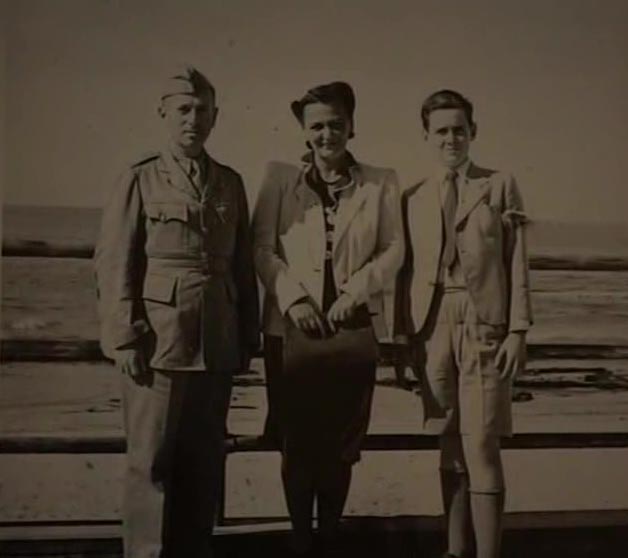
Ludwik Finkelstein: With his parents
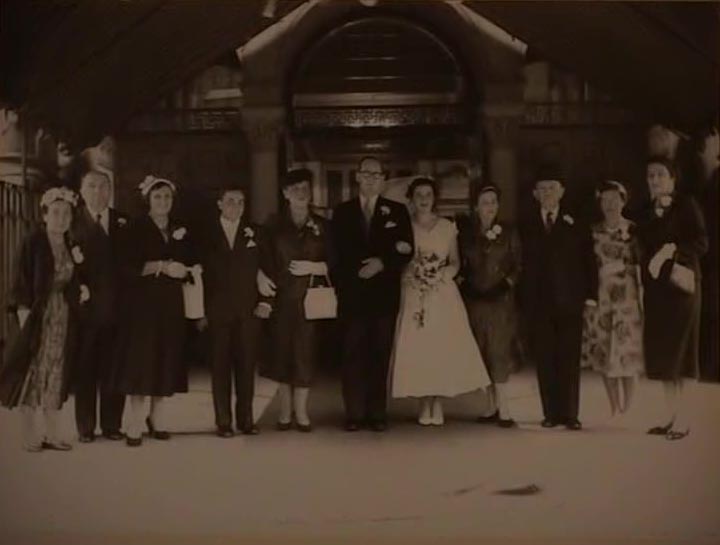
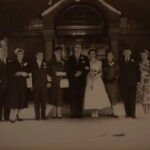
Ludwik Finkelstein: On his wedding day with wife Mirjam and relatives
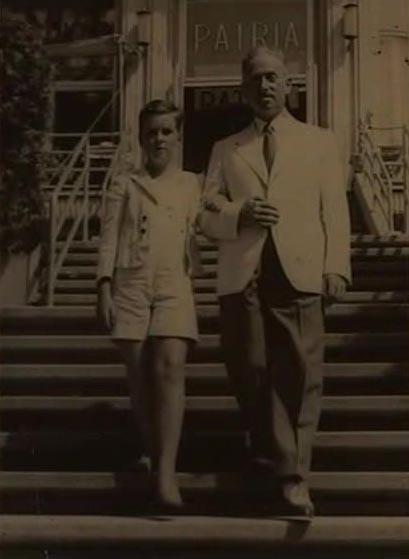
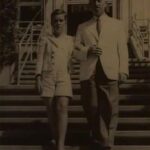
Ludwik Finkelstein: With his father
Ludwik Finkelstein
Ludwik Finkelstein was born 1929 in Lwow (Lemberg)
Born: 1929
Place of Birth: Lviv
Arrived in Britain: 01/09/1947
Interview Number: 130 (S)
Experiences: Forced Emigration to Soviet Union , Polish Army In Exile
Interview Summary
Ludwik Finkelstein was born 1929 in Lwow (Lemberg). His father was a co-owner of a wholesale Iron and Steel factory (‘Finkelstein and Fehl’). In 1941 he and his mother were deported by the Russians to Kazakstan. He describes in vivid detail the difficulties of this internment in a remote place with very harsh conditions. In 1941 they were released and reunited with his father who had joined the Polish Exile Army in Uzbekestian. After following the Polish Exile Army to Iran, his father was posted to Tel Aviv (1943-1947), where Ludwik attended the Polish gymnasium. In 1947 the family came to the UK, where Ludwik Finkelstein studied physics, applied mathematics, and engineering. He later became a Professor at the School of Engineering and Mathematical Sciences at City University in London.
Place of Birth
They decided that we required education. So they imported a large quantity of A Short History of the Communist Party of the Soviet Union – in Kazakh. Now there were very few people who could read Kazakh who cared about this. So we burned Short Histories of the Communist Party of the Soviet Union and I remember it had its humorous aspects.
My father’s view was that there would be a Polish Jewish community and Jews have got to be engaged in it. He had been an officer in the Austro-Hungarian Army. He then became an officer in the Polish Army reserve out of belief that Jews cannot achieve full citizenship rights if they did not take part in the defence of the country. That was a very important thing to him.
I was about age eleven then. And I started thinking about myself: ‘Well, why is it that we lost these twelve people and the Kazakhs on the whole tended to survive?’ One of the first things I realised was the lack of fuel. We didn’t know about fuel. We didn’t have reserves of fuel. I therefore applied myself systematically to the gathering of cow dung. Morning, noon and evening I collected cow dung. I set up a cow dung pile. One of the best cow dung piles in the village. It was admired! It was beautifully done. I knew where to collect the cow dung and how to arrange it and so on. And that determined me to become an engineer which I did because in fact I came to realise that survival very much depended on actually the practical things. All the other things were not that significant; it’s the practical things - the water, the shelter, the food and so on. So I collected a large amount of cow dung and this determined me to do something practical, something that you could actually contribute to people’s living.
My mother was a magnificent woman. It became dark round about three o’clock, not that you could do much more than that because you couldn’t really go out. It was terrible gale winds all the time as well as snow. And she was very determined to educate me. We had two or three Polish books as a result of which I’ve got a very detailed knowledge of Polish poetry. Some of the books were circulating around the village - round the settlement. My mother taught me from memory, also I remember The Iliad and The Odyssey, and quoted Schiller to me and sang songs and so on, educated me a great deal. Once a day she went out to fetch water. It was a terrible expedition because the river was some distance away where the men made a hole in the ice. She wore everything, all the clothes that she had. I remember she wore my coat on the head. on the head as a form of hat. And she always reminded me subsequently that one day she came in from fetching water. And my first question to her was: ‘What’s the difference between an anode and a cathode?’
It was September 1st 1939 - a beautiful day. Suddenly, I saw three planes flying overhead. I was aware of political tensions. I said: ‘Oh, they’re German planes.’ And everybody said: ‘Nonsense.’ And then the bombs dropped on Lvov and life changed entirely. The 3rd of September news came that Britain and France declared war on Germany. We said: ‘Oh well. The war is won now. It’s OK now.’ But of course it wasn’t.
One of the things that caused us to be full of courage was our complete conviction of our superiority over those who oppressed us. It wasn’t a religious one, but it was a very Polish one: the obvious superiority of Western civilisation over the barbarian.
REFUGEE VOICES is the AJR’s groundbreaking Holocaust testimony collection of filmed interviews with Jewish survivors and refugees from Nazi Europe who rebuilt their lives in Great Britain.
The copyright of personal photos and documents on the site is held by each interviewee and may not be reproduced without their permission. Please contact the AJR if you would like to use any of the images and documents.