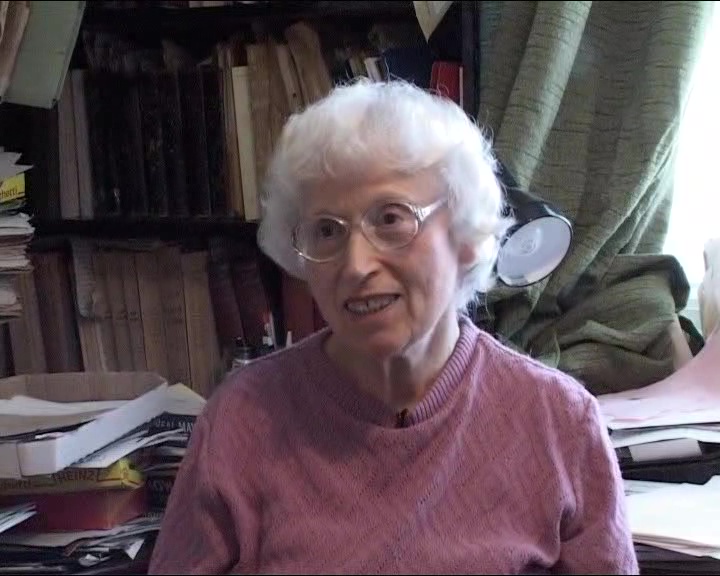
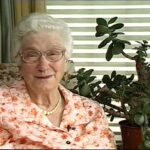
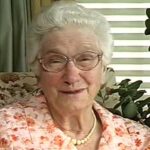
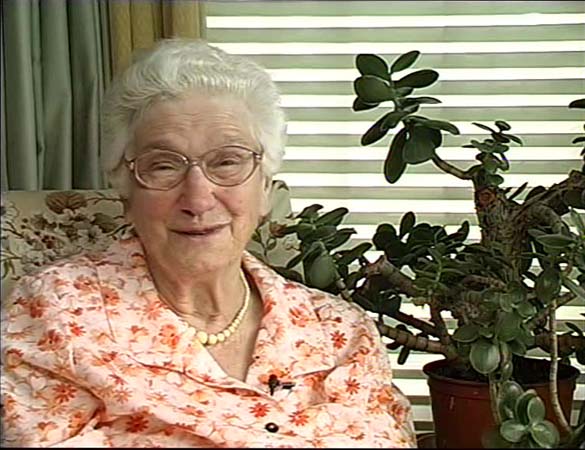
Ruth Price: July 2004
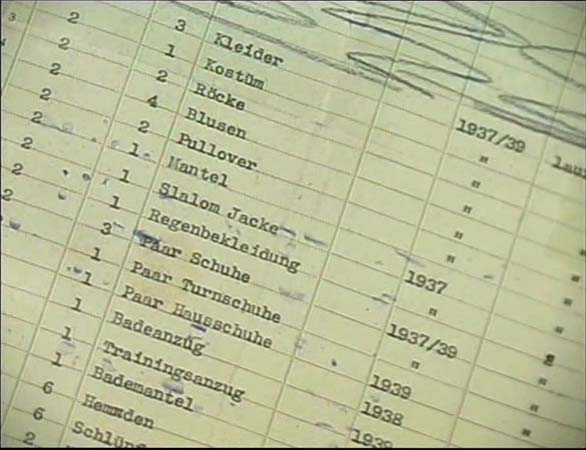
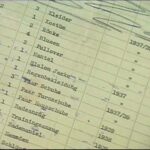
Ruth Price: Detailed list of Kindertransport items
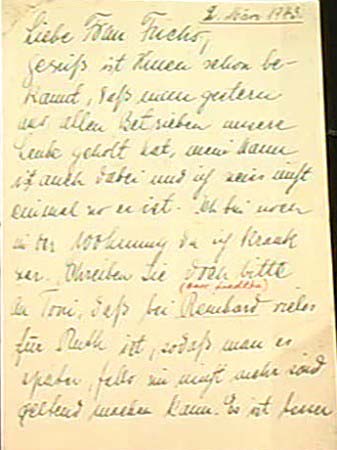
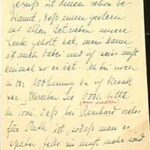
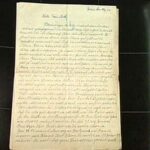
Ruth Price: Last letter from mother. "...written on the 2nd of March
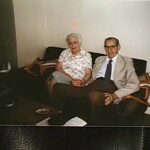
Ruth Price: July 2004
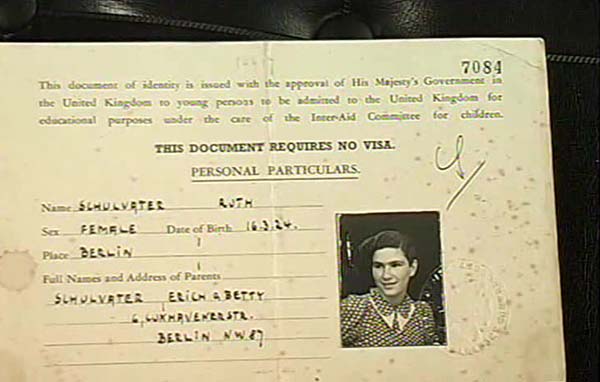
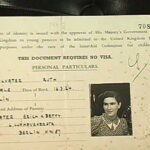
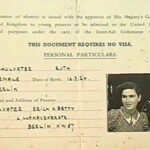
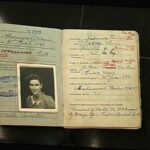
Ruth Price: UK travel document allowing entrance to the UK
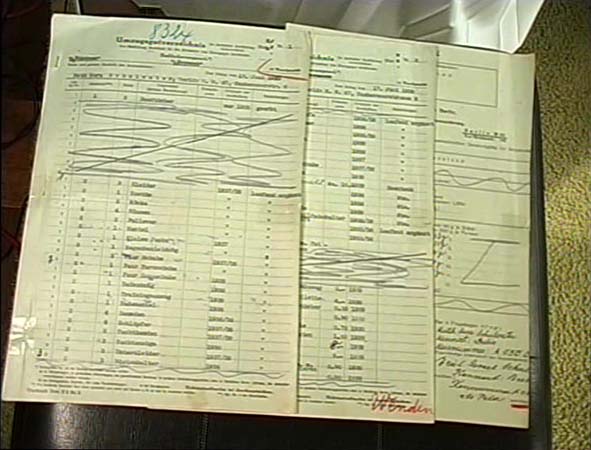
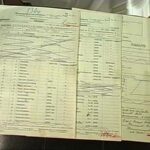
Ruth Price: Detailed list of all the items RP proposed bringing on the Kindertransport. "Somebody came to the house and made sure that I wasn’t taking anything more than that... right down to handkerchiefs."
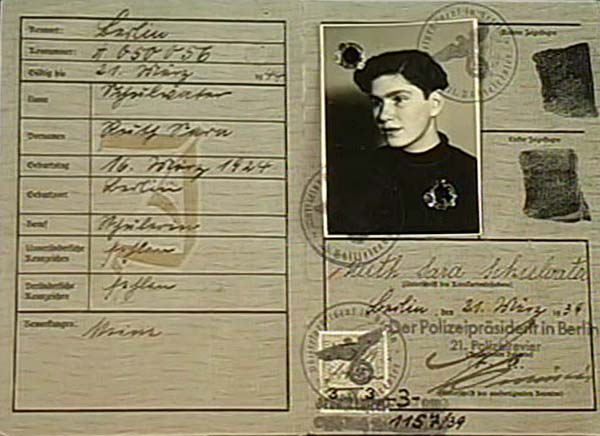
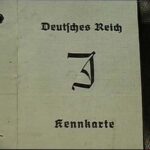
Ruth Price: Jewish ID card. "These
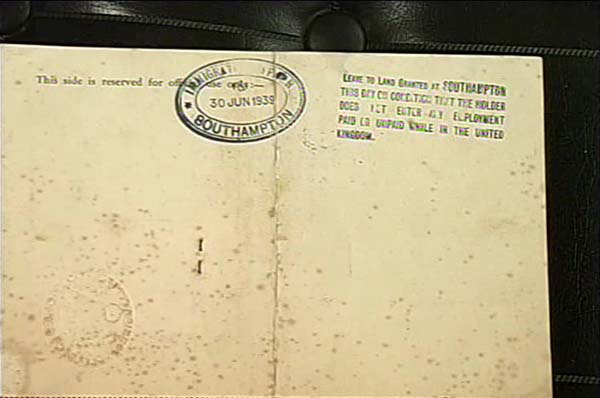
Ruth Price: UK travel document
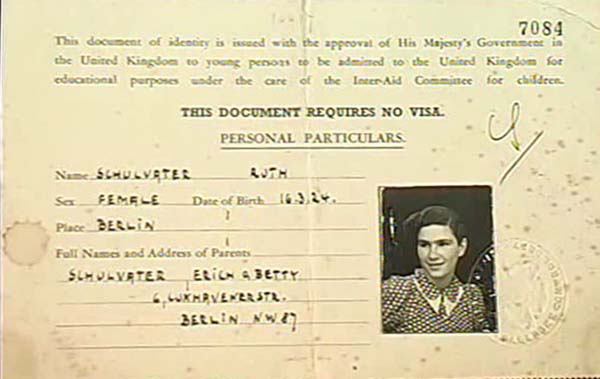
Ruth Price: Child visa document
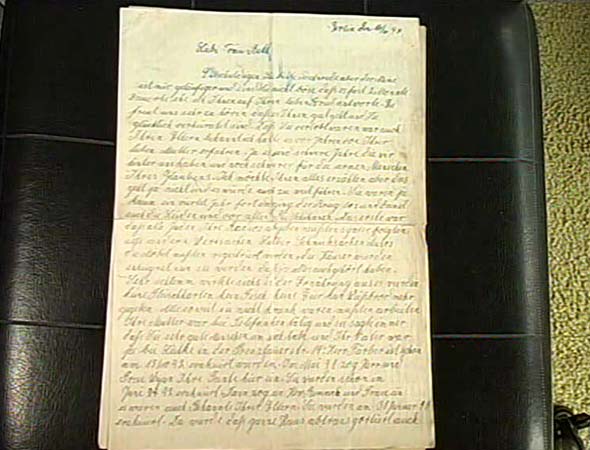
Ruth Price: Detailed letter from Frau Kühn
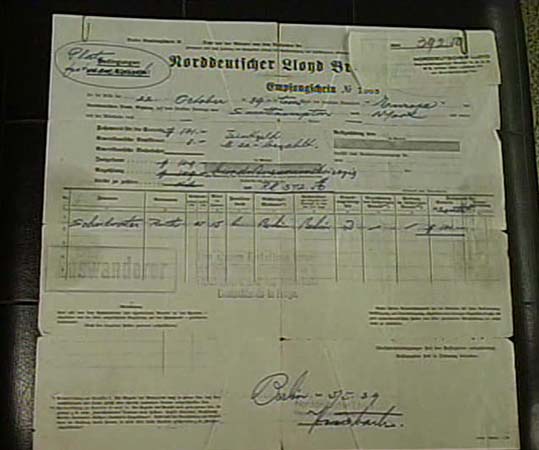
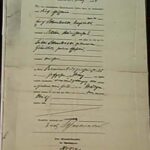
Ruth Price: Birth certificate
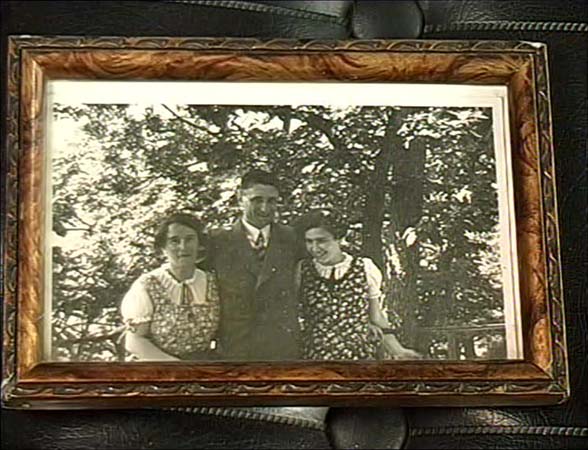
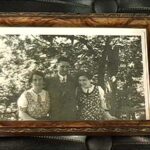
Ruth Price: With mother and father in in the Schwarzwald
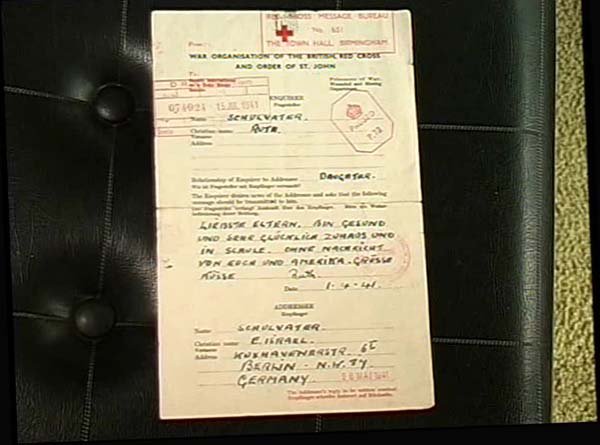
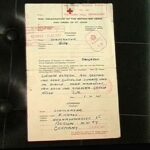
Ruth Price: Red Cross letter from parents
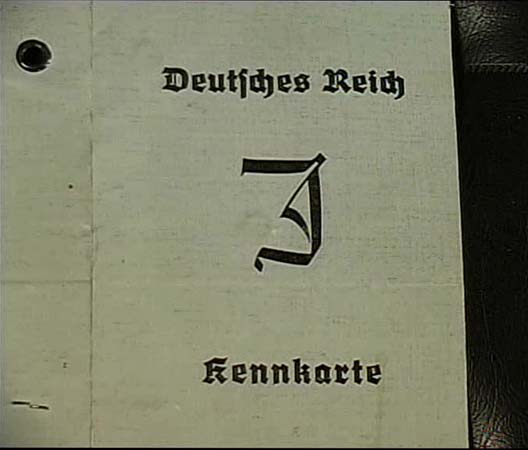
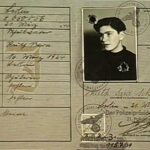
Ruth Price: Jewish ID card
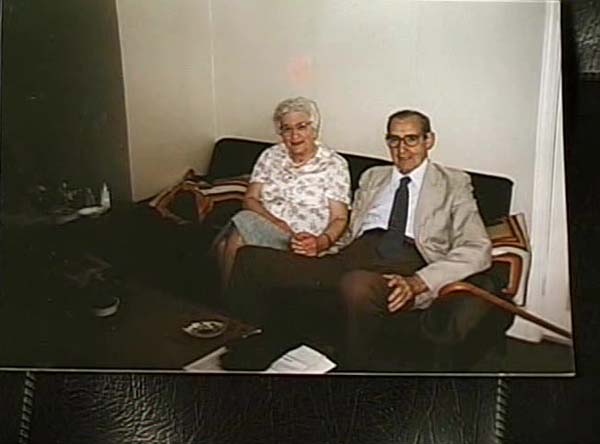
Ruth Price: Last photo of husband
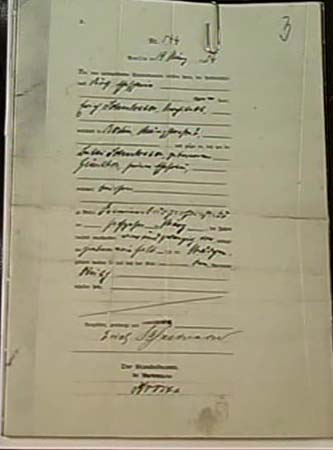
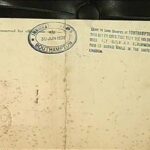
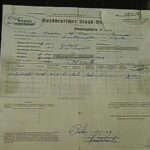
Ruth Price: The "rather tatty ticket"which RP's father had to buy before RP could travel to the UK. It "gives a date
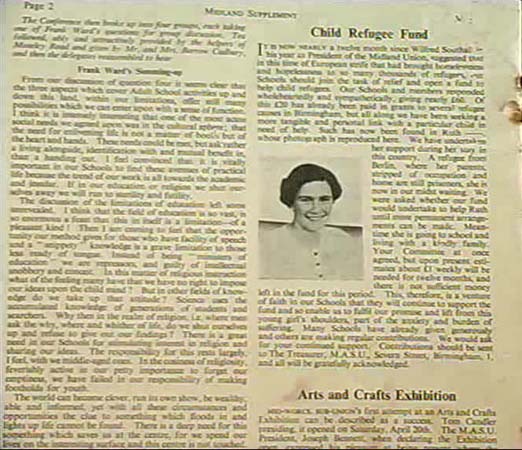
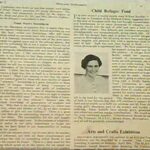
Ruth Price: Journal of the Midlands Adult School Union
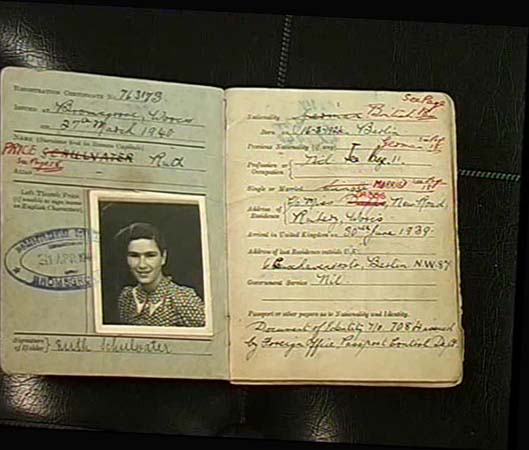
Ruth Price: UK Alien Registration book given to RP after she wasn't interned but where she had to record all of her movements
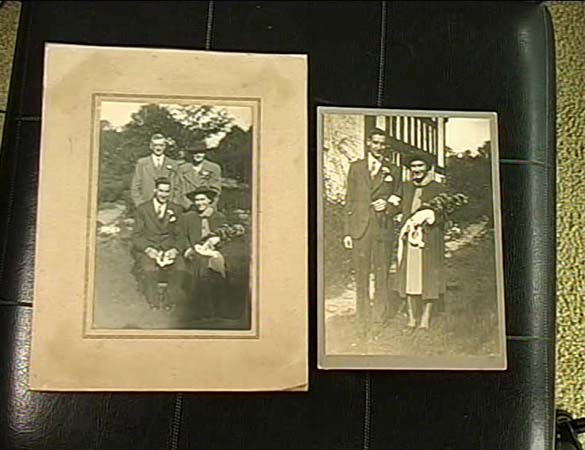
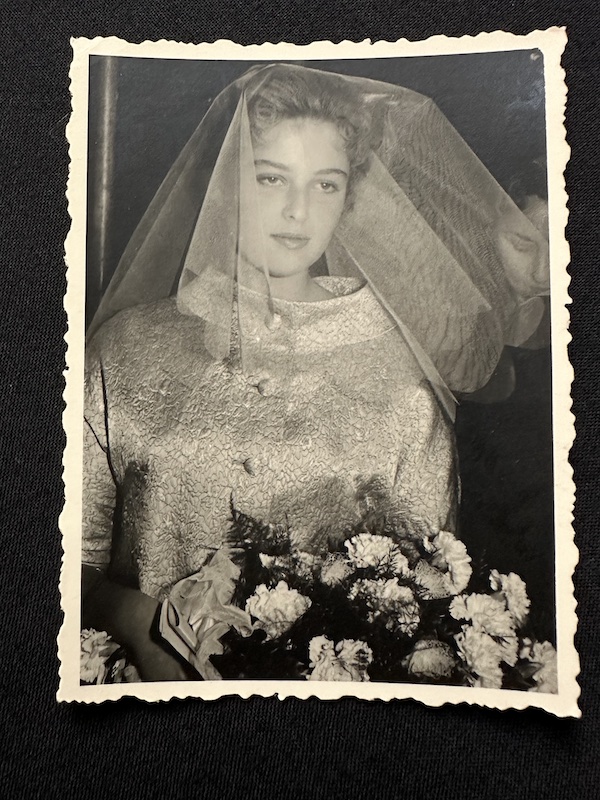
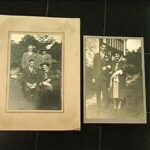
Ruth Price: Two photos from her wedding day
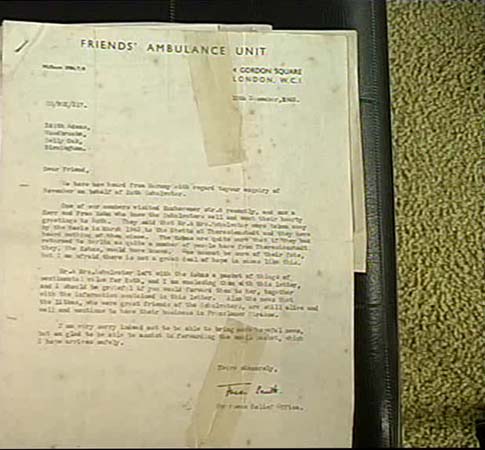
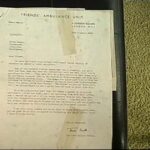
Ruth Price: Letter from a member of the Friends Ambulance Unit to say RP's parents were probably dead. "the very sad news that she had been to my house and had spoken to the caretakers who had been very good to my parents and they said that
Ruth Price
Ruth Price (nee Schulvater) was born in Berlin 1924
Born: 1924
Place of Birth: Berlin
Arrived in Britain: 30/06/1939
Interview Number: 68 (N)
Experiences: Kindertransport
Interview Summary
Ruth Price (nee Schulvater) was born in Berlin 1924. Her father took over the grandfather’s furniture business – and also worked as an architect. Her mother was a secretary. Ruth attended Mittelschule der judischen Gemeinde, Grosse Hamburgerstr. Her family barely practised, but Ruth joined a Zionist youth group. She met men coming off train who’d been released from concentration camps. She was sent on the Kindertransport to UK, June 1939, travelling from Berlin to Hamburg by train where she boarded the SS Washington, an American ship destined for New York which stopped off first at Le Harve and then at Southampton where Ruth disembarked. She remembers being distressed at the sight of a four-month-old baby on board the ship left by its parents with carers. Accommodation was found for her in Birmingham by a Quaker woman & C of E vicar. She attended Edgbaston High School then worked as a children’s nurse, then nursery nurse. After the war, she taught for 30 years. She married a gentile – also a teacher. Her parents are thought to have died in Auschwitz.
Place of Birth
Then, in 1938 came Kristallnacht, which was quite, quite dreadful. There were many, many arrests. My parents were able to leave the flat we lived in and stay with some Czech-Jewish friends who were not, at that time, likely to be arrested. They slept four in a double bed. I went to a friend, whose father was Jewish, but whose mother wasn’t, so again there was not so much danger there.
When I was about 13-14 years old, my father said, ‘When you get married, I would like you to keep the name Schulvater as a sort of middle name’, because an ancestor in the 1800s had been a leader of the Jewish community in Berlin. He thinks that he took this name because ‘Schul’ is Yiddish for synagogue and ‘Vater’ is father. Now I am afraid I was somewhat naughty and didn’t in fact use the name. By the time I got married, it was wartime, and having a German name wasn’t the most sensible thing. Also, it was quite difficult when I gave my name because I had to spell it out, usually 3 times.
1933- And the following form teacher I had was a fanatical Nazi and he did everything he could to instil Nazism into his pupils. Although, I must say, he was not hostile towards the few Jewish pupils who were there. But he certainly was a fanatical Nazi. One thing I remember, there was a great big plaque with a huge swastika, colourless, but into it you knocked nails. I think you paid a small amount each time you knocked in a nail, and each was one of three colours - red, white and black - and it eventually made the swastika. And, as I say, he talked about Hitler and how wonderful he was.
REFUGEE VOICES is the AJR’s groundbreaking Holocaust testimony collection of filmed interviews with Jewish survivors and refugees from Nazi Europe who rebuilt their lives in Great Britain.
The copyright of personal photos and documents on the site is held by each interviewee and may not be reproduced without their permission. Please contact the AJR if you would like to use any of the images and documents.