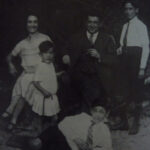
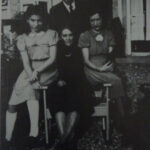
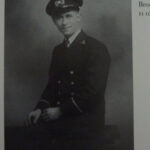
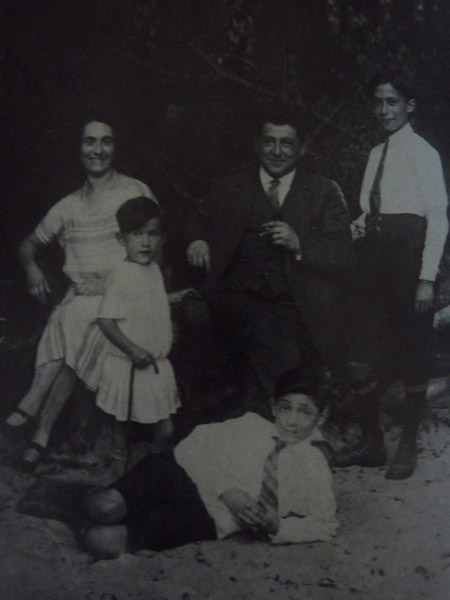
Selma van de Perre: Family photo- mother
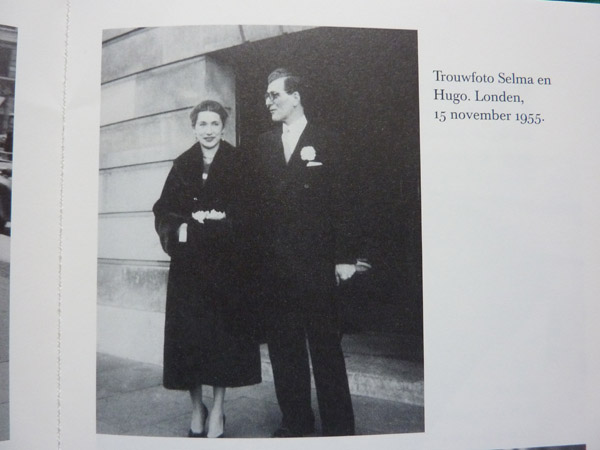
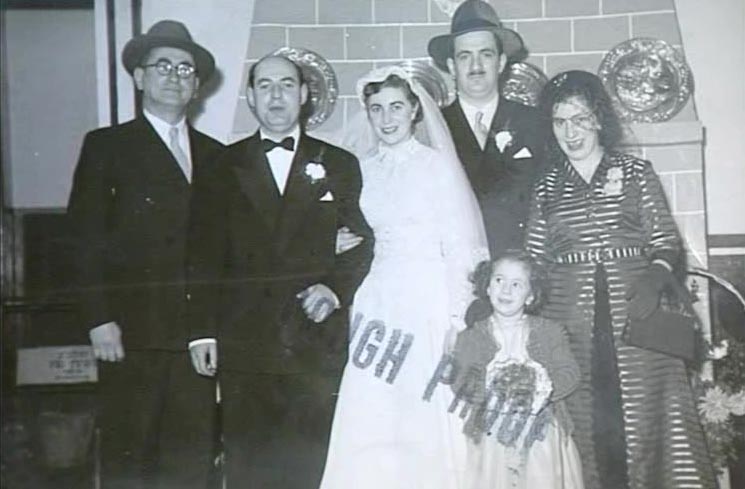
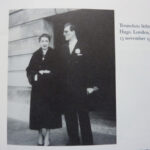
Selma van de Perre: Wedding day with husband Hugo at Hammersmith Town Hall
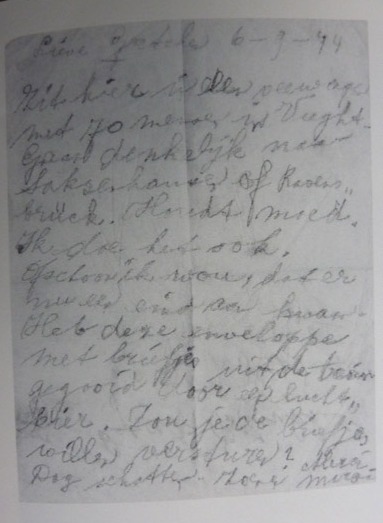
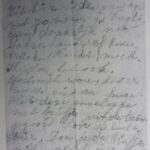
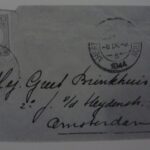
Selma van de Perre: Letter she wrote in the cattle train to Ravensbrück camp on a piece of toilet paper to her friend Greet Brinkhaus: "...I think we are going to Germany. Keep courage
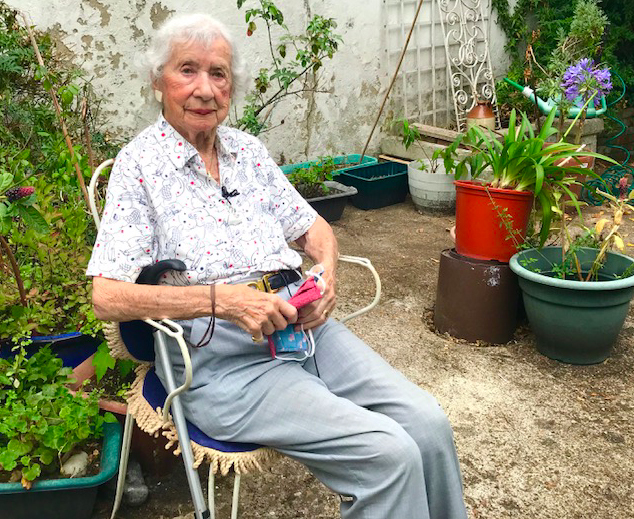
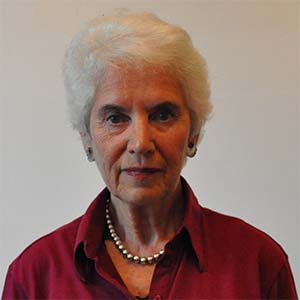
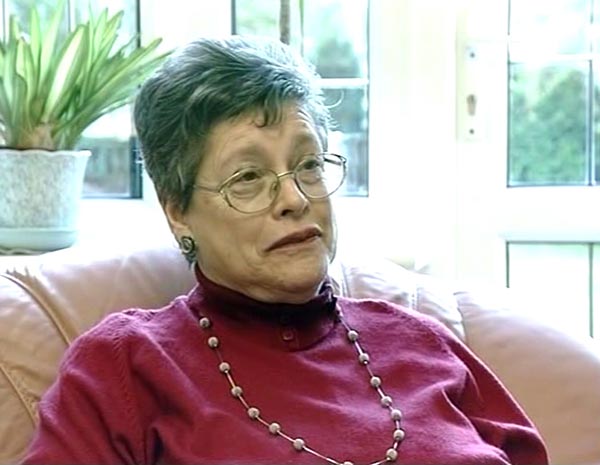
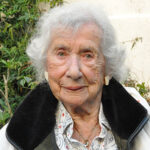
Selma van de Perre: Selma van de Perre
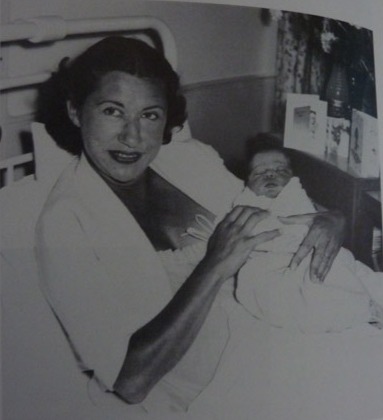
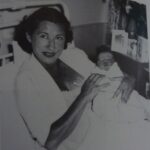
Selma van de Perre: SP with newborn son Jocelyn
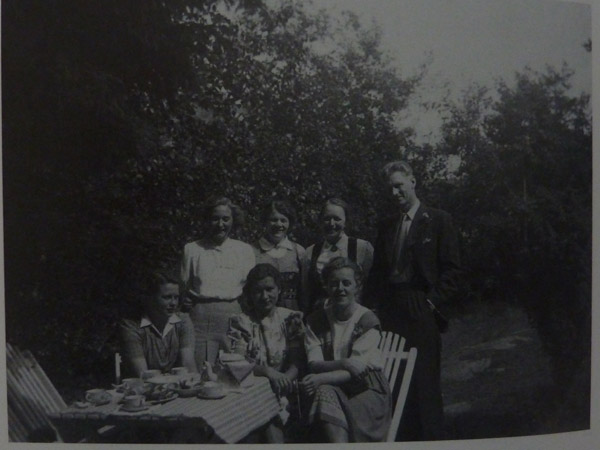
Selma van de Perre: SP (centre) in Apelviken
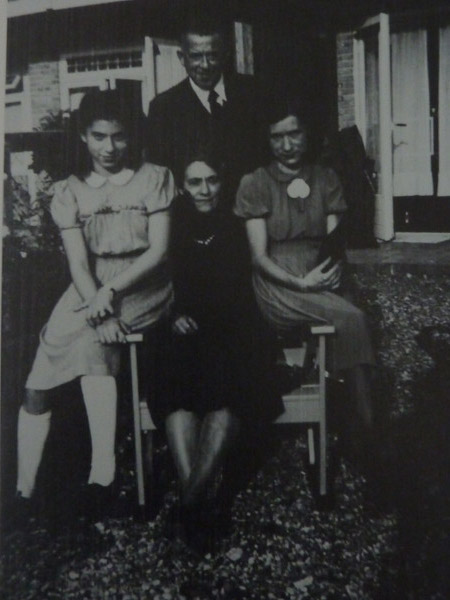
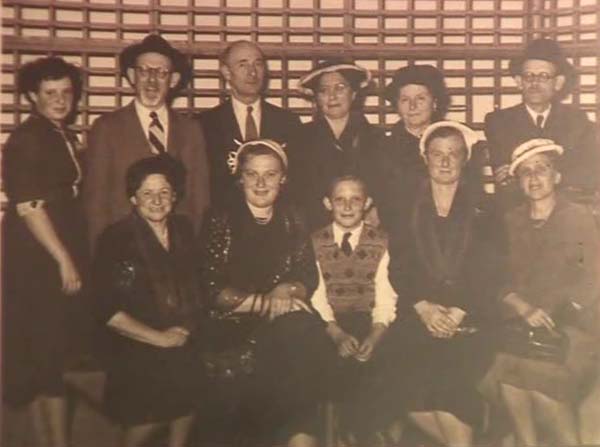
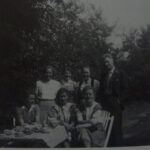
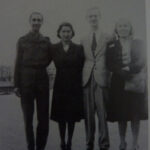
Selma van de Perre: Last family photo with her parents and little sister Klara (left)
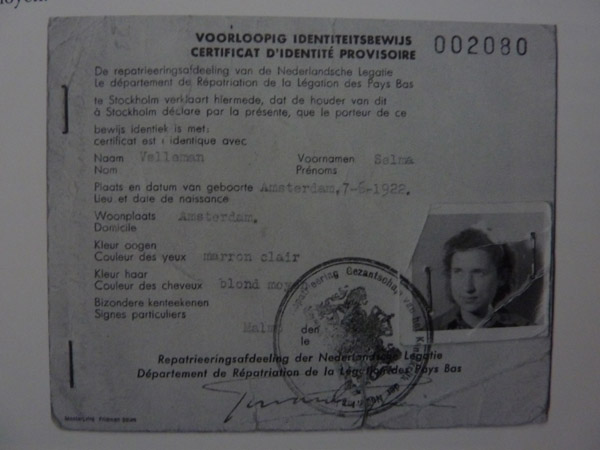
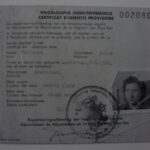
Selma van de Perre: Temporary ID Selma received in Sweden after she was released from Ravensbrück
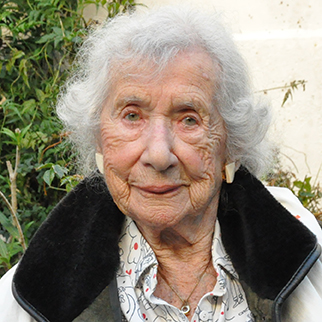
Selma van de Perre: Selma van de Perre
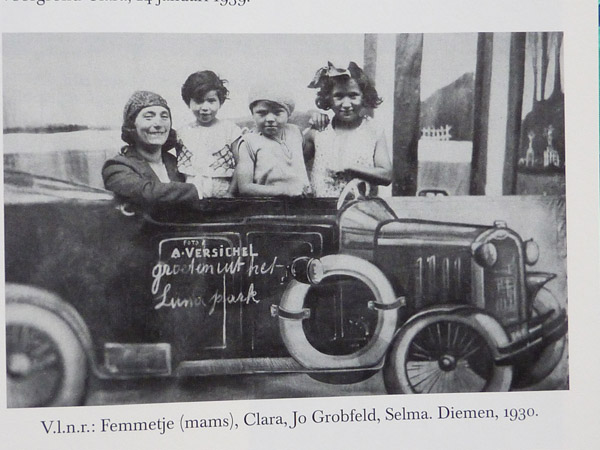
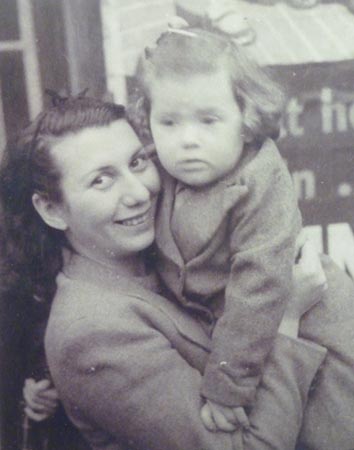
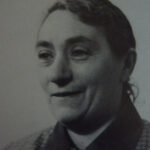
Selma van de Perre: Mother
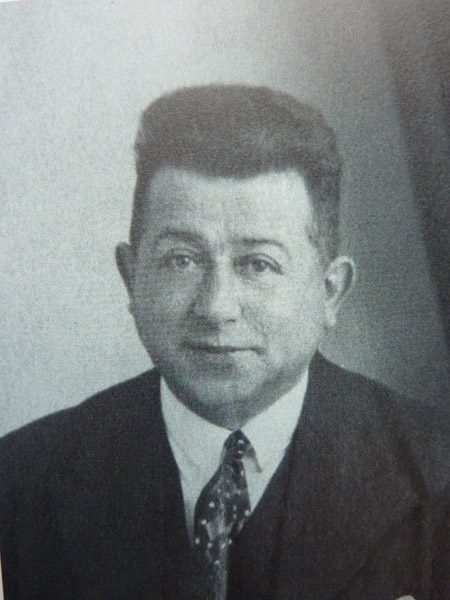
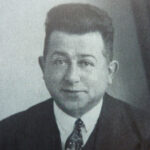
Selma van de Perre: Father
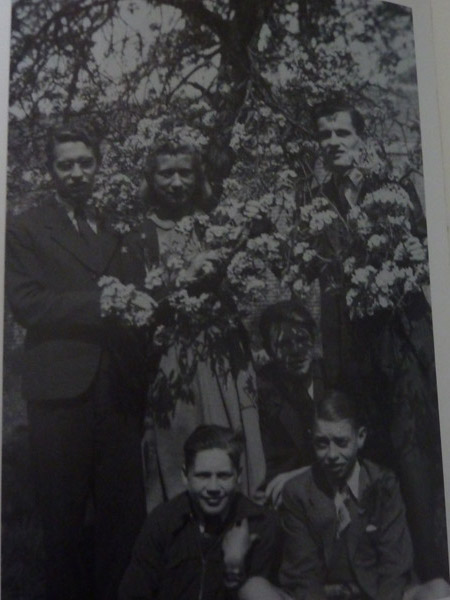
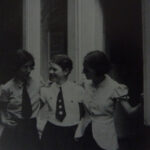
Selma van de Perre: SP (centre)
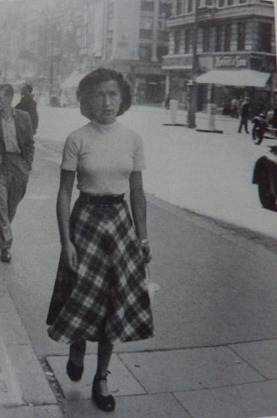
Selma van de Perre: SP on the Strand
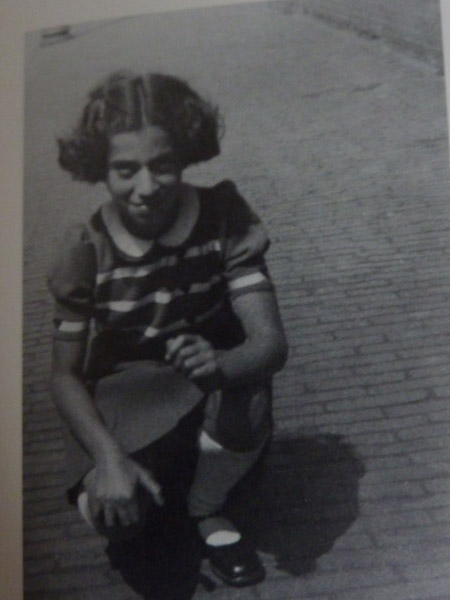
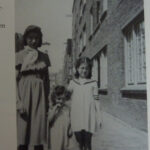
Selma van de Perre: Little sister Klara in front of their house in Amsterdam
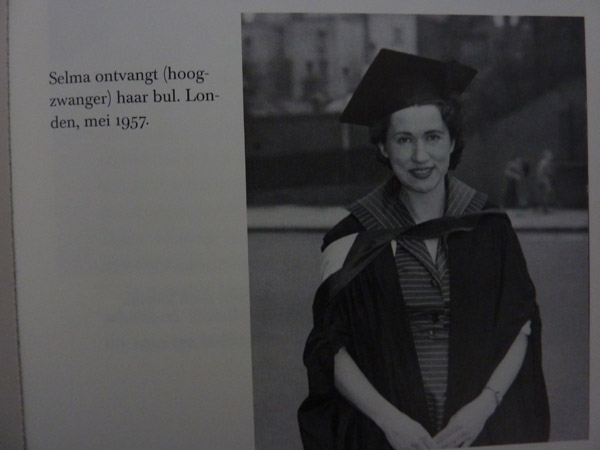
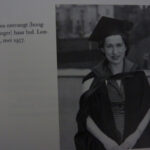
Selma van de Perre: SP receiving her degree from the Queen Mother in Albert Hall 1957
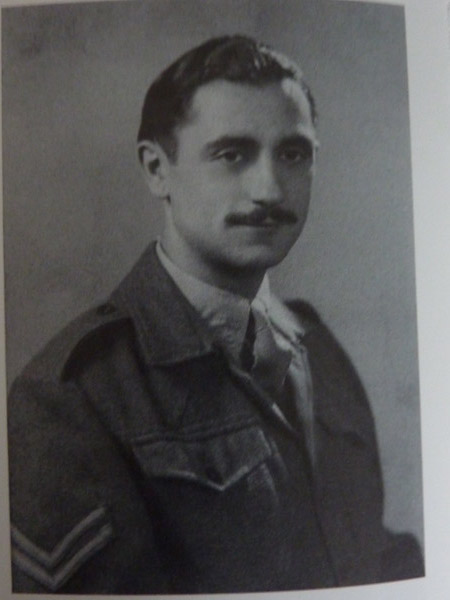
Selma van de Perre: Brother David
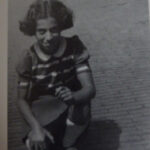
Selma van de Perre: Little sister Klara (11)
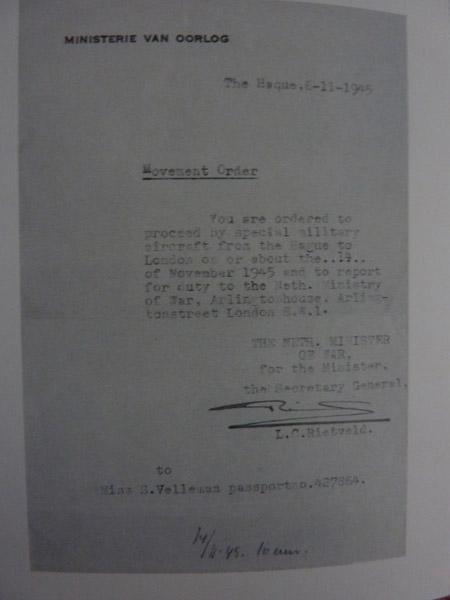
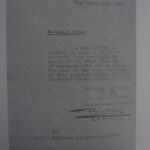
Selma van de Perre: Order to report at the Ministry of Defense in The Hague and to go to England. She arrived at Croydon airport 1945 and was picked up by her brother David.
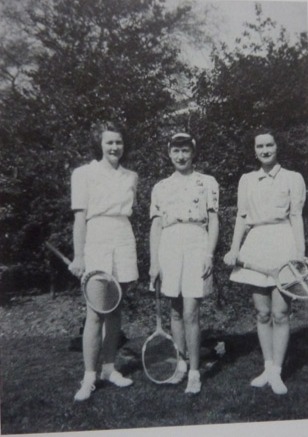
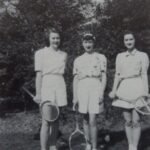
Selma van de Perre: SP playing tennis with her colleagues from the BBC (Bush House) in their lunch break
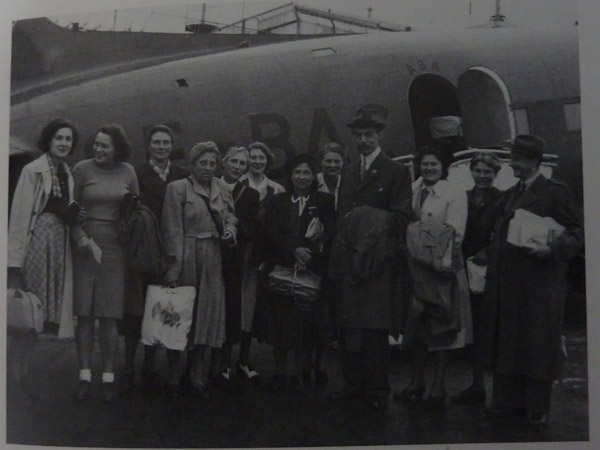
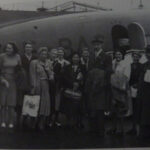
Selma van de Perre: People returning home from Sweden by airplane; SP's friend Dit is the 2nd from the left and the Dutch ambassador in the centre
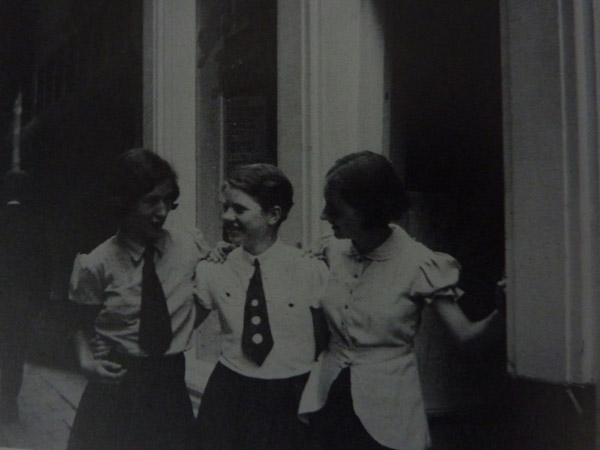
Selma van de Perre: Selma
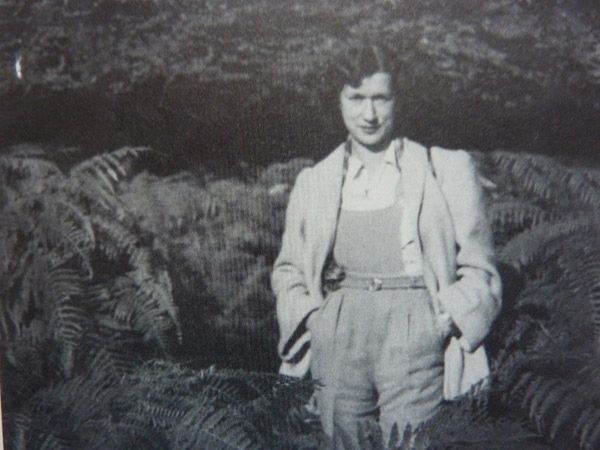
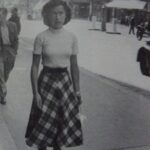
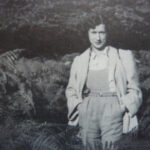
Selma van de Perre: SP in London
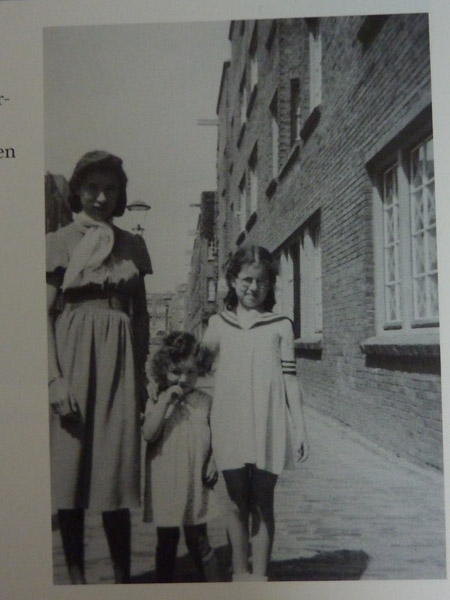
SP
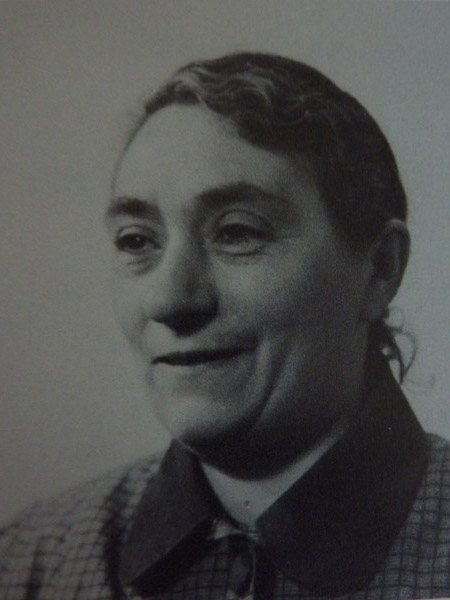
Selma van de Perre: Mother
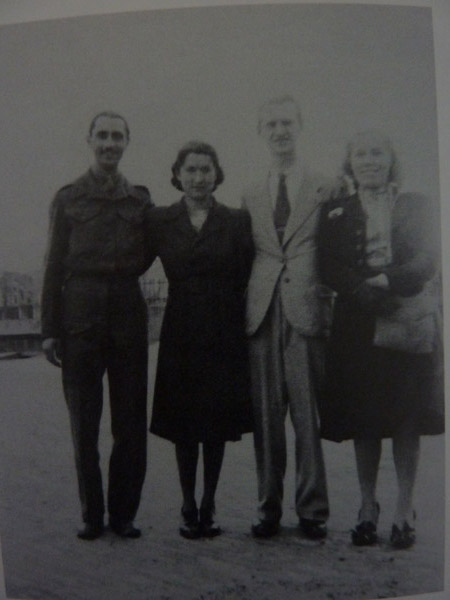
Selma van de Perre: Brother David (left)
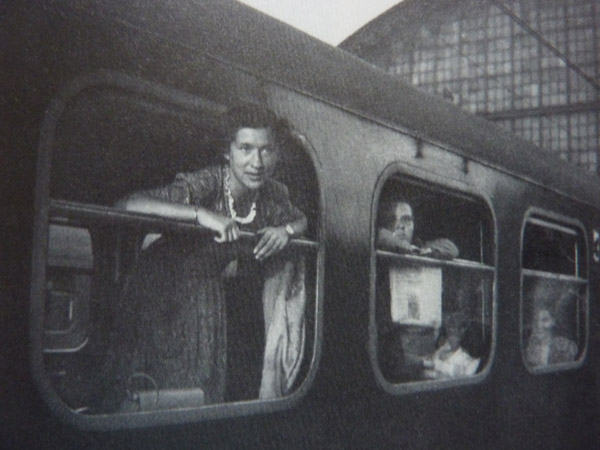
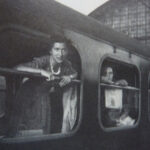
Selma van de Perre: SP at the station in Amsterdam
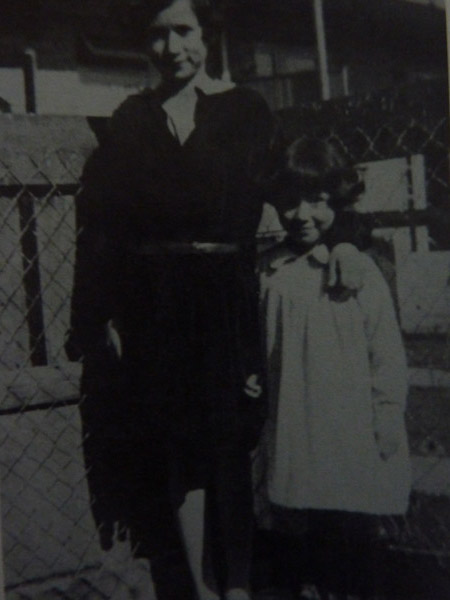
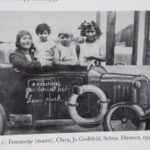
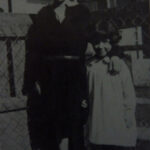
Selma van de Perre: SP with her little sister Klara
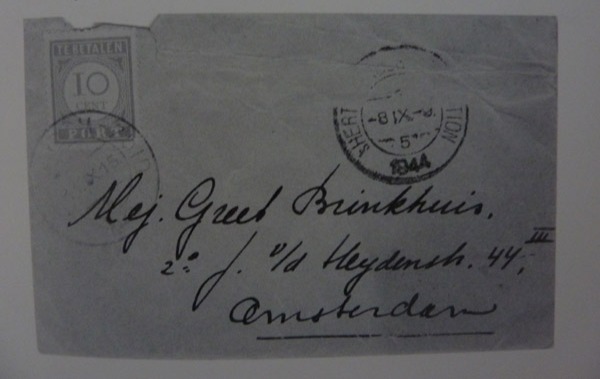
Selma van de Perre: Whoever found the letter SP wrote on a piece of toilet paper to her friend Greet Brinkhaus
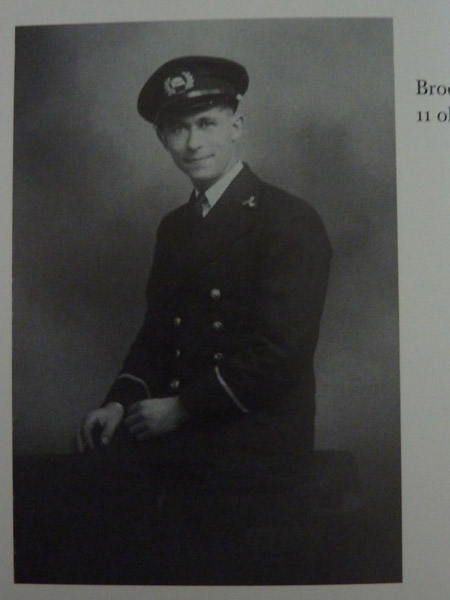
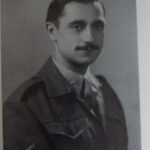
Selma van de Perre: Brother Louis (merchant navy)
Selma van de Perre
Selma van de Perre, née Velleman, was born in the Netherlands on 7 June 1922 to liberal Jewish parents
Born: 1922
Place of Birth: Amsterdam
Arrived in Britain: 14/11/1945
Experiences: Concentration Camp Survivor , Dutch Resistance , In Hiding – Holland
Interview Summary
Selma van de Perre, née Velleman, was born in the Netherlands on 7 June 1922 to liberal Jewish parents. The Velleman family had four children and lived in Amsterdam.
When the Netherlands was occupied by the Germans in 1940 and news of persecution and arrests of Jewish families piled up, Selma decided to go into hiding in 1942. She was able to hide with various acquaintances and friends. In the same year she moved to Leiden. There, she found shelter in the house of Antje Holthuis. When Selma realised that Antje was part of a group of Dutch resistance fighters, she offered her help.
Selma managed to get papers with the Christian name of Margaret van der Kuit. Under that name she carried out courier work the Dutch resistance, delivering letters, reports, food stamps, and false identity papers across Holland. At one point, she even travelled to Paris. On her travels through the Netherlands, she supplied resisters with monthly leaflets, money and food stamps.
The resistance gave Selma a room in Utrecht in June 1943, where she was arrested in 1944. She was then taken to the prison of Amsterdam for questioning. However, her true identity was not discovered and she was transferred to the Dutch Vught concentration camp. On 8 September 1944, she and other women from Vught were taken to the Ravensbrück concentration camp, where she worked as a slave labourer for Siemens.
After eight months, Selma was liberated by the Swedish Red Cross on 23 April 1945 and first brought to Denmark and then Sweden.
Four months later, she was able to return to Amsterdam, where she stayed with a friend she knew from childhood. After a few weeks, she was asked by the Dutch Ministry of War to go to the UK, where her two brothers lived. After some time, she joined the BBC radio department for a while, where she worked for eight years. There she met her future husband. While working as a broadcaster, she fulfilled her dream and began a four-year study of anthropology and sociology and subsequently became a teacher.
After the death of her husband, the journalist Hugo van de Perre, Selma became a foreign correspondent for Dutch media. She also became actively involved in the work on the history of forced labour and was a regular guest at the Generation Forum of the Ravensbrück Memorial. In 2019, her memoir, ‘My name is Selma’ came out in Holland to critical acclaim and the book was published in English in 2020.
Place of Birth
Please try to understand other people. Put yourself in their shoes.
In the beginning it was just filling in envelopes with illegal newspapers. Then I was asked to do real good jobs. I had to take [a suitcase] to 5 different towns and give it to the person there who then would distribute it. It was quite late in the afternoon. By 8 o’clock you had to be in so I couldn’t manage to go all the way to the south of Holland. I went out in Leiden & there was a terrible- I went on to the platform & there was control. German officers & Dutch policemen standing there. I didn’t know what to do. I just went to exit. I had to get out. I went to the exit with my big suitcase. A German said, “What’s this? - Was ist das?” I said, “Papers.” He said, “Machen sie öffenen.” So I tried to open it. But the locks were quite difficult to do for me. I didn’t know how to do it exactly. It took quite a while. At last I opened it. Inside was what I had not seen before, 5 parcels in brown packing paper with just 1 letter on the top of the town where I had to bring it. I thought well, that’s my-that’s my-I’ll be gone, you know. But the German said “Right, off.” So I got to go through. When I came out of that station I was so nervous! I stood there trembling for a while before I could go on. Then I went home & told the story. The next morning I took the case back to the towns where they needed to go. So this was my first job.
I don't believe in words only. So many words, instead of actions. I think you should act. You should act how you feel, without trying to hurt other people.
"One evening I listened to the story of Shushu [Joachim Simon], one of the Westerweel Group, who had jumped out of the prison window to his death because he rather did that than under torture giving names away. I thought this was fantastic. So I said “Can I help?”
We had an ice parlour near us, a few minutes’ walk. The owner was a German refugee. He had refused to sell ice cream to a German soldier. So the German soldier went to his officer, came back with the officer. The officer took the owner, put him against the wall & shot him.
REFUGEE VOICES is the AJR’s groundbreaking Holocaust testimony collection of filmed interviews with Jewish survivors and refugees from Nazi Europe who rebuilt their lives in Great Britain.
The copyright of personal photos and documents on the site is held by each interviewee and may not be reproduced without their permission. Please contact the AJR if you would like to use any of the images and documents.