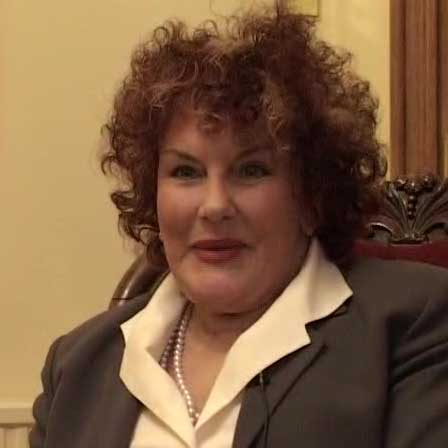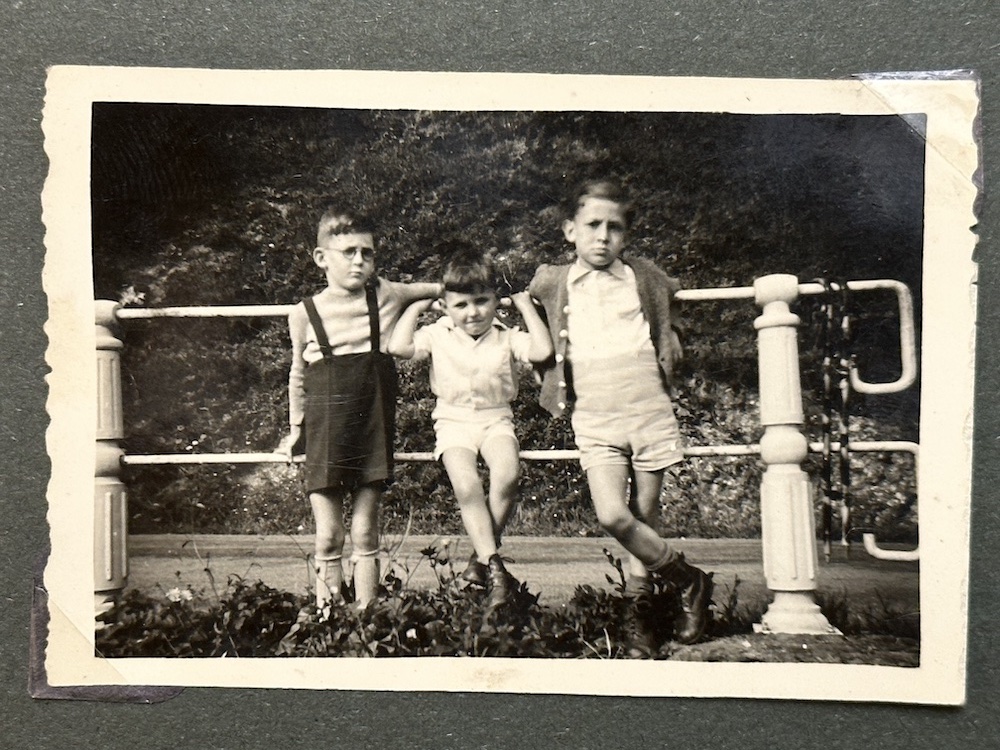
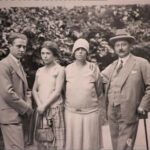
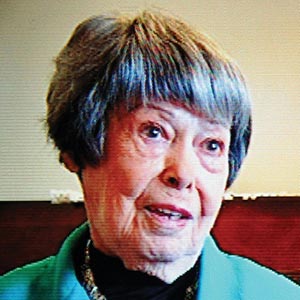
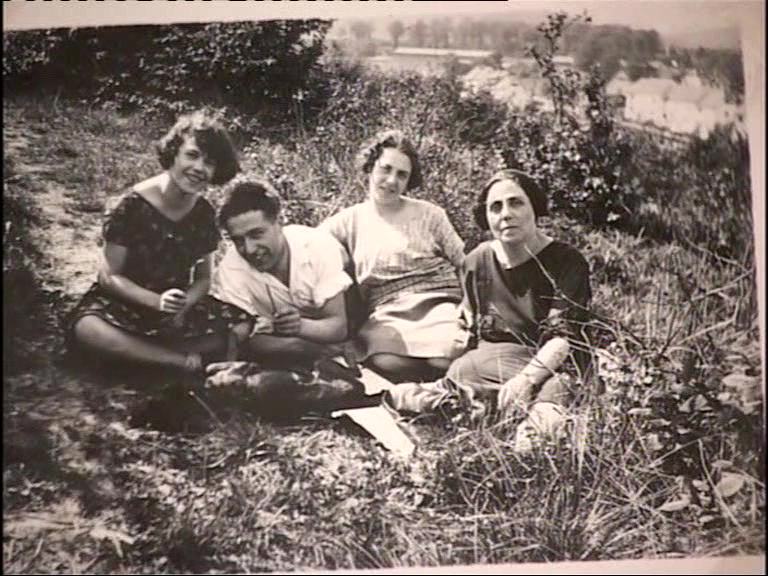
Stella Mann: With her family
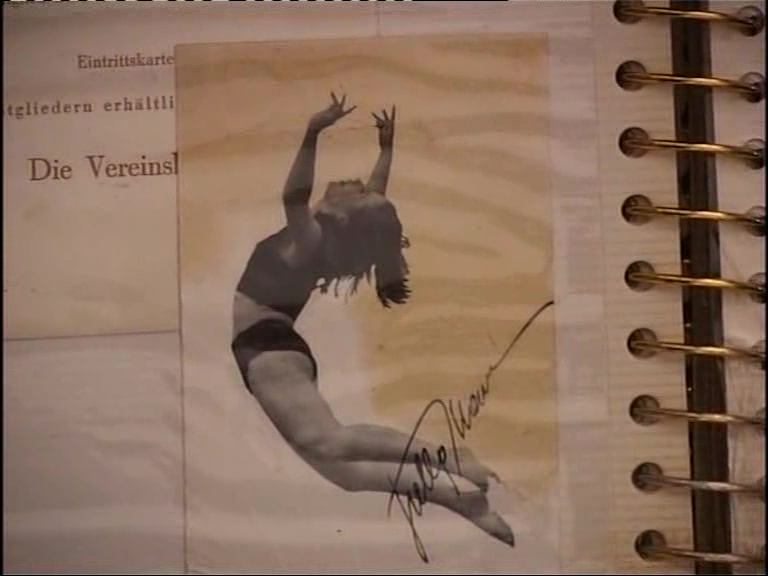
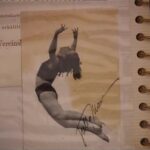
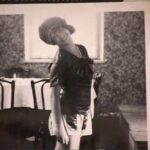
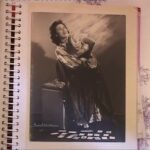
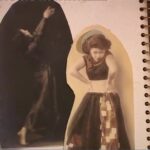
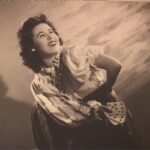
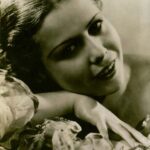
Stella Mann: Publicity shot
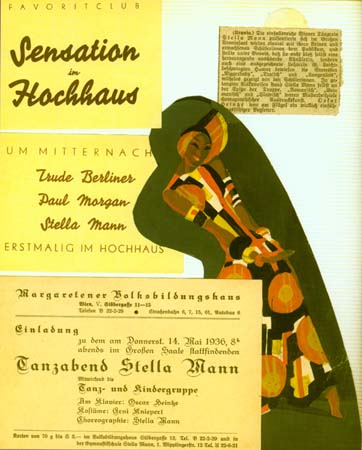
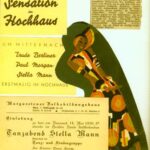
Stella Mann: On the bill at the Theater der Komiker with legendary performers
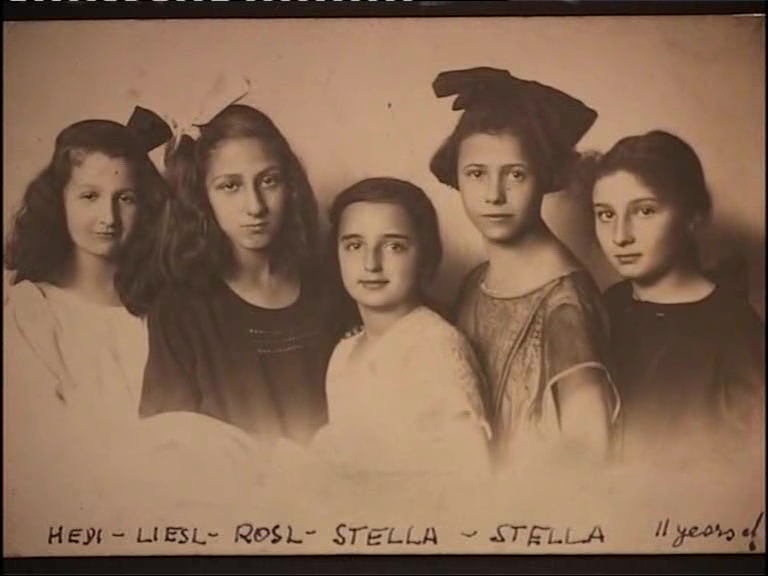
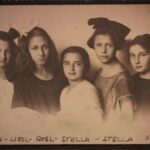
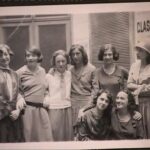
SM with school-friends when leaving primary school
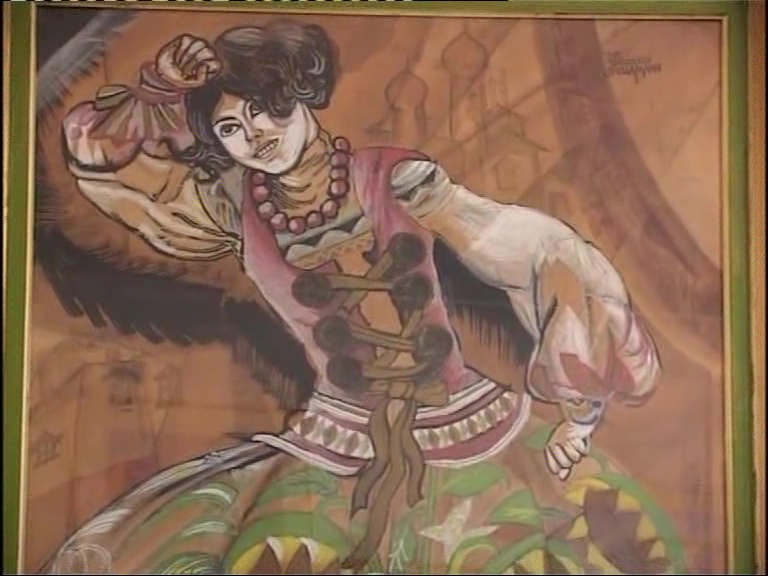
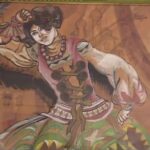
Stella Mann: Prize-winning portrait of SM at 16 by Hungarian artist Sikay
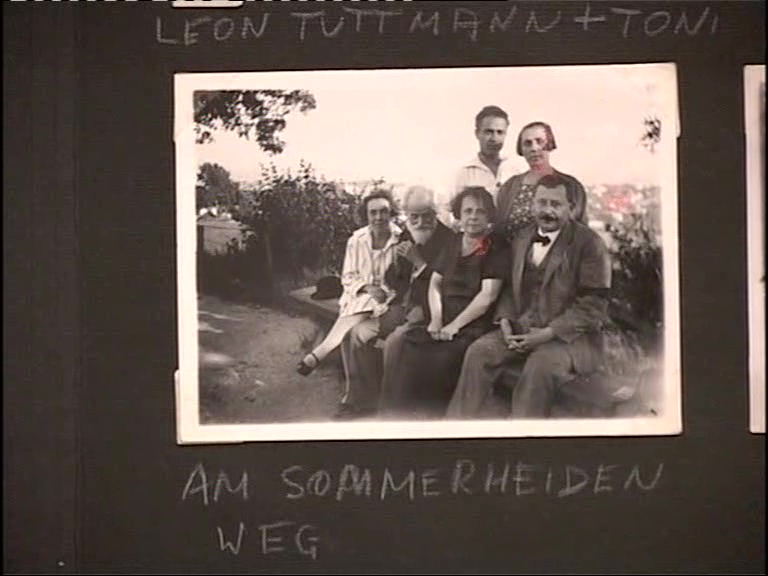
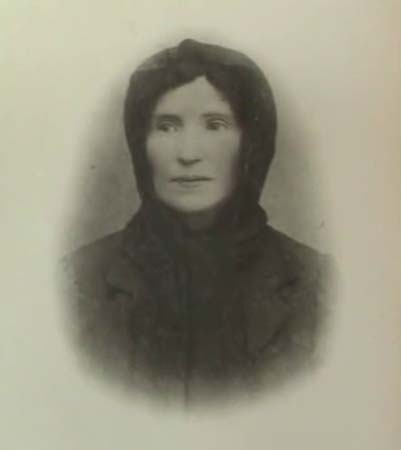
Stella Mann: With grandfather
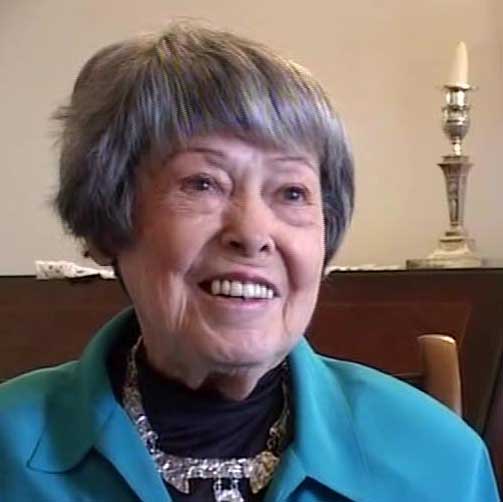
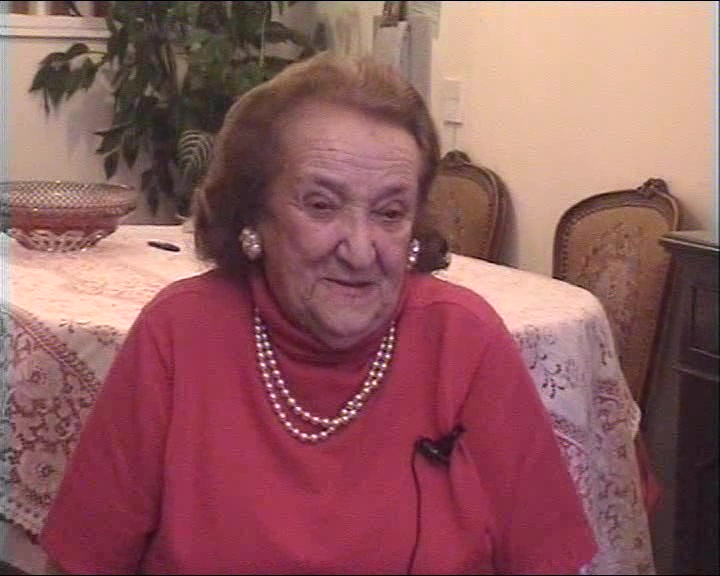
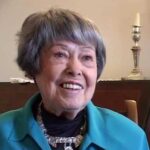
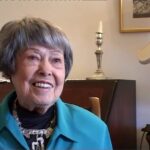
Stella Mann: February 2003
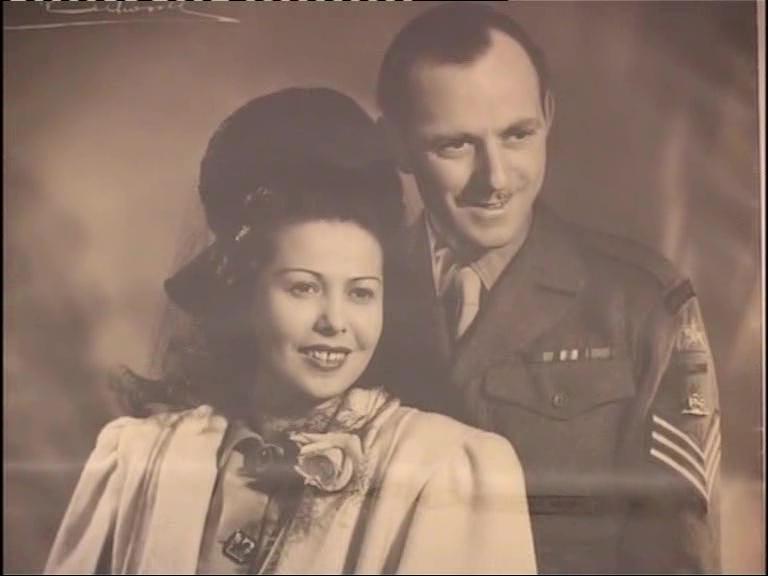
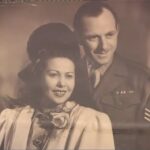
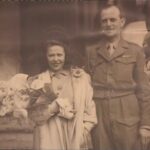
Stella Mann: Wedding day at Grande Place in Brussels
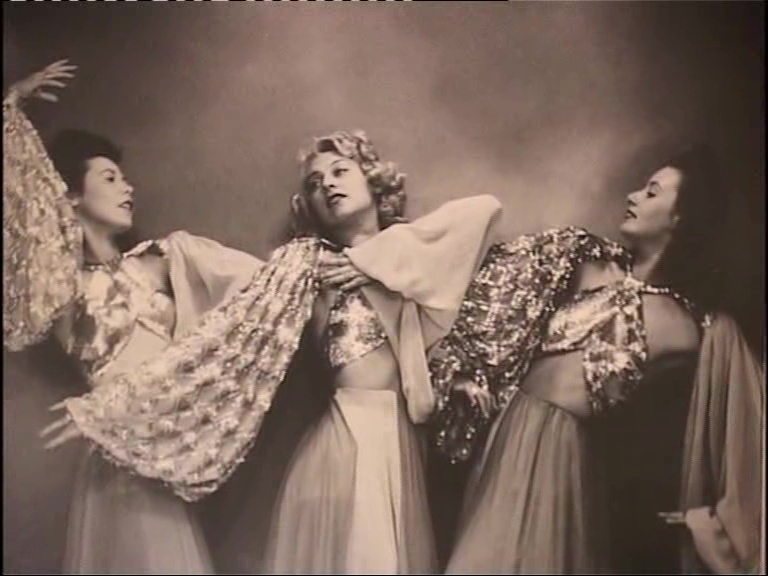
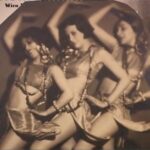
Stella Mann: With her touring dance group Trio SDS – Stella
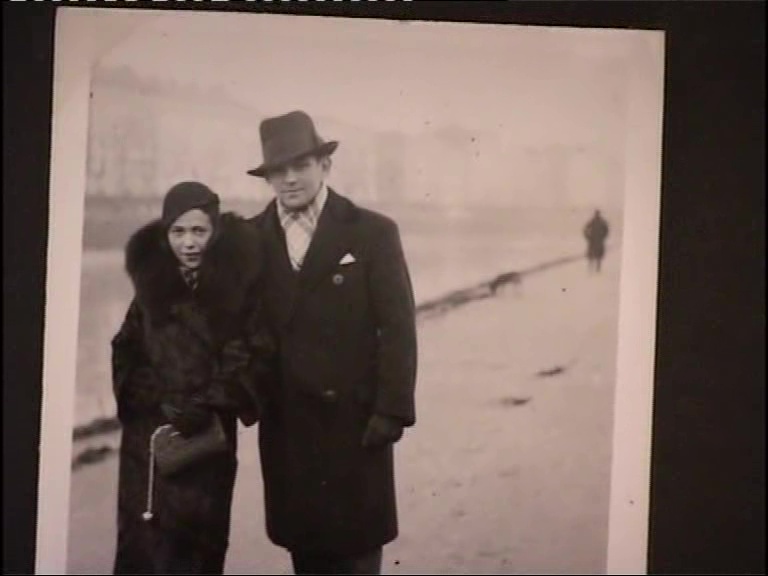
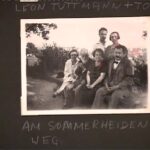
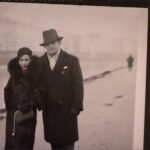
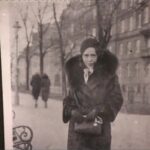
Stella Mann: With first boyfriend at ‘Donaukanal’ 1931 or 1932
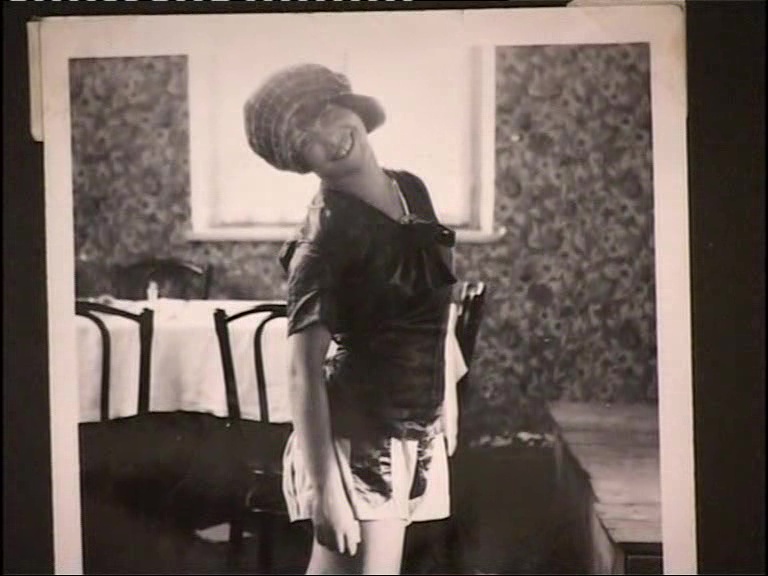
Stella Mann: “That’s me”
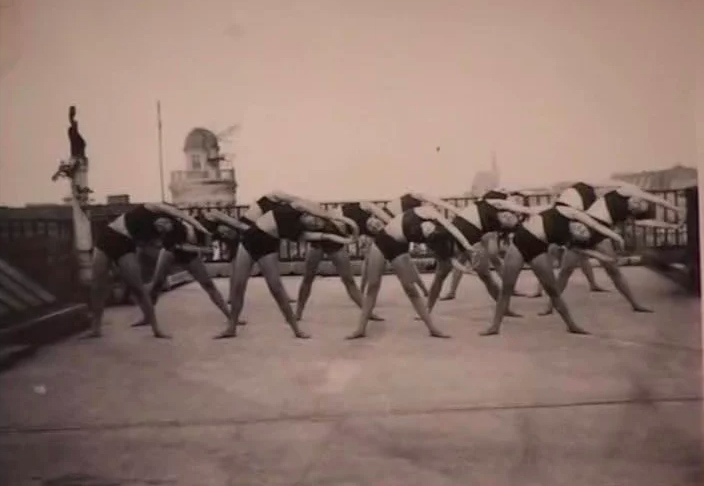
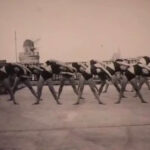
Stella Mann: With pupils on the roof of the Schwedenkinohaus
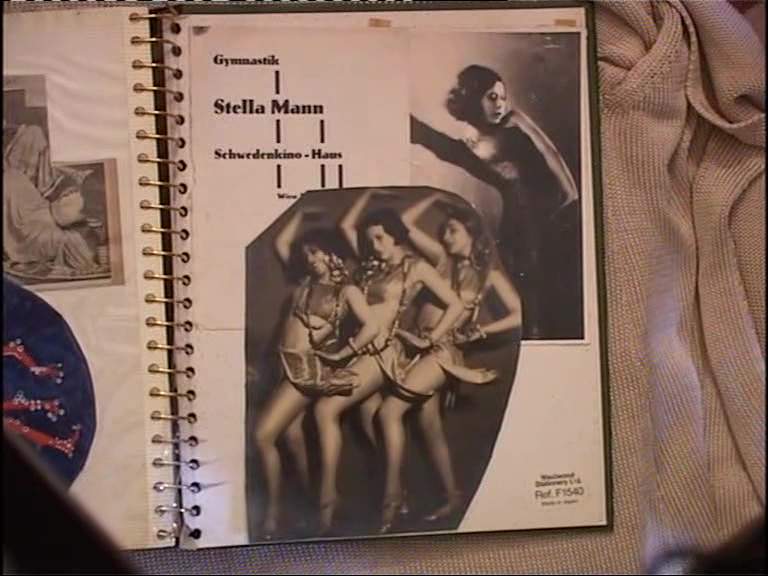
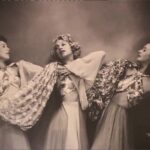
Stella Mann: With two other dancers
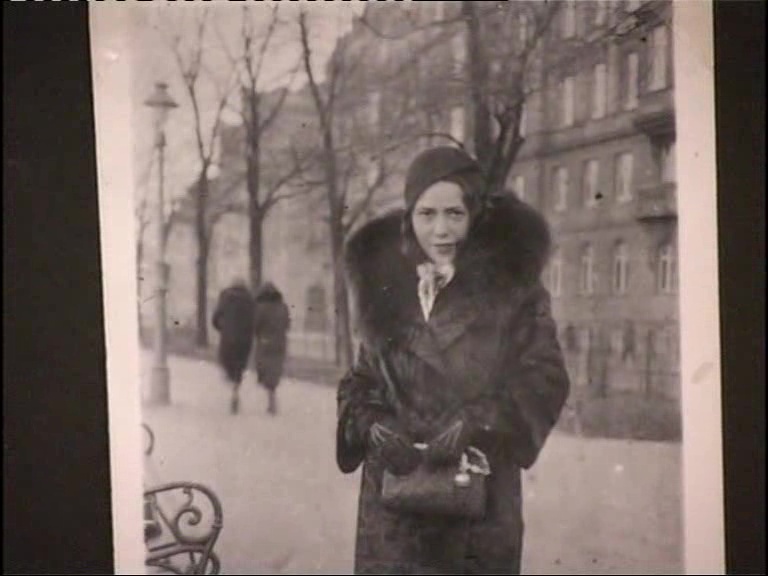
Stella Mann: At ‘Donaukanal’ 1931 or 1932
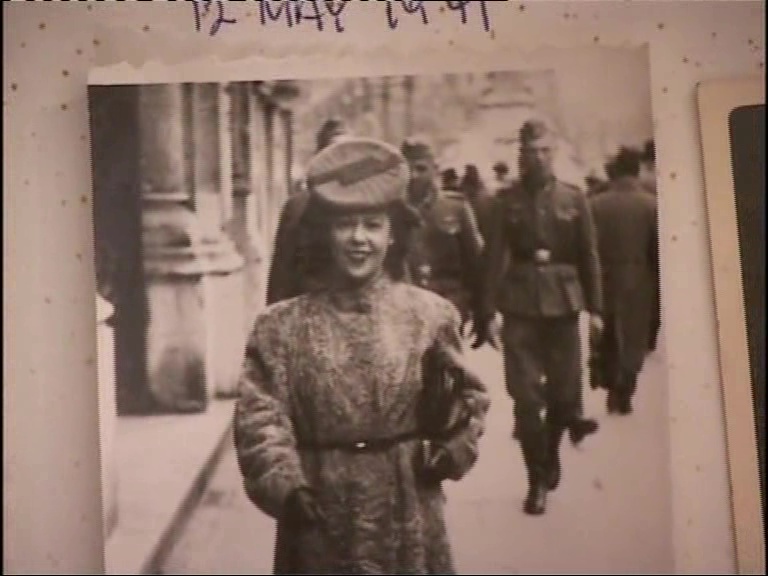
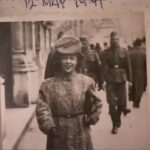
Stella Mann: Walking on the boulevard in occupied Brussels
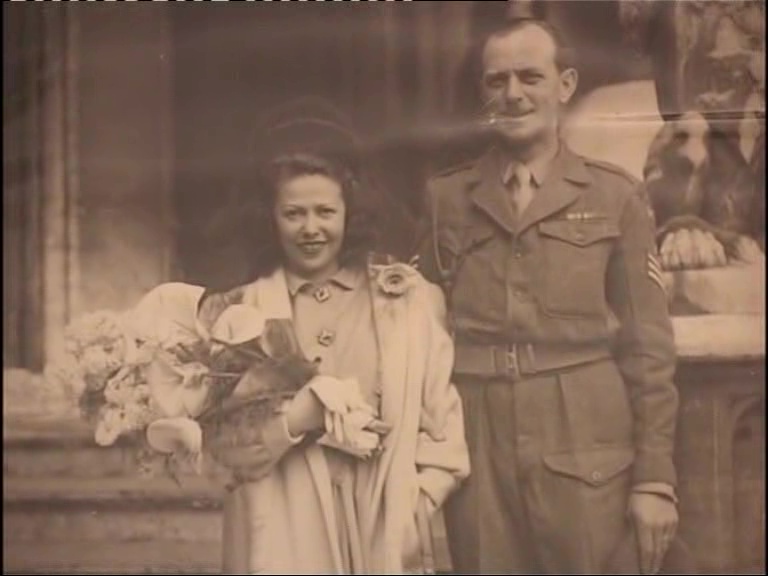
Stella Mann: Wedding day at Grande Place in Brussels
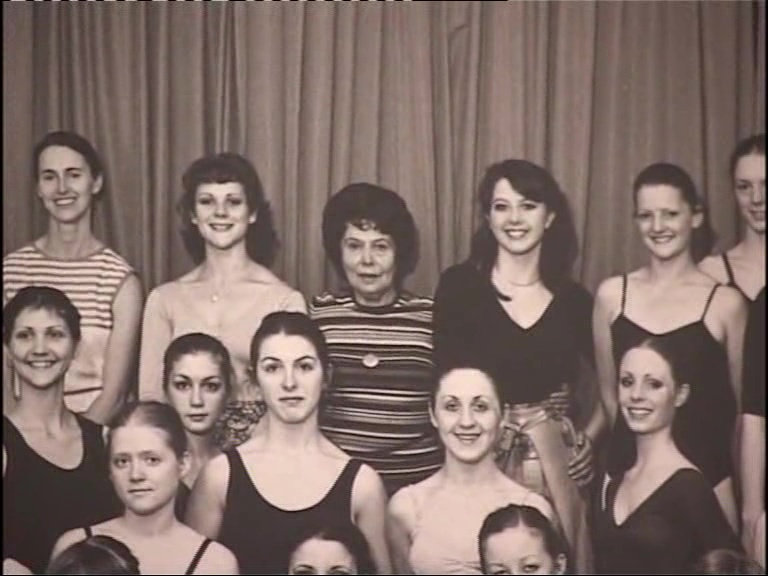
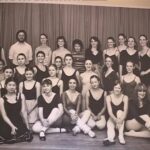
Stella Mann: An end of term photograph of the Stella Mann School of Dancing. London
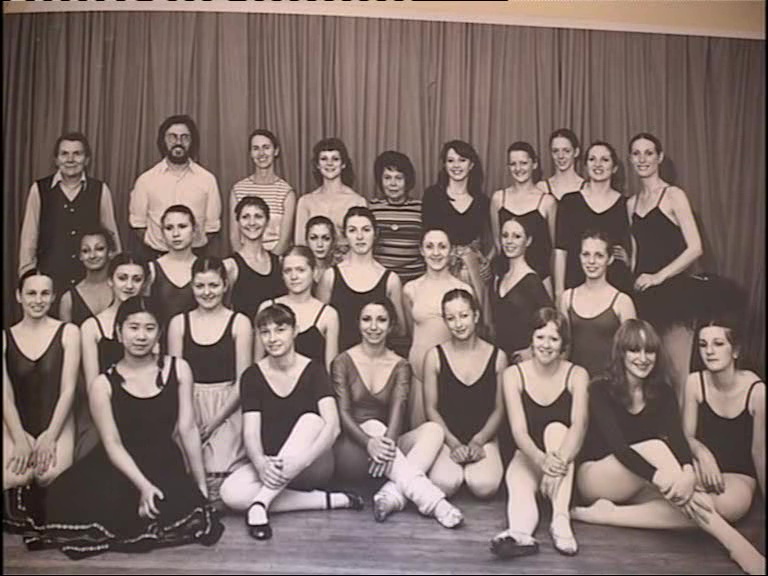
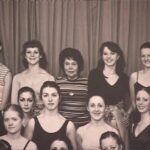
Stella Mann: An end of term photograph of the Stella Mann School of Dancing. London, 1979
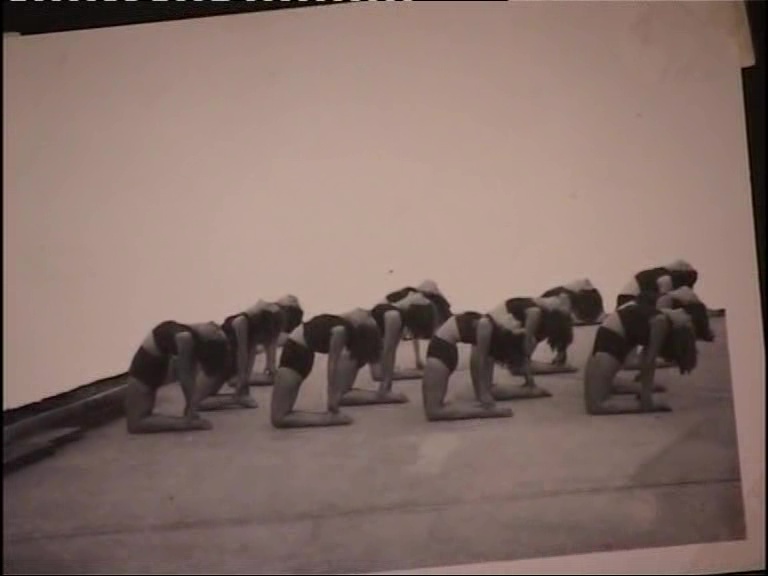
Stella Mann: SM’s pupils
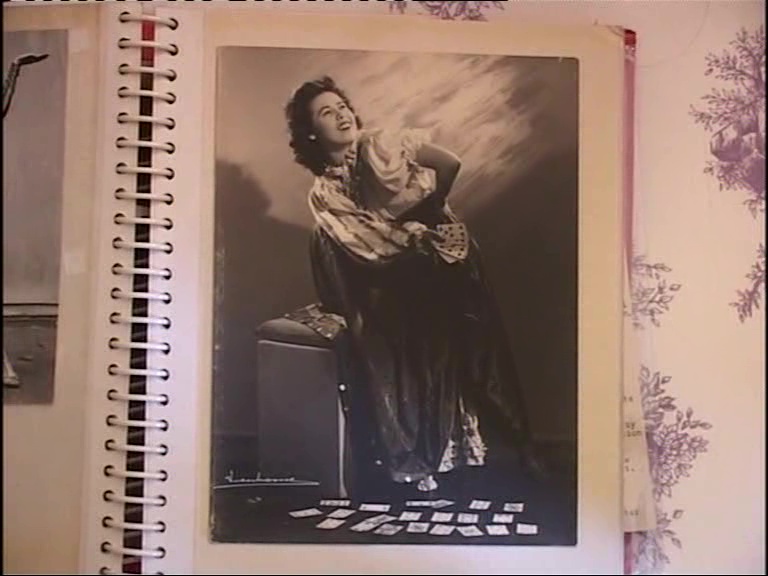
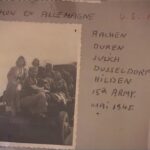
Stella Mann: In Brussels
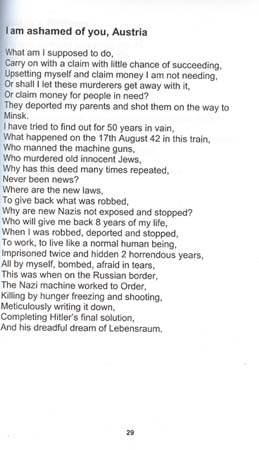
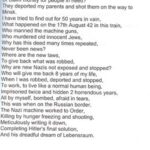
Stella Mann: From Stella Mann: Poems
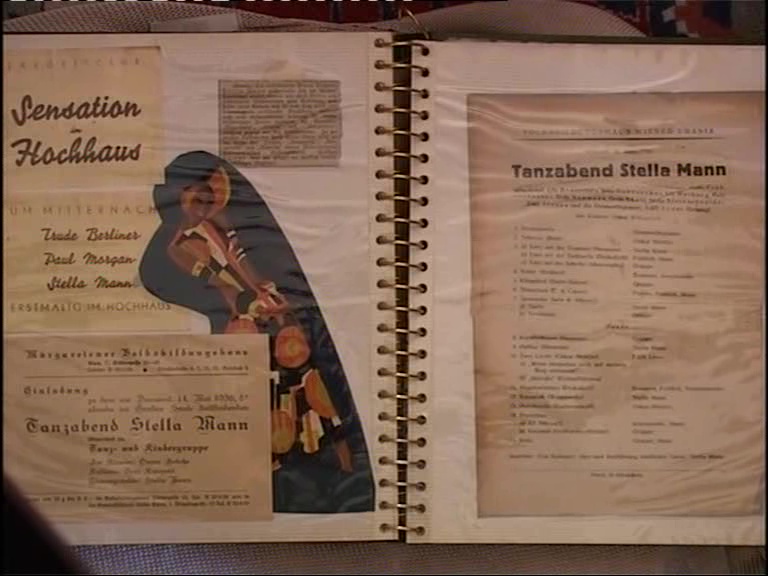
Stella Mann: On the bill at the Theater der Komiker with legendary performers
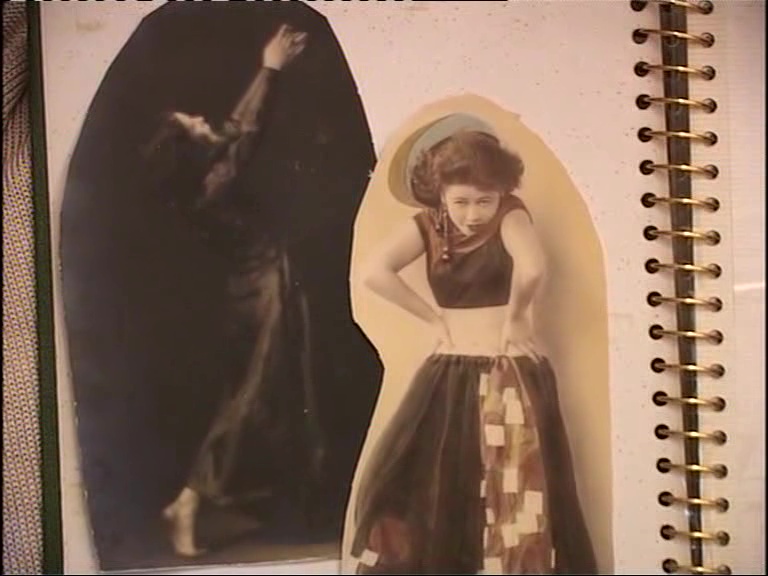
Stella Mann: ca 1932
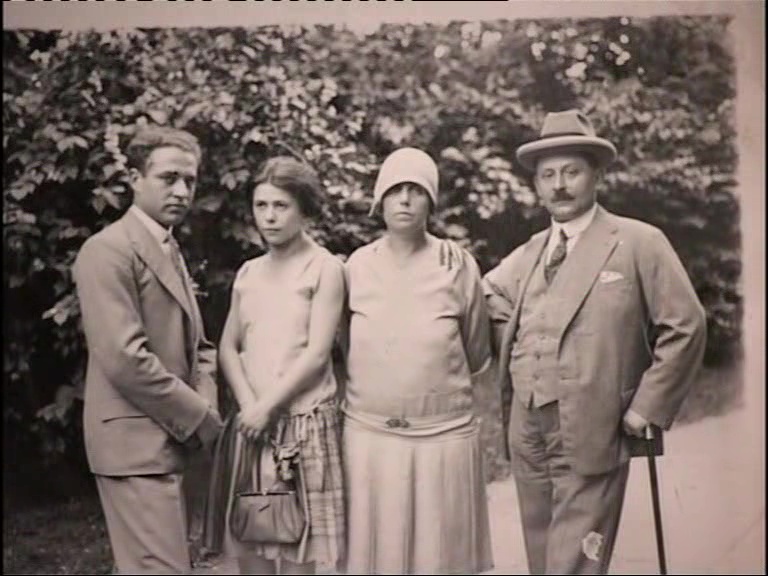
Stella Mann: With father
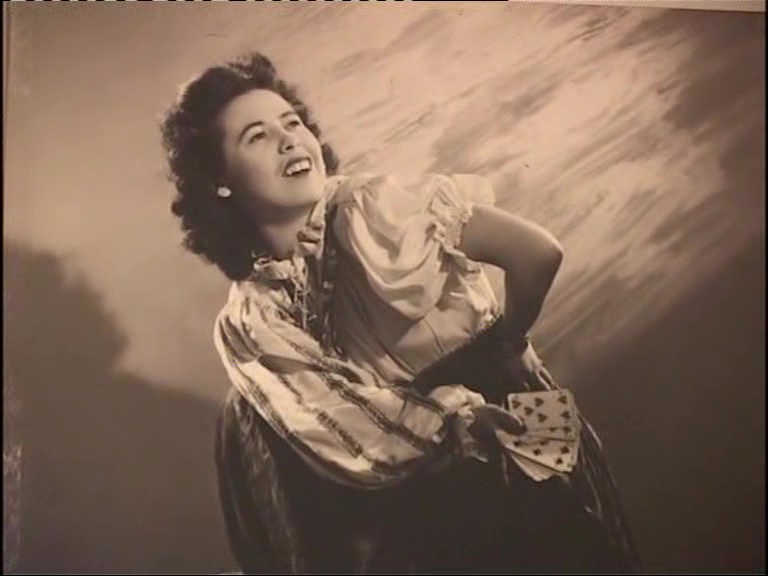
Stella Mann: In Brussels
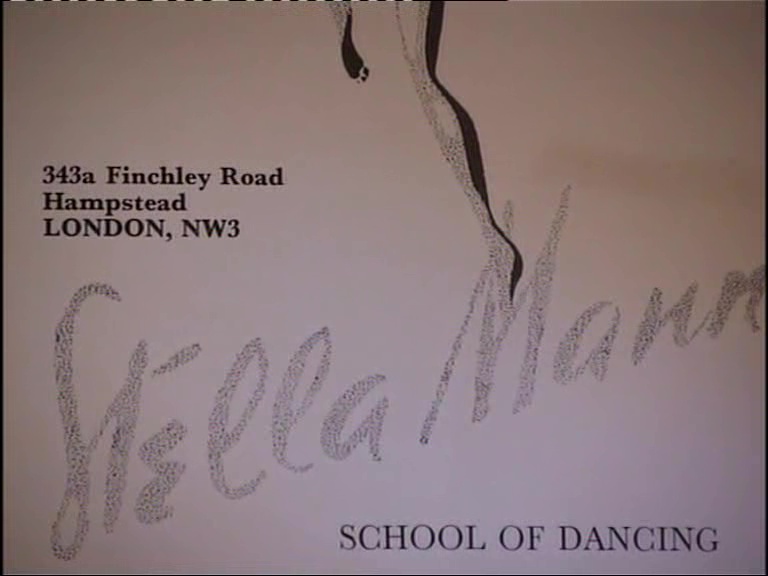
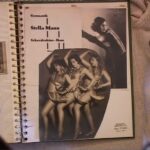
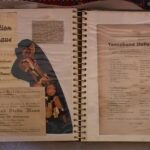
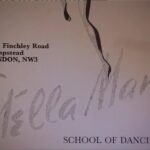
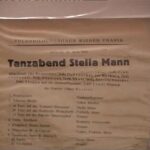
Stella Mann: Early dance school prospectus
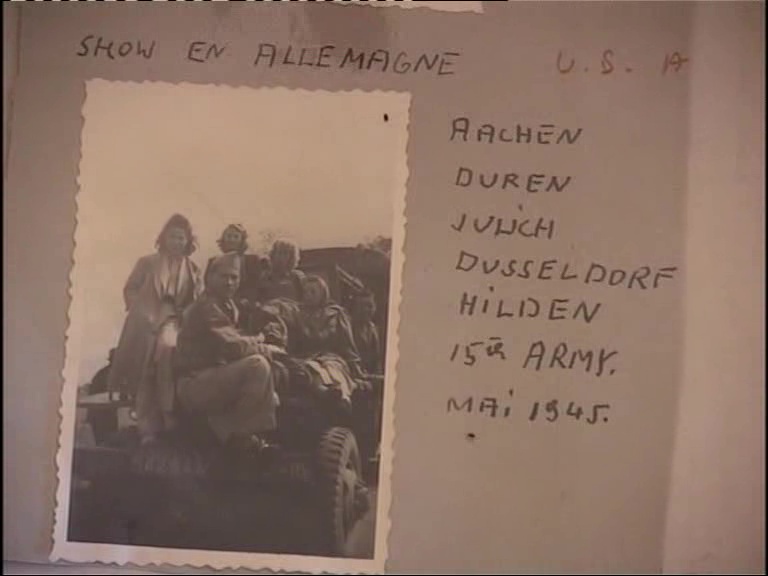
Stella Mann: With Trio SDS on an American-organised tour to Germany
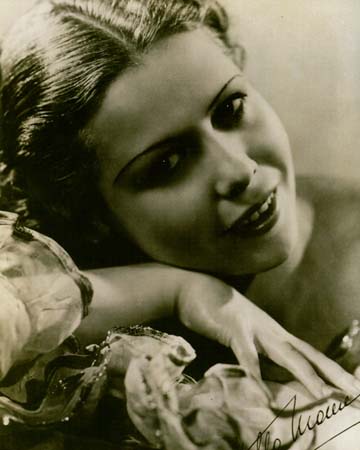
Stella Mann: 1936 From "Stella Mann a dream of Life"
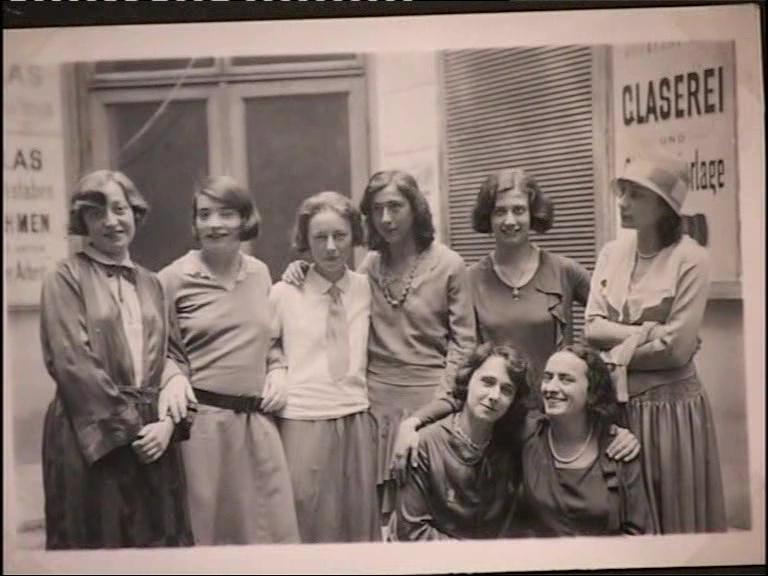
Stella Mann: At a dance congress
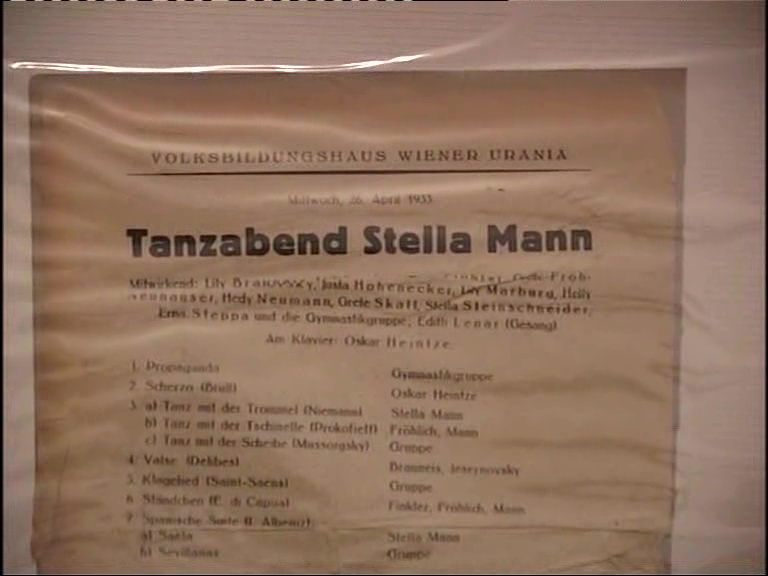
Stella Mann: On the bill at the Theater der Komiker with legendary performers
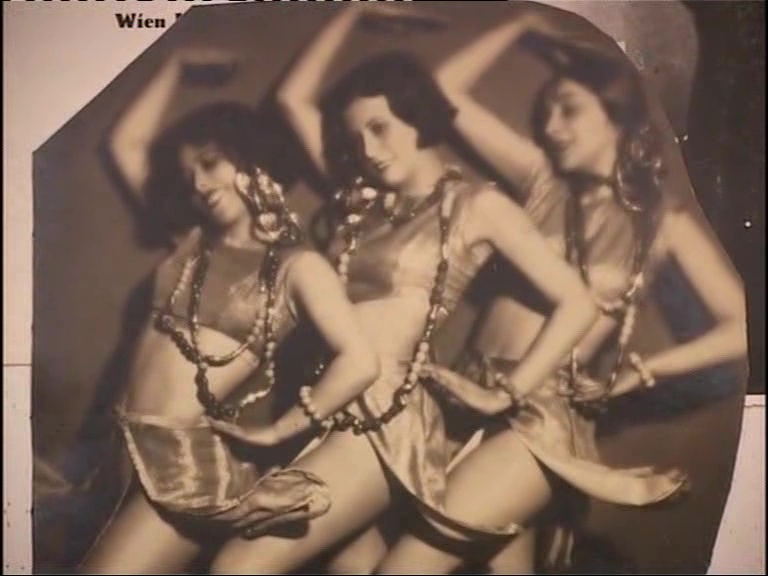
SM
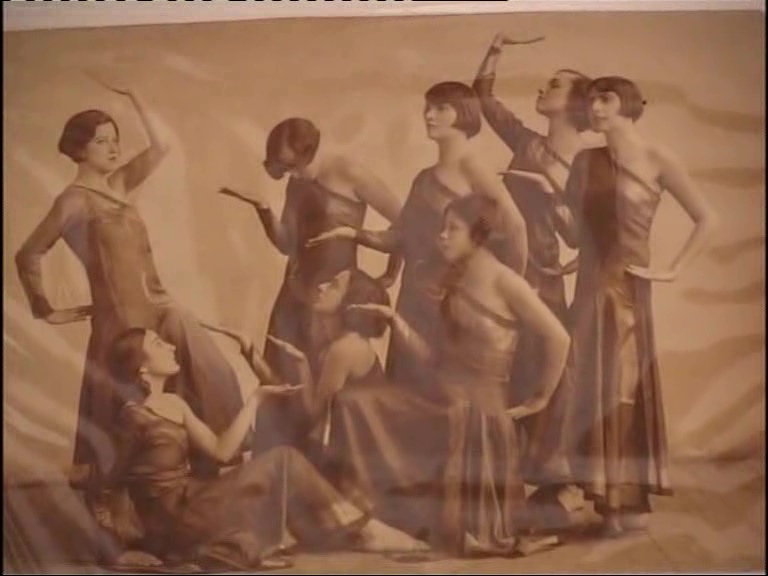
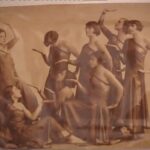
Stella Mann: Performing as part of the Gertrud Krauss dance group
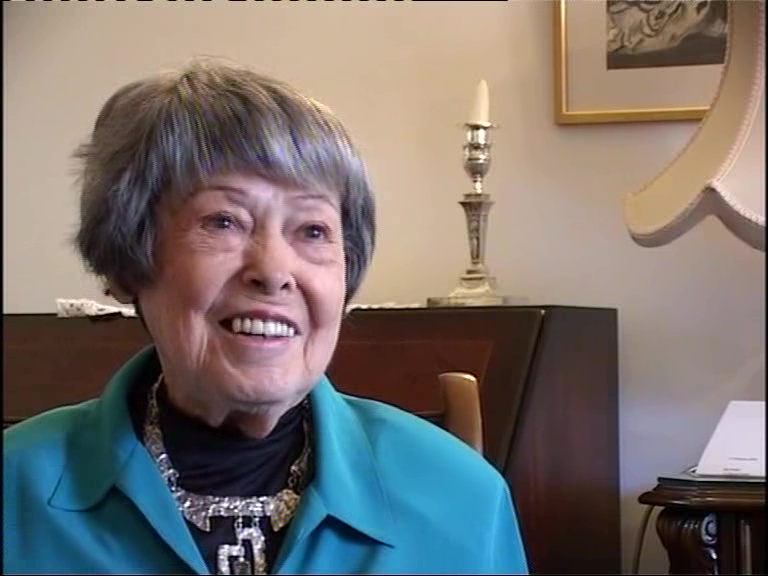
Stella Mann: February 2003
Stella Mann
Stella Mann was born to a conventional middle-class, secular Jewish family in Vienna
Born: 1912
Place of Birth: Vienna
Arrived in Britain: 01/05/1946
Interview Number: 6 (S)
Experiences: In Hiding - Belgium , War Work
Interview Summary
Stella Mann was born to a conventional middle-class, secular Jewish family in Vienna. Her father was a lawyer for the Singer Sewing Machine Co. She had an early fascination with modern dance and achieved striking success as dancer aged 16/7. She started her own dance school and had many public appearances, achieving a degree of celebrity. She escaped to Yugoslavia in the summer of 1938, then went to Belgium to work as dancer and dance teacher until forced to go into hiding in 1942. She was arrested by Belgian authorities in 1940, but was released and later saved from the Gestapo by a Belgian friend. Her parents were deported and shot on the way to Minsk. She met a British soldier shortly after the liberation of Brussels and married him in 1946. They settled in London where she established the Stella Mann Dance School in Finchley Road, pioneering teaching of modern dance. The school proved very successful, her former pupils spread across the world. She lived in Mallorca for some years after retirement, then returned to London.
Place of Birth
[In prewar Vienna] My mother had a young woman coming to help her around the house, clean, shop, etc. And my pupils bought me for my birthday a beautiful gold bracelet. And I couldn’t find it. I’ve forgotten the name of the girl, I don’t know, and I asked her: ‘Have you seen my bracelet?’ She says: ‘Yes, I have it. And if you go to the police I will tell them your father slept with me’… That was the atmosphere. So I don’t know what my mother said, but she must have talked to her, that it was common sense, that she better leave, and she left, but I never got my bracelet back.
I’m British, but you see, when I go somewhere and the people don’t know me [they say]: ‘How do you do’? The next question, because of my accent, is always: ‘Where do you come from’? Well, I get very cynical because I say: ‘It took you five minutes. When I came to England, it only took half a minute before they asked me where I came from’. So! When you learn [English] as a child, that’s okay. But when you learn it at 34, you can’t ever get rid of the accent
So, full of pus where the fleas have bitten, full of lice here [SM points at her head,], lice here [SM points at her eye], and if they had anywhere else, lice there [SM points at her armpits] and we tried to entellus them. And we were three people for eighteen children. We washed the floor, we washed the bed linen – they were bed wetting – we had to make them up during the night so they don’t bed wet, but still, we washed the linen. And the food was brought out from the orphanage in big containers and I went to fetch it. That must have weighed twenty kilos. And then I served the food to the children. I never in my life worked as hard as that, 18 hours and during the night. And then a new lot of children comes and starts again, and a new. We were hundred when the home in Linkebeek was opened. That was Ressebeek, and then we went to Linkebeek. And I stayed in Linkebeek from ’42 till ’44.
REFUGEE VOICES is the AJR’s groundbreaking Holocaust testimony collection of filmed interviews with Jewish survivors and refugees from Nazi Europe who rebuilt their lives in Great Britain.
The copyright of personal photos and documents on the site is held by each interviewee and may not be reproduced without their permission. Please contact the AJR if you would like to use any of the images and documents.