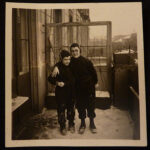
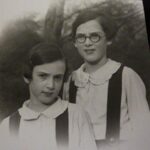
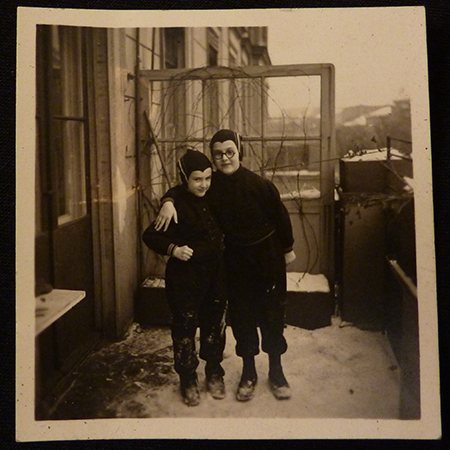
Vera Morris: With her sister on their balcony, Berlin, winter of 1933
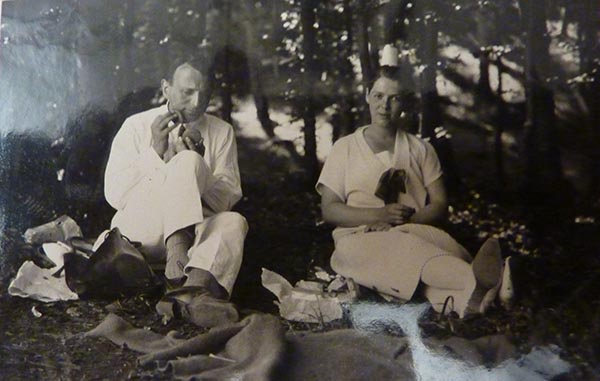
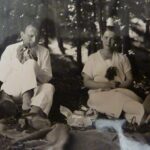
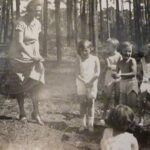
Vera Morris: Mother and father at a picnic, place unknown, early 1930s
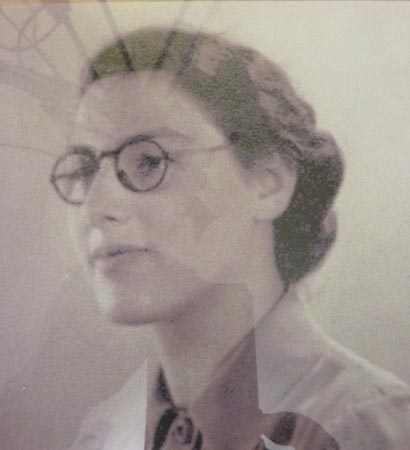
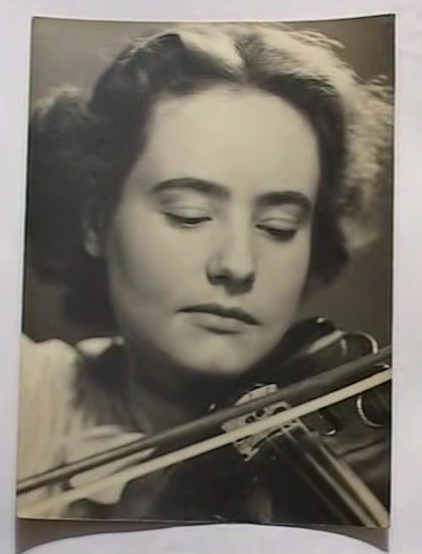
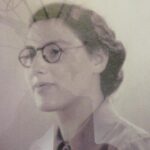
Vera Morris: In her 20s in London
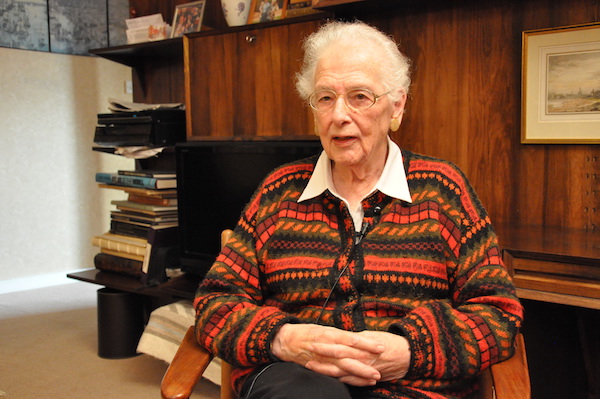
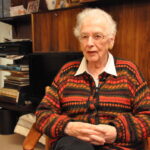
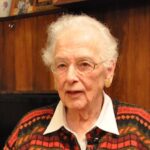
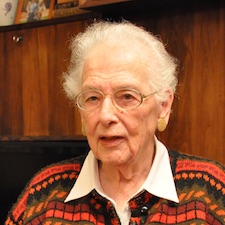
Vera Morris: December 2015
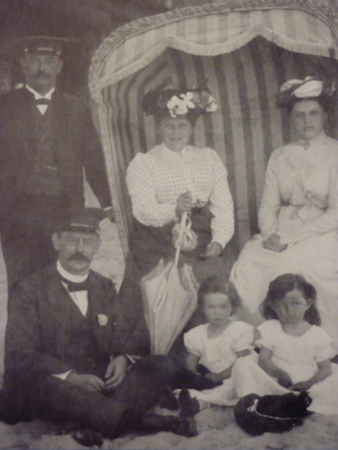
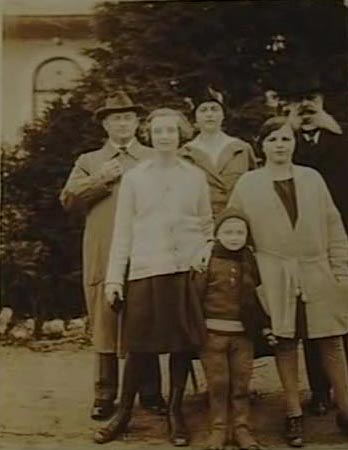
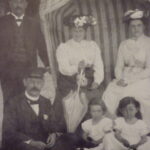
Vera Morris: Great-grandmother's family on a seaside holiday in Heringsdorf. "The family went there for many years, and I remember going there as a small child." VM's great grandmother sitting in the basket chair on the right, great-grandfather standing on the left, and their cousins. VM's mother is the child on the right.
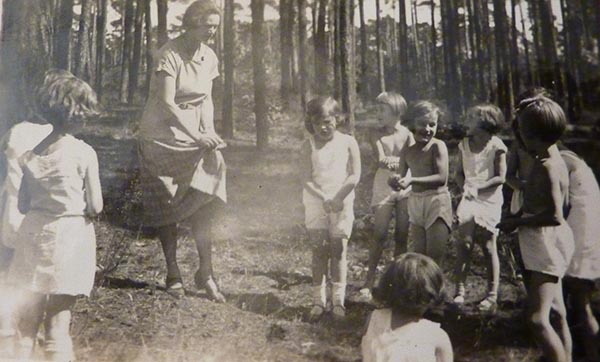
Vera Morris: With classmates
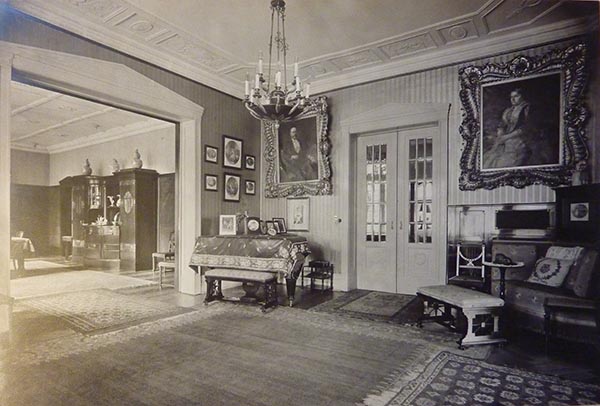
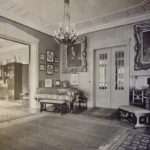
Vera Morris: Family apartment
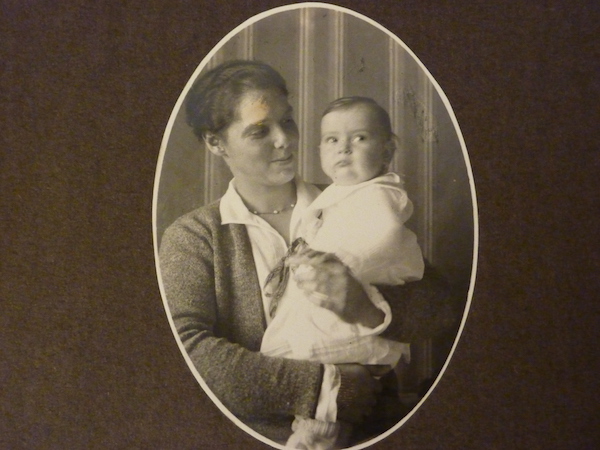
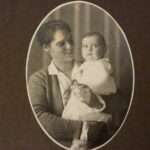
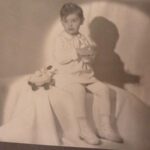
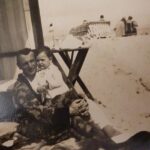
Vera Morris: At one year's old
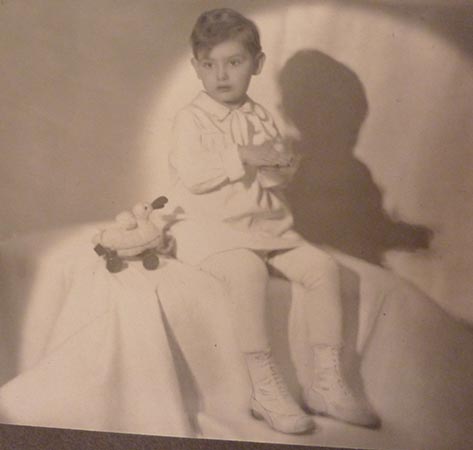
Vera Morris: At age four
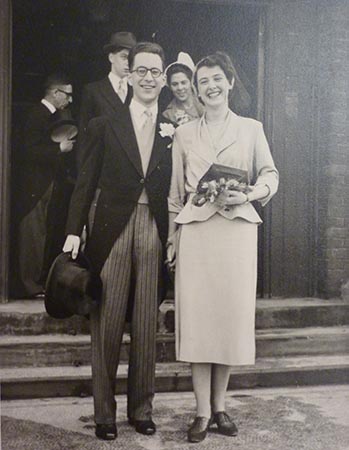
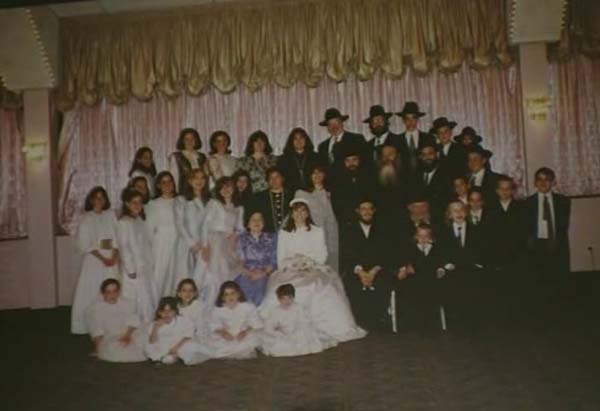
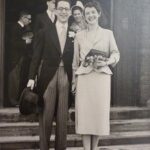
Vera Morris: Wedding photo
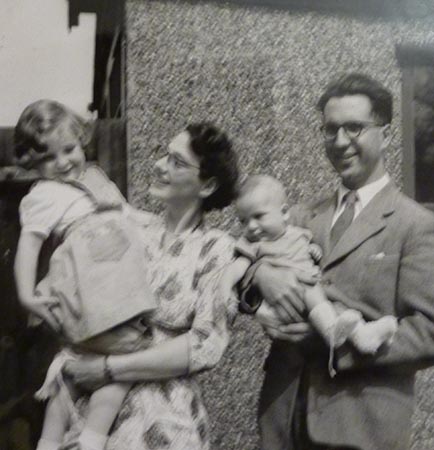
Vera Morris: With husband Michael Morris
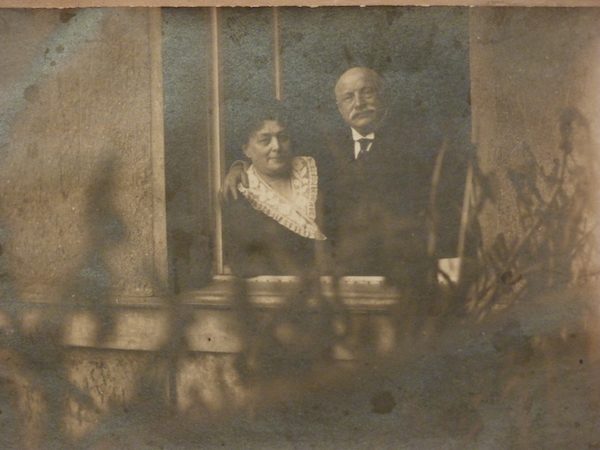
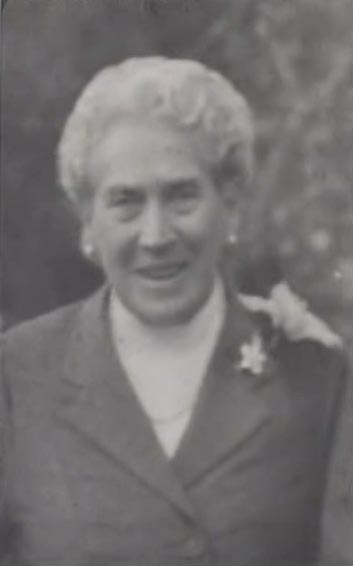
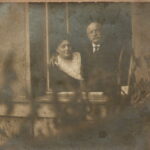
Vera Morris: Father's parents Emil and Alice
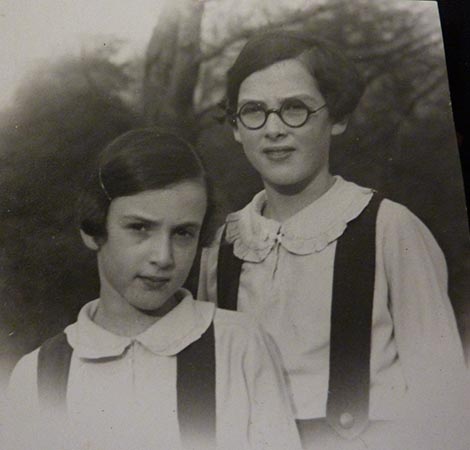
Vera Morris: With younger sister Doris, in their garden in London, 1936. "And I remember that shirt with the peter pan collar. It had been made for me especially in Germany before we left. And it was meant to be part of my school uniform, but of course the school uniform was with the ordinary white shirt. And having to wear this peter pan collar with my tunic was a decided embarrassment for many, many months."
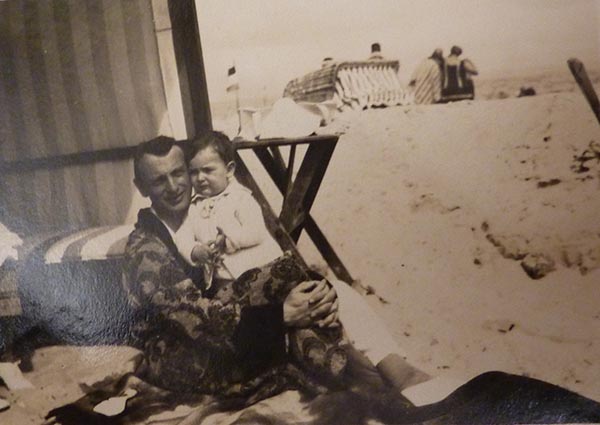
Vera Morris: With father on holiday in Heringsdorf
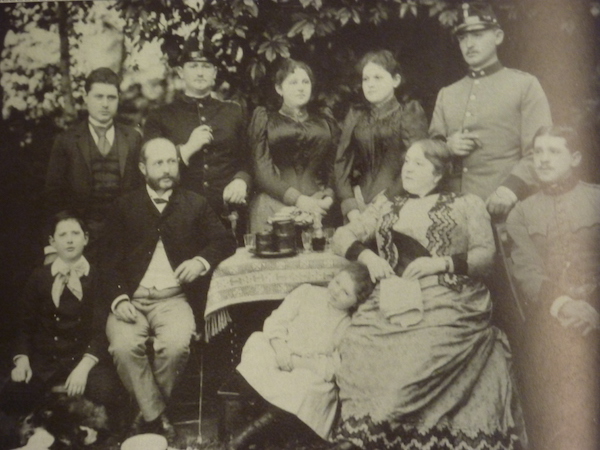
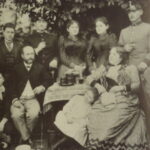
Vera Morris: Great grandmother’s family, the Thoms, Lemberg, Lvov. VM's grandmother Klara is the girl on the right in the back row next to her sister Dola. Sister Zinnia kneels at the front
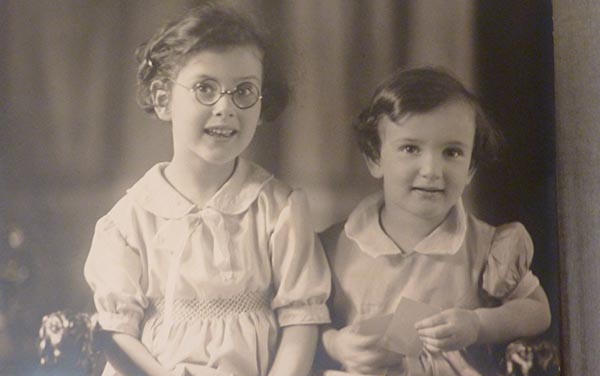
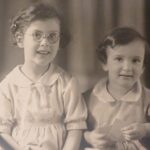
Vera Morris: At age five with sister Doris who was 3
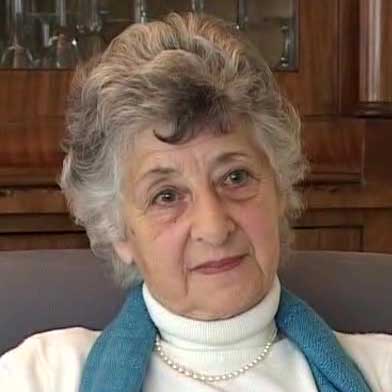
Vera Morris
Vera Morris was born in 1925 in Berlin
Born: 1925
Place of Birth: Berlin
Arrived in Britain: 01/11/1934
Interview Number: RV160
Experiences: Early Pre War Emigration to Britain
Interview Summary
Vera Morris was born in 1925 in Berlin. Her mother Leonie Bielschowsky had studiede conomics in Jena and married her father Paul Heller. They lived near the Tiegarten in anarea near ministries. Hence Vera Morrishas vivid memories of Nazi officialsnear herbuilding between 1933 and 1934.
She grew up with her sister in a middle class familywith two live in servants. She describes an incident where a nanny took herand her sisterto a Nazi rallyand Vera knew that she was not supposed to be there. She also describesthat the children in her class stopped inviting her to birthday parties. But that her classteacher and headmaster were not Nazi symapthisers.
Place of Birth
The main thing I remember was going to my old school [in Berlin] to say goodbye to the teacher. And the teacher decided to make a little sort of ceremony of it, and tell the class that I was leaving the country. I wasn’t the first, but I think I was the second child to be leaving. The first one had gone very quietly without any, you know, had just disappeared. But in my case, the class sang, “Muss ich denn, muss ich denn, aus der Heimat heraus?” i.e., “Must I leave my native country?” And I didn’t realise until many years later quite how ironic that was.
I’m one of the lucky ones who got out early. We lived near the Tiergarten, surrounded by buildings like the War Ministry & other government buildings. When Hitler came we had Nazis in uniform around from the very earliest time. So I was very much aware. In school I was in the same class as some of the daughters of military leaders, Keitel & Nehring. One of the earliest things I remember is I was no longer invited to the birthday parties of that particular group. Although in school we were still on reasonably good terms. I was lucky because the class teacher & headmaster were… clearly anti-Nazi. I don’t like to think what happened to them. The headmaster refused to implement some of the early rules like Jewish children sitting in the back row. How long he could carry on like that I don’t know.
One day the housemaid told my mother she’d joined the Nazi Party. My mother said 'Why did you do that?' Because she was on very good terms with the maid. Grete said 'Because he promised me a husband.' So here was a woman probably in her late 20s, not married, and became a member of the party because Hitler had promised her a husband. She stayed with us till the end. Because that was the only facet of the Nazi philosophy she believed in.
We were blissfully happy, my sister and I. We thought it was a great adventure. And it was- to us it was really…pretty well all positives. And as I said before, my parents managed somehow to share that feeling, and to hide…what must have been a very, very hard time.
Had life continued as I think it was, and I stress, I think it was, before the 30s… or before the mid-30s, I would have been less aware of problems in the world in general, and in… and the existence of people living in poverty, people living under stress. In other words, emphasising to only a, a limited extent the people living a very different kind of life from my own.
REFUGEE VOICES is the AJR’s groundbreaking Holocaust testimony collection of filmed interviews with Jewish survivors and refugees from Nazi Europe who rebuilt their lives in Great Britain.
The copyright of personal photos and documents on the site is held by each interviewee and may not be reproduced without their permission. Please contact the AJR if you would like to use any of the images and documents.