
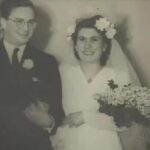
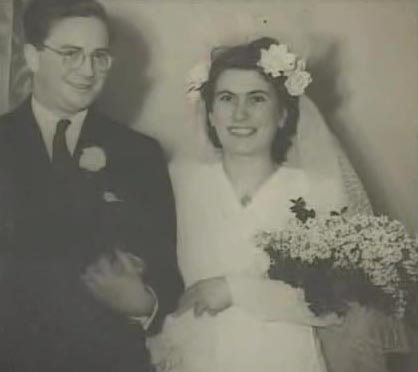
Walter Goddard: Wedding to first wife
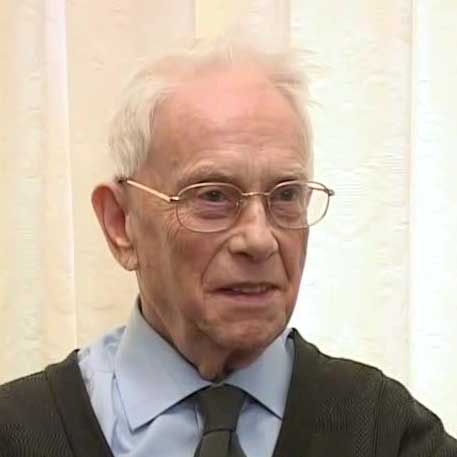
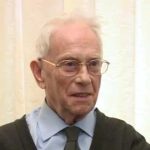
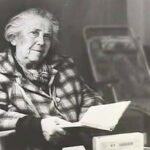
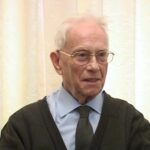
Walter Goddard: March 2006
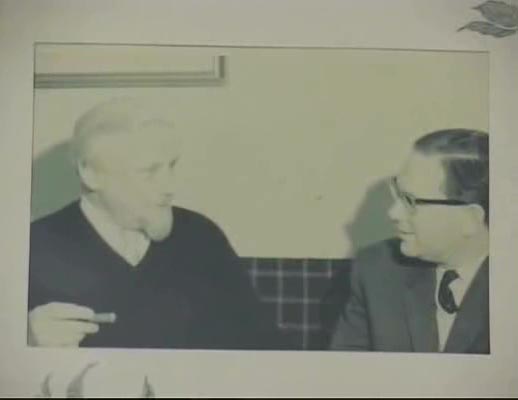
Walter Goddard: Walter and father George
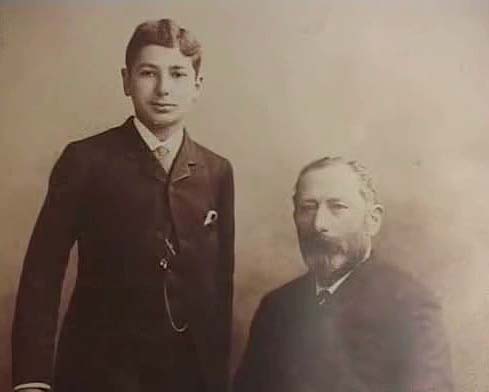
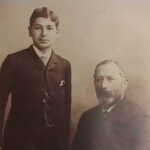
Walter Goddard: Great grandfather Meir Nathanson and Leopold
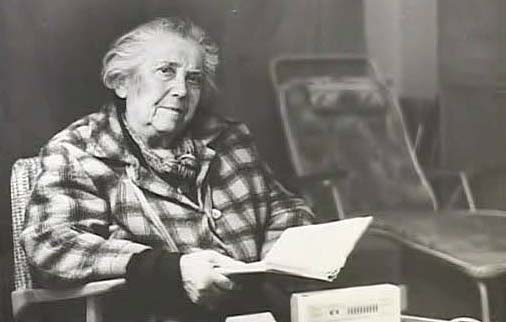
Walter Goddard: Aunt Marta Levy
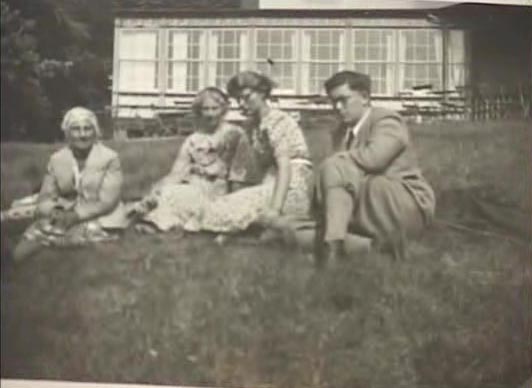
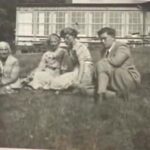
Walter Goddard: With family members Martha Götz
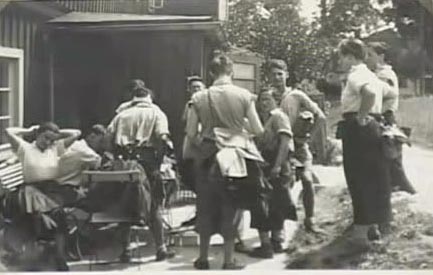
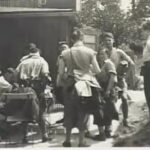
Walter Goddard: Jewish Youth summer camp
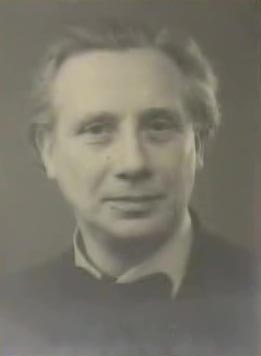
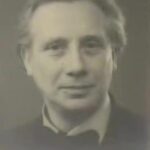
Walter Goddard: Walter's father George Götz
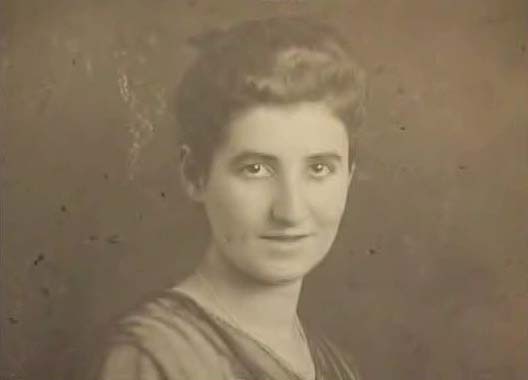
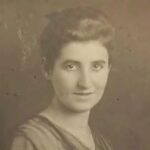
Walter Goddard: Father's mother
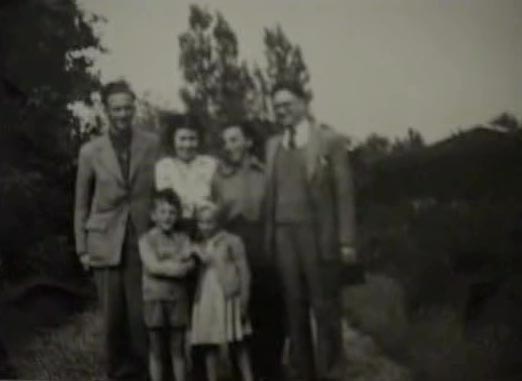
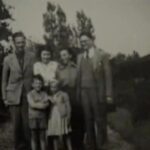
Walter Goddard: With family in Copenhagen
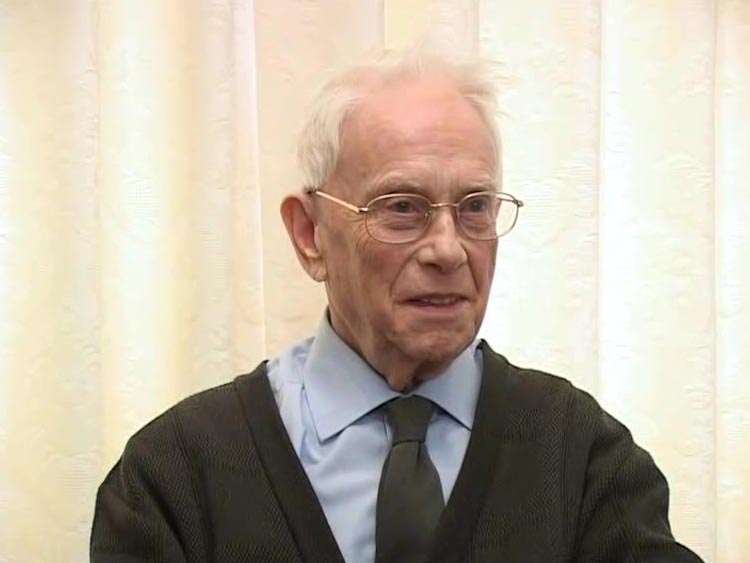
Walter Goddard: March 2006
Walter Goddard
Walter Goddard was born in Danzig to a Jewish Liberal family
Born: 1920
Place of Birth: Gdansk
Arrived in Britain: 01/04/1948
Interview Number: 118 (S)
Experiences: Boat Rescue From Denmark to Sweden
Interview Summary
Walter Goddard was born in Danzig to a Jewish Liberal family. In 1925 the family moved to Berlin, where his father was the editor of the “Jewish Liberal” newspaper, and later studied to be a rabbi.
In April 1938, after finishing his exams, Walter left Berlin for Copenhagen, and started working for an hotel. After Kristallnacht his family left Berlin too, and joined him in Copenhagen.
In 1943, when the German police began to arrest Jews the family hid, and a few days later escaped to Sweden on a fisherman’s boat.
In 1948 he arrived in England.
Place of Birth
They wanted to know if we had any Jewish people staying in the hotel. I said ‘No’ which of course was not true. Then they left & every 5 minutes or so I heard lorries drive up… I was wondering what was going on… are they perhaps coming for me? The next morning, I discovered that close to the hotel was an open space where they brought Jews they'd found & assembled there. That was the coming & going of the lorries all through the night. In the morning one of our waiters came, brandishing a newspaper & showed me the headline: ‘Jews have been removed from the life of Denmark’ or something like that. He asked me: ‘What does that mean?’ I said: ‘You have been outside, I don’t know what it means, you tell me. In the hotel was a cinema with a sweetshop & the sweetshop had a elderly lady to run it. I was a good customer there. She said to me: ‘If you want to disappear, come to my place’, which I did. I left there & then, with a little suitcase, & I went to that lady’s place.
One of the things I remember vividly is when one of the Danish papers wrote something against the Danish government. I said to myself, ‘How can they do such a thing?’, and of course it is quite normal in a democratic country that newspapers write against the government. But that was unthinkable, of course, in Nazi Germany. I had become… had absorbed this mentality, totally.
We didn’t go to the theatre, to concerts, we didn’t go to restaurants. We stayed at home, or to the synagogue, or to Jewish events. And for me the reason that I left was I had finished my school education and I had no prospect of getting any job, both as a Jew and as a foreigner. The obvious solution for me was to go to Copenhagen. I didn’t know any Danish, but I learnt it very quickly, and I was able to find a job there.
REFUGEE VOICES is the AJR’s groundbreaking Holocaust testimony collection of filmed interviews with Jewish survivors and refugees from Nazi Europe who rebuilt their lives in Great Britain.
The copyright of personal photos and documents on the site is held by each interviewee and may not be reproduced without their permission. Please contact the AJR if you would like to use any of the images and documents.