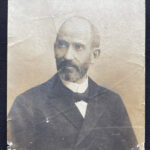




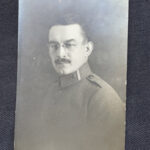



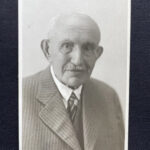
Vera Schaufeld: Maternal grandfather
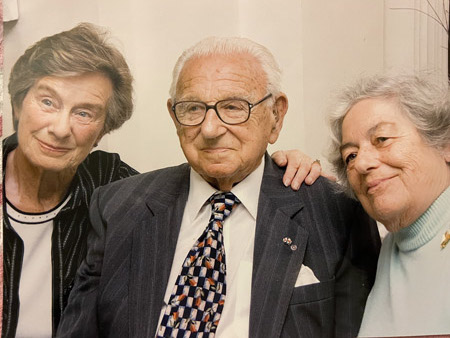
Vera Schaufeld:
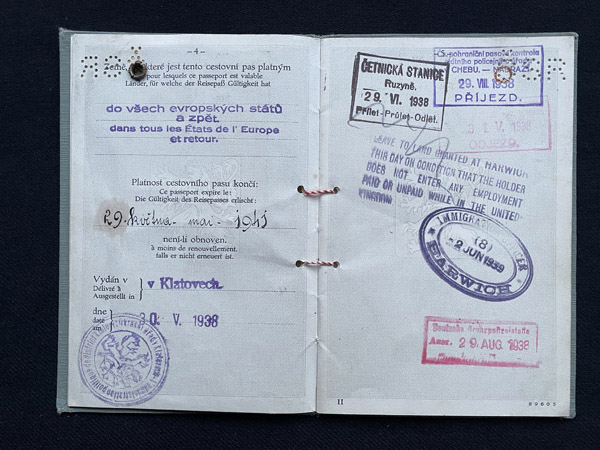
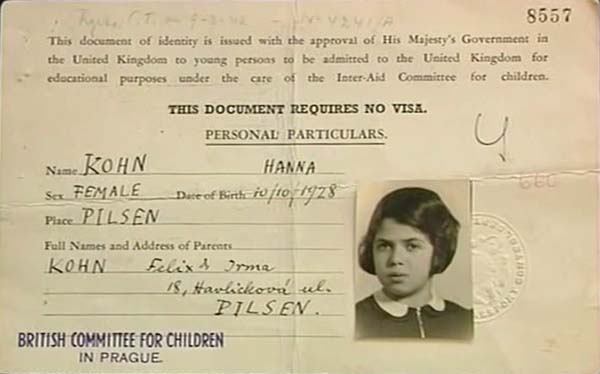
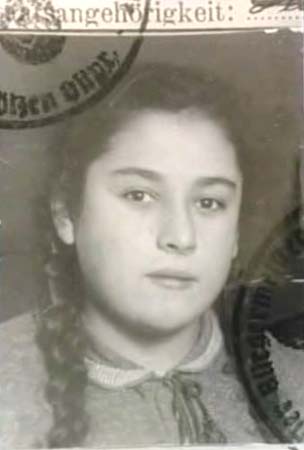
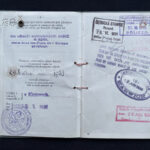
Vera Schaufeld: Vera's passport
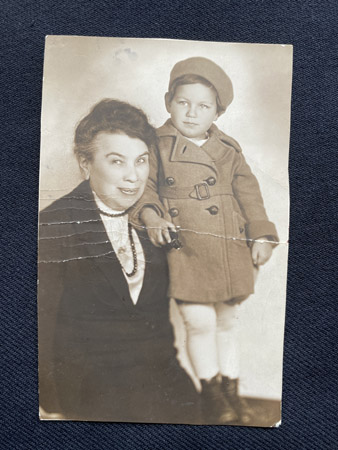
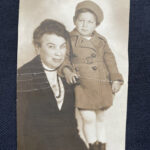
Vera Schaufeld: Vera with her maternal grandmother Henriette Leseritz
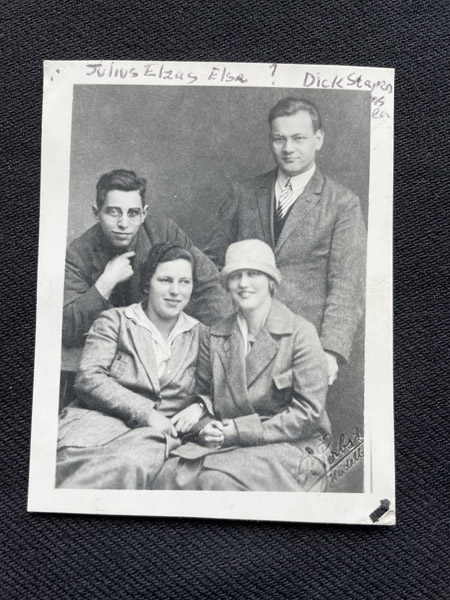
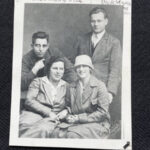
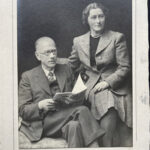
Vera Schaufeld: Her mother (sitting on the left) as a student in Heidelberg

Vera Schaufeld: Summer 1939 evacuated with Mrs. and Betty Faires to the Cotswolds where her mother's cousin
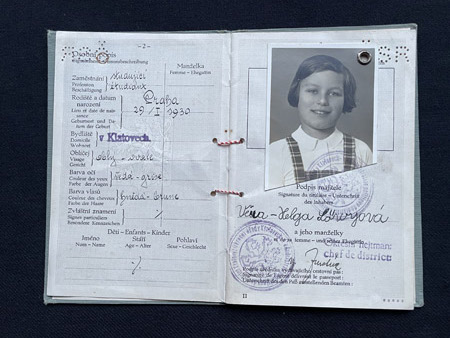
Vera Schaufeld: Vera's passport on which she travelled to England in June 1939
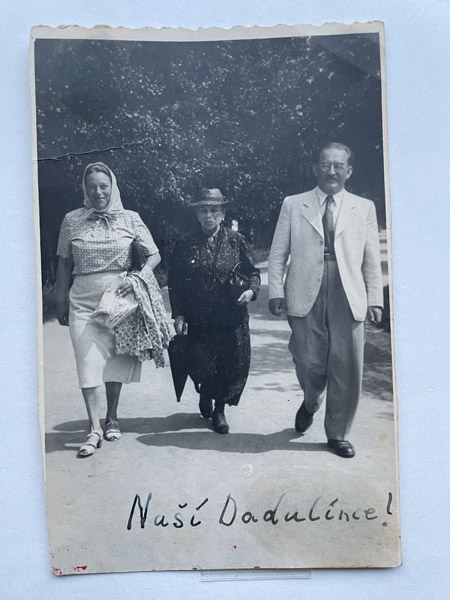
Vera Schaufeld: Last photo Vera has of her parents and grandmother
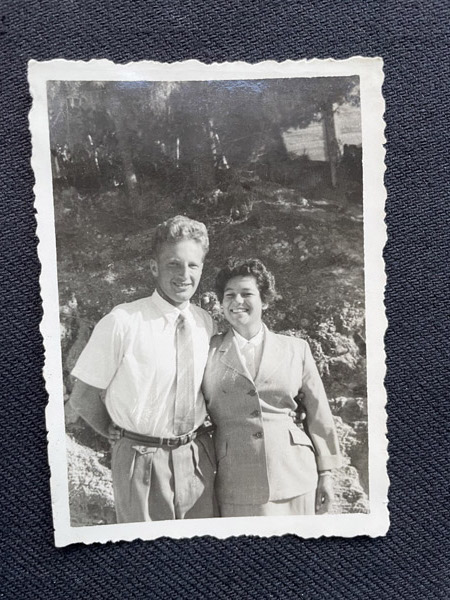
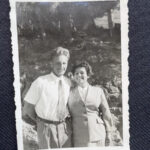
Vera Schaufeld: Vera with husband Avram in a kibbutz in Israel
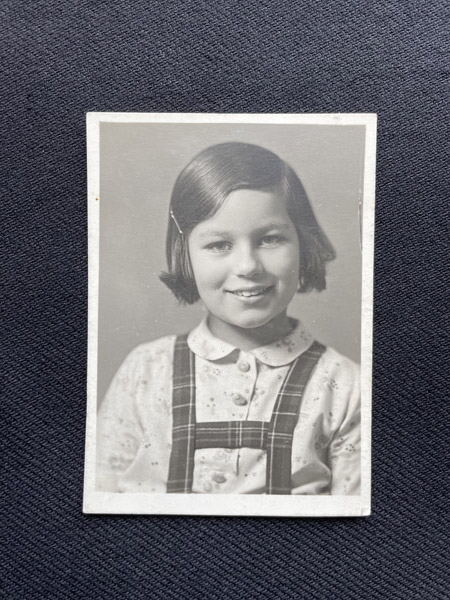
"This is a picture
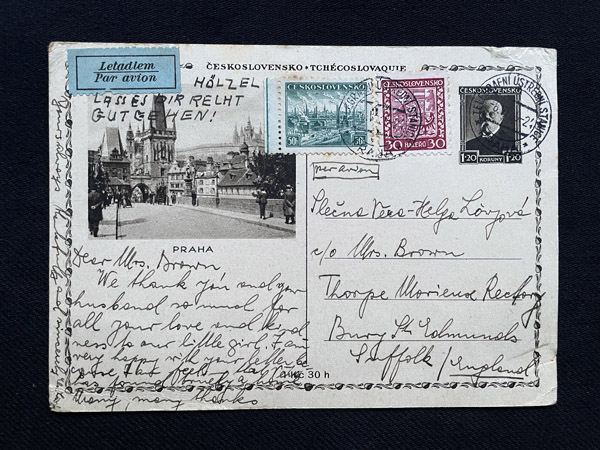
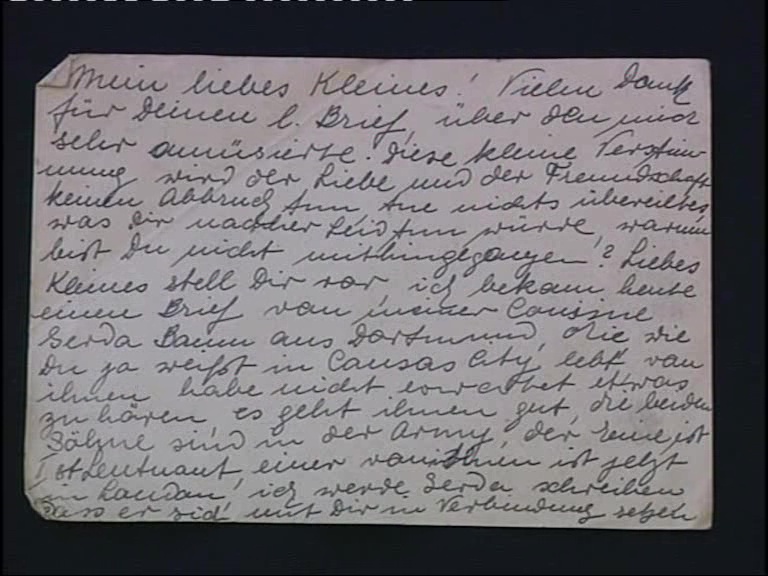
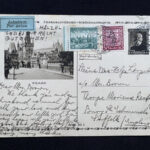
Vera Schaufeld: Postcard from Prague
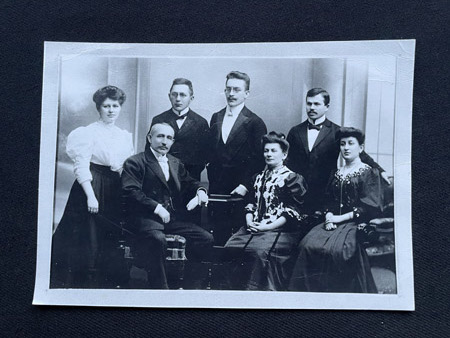
Vera Schaufeld: Father's family: Grandparents Adolf and Eva Löwy with their children. Aunt Klaudie on the right with her husband Bohumil Mahler standing behind her
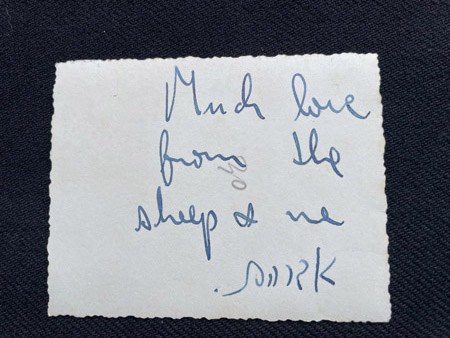
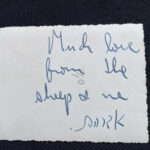
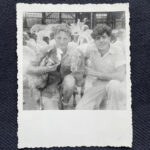
Vera Schaufeld: Back of the photo: "Much love from the sheep and me"

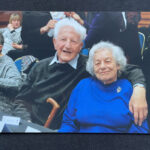
Vera Schaufeld: Vera and Avram
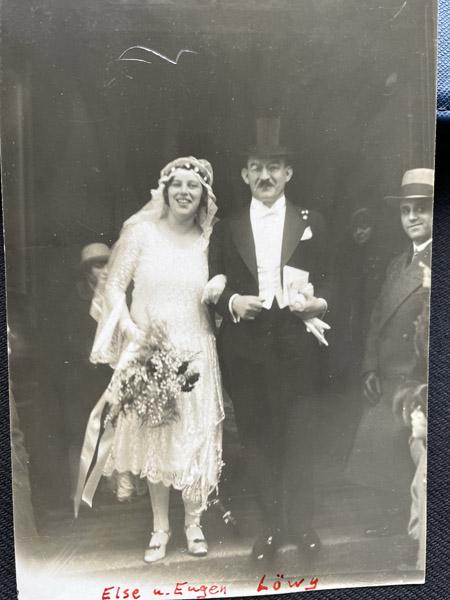
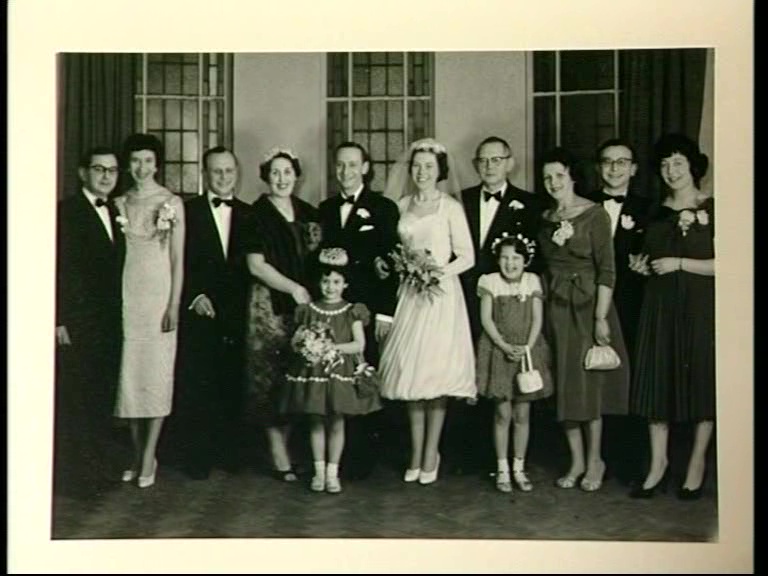
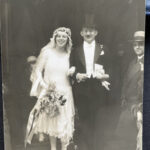
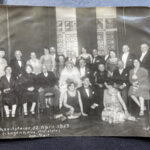
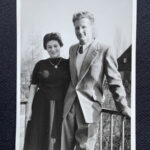
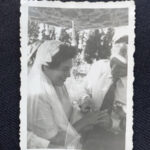
Vera Schaufeld: Parents' wedding 22nd April 1929
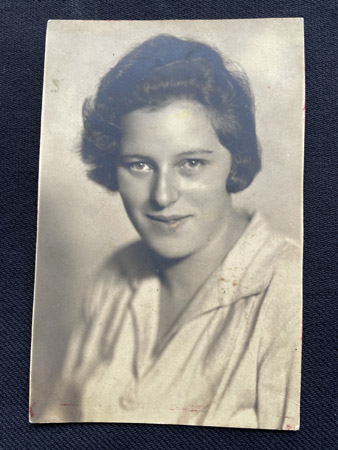
Vera Schaufeld: Mother Elsa when she was a medical student at Heidelberg University
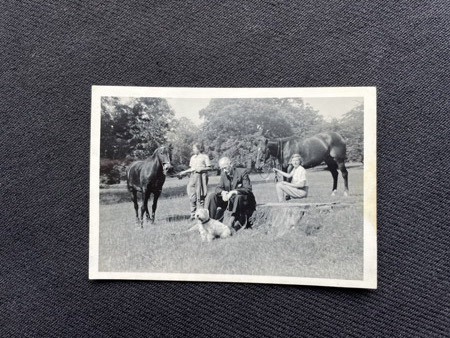
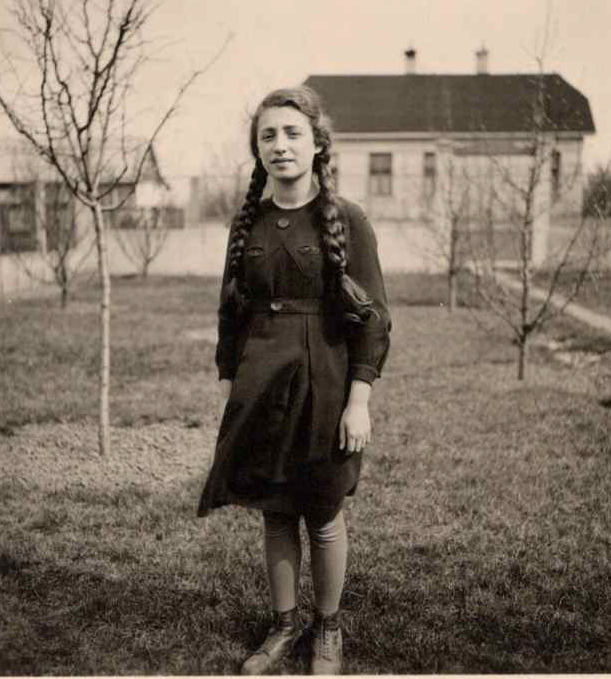
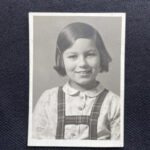
Vera Schaufeld: Vera shortly after her arrival in England
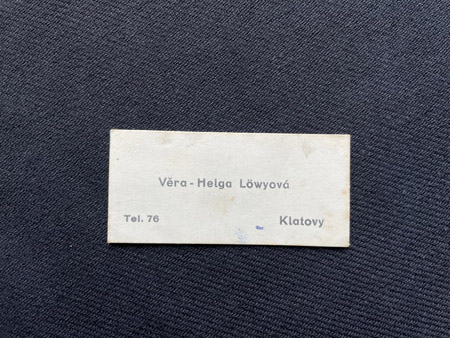
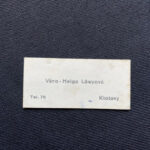
Vera Schaufeld: Business card Vera had made for herself as a child
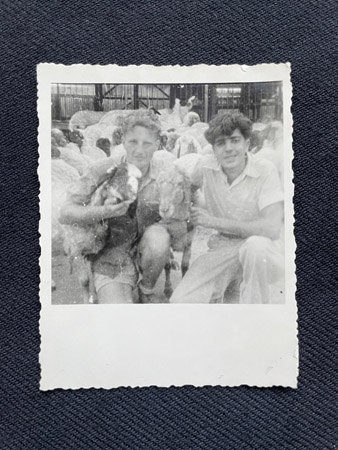
Vera Schaufeld: Photo of husband Avram as a shepherd in the Kibbutz
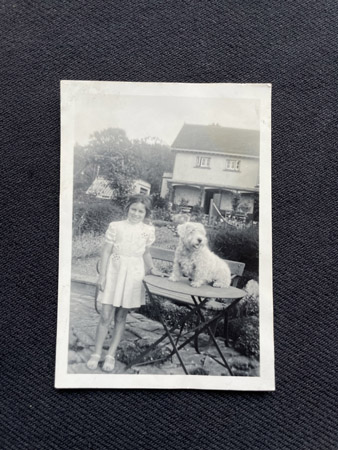
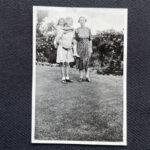
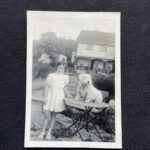
Vera Schaufeld: Vera with dog Patch in front of the Faires' house in Hospital Road
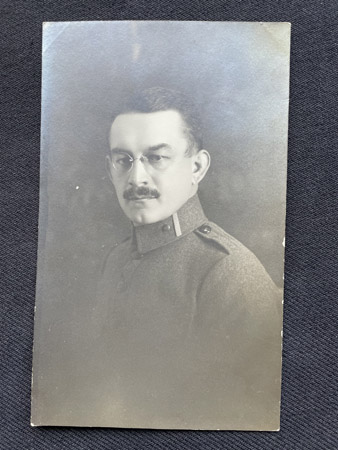
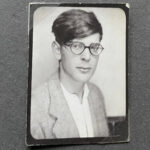
Vera Schaufeld: Eugen Löwy
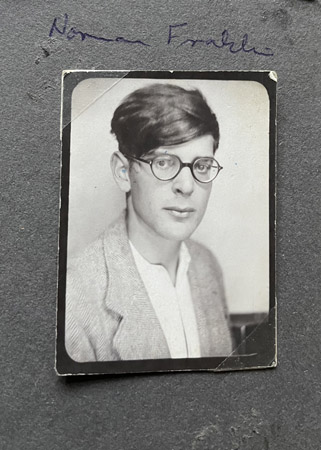
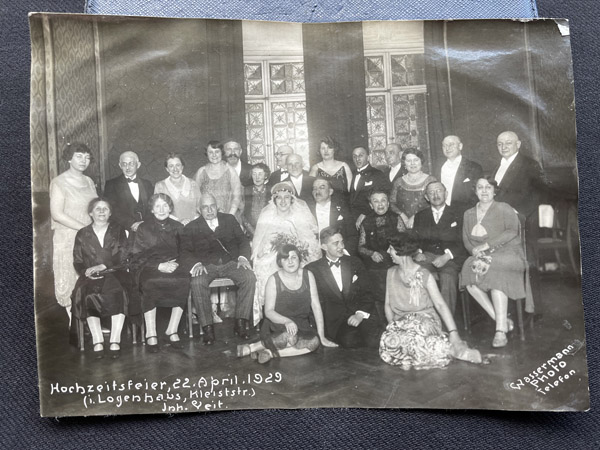
Vera Schaufeld: Parents' wedding
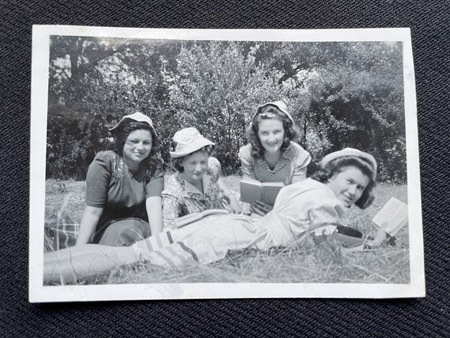
Vera Schaufeld: 1946 at the East Anglian School for Girls
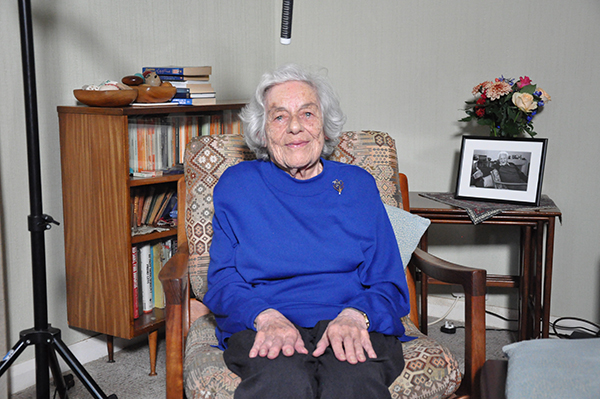
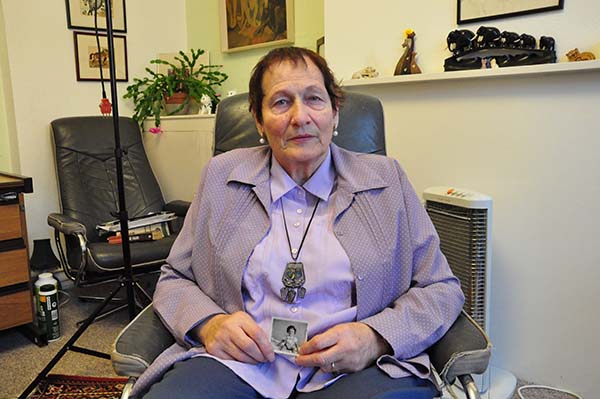
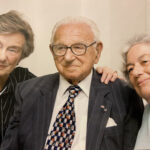
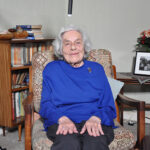
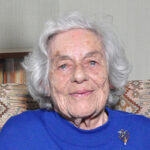
Vera Schaufeld: October 2021
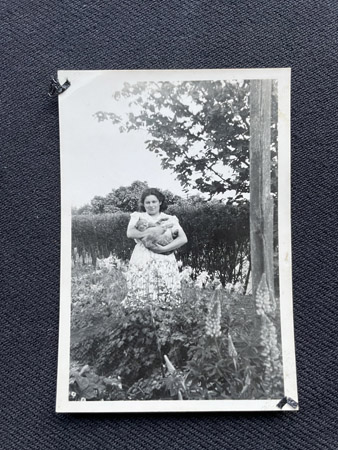
Vera Schaufeld: Vera in 1947 holding the Faires' cat
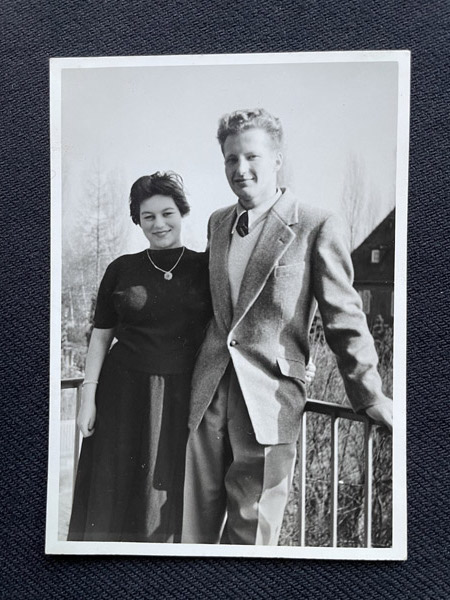
Vera Schaufeld: Vera and Avram on their way back from Israel to England. Photo is taken in Germany where her mother's cousin Ernst represented IRSO
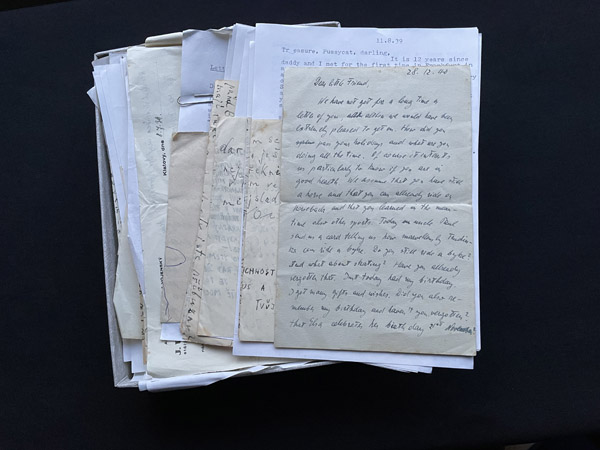
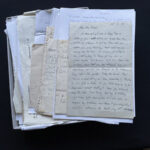
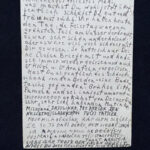
Vera Schaufeld: Letters to Vera from her parents and family as long as they were able to write
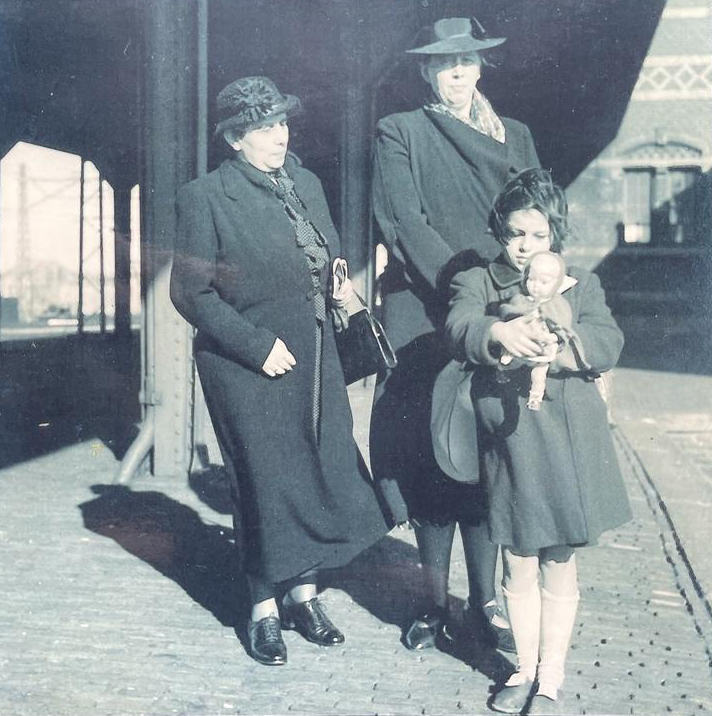
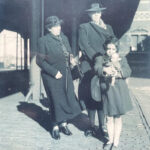
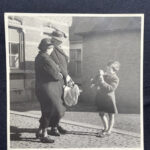
Vera Schaufeld: At Hook van Holland in 1939 being met off her Kindertransport train by maternal aunt
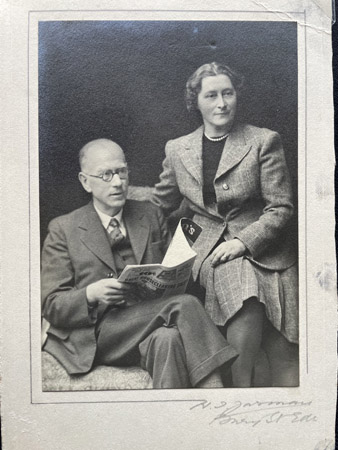
Vera Schaufeld: Vera's guardians
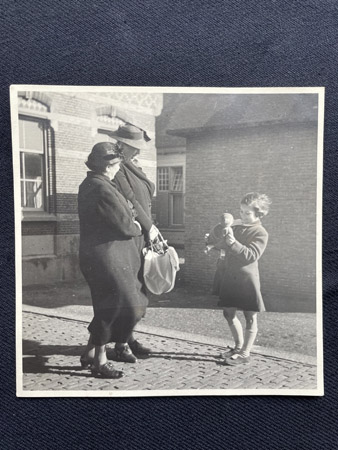
Vera Schaufeld: At Hook van Holland in 1939 being met off her Kindertransport train by maternal aunt
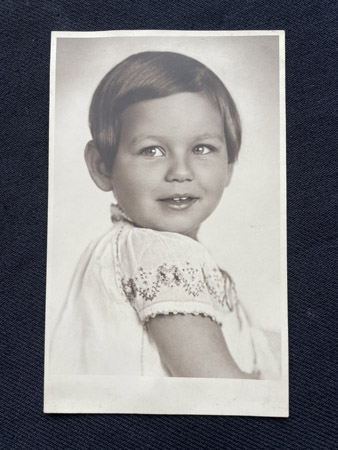
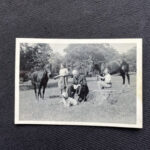
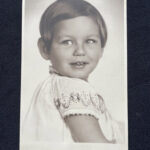
Vera Schaufeld: Vera in 1932 in Klatovy
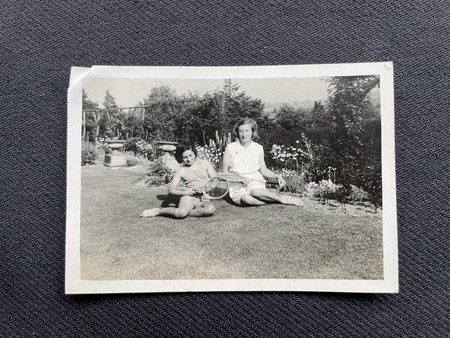
Vera Schaufeld: Vera with Betty Faires in summer soon after her arrival
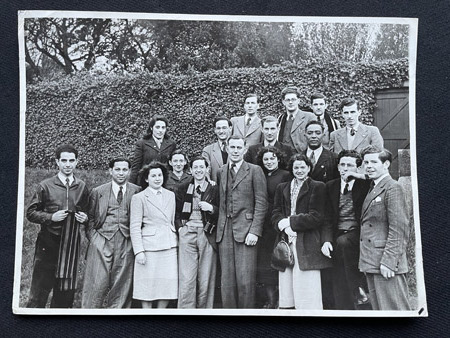
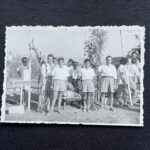
Vera Schaufeld: Vera (fourth on the right) as a student representative for her college in Bangor
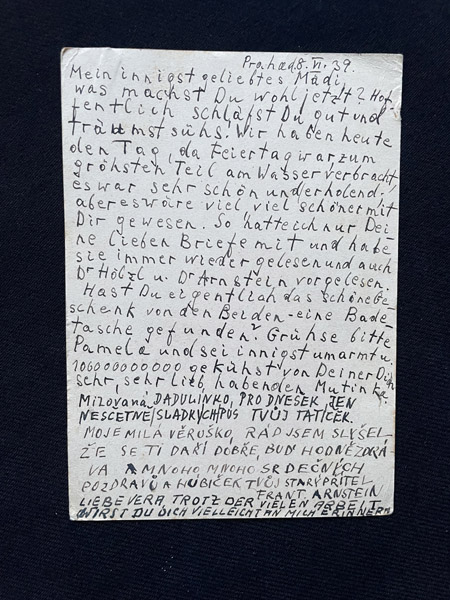
Vera Schaufeld: Letters to Vera from her family in Prague July 1939
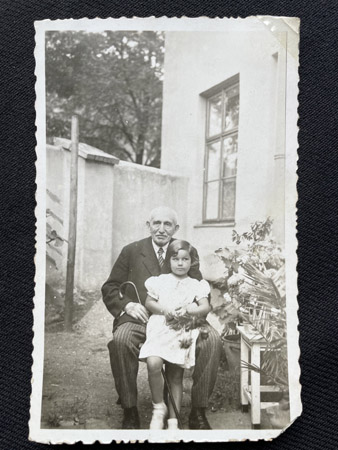
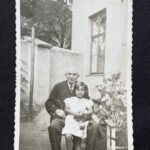
Vera Schaufeld: Vera with her paternal grandfather in Klatovy
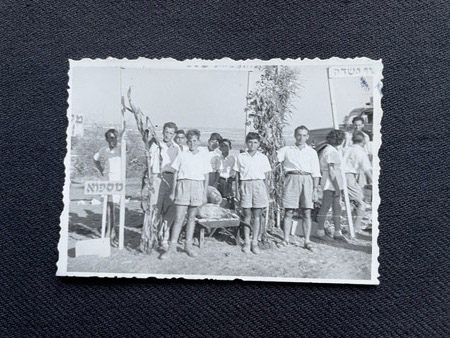
Vera Schaufeld: Vera on Shnat Sherut in 1951
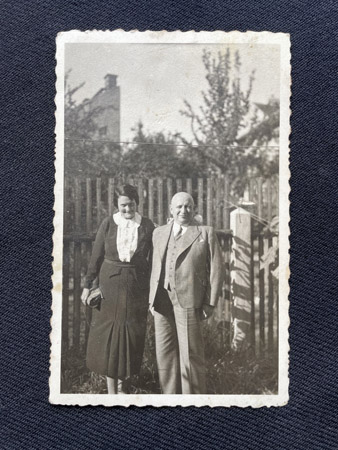
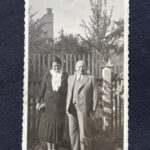
Vera Schaufeld: Aunt Else and Uncle Rudolf (mother's brother) in Klatovy in 1934

Vera Schaufeld: October 2021
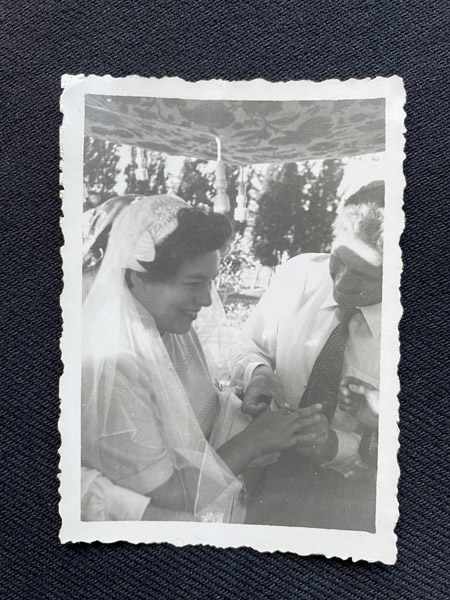
Vera Schaufeld: Wedding of Vera and Avram in Kibbutz Nitzanim

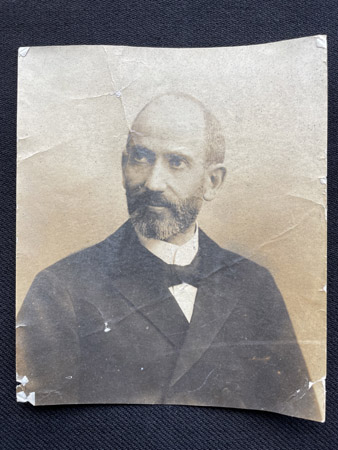
Vera Schaufeld: Paternal grandfather
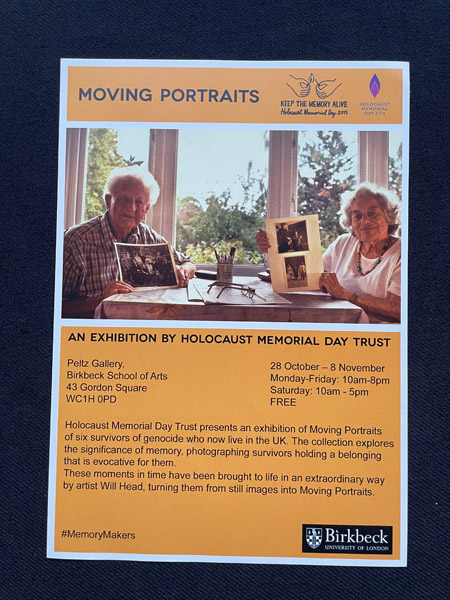
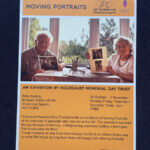
Vera Schaufeld: Vera and Avram in a picture taken by the Holocaust Memorial Trust
Vera Schaufeld
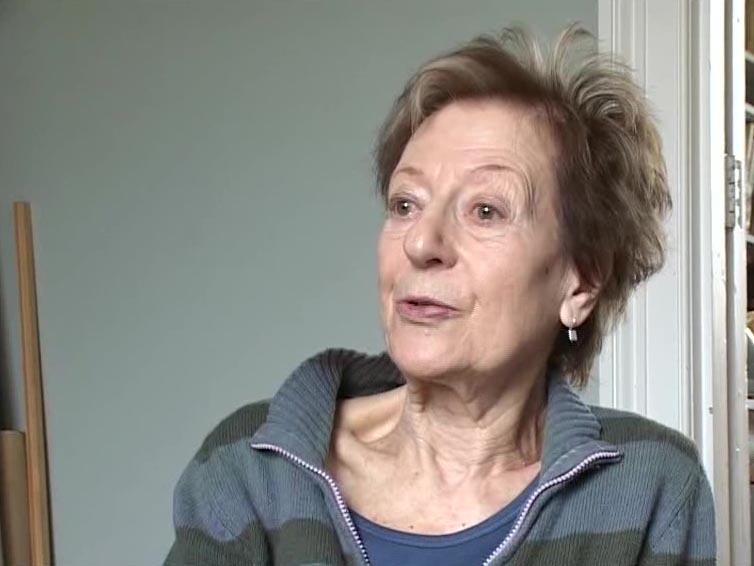
Vera Schaufeld, was born Vera Lӧwyova in a town called Klatovy in south-west Bohemia, Czechoslovakia (now in the Czech Republic)
Born: 1930
Place of Birth: Prague
Arrived in Britain: 01/06/1939
Experiences: Kindertransport , Sir Nicholas Winton transport
Interview Summary
Vera Schaufeld, was born Vera Lӧwyova in a town called Klatovy in south-west Bohemia, Czechoslovakia (now in the Czech Republic). Her father, Eugene Lӧvy, was a lawyer and a prominent figure within the Jewish community, Vera’s mother Elsa Lӧwyova (nee Lezeritz) was a doctor, specialising in Paediatric Medicine.
Vera remembers her childhood as very happy. She was an only child and felt loved by her parents and her grandmother, who had moved from Germany to live with the family in 1934. At school Vera had many friends, both Jewish and Christian. Despite being one of the few Jewish children in the local primary school, Vera was hardly aware of being a minority and it was not until the Germans invaded Czechoslovakia in March 1939 that she understood what this meant. Within a few days her father was arrested and the atmosphere of fear grew.
Shortly after the German invasion, Vera experienced antisemitism first-hand from a teacher. She remembers realising that to the teacher she had become ‘the Jew’, losing her personal identity. Her father was arrested and her mother was no longer able to practise as a doctor.
One day, after school, Vera’s mother surprised her by taking her to a small park. She was told that she must go to England on her own. Trying to reassure her, Vera’s mother said that she and Vera’s father would try to join her in England as soon as they possibly could.
When Vera arrived at Prague station, she was devastated to be told that the parents of all the children were not allowed onto the platform to say goodbye. This would be the last time Vera would see either of her parents. Her aunt and uncle boarded the train in Germany and stayed with her until the last station in Germany. Her parents had also arranged for Vera to be met by other relatives in Hook van Holland. Vera has a photo of her encounter with these relatives, who gave her a doll as a present.
Vera’s memory of arriving in England was sitting at Liverpool Street Station, surrounded by other children who had also been saved by Sir Nicholas Winton, fearing that she would not be collected by anyone.
A Christian family agreed to take Vera into their home. They were called Leonard and Nancy Faires. Their daughter, Betty, was three years older than Vera and Vera remembers her as being very kind. She was evacuated with Betty to the Cotswolds. Before the war broke out on 3 September 1939, Vera’s parents would send her presents and they were even able to speak to her on the telephone. After the declaration of war, however, Vera had no further news of her parents and learnt after the war that they had not survived.
After arriving in the UK, Vera had very little contact with other Jewish refugees or Jewish organizations. She therefore decided after the war to travel to Israel to spend a year working on a Kibbutz, where she met Avram Schaufeld, who had survived Auschwitz and Buchenwald. Vera and Avram were married in 1952 and they moved back to the UK, where they raised two daughters. Vera continued to work as teacher and became involved with the council of Brent to improve provisions for children whose first language was not English. Vera became a sought-after speaker and is an active Holocaust educator.
Additional Comments:
Many interruptions, as interviewee felt dizzy.
Key words:
Klatovy. Prague. Nicholas Winton. Kindertransport. Leonard and Nancy Faires.
Place of Birth
And my normal happy childhood continued until the day when I came downstairs in the morning, and I saw my family – my mother, my father, my grandmother, my nurse - all sitting listening to the radio. And there was such an atmosphere of fear and anxiety. And I said, “What’s happening?” And I think my father said, “England has let us down. The German troops are marching into Czechoslovakia, and nobody is stopping them coming.” And within, I think it was two days, my father was arrested. And my mother and my grandmother kept me home from school. My nurse had to go back to her village because she wasn’t allowed to work for us anymore. My mother came and took me to a little park outside the school, sat me on a bench and said to me, “Look Vera, I'm very sorry, but we can't leave Czechoslovakia. But you understand that it's not safe for us to be here anymore. But you can go to a country called England. And you will go on the train, and you won't know the other children. But they’ll all be children whose families feel that it's not safe for their children to be here anymore. And you'll go on the train. And you'll go to a country called England. And we will- we've sent fifty pounds to the English government so that though we want to come to England, if we have a problem with that, what we're going to do is we're going to be able to go to any other country, and we will send for you. Because the money is there with English government and you'll join us. And we'll be together. But you have to be very brave. And until we come.”
REFUGEE VOICES is the AJR’s groundbreaking Holocaust testimony collection of filmed interviews with Jewish survivors and refugees from Nazi Europe who rebuilt their lives in Great Britain.
The copyright of personal photos and documents on the site is held by each interviewee and may not be reproduced without their permission. Please contact the AJR if you would like to use any of the images and documents.