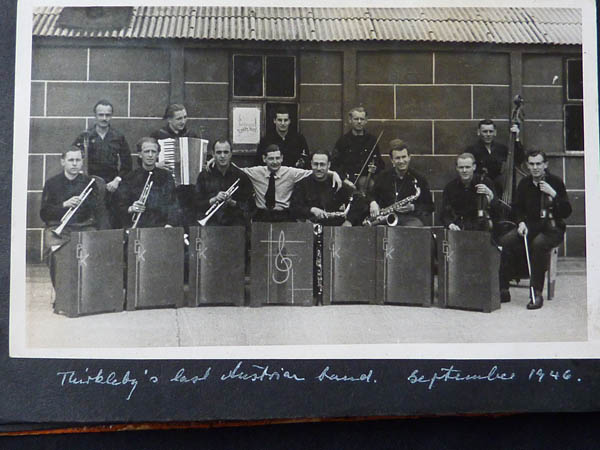
Bob Kirk: Austrian prisoner of war band
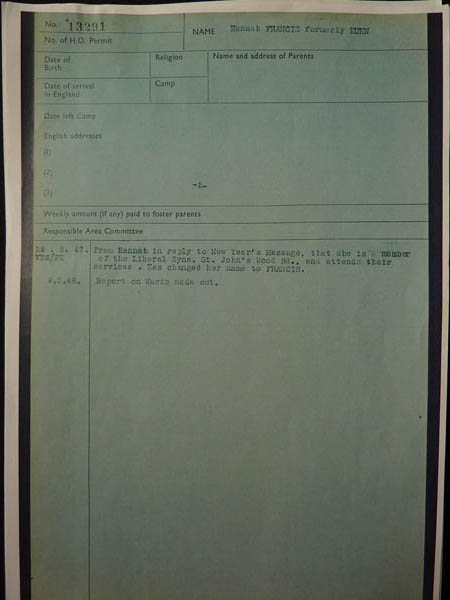
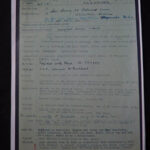
Bob Kirk: Personal files from World Jewish Relief. "There are things in there that either I didn't know at all
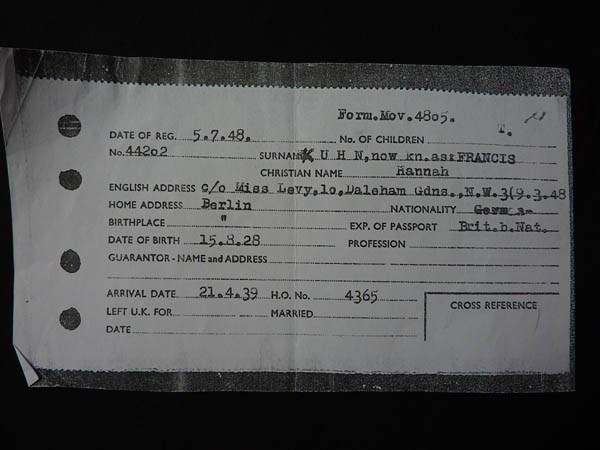
Bob Kirk: Personal files from World Jewish Relief. "There are things in there that either I didn't know at all
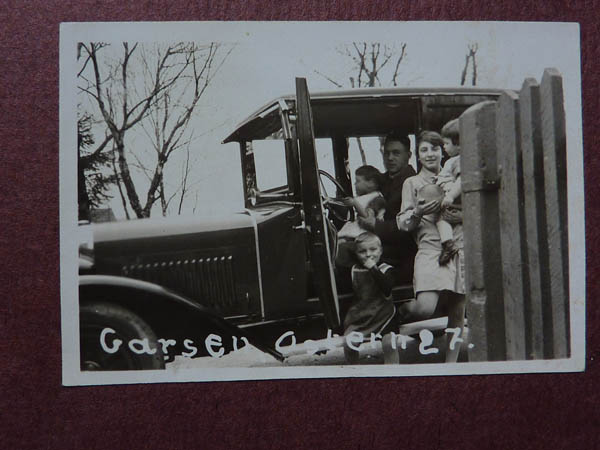
Bob Kirk: On holiday
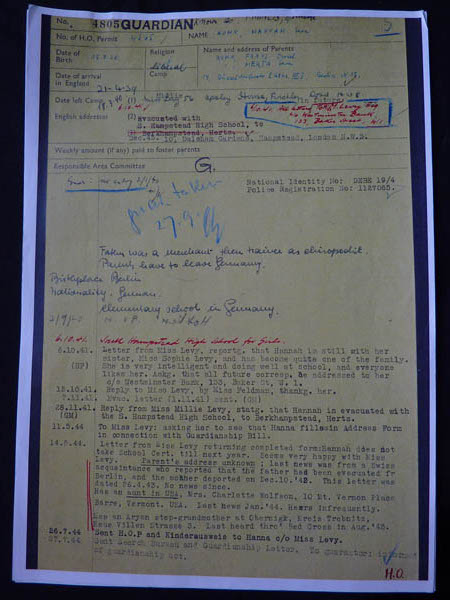
Bob Kirk: Personal files from World Jewish Relief. "There are things in there that either I didn't know at all
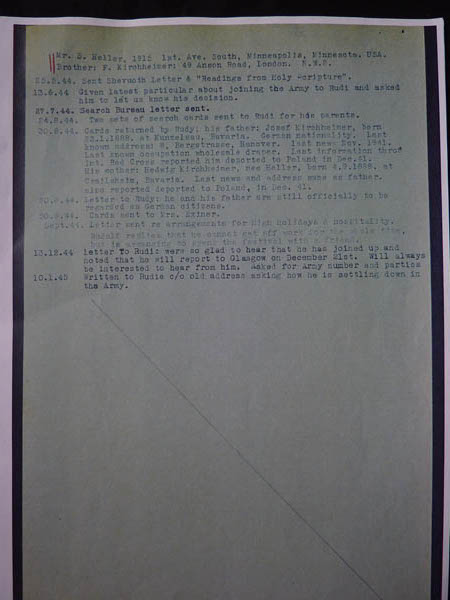
Bob Kirk: Personal files from World Jewish Relief. "There are things in there that either I didn't know at all
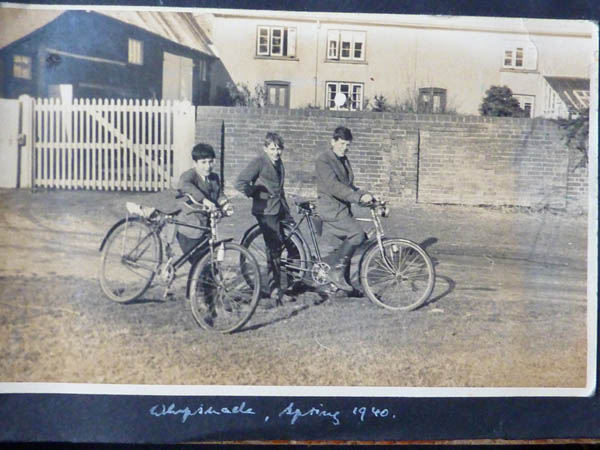
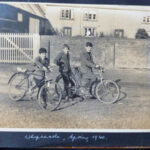
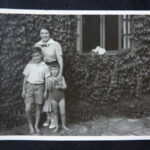
Bob Kirk: "This is a photograph of the three of us who were billeted on Dell Farm. From the left
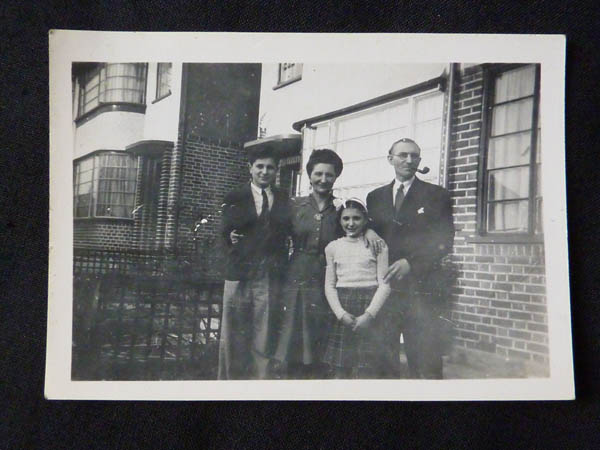
Bob Kirk: The Morris family; Arthur and Ivy Morris and their children Colin and Heather. "I was sent to them in mid-May 1939 after I left my sponsor Mr. Smith
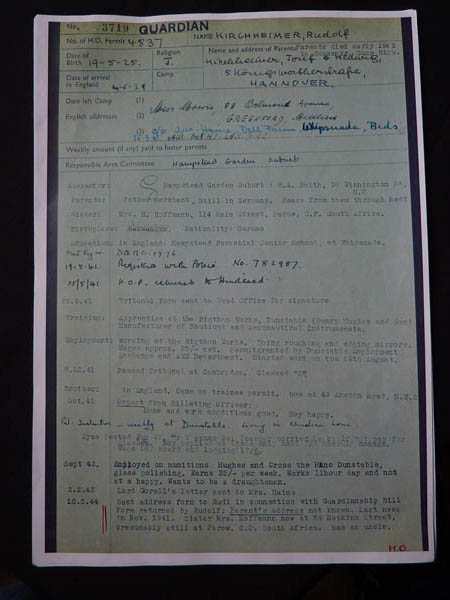
Bob Kirk: Personal files from World Jewish Relief. "There are things in there that either I didn't know at all
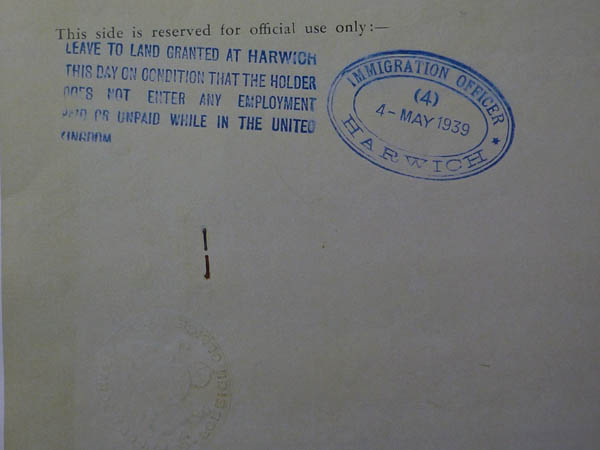
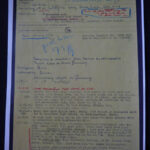
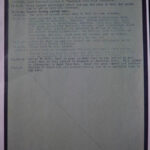
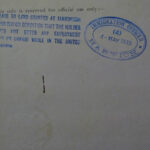
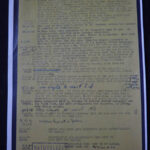
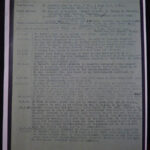
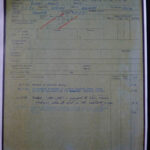
Bob Kirk: Reverse of Kindertransport document. "It includes the entry permission
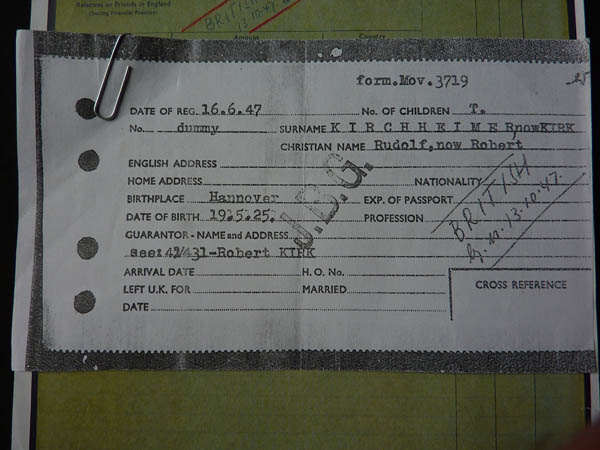
Bob Kirk: Personal files from World Jewish Relief. "There are things in there that either I didn't know at all
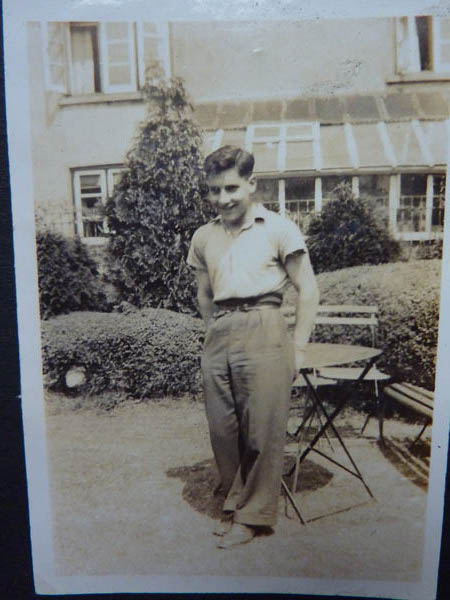
Bob Kirk: In the garden of Dell Farm Whipsnade "where I was billeted after evacuation in 1939. I was there until I went into the Army in 1944."
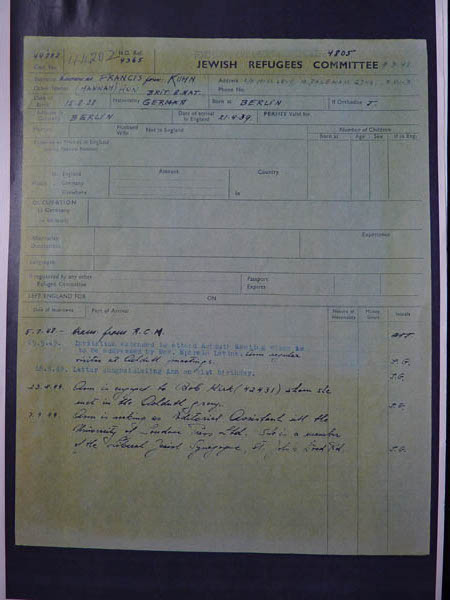
Bob Kirk: Personal files from World Jewish Relief. "There are things in there that either I didn't know at all
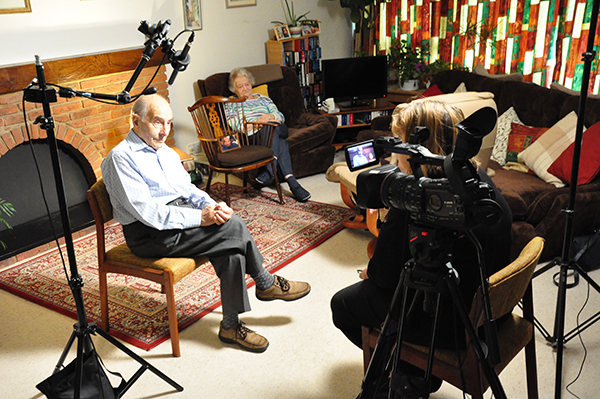
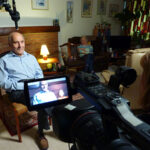
Bob Kirk: 2019
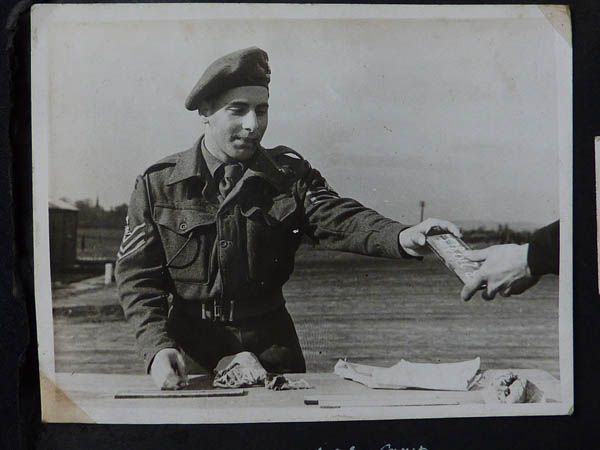
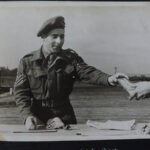
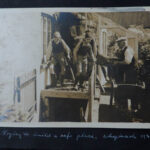
Bob Kirk: At work in Thirkleby prisoner of war camp
Bob Kirk: June 2019
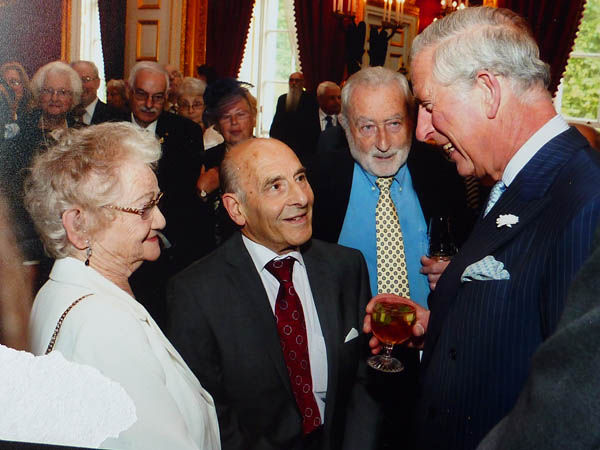
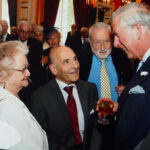
Bob Kirk: With Prince Charles. "This is a photo rom the reception Prince Charles gave for the 75th Anniversary of the Kindertransport at St. James's
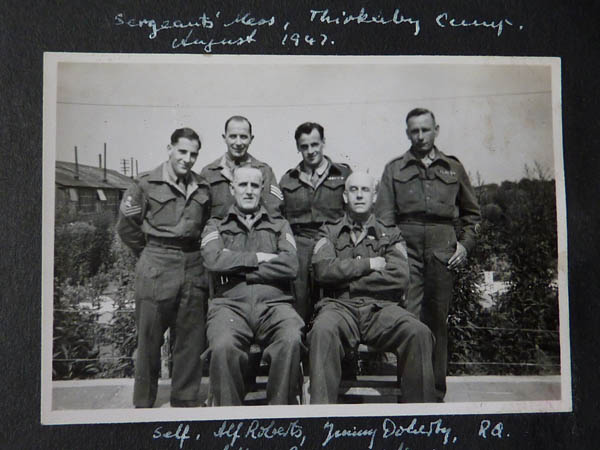
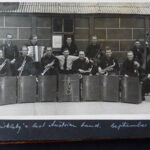
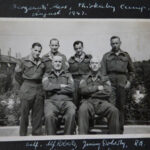
Bob Kirk: Members of the Sergeants’ mess at POW Camp Number 108
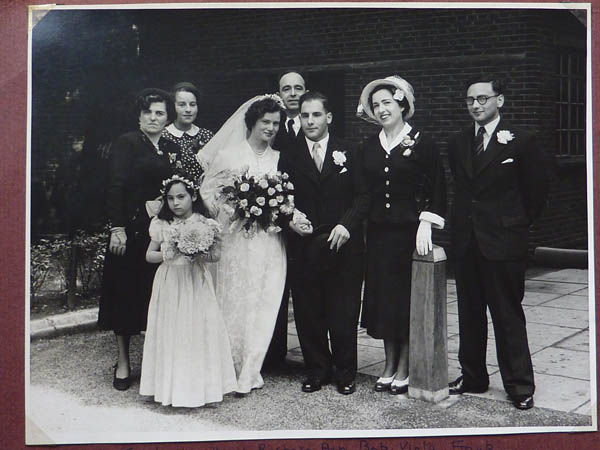
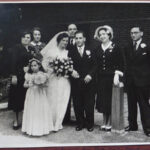
Bob Kirk: Wedding day
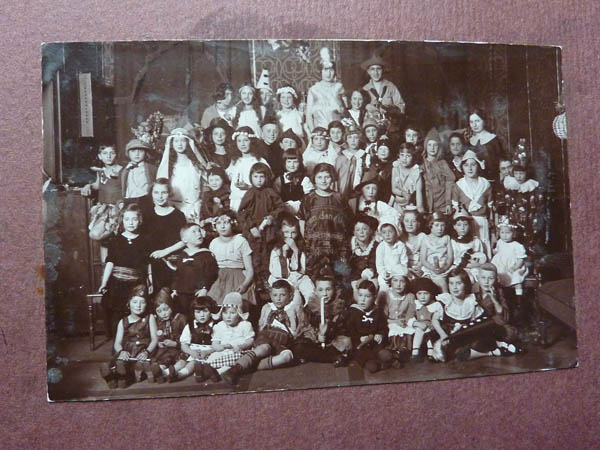
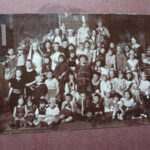
Bob Kirk: B’nai B’rith Purim party
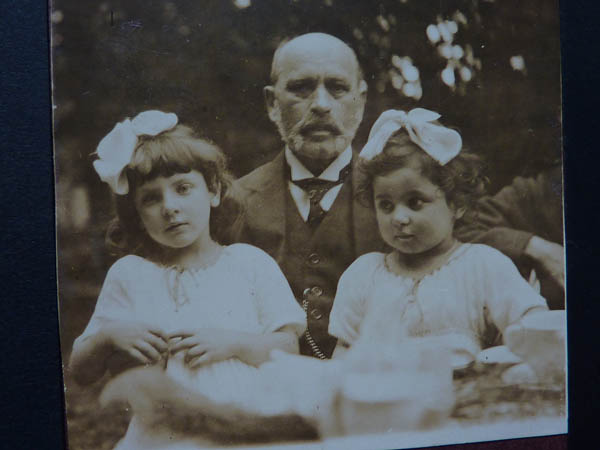
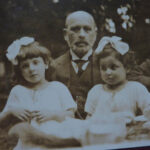
Bob Kirk: Mother's father Sigmund Heller with RK's two sisters
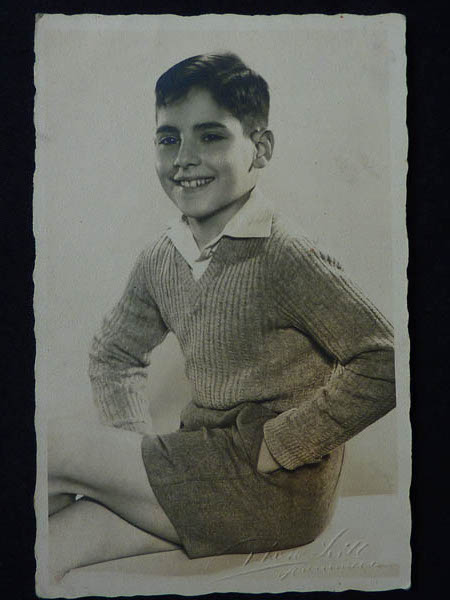
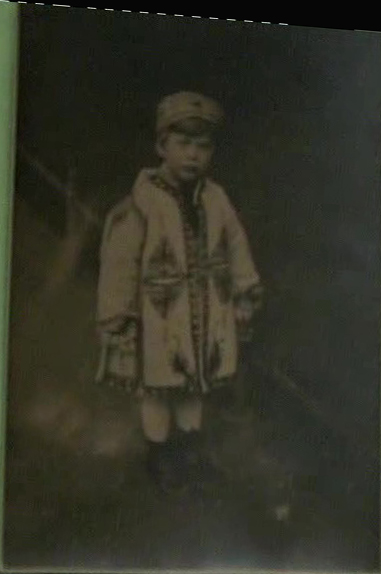
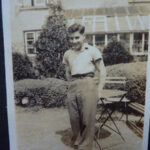
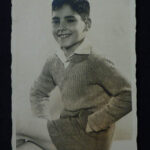
Bob Kirk: At 9 or 10
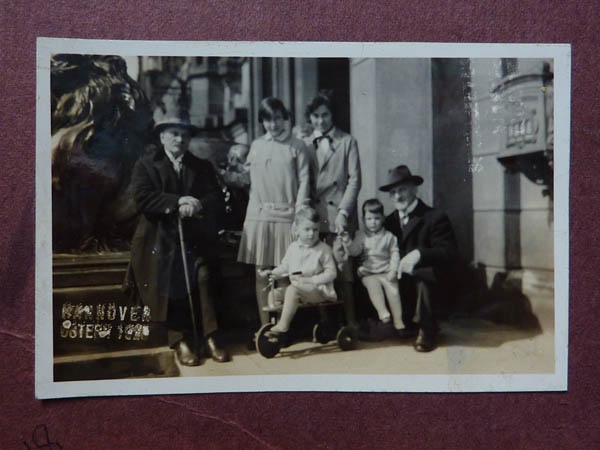
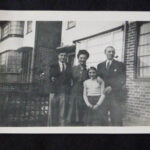
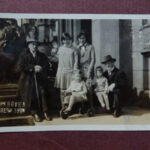
Bob Kirk: With brother and two uncles
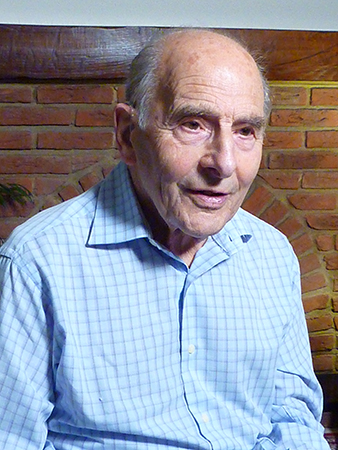
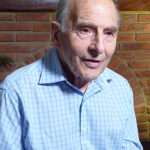
Bob Kirk: 2019
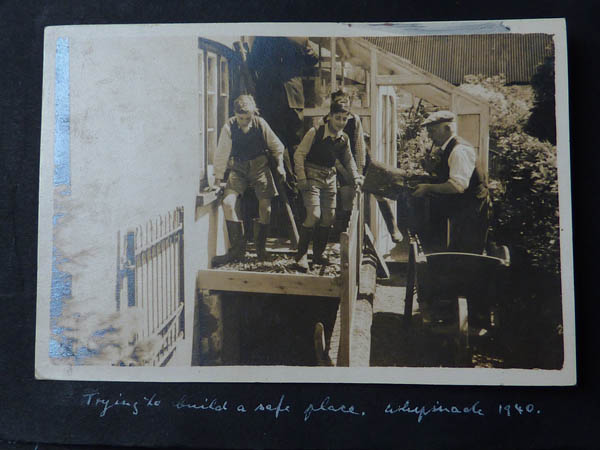
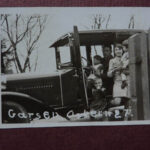
Bob Kirk: Dell Farm
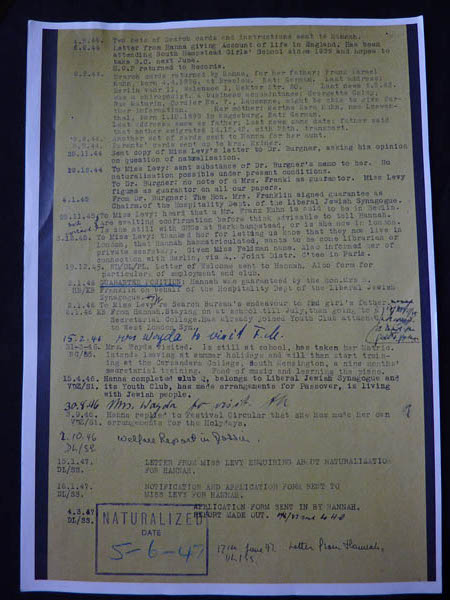
Bob Kirk: Personal files from World Jewish Relief. "There are things in there that either I didn't know at all
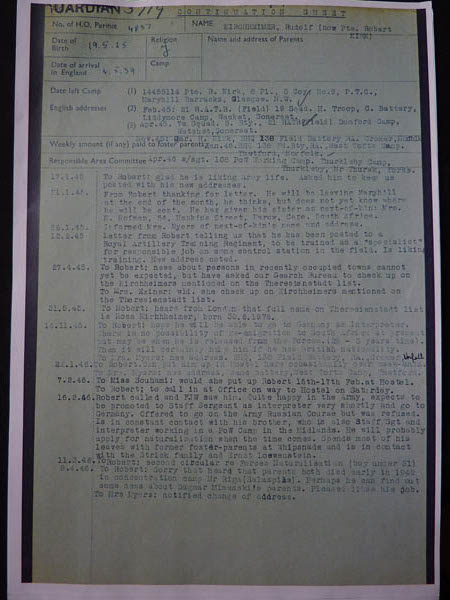
Bob Kirk: Personal files from World Jewish Relief. "There are things in there that either I didn't know at all
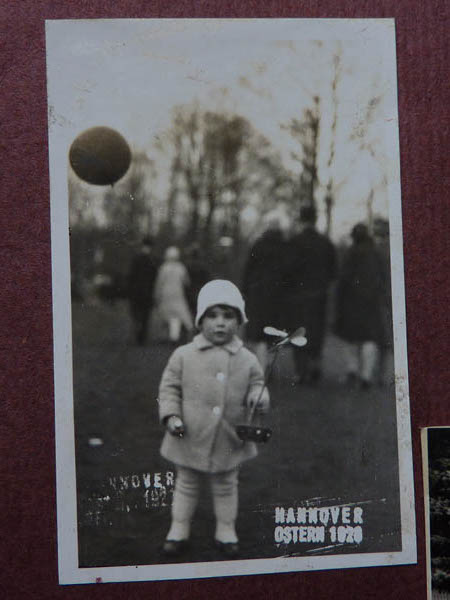
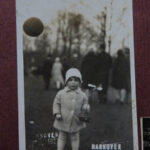
Bob Kirk: Hanover
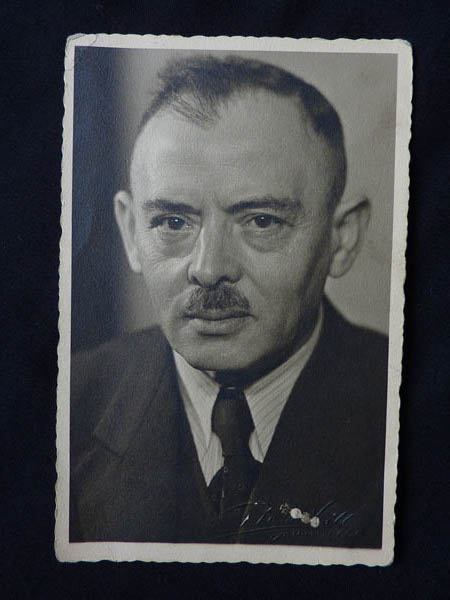
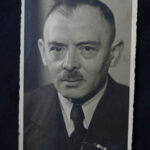
Bob Kirk: Studio photograph of father Josef Kirchheimer
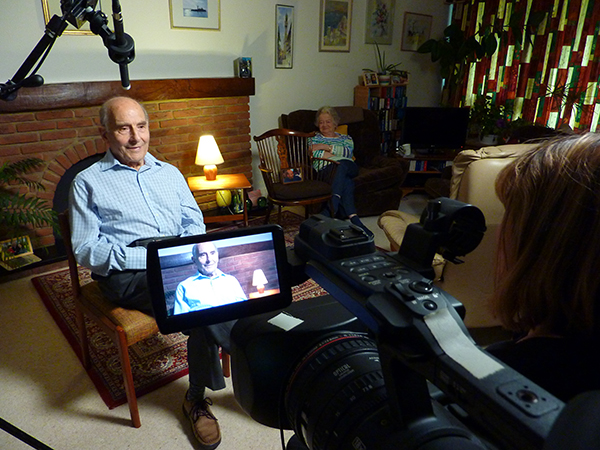
Bob Kirk: 2019
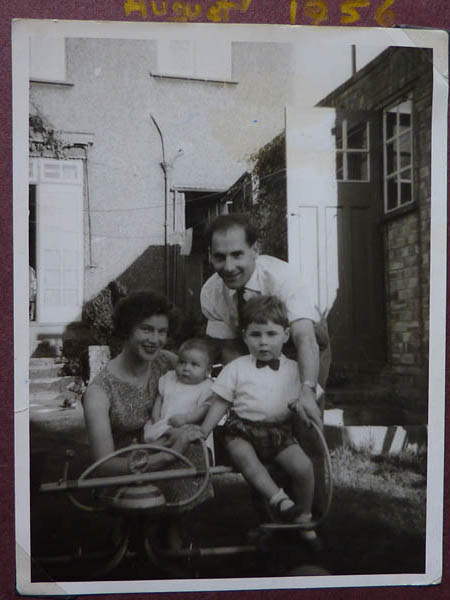
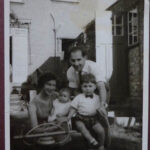
Bob Kirk: With family. "Ann, myself, David and Andy in the garden of our house in Ballogie Avenue in Neasden. We had a flat in Maida Vale for the first two years of our married life, and then moved to this small house- a semi-detached in Neasden, where we spent sixteen years before moving to Kenton."
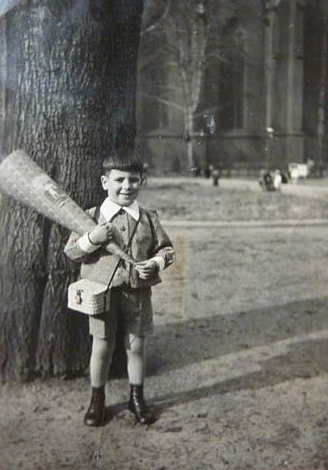
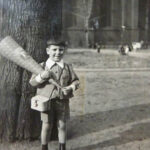
Bob Kirk: With Schultüte
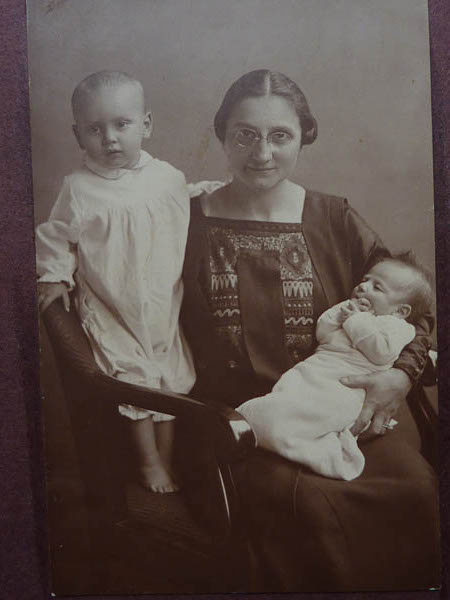
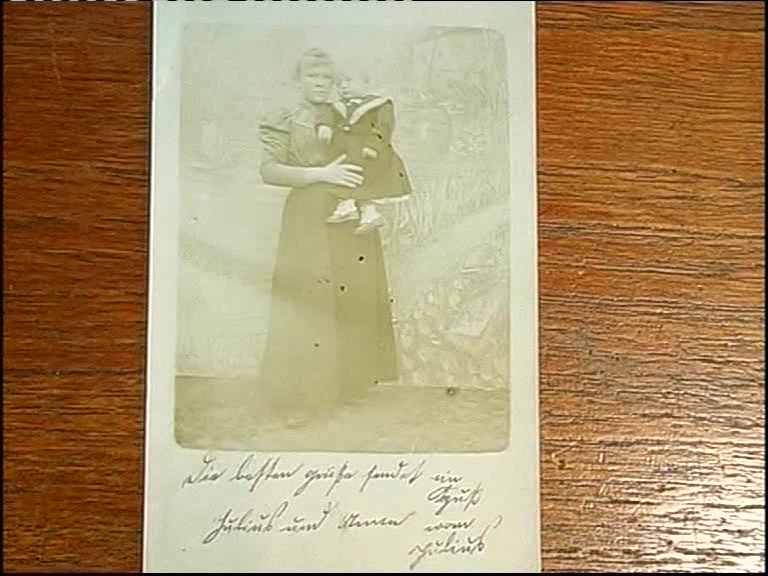
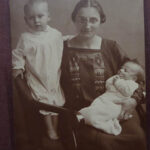
Bob Kirk: Mother Hedwig with RK and his brother Frank
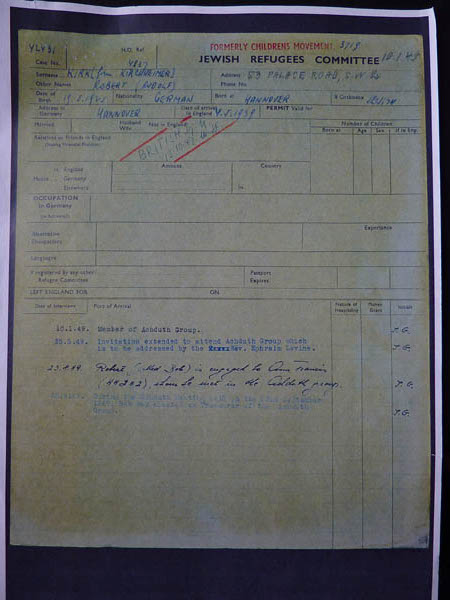
Bob Kirk: Personal files from World Jewish Relief. "There are things in there that either I didn't know at all
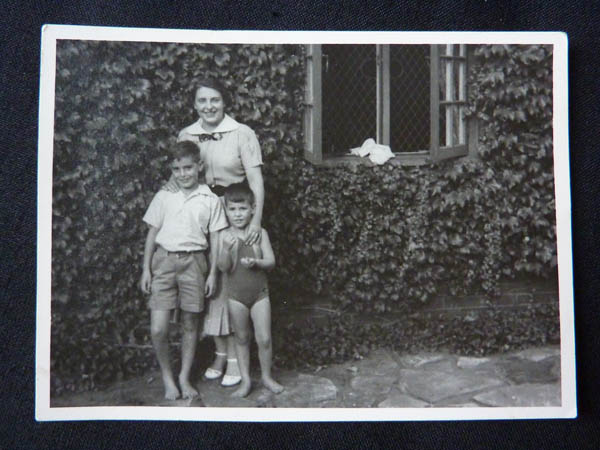
Bob Kirk: Sister Helga
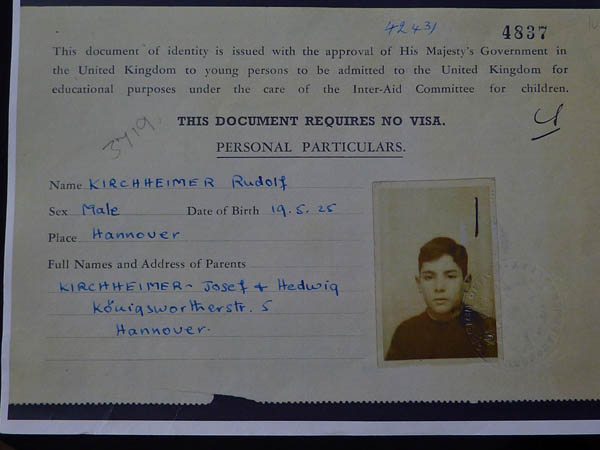
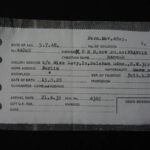
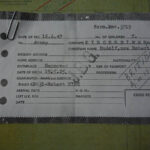
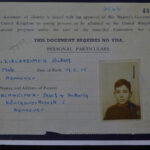
Bob Kirk: Kindertransport travel document
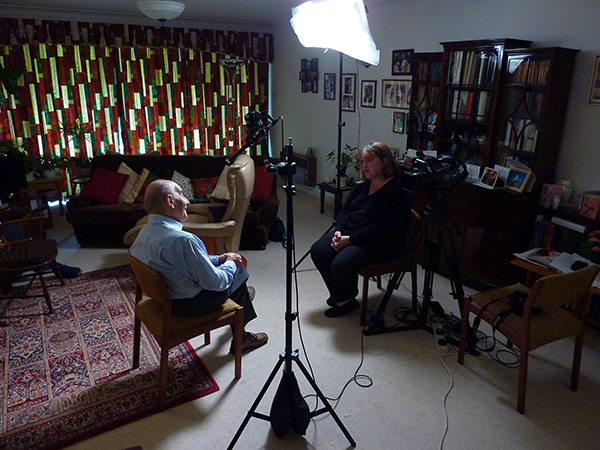
Bob Kirk: 2019
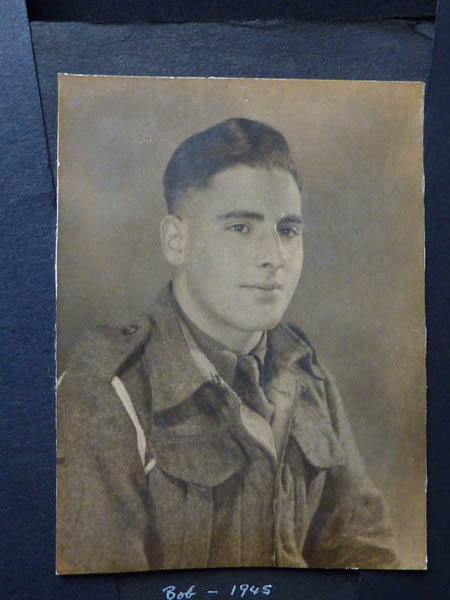
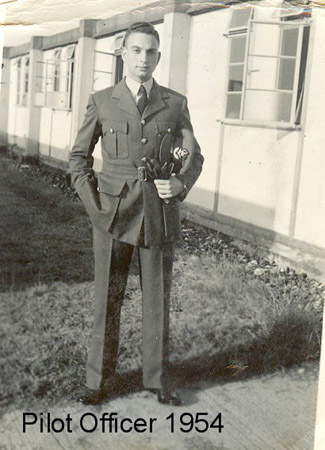
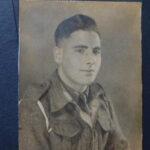
Bob Kirk: In the army
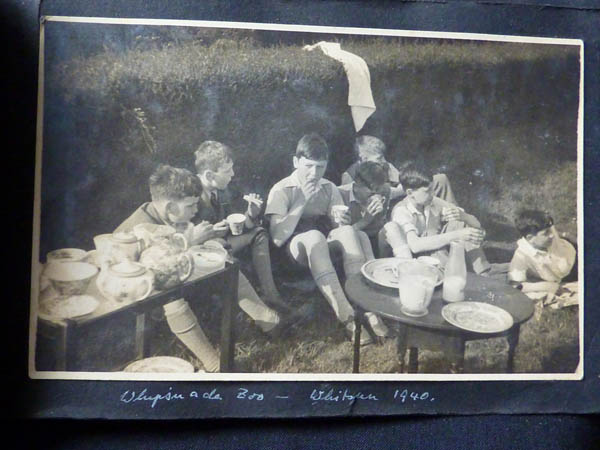
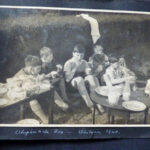
Bob Kirk: At a tea party held in the superintendent's garden at the zoo
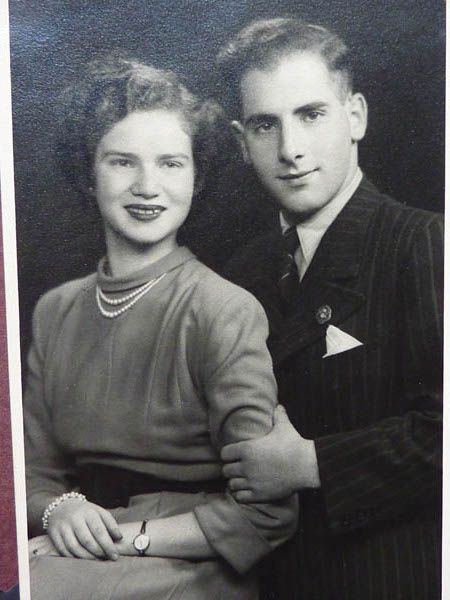
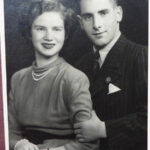
Bob Kirk: Official engagement photo
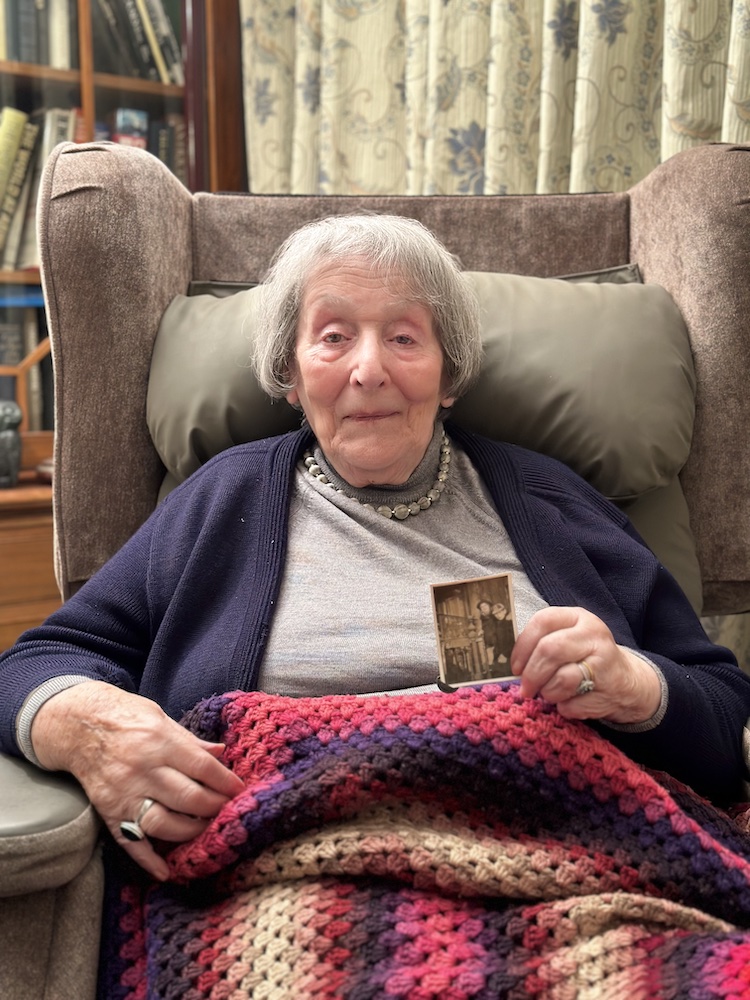
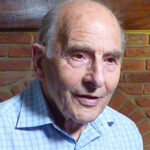
Bob Kirk
Born Rudolf Kircheimer 1925 in Hanover, came to the UK on the Kindertransport in May 1939
Born: 1925
Place of Birth: Hanover
Arrived in Britain: 04/05/1939
Interview Number: RV239
Experiences: British Military , Kindertransport , With Foster Family
Interview Summary
Born Rudolf Kircheimer 1925 in Hanover, came to the UK on the Kindertransport in May 1939. After staying with a family for a short time, he was evacuated with Hampstead Parochial School to Whipsnade until 1941. After doing war work in Dunstable, he joined the Royal Artillery and in April 1945 he was transferred as an interpreter to a Prisoner of War Camp in Yorkshire. His parents were deported to Riga in 1941 and killed. In 1950 he married fellow Kindertransportee Ann and they raised two sons. Bob has been very involved with Liberal Judaism in the UK and together with Ann is an active Holocaust speaker and educator.
Place of Birth
In fact, it's one of those problems, because we never spoke German to them. We never spoke German to each other. We never talked about our history to them… under the possibly mistaken view that we didn’t want to burden them. We wanted them to have as normal a childhood as possible. But of course, they knew we'd come from Germany as children. And they knew we were different. I mean, they had a birthday party, there's just us, and the two aunts - and maybe a cousin. When they went to other children's cele- birthday celebrations, there were the grandparents, and the aunts, and the uncles and the cousins. They didn't have that. So, of course they found out what was going on, but not from us. And in fact, the first time we spoke, which was at Northwood here at the invitation of Rabbi Andrew Goldstein for Kristallnacht service, David our elder son was in- in the audience. And a friend turned around to him after and said, “Of course you knew all that.” He said, “No.” And it- it may have been a mistake, but that was our choice. Our decision.
I started with quite a lot of friends at the primary school. Thoroughly enjoyed it. But in 1933 the temperature changed quite rapidly. The thing is, some- and at that point the Hitler Youth wasn’t compulsory but some of the boys did join, and it was a bit- but became rather scary that they started turning up at school, in uniform. Of course in 1936 it became compulsory. And one of my abiding memories is getting, soon after January 1933, a lot of dictation, not from the form master but from the headmaster. We filled exercise book after exercise book with dictation. No idea what it was about at the time, but later on realised these were extracts from Mein Kampf. So there was an enormous amount of indoctrination going on. And of course every time there was a speech by Hitler or sometimes Goebbels or Goering we had to sit and listen to the loudspeakers. That was frightening.
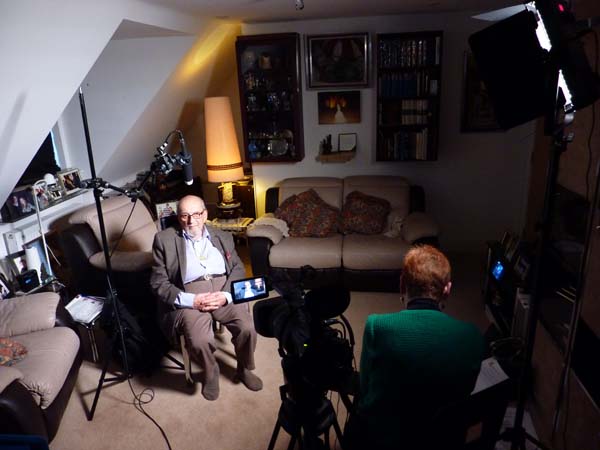
[During his time as translator in a POW camp in Yorkshire] I decided my- the only way I could deal with it, was to explain very clearly that I was a German born Jew. I was in British uniform as their boss. But I was a Jew. And I think in a way that helped to- well, it cleared the air. They knew whom they were dealing with. And I never had any problem.
But my father didn't like the idea of emigrating. And he- he had the view that he- his family had lived in Germany for several hundred years. He was a good German who happened to be Jewish. He couldn’t see why he needed to leave. In any case, Hitler was a madman; he couldn't possibly - last. So it would all blow over. There were never any arguments in my hearing, except with my sister, who took an opp- opposite view, because she was much older and she had a view of her own. And in the end she said, “Well, I'm leaving.” So she went to South Africa in 1936. But- and by that time Dad probably had got to the idea that it would be better to leave, but it was too late.
My brother was in the same barracks eight weeks earlier. He was called in to the office the first day he was in barracks and told to change his name. He asked why. So it was explained that if he went- if he went on active service and was unlucky enough to be taken prisoner, he would have great troubles with a name like that. So, he asked for guidance as to what to change it to. His CO who was Scot, wanted to know what the name meant. He explained - Kirchheimer. The first part of the name is- is Kirch, Kirchheimer. “Kirch is a church.” “Okay, Kirch is a church. We're in Scotland. A church is a kirk, so therefore your name is Kirk.” So I decided I better follow suit.
And I sat there just minding my own business for most of the journey, and… was terrified. As we stopped at the border, at [Bad] Bentheim, as the train- the border police came on board - came through checking, mainly checking- checking luggage. I mean, there wasn’t much in the way of paperwork, because after all we were on a group visa. But a number of things got confiscated, including my stamp collection. I didn't have an export licence for it, so I couldn’t argue.
But the main thing is that you have to respect people's identity and individuality. And I always make the point that you must never use a broad brush- brush description, like “the asylum seekers”, “the refugees”, “the Muslims”, “the this” and “the that”. Everybody is an individual, with their own dreams and fears. And they have to be respected as that. And it just, you know, our story shows what happens when people are prejudiced and discriminate and humiliate.
I get the impression, in retrospect, that it was really presented as a temporary measure. It wasn't a- going to be a big deal. I would go- we’d go to London, and, as I say, a temporary measure. To the extent that I didn't bring any photographs with me. Possibly in order to- not to underline the fact that this could take a long time. I didn’t learn any English and once I arrived with absolutely no knowledge of English. There was no preparation and I- the only way I can think, only reason for that, I think, could have been that - I was not to be alarmed. A slight miscalculation.
REFUGEE VOICES is the AJR’s groundbreaking Holocaust testimony collection of filmed interviews with Jewish survivors and refugees from Nazi Europe who rebuilt their lives in Great Britain.
The copyright of personal photos and documents on the site is held by each interviewee and may not be reproduced without their permission. Please contact the AJR if you would like to use any of the images and documents.