
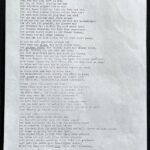
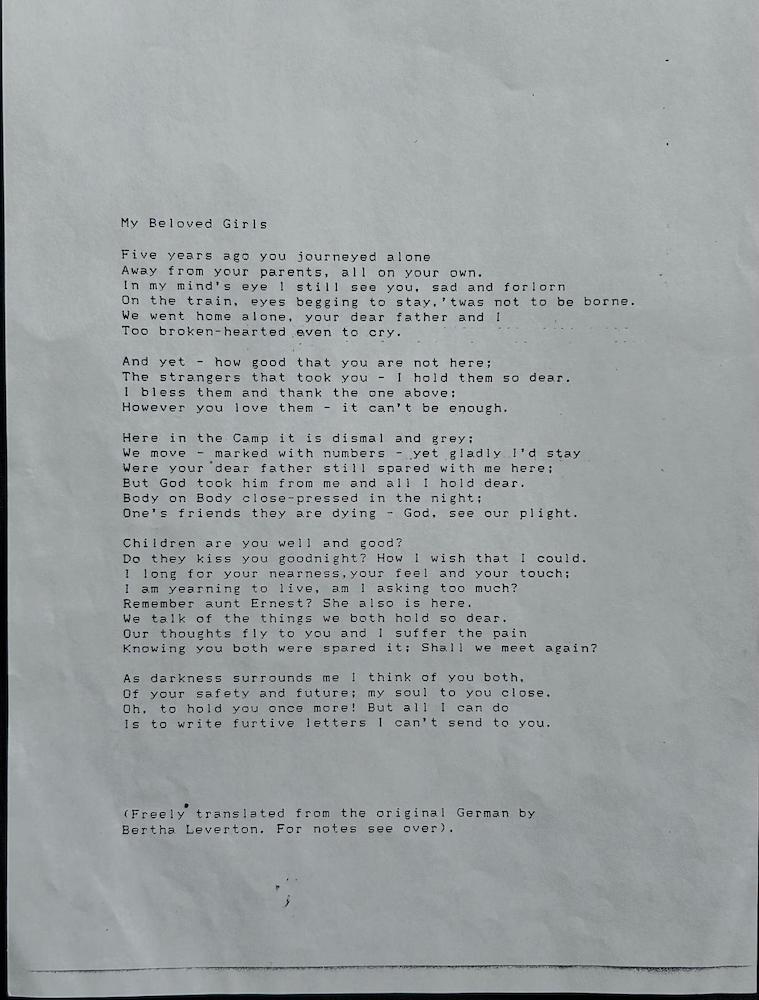
Lilly Lampert: Translation of her mother's last letter (written in Theresienstadt)
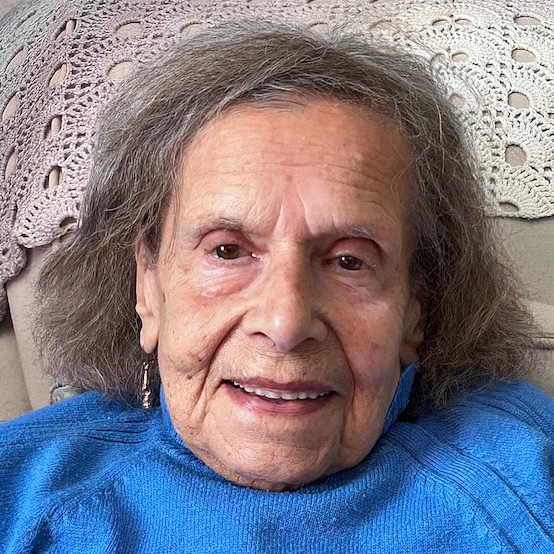
Lilly Lampert: 2024
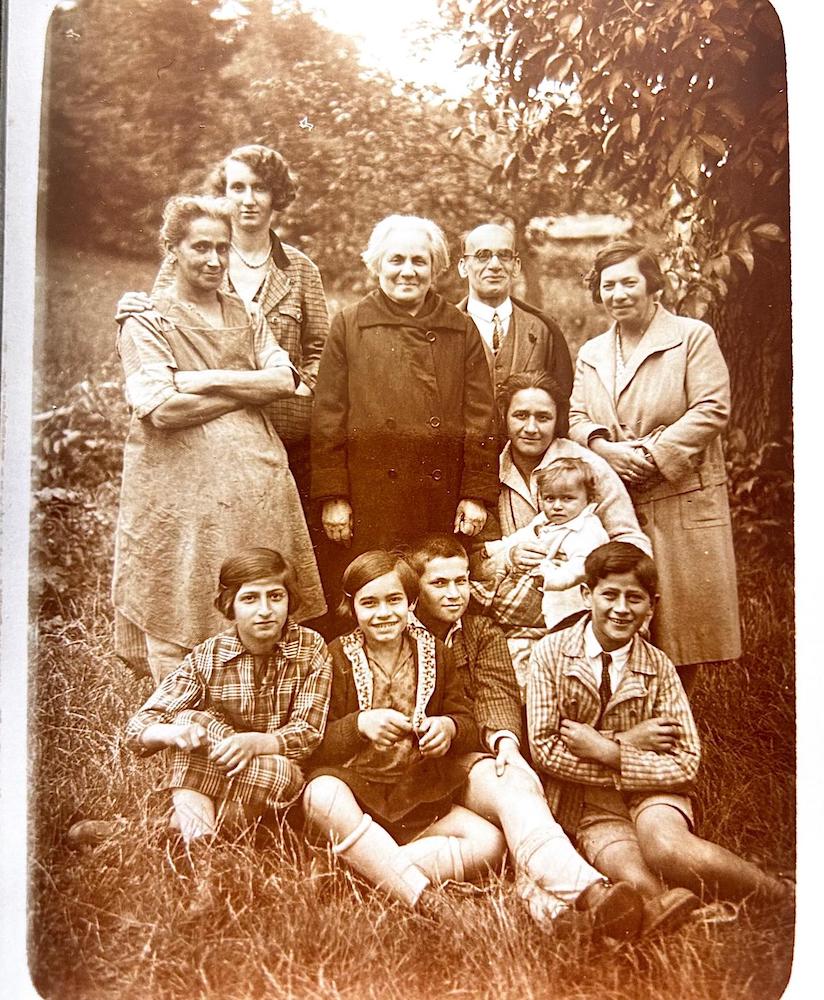
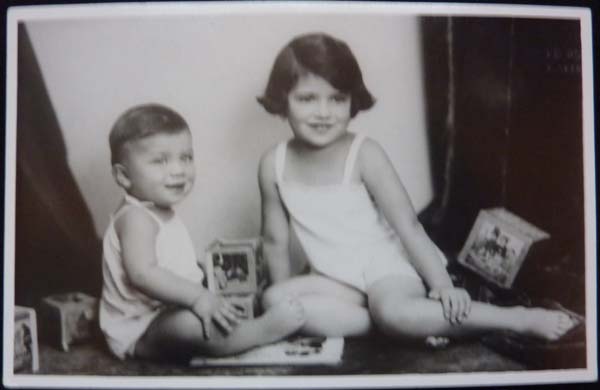
Lilly Lampert: Lilly aged one
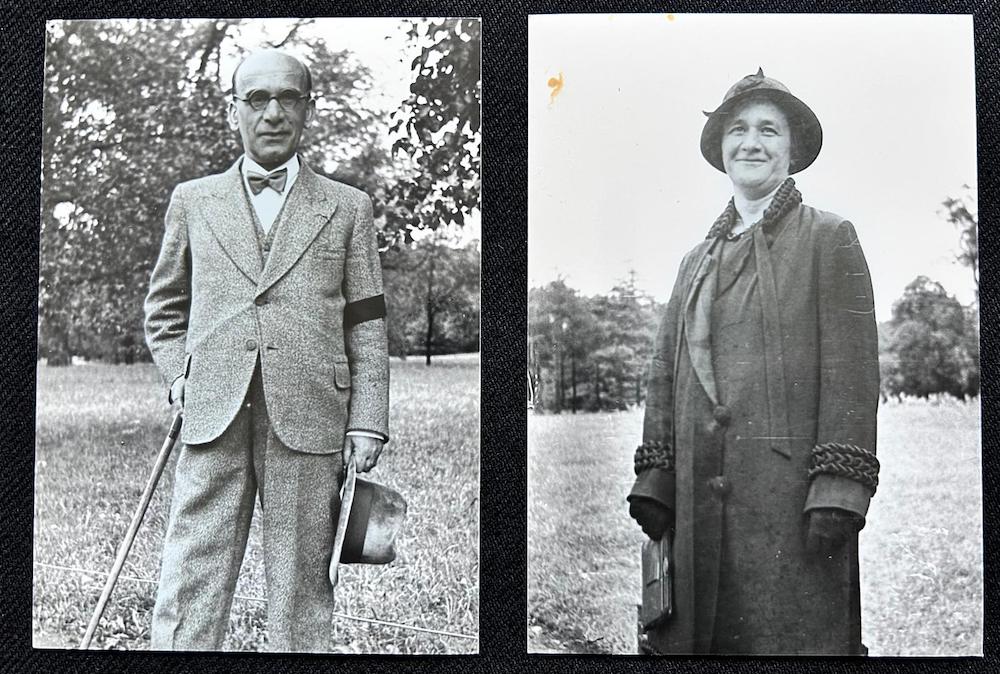
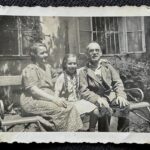
Lilly Lampert: Parents Josefine and Arthur Rosenbaum
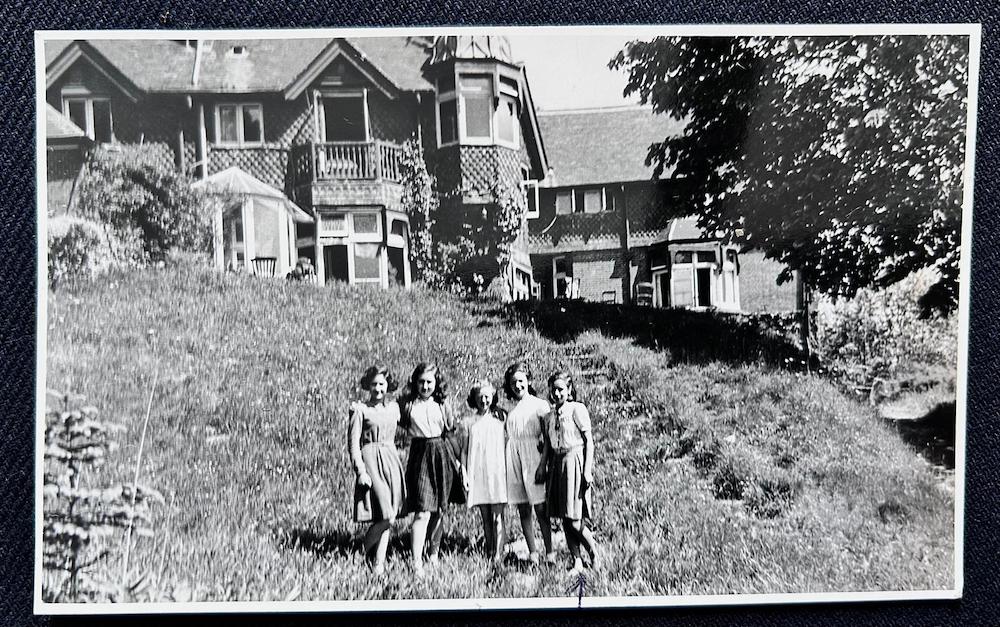
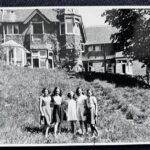
Lilly Lampert: Lilly (on the right) at the Beacon (hostel in Tunbridge Wells)
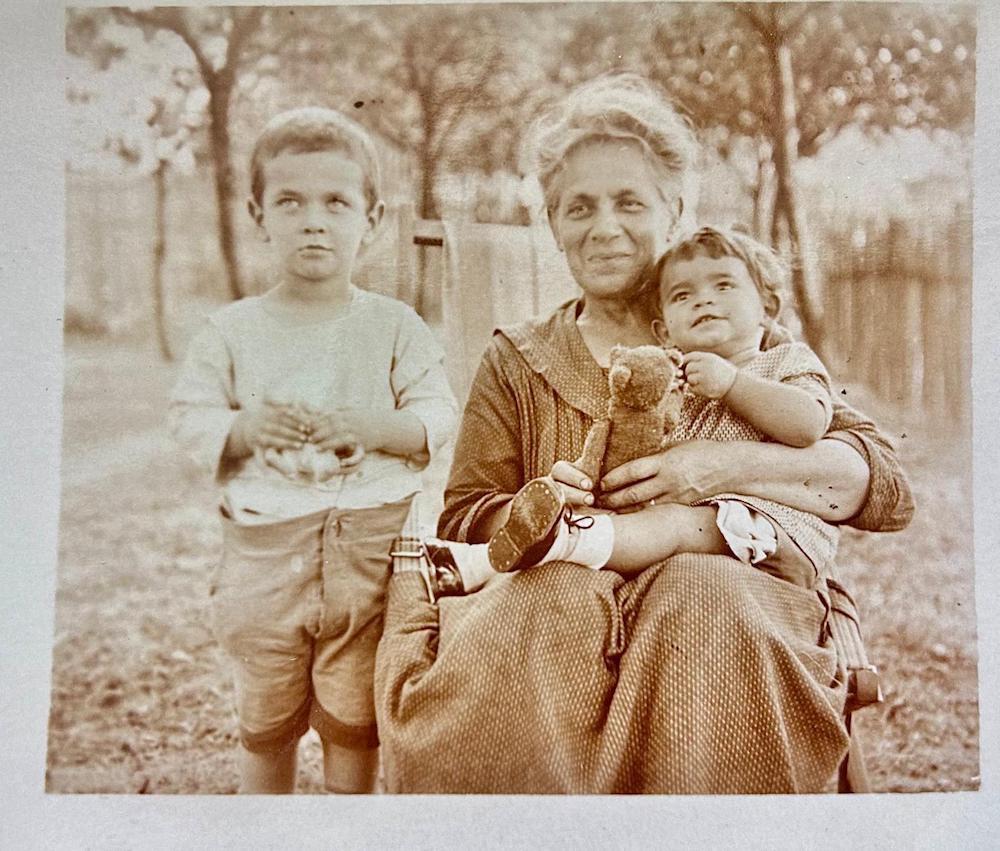
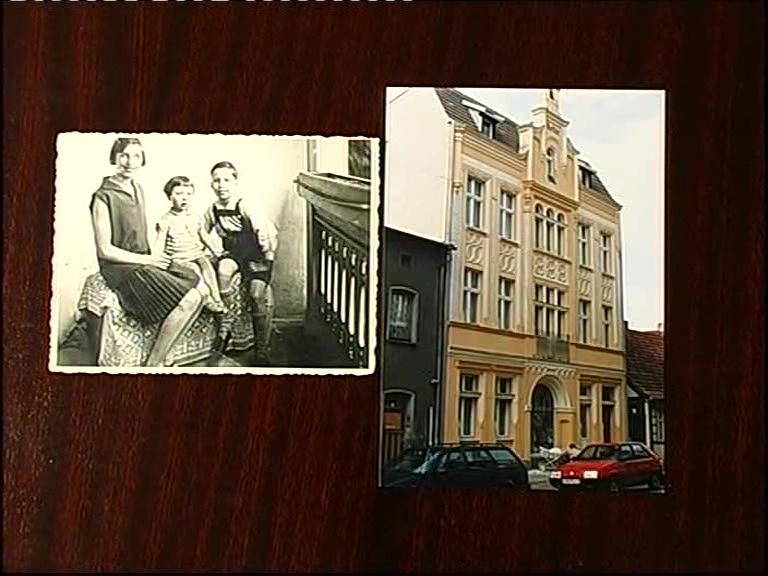
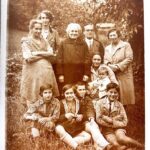
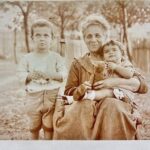
Lilly Lampert: Sister Gerti and cousin Walter with grandmother
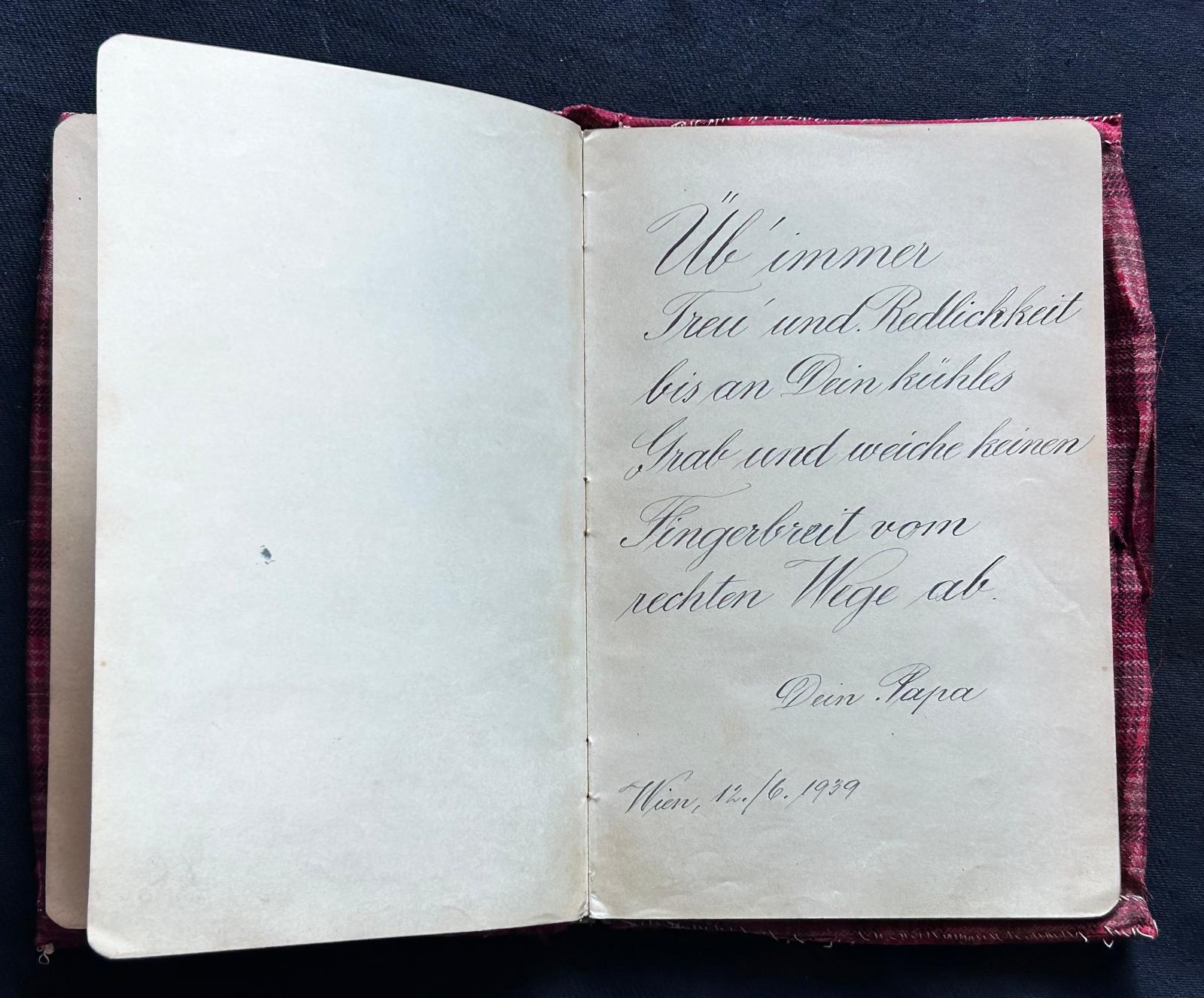
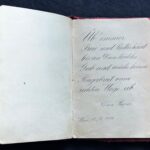
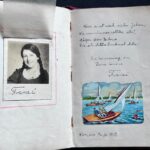
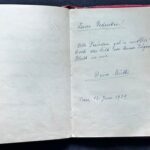
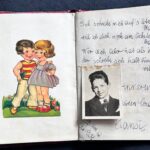
Lilly Lampert: Autgraph book; my father wrote the day I left Vienna: ‘You've always got to be honest in life and never do anything wrong.’
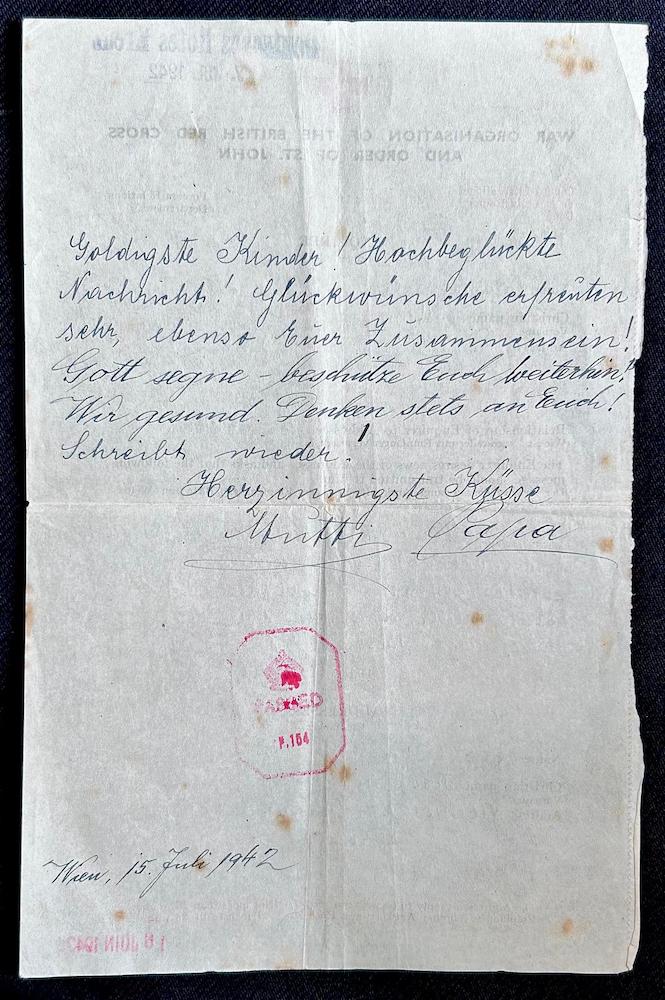
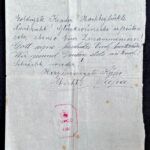
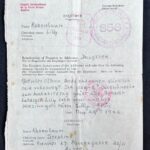
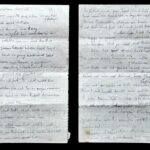
Lilly Lampert: Red Cross letter from her parents in July 1942
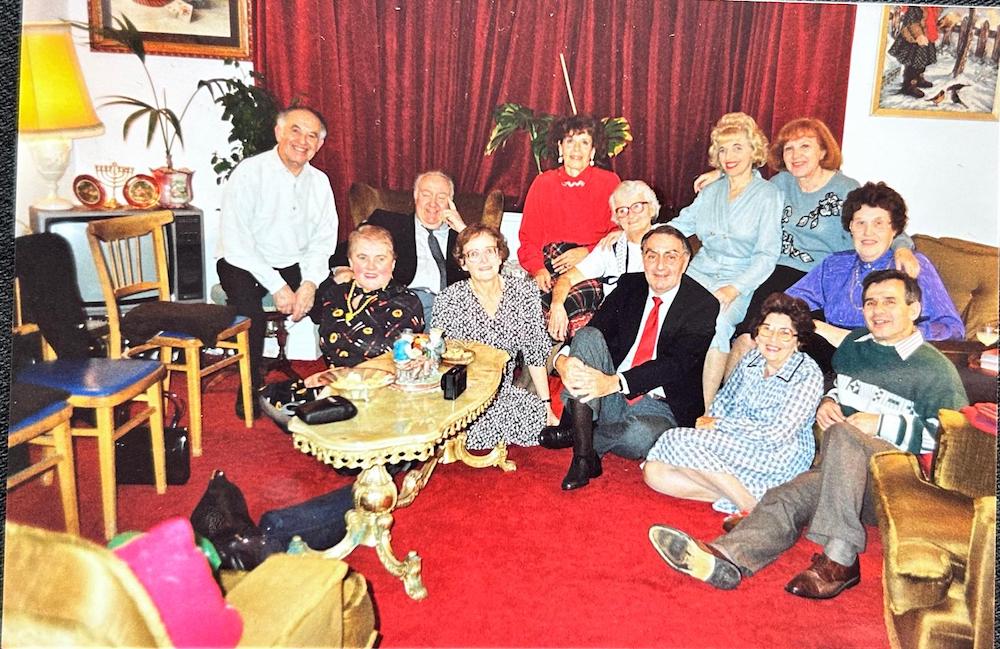
Lilly Lampert: 2024
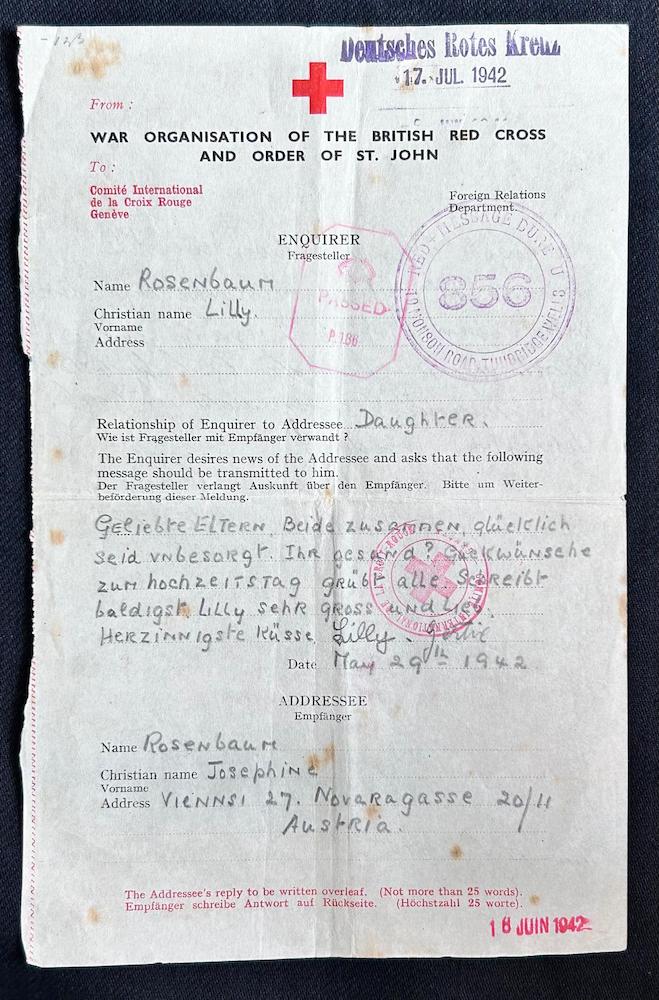
Lilly Lampert: Red Cross Letter to her parents in Vienna
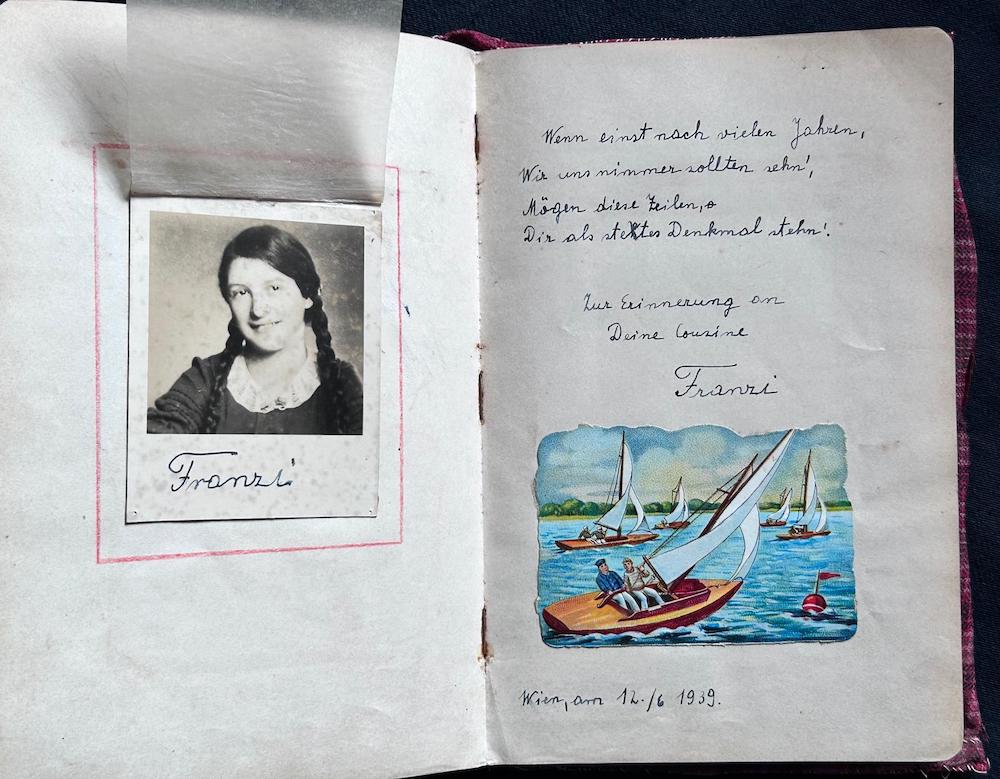
Lilly Lampert: Autograph book - cousin Franzi:"One day in the future when we might not be in touch anymore
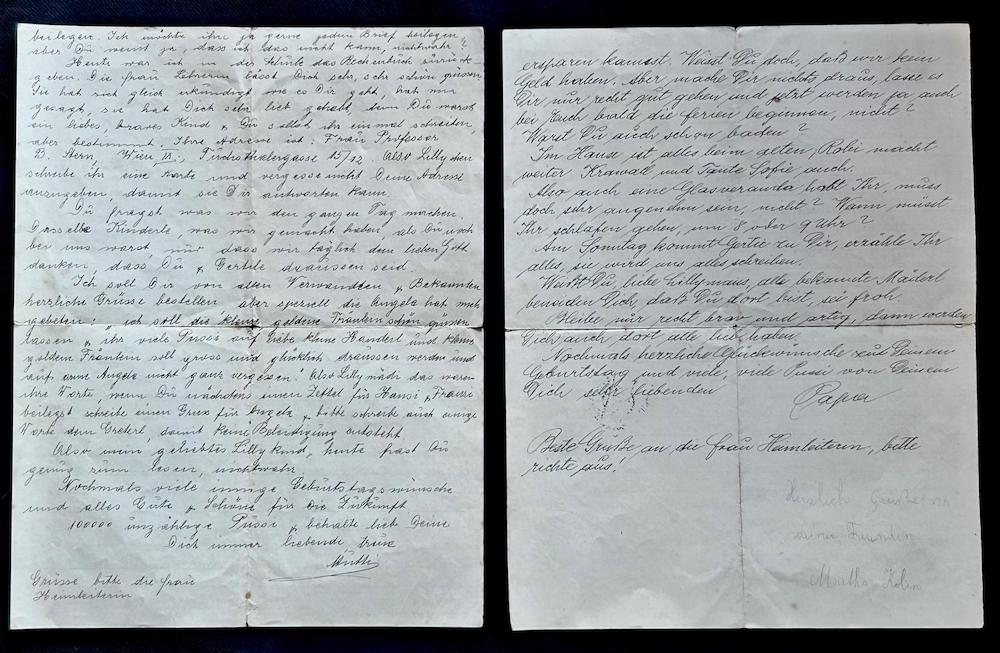
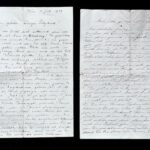
Lilly Lampert: Parents' letter for Lilly's 10th birthday
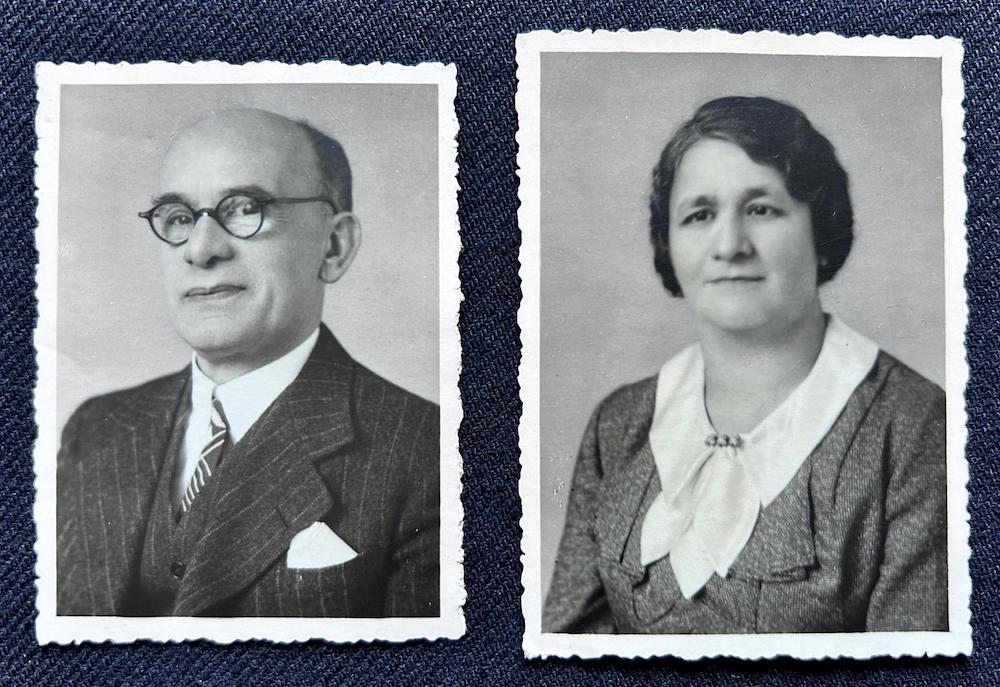
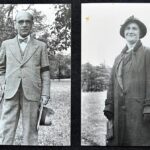
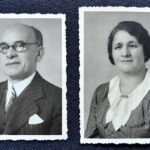
Lilly Lampert: Passport photos Josefine and Arthur Rosenbaum
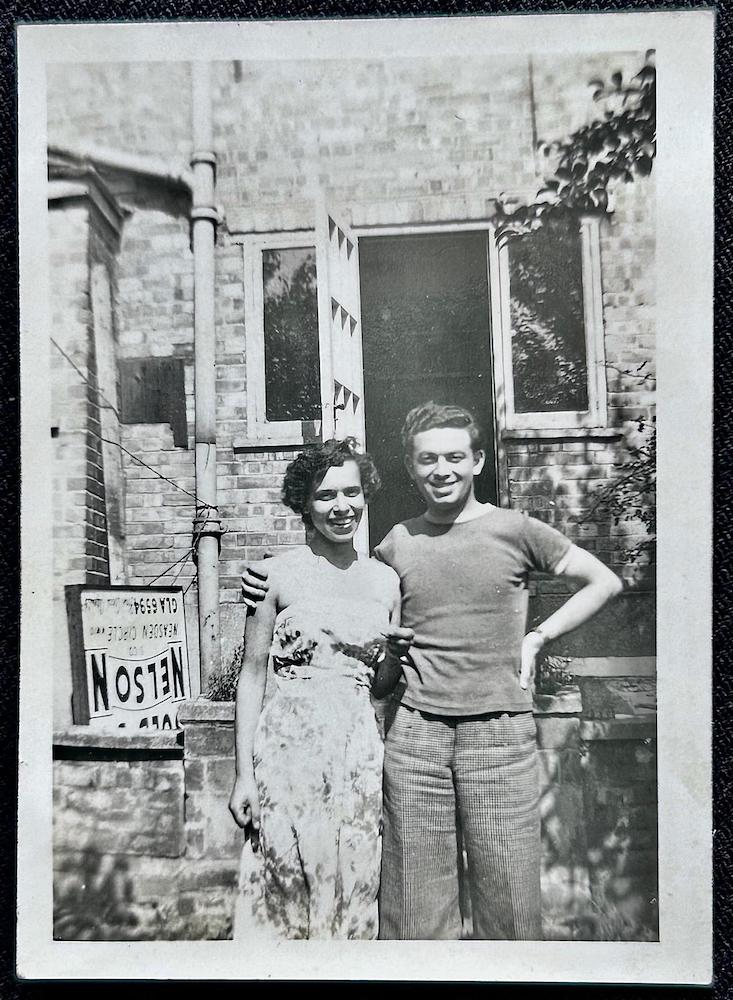
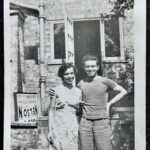
Lilly Lampert: Lilly and Martin in the garden of their first house in Neasden
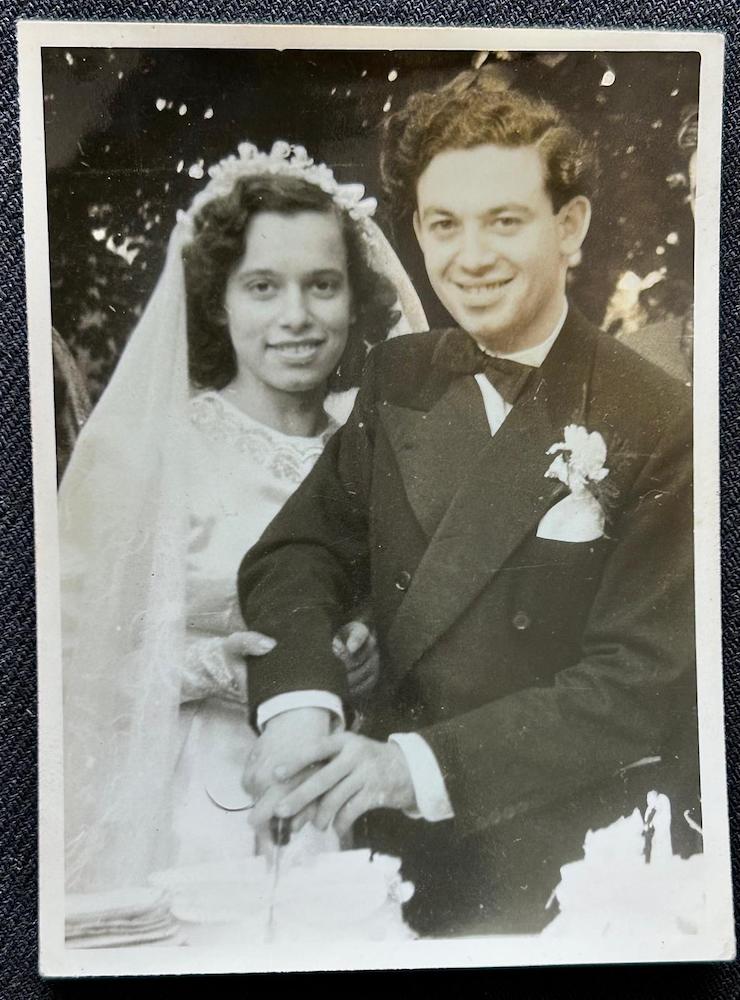
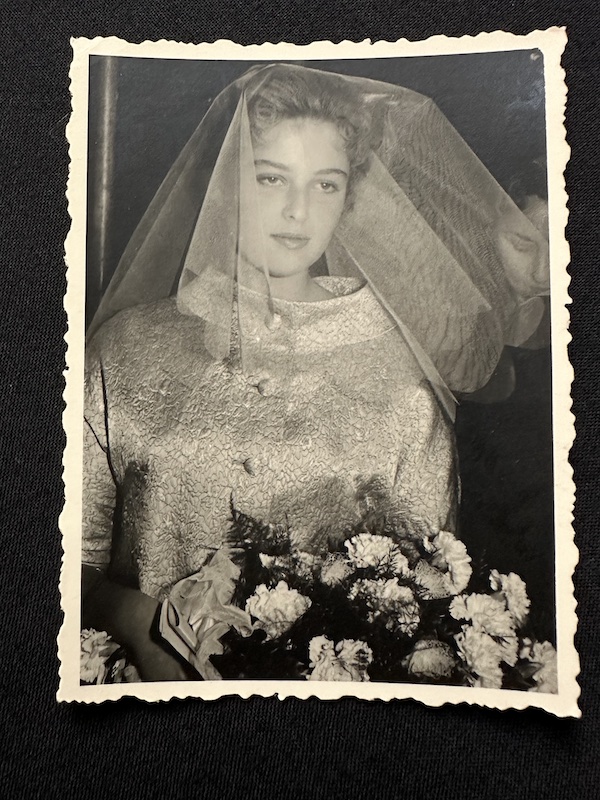
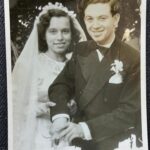
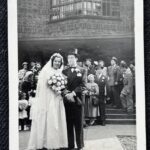
Lilly Lampert: Lilly with her husband Martin on their wedding day
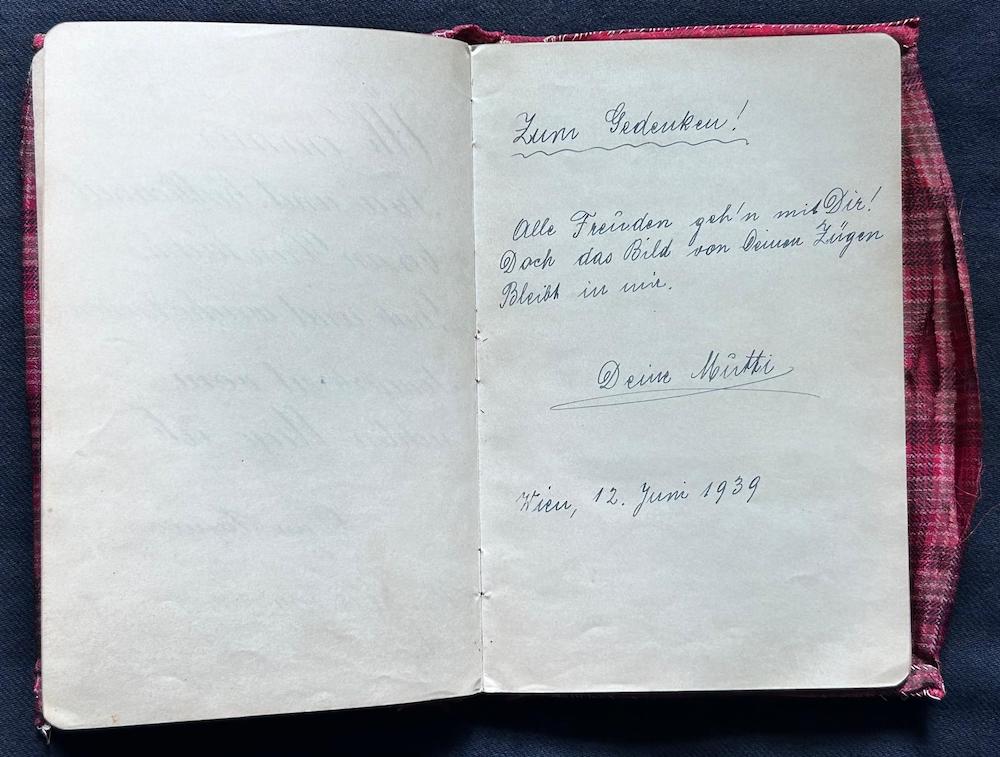
Lilly Lampert: Autograph book
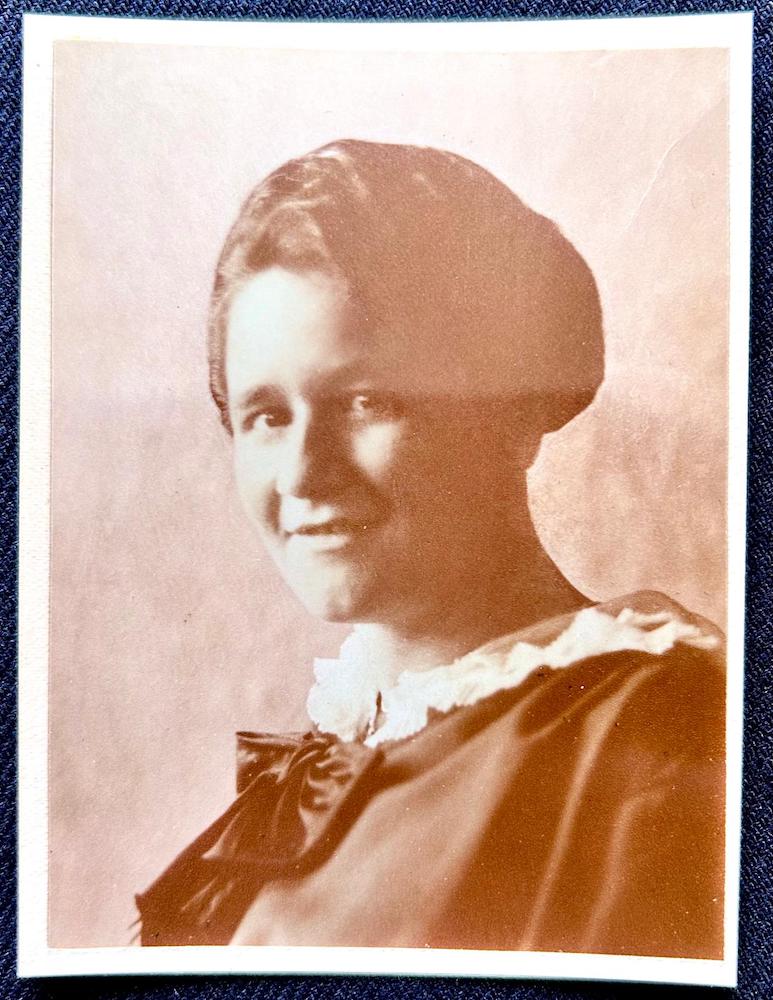
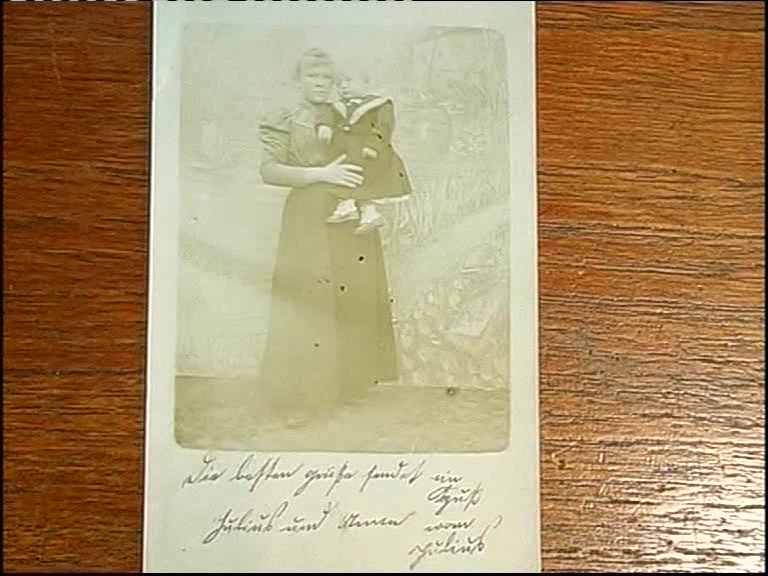
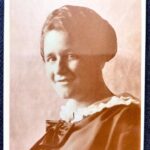
Lilly Lampert: Josefine Rosenbaum née Löwi
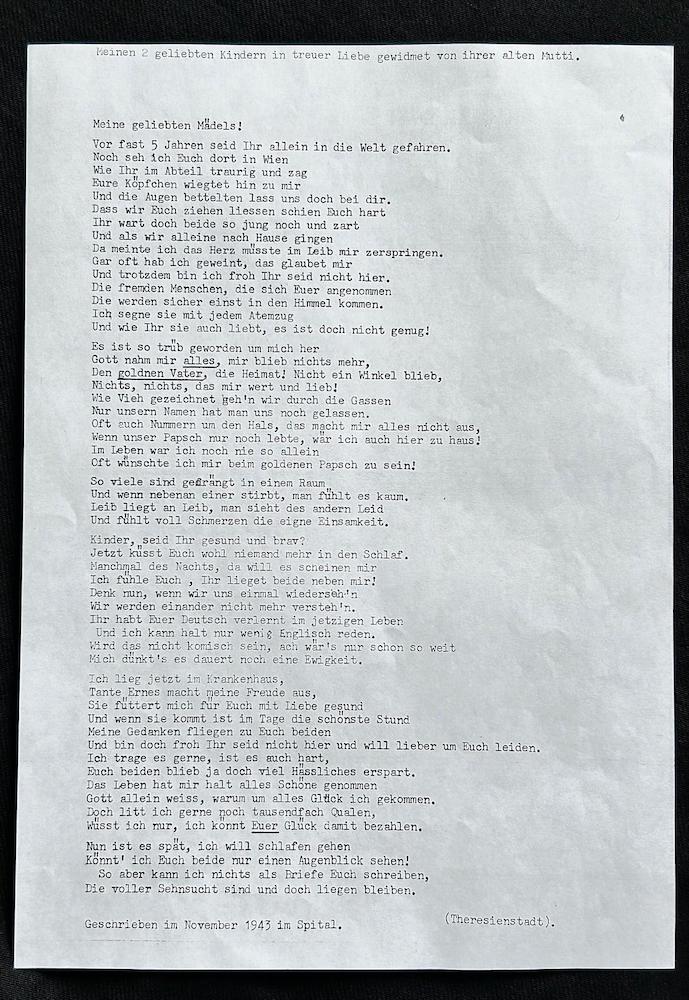
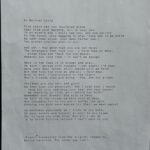
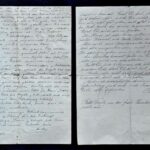
Lilly Lampert: Typed version of her mother's last letter (written in Theresienstadt)
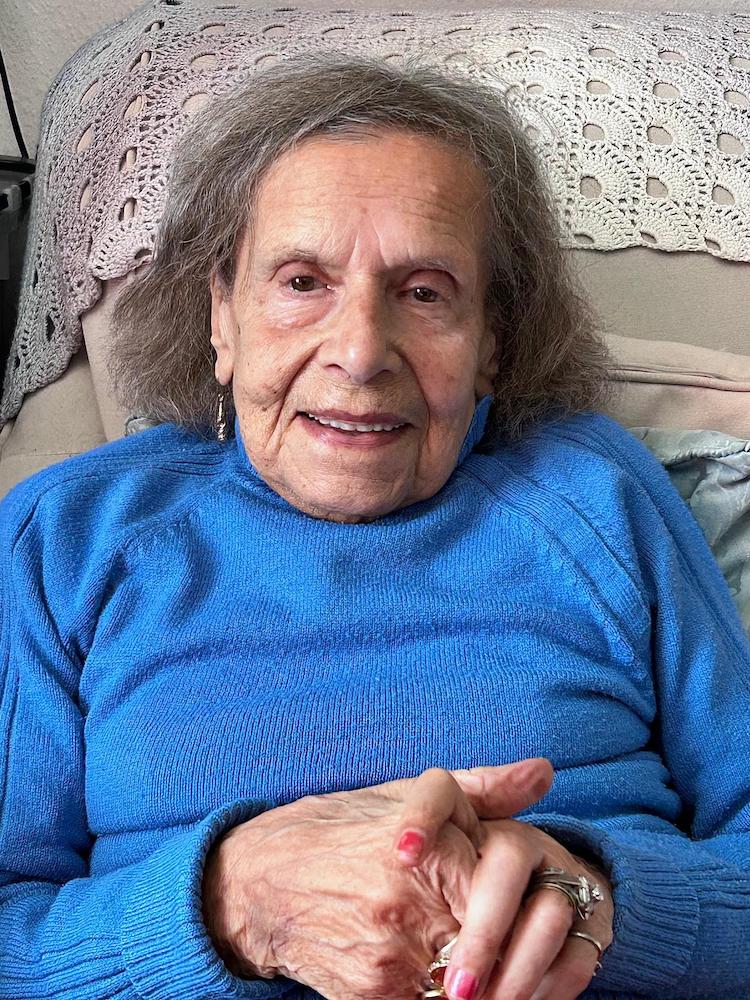
Lilly Lampert: 2024
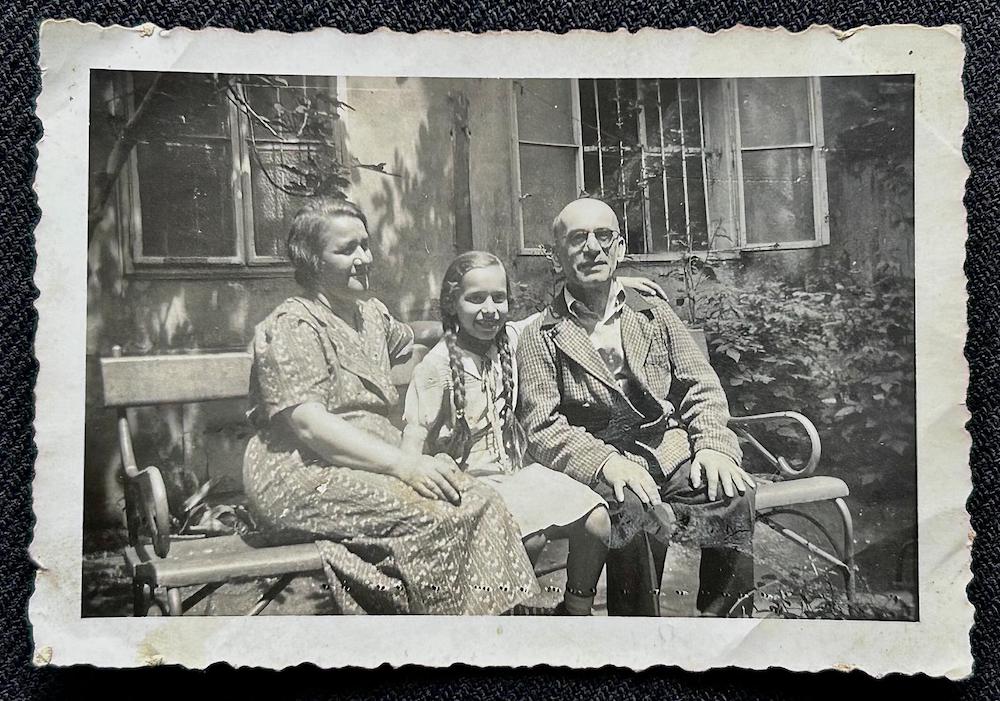
Lilly Lampert: Lily with her parents Josefine and Arthur Rosenbaum
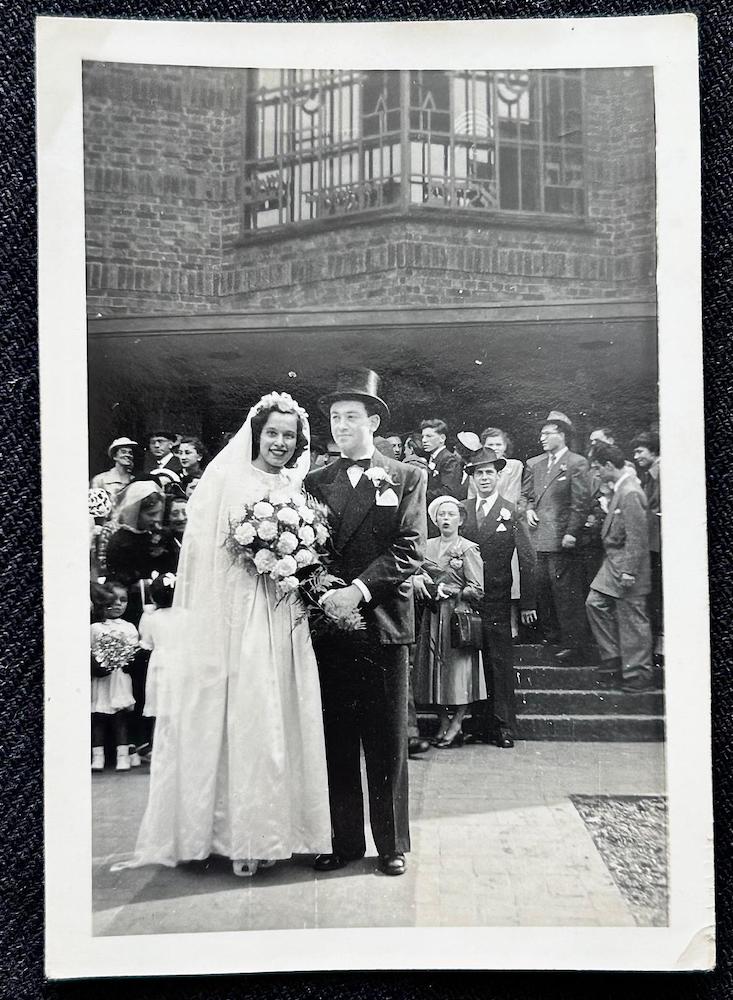
Lilly Lampert: Lilly with her husband Martin on their wedding day
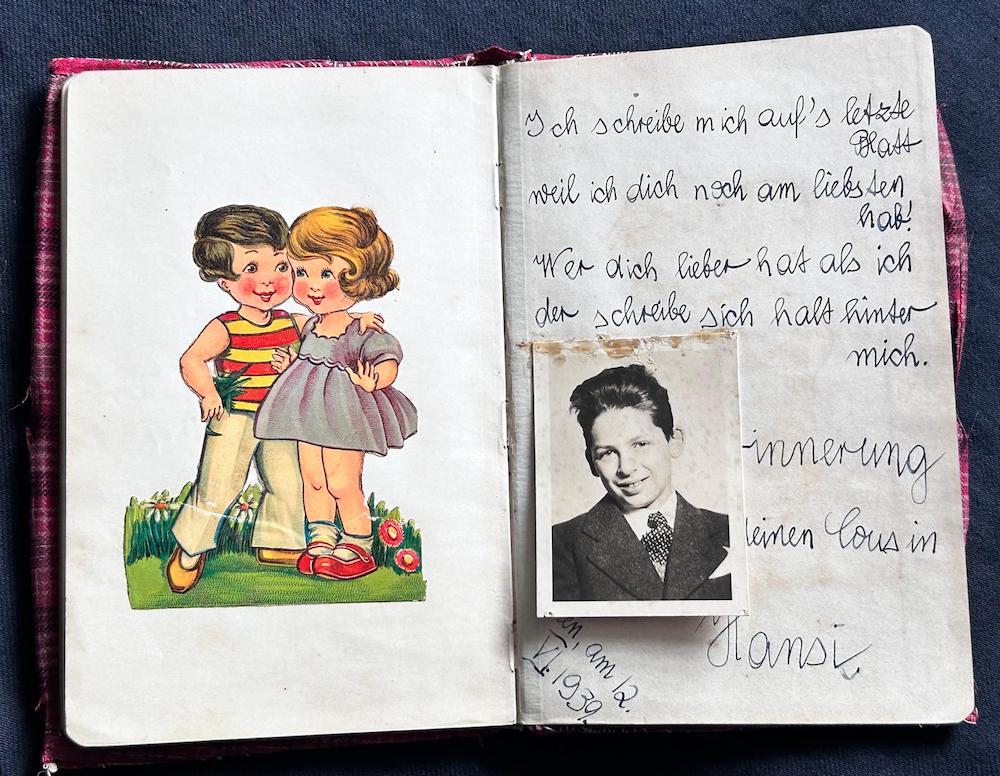
Lilly Lampert: Autograph book - cousin Hansi (popular saying):"I chose to write on the last page because I love you the most. If there is someone who loves you more
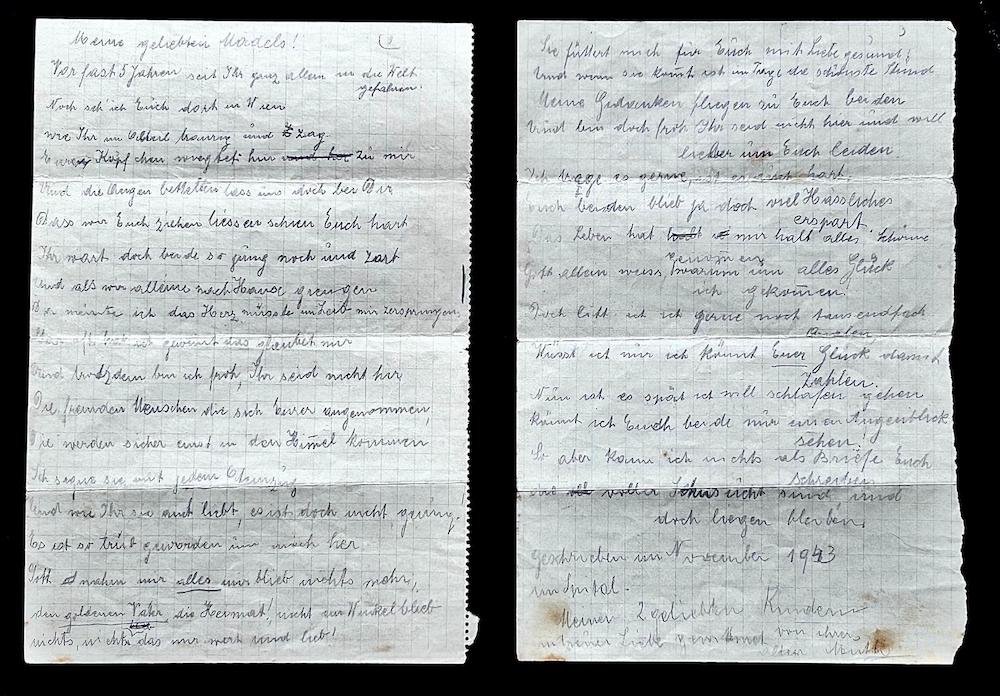
Lilly Lampert: "This is the last letter my mother wrote. She gave it to an aunt of mine who managed to survive and went to America and she sent me this letter from America
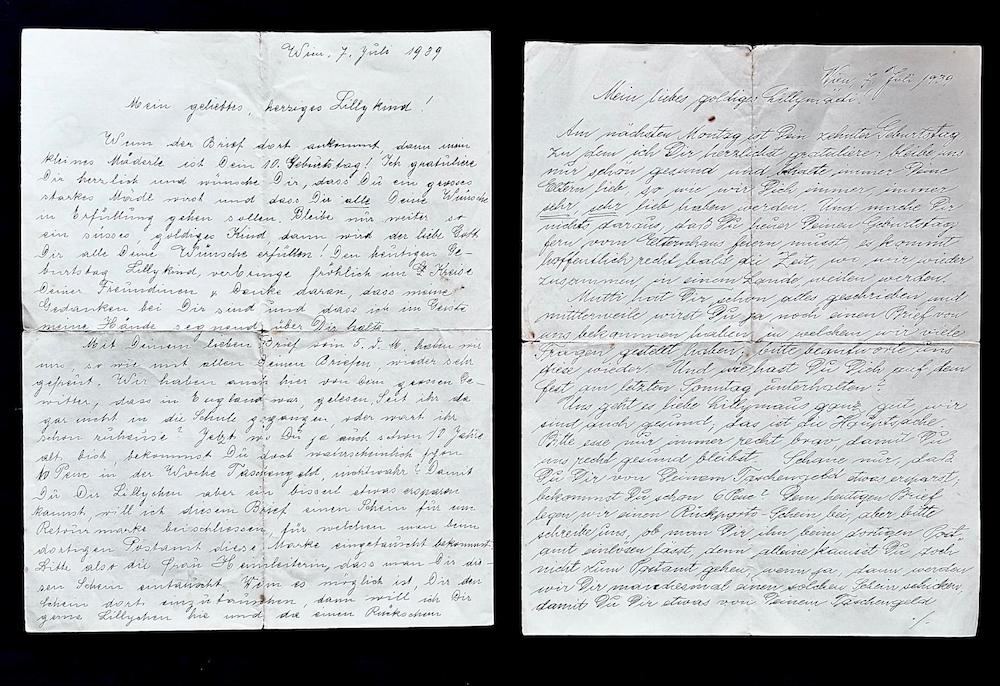
Lilly Lampert: LL: Parents' letter for Lilly's 10th birthday
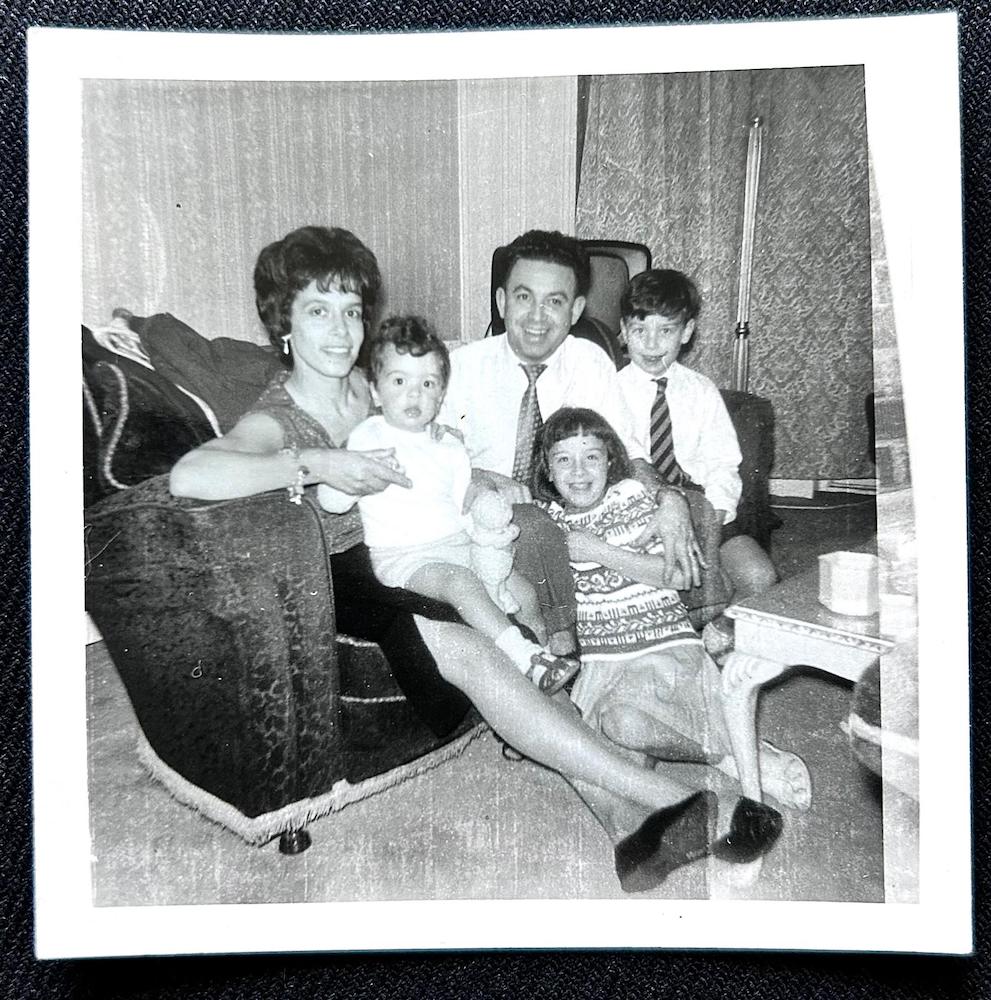
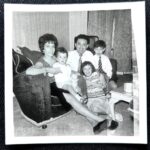
Lilly Lampert: Lilly and Martin with Jacqueline
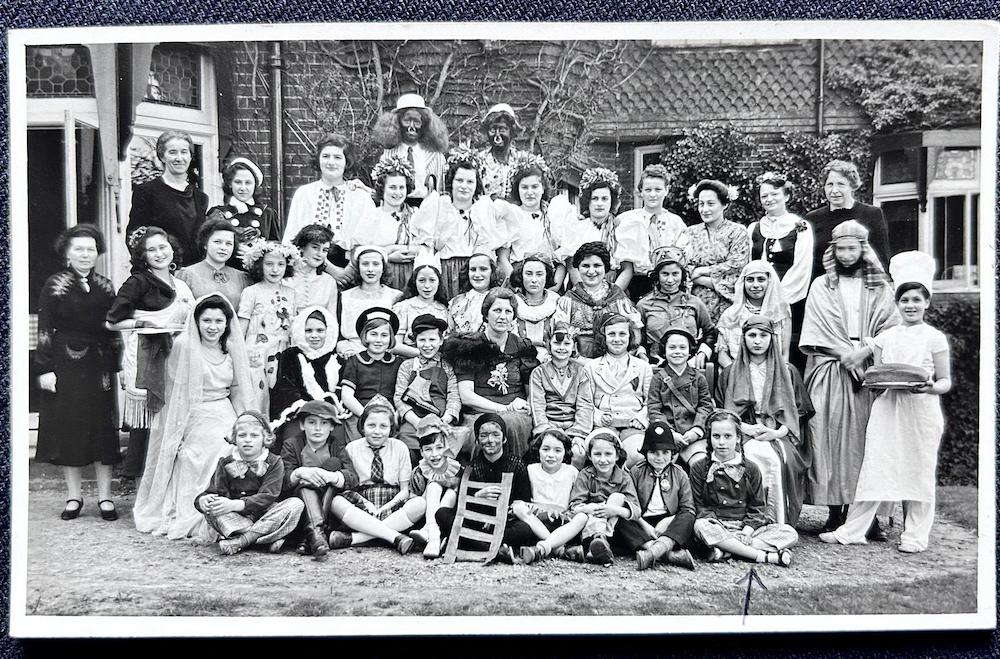
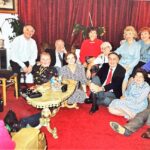
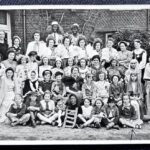
Lilly Lampert: Purim party
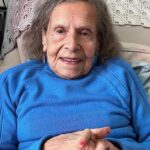
Lilly Lampert
Lilly Lampert was born in July 1929 to parents Arthur and Josefine Rosenbaum née Löwi in Vienna
Born: 1929
Place of Birth: Vienna
Arrived in Britain: 01/06/2026
Experiences: Kindertransport
Interview Summary
Lilly Lampert was born in July 1929 to parents Arthur and Josefine Rosenbaum née Löwi in Vienna. She lived in a flat in Novaragasse 20 until she came to England on a Kindertransport. Her mother was a homemaker and her father worked in an office and took Lilly on Sunday walks in the Prater. The family was not religious and didn’t often go to synagogue.
Lilly liked playing with her doll and making clothes for her. Her cousins Hansi and Franzi lived in the same house and they played in the garden a lot. She remembers that life in Vienna changed after the Anschluss and antisemitic songs being sung in the street.
Lilly’s sister Gerti was nine years older. She had piano lessons and was later sponsored by an English opera singer, Alfred Pickerver, to come to England. Gerti left Vienna first on a domestic visa and tried to get domestic visas for her parents. Lilly left on 13 June 1939. She remembers that her mother marked every bit of luggage with her name. Gerti was waiting for her at Liverpool Street Station. They went to Bloomsbury House together where a place was found for Lilly at The Beacon in Tunbridge Wells, a hostel for girls.
At The Beacon, Lilly met another girl from Vienna called Mella. They knew each other from the Jewish school in Vienna. Gerti joined Royal Army Medical Corps of ATS as a nurse and from then couldn’t visit often as Tunbridge Wells was in a restricted area and she needed police permission. Gerti later settled in America. Lilly had the opportunity to emigrate to the US too, arranged by an uncle; but by then she didn’t want to start all over again in a foreign country.
Soon after her arrival in England, the war broke out and she could only write and receive Red Cross letters from her parents. Lilly and other children from The Beacon were evacuated to Harrogate where they lived in Nissan huts. Later, Lilly lived for a while with an English family, the Rose family, but didn’t like it and returned to The Beacon where she felt better being together with other refugee children who were by then her friends and substitute family. At the age of 14, Lilly started working in a nursery and kept living in The Beacon. In 1947 she moved to London where she lived in a hostel in Willesden and looked as a nanny after a little boy. Then she worked in a factory that produced swimsuits and also modelled them.
She met her husband Martin in the Lyceum Ballroom at a dance in 1949 and they got married in 1949 and had three children. Martin was a fellow refugee from Mukachevo (present-day Ukraine).
At the end of the interview, she is joined by two of her children and reads a letter from her mother which she wrote 1943 in Theresienstadt and gave to a relative who survived and sent it to Lilly after the war.
Keywords: Vienna. Löwi. Kindertransport. The Beacon. Tunbridge Wells. Willesden hostel. Harrogate Nissan huts. Scotland. Lampert. Mukachevo. Alfred Pickerver. Lyceum Ballroom.
Place of Birth
95 I'm going to be, good God. That's ancient, isn't it? My son asked me once, ‘Am I–are we–from a long living family?’ I said ‘I don't know. My parents didn't die under normal circumstances so I don't know how long they would have lived.
REFUGEE VOICES is the AJR’s groundbreaking Holocaust testimony collection of filmed interviews with Jewish survivors and refugees from Nazi Europe who rebuilt their lives in Great Britain.
The copyright of personal photos and documents on the site is held by each interviewee and may not be reproduced without their permission. Please contact the AJR if you would like to use any of the images and documents.