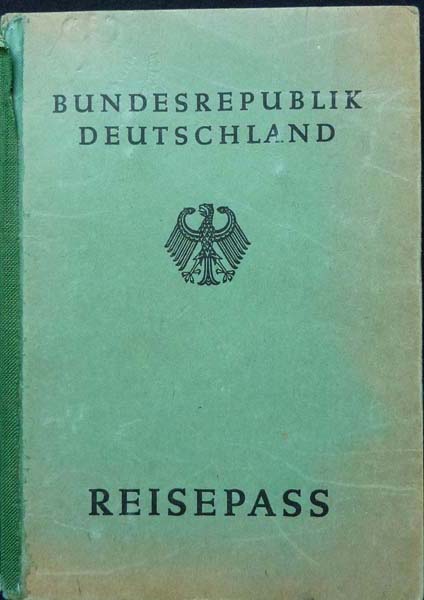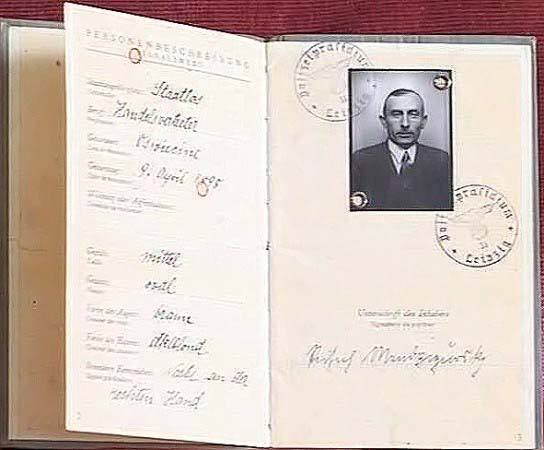
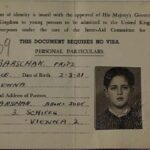
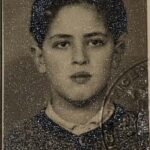
Fred Barschak: Refugee document when leaving Vienna
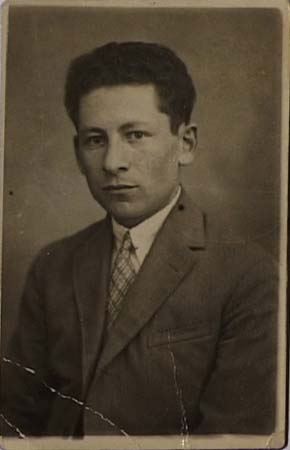
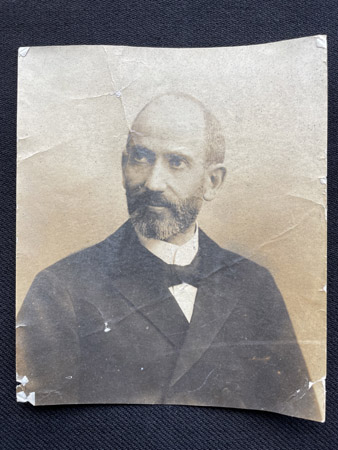
Fred Barschak: Philip Levy at around 20 years old
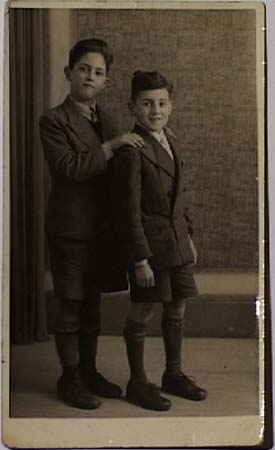
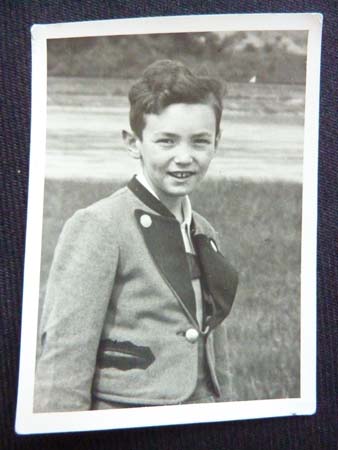
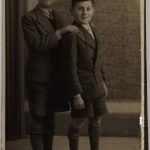
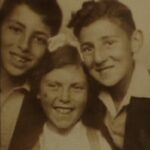
Fred Barschak: Foster brother and Fred soon after arrival
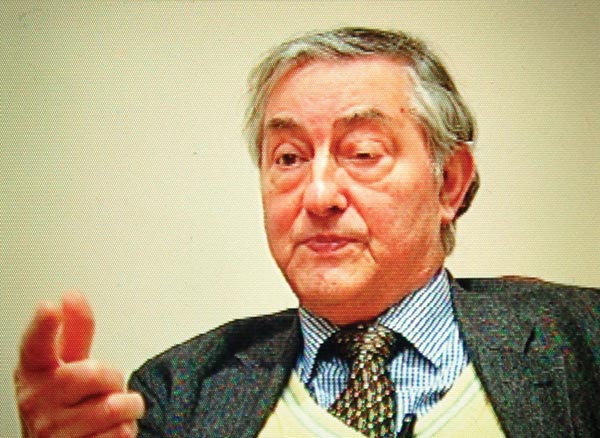
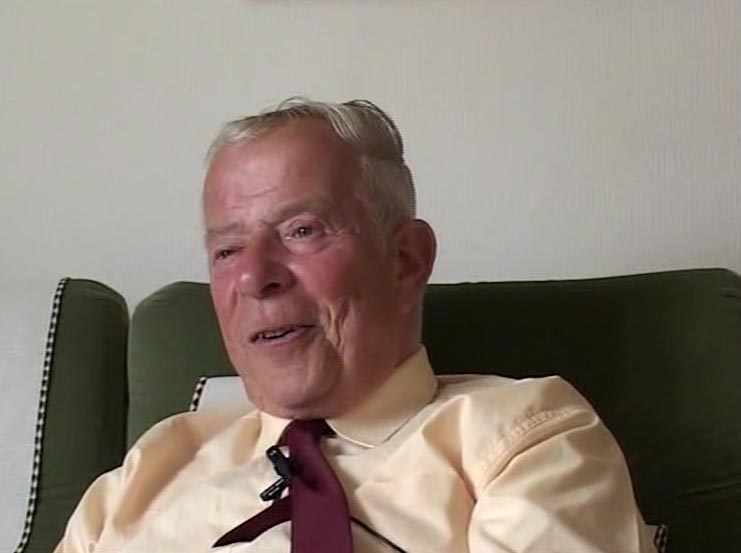
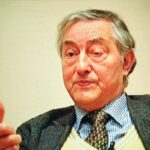
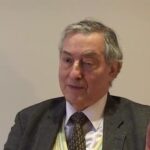
Fred Barschak: February 2007
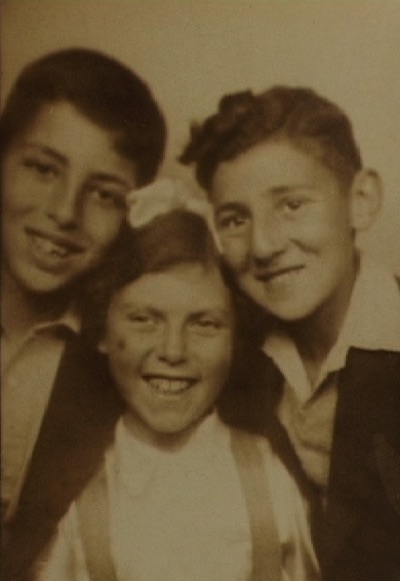
Fred Barschak: Fred with cousins
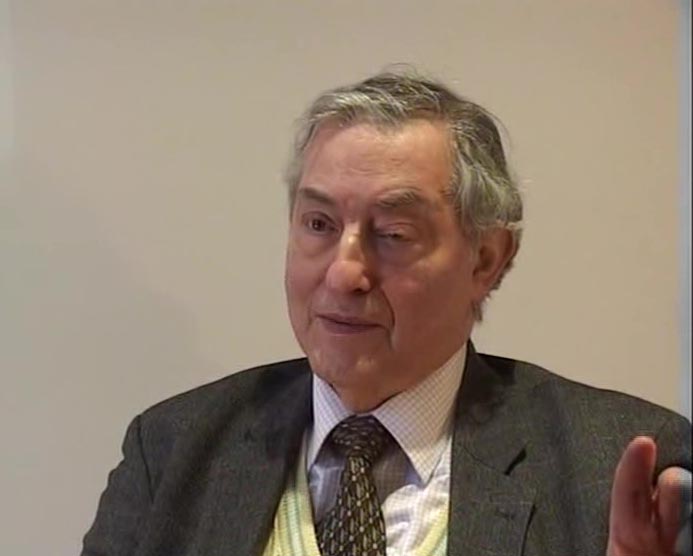
Fred Barschak: 2007
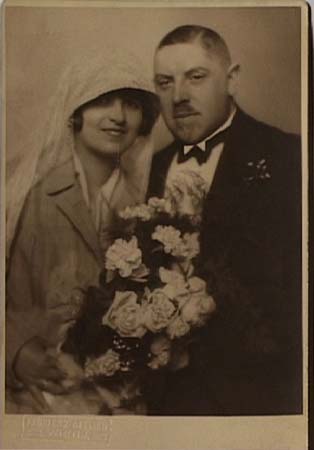
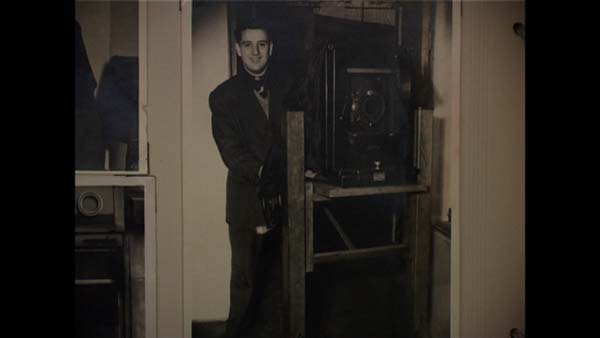
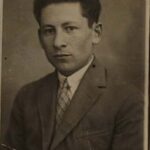
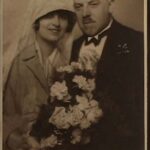
Fred Barschak: Parents
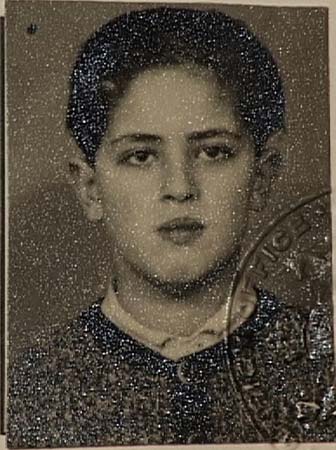
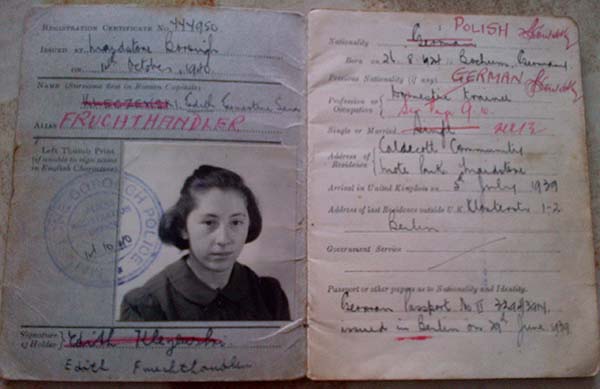
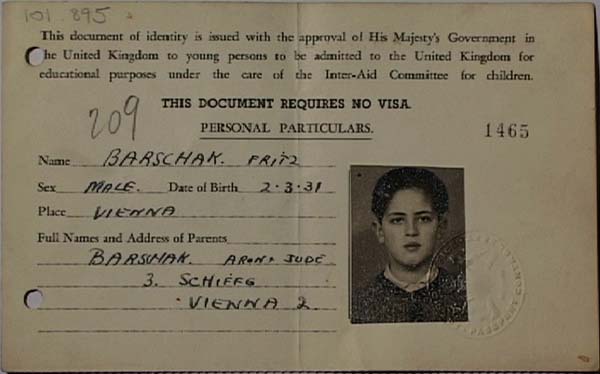
Fred Barschak: Refugee document when leaving Vienna
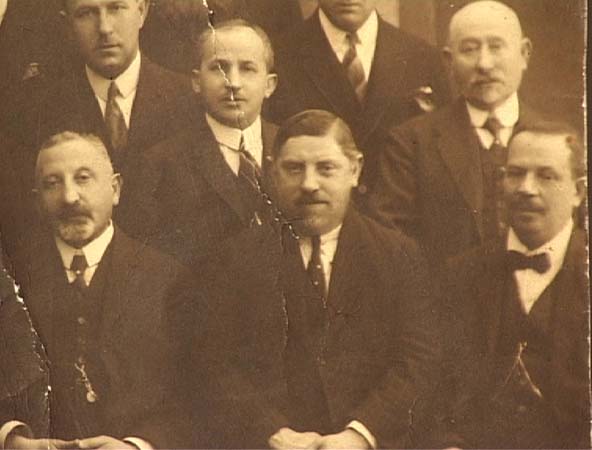
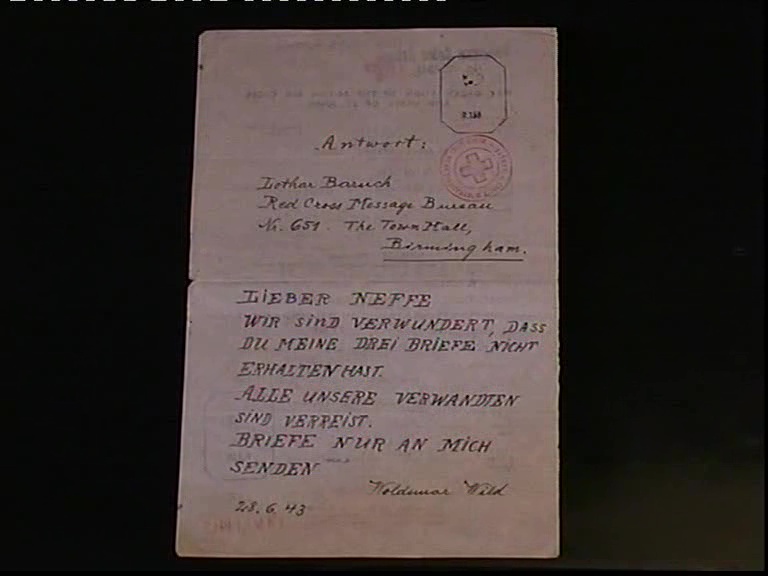
Fred Barschak: Kulturs
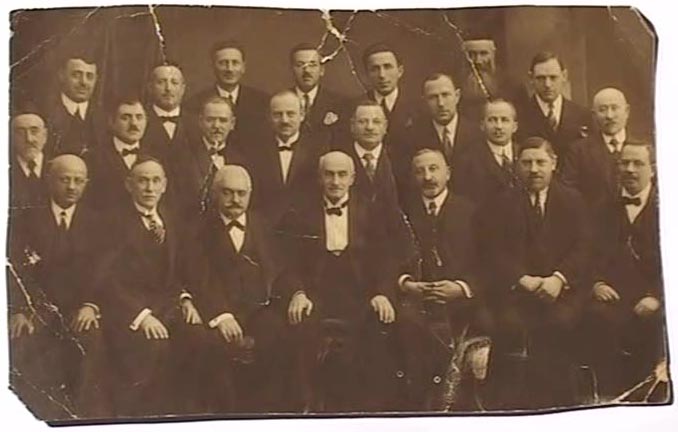
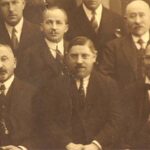
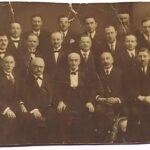
Fred Barschak: The Kultusgemeinde, or the Committee of the Mizrachi, Vienna, pre-WW2
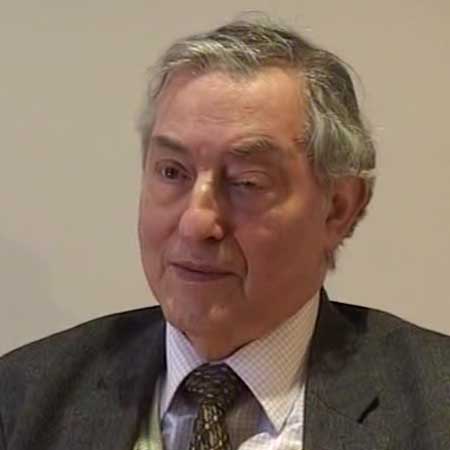
Fred Barschak: March 2007
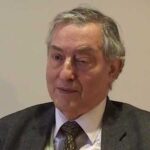
Fred Barschak
Fred Barschak, nee Fritz Barschak, was born 1931 in Vienna
Born: 1931
Place of Birth: Vienna
Arrived in Britain: 12/12/1938
Interview Number: 149 S)
Experiences: Kindertransport , Saved by a Righteous Among The Nations , With Foster Family
Interview Summary
Fred Barschak, nee Fritz Barschak, was born 1931 in Vienna. His father owned a kosher restaurant in Vienna, Restaurant Barschak. He was sent on a 1938 Kindertransport organised by Truus Wijsmuller and taken in by a Jewish foster family in Hull. He was evacuated to Swanland and came back to his initial foster parents in 1940. His parents and younger brother did not survive. Studied in Oxford and became property developer. Very involved in Holocaust related issues and the ‘Hampstead Stiebel’, a small synagogue near Finchley Road Underground Station.
Place of Birth
I used to love to go…It wasn’t every Sunday but most Sundays in the better weather from about March till September, October, Sunday morning my father took me to the Vienna woods and particularly one restaurant sitting on top of – now, where was it? You know my memory’s gone - the Klagenfurt, perhaps. No it wasn’t, just outside Vienna. I’ve forgotten the name. It’s right on top of a huge hill and I was always treated to a glass of sour milk. We got a tram to a certain point. It was out in the country already and it doesn’t exist anymore. I’ve tried desperately on my four visits to Vienna to find that tram and I never could find it. And then there was always a bus waiting at the end of the tram and that bus took us through the woods to the café, which does exist because on the last visit I visited the café and we had a glass of sour milk in summer.
She [Fred's half sister] was murdered along with many other mental patients [during the November Pogrom (Kristallnacht)]. My father was called to Gestapo headquarters. It was very perfunctory. ‘Sign here.’ ‘What am I signing for?’ ‘A box.’ ‘What does the box contain?’ ‘The ashes of your daughter; she died during the night. Take them away.’ That’s all. He went in. He went out. And there we are.
Another thing was in a sense, it sort of was the epitome of this awareness - the visit of 1937, a year before the Anschluss, of the Graf Zeppelin, that huge airship which was moored over the Donaukanal, which was 150 yards up the street from our hotel. So I went there and suddenly there was this huge thing, this cigar floating in the air. And, well it had the swastika on the tailpiece. And I was suddenly perfectly well aware. It’s as if you know in retrospect. I wouldn’t have thought that thought then – the idea of the domination of the swastika over Austria. But that’s the effect they wanted.
Don’t make victims of others and don’t be a victim yourself. If you take measures to deal with the dangers before they are impossible to deal with, then perhaps help will come for you.
She [Truus Wijsmuller, who had come to Vienna to negotiate with Adolf Eichmann to allow the Kindertransport release of 600 children after the November Pogrom (Kristallnacht)] said: ‘I’ve come to take 600 children out of Vienna.’ ‘When do you want to take them?’ She said: ‘Tomorrow if I can.’ ‘Right. You will take them on Saturday.’ The choice of inflicting pain on orthodox parents that the children should travel on Saturday–dafke [on purpose]–was something very, very Eichmann-y. The joke is he didn’t know that there is a very clear rule: For the saving of life, the rules of Shabbat are set aside. ‘Pikuah nefesch tochei Shabbat’. Anyhow, OK, Saturday. I knew nothing except that suddenly a whole load of new clothes appeared, clothes I’d never seen: suit, trousers, new underwear, shirts, everything. All new. And there we are. And, suddenly, I knew that I was going.
REFUGEE VOICES is the AJR’s groundbreaking Holocaust testimony collection of filmed interviews with Jewish survivors and refugees from Nazi Europe who rebuilt their lives in Great Britain.
The copyright of personal photos and documents on the site is held by each interviewee and may not be reproduced without their permission. Please contact the AJR if you would like to use any of the images and documents.