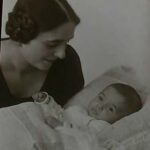
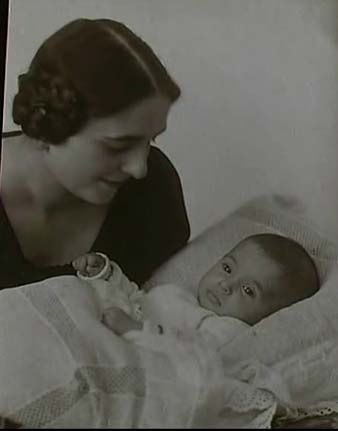
Hortense Gordon: Mother and Hortense
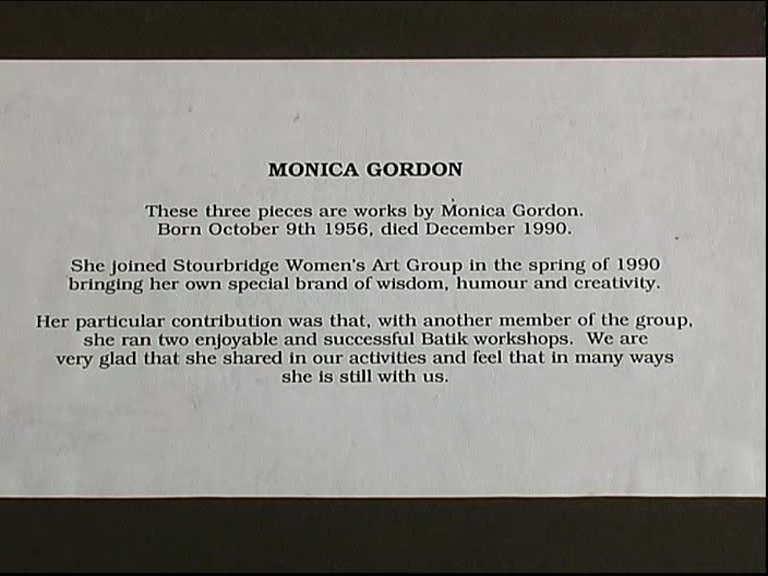
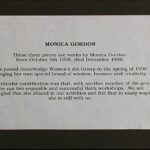
Hortense Gordon: Invitation to commemorative exhibition of art by HG's daughter Monica
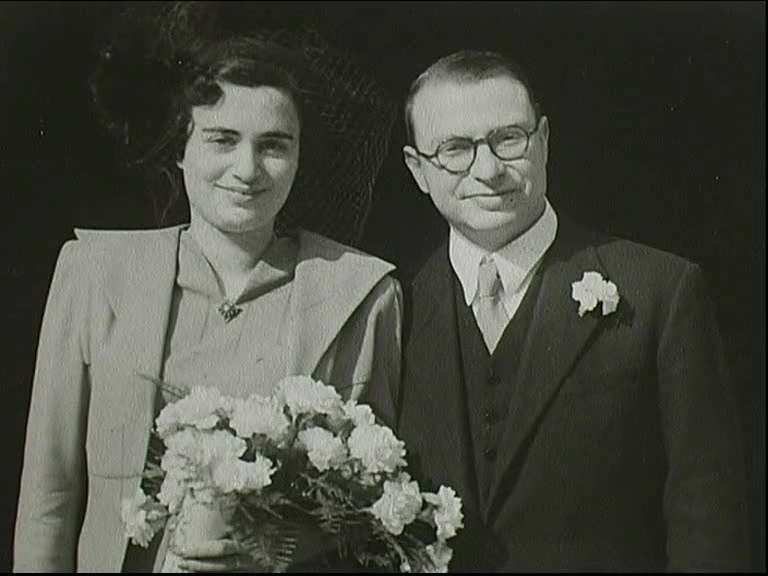
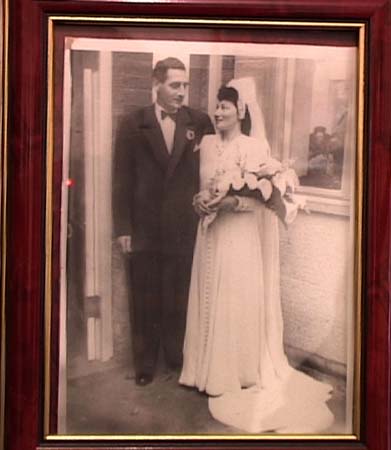
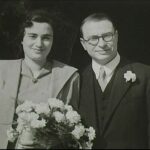
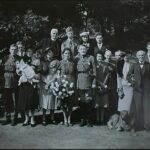
Hortense Gordon: Wedding at the West London Synagogue on the 12th of March 1950.
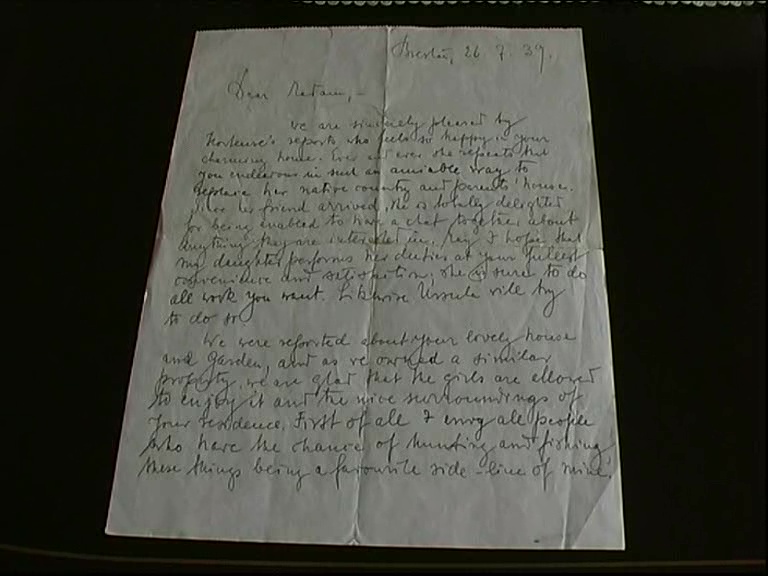
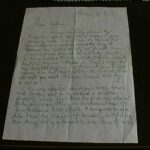
Hortense Gordon: Letter written by HG's father to her employer
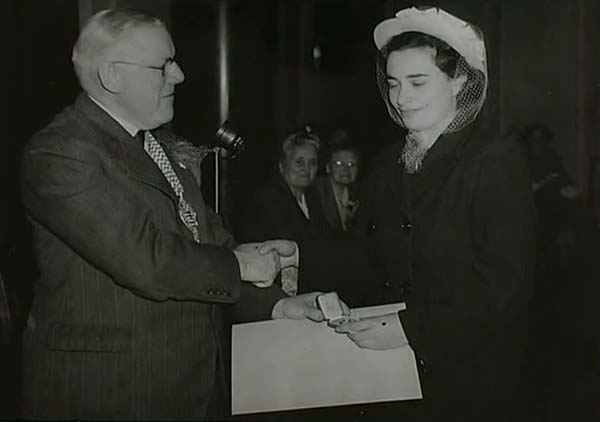
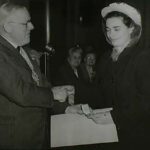
Hortense Gordon: Receiving her Gold Medal as best nurse in the London County Council Hospitals, County Hall, London, 1947. "It was a very exciting moment."
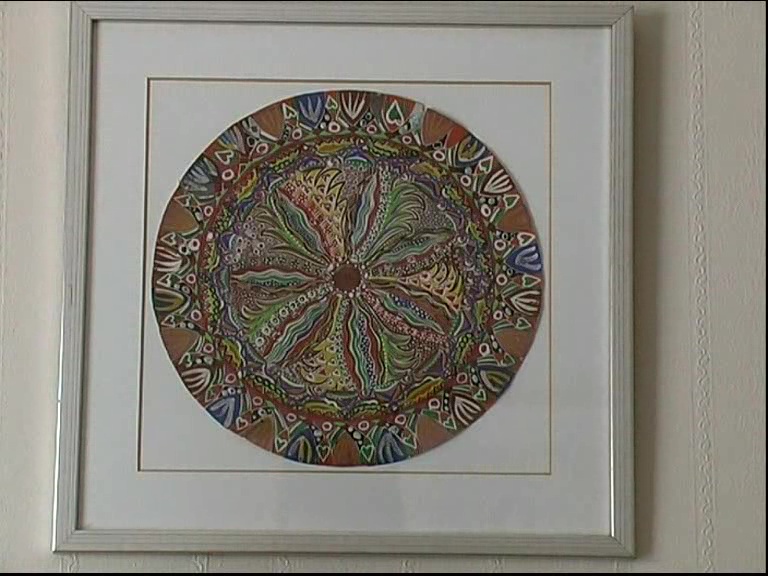
Hortense Gordon: Drawing by daughter Yvonne
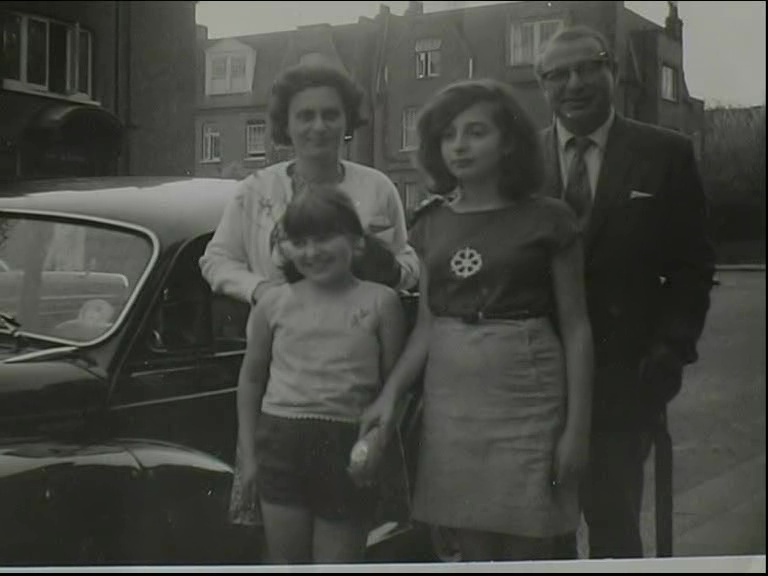
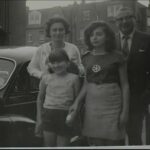
Hortense Gordon: With husband and daughters Yvonne and Monica in front of their first car, a Morris Minor, London, 1966
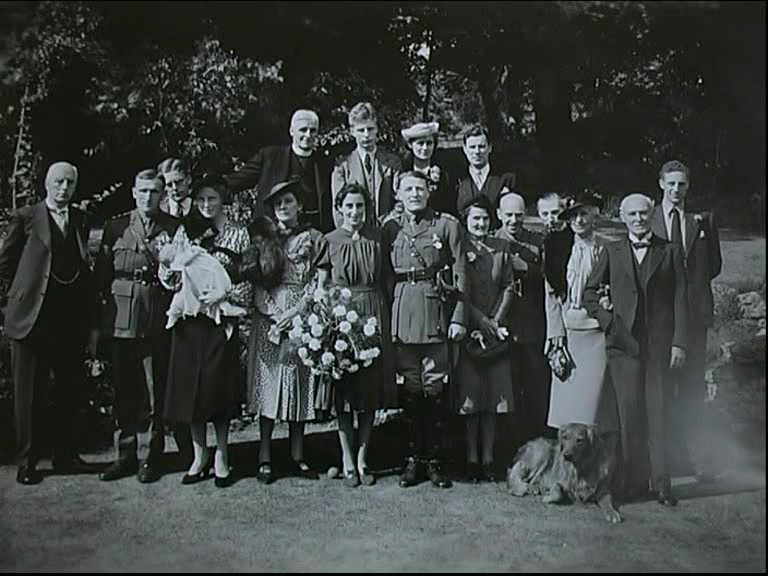
Hortense Gordon: Wedding of youngest daughter of employer, September 1939. "They had the reception in the house and I prepared the reception which wasn’t actually a total success because I wasn’t familiar with English food."
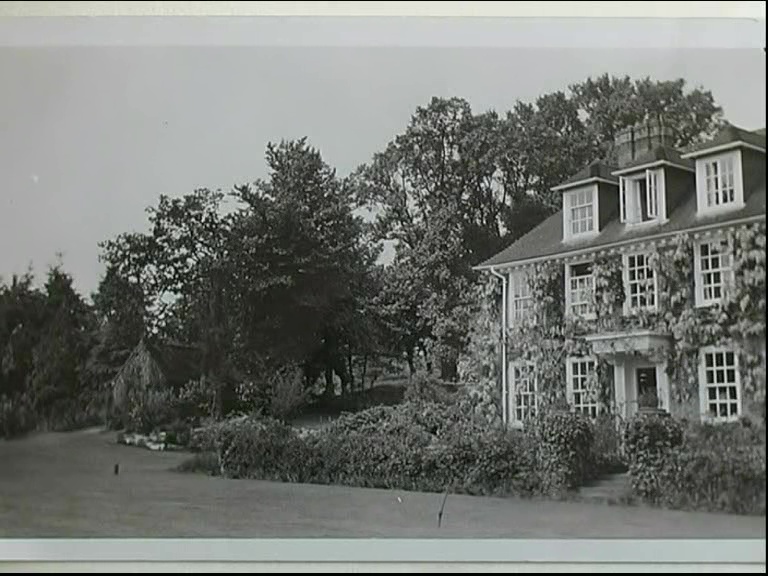
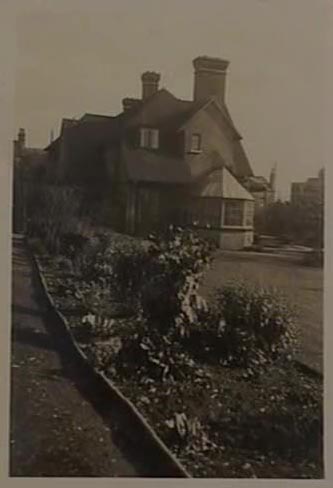
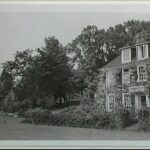
Hortense Gordon: House of the Hunt family
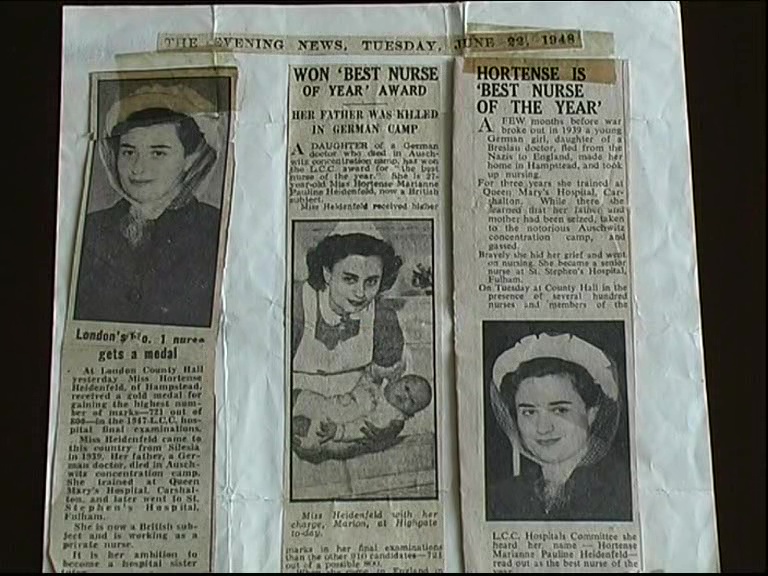
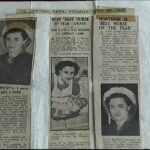
Hortense Gordon: Press clippings about Nurse of the Year award. "I was interviewed by the Evening News when they heard about this award. They wrote a little article about me. At the time I was doing private nursing looking after a baby whose parents had gone away on holiday
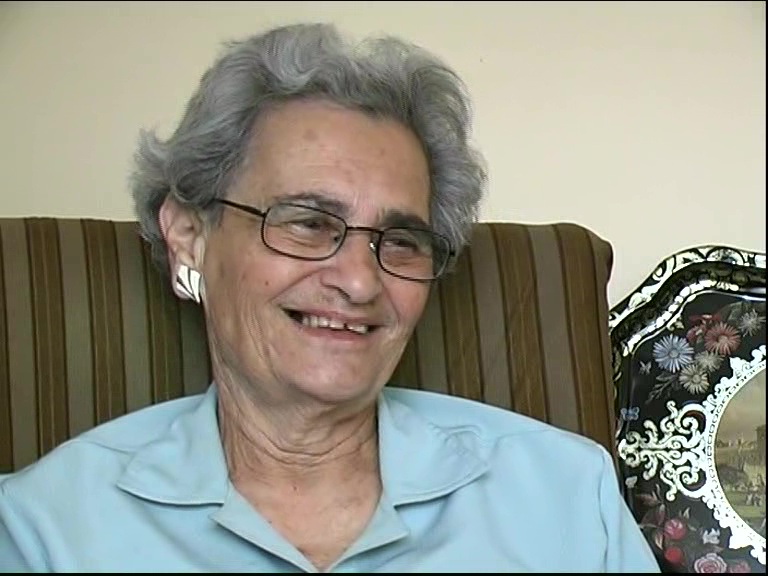
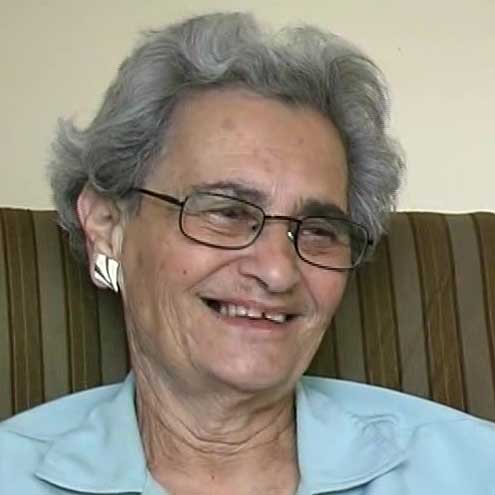
Hortense Gordon: July 2004
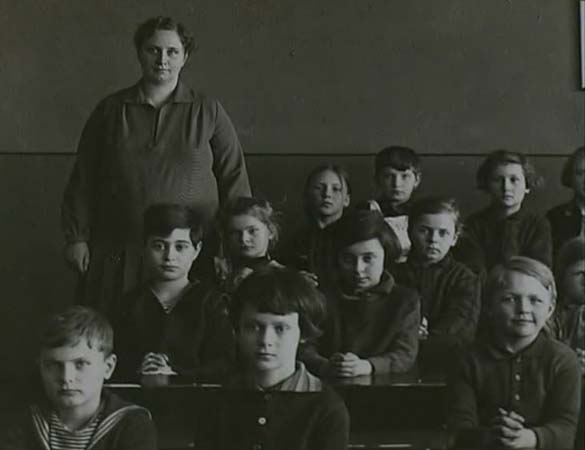
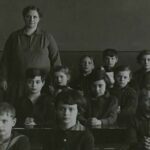
Hortense Gordon: Primary school class
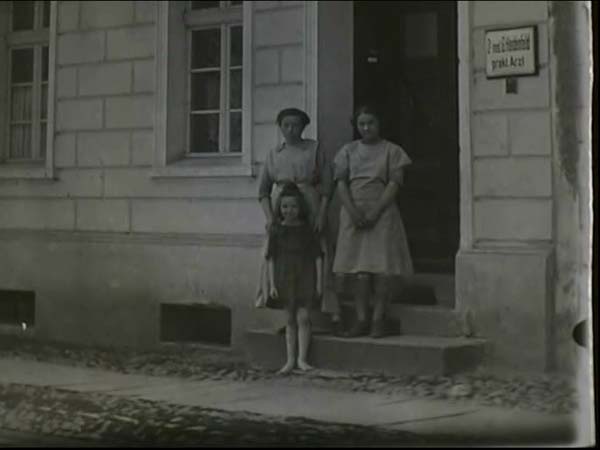
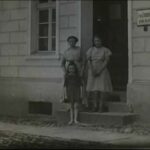
Hortense Gordon: Hortense's home in Breslau, late 1920s. "It’s a very large house, 20 rooms. My father’s practice was in this house, and it took up a number of rooms, waiting rooms, consulting rooms, and various other offices and things. The children, my sister and I and our nanny had our own little suite, and there were some large reception rooms because there were lots of parties in our home. There was a music room and a grand piano and a library with several hundred books. Yes, the huge basement with even central heating in those days and a garden and a huge kitchen so it was a very substantial house and home."
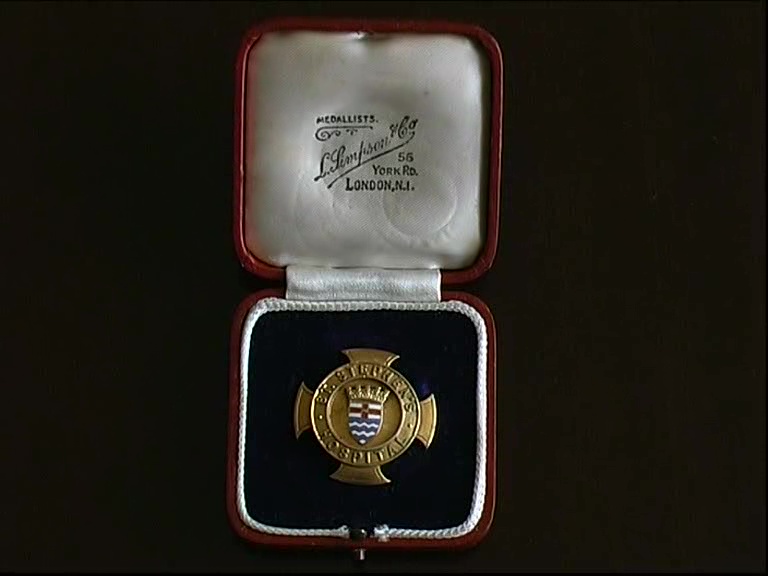
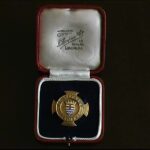
Hortense Gordon: Nurse of the Year Gold Medal
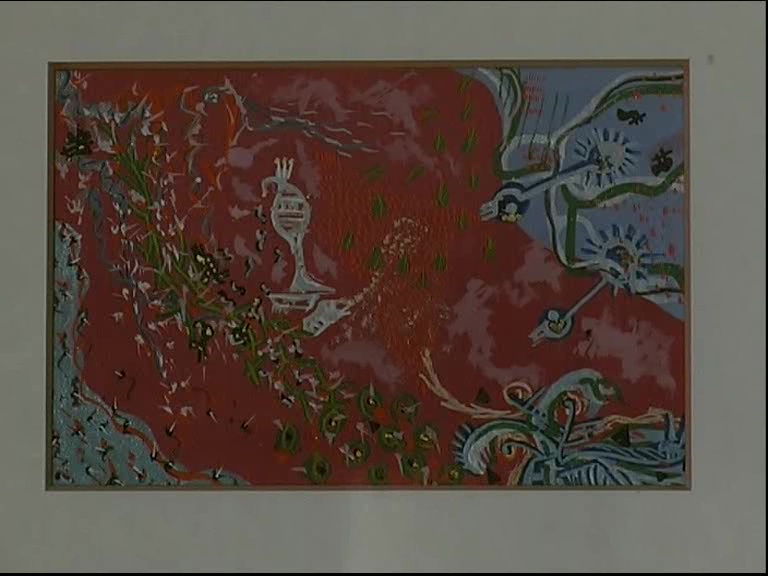
Hortense Gordon: Drawing by daughter Monica
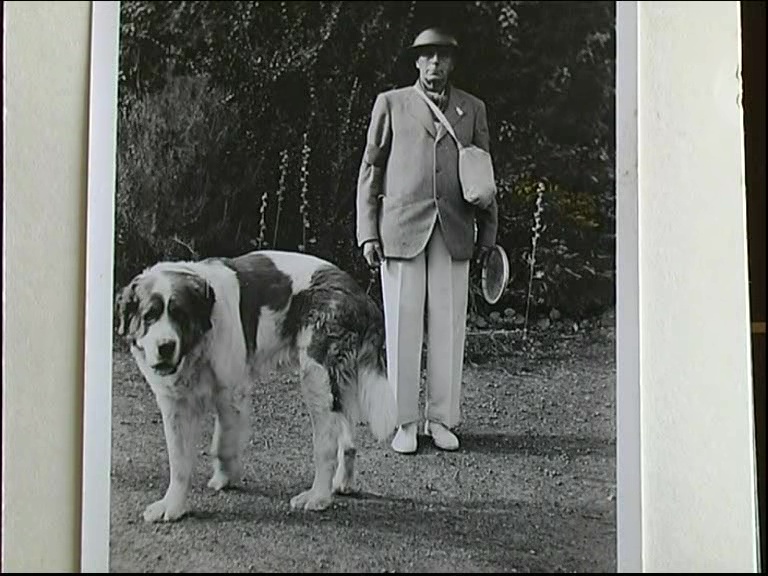
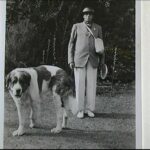
Hortense Gordon: Employer Mr Hunt during a wartime tennis party, with dog, gas mask and tin hat. "This is Mr Hunt at one of the Sunday afternoon tennis parties in the war, with the St Bernard dog, tin hat, gas mask and tennis racket. These afternoons took place quite often"
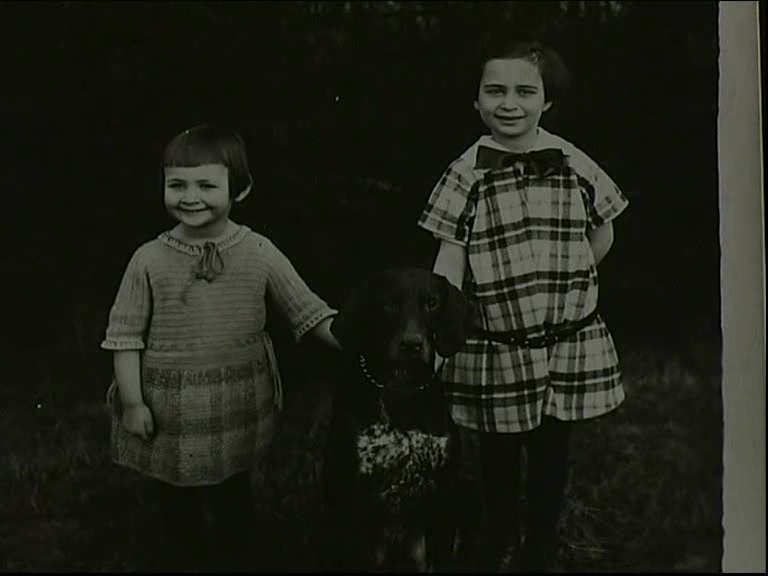
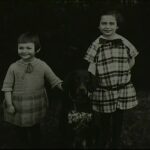
Hortense Gordon: With little sister Beate Heidenfeld
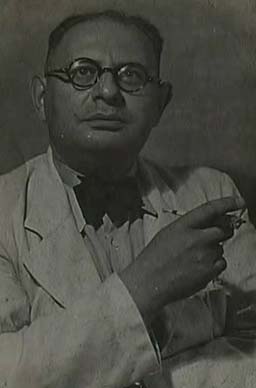
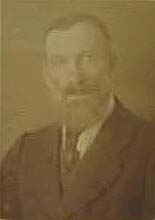
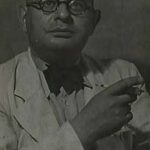
Hortense Gordon: Father
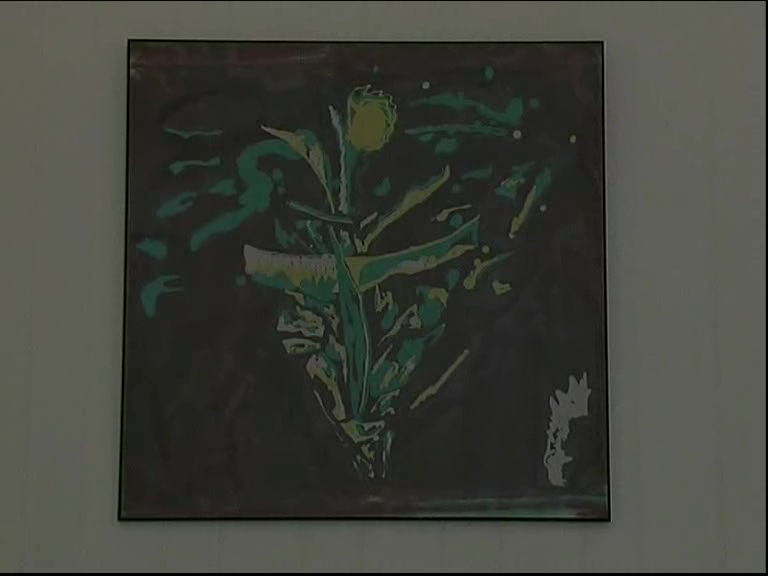
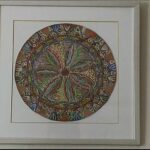
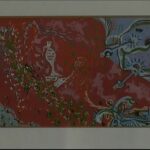
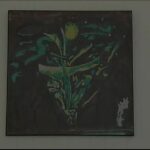
Hortense Gordon: Batik by daughter Monica
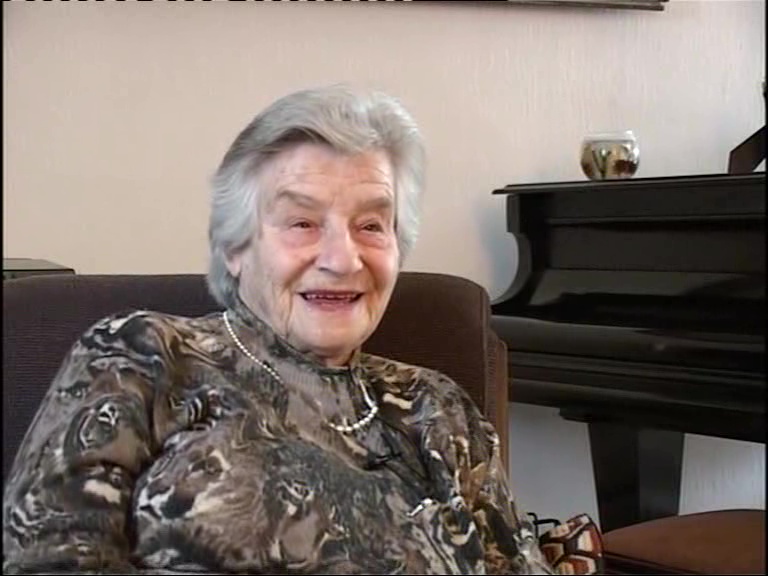
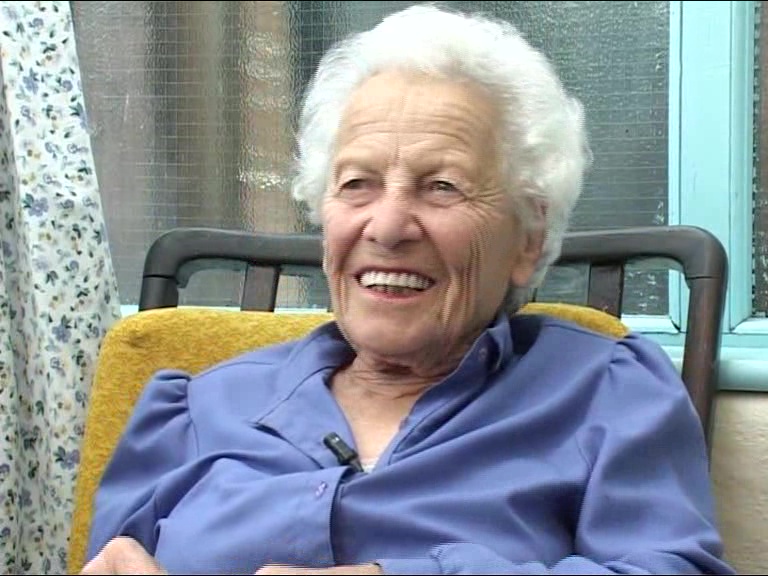
Hortense Gordon
Hortense Marianne Heidenfeld was born on the 21 September 1920 in Breslau to a well off Jewish family: her father was a GP and her mother was a housewife
Born: 1920
Place of Birth: Breslau
Arrived in Britain: 01/05/1939
Interview Number: 65 (S)
Experiences: Domestic Service , Wartime Medic
Interview Summary
Hortense Marianne Heidenfeld was born on the 21 September 1920 in Breslau to a well off Jewish family: her father was a GP and her mother was a housewife. She describes her family as Liberal, Jewish, neither religious nor Zionist and very emancipated and rooted in their surroundings.
She first encountered antisemitism during the 1933 boycott, when patients were banned from attending her father’s practice. The turning point for her occurred in 1934 when her best friend told her that her parents had forbidden her from speaking to, or having any contact with Jewish people. A year later, her father was accused of performing illegal abortions and imprisoned, an event that led to a marked deterioration in the family’s financial situation.
When Kristallnacht took place she was working as an au pair for a Jewish family in Breslau and getting ready to immigrate. Hortense recalls the trauma of seeing synagogues being burned and shops looted.
In May 1939 Hortense immigrated to England on a domestic permit and worked for three years as a Domestic cook General for an English family in Surrey. She describes her encounter with British life as being very strange and different at first, giving as an example the first time she was asked to bake a Shepherd’s pie and how unaccustomed she was to cooking meat and pastry together. The family treated her very well and even after leaving for London she was often invited to spend the weekend at their house.
Mrs Gordon’s extensive career began in 1941 when she started her training as a children’s nurse at the Queen Mary Hospital in Carshalton. Her career reached its apogee in 1948 when she was presented with a gold medal award for Nurse of the Year. She describes vividly her night shifts during the Blitz, how she was the only nurse on duty attending to 31 children and how she had to wear a tin hat and gas mask for protection. Hortense also recalls the social segregation that was prevalent in hospitals, citing as an example the tendency for refugee nurses to always get the worst rooms in the ward.
Until 1941 she received occasional letters from her family through the Red Cross. Later, she learned that her parents and sister had been killed at Auschwitz.
Mrs Gordon tends to give a brief statement about her personal life: she married Rupert Gordon in 1950, had two children.
Place of Birth
In the Blitz I was in London. I started my nursing training in Queen Mary’s Hospital in Carshalton, for sick children. And they were there for literally years. With polio, bone TB, rheumatic fevers - really long term things. And they used to be visited once a fortnight for one hour by their parents. Can you imagine? And there was one nurse on the ward at night for twenty eight children.
A beautiful house in very large grounds, lots of rooms, tennis court, two cars, and very beautiful as you can see in the picture. After war broke out and all the other staff left, I was the head cook and bottle washer, who kept the household going.
They [her doctor father’s patients] were from all walks of life, from the labourer to the farm workers to the counts of the manor. There was this boycott day which I will always remember, when the Nazis stood in front of our house and forbade the patients from coming in.
When war was declared? It was a lovely sunny day. None of you know this, but it was a lovely sunny day. It was a Sunday, and I was cooking roast beef and Yorkshire pudding and peas and was podding the peas. And Mrs Hunt came in the kitchen and said, ‘War, we are now at war with Germany’. And that of course was very traumatic because one knew that everything was, well, cut off then. But still work was so demanding one didn’t even have time to think about it.
They [her employers] had the [youngest daughter's wedding] reception in the house and I prepared the reception which wasn’t actually a total success because I wasn’t familiar with English food.
Well strange was of course the food and me being cook. I found it very strange because a lot of the food, of course, I didn’t even know. For instance, one of the daughters got married just as the war broke out, and the reception was at home, and I was asked to make veal and ham pie. Well the ham didn’t worry me, the veal didn’t worry me, but the pie bit worried me, because that’s a totally not continental thing, to serve meat and pastry. Pastry is jam or cheese, or God knows what, but certainly not meat. And it was an absolute disaster that I produced there, and somehow we survived it, I don’t know, the pastry, so called, was that hard, they needed a chain saw to cut it. However, it was OK.
We went to Lyon’s Corner House and had lunch, which was absolutely fantastic because we hadn’t, of course, been in a restaurant or anything like that in Germany for years.
REFUGEE VOICES is the AJR’s groundbreaking Holocaust testimony collection of filmed interviews with Jewish survivors and refugees from Nazi Europe who rebuilt their lives in Great Britain.
The copyright of personal photos and documents on the site is held by each interviewee and may not be reproduced without their permission. Please contact the AJR if you would like to use any of the images and documents.