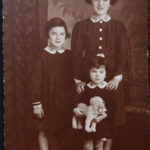
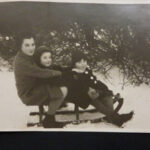
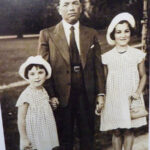
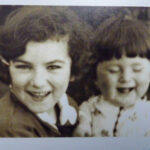
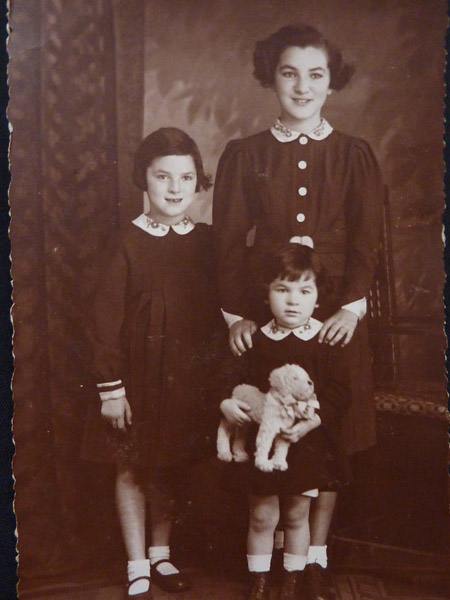
Betty Bloom: With her older sister Ruth and her younger sister Bronia
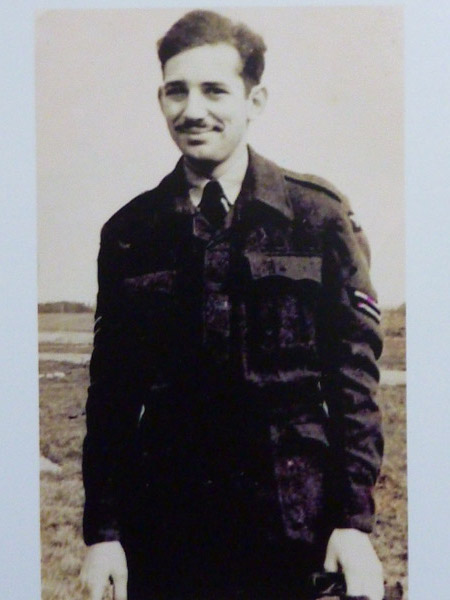
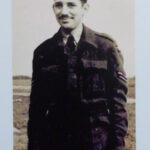
Betty Bloom: Husband Alan
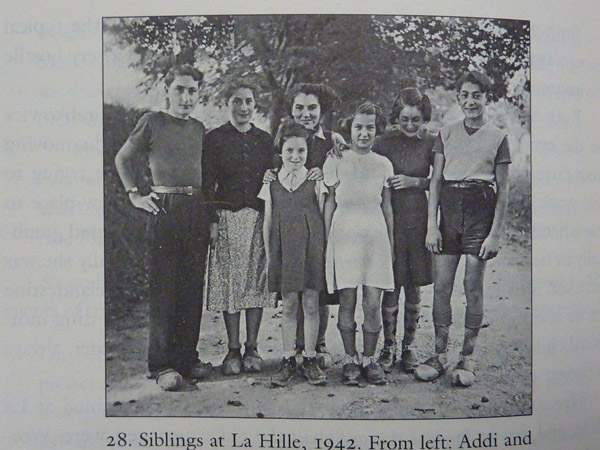
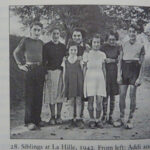
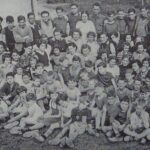
Betty Bloom: "Photo taken in La Hille of a group of brothers and sisters of whom there were several. Ruth and I are in the middle of the photo. "
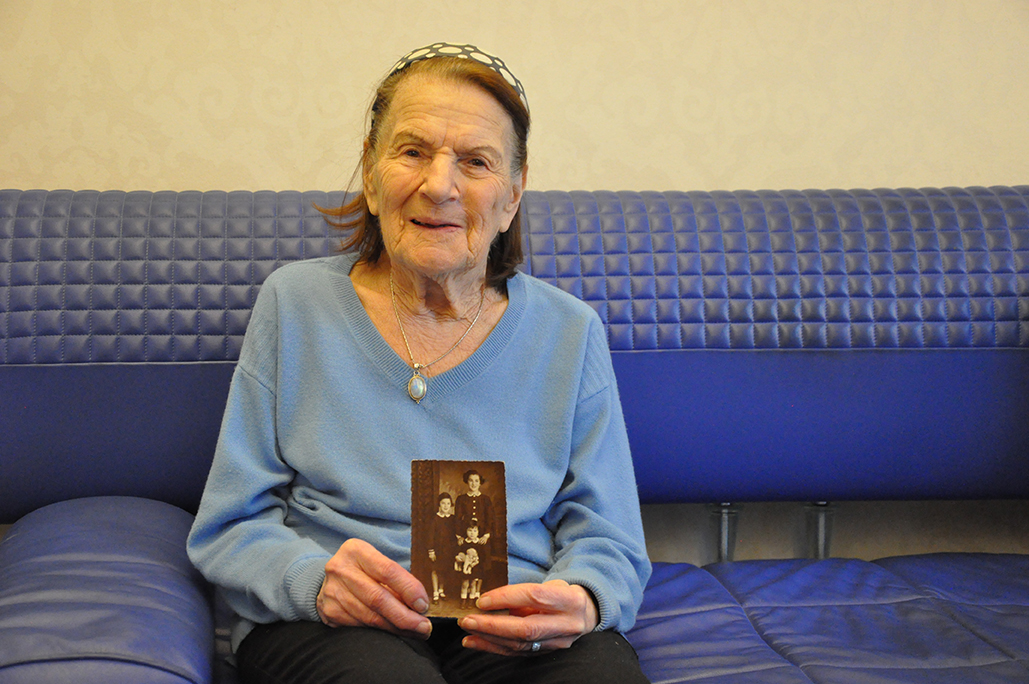
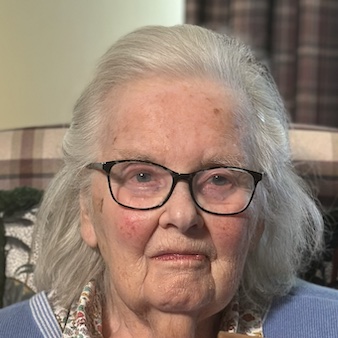
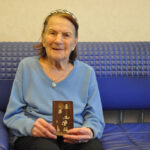
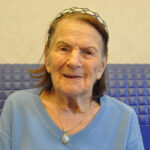
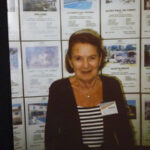
Betty Bloom: Betty Bloom 2020
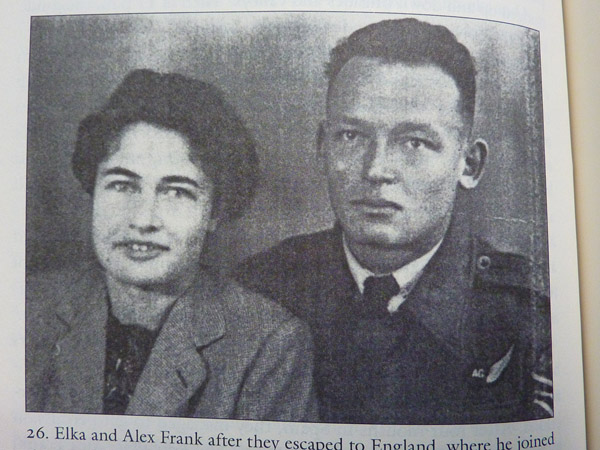
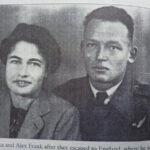
Betty Bloom: Devoted couple Alex and Elka Frank who looked after the children in Belgium and later in France up to about 1942
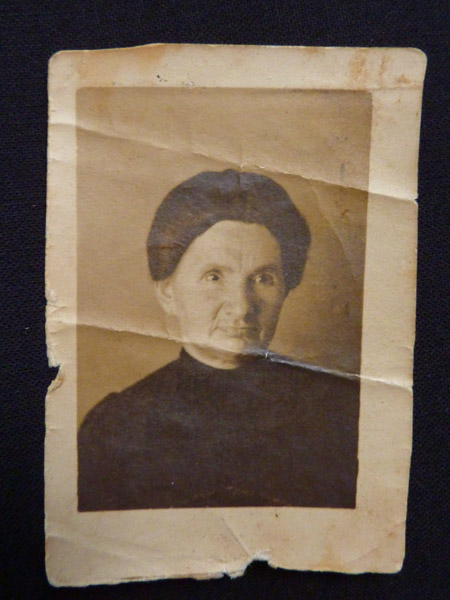
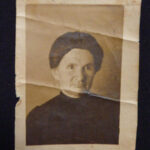
Betty Bloom: Paternal grandmother
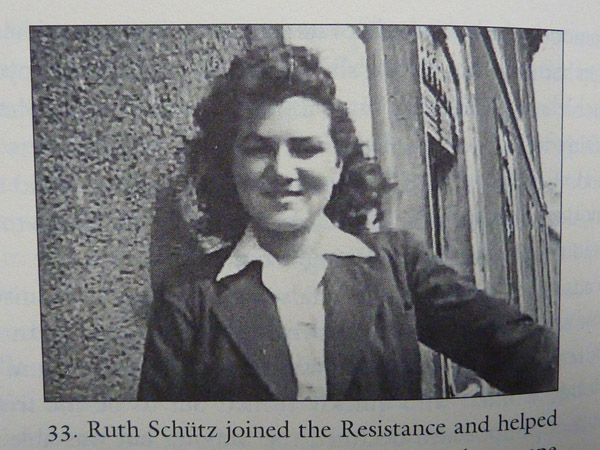
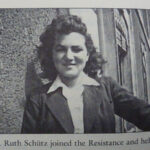
Betty Bloom: Her older sister Ruth
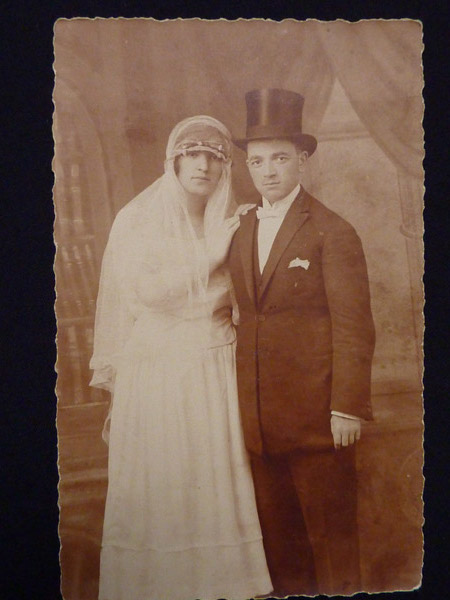
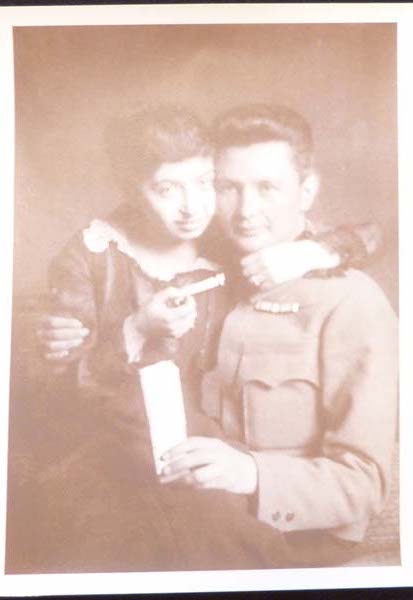
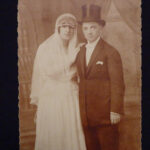
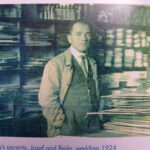
Betty Bloom: Her parents
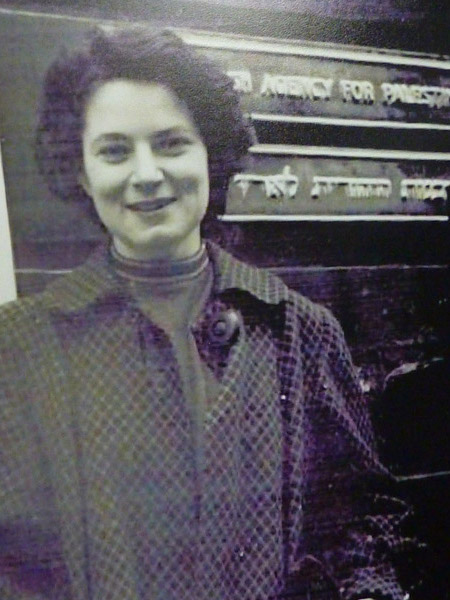
Betty Bloom: "I'm working in the famous building
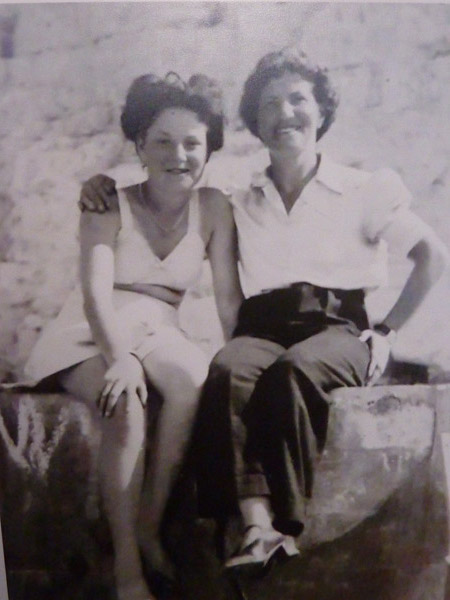
Betty Bloom: "Reunited with my mother
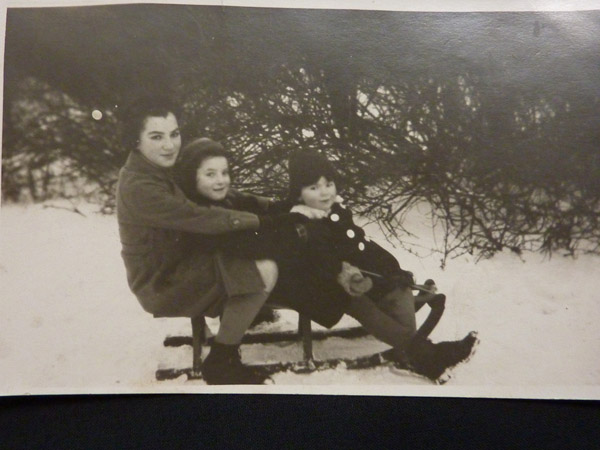
Betty Bloom: Ruth
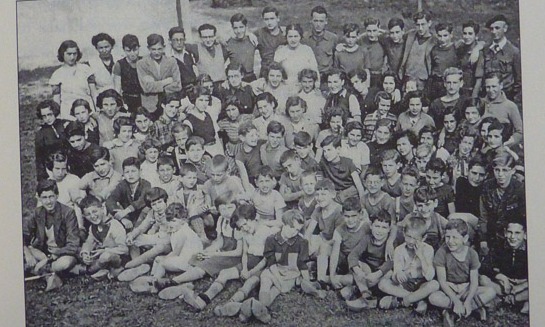
Betty Bloom: Group photo taken shortly after her arrival in Seyre
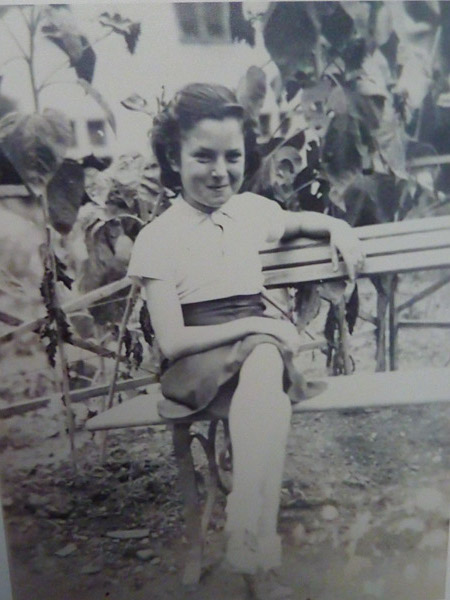
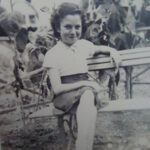
Betty Bloom: "A picture of myself at liberty in Bern towards the end of the war
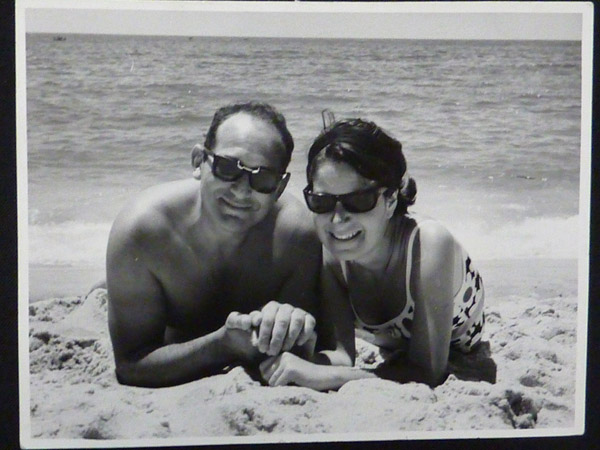
Betty Bloom: "Enjoying a holiday with Alan in Portugal in 1962 "
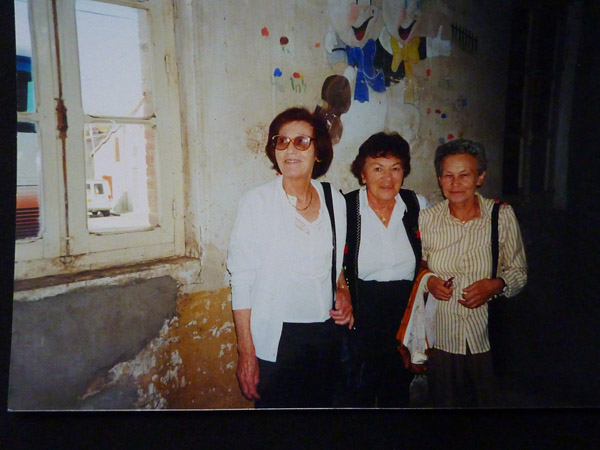
Betty Bloom: "Paintings of Disney cartoons made by Friedel
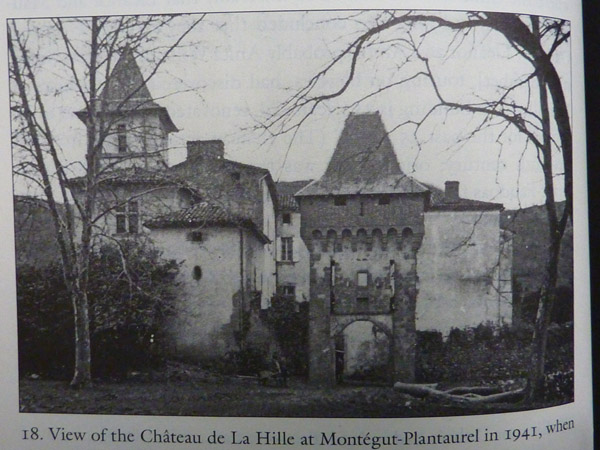
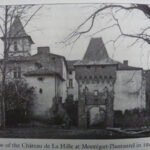
Betty Bloom: "The Chateau de La Hille ... near a village called Montégut-Plantaurel...where we were accommodated from 1942 onwards. "
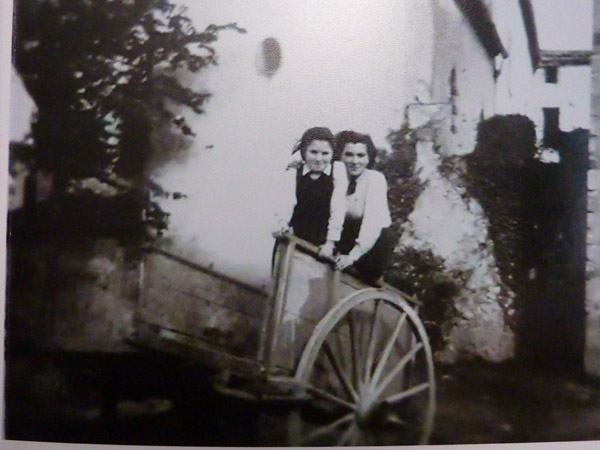
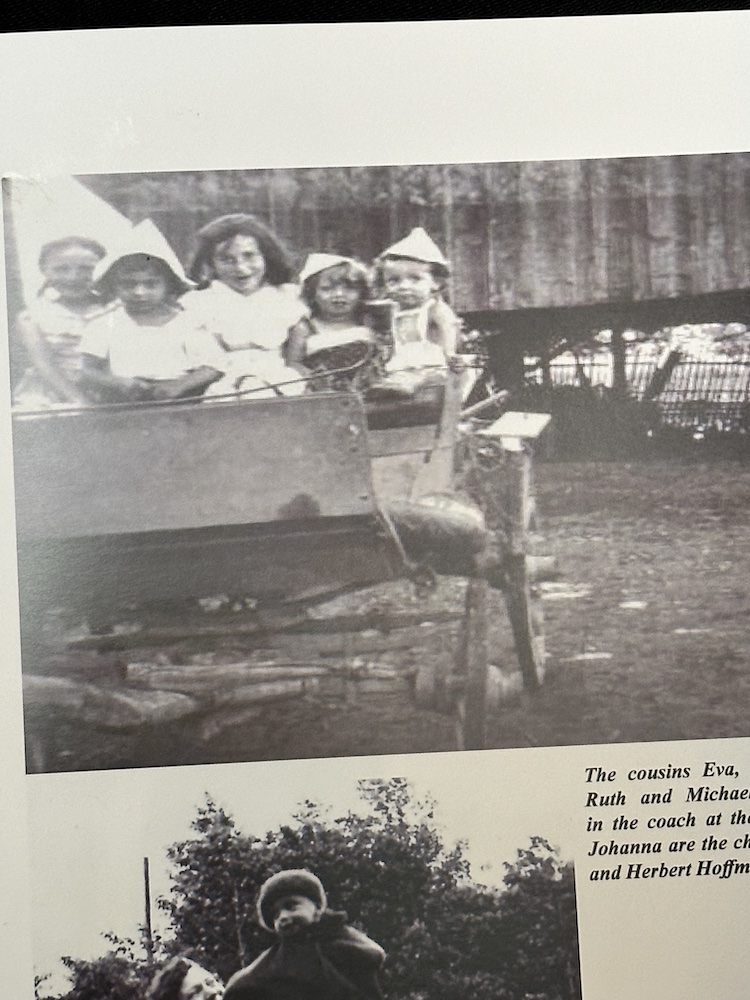
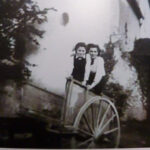
Betty Bloom: "Ruth and Betty on a horse cart in- near the Chateau de La Hille in 1942."
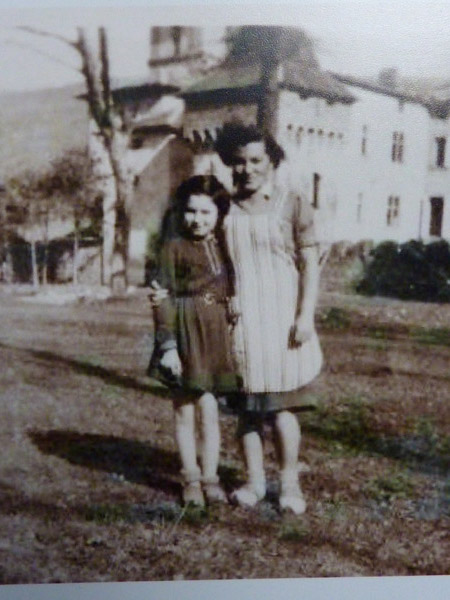
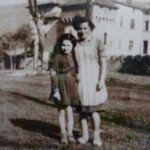
Betty Bloom: With her older sister Ruth in front of the Chateau de La Hille in a village called Montégut [-Plantaurel]
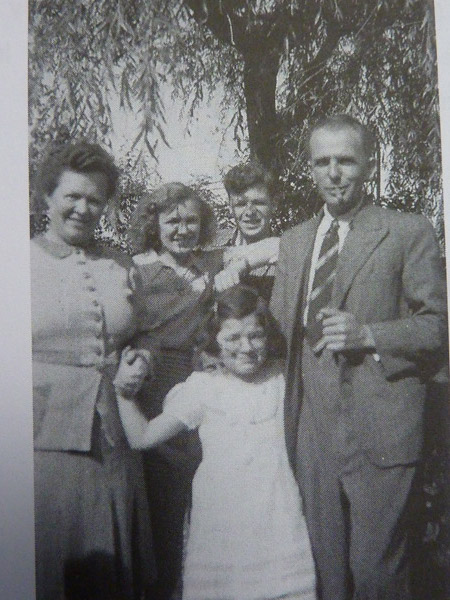
Betty Bloom: "This is a wonderful photo of Bronia [her younger sister]
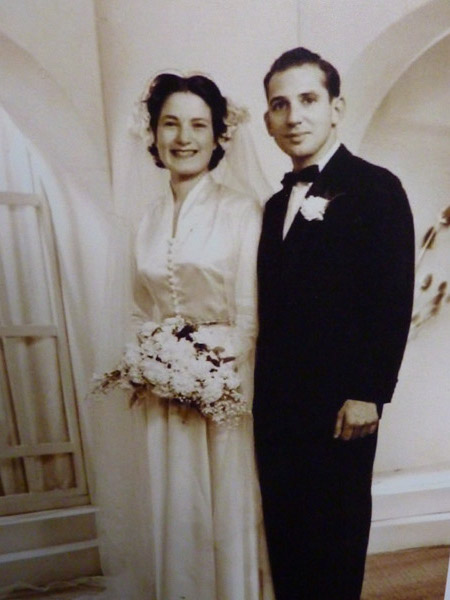
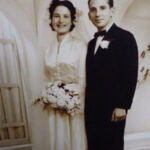
Betty Bloom: Wedding day with husband Alan
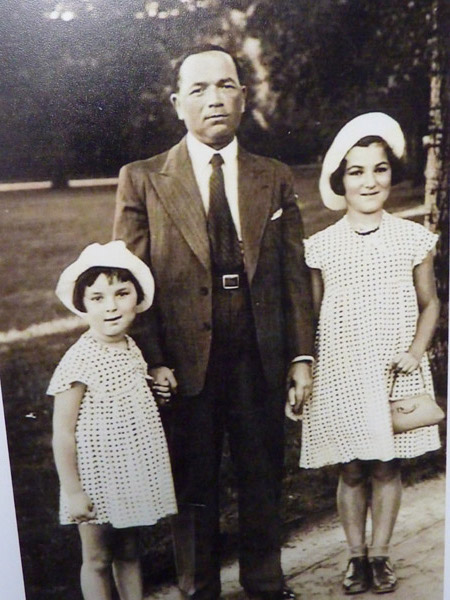
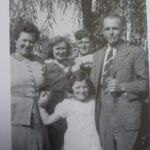
Betty Bloom: With her father and her older sister Ruth
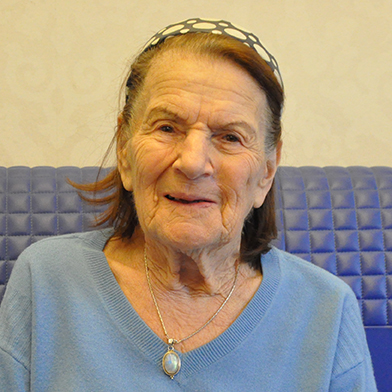
Betty Bloom: Betty Bloom 2020
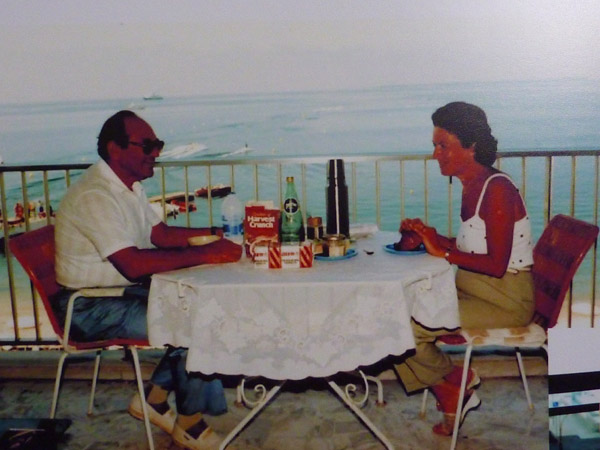
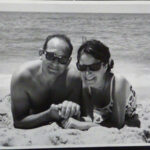
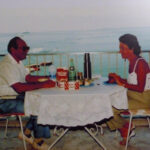
Betty Bloom: Holiday with husband Alan in Juan-Les-Pins
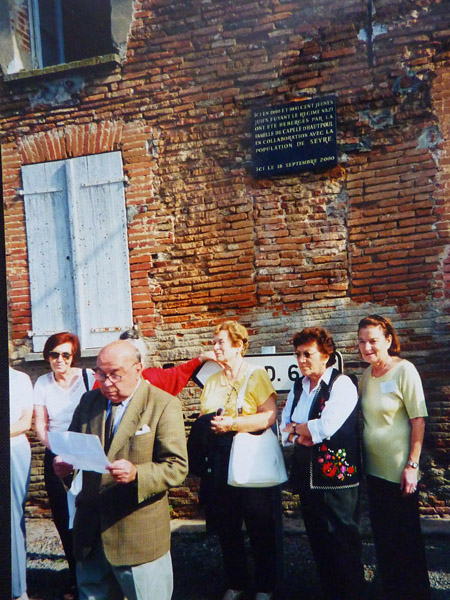
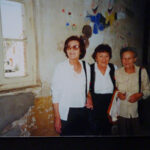
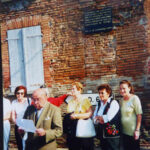
Betty Bloom: "In front of the gates of Chateau de La Hille with Ruth taken during a reunion of the enfants de Chateau de La Hille in 2000. The mayor of the small village of Seyre addressing us during a dedication of the- affixed to the barn where we were lodged when we first arrived from Belgium. I am the first one on the right. Ruth is next to me."
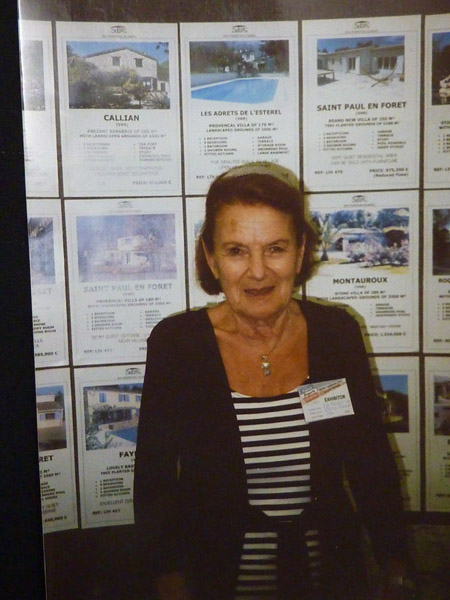
Betty Bloom: "Making use of the French I learned during the war
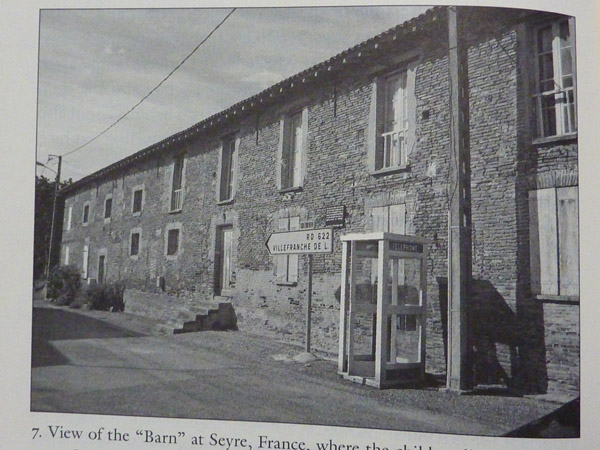
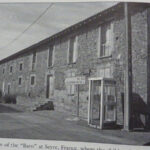
Betty Bloom: A recent photograph of the barn where BB was accommodated when she arrived with a big group of children in 1940 in a small village called Seyre in south-west France.
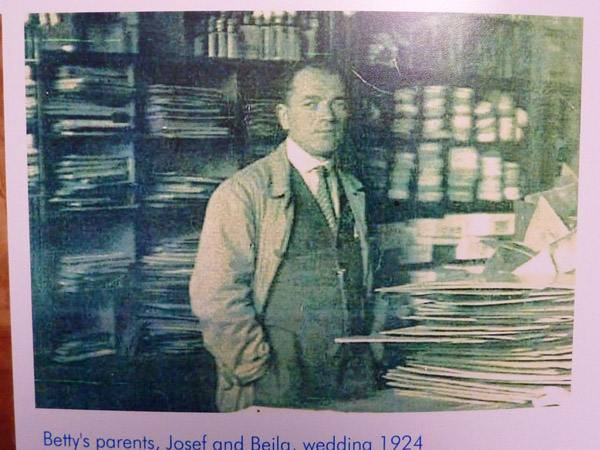
Betty Bloom: Her father
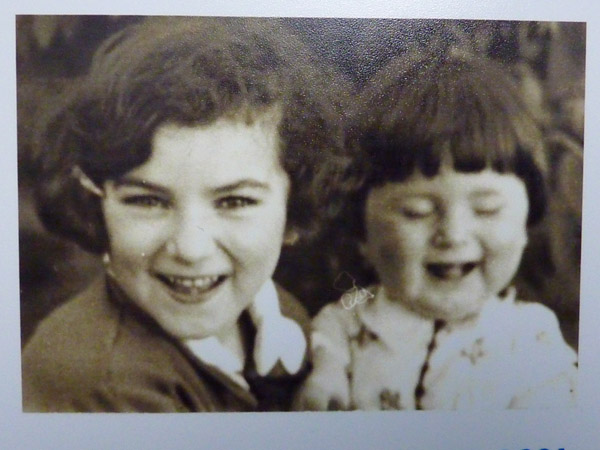
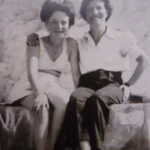
Betty Bloom: With her older sister Ruth
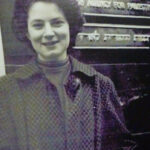
Betty Bloom
Betty Bloom, born in 1930, was the middle daughter of Joseph Schütz (born in Dukla, Poland) and Baila Neuwierth (born in Korczyna, Poland)
Born: 1930
Place of Birth: Berlin
Arrived in Britain: 10/10/1945
Experiences: In Hiding – France , Kindertransport , Kindertransport to Belgium , Polenaktion
Interview Summary
Betty Bloom, born in 1930, was the middle daughter of Joseph Schütz (born in Dukla, Poland) and Baila Neuwierth (born in Korczyna, Poland). They came to Berlin and got married there in 1924, moving to the working-class district of Wedding. They were an orthodox family. Her father worked hard in his shop selling cobblers’ tools and materials. She remembers her first day in school and her mother’s delicious cooking.
These happy days came to an abrupt end when her father was arrested by Gestapo officers and sent to Poland during the Polenaktion because he wasn’t a German citizen. Betty knows that he stayed at first with his mother in Nowy Sacz but details about his further experiences until his death in Bergen-Belsen in January 1945 are unknown. Meanwhile, the situation in Berlin for Betty, her sisters and her mother deteriorated. Her oldest sister, Ruth (born 1925), alert to the situation, decided to take matters into her own hands. She urged her mother to get train tickets for Ruth and Betty to join a Kindertransport train to Belgium without being on the official list. Her plan worked out and the two sisters managed to enter into Belgium without a visa. Accommodation with a local family for two weeks was quickly organised. Afterwards the girls went to live in a girls’ hostel for a year.
Betty’s mother Baila managed to obtain a domestic visa for England. On her way she and her youngest daughter Bronia (born 1935) met up with the older girls. People convinced Baila that she had to leave Bronia in Belgium or else she would be sent back at the UK border because Baila didn’t have a visa for the little girl. With a heavy heart Baila left the four-year old behind. Bronia wasn’t able to stay with her older sisters but was sent to several orphanages.
When the Germans invaded Belgium the older sisters were evacuated to Chateau de La Hille, near Eus in southwest France. They weren’t able to take Bronia along. Bronia was hidden by a Belgian couple during the rest of the war. They loved her like their own child.
Betty describes their arrival in Seyre in the Southwest of France as chaotic and circumstances very basic. Food was scarce and in winter it was very cold. After they settled in the Chateau and French organisations provided financial help, things improved. Books and lessons were organised (Betty learnt French shorthand from a Swiss teacher, Eugen Lyrer), the youngsters were quite self-sufficient, entertained themselves with music (Betty’s lifelong passion for music stems from concerts given by some of the teenage boys), and some of the older ones worked on farms. Betty felt safe – until September 1942 when French police brought the teenagers older than 15 to camp Le Vernet. A Swiss lady from the Red Cross, Rösli Naef, managed with the help of the man in charge of Swiss Red Cross, Monsieur Dubois, to get the teenagers released. Betty’s sister Ruth managed to find a family who planned to cross illegally into Switzerland to take Betty along. Ruth’s heroic adventures are captured in her life memoir. She fulfilled her dream of a life in Israel. She married a refugee from Berlin, became a kibbutz nurse and raised four children.
Betty first went to camp Charmilles in Geneva and from there to a family in Schaffhausen, where she also attended a school for home economics although she would have loved to become a nursery teacher. From there she moved on to Bern to care for a distant relative and was able to meet up with other young people from Chateau de La Hille and enjoy life.
After the war she had to decide whether to join her sister in Palestine or her mother in London. She decided to do the latter in order to take care of her after all the years of hardship and loneliness her mother had endured. Their reunion after six years in London in October 1945 Bettu “has blanked out”. Her younger sister, Bronia, came to London in 1946. Traumatised by the separation from her foster parents she had difficulties to get used to her mother’s and sister’s company. Betty attended secretarial classes at Pittman’s College in Finsbury Park. She met her husband Alan and they considered moving to Israel. In the end a feeling of responsibility for her mother made them stay in England. Alan had different businesses and Betty worked with him.
In 1990 Alan decided to change careers and Betty became a real estate agent selling properties in the South of France to English clients. They had travelled to the French Riviera for many decades where Betty had cousins and her French fluency was very helpful. The business was successful and Betty only stopped working in 2018. She strongly identifies as Jewish- British and her message to us is: “talk about your experiences, people are interested. The more people hear about the Holocaust the more will remember and keep our memory alive and hopefully it will never happen again’.
Key words:
Schütz. Neuwierth. Berlin, Wedding. Dukla, Poland. Korczyna, Poland. Nowy Sacz, Poland. Bergen-Belsen. Kindertransport Belgium. Henri and Gabrielle Ball. Elka and Alex Frank. Seyre. Chateau de La Hille. OSE. Ruth Schütz. Ruth Uzrad. Chemin de la liberté. Camp de Vernet. Rösli Naef. Eugen Lyrer. Switzerland. Camp Charmilles, Geneva. Schaffhausen. Bern. London. Pittman’s College. Shnat Sherut Scheme. Play „Die Kinder von La Hille“. Zimetbaum (paternal grandmother Nowy Sacz)
Place of Birth
Summer wasn't too bad, but the winter was awful because all we had was straw and one blanket each. And I always suffered from the cold. I've never suffered hunger. I only suffered cold. Ruth was always warm. She was hungry but she had terrible boils on her legs from nutrition, you know... I was, I had lice so I just shaved my hair off and there's a photo with my hair shaven, which to me was the second most traumatic thing because my hair was, I liked my hair.
My older sister Ruth was very advanced for her age (13). She went to the Berlin Kindertransport offices to ask if we could be accepted after father was deported. They said 'No, we must look after our German Jewish children first' [the Blooms were Polish]. So she tried to get on Youth Aliyah [to go to Palestine]. They said 'You're too young. Come back next year. We don't take them at 13'. She came back & said to my mother that while she was at the Kindertransport, she overheard a group of girls talking about going on the Kindertransport to Belgium. With a date when they will be leaving & the stations they were leaving from. She said, 'Mutti, there's only one solution for us. You buy Betty & myself a ticket for England so that we can say we're joining our uncle & aunt & we will join this Kindertransport & we will follow them to Belgium." My mother agreed to it. I'm 100% sure if my father had been alive, he would have said no, no way. But she was so courageous that on the 22nd of February 1939 she put us on a train leaving for Belgium not having any foster family to receive us just into the unknown. She bought me a beautiful shoulder bag. She put us on the train. The train started going & she managed to follow it I don't know how to the next station. I don't know. Anyway, we said goodbye & that was it.
The guide took us to his home & said, "We can't cross tonight because they caught some people crossing the border. So, we'll have to wait for another day.' The next day very early in the morning he took us [Betty + 2 others] to the border, across two barbed-wire fences. The border was in Annemasse, on the border with Switzerland. And he said, 'There's a third one you have to cross.' We went straight across & we heard some German. It was the French-Swiss border, so we knew that's no good. So we quickly came back & decided to take the left or the other way round. Anyway, we got this, we managed to get over the third barbed wire. We were in Switzerland where we immediately got a welcome from the Swiss border guards. They said, 'You're very, very lucky because you almost ran into-' They saw it all. 'You almost ran into the arms of the Germans.'
She [sister Ruth] overheard a group of girls talking about going on the Kindertransport to Belgium. With a date when they will be leaving and the stations they were leaving from. She went home and said, "Mutti" that's what we called my mother, "there's only one solution for us. You buy us a ticket- to Betty and myself a ticket for England so that we can say we are joining our uncle and aunt who were by then were in England and we will join this Kindertransport and we will follow them to Belgium." And my mother agreed to it.
REFUGEE VOICES is the AJR’s groundbreaking Holocaust testimony collection of filmed interviews with Jewish survivors and refugees from Nazi Europe who rebuilt their lives in Great Britain.
The copyright of personal photos and documents on the site is held by each interviewee and may not be reproduced without their permission. Please contact the AJR if you would like to use any of the images and documents.