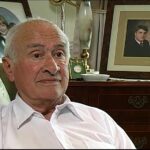
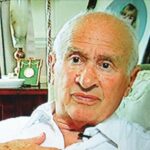
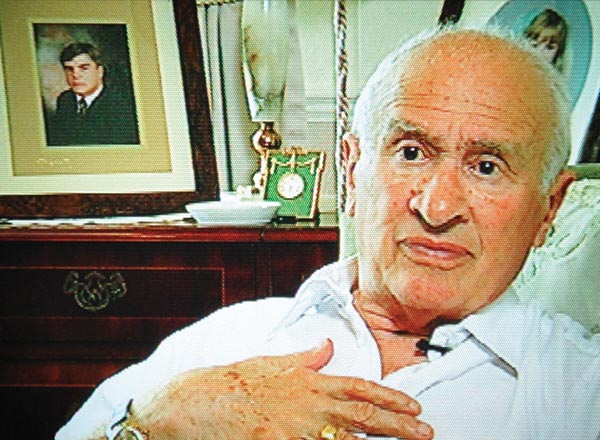
Freddie Boxer: June 2004
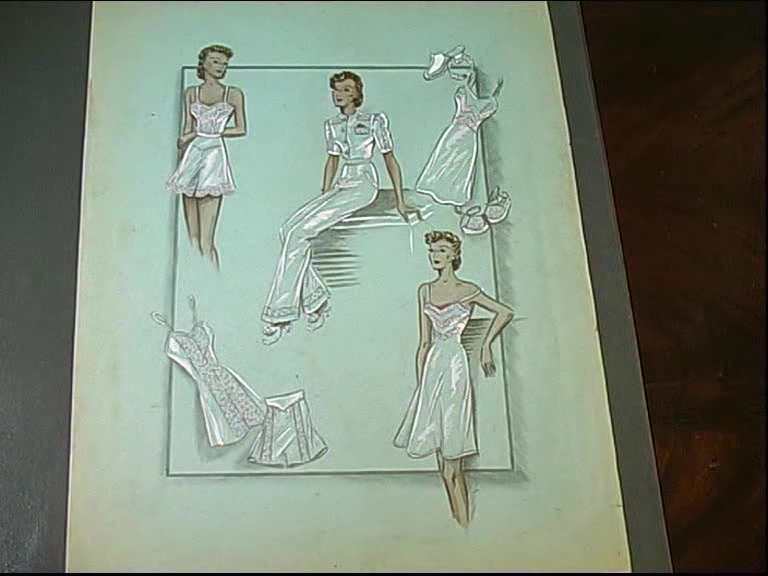
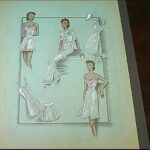
Freddie Boxer: Drawings by his sister who perished in 1942
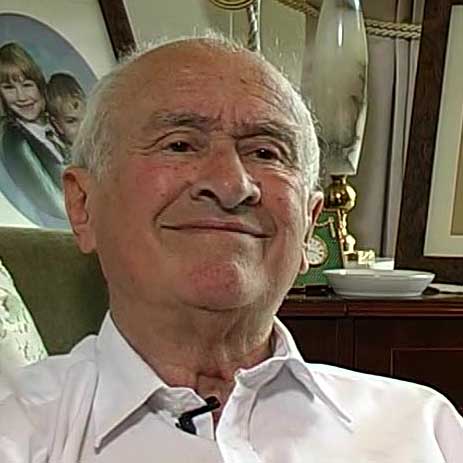
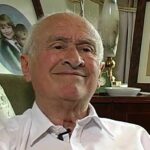
Freddie Boxer: June 2004
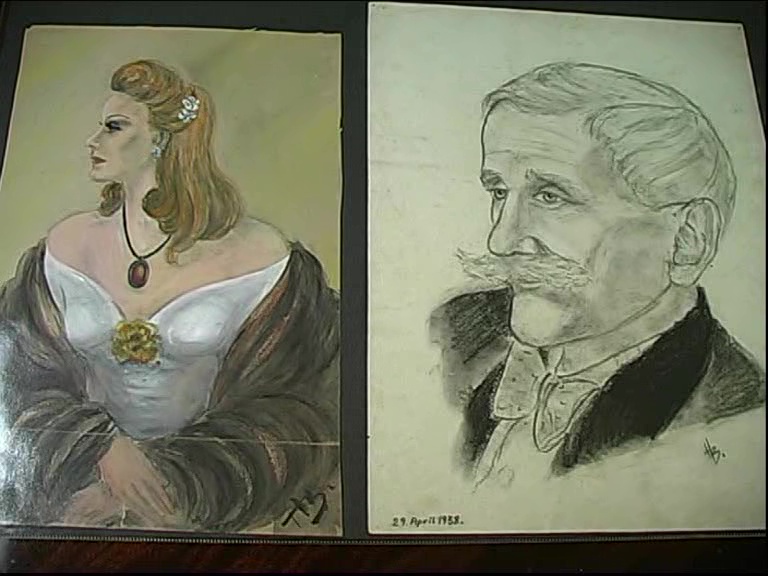
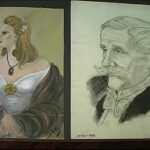
Freddie Boxer: Pictures by FB’s sister of the fellow who used to work in the restaurant who took the pictures for safekeeping
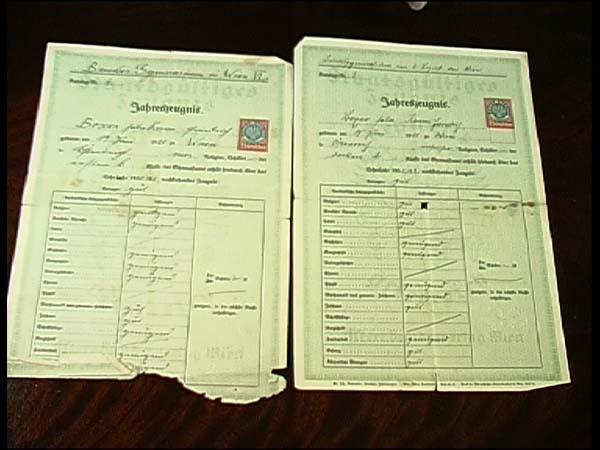
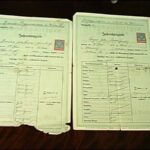
Freddie Boxer: School certificate
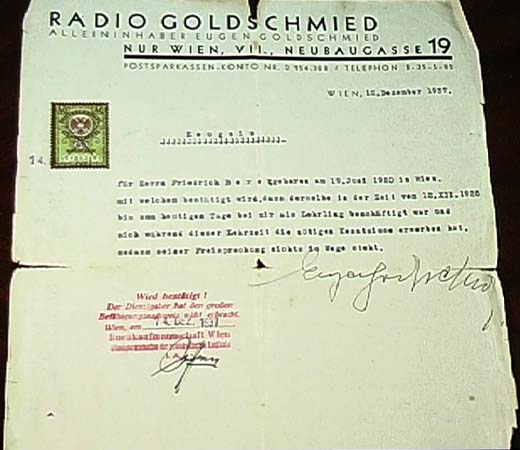
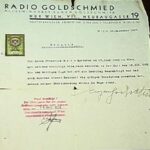
Freddie Boxer: Certificate when he worked for a radio company
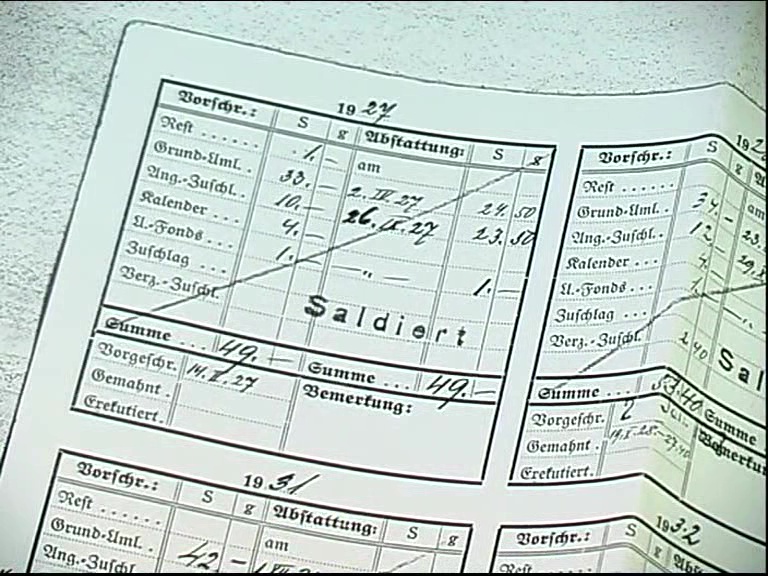
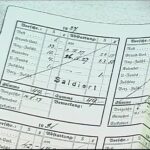
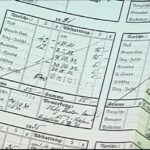
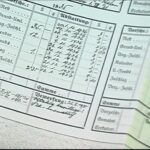
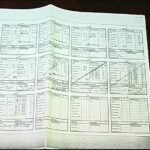
Freddie Boxer: A statement of turnover and tax
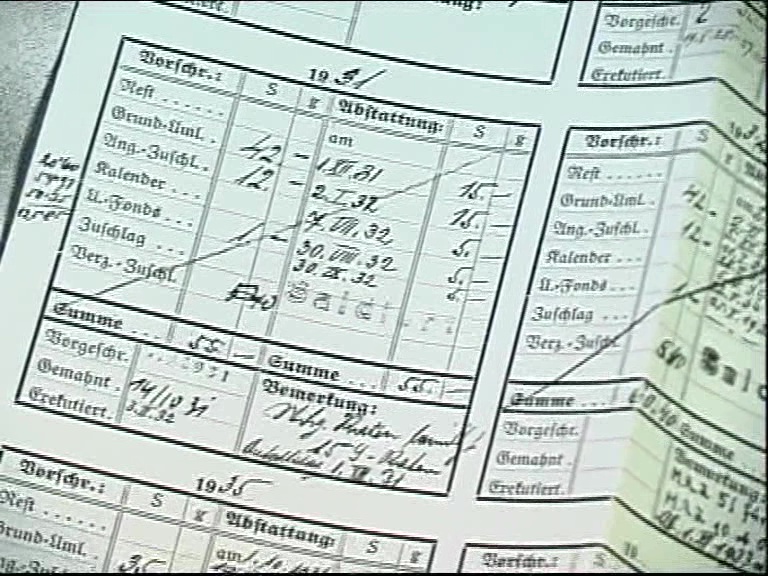
Freddie Boxer: A statement of turnover and tax
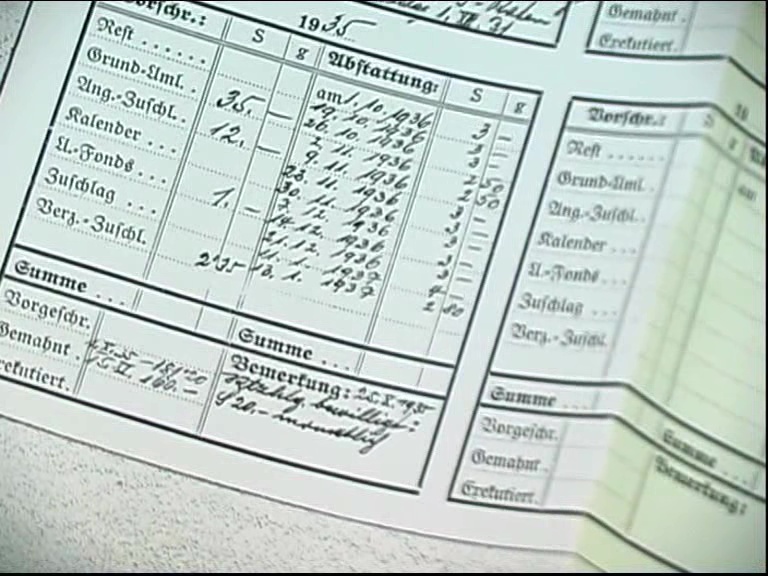
Freddie Boxer: A statement of turnover and tax
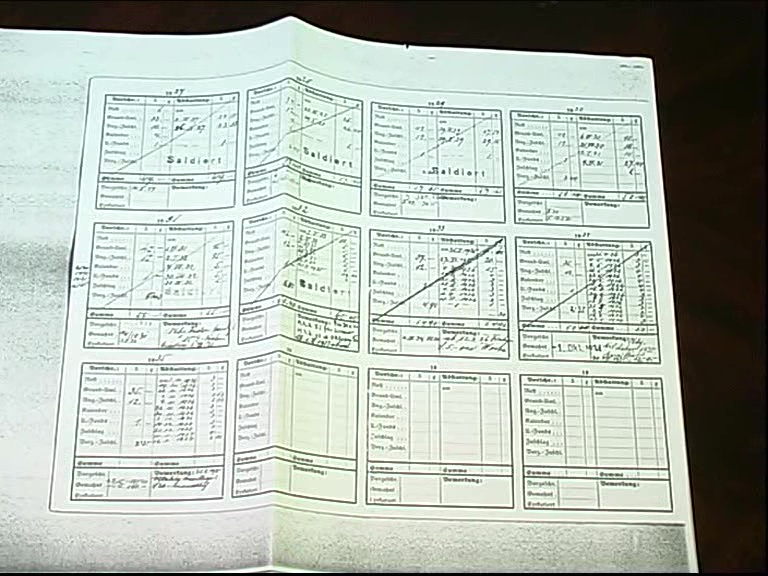
Freddie Boxer: A statement of turnover and tax
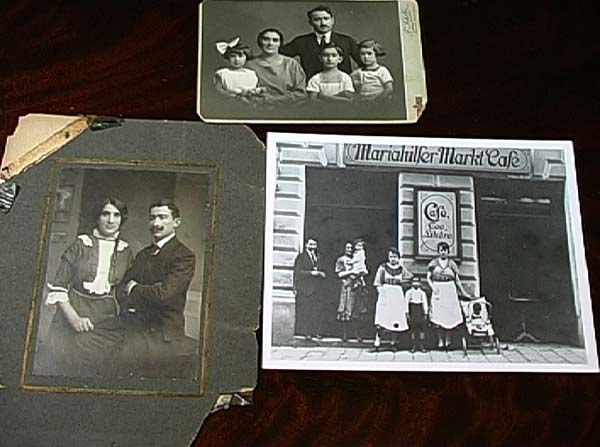
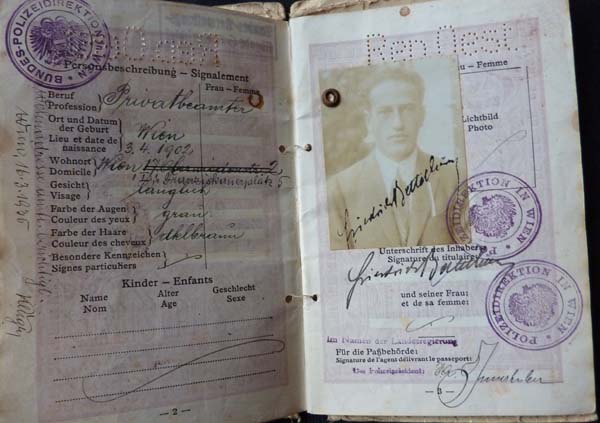
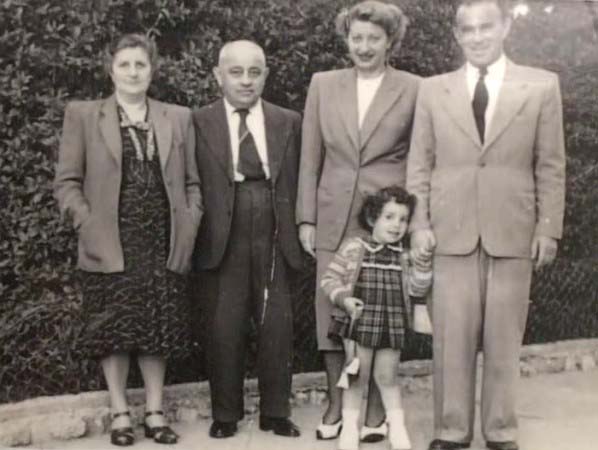
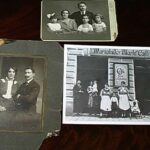
Freddie Boxer: Coffee house and family
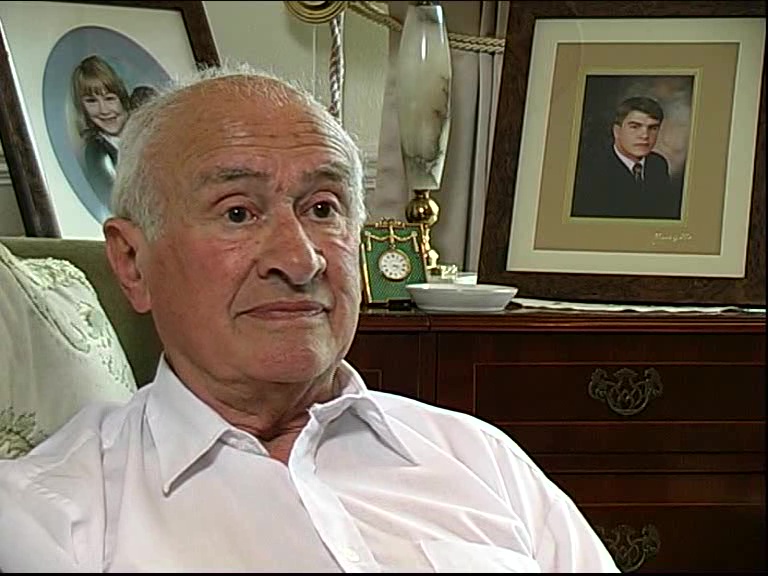
Freddie Boxer
Freddie (Friedrich) Boxer was born in Vienna in 1920, the son of coffee-house owners
Born: 1920
Place of Birth: Vienna
Arrived in Britain: 01/01/1948
Interview Number: 64 (N)
Experiences: Emigration to Shanghai , Japanese Internment
Interview Summary
Freddie (Friedrich) Boxer was born in Vienna in 1920, the son of coffee-house owners. He was the only member of his family to escape Nazi-occupied Austria in 1938. He travelled alone to Shanghai. He was interned by the Japanese in a Jewish camp after Pearl Harbour until 1945. He married a non-Jewish Russian woman in 1945 and returned to Vienna in 1947. He emigrated to England in 1948, where he worked for a match factory and imported matches from Russia. He worked for Firestones and built up his own import/export business with Russia, Romania and Poland.
Place of Birth
It was sufficient. Not meat. Vegetable. Rice. Sometimes the rice was infested with maggots. Yeah. You eat those as well. You know? When you’re in that state you eat anything. You didn’t pick them out. You don’t look, you just swallow. A lot of… there were always maggots in the rice for some reason.
I bring my kids up to be tolerant, to be understanding with any religion and to forgive. But it’s very difficult. I can’t forgive the Nazis for what they did. I can’t. Not with the best will in the world.
REFUGEE VOICES is the AJR’s groundbreaking Holocaust testimony collection of filmed interviews with Jewish survivors and refugees from Nazi Europe who rebuilt their lives in Great Britain.
The copyright of personal photos and documents on the site is held by each interviewee and may not be reproduced without their permission. Please contact the AJR if you would like to use any of the images and documents.